Key Takeaway
Compounded semaglutide can be safe when sourced from a licensed 503A or 503B pharmacy and prescribed by a qualified physician. Learn about quality standards, risks, and how to verify your source.
Compounded semaglutide can be safe when it's prescribed by a licensed physician and prepared by a state-licensed or FDA-registered compounding pharmacy (503A or 503B facility). But safety depends entirely on the quality of the pharmacy, the purity of ingredients, and proper medical oversight throughout treatment.
How Compounded Semaglutide Safety
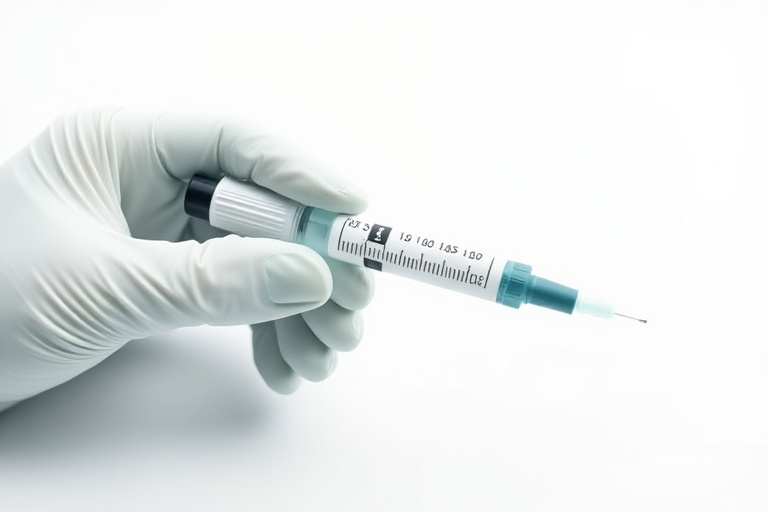
Compounded semaglutide contains the same active peptide found in brand-name medications like Ozempic and Wegovy. The key difference is that compounded versions are prepared by compounding pharmacies rather than manufactured by the original drug maker (Novo Nordisk). This distinction matters for safety because compounded medications follow different regulatory pathways than commercially manufactured drugs.
How Compounding Pharmacies Are Regulated
There are two categories of compounding pharmacies relevant to semaglutide:
- 503A pharmacies are state-licensed compounding pharmacies that prepare medications based on individual prescriptions. They're regulated primarily by state boards of pharmacy and must comply with United States Pharmacopeia (USP) standards for sterile compounding (USP 797).
- 503B outsourcing facilities are FDA-registered and subject to current Good Manufacturing Practice (cGMP) requirements. They undergo FDA inspections and can produce larger batches without patient-specific prescriptions. These facilities generally offer more consistent quality controls.
When compounded semaglutide comes from either type of properly licensed facility, the preparation process follows established pharmaceutical standards for sterility, potency, and purity.
What Makes Compounded Semaglutide Risky
The primary safety concerns with compounded semaglutide aren't about the molecule itself but about the source and preparation:
- Unregulated sources: Products sold online without a prescription or from unlicensed suppliers may contain incorrect doses, contaminants, or entirely different substances. The FDA has issued warnings about semaglutide products from unverified sources.
- Salt form differences: Some compounding pharmacies use semaglutide sodium salt rather than the semaglutide base used in brand-name products. The FDA has raised questions about whether these salt forms are therapeutically equivalent and has noted that semaglutide sodium isn't compounded formulations of the active ingredient listed in approved products.
- Sterility failures: Injectable medications require strict sterile compounding procedures. Pharmacies that cut corners on sterility testing or environmental controls can introduce bacterial contamination.
- Dosing accuracy: Without rigorous quality testing, compounded formulations may contain more or less active ingredient than labeled, leading to unpredictable effects.
How to Verify Safety
Patients can take several steps to ensure their compounded semaglutide is as safe as possible:
- Confirm the compounding pharmacy is state-licensed (503A) or FDA-registered (503B)
- Ask whether the pharmacy conducts third-party potency and sterility testing on each batch
- Verify that a licensed physician has reviewed your medical history and written the prescription
- Check that the pharmacy uses semaglutide from an FDA-registered supplier of active pharmaceutical ingredients
- Look for accreditation from the Pharmacy Compounding Accreditation Board (PCAB)
Side Effects Are the Same
When properly compounded, semaglutide produces the same side effects as brand-name versions. These include nausea, vomiting, diarrhea, constipation, and abdominal pain, particularly during dose escalation. Serious risks such as pancreatitis, gallbladder disease, and the boxed warning for thyroid C-cell tumors also apply. Physician monitoring is just as important with compounded semaglutide as with brand-name formulations.
What to Consider
The safety of compounded semaglutide comes down to two factors: the quality of the pharmacy and the quality of the medical supervision. A reputable telehealth provider will only partner with licensed compounding pharmacies that meet USP standards and provide certificates of analysis for each batch. For a complete cost breakdown, see our cheapest semaglutide options.
View data table
| Category | Mean Body Weight Loss (%) | Detail |
|---|---|---|
| Tirzepatide | 22 | ~22% body weight at 72 wks |
| Semaglutide | 15 | ~15% body weight at 68 wks |
| Liraglutide | 8 | ~8% body weight at 56 wks |
| Retatrutide | 24 | ~24% in Phase 2 trial |
Compounded semaglutide became widely available during the FDA-declared shortage of brand-name semaglutide products. If the shortage status changes, the legal basis for compounding may also change, which could affect availability. Your prescribing physician should keep you informed about any regulatory updates.
Never purchase semaglutide from sources that don't require a prescription. Any provider offering semaglutide without a medical evaluation isn't following safe prescribing practices.
Frequently Asked Questions
Do I need a prescription for Is Compounded Semaglutide Safe?
Yes, GLP-1 receptor agonists require a prescription from a licensed healthcare provider. You can obtain a prescription through an in-person visit or a telehealth consultation with a qualified provider.
What are the most common side effects of Is Compounded Semaglutide Safe?
The most frequently reported side effects include nausea (especially during dose escalation), decreased appetite, and mild gastrointestinal discomfort. These typically improve as your body adjusts to the medication over 2-4 weeks.
How long does it take for Is Compounded Semaglutide Safe to show results?
Most patients begin noticing effects within 4-8 weeks of starting treatment. Full results for weight management typically appear over 12-16 weeks with consistent use and lifestyle modifications.
Get Started with Physician-Supervised Semaglutide Therapy
FormBlends works exclusively with licensed compounding pharmacies that meet rigorous quality standards. Every patient receives a full medical evaluation and ongoing physician supervision throughout treatment. Start your consultation today to access safe, physician-supervised semaglutide therapy.
See your options in about 2 minutes
Take the free quiz and see what fits you. Quick, private, and no commitment to continue.
See my options →