Key Takeaway
Explore the evidence on semaglutide for acid reflux. Learn how weight loss from GLP-1 therapy addresses the root cause of heartburn and what to expect during the treatment adjustment period.
Semaglutide for acid reflux works through an indirect but powerful mechanism: by producing enough weight loss to remove the excess abdominal pressure that forces stomach acid into the esophagus. Clinical trials show semaglutide reduces body weight by 6% to 15% depending on dose, and research consistently shows that weight loss of 10% or more resolves acid reflux symptoms in the majority of overweight patients. The catch is that semaglutide can temporarily worsen reflux before improving it.
How Acid Reflux
Acid reflux occurs when stomach acid flows backward into the esophagus, causing the burning sensation known as heartburn. Occasional reflux is normal, but when it happens frequently (two or more times per week), it may indicate gastroesophageal reflux disease .
The primary barrier against reflux is the lower esophageal sphincter, a muscular valve at the junction of the esophagus and stomach. When this valve functions properly, it opens only to allow food to pass downward. In reflux patients, it either weakens structurally or relaxes inappropriately (transient LES relaxations), allowing acid to escape upward.
The single most important modifiable risk factor for acid reflux is body weight. Every additional pound of abdominal fat increases the pressure on the stomach and the force acting against the LES. This is why weight loss is consistently recommended as a first-line lifestyle intervention for reflux, and why semaglutide's weight loss effects are relevant to this condition.
What the Research Shows
The Weight Loss Pathway to Reflux Relief
The Nurses' Health Study, one of the largest prospective cohort studies ever conducted, followed over 10,000 women and found that a BMI increase of just 3.5 units raised the odds of frequent heartburn by 2.7 times. Conversely, women who lost weight saw proportional reductions in reflux frequency . For a complete cost breakdown, see our compare GLP-1 providers.
View data table
| Category | Mean Body Weight Loss (%) | Detail |
|---|---|---|
| Tirzepatide | 22 | ~22% body weight at 72 wks |
| Semaglutide | 15 | ~15% body weight at 68 wks |
| Liraglutide | 8 | ~8% body weight at 56 wks |
| Retatrutide | 24 | ~24% in Phase 2 trial |
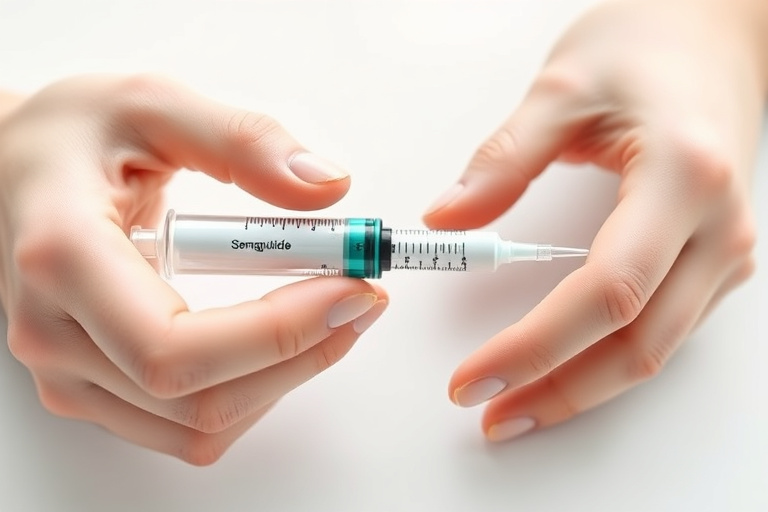
Semaglutide produces weight loss that ranges from moderate (6-7% at Ozempic doses) to substantial (14.9% at the Wegovy dose) . The STEP 1 trial[1] showed that approximately 86% of participants lost at least 5% of body weight, and about 50% lost 15% or more. At these levels, acid reflux improvement is expected based on the weight-reflux literature.
How Semaglutide Reduces Acid Production
Beyond weight loss, semaglutide has a direct effect on gastric acid. GLP-1 receptors on the stomach's parietal cells, when activated, reduce acid secretion. Earlier GLP-1 medications like exenatide were shown to decrease basal acid output by approximately 15% to 20% . Semaglutide, as a more potent GLP-1 receptor agonist, likely produces a similar or slightly greater acid-suppressive effect.
This acid reduction is much weaker than what PPIs achieve (80-90% suppression), but it contributes to the overall reflux-reducing profile. Combined with weight loss and smaller meal sizes, the cumulative effect can be meaningful.
Smaller Meals, Less Reflux
Large meals are one of the most reliable triggers for acid reflux. A full stomach distends and increases pressure on the LES, while also triggering more acid secretion and more transient LES relaxations .
Semaglutide reduces appetite substantially. In the STEP trials, patients reported 30% to 40% fewer food cravings and significantly smaller portion sizes. This spontaneous reduction in meal size aligns perfectly with what gastroenterologists recommend for reflux management: eat smaller, more frequent meals rather than a few large ones.
The Adjustment Phase
During the first 4 to 12 weeks on semaglutide, some patients experience worsening acid reflux. The reasons include delayed gastric emptying (food and acid sitting in the stomach longer), nausea-triggered reflux episodes, and occasional vomiting that directly exposes the esophagus to acid.
This adjustment phase is temporary for the large majority of patients. A 2024 claims database analysis found that while GERD-related complaints increased 12% in the first 3 months of GLP-1 therapy, they decreased 18% below baseline by 12 months .
How Semaglutide May Help
- Root-cause weight loss: Removes the excess abdominal pressure that drives acid reflux
- Acid production decrease: Direct suppression of parietal cell acid secretion through GLP-1 receptors
- Behavioral meal changes: Naturally smaller meals reduce the most common reflux trigger
- Dietary preference shifts: Reduced cravings for fatty and fried foods, which are key reflux triggers
- Long-term medication reduction: Sufficient weight loss may allow PPI tapering under medical guidance
Important Safety Information
Semaglutide carries a boxed warning for thyroid C-cell tumors in rodent studies. Contraindicated in patients with personal or family history of MTC or MEN2 .
Check your GLP-1 eligibility
Use our free BMI Calculator to see if you may qualify for provider-reviewed GLP-1 therapy.
Try the BMI Calculator →For acid reflux patients:
- Keep taking your reflux medication: Don't stop PPIs, H2 blockers, or antacids when starting semaglutide
- Expect a transition: Reflux may temporarily worsen. This is normal and typically resolves as weight loss progresses
- Eating strategies: Eat slowly, choose smaller portions, avoid eating within 3 hours of bedtime, and limit trigger foods
- Sleep position: improve the head of your bed by 6 to 8 inches if nighttime reflux is an issue
- Procedure planning: Inform any doctor who may sedate you that you're taking semaglutide due to delayed gastric emptying
Who Might Benefit
- Acid reflux sufferers with BMI 30+ or 27+ with comorbidities
- Patients whose reflux began or worsened with weight gain
- Those on long-term PPIs who want to address the underlying cause
- Patients with reflux and concurrent type 2 diabetes
- Those who have tried dietary changes alone without sufficient improvement
How to Talk to Your Doctor
- Describe your reflux pattern: frequency, triggers, nighttime vs. daytime
- Share your weight history and any correlation with reflux onset
- List current reflux medications and their effectiveness
- Provide your BMI and any metabolic labs
- Ask about what to expect during the transition period
Frequently Asked Questions
Is semaglutide FDA-approved for acid reflux?
No. Semaglutide is approved for type 2 diabetes (Ozempic) and weight management (Wegovy). Acid reflux improvement comes from weight loss and metabolic changes, not direct anti-reflux action.
Will semaglutide replace my acid reflux medication?
Not immediately. Continue all current reflux medications when starting semaglutide. After achieving significant weight loss (typically 10%+), your doctor may consider gradually tapering your PPI. Never stop acid suppression medications on your own GLP-1 for acid reflux.
How long before semaglutide helps my reflux?
Most patients need 3 to 6 months of treatment before seeing consistent reflux improvement. The first 4 to 12 weeks may actually show increased symptoms due to gastric emptying changes. Improvement correlates with the amount of weight lost.
Does semaglutide cause acid reflux?
Semaglutide can temporarily worsen acid reflux due to delayed gastric emptying, nausea, and vomiting during dose escalation. These effects typically resolve within the first 2 to 3 months. Long-term, most patients experience net improvement in reflux as weight loss accumulates .
Medical References
- Wilding JPH, Batterham RL, Calanna S, et al. Once-Weekly Semaglutide in Adults with Overweight or Obesity. N Engl J Med. 2021;384(11):989-1002. [PubMed | ClinicalTrials.gov | DOI]
Take the Next Step
If excess weight is behind your acid reflux, semaglutide can address the root cause while your current medications manage the symptoms. At FormBlends, we guide patients through the transition and toward lasting relief.
Start your free consultation today to explore whether semaglutide could help reduce your acid reflux.
See your options in about 2 minutes
Take the free quiz and see what fits you. Quick, private, and no commitment to continue.
See my options →