Key Takeaway
Weight loss medication can help postpartum moms shed retained pregnancy weight when diet and exercise aren't enough. Compare options, timing, and safety considerations.
Weight loss medication for postpartum moms is a practical consideration when retained pregnancy weight is affecting your health, energy, and quality of life. Prescription options like GLP-1 receptor agonists have transformed the weight loss space, offering new mothers medically supervised tools that work with their biology rather than against it. This guide covers which medications are appropriate, when to start, what to watch out for, and how to make the process work around the demands of new motherhood.
The Reality of Postpartum Weight Retention
We need to talk honestly about what happens after pregnancy. The cultural expectation of "snapping back" isn't grounded in biology. Here is what the research actually shows:
- The average woman retains 5 to 15 pounds one year after delivery
- Women who gained more than the recommended amount during pregnancy are at highest risk for long-term retention
- Each subsequent pregnancy tends to add additional retained weight
- Postpartum weight retention is an independent risk factor for developing type 2 diabetes and cardiovascular disease within the following decade
If you have genuinely tried adjusting your diet and increasing your activity for several months and the scale isn't moving, the issue may be hormonal and metabolic rather than behavioral. That's where medication enters the conversation.
Prescription Weight Loss Medications Available to Postpartum Moms
GLP-1 Receptor Agonists
These are the gold standard for prescription weight loss in 2026. They work by mimicking a gut hormone that reduces hunger, stabilizes blood sugar, and slows digestion.
View data table
| Category | Mean Body Weight Loss (%) | Detail |
|---|---|---|
| Tirzepatide | 22 | ~22% body weight at 72 wks |
| Semaglutide | 15 | ~15% body weight at 68 wks |
| Liraglutide | 8 | ~8% body weight at 56 wks |
| Retatrutide | 24 | ~24% in Phase 2 trial |
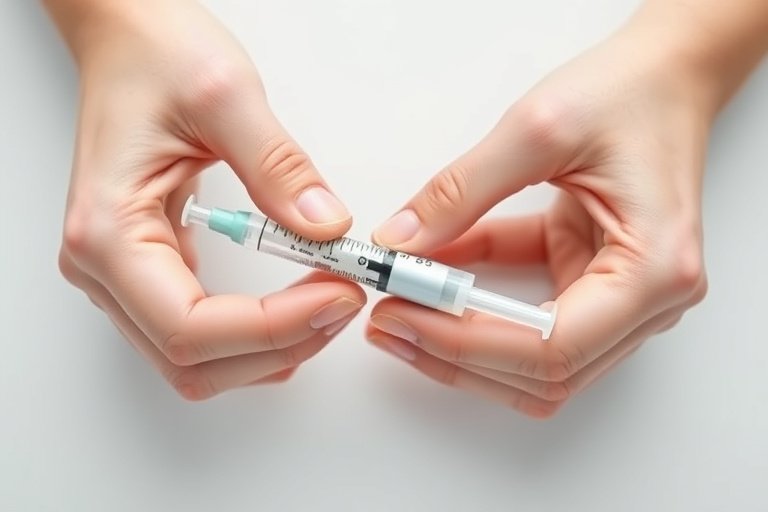
- Semaglutide (Wegovy): FDA-approved for weight management. Weekly injection. Average weight loss of 15% of body weight. $1,300-$1,400/mo (brand)
- Tirzepatide (Zepbound): Dual GLP-1/GIP action. Weekly injection. Up to 22.5% average weight loss. The strongest option available. $1,000-$1,200/mo (brand)
- Liraglutide (Saxenda): Daily injection. About 8% average weight loss[1]. A gentler option for those who prefer starting with a less potent medication.
Other Options
- Phentermine-topiramate (Qsymia): Oral medication. Stimulant-based. Effective but carries risks including increased heart rate, insomnia, and potential mood changes. Not ideal for sleep-deprived new moms.
- Bupropion-naltrexone (Contrave): Oral combination that targets appetite and reward pathways. May interact with antidepressants some postpartum women take. Requires careful coordination with your provider.
- Orlistat (Alli/Xenical): Blocks fat absorption. Available over the counter at lower dose. Modest weight loss (5 to 7%) and common GI side effects. Generally not the first choice when more effective options exist.
For most postpartum women, GLP-1 medications offer the best combination of effectiveness, safety, and tolerability.
When to Start: Timing Around Breastfeeding and Recovery
During Breastfeeding
Most prescription weight loss medications, including all GLP-1 agonists, aren't recommended while breastfeeding. The medications may pass into breast milk, and there's insufficient data on infant safety. If you're breastfeeding, focus on gentle caloric management and wait to start medication until after weaning.
Check your GLP-1 eligibility
Use our free BMI Calculator to see if you may qualify for provider-reviewed GLP-1 therapy.
Try the BMI Calculator →After Weaning (Non-Breastfeeding)
Once you're no longer nursing and your OB/GYN has cleared you postpartum, you can discuss starting medication. For most women, this is somewhere between six weeks and six months after delivery, depending on the birth experience and recovery.
The Ideal Window
Many providers find that three to six months postpartum (or three to six months after weaning) is a productive starting point. By then, your body has had time to stabilize from delivery, you have established some routine with your baby, and you have enough data to know whether lifestyle changes alone are working.
What New Moms Should Know About Taking Weight Loss Medication
Nutrition Can't Be an Afterthought
Weight loss medication reduces appetite, but your body still needs fuel. As a postpartum mom, you're recovering from pregnancy, possibly dealing with iron or calcium depletion, and managing the physical demands of caring for an infant. Under-eating is dangerous. Work with your provider to establish a calorie floor (typically 1,400 to 1,800 calories) that you commit to hitting daily, even when the medication makes you feel like you could skip meals.
Protein Is Non-Negotiable
Aim for 0.8 to 1.0 grams of protein per pound of body weight. This supports tissue repair, muscle preservation, and sustained energy. Quick wins: keep protein shakes, Greek yogurt, and hard-boiled eggs accessible at all times.
Sleep Still Matters
We know you aren't getting eight hours. But the sleep you do get affects how your body responds to weight loss medication. Growth hormone and appetite-regulating hormones are modulated during sleep. Ask for help with nighttime feeds when possible, nap when you can, and protect whatever sleep windows are available.
Mental Health Comes First
If you're experiencing postpartum depression or anxiety, address that before or alongside starting weight loss medication. Some weight loss medications can affect mood, and starting treatment during an untreated mental health crisis is risky. Your provider should screen for mood disorders as part of the prescribing process.
Side Effects to Watch For
- Nausea: The most common side effect of GLP-1 medications. Usually worst during dose escalation and improves over time. Small, frequent meals help.
- Constipation: Slowed gastric emptying can lead to constipation. Water, fiber, and gentle movement are your first line of defense.
- Fatigue: If the medication causes you to eat too little, fatigue will compound your existing sleep deprivation. Track calories for the first few weeks to stay above your minimum.
- Gallstones: Rapid weight loss increases gallstone risk. Losing weight at a steady pace (1 to 2 pounds per week) and eating adequate dietary fat can reduce this risk.
Frequently Asked Questions
Is weight loss medication safe after pregnancy?
Yes, once breastfeeding is complete and you have been medically cleared. GLP-1 medications have been studied extensively in adult women and have a well-established safety profile. Your provider will review your specific health history before prescribing.
Will weight loss medication interfere with bonding or energy for my baby?
Not when used properly. The goal is to improve your energy and well-being, not deplete it. Under-dosing and under-eating are the main risks for feeling worse. A good prescribing provider will titrate your dose carefully and monitor how you feel.
Can I take weight loss medication if I had gestational diabetes?
Absolutely. In fact, GLP-1 medications are particularly beneficial for women with a history of gestational diabetes, since they improve insulin sensitivity and may reduce the long-term risk of developing type 2 diabetes.
What if I want to get pregnant again soon?
GLP-1 medications should be stopped at least two months before attempting conception. If you're planning a short interval between pregnancies, discuss the risk-benefit analysis with your provider.
How long will I need to take the medication?
Most women use weight loss medication for six to eighteen months to reach their goals. Some continue on a maintenance dose long-term. Your provider will help you plan an exit strategy that includes sustainable habits to minimize weight regain.
Medical References
- Pi-Sunyer X, Astrup A, Fujioka K, et al. A Randomized, Controlled Trial of 3.0 mg of Liraglutide in Weight Management. N Engl J Med. 2015;373(1):11-22. [PubMed | ClinicalTrials.gov | DOI]
Your Next Step
You deserve to feel strong, healthy, and comfortable in your body after having a baby. If lifestyle changes aren't getting you there, weight loss medication may be the missing piece. FormBlends offers telehealth consultations where we evaluate your postpartum health, breastfeeding status, and goals to recommend the best medication and dosing for your situation.
Book a consultation to discuss weight loss medication for postpartum recovery.
See your options in about 2 minutes
Take the free quiz and see what fits you. Quick, private, and no commitment to continue.
See my options →