Key Takeaway
Find out how much MOTS-c costs per month, what drives pricing differences between providers, and tips for getting the best value on peptide therapy.
· Peptide Q&A
MOTS-c typically costs between $150 and $500 per month depending on your dosing protocol, the provider you use, and whether you obtain it through a telehealth clinic or a compounding pharmacy. Pricing varies widely because MOTS-c is still a research-stage peptide without standardized commercial pricing. Contact provider for current pricing
About the factors that affect cost can help you budget for therapy and avoid overpaying. Below is a breakdown of what drives MOTS-c pricing and how to evaluate the value of what you're getting.
What Determines MOTS-c Price
Dosing Protocol
The biggest factor in monthly cost is how much MOTS-c you use. A common dosing range is 5 mg to 10 mg administered three to five times per week. Someone injecting 10 mg daily will spend significantly more than someone using 5 mg three times per week. Your provider will determine the appropriate dose based on your goals and health status.
Source and Purity
MOTS-c sourced from a licensed US compounding pharmacy with third-party purity testing typically costs more than peptides from unregulated online vendors. The premium reflects quality control, sterility standards, and certificates of analysis (COAs). Choosing a cheaper source without proper testing introduces risk.
Provider Fees
Many telehealth peptide clinics charge a monthly membership or consultation fee on top of the peptide cost itself. These fees can range from $50 to $200 per month and may include lab work, ongoing monitoring, or access to a prescriber for dose adjustments.
Typical Monthly Cost Breakdown
| Cost Component | Estimated Range |
|---|---|
| MOTS-c peptide (vial) | $100 to $350 Contact provider for current pricing |
| Provider/clinic fee | $50 to $200 |
| Supplies (syringes, alcohol swabs) | $10 to $25 |
| Lab work (if included separately) | $0 to $150 |
All-in, expect a monthly total of roughly $150 to $500 for a typical protocol. Some clinics offer bundle pricing or multi-month packages that can reduce the per-month cost.
View data table
| Category | Clinical Interest Score | Detail |
|---|---|---|
| BPC-157 | 88 | Tissue repair and gut healing |
| TB-500 | 82 | Injury recovery |
| Sermorelin | 78 | Growth hormone support |
| Ipamorelin | 75 | Anti-aging and recovery |
| GHK-Cu | 70 | Skin and tissue repair |
Is MOTS-c Covered by Insurance?
No. MOTS-c isn't FDA-approved and isn't covered by health insurance plans. All costs are out-of-pocket. Some clinics accept HSA or FSA cards, so check with your plan administrator if that applies.
From the FormBlends catalog
MOTS-c
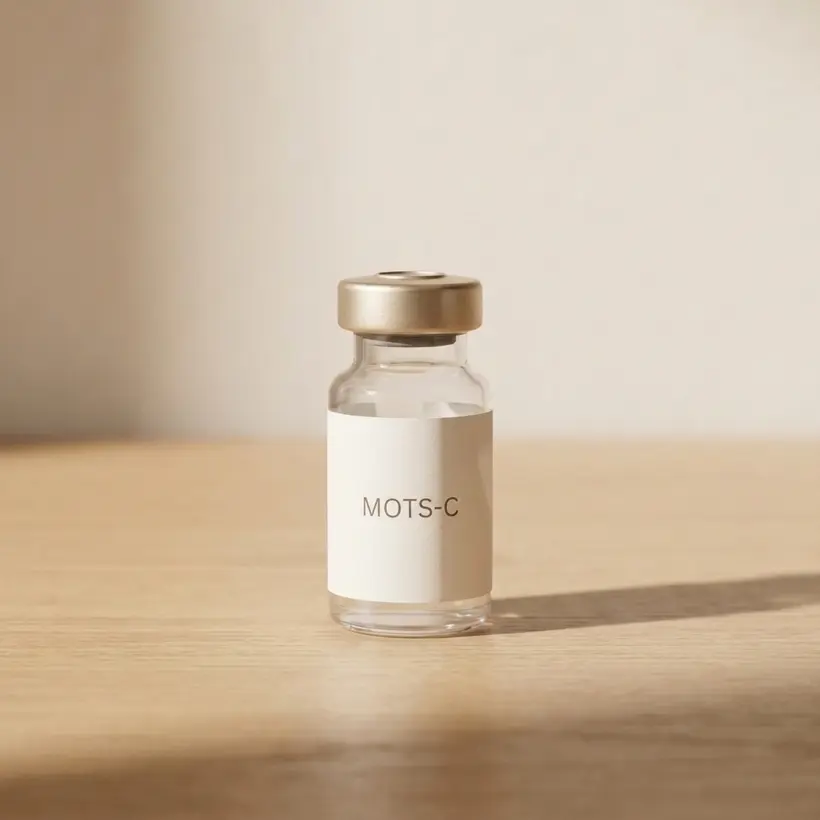
Mitochondrial-derived exercise mimetic that regulates metabolic homeostasis · From $249/mo · compounded by a licensed 503A pharmacy, dispensed only after provider review.
View MOTS-c →How to Get the Best Value
- Ask for COAs: Any reputable provider should share certificates of analysis confirming peptide identity and purity above 98%.
- Compare total costs: Look beyond the vial price. Factor in consultation fees, shipping, and supplies.
- Buy in cycles: If your provider offers multi-vial discounts, purchasing enough for a full cycle upfront can save money.
- Avoid rock-bottom prices: If a price seems too good to be true, the product may be underdosed, contaminated, or mislabeled.
How to choose a peptide provider
Frequently Asked Questions
Why is MOTS-c so expensive compared to other peptides?
MOTS-c is a complex mitochondrial-derived peptide that's more difficult to synthesize than simpler peptides like BPC-157. Its production requires precise manufacturing processes, which drives up cost. Limited commercial availability also keeps prices higher.
Can I reduce my MOTS-c cost by using a lower dose?
Possibly. Some providers start patients at 5 mg three times per week, which uses less product than daily protocols. But never adjust your dose without your provider's guidance, as underdosing may reduce effectiveness.
Do telehealth peptide clinics charge more than local providers?
Not always. Telehealth clinics often have lower overhead and may pass savings to patients. But some charge premium membership fees. Compare the total monthly cost, including the peptide, consultation, labs, and shipping, before committing.
Is there a generic version of MOTS-c?
MOTS-c isn't a branded pharmaceutical, so the concept of a generic doesn't apply in the traditional sense. All MOTS-c on the market is produced by compounding pharmacies or research chemical suppliers. Quality and pricing vary by manufacturer.
Will MOTS-c prices come down in the future?
It's possible. As synthesis methods improve and demand increases, production costs may decrease. If MOTS-c eventually receives FDA approval for a specific indication, insurance coverage could also lower out-of-pocket costs for patients.
Ready when you are
MOTS-c
Mitochondrial-derived exercise mimetic that regulates metabolic homeostasis · From $249/mo · compounded by a licensed 503A pharmacy, dispensed only after provider review.
View MOTS-c →