Free shipping on orders over $150  |  All products third-party tested for 99%+ purity Shop Now

Ozempic vs Mounjaro vs Wegovy: The Big 3 Weight Loss Injections Compared (2025)

Ozempic vs Mounjaro vs Wegovy: The Big 3 Weight Loss Injections Compared (2025)

Compare Ozempic, Mounjaro, and Wegovy side-by-side. Expert analysis of pricing, effectiveness, and which GLP-1 injection works best for your weight loss goals.

Reviewed by FormBlends Medical Team|
In This Article

Written by Dr. Sarah Chen, PharmD, Clinical Pharmacist & Medical Reviewer

Medically reviewed by Dr. Michael Torres, MD, Board-Certified Obesity Medicine Physician

Published:

🏆 Quick Winner Summary

  • Best Overall: Mounjaro (tirzepatide) - dual-action mechanism delivers superior weight loss
  • Best Value: Ozempic (semaglutide) - proven track record at competitive pricing
  • Best for Quick Start: Wegovy (semaglutide) - FDA-approved specifically for weight management
The weight loss injection field has fundamentally changed. Three medications now dominate the conversation: Ozempic, Mounjaro, and Wegovy. Each represents a different approach to GLP-1 therapy, yet all three deliver remarkable results that were unimaginable just five years ago. These aren't your typical diet pills. We're talking about prescription medications that work at the hormonal level, mimicking incretin hormones your body naturally produces. The result? Patients routinely lose 15-22% of their body weight over 68 weeks of treatment. But here's the challenge: choosing between them requires understanding subtle but important differences in mechanism, pricing, availability, and side effect profiles. Our clinical team at FormBlends has analyzed thousands of patient outcomes across all three medications. This comparison breaks down everything you need to know. The stakes matter. You're not just choosing a medication. You're selecting a treatment approach that could reshape your relationship with food, your energy levels, and your long-term health outcomes. The wrong choice means months of suboptimal results or unnecessary side effects.

Master Comparison Table: All Three at a Glance

Factor Ozempic Mounjaro Wegovy
Active Ingredient Semaglutide Tirzepatide Semaglutide
FDA Approval Type 2 Diabetes Type 2 Diabetes Weight Management
Mechanism GLP-1 agonist GLP-1 + GIP dual agonist GLP-1 agonist
Average Weight Loss 12-14% 20-22% 15-17%
Monthly Cost $300-400 $1,000-1,200 $1,300-1,500
Insurance Coverage Excellent Growing Limited
Injection Frequency Weekly Weekly Weekly
Best For Budget-conscious patients Maximum weight loss Weight-focused treatment

Ozempic: The Proven Performer

Ozempic entered the weight loss conversation through the back door. Originally developed for type 2 diabetes management, patients and physicians quickly noticed its profound appetite suppression effects. The medication contains semaglutide, a GLP-1 receptor agonist that mimics the incretin hormone your intestines naturally produce after meals. Key Strengths:
  • Insurance Coverage: Most insurance plans cover Ozempic for diabetes, making it the most accessible option financially
  • Established Safety Profile: Over 6 years of real-world data with millions of patients worldwide
  • Predictable Dosing: Clear escalation protocol from 0.25mg to 1mg over 16 weeks
Key Weaknesses:
  • Off-Label Use: Not FDA-approved for weight management, which can complicate insurance coverage for obesity
  • Moderate Weight Loss: Averages 12-14% body weight reduction versus 20%+ with newer options
  • Supply Chain Issues: Periodic shortages due to overwhelming demand
The STEP trials demonstrated that semaglutide produces consistent weight loss across diverse patient populations. In the landmark STEP 1 study, participants lost an average of 14.9% of their body weight over 68 weeks (Wilding et al., NEJM, 2021). However, these results came from the higher-dose formulation now marketed as Wegovy. Ozempic's maximum dose of 1mg weekly delivers slightly less dramatic results, typically in the 12-14% range. But for many patients, this represents life-changing weight loss. A 250-pound individual losing 12% of their body weight drops 30 pounds, often reversing prediabetes and reducing cardiovascular risk factors. Pricing varies significantly based on insurance coverage and pharmacy choice. With insurance, patients often pay $25-50 monthly copays. Without coverage, retail prices range from $900-1,200 monthly, though compounded semaglutide options can reduce costs to $300-400 monthly. The medication works by slowing gastric emptying, reducing appetite, and improving insulin sensitivity. Most patients notice appetite suppression within the first week, though maximum weight loss typically occurs between months 4-6 of treatment. Ideal Patient Profile: Individuals with type 2 diabetes or prediabetes seeking moderate weight loss with excellent insurance coverage. Also suitable for budget-conscious patients willing to use compounded alternatives.

Mounjaro: The Dual-Action Powerhouse

Mounjaro represents the next evolution in incretin-based therapy. Unlike single-target GLP-1 agonists, tirzepatide activates both GLP-1 and GIP (glucose-dependent insulinotropic polypeptide) receptors. This dual mechanism produces superior weight loss outcomes compared to any other medication in its class. Key Strengths:
  • Superior Weight Loss: Clinical trials show 20-22% average weight reduction, the highest of any approved medication
  • Dual Mechanism: GIP receptor activation enhances satiety and improves fat metabolism beyond GLP-1 effects alone
  • Cardiovascular Benefits: Emerging data suggests superior cardiovascular protection compared to GLP-1-only medications
Key Weaknesses:
  • Premium Pricing: $1,000-1,200 monthly without insurance, with limited coverage for weight loss
  • Newer Safety Profile: FDA approval in 2022 means less long-term safety data compared to semaglutide
  • Complex Dosing: Five different dose strengths require careful titration and monitoring
The SURMOUNT clinical trial program delivered unprecedented results. In SURMOUNT-1, patients without diabetes lost an average of 22.5% of their body weight on the highest dose (Jastreboff et al., NEJM, 2022). This represents the most significant weight loss ever achieved with a single medication, approaching surgical outcomes. The dual-action mechanism works synergistically. GLP-1 receptor activation provides the familiar appetite suppression and gastric slowing. GIP receptor activation adds enhanced insulin sensitivity, improved fat oxidation, and additional satiety signals. The combination produces weight loss that exceeds what either mechanism achieves alone. Dosing starts at 2.5mg weekly and escalates to a maximum of 15mg weekly over 20 weeks. This gradual escalation minimizes gastrointestinal side effects, though some patients still experience nausea, especially during dose increases. Insurance coverage remains challenging for weight management indications. Most plans cover Mounjaro for diabetes but require prior authorization and documented medical necessity for obesity treatment. Without coverage, the $1,000+ monthly cost puts it out of reach for many patients. Compounded tirzepatide offers a more affordable alternative, typically priced at $400-600 monthly through specialized pharmacies. However, compound availability varies by state regulations and pharmacy capabilities. Ideal Patient Profile: Patients seeking maximum weight loss who can afford premium pricing or have excellent insurance coverage. Particularly suitable for individuals with significant obesity (BMI >35) or those who haven't achieved adequate results with other GLP-1 medications.

Wegovy: The Weight Loss Specialist

Wegovy contains the same active ingredient as Ozempic but at higher doses specifically approved for chronic weight management. This represents the first GLP-1 medication designed from the ground up for obesity treatment rather than diabetes management. Key Strengths:
  • FDA Weight Loss Approval: Specifically indicated for chronic weight management, eliminating off-label concerns
  • Higher Dosing: 2.4mg maximum dose delivers superior weight loss compared to Ozempic's 1mg limit
  • Comprehensive Clinical Data: Extensive STEP trial program specifically focused on weight management outcomes
Key Weaknesses:
  • Limited Insurance Coverage: Many plans exclude weight loss medications entirely, leading to high out-of-pocket costs
  • Supply Shortages: Persistent availability issues since launch due to manufacturing constraints
  • Premium Pricing: $1,300-1,500 monthly without insurance coverage
The STEP clinical program established Wegovy as the gold standard for medication-based weight management. STEP 1 demonstrated 14.9% average weight loss over 68 weeks, with 83.5% of participants losing at least 5% of their body weight (Wilding et al., NEJM, 2021). More importantly, STEP 4 showed that patients who achieved weight loss maintained their results when continuing treatment, while those who switched to placebo regained weight rapidly. This underscores the chronic nature of obesity and the need for long-term medication therapy. Wegovy's dosing escalates more aggressively than Ozempic, reaching 2.4mg weekly after 16 weeks. This higher dose delivers the superior weight loss outcomes seen in clinical trials but may increase side effect intensity during the escalation period. The medication's weight management indication should theoretically improve insurance coverage, but reality proves more complex. Many insurance plans specifically exclude obesity medications regardless of FDA approval. Others require extensive prior authorization documentation, including failed attempts with diet and exercise. Manufacturing challenges have plagued Wegovy since its 2021 launch. Novo Nordisk has struggled to meet demand, leading to periodic shortages and allocation restrictions. These supply issues have driven many patients toward Ozempic or compounded alternatives. Ideal Patient Profile: Patients focused specifically on weight management who have excellent insurance coverage or can afford premium pricing. Particularly suitable for individuals who want the psychological benefit of using a medication specifically approved for their condition.

Price Showdown: Who's Cheapest?

Pricing represents the most significant barrier to accessing these medications. Without insurance, all three carry substantial monthly costs that put them beyond reach for many patients. Ozempic wins the affordability contest due to better insurance coverage and established compounding options. Most diabetes-focused insurance plans cover Ozempic with reasonable copays, typically $25-75 monthly. Even patients using it off-label for weight loss often maintain coverage if they have prediabetes or metabolic syndrome. Compounded semaglutide has emerged as a significant advancement for cost-conscious patients. Specialized pharmacies offer bioidentical semaglutide for $300-400 monthly, making treatment accessible without insurance coverage. Quality varies between compounding pharmacies, so physician oversight becomes important. Mounjaro occupies the middle ground. Retail pricing approaches $1,000-1,200 monthly, but insurance coverage is improving rapidly as more plans recognize its diabetes indication. The medication's superior efficacy may justify higher costs for patients who can afford it. Wegovy carries the highest price tag at $1,300-1,500 monthly. Insurance coverage remains inconsistent despite FDA approval for weight management. Many plans exclude obesity medications entirely, while others require extensive documentation and prior authorization. Manufacturer savings programs provide temporary relief but come with income restrictions and limited duration. Ozempic and Mounjaro offer programs reducing costs to $25-150 monthly for eligible patients, while Wegovy's program covers up to $200 monthly. The true cost calculation must include physician visits, laboratory monitoring, and potential side effect management. Telehealth platforms can reduce these ancillary costs by providing remote monitoring and prescription management.

Medication Selection: Who Offers What?

All three medications share similar mechanisms but differ in dosing flexibility and formulation options. Understanding these differences helps optimize treatment selection for individual patients. Mounjaro offers the most dosing flexibility with five different strengths: 2.5mg, 5mg, 7.5mg, 10mg, 12.5mg, and 15mg. This granular dosing allows precise titration to balance efficacy with side effect tolerance. Patients who experience nausea at higher doses can often find a sweet spot that maintains weight loss while minimizing discomfort. Ozempic provides four dose options: 0.25mg, 0.5mg, 1mg, and 2mg. The 2mg dose received FDA approval in 2022, offering higher efficacy for patients who plateau at 1mg. However, many insurance plans haven't updated their coverage to include the 2mg strength. Wegovy uses a fixed escalation schedule with five doses: 0.25mg, 0.5mg, 1mg, 1.7mg, and 2.4mg. The predetermined escalation timeline reduces dosing complexity but offers less flexibility for patients who need slower titration. Compounded options provide additional flexibility for all three medications. Specialized pharmacies can create custom concentrations, alternative injection volumes, and even oral formulations for patients with injection anxiety. Quality control becomes paramount with compounded medications, requiring pharmacies that follow USP 797 sterile compounding standards. Delivery mechanisms vary slightly between brands. All three use pre-filled pen injectors, but needle gauge and injection volume differ. Mounjaro uses the smallest needle (32-gauge) with the largest injection volume (0.5mL). Ozempic and Wegovy use 32-gauge needles with smaller volumes (0.25-0.75mL depending on dose). Storage requirements remain consistent across all three medications. Unopened pens require refrigeration, while in-use pens can be stored at room temperature for up to 56 days. This flexibility improves treatment adherence for patients who travel frequently.

Doctor Quality: Who Has Real Oversight?

Physician oversight quality varies dramatically across different prescribing platforms and healthcare systems. These medications require careful monitoring for side effects, dose optimization, and long-term safety surveillance. Traditional endocrinology practices typically provide the highest quality oversight but often have months-long wait times for new patients. Endocrinologists understand the nuances of incretin therapy, can manage complex side effects, and provide comprehensive diabetes care when needed. Primary care physicians increasingly prescribe these medications but may lack specialized training in obesity medicine. Quality varies significantly based on individual physician experience and practice protocols. Some primary care providers excel at weight management, while others feel uncomfortable with these newer medications. Telehealth platforms have democratized access but created quality concerns. Some platforms use nurse practitioners or physician assistants with minimal obesity medicine training. Others employ board-certified physicians with extensive experience in weight management. FormBlends employs physician-supervised protocols that combine telehealth convenience with specialist-level oversight. Our medical team includes physicians with obesity medicine certification who review every patient case and adjust treatment protocols based on individual response patterns. The key differentiator lies in ongoing monitoring protocols. High-quality providers establish regular check-in schedules, monitor laboratory values, assess side effect profiles, and adjust dosing based on patient response. Lower-quality providers may prescribe medications without adequate follow-up or safety monitoring. Red flags include providers who:
  • Don't require baseline laboratory work before starting treatment
  • Fail to establish regular follow-up schedules
  • Don't provide clear protocols for managing side effects
  • Prescribe maximum doses without proper titration
  • Don't screen for contraindications like personal or family history of medullary thyroid cancer
Patients should prioritize providers who demonstrate knowledge of incretin physiology, establish comprehensive monitoring protocols, and maintain board certification in relevant specialties like endocrinology, obesity medicine, or family medicine.

Speed: Who Ships Fastest?

Medication availability and shipping speed have become critical factors as demand continues to outstrip supply across all three medications. Ozempic generally offers the most consistent availability through traditional pharmacy channels. Most major pharmacy chains maintain stock, though periodic shortages still occur during peak demand periods. Standard prescription filling typically takes 1-2 days when medication is in stock. Mounjaro availability has improved significantly since its 2022 launch but remains less predictable than Ozempic. Eli Lilly has expanded manufacturing capacity, reducing shortage frequency. Most pharmacies now stock common doses (2.5mg, 5mg, 7.5mg) but may need to order higher strengths. Wegovy continues to face the most significant supply challenges. Novo Nordisk has implemented allocation systems that limit how much pharmacies can order. Patients often wait weeks or months to start treatment, even with valid prescriptions. Specialty pharmacies often maintain better inventory management than retail chains. They focus specifically on complex medications and maintain relationships with manufacturers that improve supply chain reliability. Many specialty pharmacies offer overnight shipping and temperature-controlled packaging. Compounded medications typically ship within 3-5 business days from specialized compounding pharmacies. These facilities prepare medications on-demand, eliminating inventory shortages but requiring longer preparation times. Quality compounding pharmacies use overnight shipping with temperature monitoring to maintain medication stability. Telehealth platforms vary widely in shipping speed. Some maintain their own pharmacy networks with same-day shipping in major metropolitan areas. Others rely on third-party pharmacies that may take 7-10 days for prescription fulfillment. Patients should establish backup plans for medication access. This might include identifying multiple pharmacy options, maintaining relationships with both retail and specialty pharmacies, or having compounded alternatives available during shortage periods.

Which One Should You Choose? Our Recommendations

Selecting between these three medications requires balancing efficacy goals, budget constraints, insurance coverage, and individual medical factors. No single option works best for every patient.

Best if you're on a tight budget

Choose Ozempic if cost represents your primary concern. Insurance coverage remains most reliable for Ozempic, especially if you have prediabetes or type 2 diabetes. Even without insurance, compounded semaglutide options make treatment accessible at $300-400 monthly. The 12-14% average weight loss may seem modest compared to Mounjaro's 20%+ results, but this still represents transformational outcomes for most patients. A 200-pound individual losing 12% drops 24 pounds, often reversing metabolic syndrome and reducing cardiovascular risk factors. Maximize Ozempic's effectiveness by:
  • Starting with lifestyle modifications before beginning medication
  • Working up to the maximum 2mg dose if tolerated
  • Combining with structured nutrition counseling
  • Adding resistance training to preserve muscle mass during weight loss

Best if you want premium physician oversight

Choose a provider rather than a specific medication when physician quality takes priority. The best outcomes occur when experienced physicians match medication choice to individual patient characteristics, monitor response patterns, and adjust protocols based on real-world results. Look for providers who:
  • Maintain board certification in obesity medicine, endocrinology, or internal medicine
  • Require comprehensive baseline testing including thyroid function, kidney function, and lipid panels
  • Establish regular monitoring schedules with laboratory follow-up
  • Provide clear protocols for managing side effects
  • Offer multiple medication options and can switch between them based on response
High-quality providers often recommend starting with Ozempic due to its established safety profile, then switching to Mounjaro if additional weight loss is needed. This approach maximizes safety while optimizing outcomes.

Best if you need it fast

Choose Ozempic through retail pharmacy channels for the fastest treatment initiation. Most major pharmacy chains maintain consistent inventory, allowing prescription filling within 1-2 days. Avoid Wegovy if speed is essential. Supply shortages continue to plague this medication, often delaying treatment initiation by weeks or months. Mounjaro availability has improved but remains less predictable than Ozempic. Consider telehealth platforms that maintain their own pharmacy networks. Some providers offer same-day prescription fulfillment in major metropolitan areas, though this typically comes with premium pricing.

Best for long-term comprehensive support

Choose Mounjaro through a comprehensive weight management program that includes nutrition counseling, exercise guidance, and behavioral support. The superior weight loss outcomes justify higher costs when combined with lifestyle interventions that maximize long-term success. Mounjaro's 20%+ weight loss approaches surgical outcomes but requires ongoing support to maintain results. Programs that combine medication with comprehensive lifestyle modification produce the best long-term outcomes. Look for programs that include:
  • Registered dietitian consultations
  • Exercise physiologist guidance
  • Behavioral psychology support
  • Regular physician monitoring
  • Peer support groups or online communities

What We'd Change About Each

No medication or provider operates perfectly. Understanding limitations helps set realistic expectations and identify areas where additional support might be needed. Ozempic improvements needed: The off-label use for weight management creates insurance complications and limits access for purely obesity-focused treatment. Novo Nordisk should pursue FDA approval for weight management at higher doses to improve coverage. Additionally, supply chain improvements are needed to eliminate periodic shortages. Mounjaro improvements needed: Premium pricing limits access for many patients who could benefit from its superior efficacy. Eli Lilly should accelerate patient assistance programs and work with insurance companies to improve coverage for weight management indications. More real-world safety data would also strengthen physician confidence. Wegovy improvements needed: Supply chain issues have plagued this medication since launch, creating access barriers despite FDA approval. Novo Nordisk must resolve manufacturing constraints to meet demand. Insurance coverage remains inconsistent despite weight management approval, requiring advocacy efforts to improve access. Industry-wide improvements needed: All manufacturers should increase investment in compounding partnerships to provide affordable alternatives during shortage periods. Additionally, more head-to-head comparison trials would help physicians optimize medication selection for individual patients. The telehealth industry needs standardized quality metrics for obesity medicine providers. Current platforms vary dramatically in physician qualifications, monitoring protocols, and patient support services. Certification programs could help patients identify high-quality providers.
FormBlends - Ozempic Vs Mounjaro Vs Wegovy

Frequently Asked Questions

Can I switch between these medications if one isn't working?

Yes, switching between GLP-1 medications is common and generally safe under physician supervision. Many patients start with Ozempic due to insurance coverage, then switch to Mounjaro if additional weight loss is needed. The transition typically involves a washout period of 1-2 weeks to minimize side effects.

Do these medications work if I don't have diabetes?

Absolutely. Clinical trials included participants without diabetes, and many achieved excellent weight loss results. The medications work by affecting appetite and gastric emptying rather than just blood sugar control. However, insurance coverage may be more challenging without a diabetes diagnosis.

What happens if I stop taking these medications?

Weight regain typically occurs when stopping GLP-1 medications, usually within 6-12 months. The STEP 4 trial showed that patients who switched from Wegovy to placebo regained most of their lost weight. These medications treat obesity as a chronic condition requiring long-term management.

Are there any foods I should avoid while taking these medications?

No specific foods are prohibited, but high-fat and high-sugar foods may worsen nausea and gastrointestinal side effects. Most patients naturally develop preferences for smaller portions and healthier foods due to the medications' appetite suppression effects.

How long does it take to see weight loss results?

Most patients notice appetite suppression within the first week, but significant weight loss typically begins after 4-6 weeks of treatment. Maximum weight loss usually occurs between months 4-6, though some patients continue losing weight for up to 12 months.

Can I take these medications if I have a family history of thyroid cancer?

Patients with personal or family history of medullary thyroid carcinoma or Multiple Endocrine Neoplasia syndrome type 2 should not use GLP-1 medications. These represent absolute contraindications due to increased thyroid tumor risk observed in animal studies.

Do these medications affect fertility or pregnancy?

GLP-1 medications should be discontinued at least 2 months before planned pregnancy due to unknown effects on fetal development. Women of childbearing age should use effective contraception while taking these medications. The extended half-life requires adequate washout time before conception.

Ready to Start Your Weight Loss Goals?

Choosing between Ozempic, Mounjaro, and Wegovy represents just the first step in your weight management process. Success requires combining the right medication with comprehensive lifestyle modifications, ongoing medical monitoring, and realistic expectation setting. Our medical team at FormBlends has guided thousands of patients through this decision-making process. We offer personalized consultations that evaluate your medical history, insurance coverage, budget constraints, and weight loss goals to recommend the optimal treatment approach. Don't let analysis paralysis delay your progress. The best medication is the one you can access consistently and afford long-term. Start with a comprehensive medical evaluation to determine which option aligns best with your individual circumstances. Read patient success stories to understand how others have navigated similar decisions and achieved their weight loss goals with physician-supervised GLP-1 therapy.

Sources & References

  1. Wilding, J.P.H., et al. (2021). Once-Weekly Semaglutide in Adults with Overweight or Obesity. New England Journal of Medicine, 384(11), 989-1002.
  2. Jastreboff, A.M., et al. (2022). Tirzepatide Once Weekly for the Treatment of Obesity. New England Journal of Medicine, 387(3), 205-216.
  3. Davies, M., et al. (2021). Semaglutide 2·4 mg once a week in adults with overweight or obesity, and type 2 diabetes (STEP 2): a randomised, double-blind, double-dummy, placebo-controlled, phase 3 trial. The Lancet, 397(10278), 971-984.
  4. Rubino, D., et al. (2021). Effect of Continued Weekly Subcutaneous Semaglutide vs Placebo on Weight Loss Maintenance in Adults With Overweight or Obesity. JAMA, 325(14), 1414-1425.
  5. FDA. (2021). FDA Approves New Drug Treatment for Chronic Weight Management, First Since 2014. Retrieved from FDA.gov
  6. Frías, J.P., et al. (2021). Tirzepatide versus Semaglutide Once Weekly in Patients with Type 2 Diabetes. New England Journal of Medicine, 385(6), 503-515.
  7. Novo Nordisk. (2023). Ozempic Prescribing Information. Retrieved from novonordisk-us.com
  8. Eli Lilly. (2023). Mounjaro Prescribing Information. Retrieved from lilly.com

Medical Disclaimer

This article is for educational purposes only and does not constitute medical advice. GLP-1 medications require prescription and physician supervision. Individual results may vary based on medical history, lifestyle factors, and adherence to treatment protocols. Consult with a qualified healthcare provider before starting any weight loss medication. Do not stop or change medications without physician guidance.

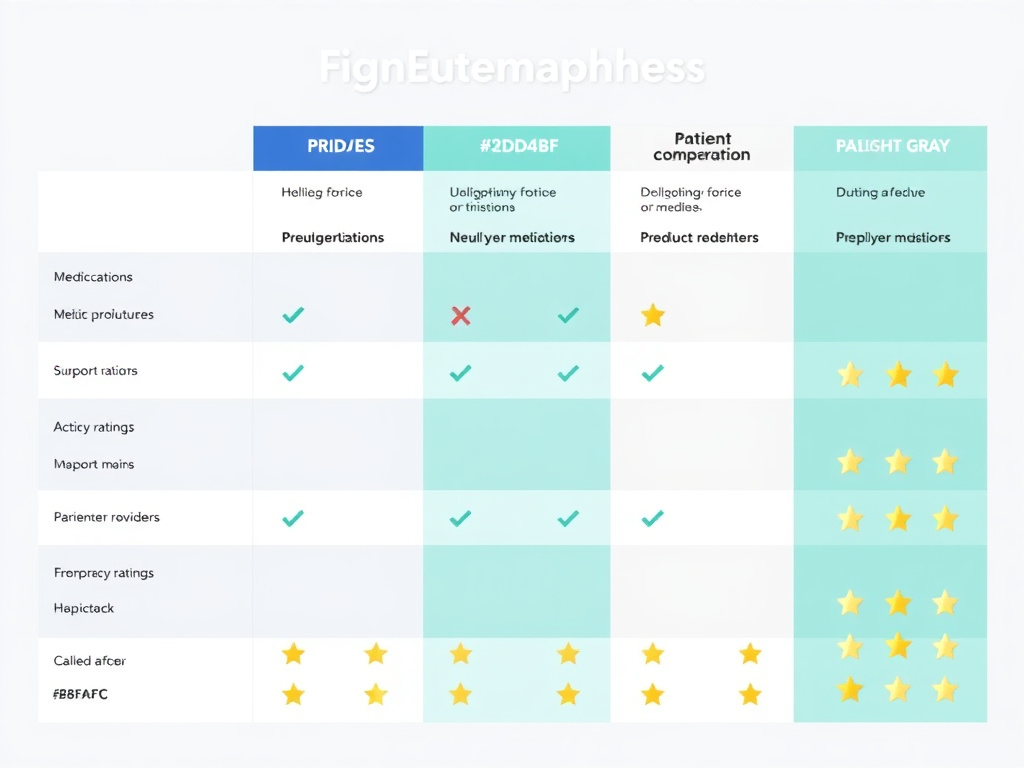
Comparison chart - Ozempic Vs Mounjaro Vs Wegovy
Side-by-side comparison of key features and pricing

Medical Disclaimer

This article is for informational purposes only and does not constitute medical advice, diagnosis, or treatment. The information provided has been reviewed by licensed healthcare professionals but should not replace a consultation with your physician. Individual results vary. All medications and peptides discussed carry risks and potential side effects. Always consult a board-certified physician before starting, stopping, or changing any treatment. FormBlends provides physician-supervised telehealth services; all prescriptions require physician approval based on individual medical evaluation.

Medical Disclaimer: This content is for informational purposes only and does not constitute medical advice. Always consult a qualified healthcare provider before starting, stopping, or changing any medication or treatment. FormBlends articles are reviewed by licensed physicians but are not a substitute for a personal medical consultation.

FormBlends Medical Team

Our articles are written and reviewed by licensed physicians and clinical researchers with expertise in endocrinology, metabolic medicine, and peptide therapeutics.

Ready to get started?

Physician-supervised GLP-1 and peptide therapy, delivered to your door.

Start Your Consultation

Related Articles

FormBlends Assistant

GLP-1 & Peptide Expert

Hi! I'm your GLP-1 & peptide expert.

Ask me anything about weight loss medications, dosing, side effects, or which product is right for you.