All GLP-1 medications from licensed 503A compounding pharmacies Browse Products
503A vs 503B Pharmacy: What Patients Need to Know
Learn the crucial differences between 503A and 503B pharmacies. Compare regulations, costs, medication access, and quality standards to make informed...
Written by Rachel Kim, MS, RD, Registered Dietitian & Health Writer
See your GLP-1 options in about 2 minutes. Free and private.See my options →
Medically reviewed by FormBlends Clinical Review, Clinical Pharmacist & Medical Reviewer
Published:
Key Takeaway
Learn the important differences between 503A and 503B pharmacies. Compare regulations, costs, medication access, and quality standards to make informed decisions.
When you need a compounded medication, understanding the difference between 503A and 503B pharmacies can directly impact your treatment options, costs, and access to care. These two types of compounding facilities operate under different FDA regulations, which affects everything from the medications they can prepare to how you can access them.
This comparison examines the key differences between 503A traditional compounding pharmacies and 503B outsourcing facilities, helping you understand which type might better serve your specific medication needs.
At a Glance: 503A vs 503B Key Differences
Factor
503A Pharmacy
503B Outsourcing Facility
Prescription Required
Yes, patient-specific
No, bulk manufacturing
FDA Registration
State-licensed only
FDA-registered facility
Inspection Frequency
State-dependent
Regular FDA inspections
Sterile Products
Limited scope
Specialized capability
Best For
Personalized medications
Hospital/clinic supply
503A Compounding Pharmacies: Traditional Personalized Medicine
503A compounding pharmacies represent the traditional model of pharmaceutical compounding that has served patients for decades. These facilities operate under Section 503A of the Federal Food, Drug, and Cosmetic Act, which allows them to prepare customized medications for individual patients based on valid prescriptions.
The fundamental principle behind 503A pharmacies centers on the patient-pharmacist-physician relationship. Each medication must be prepared for a specific patient with a legitimate medical need, as determined by a licensed healthcare provider. This requirement ensures that compounding serves genuine therapeutic purposes rather than commercial manufacturing.
How 503A Pharmacies Operate
When you receive a prescription for a compounded medication from a 503A pharmacy, the process follows a strict protocol. Your physician must first determine that a commercially available FDA-approved medication can't meet your specific needs. This might occur when you need a different strength, dosage form, or formulation without certain allergens.
The pharmacy then compounds your medication using FDA-approved ingredients, following established pharmaceutical standards. But unlike 503B facilities, 503A pharmacies can't prepare medications in advance or maintain large inventories of finished products. Each preparation occurs after receiving your specific prescription.
Regulatory Oversight and Quality Standards
503A pharmacies operate primarily under state pharmacy board regulations rather than direct FDA oversight. Each state maintains its own licensing requirements, inspection schedules, and quality standards for compounding pharmacies. This state-based regulation means that standards can vary significantly between different locations.
Most states require 503A pharmacies to follow United States Pharmacopeia (USP) compounding standards, which provide detailed guidelines for preparation, testing, and storage of compounded medications. But enforcement and inspection frequency depend on individual state resources and priorities.
Advantages of 503A Pharmacies
Personalized formulations: Can customize strength, dosage form, and ingredients for individual patient needs
Allergen-free options: Ability to exclude specific dyes, preservatives, or allergens from medications
Pediatric and geriatric specialization: Custom dosing for patients who can't use standard commercial products
Direct patient relationships: Pharmacists can work directly with patients and physicians to improve therapy
Insurance coverage: Many insurance plans cover compounded medications from 503A pharmacies
Limitations of 503A Pharmacies
Limited sterile compounding: Restrictions on preparing sterile injectable medications
Quantity restrictions: Can't prepare large batches or maintain significant inventory
State-only shipping: Generally limited to shipping within their licensed state
Variable quality oversight: Standards depend on individual state regulations and enforcement
503B outsourcing facilities emerged from the Drug Quality and Security Act of 2013, created in response to serious contamination incidents in traditional compounding pharmacies. These facilities operate under Section 503B, which allows them to prepare medications without individual patient prescriptions while subjecting them to more stringent FDA oversight.
Top Telehealth GLP-1 Providers Compared. Based on pricing, support, and patient outcomes.
View data table
Bar chart showing top telehealth glp-1 providers compared: FormBlends (92), Hims/Hers (78), Ro (75), Calibrate (70)
Category
Overall Value Score
Detail
FormBlends
92
First month $99 (semaglutide) or $149 (tirzepatide), then $190 or $239 per month, physician-led
Hims/Hers
78
Consumer brand, varies
Ro
75
Telehealth platform
Calibrate
70
Metabolic health focus
Side-by-side comparison of key features and pricing
The primary purpose of 503B facilities involves supplying hospitals, clinics, and healthcare systems with sterile medications that may be in shortage or unavailable from traditional manufacturers. Unlike 503A pharmacies, these facilities can prepare medications in advance and maintain inventory for distribution to healthcare providers.
Manufacturing and Distribution Model
503B outsourcing facilities function more like pharmaceutical manufacturers than traditional compounding pharmacies. They can prepare large batches of medications without waiting for individual prescriptions, allowing them to respond quickly to drug shortages or supply chain disruptions that affect healthcare systems.
These facilities typically focus on sterile injectable medications, which require specialized clean room environments and extensive quality control measures. The ability to manufacture these products at scale makes 503B facilities particularly valuable for hospitals and surgery centers that need reliable access to sterile preparations.
Enhanced FDA Oversight
503B facilities must register with the FDA and undergo regular inspections, similar to traditional pharmaceutical manufacturers. This enhanced oversight includes adherence to current Good Manufacturing Practice (cGMP) standards, which are more stringent than the USP standards typically followed by 503A pharmacies.
The FDA maintains a public database of registered 503B facilities, including their inspection history and any regulatory actions. This transparency allows healthcare providers and patients to verify the regulatory status and compliance history of any 503B facility they might use.
Advantages of 503B Facilities
Enhanced quality oversight: Regular FDA inspections and cGMP compliance requirements
Sterile medication expertise: Specialized in preparing complex injectable and sterile preparations
Scale and availability: Can maintain inventory and respond quickly to medication needs
Interstate distribution: Can ship medications across state lines to licensed healthcare providers
Hospital-grade standards: Manufacturing processes designed for institutional healthcare use
Limitations of 503B Facilities
No direct patient access: Can't dispense directly to individual patients
Limited customization: Focus on standardized preparations rather than personalized formulations
Healthcare provider requirement: Medications must be ordered by licensed healthcare facilities or providers
Higher costs: Enhanced manufacturing standards typically result in higher medication prices
Price Comparison: 503A vs 503B Costs
The cost structure between 503A and 503B facilities differs significantly due to their distinct operational models and regulatory requirements. Understanding these cost differences helps patients and healthcare providers make informed decisions about compounded medication access.
Not sure which GLP-1 is right for you?
Take a 2-minute assessment and get a personalized recommendation after licensed provider review.
503A pharmacies typically offer more cost-effective solutions for individual patients needing personalized medications. Since these facilities operate with lower overhead costs and state-level regulation, they can often provide compounded medications at prices comparable to or slightly higher than commercial prescription drugs. Many insurance plans cover 503A compounded medications, particularly when medical necessity can be demonstrated.
503B outsourcing facilities generally charge higher prices due to their enhanced manufacturing standards, FDA registration requirements, and specialized sterile compounding capabilities. The cGMP compliance and regular FDA inspections require significant investment in facility infrastructure, quality control systems, and specialized personnel, costs that are reflected in medication pricing.
But for healthcare institutions, 503B facilities can provide cost savings through bulk purchasing and reliable supply chains. Hospitals and clinics may find that the higher per-unit costs are offset by reduced inventory management, consistent availability, and decreased risk of contamination or quality issues.
Medication Options: 503A vs 503B Capabilities
The types of medications available from 503A and 503B facilities reflect their different regulatory frameworks and intended purposes. This distinction significantly impacts which facility type can best serve specific patient needs.
503A compounding pharmacies excel in preparing personalized oral medications, topical preparations, and non-sterile compounds. They can create custom capsules with unique dosing combinations, prepare hormone replacement therapies tailored to individual patients, and formulate topical pain management creams with specific ingredient profiles. These facilities also specialize in pediatric formulations, creating liquid versions of medications typically available only as tablets or adjusting concentrations for smaller patients.
For patients with allergies or sensitivities, 503A pharmacies can reformulate existing medications to exclude problematic ingredients like dyes, preservatives, or specific excipients. This capability proves particularly valuable for patients with multiple chemical sensitivities or rare allergic reactions to commercial formulations.
503B outsourcing facilities focus primarily on sterile injectable medications and complex preparations that require specialized manufacturing environments. These facilities commonly produce IV nutrition solutions, sterile eye drops, injectable pain medications, and other preparations that hospitals and surgery centers use regularly. Their expertise in sterile compounding makes them important for maintaining adequate supplies of critical medications during shortages.
The sterile compounding capabilities of 503B facilities extend to preparing medications that 503A pharmacies can't legally or safely produce. Complex chemotherapy preparations, large-volume IV solutions, and multi-dose vials for institutional use represent areas where 503B facilities provide unique value to the healthcare system.
Doctor Quality and Oversight
The level of physician involvement and medical oversight differs between 503A and 503B facilities, affecting how patients access care and receive ongoing medical supervision throughout their treatment.
503A compounding pharmacies require direct physician involvement for every prescription. Your doctor must evaluate your specific medical needs, determine that commercial alternatives are inadequate, and write a prescription specifying the exact formulation required. This requirement ensures ongoing medical supervision and creates opportunities for dose adjustments or formulation changes based on your response to treatment.
Many 503A pharmacies work closely with prescribing physicians to improve formulations and monitor patient outcomes. This collaborative approach can lead to better therapeutic results and allows for real-time adjustments to compounded medications based on patient feedback and clinical response.
503B facilities operate with less direct physician interaction since they supply healthcare institutions rather than individual patients. But the medications they produce are still prescribed and administered under physician supervision within healthcare facilities. The institutional setting often provides more thorough medical oversight, with multiple healthcare professionals involved in medication selection, administration, and monitoring.
Some telehealth platforms, including physician-supervised services like FormBlends, work with both types of compounding facilities to provide patients with access to customized medications while maintaining appropriate medical oversight throughout the treatment process.
Patient Experience and Reviews
Patient experiences with 503A and 503B facilities vary significantly due to their different service models and patient interaction approaches. Understanding these differences helps set appropriate expectations for your compounding pharmacy experience.
Patients using 503A pharmacies often report high satisfaction with the personalized service and customization options available. The ability to work directly with pharmacists to address specific concerns, adjust formulations, and receive detailed counseling about compounded medications contributes to positive patient experiences. Many patients appreciate the problem-solving approach that 503A pharmacists bring to challenging medication needs.
But patient experiences with 503A pharmacies can vary significantly based on the individual pharmacy's quality standards and expertise. Since oversight occurs at the state level, some patients may encounter inconsistencies in product quality or service levels between different 503A facilities.
503B facilities typically receive feedback through healthcare providers rather than directly from patients, making patient experience data less readily available. Healthcare professionals generally report satisfaction with the reliability, consistency, and quality of 503B products, particularly for sterile medications and critical care applications.
The institutional focus of 503B facilities means that patient experience depends largely on how healthcare providers integrate these medications into their treatment protocols. Patients may not even realize they're receiving compounded medications from 503B facilities, as these products are often smoothly incorporated into hospital and clinic medication systems.
Which Is Right for You?
Choosing between 503A and 503B compounding options depends on your specific medical needs, how you access healthcare, and the type of medication therapy you require.
503A pharmacies work best for patients who:
Need personalized oral medications with custom dosing or ingredient modifications
Require allergen-free formulations or have sensitivities to commercial drug ingredients
Work with physicians who can prescribe and monitor compounded therapies
Want direct communication with compounding pharmacists about their medications
Have insurance coverage for compounded medications
503B facilities serve patients who:
Receive care in hospital or clinical settings where sterile compounded medications are needed
Require complex injectable therapies that demand the highest quality standards
Need medications that are frequently in shortage from commercial manufacturers
Receive treatment in healthcare systems that prioritize supply chain reliability
For patients seeking convenient access to compounded medications with physician oversight, platforms like FormBlends offer a hybrid approach that combines the personalization benefits of 503A compounding with enhanced quality standards and professional medical supervision.
Frequently Asked Questions
Can I get medications directly from a 503B facility?
No, 503B outsourcing facilities can't dispense medications directly to individual patients. These facilities only supply licensed healthcare providers, hospitals, and clinics. If you need a compounded medication, you must work with a healthcare provider who can obtain it from a 503B facility or visit a 503A pharmacy with a prescription.
Are 503A or 503B compounded medications covered by insurance?
Insurance coverage varies significantly between the two types. Many insurance plans cover compounded medications from 503A pharmacies when medical necessity is documented. Coverage for 503B medications typically occurs through institutional healthcare settings rather than individual patient benefits. Check with your insurance provider about specific coverage policies for compounded medications.
Which type of facility has better quality control?
503B outsourcing facilities generally have more stringent quality control requirements due to FDA registration and regular inspections under cGMP standards. But many 503A pharmacies maintain excellent quality standards through USP compliance and state oversight. The key is choosing facilities with strong track records and appropriate certifications for your specific medication needs.
Can 503A pharmacies prepare the same sterile medications as 503B facilities?
503A pharmacies have significant limitations on sterile compounding, particularly for large batches or complex injectable preparations. They can prepare some sterile medications for individual patients but can't match the scale, complexity, or specialized capabilities of 503B facilities for sterile drug manufacturing.
How do I verify the quality and safety of a compounding facility?
For 503A pharmacies, check with your state pharmacy board for licensing status and any disciplinary actions. For 503B facilities, review the FDA's database of registered outsourcing facilities, which includes inspection reports and regulatory compliance information. Always work with healthcare providers who can help you select reputable compounding sources.
Ready to Start Your Weight Loss Goals?
About the differences between 503A and 503B pharmacies helps you make informed decisions about compounded medication access, but finding the right healthcare provider to guide your treatment remains equally important.
FormBlends combines the personalized approach of traditional compounding with enhanced physician oversight and quality standards. Our clinical team works with both 503A and 503B facilities to ensure you receive the most appropriate compounded medications for your specific needs, whether you require customized GLP-1 therapies or other specialized treatments.
Take our free physician assessment to learn more about your compounded medication options and connect with healthcare providers who understand the complexities of personalized medicine.
This article is for informational purposes only and doesn't constitute medical advice. The information provided shouldn't be used as a substitute for professional medical advice, diagnosis, or treatment. Always consult with a qualified healthcare provider before making decisions about compounded medications or any medical treatment. Individual results may vary, and what works for one patient may not be appropriate for another. Never disregard professional medical advice or delay seeking treatment because of information you have read in this article.
Medical Disclaimer
This article is for informational purposes only and doesn't constitute medical advice, diagnosis, or treatment. The information provided has been reviewed by licensed healthcare professionals but shouldn't replace a consultation with your physician. Individual results vary. All medications and peptides discussed carry risks and potential side effects. Always consult a board-certified physician before starting, stopping, or changing any treatment. FormBlends provides physician-supervised telehealth services. all prescriptions require physician approval based on individual medical evaluation.
See your options in about 2 minutes
Take the free quiz and see what fits you. Quick, private, and no commitment to continue.
Check the current prescribing information, regulatory status, and trial source before treating an investigational or newly approved medication as interchangeable with an established therapy.
Check before ordering
Regulatory status, labels, trial records, and sponsor updates can change quickly for obesity-drug pipeline pages. This snapshot is designed to make verification easier, not to replace checking the official source before making a medical or purchase decision. Last page review: 2026-09-05.
FormBlends does not claim an individual clinician byline unless a named reviewer is available. For this page, the editorial team checks medical and regulatory claims against primary sources, clinical trials, public datasets, and regulator guidance.
For 503A vs 503B Pharmacy: What Patients Need to Know, FormBlends checks the page topic against primary trials, systematic reviews, guidelines, and current PubMed-indexed literature where available. These citations are context, not medical advice, proof of eligibility, or a claim that every study applies to every patient.
Learn the crucial differences between 503A and 503B pharmacies. Compare regulations, costs, medication access, and quality standards to make informed decisions. The practical reason to read "503A vs 503B Pharmacy: What Patients Need to Know" is to separate useful context from easy claims about cost and coverage, safety and pharmacy quality. It sits in a comparison page where the details that matter most are access, cost, clinical fit, and what a licensed clinician should confirm and should help with comparison and decision support. Because this article has 10 major sections, scan the headings first and then use the FAQ or summary sections to pressure-test the answer. Use the page to sharpen your next question, especially if your health history or medications change the risk profile.
Confirm whether the page is discussing an FDA-approved use, a compounded option, or research-only context.
Ask a licensed clinician how the evidence applies to your health history, medications, labs, and side-effect risk.
Verify total monthly cost, refill timing, dose escalation pricing, and what is included before paying.
Original tools and data
Use the FormBlends research stack
These assets are built to be useful beyond a single article: shareable data pages, calculators, provider comparisons, and safety checks that give Google and readers something original to crawl.
503A vs 503B Pharmacy now carries extra 2026 context around semaglutide, tirzepatide, hormone therapy, cash-pay pricing, safety signals, 503a, because those are the subtopics readers tend to compare before they trust a medical or wellness recommendation.
Instead of adding filler, this page keeps the named treatment terms, practical verification points, and next-step questions close to 503a vs 503b pharmacy.
Readers should use the section to check current eligibility, pharmacy or provider policies, and safety questions with a licensed professional before acting.
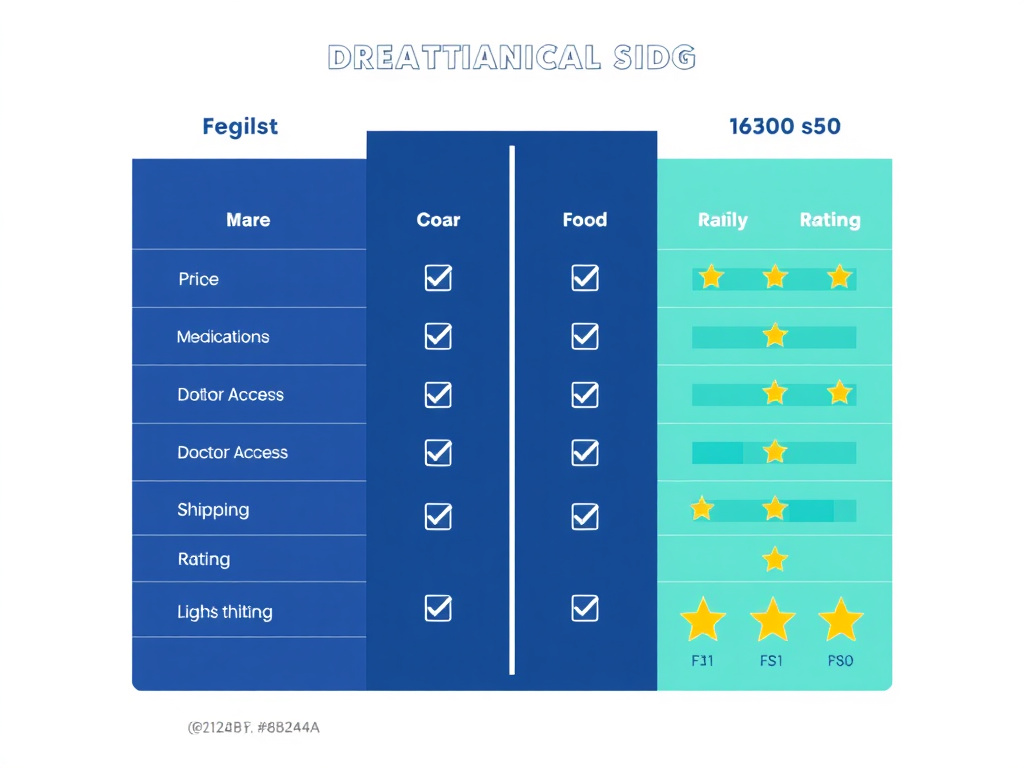
Custom 2026 image for 503A vs 503B Pharmacy, provider comparisons, and better treatment decision-making.
Image description: Unique image for this page covering 503A vs 503B Pharmacy, provider comparisons, safety, cost, provider selection, and patient decision-making.
Medical Disclaimer: This content is for informational purposes only and does not constitute medical advice. Always consult a qualified healthcare provider before starting, stopping, or changing any medication or treatment. FormBlends articles are source-checked against medical and regulatory references, but they are not a substitute for a personal medical consultation.
Disclosure: FormBlends is one of the providers discussed in this article. Our editorial team independently researches and verifies all pricing and claims. Pricing was last verified in March 2026. Read our editorial policy.
Written by FormBlends Editorial Research
Prepared by FormBlends Editorial Research. Claims are checked against primary regulatory, trial, label, and public-health sources where available. Reviewed against primary medical, regulatory, and trial sources for accuracy, sourcing, and patient-safety framing.
Ready to get started?
Provider-reviewed GLP-1 and peptide therapy, delivered to your door.