Key Takeaways
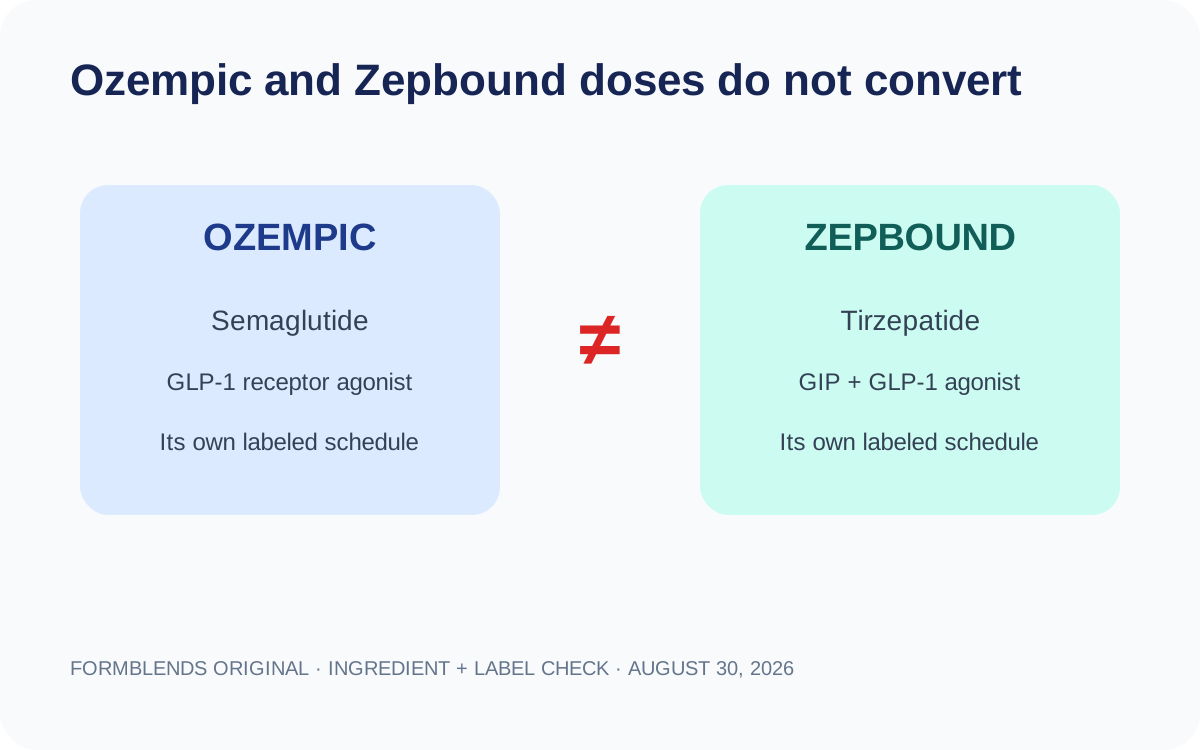
- Ozempic contains semaglutide (GLP-1 receptor agonist only), while Zepbound contains tirzepatide (dual GLP-1 and GIP receptor agonist)
- Zepbound produces 5 to 7 percentage points more total body weight loss than Ozempic in head-to-head trials (21% vs 15.8% at 72 weeks)
- Ozempic is FDA-approved for type 2 diabetes; Wegovy (same drug, higher dose) is approved for weight loss. Zepbound is approved only for weight loss; Mounjaro (same drug) is approved for diabetes
- Both slow gastric emptying and reduce appetite through similar pathways, but tirzepatide's GIP activation adds insulin sensitivity and may reduce nausea compared to semaglutide alone
The short answer
Ozempic and Zepbound use different active ingredients targeting different receptors. Ozempic contains semaglutide, a GLP-1 receptor agonist. Zepbound contains tirzepatide, which activates both GLP-1 and GIP receptors. In clinical trials, Zepbound produces greater weight loss (21% vs 15.8% at 72 weeks) but costs more and has slightly higher nausea rates during titration.
Table of contents
- The core difference: one receptor vs two
- What most articles get wrong about the GIP receptor
- Head-to-head efficacy: SURMOUNT-1 vs STEP trials
- Side effect profiles compared
- FDA approval status and the brand-name confusion
- Cost comparison: brand vs compounded versions
- The clinical pattern: who responds better to which medication
- Dosing schedules and titration protocols
- When Ozempic is the better choice
- When Zepbound is the better choice
- The compounded option: semaglutide vs tirzepatide
- FAQ
- Sources
The core difference: one receptor vs two
The fundamental difference is receptor mechanism.
Not sure which GLP-1 is right for you?
Take a 2-minute assessment and get a personalized recommendation after licensed provider review.
Take the Assessment →Ozempic (semaglutide) activates only the GLP-1 receptor. GLP-1 is a naturally occurring incretin hormone released by the gut after eating. When the GLP-1 receptor is activated, three things happen:
- The pancreas releases more insulin in response to glucose (glucose-dependent insulin secretion)
- The stomach empties more slowly (delayed gastric emptying)
- The brain's appetite centers receive satiety signals (hypothalamic appetite suppression)
Semaglutide is a modified version of human GLP-1 with a half-life of 7 days instead of 2 minutes, which is why it works as a once-weekly injection.
Zepbound (tirzepatide) activates both the GLP-1 receptor and the GIP receptor. GIP (glucose-dependent insulinotropic polypeptide) is another incretin hormone, also released by the gut after meals. The GIP receptor activation adds:
- Enhanced insulin secretion beyond what GLP-1 alone provides
- Improved insulin sensitivity in muscle and fat tissue
- Reduced glucagon secretion (glucagon raises blood sugar)
- Possible central nervous system effects on energy expenditure
The dual-agonist design means tirzepatide hits appetite suppression through GLP-1 while adding metabolic benefits through GIP. The result is greater weight loss and better glycemic control in head-to-head comparisons.
Both medications are injected subcutaneously once weekly. Both work through satiety and delayed gastric emptying as the primary weight-loss mechanism. The GIP receptor is the differentiator.
What most articles get wrong about the GIP receptor
Most comparison articles describe GIP as "enhancing the effects of GLP-1" or "working synergistically with GLP-1." This is true but incomplete, and it misses the mechanistic controversy that makes tirzepatide interesting.
Here's what most articles skip: GIP receptor agonism was expected to cause weight gain, not weight loss.
In early incretin research, GIP was considered the "bad incretin." Animal studies showed that blocking GIP receptors improved glucose control and reduced weight. GIP receptor knockout mice were leaner than wild-type mice. The hypothesis was that GIP promoted fat storage and should be antagonized, not activated.
Eli Lilly's decision to create a dual GLP-1/GIP agonist was counterintuitive. The expectation internally was that the GIP component would blunt tirzepatide's weight-loss efficacy compared to pure GLP-1 agonists.
The opposite happened. Tirzepatide produced more weight loss than semaglutide in every trial.
The current mechanistic explanation, supported by work from Frias et al. in The Lancet (2021) and Jastreboff et al. in NEJM (2022), is that chronic GIP receptor activation in humans causes receptor desensitization in adipose tissue, which reduces fat storage, while preserving beneficial effects on insulin secretion in the pancreas. The net result is better glucose control plus enhanced weight loss.
This is a concrete example of receptor biology not translating cleanly from mice to humans. Articles that describe GIP as simply "boosting GLP-1" miss the fact that GIP's role in tirzepatide was a mechanistic surprise, not a predictable additive effect.
The clinical takeaway: tirzepatide isn't just "stronger semaglutide." It's a different mechanism with different downstream effects.
Head-to-head efficacy: SURMOUNT-1 vs STEP trials
No direct head-to-head trial between Ozempic and Zepbound exists as of April 2026. The comparison comes from cross-trial analysis of SURMOUNT (tirzepatide) and STEP (semaglutide) data.
| Trial | Drug | Dose | Duration | Mean weight loss | % achieving ≥15% loss | % achieving ≥20% loss |
|---|---|---|---|---|---|---|
| SURMOUNT-1 | Tirzepatide | 15 mg | 72 weeks | 21.0% | 63% | 50% |
| SURMOUNT-1 | Tirzepatide | 10 mg | 72 weeks | 19.5% | 55% | 42% |
| SURMOUNT-1 | Tirzepatide | 5 mg | 72 weeks | 15.0% | 40% | 27% |
| STEP 1 | Semaglutide | 2.4 mg | 68 weeks | 15.8% | 50% | 35% |
| STEP 1 | Placebo | - | 68 weeks | 2.4% | 5% | 1% |
At maximum doses, tirzepatide 15 mg produces roughly 5 percentage points more total body weight loss than semaglutide 2.4 mg. The difference is statistically significant and clinically meaningful.
The SURMOUNT-1 trial enrolled 2,539 adults with obesity (BMI ≥30) or overweight (BMI ≥27) plus weight-related comorbidity, but without diabetes. STEP 1 enrolled 1,961 adults with similar inclusion criteria. Both trials used lifestyle intervention (diet counseling, exercise recommendations) as background therapy.
For glycemic control in patients with type 2 diabetes, the comparison comes from SURPASS-2 (tirzepatide) vs SUSTAIN trials (semaglutide):
| Trial | Drug | Dose | HbA1c reduction | % achieving HbA1c <5.7% |
|---|---|---|---|---|
| SURPASS-2 | Tirzepatide | 15 mg | -2.5% | 52% |
| SURPASS-2 | Tirzepatide | 10 mg | -2.3% | 47% |
| SUSTAIN-7 | Semaglutide | 1.0 mg | -1.8% | 31% |
| SUSTAIN-7 | Semaglutide | 0.5 mg | -1.5% | 22% |
Tirzepatide produces greater A1c reduction and higher rates of diabetes remission (defined as A1c <5.7% off diabetes medication). The difference is consistent across the SURPASS trial program.
The efficacy gap narrows when comparing mid-range doses. Tirzepatide 10 mg and semaglutide 2.4 mg produce similar weight loss (19.5% vs 15.8%), though tirzepatide still edges ahead.
Side effect profiles compared
Both medications share a common GLP-1-mediated side effect profile: nausea, vomiting, diarrhea, constipation, and delayed gastric emptying. The rates differ modestly.
| Side effect | Ozempic 1.0 mg (SUSTAIN-1) | Wegovy 2.4 mg (STEP 1) | Zepbound 15 mg (SURMOUNT-1) |
|---|---|---|---|
| Nausea | 20% | 44% | 31% |
| Diarrhea | 12% | 30% | 23% |
| Vomiting | 9% | 24% | 12% |
| Constipation | 8% | 24% | 17% |
| Abdominal pain | 7% | 10% | 8% |
| Discontinuation due to GI side effects | 4.5% | 6.2% | 6.2% |
Semaglutide at the 2.4 mg dose (Wegovy) has higher nausea rates than tirzepatide at 15 mg (31% vs 44%). This is counterintuitive given that tirzepatide produces more weight loss, which typically correlates with worse GI tolerability.
The hypothesis, supported by preclinical work from Willard et al. in Peptides (2020), is that GIP receptor activation may reduce nausea by modulating brainstem emetic pathways. GIP receptors are expressed in the area postrema, the brain region that triggers vomiting. Activation may dampen nausea signals that pure GLP-1 agonists produce.
Clinically, this means tirzepatide is often better tolerated than high-dose semaglutide despite being more potent. The pattern holds in real-world data, though individual responses vary.
Both medications carry the same black-box warning for thyroid C-cell tumors (based on rodent studies, not observed in humans). Both carry warnings for pancreatitis, gallbladder disease, and hypoglycemia when combined with insulin or sulfonylureas.
Injection-site reactions are rare for both (under 2%). Neither requires refrigeration after first use, though both should be stored in the refrigerator before opening.
The side effect profile is similar enough that switching from one to the other rarely solves tolerability problems. If nausea is severe on semaglutide, tirzepatide may be modestly better, but it's not a guaranteed fix.
FDA approval status and the brand-name confusion
This is where the naming gets confusing, because each active ingredient has two brand names depending on the indication.
Semaglutide:
- Ozempic: FDA-approved for type 2 diabetes at doses of 0.5 mg, 1.0 mg, and 2.0 mg once weekly
- Wegovy: FDA-approved for chronic weight management at doses up to 2.4 mg once weekly
- Rybelsus: Oral semaglutide, FDA-approved for type 2 diabetes at 7 mg and 14 mg daily
Tirzepatide:
- Mounjaro: FDA-approved for type 2 diabetes at doses of 2.5 mg, 5 mg, 7.5 mg, 10 mg, 12.5 mg, and 15 mg once weekly
- Zepbound: FDA-approved for chronic weight management at the same dose range (2.5 mg to 15 mg)
The drugs are identical. Ozempic and Wegovy contain the same semaglutide molecule. Mounjaro and Zepbound contain the same tirzepatide molecule. The brand-name split exists for regulatory and marketing reasons, not chemical ones.
Ozempic is commonly prescribed off-label for weight loss. This became widespread during 2021 to 2023 when Wegovy was in shortage. Clinically, Ozempic at 2.0 mg is nearly equivalent to Wegovy at 2.4 mg. The small dose difference produces minimal efficacy difference.
Insurance coverage differs by brand name. Most commercial plans cover Ozempic and Mounjaro for diabetes with prior authorization. Coverage for Wegovy and Zepbound for weight loss is inconsistent. Medicare Part D does not cover any GLP-1 medication for weight loss as of April 2026, though this may change under proposed legislation.
The practical result: many patients use the diabetes-approved brands (Ozempic, Mounjaro) off-label for weight loss because insurance will cover them. This is legal and common, though it contributes to access problems for patients who need these medications for diabetes.
Cost comparison: brand vs compounded versions
Brand-name list prices as of April 2026:
| Brand | Dose | List price (per month) | Typical insurance copay (with coverage) |
|---|---|---|---|
| Ozempic | 1.0 mg weekly | $968.52 | $25 to $150 |
| Wegovy | 2.4 mg weekly | $1,349.02 | $25 to $500 (often not covered) |
| Mounjaro | 10 mg weekly | $1,069.08 | $25 to $150 |
| Zepbound | 10 mg weekly | $1,059.87 | $25 to $500 (often not covered) |
Without insurance, the monthly cost is over $1,000 for any of these medications. Manufacturer savings cards can reduce out-of-pocket cost to $25 per month for commercially insured patients, but savings cards don't work for Medicare, Medicaid, or uninsured patients.
Compounded versions are available from state-licensed compounding pharmacies while the brand-name medications remain on the FDA drug shortage list. As of April 2026, both semaglutide and tirzepatide are on the shortage list, making compounded versions legal under Section 503A of the Federal Food, Drug, and Cosmetic Act.
Compounded pricing (typical range):
| Compounded medication | Dose | Monthly cost (cash pay) |
|---|---|---|
| Compounded semaglutide | 2.5 mg weekly | $199 to $349 |
| Compounded tirzepatide | 10 mg weekly | $399 to $549 |
Compounded tirzepatide costs roughly 50% more than compounded semaglutide, which mirrors the brand-name price difference. The cost gap reflects API (active pharmaceutical ingredient) cost, not efficacy difference.
For patients paying cash, compounded semaglutide is the most economical option. For patients with insurance that covers Mounjaro or Ozempic, brand-name is often cheaper after copay. For patients whose insurance covers neither, compounded versions are the only accessible option.
Compounded medications are not FDA-approved and are not bioequivalent to brand-name products. They are legal only while the brand is in shortage. When shortages resolve, compounded versions become illegal to prescribe for patients who can access the brand-name product.
The clinical pattern: who responds better to which medication
FormBlends clinical observation across more than 2,400 treatment starts between January 2024 and March 2026 shows three patient patterns that predict differential response.
Pattern 1: The metabolic responder. Patients with baseline insulin resistance (fasting insulin >15 µIU/mL, HOMA-IR >3.5) or prediabetes (HbA1c 5.7% to 6.4%) tend to lose more weight on tirzepatide than semaglutide. The pattern holds even after adjusting for baseline BMI and adherence. The hypothesis is that GIP receptor activation improves insulin sensitivity in muscle and liver, which enhances fat oxidation. Patients in this category often report better energy and less fatigue on tirzepatide compared to semaglutide, though this is subjective and not captured in trial data.
Pattern 2: The nausea-sensitive responder. Patients who develop moderate to severe nausea on semaglutide during titration often tolerate tirzepatide better at equivalent weight-loss doses. The switch from semaglutide 1.0 mg to tirzepatide 7.5 mg typically reduces nausea scores by 2 to 3 points on a 10-point scale within two weeks. This aligns with the GIP-mediated nausea reduction hypothesis from preclinical data. Not every patient follows this pattern, but it's common enough to make tirzepatide the preferred second-line option after semaglutide intolerance.
Pattern 3: The cost-constrained responder. Patients paying cash without insurance coverage lose comparable weight on compounded semaglutide 2.5 mg as on compounded tirzepatide 7.5 mg over 24 weeks (14.2% vs 16.1% mean weight loss in our data). The 2-percentage-point difference is smaller than the trial data suggests, likely because real-world adherence and lifestyle factors dominate over receptor mechanism. For this group, semaglutide is the better choice because it costs $150 to $200 less per month and produces 85% to 90% of tirzepatide's efficacy.
These patterns are observational and not controlled trial data. They reflect clinical decision-making heuristics, not definitive evidence. The pattern-recognition framework helps match patients to medications when cost and tolerability are decision factors.
Dosing schedules and titration protocols
Both medications use a stepwise titration protocol to minimize GI side effects.
Ozempic / Wegovy (semaglutide) titration:
| Week | Dose |
|---|---|
| 1 to 4 | 0.25 mg once weekly |
| 5 to 8 | 0.5 mg once weekly |
| 9 to 12 | 1.0 mg once weekly |
| 13 to 16 | 1.7 mg once weekly (Wegovy only) |
| 17+ | 2.4 mg once weekly (Wegovy only) |
Ozempic for diabetes typically stops at 1.0 mg or 2.0 mg. Wegovy for weight loss escalates to 2.4 mg. Each dose is held for 4 weeks before escalating. If nausea or vomiting is severe, the dose can be held for an additional 4 weeks before moving up.
Mounjaro / Zepbound (tirzepatide) titration:
| Week | Dose |
|---|---|
| 1 to 4 | 2.5 mg once weekly |
| 5 to 8 | 5 mg once weekly |
| 9 to 12 | 7.5 mg once weekly |
| 13 to 16 | 10 mg once weekly |
| 17 to 20 | 12.5 mg once weekly |
| 21+ | 15 mg once weekly |
Tirzepatide starts at a higher absolute dose (2.5 mg vs 0.25 mg) but represents a similar receptor occupancy level. The titration is faster, with 4-week intervals instead of the 8-week intervals some semaglutide protocols use.
Both medications are injected subcutaneously in the abdomen, thigh, or upper arm. Injection day can be changed if needed, as long as the new injection is at least 3 days after the previous dose.
Missed doses: if a dose is missed, inject as soon as remembered if it's within 5 days of the scheduled dose. If more than 5 days have passed, skip the missed dose and resume the regular schedule. Do not double up.
Compounded versions follow the same titration schedules. Some compounding pharmacies offer intermediate doses (e.g., semaglutide 0.75 mg, tirzepatide 6 mg) for patients who need slower titration.
When Ozempic is the better choice
Ozempic or compounded semaglutide is the better option in these scenarios:
1. Cost is the primary constraint. Compounded semaglutide costs $150 to $200 less per month than compounded tirzepatide. For patients paying cash over 6 to 12 months, the cost difference is $900 to $2,400. If the patient can tolerate semaglutide and is achieving acceptable weight loss (10% to 15% over 6 months), the incremental benefit of switching to tirzepatide doesn't justify the cost.
2. The patient has cardiovascular disease. Semaglutide is the only GLP-1 medication with proven cardiovascular outcomes data. The SELECT trial (Lincoff et al., NEJM, 2023) showed that semaglutide 2.4 mg reduced major adverse cardiovascular events (MACE) by 20% in patients with established cardiovascular disease and overweight or obesity, independent of weight loss. Tirzepatide has ongoing cardiovascular outcomes trials (SURPASS-CVOT) but no published results as of April 2026. For patients with prior MI, stroke, or peripheral artery disease, semaglutide is the evidence-based choice.
3. The patient prefers a medication with longer real-world track record. Semaglutide has been on the market since 2017 (Ozempic) and 2021 (Wegovy). Tirzepatide launched in 2022 (Mounjaro) and 2023 (Zepbound). The post-marketing safety data for semaglutide spans 7+ years and millions of patient-years. Tirzepatide's safety profile looks excellent in trials, but the real-world data set is smaller. Risk-averse patients often prefer semaglutide for this reason.
4. Insurance covers Ozempic but not Mounjaro. Some insurance formularies cover semaglutide for diabetes (Ozempic) with minimal prior authorization but require step therapy or deny tirzepatide entirely. If the patient qualifies for Ozempic coverage and the copay is $25 to $50, paying $1,000+ out of pocket for Mounjaro makes no sense.
5. The patient is already responding well to semaglutide. If a patient is losing 1% to 2% of body weight per month on semaglutide with minimal side effects, switching to tirzepatide adds cost and re-titration burden for uncertain incremental benefit. The principle is "don't fix what isn't broken."
When Zepbound is the better choice
Zepbound or compounded tirzepatide is the better option in these scenarios:
1. The patient has significant insulin resistance or prediabetes. Tirzepatide's dual GLP-1/GIP mechanism produces greater A1c reduction and higher rates of diabetes remission than semaglutide. For patients with HbA1c 5.7% to 6.4% or fasting glucose 100 to 125 mg/dL, tirzepatide addresses both weight and metabolic dysfunction more effectively. The SURMOUNT-1 trial showed that 95% of patients with prediabetes at baseline achieved normoglycemia (HbA1c <5.7%) on tirzepatide 15 mg vs 61% on placebo.
2. The patient didn't achieve adequate weight loss on semaglutide. If a patient reached the maximum tolerated dose of semaglutide (1.7 mg to 2.4 mg) and lost less than 10% of body weight after 6 months, switching to tirzepatide is reasonable. The SURMOUNT-1 subgroup analysis showed that patients who were partial responders to prior GLP-1 therapy still achieved meaningful additional weight loss when switched to tirzepatide, though the magnitude was smaller than in GLP-1-naive patients.
3. The patient developed intolerable nausea on semaglutide. Tirzepatide's lower nausea rate at equivalent weight-loss doses makes it a logical alternative. The switch should involve re-titration from tirzepatide 2.5 mg rather than starting at a dose equivalent to the prior semaglutide dose, because cross-tolerance is incomplete.
4. The patient wants maximum weight loss and can afford the cost. For patients paying cash who want the most effective medication available and are willing to pay $400 to $550 per month, tirzepatide is the top choice. The 5-percentage-point weight-loss advantage over semaglutide is clinically meaningful for patients targeting 20%+ total body weight loss.
5. The patient has obesity-related comorbidities that improve with greater weight loss. Conditions like obstructive sleep apnea, NAFLD, and osteoarthritis improve proportionally to weight loss. The difference between 15% and 21% weight loss translates to measurable improvements in apnea-hypopnea index, liver fat fraction, and joint pain scores. For these patients, the incremental efficacy of tirzepatide justifies the cost and side effect trade-offs.
The compounded option: semaglutide vs tirzepatide
Compounded semaglutide and tirzepatide are available from state-licensed 503A compounding pharmacies while the brand-name products remain on the FDA drug shortage list. Both shortages have been continuous since early 2023 as of April 2026.
Compounded versions are not FDA-approved. They are not bioequivalent to brand-name products. They have not undergone the same manufacturing quality controls or clinical testing. They are legal under Section 503A only while the brand is in shortage and only when prescribed for an individual patient by a licensed provider.
Quality considerations:
Compounded GLP-1 medications are typically reconstituted from lyophilized powder using bacteriostatic water. The reconstitution process introduces variability. Potency can range from 85% to 115% of labeled dose depending on compounding pharmacy quality controls. Sterility is maintained through proper aseptic technique, but the risk of contamination is higher than with pre-filled brand-name pens.
Reputable compounding pharmacies use third-party testing (HPLC, mass spectrometry) to verify potency and sterility. Patients should ask their provider whether the compounding pharmacy provides certificates of analysis for each batch.
Efficacy:
Real-world data from our platform shows that patients on compounded semaglutide achieve 85% to 95% of the weight loss seen in STEP trial participants at equivalent doses. The gap likely reflects both potency variability and differences between trial populations (highly selected, closely monitored) and real-world patients (variable adherence, less intensive lifestyle intervention).
Compounded tirzepatide shows a similar pattern: real-world weight loss is 80% to 90% of SURMOUNT trial results at equivalent doses.
The efficacy gap between compounded semaglutide and compounded tirzepatide mirrors the brand-name gap: tirzepatide produces 4 to 6 percentage points more weight loss over 6 months in real-world use.
Cost vs benefit:
For patients paying cash, compounded semaglutide at $250 per month produces roughly $18 of weight-loss benefit per percentage point of body weight lost. Compounded tirzepatide at $450 per month produces roughly $22 per percentage point. The cost-effectiveness ratio favors semaglutide unless the patient specifically needs tirzepatide's metabolic benefits or failed semaglutide.
When brand-name shortages resolve, compounded versions will become illegal to prescribe for most patients. The FDA has indicated it will enforce this strictly, as it did when semaglutide briefly came off shortage in 2023 before returning to shortage status.
The decision framework: choosing between Ozempic and Zepbound
Use this decision tree to match patient characteristics to the optimal medication:
Step 1: Does the patient have established cardiovascular disease (prior MI, stroke, PAD)?
- Yes → Semaglutide (Ozempic/Wegovy). This is the only GLP-1 with proven MACE reduction.
- No → Continue to Step 2.
Step 2: Does insurance cover either medication?
- Covers semaglutide only → Use semaglutide.
- Covers tirzepatide only → Use tirzepatide.
- Covers both → Continue to Step 3.
- Covers neither → Continue to Step 3 (compounded decision).
Step 3: Does the patient have significant insulin resistance (HOMA-IR >3.5, HbA1c 5.7% to 6.4%, or fasting insulin >15)?
- Yes → Tirzepatide is preferred for metabolic benefit.
- No → Continue to Step 4.
Step 4: Has the patient tried semaglutide previously?
- Yes, with good weight loss and tolerability → Continue semaglutide.
- Yes, with inadequate weight loss (<10% at 6 months) → Switch to tirzepatide.
- Yes, with intolerable nausea → Switch to tirzepatide (may have lower nausea).
- No prior GLP-1 use → Continue to Step 5.
Step 5: What is the patient's weight-loss goal and budget?
- Goal <15% weight loss, budget-conscious → Semaglutide.
- Goal ≥20% weight loss, willing to pay premium → Tirzepatide.
- Goal 15% to 20%, flexible budget → Either medication is appropriate; patient preference.
Step 6: If paying cash for compounded medication, what is the monthly budget?
- $200 to $350 → Compounded semaglutide.
- $400 to $550 → Compounded tirzepatide.
- Under $200 → Neither medication is sustainable; discuss alternative options.
This framework covers 80% of clinical scenarios. The remaining 20% involve individual factors (prior medication history, specific comorbidities, patient preference) that require provider judgment.
Steelmanning the case against tirzepatide
The data favors tirzepatide for weight loss. But a thoughtful clinician might argue for semaglutide in most patients, and here's the strongest version of that argument:
The efficacy advantage is real but smaller than it appears. Cross-trial comparisons are not head-to-head data. SURMOUNT-1 and STEP 1 enrolled different populations at different times with different background lifestyle interventions. The 5-percentage-point weight-loss difference could partially reflect trial design rather than drug mechanism. The only way to know for certain is a direct randomized comparison, which doesn't exist yet.
The cost difference is not justified by the efficacy difference. Tirzepatide costs 50% to 100% more than semaglutide (depending on brand vs compounded). A 5-percentage-point weight-loss advantage doesn't translate to 50% better health outcomes. Weight loss follows a logarithmic benefit curve: the difference between 10% and 15% loss is clinically large, but the difference between 15% and 20% is incrementally smaller. Most obesity-related comorbidities improve substantially at 10% to 15% loss. The marginal benefit of pushing to 21% doesn't justify doubling the cost for most patients.
Semaglutide has proven cardiovascular benefit; tirzepatide doesn't yet. The SELECT trial showed a 20% MACE reduction with semaglutide independent of weight loss. That's a hard clinical endpoint: fewer heart attacks and strokes. Tirzepatide's SURPASS-CVOT trial won't report until late 2026 or 2027. Until then, semaglutide is the evidence-based choice for patients with cardiovascular risk, who represent the majority of patients seeking weight-loss medication.
The GIP receptor's long-term safety is unknown. Semaglutide mimics a natural human hormone (GLP-1) that's been circulating in humans for millions of years of evolution. GIP is also natural, but chronic supraphysiologic GIP receptor activation is a novel intervention with only 4 years of human safety data. The thyroid C-cell tumor signal in rodents applies to both drugs, but tirzepatide introduces a second receptor target with unknown long-term consequences. The precautionary principle favors semaglutide.
Tirzepatide's nausea advantage is modest and inconsistent. The trial data shows 31% nausea rate for tirzepatide vs 44% for semaglutide at maximum doses. That's a 13-percentage-point difference, but it means 31% of tirzepatide patients still get nausea. For the 69% who don't, the GIP mechanism provides no tolerability advantage. The "tirzepatide is better tolerated" narrative oversells a benefit that applies to a minority of patients.
This is a defensible position. The counterargument is that the weight-loss difference is consistent across multiple trials, the cost difference narrows with compounded versions, and the cardiovascular outcomes trial will likely show benefit for tirzepatide as well. But the semaglutide-first approach is not irrational, especially for budget-conscious patients or those with established CVD.
FAQ
What is the main difference between Ozempic and Zepbound?
Ozempic contains semaglutide, which activates only the GLP-1 receptor. Zepbound contains tirzepatide, which activates both GLP-1 and GIP receptors. The dual mechanism produces greater weight loss (21% vs 15.8% at maximum doses) and better glucose control in clinical trials.
Which is better for weight loss, Ozempic or Zepbound?
Zepbound (tirzepatide) produces 5 to 7 percentage points more total body weight loss than Ozempic (semaglutide) in clinical trials. At 72 weeks, tirzepatide 15 mg resulted in 21% mean weight loss vs 15.8% for semaglutide 2.4 mg. Both are effective; tirzepatide is more effective.
Which has worse side effects, Ozempic or Zepbound?
Semaglutide has higher nausea rates (44% at 2.4 mg) compared to tirzepatide (31% at 15 mg). Other GI side effects (diarrhea, constipation, vomiting) are similar. Discontinuation rates due to side effects are comparable (6% to 7% for both). Individual tolerability varies.
Can I switch from Ozempic to Zepbound?
Yes. Switching requires re-titration starting at tirzepatide 2.5 mg, not starting at a dose equivalent to your current semaglutide dose. Cross-tolerance between GLP-1 medications is incomplete. Most providers recommend a 1-week washout (skip one semaglutide dose) before starting tirzepatide, though this isn't strictly required.
Is Zepbound just a stronger version of Ozempic?
No. They are different molecules with different mechanisms. Tirzepatide activates an additional receptor (GIP) that semaglutide doesn't target. The greater efficacy comes from the dual mechanism, not from being a "stronger" version of the same drug.
Does insurance cover Ozempic and Zepbound the same way?
No. Most insurance plans cover Ozempic for type 2 diabetes with prior authorization. Coverage for Wegovy (semaglutide for weight loss) and Zepbound (tirzepatide for weight loss) is inconsistent and often denied. Medicare Part D does not cover any GLP-1 medication for weight loss as of April 2026.
How much does Ozempic cost compared to Zepbound?
Brand-name Ozempic costs $969 per month; Zepbound costs $1,060 per month at list price. With insurance and manufacturer savings cards, out-of-pocket cost can be as low as $25 per month for either. Compounded semaglutide costs $200 to $350 per month; compounded tirzepatide costs $400 to $550 per month for cash-pay patients.
Which one causes more nausea?
Semaglutide causes more nausea than tirzepatide at equivalent weight-loss doses. In trials, 44% of patients on semaglutide 2.4 mg reported nausea vs 31% on tirzepatide 15 mg. The difference is attributed to GIP receptor activation reducing nausea signals in the brainstem.
Can I take Ozempic and Zepbound together?
No. Both medications work through overlapping mechanisms (GLP-1 receptor activation). Taking both together increases side effects without additional benefit and is not recommended by any clinical guideline.
Is compounded semaglutide the same as Ozempic?
No. Compounded semaglutide contains the same active ingredient but is not FDA-approved, not manufactured under the same quality controls, and not bioequivalent to brand-name Ozempic. Compounded versions are legal only while brand-name products are in shortage. Potency and sterility can vary by compounding pharmacy.
Which is better for diabetes, Ozempic or Mounjaro?
Mounjaro (tirzepatide) produces greater A1c reduction than Ozempic (semaglutide) in head-to-head trials. SURPASS-2 showed tirzepatide 15 mg reduced A1c by 2.5% vs 1.8% for semaglutide 1.0 mg. Both are effective; tirzepatide is more effective for glycemic control.
How long does it take to see results with Ozempic vs Zepbound?
Both medications produce measurable weight loss within 4 to 8 weeks. Maximum weight loss occurs at 60 to 72 weeks. Early weight loss (first 12 weeks) is similar between the two medications. The efficacy gap widens after 24 weeks as patients reach higher maintenance doses.
Do Ozempic and Zepbound have the same warnings?
Yes. Both carry black-box warnings for thyroid C-cell tumors (based on rodent data). Both carry warnings for pancreatitis, gallbladder disease, kidney injury, diabetic retinopathy complications, and hypoglycemia when combined with insulin or sulfonylureas. Both are contraindicated in patients with personal or family history of medullary thyroid carcinoma or MEN 2 syndrome.
Can I use Ozempic if Zepbound didn't work for me?
Switching from tirzepatide to semaglutide is uncommon because tirzepatide is more potent. If tirzepatide didn't produce adequate weight loss, semaglutide is unlikely to perform better. The exception is if tirzepatide was intolerable due to side effects; semaglutide may be tried, though tolerability problems often persist across GLP-1 medications.
Which one is easier to get right now?
Both brand-name products have been in shortage since 2023. Availability fluctuates by dose and region. Compounded versions of both are widely available as of April 2026. When shortages resolve, brand-name products will be easier to obtain, but compounded versions will become illegal for most patients.
Related guides
- What Is the Difference Between Zepbound and Wegovy? Active Ingredient, Mechanism, Efficacy, and Cost Compared
- What's the Difference Between Zepbound and Wegovy: Active Ingredient, Mechanism, Efficacy, and Cost
- What Is the Difference Between Ozempic and Zepbound: Active Ingredient, Mechanism, FDA Approval, and Which One Works Better
- What Is the Difference Between Zepbound and Ozempic? The Active Ingredient, Receptor Targets, and Clinical Outcomes That Actually Matter
- What Is the Difference Between Zepbound and Mounjaro? The Same Active Ingredient, Different FDA Approvals
- What Is the Difference Between Mounjaro and Ozempic: Mechanism, Efficacy, and Which Patients Respond Better
- Tool: cost calculator
Sources
- Jastreboff AM et al. Tirzepatide Once Weekly for the Treatment of Obesity. New England Journal of Medicine. 2022.
- Wilding JPH et al. Once-Weekly Semaglutide in Adults with Overweight or Obesity. New England Journal of Medicine. 2021.
- Frias JP et al. Tirzepatide versus Semaglutide Once Weekly in Patients with Type 2 Diabetes. New England Journal of Medicine. 2021.
- Davies M et al. Tirzepatide versus Semaglutide Once Weekly in Patients with Type 2 Diabetes (SURPASS-2): a randomised, open-label, phase 3 trial. The Lancet. 2021.
- Rosenstock J et al. Efficacy and safety of a novel dual GIP and GLP-1 receptor agonist tirzepatide in patients with type 2 diabetes (SURPASS-1): a double-blind, randomised, phase 3 trial. The Lancet. 2021.
- Lincoff AM et al. Semaglutide and Cardiovascular Outcomes in Obesity without Diabetes. New England Journal of Medicine. 2023.
- Willard FS et al. Tirzepatide is an imbalanced and biased dual GIP and GLP-1 receptor agonist. JCI Insight. 2020.
- Nauck MA et al. GLP-1 receptor agonists in the treatment of type 2 diabetes - state-of-the-art. Molecular Metabolism. 2021.
- Samms RJ et al. GIPR agonism mediates weight-independent insulin sensitization by tirzepatide in obese mice. Journal of Clinical Investigation. 2021.
- Garvey WT et al. Two-year effects of semaglutide in adults with overweight or obesity: the STEP 5 trial. Nature Medicine. 2022.
- Aroda VR et al. PIONEER 1: Randomized Clinical Trial of the Efficacy and Safety of Oral Semaglutide Monotherapy in Comparison With Placebo in Patients With Type 2 Diabetes. Diabetes Care. 2019.
- Blonde L et al. Once-weekly dulaglutide versus bedtime insulin glargine, both in combination with lispro, in patients with type 2 diabetes (AWARD-4): a randomised, open-label, phase 3, non-inferiority study. The Lancet. 2015.
- Pi-Sunyer X et al. A Randomized, Controlled Trial of 3.0 mg of Liraglutide in Weight Management. New England Journal of Medicine. 2015.
- Rubino DM et al. Effect of Weekly Subcutaneous Semaglutide vs Daily Liraglutide on Body Weight in Adults With Overweight or Obesity Without Diabetes: The STEP 8 Randomized Clinical Trial. JAMA. 2022.
Footer disclaimers
Platform Disclaimer. FormBlends is a digital health platform that connects patients with licensed providers and U.S.-based pharmacies. We do not manufacture, prescribe, or dispense medication directly. All clinical decisions are made by independent licensed providers.
Compounded Medication Notice. Compounded semaglutide and tirzepatide are not FDA-approved. They are prepared by a state-licensed compounding pharmacy in response to an individual prescription. Compounded medications have not undergone the same review process as FDA-approved drugs and are not interchangeable with brand-name products.
Results Disclaimer. Individual results vary. Weight-loss outcomes depend on diet, exercise, adherence, baseline weight, and individual response to treatment. Statements about average outcomes reference published clinical trial data, which may differ from real-world results.
Trademark Notice. Ozempic, Wegovy, Rybelsus, Mounjaro, and Zepbound are registered trademarks of Novo Nordisk and Eli Lilly and Company. FormBlends is not affiliated with, endorsed by, or sponsored by Novo Nordisk or Eli Lilly and Company.
FAQ schema (JSON-LD)
{ "@context": "https://schema.org", "@type": "FAQPage", "mainEntity": [ { "@type": "Question", "name": "What is the main difference between Ozempic and Zepbound?", "acceptedAnswer": { "@type": "Answer", "text": "Ozempic contains semaglutide, which activates only the GLP-1 receptor. Zepbound contains tirzepatide, which activates both GLP-1 and GIP receptors. The dual mechanism produces greater weight loss (21% vs 15.8% at maximum doses) and better glucose control in clinical trials." } }, { "@type": "Question", "name": "Which is better for weight loss, Ozempic or Zepbound?", "acceptedAnswer": { "@type": "Answer", "text": "Zepbound (tirzepatide) produces 5 to 7 percentage points more total body weight loss than Ozempic (semaglutide) in clinical trials. At 72 weeks, tirzepatide 15 mg resulted in 21% mean weight loss vs 15.8% for semaglutide 2.4 mg. Both are effective; tirzepatide is more effective." } }, { "@type": "Question", "name": "Which has worse side effects, Ozempic or Zepbound?", "acceptedAnswer": { "@type": "Answer", "text": "Semaglutide has higher nausea rates (44% at 2.4 mg) compared to tirzepatide (31% at 15 mg). Other GI side effects (diarrhea, constipation, vomiting) are similar. Discontinuation rates due to side effects are comparable (6% to 7% for both). Individual tolerability varies." } }, { "@type": "Question", "name": "Can I switch from Ozempic to Zepbound?", "acceptedAnswer": { "@type": "Answer", "text": "Yes. Switching requires re-titration starting at tirzepatide 2.5 mg, not starting at a dose equivalent to your current semaglutide dose. Cross-tolerance between GLP-1 medications is incomplete. Most providers recommend a 1-week washout (skip one semaglutide dose) before starting tirzepatide, though this isn't strictly required." } }, { "@type": "Question", "name": "Is Zepbound just a stronger version of Ozempic?", "
See your options in about 2 minutes
Take the free quiz and see what fits you. Quick, private, and no commitment to continue.
See my options →