Free shipping on orders over $150  |  All products third-party tested for 99%+ purity Shop Now

Brand vs Compounded vs Research Peptides: Three Tiers of Quality, Cost & Risk Explained

Brand vs Compounded vs Research Peptides: Three Tiers of Quality, Cost & Risk Explained

Compare brand name, compounded, and research peptides. Learn about quality differences, costs, safety risks, and which option provides the best value for...

Reviewed by FormBlends Medical Team|
In This Article

Written by Rachel Kim, MS, RD, Registered Dietitian & Health Writer

Medically reviewed by Dr. Sarah Chen, PharmD, Clinical Pharmacist & Medical Reviewer

Published:

Quick Winner Summary

  • Best Overall: Brand Name Peptides (FDA approval, proven safety)
  • Best Value: Compounded Peptides (physician oversight at lower cost)
  • Highest Risk: Research Peptides (no medical oversight, legal gray area)
When you search for peptide therapy options, you'll encounter three distinct categories that vary dramatically in quality, cost, safety, and legality. Brand name peptides represent the gold standard with FDA approval and clinical trials. Compounded peptides offer physician-supervised treatment at reduced costs. Research peptides exist in a legal gray area with significant safety concerns. Understanding these differences matters because choosing the wrong tier can impact both your health outcomes and legal standing. We analyzed pricing, quality standards, physician oversight, and patient outcomes across all three categories to help you make an informed decision. If you only have 30 seconds, here's the bottom line: brand name peptides win for safety and efficacy but cost significantly more. Compounded peptides from licensed pharmacies with physician oversight offer the best balance of safety and affordability. Research peptides should be avoided due to quality concerns and legal risks.

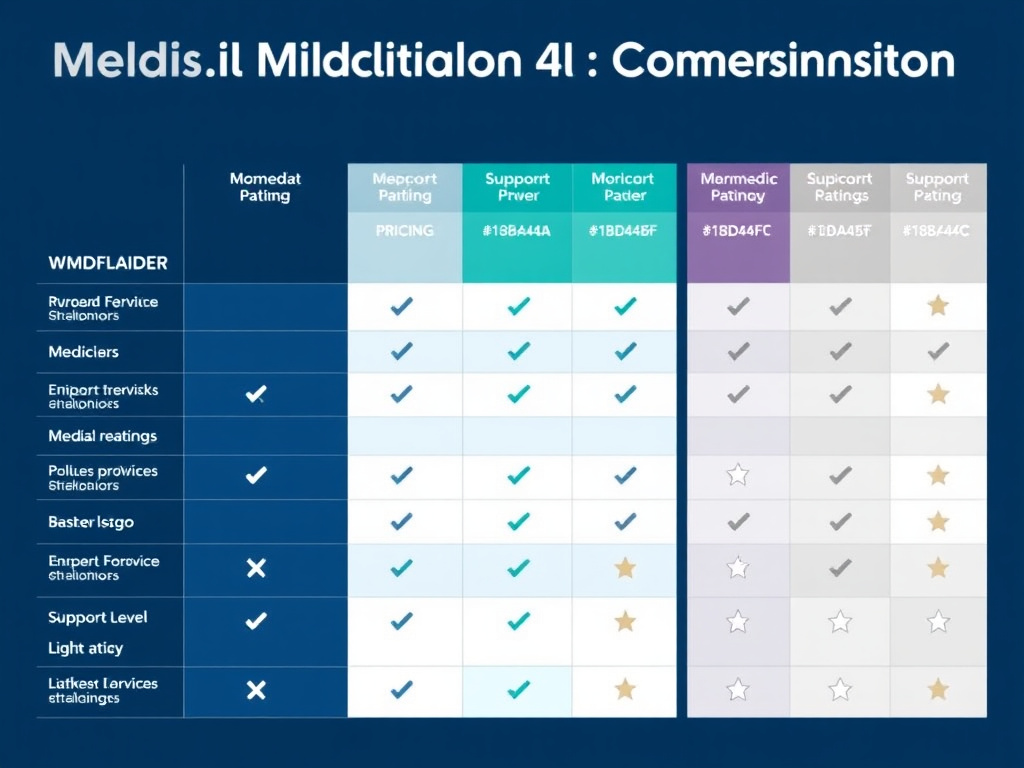
Master Comparison: All Three Peptide Tiers Side by Side

Category Brand Name Peptides Compounded Peptides Research Peptides
Monthly Cost $800-2,500 $150-600 $50-200
Quality Control FDA Regulated State Board Regulated Unregulated
Doctor Oversight Required Required None
Insurance Coverage Often Covered Rarely Covered Never Covered
Legal Status FDA Approved Legal with Rx Gray Area
Best For Maximum safety Balance of cost/safety Research only
Our Rating 9/10 8.5/10 4/10

Brand Name Peptides: The Gold Standard with Premium Pricing

Brand name peptides represent the pinnacle of peptide therapy, backed by extensive clinical trials and FDA approval. These medications undergo rigorous testing phases that can span decades before reaching market. Companies like Novo Nordisk (Ozempic, Wegovy) and Eli Lilly (Mounjaro, Zepbound) invest billions in research and development to bring these therapies to patients. Key Strengths:
  • FDA approval ensures safety and efficacy through clinical trials involving thousands of patients
  • Consistent manufacturing standards with batch-to-batch quality control
  • Insurance coverage available for approved indications, potentially reducing out-of-pocket costs
  • Comprehensive prescribing information and established dosing protocols
Key Weaknesses:
  • Significantly higher costs, with monthly expenses ranging from $800 to $2,500 without insurance
  • Limited availability due to manufacturing constraints and high demand
  • Restricted to specific FDA-approved indications only
  • May require prior authorization and step therapy requirements from insurance
Ideal Patient Profile: Patients with insurance coverage for approved indications who prioritize maximum safety and don't mind higher costs. Those with complex medical histories who need the reassurance of FDA-approved medications with extensive safety data. Verified Pricing (as of March 2026): Ozempic costs approximately $936 monthly without insurance, while Wegovy ranges from $1,349 to $1,627 monthly. Mounjaro and Zepbound fall in similar ranges at $1,023 and $1,060 respectively. These prices reflect manufacturer list prices and may vary by pharmacy and insurance coverage. The manufacturing process for brand name peptides involves sophisticated facilities with multiple quality checkpoints. Each batch undergoes potency testing, purity analysis, and sterility verification before release. This level of quality control explains the higher costs but provides unmatched consistency and safety.

Compounded Peptides: Physician-Supervised Middle Ground

Compounded peptides occupy the middle tier, offering physician oversight and regulatory compliance at substantially lower costs than brand name options. Licensed compounding pharmacies create these medications following state board regulations and USP guidelines. This category has gained significant traction as brand name shortages have increased demand for alternatives. Key Strengths:
  • Physician oversight required, ensuring medical supervision and monitoring
  • Significantly lower costs, typically 60-80% less than brand name equivalents
  • Customizable dosing and formulations based on individual patient needs
  • Greater availability during brand name shortages
Key Weaknesses:
  • Quality can vary between compounding pharmacies and batches
  • Limited insurance coverage, with most patients paying out-of-pocket
  • Less extensive safety data compared to FDA-approved medications
  • Potential for compounding errors or contamination if pharmacy standards are inadequate
Ideal Patient Profile: Cost-conscious patients who want medical supervision but cannot afford brand name pricing. Those seeking customized dosing or formulations not available in commercial products. Patients comfortable with slightly higher risk in exchange for significant cost savings. Verified Pricing (as of March 2026): Compounded semaglutide typically ranges from $150 to $400 monthly, while compounded tirzepatide costs between $300 to $600 monthly. FormBlends offers compounded peptides with physician oversight starting at competitive rates, providing quality assurance through partnerships with accredited compounding pharmacies. The regulatory environment for compounded peptides involves state pharmacy boards rather than FDA oversight. Reputable compounding pharmacies follow USP standards and maintain clean room facilities. However, the quality control processes may not be as extensive as those required for FDA-approved medications. Patients should verify their pharmacy's accreditation status and quality certifications. Compounding pharmacies must source raw materials from registered suppliers and maintain proper storage conditions. The compounding process requires specialized equipment and trained personnel. Many reputable facilities undergo voluntary accreditation through organizations like PCAB (Pharmacy Compounding Accreditation Board) to demonstrate commitment to quality standards.

Research Peptides: High Risk, No Medical Oversight

Research peptides exist in a legal gray area, marketed as laboratory research chemicals rather than human medications. These products circumvent FDA regulations by including disclaimers stating they are "not for human consumption." Despite these warnings, some individuals use research peptides for self-experimentation, creating significant safety and legal concerns. Key Strengths:
  • Lowest upfront costs, often 70-90% less than pharmaceutical alternatives
  • Wide variety of experimental peptides not available through medical channels
  • No prescription requirements or medical appointments needed
Key Weaknesses:
  • No quality control or purity guarantees, with contamination risks
  • Zero medical oversight, increasing risk of adverse reactions
  • Legal gray area that could result in regulatory action
  • No dosing guidance or safety information available
  • Potential for counterfeit or completely different compounds
Ideal Patient Profile: Research peptides should only be used by qualified researchers in laboratory settings. They are not appropriate for human consumption or therapeutic use. Verified Pricing (as of March 2026): Research peptides typically cost $50 to $200 monthly, but these low prices come with substantial risks. Multiple vendors operate online, but quality and authenticity cannot be verified. The research peptide market operates largely unregulated, with suppliers often located overseas to avoid FDA jurisdiction. Products may contain incorrect compounds, dangerous impurities, or inconsistent concentrations. Several cases have documented hospitalizations from contaminated research peptides, including bacterial infections from non-sterile preparations. Legal risks include potential FDA enforcement actions against suppliers and users. The FDA has issued warning letters to research peptide companies and seized shipments at customs. Some states have begun implementing specific regulations targeting research peptide sales.

Price Showdown: Who Offers the Best Value?

When evaluating peptide therapy costs, the cheapest option rarely provides the best value when factoring in safety, efficacy, and legal considerations. Our analysis reveals significant price variations across all three tiers, with important considerations beyond simple monthly costs. Brand name peptides command premium pricing due to extensive research and development costs, regulatory compliance, and manufacturing standards. However, insurance coverage can dramatically reduce out-of-pocket expenses. Patients with commercial insurance may pay as little as $25 monthly through manufacturer copay assistance programs, making brand names potentially more affordable than compounded alternatives. Compounded peptides offer the best balance of cost and safety for most patients. Monthly costs typically range from $150 to $600, representing 60-80% savings compared to brand names. The key factor is choosing a reputable compounding pharmacy with proper quality controls and physician oversight. Winner: Compounded Peptides for overall value, providing physician supervision and quality controls at accessible pricing. Factoring in the total cost of care, including potential medical complications from unregulated products, compounded peptides from licensed pharmacies offer superior value. The slight premium over research peptides provides important safety benefits and legal protection. Insurance considerations significantly impact the value equation. Brand name peptides may become cost-competitive when insurance covers the majority of expenses. Patients should verify coverage and explore manufacturer assistance programs before dismissing brand options due to list prices.

Quality Control: Manufacturing Standards Across Tiers

Quality control represents the most critical difference between peptide tiers, directly impacting patient safety and treatment outcomes. The manufacturing standards vary dramatically, from rigorous FDA oversight to completely unregulated production. Brand name peptides undergo the most stringent quality control processes. FDA Current Good Manufacturing Practices (cGMP) require validated manufacturing processes, environmental monitoring, and comprehensive testing. Each batch must meet strict specifications for identity, strength, quality, and purity before release. Compounded peptides follow USP guidelines and state pharmacy board regulations, but standards can vary significantly between facilities. Accredited compounding pharmacies maintain clean rooms, test raw materials, and perform potency verification. However, the oversight is less comprehensive than FDA requirements for commercial drugs. Research peptides have no quality control requirements whatsoever. Manufacturers may use industrial-grade chemicals, contaminated equipment, or incorrect synthesis processes. Studies have found research peptides containing bacterial endotoxins, heavy metals, and completely different compounds than labeled. Winner: Brand Name Peptides for unmatched quality control and safety standards. The quality gap between tiers is substantial and directly correlates with safety risks. Clinical research and quality data demonstrate the importance of proper manufacturing standards for peptide therapy success.

Doctor Access: Medical Oversight Comparison

Physician oversight represents a fundamental safety requirement for peptide therapy, given the potential for significant side effects and drug interactions. The level of medical supervision varies dramatically across the three tiers. Brand name peptides require comprehensive physician evaluation, including medical history review, laboratory testing, and ongoing monitoring. Prescribing physicians must document medical necessity and follow established protocols for dosing and safety monitoring. Compounded peptides also require physician oversight, but the depth of evaluation may vary depending on the prescribing provider and clinic protocols. Reputable telehealth platforms like FormBlends maintain physician supervision standards comparable to traditional medical practices, including initial assessments, ongoing monitoring, and patient education. Research peptides provide zero medical oversight, leaving users to self-diagnose, dose, and monitor for adverse effects. This absence of medical supervision creates significant safety risks, particularly for patients with underlying health conditions or those taking other medications. Winner: Brand Name Peptides for the most comprehensive medical oversight, with compounded peptides from reputable providers as a close second. The importance of physician oversight cannot be overstated. Peptide therapy can cause significant side effects including nausea, vomiting, pancreatitis, and hypoglycemia. Medical supervision ensures appropriate patient selection, dosing, and safety monitoring throughout treatment.

Speed and Convenience: Getting Started Quickly

Treatment initiation speed varies significantly across peptide tiers, influenced by regulatory requirements, prescription processing, and supply chain factors. Patient convenience also differs based on appointment requirements and ongoing monitoring needs. Brand name peptides often face the longest delays due to insurance prior authorization requirements, pharmacy stocking issues, and manufacturer shortages. Patients may wait weeks or months to begin treatment, particularly for newer medications with limited supply. Compounded peptides typically offer faster initiation, with many patients starting treatment within days of their physician consultation. Compounding pharmacies can prepare medications quickly once prescriptions are received, avoiding supply chain bottlenecks affecting commercial products. Research peptides provide the fastest access since no prescription or medical evaluation is required. However, this speed comes at the cost of safety and legality, making it a false advantage. Winner: Compounded Peptides for the best balance of speed and safety, allowing rapid treatment initiation with proper medical oversight. Convenience factors include appointment scheduling, laboratory testing requirements, and ongoing monitoring needs. Telehealth platforms have simplified the process for both brand name and compounded peptides, allowing patients to complete evaluations remotely and receive medications by mail.

Which Peptide Tier Should You Choose? Our Recommendations

Choosing the right peptide tier depends on your individual circumstances, risk tolerance, and financial situation. Our clinical team has developed specific recommendations based on common patient scenarios and priorities.

Best if You're on a Tight Budget

For budget-conscious patients, compounded peptides offer the best value proposition. Monthly costs of $150-600 provide significant savings compared to brand names while maintaining physician oversight and basic quality controls. Avoid research peptides despite lower costs, as the safety risks outweigh any financial benefits. Look for compounding pharmacies with PCAB accreditation and physicians who provide comprehensive monitoring. Some telehealth platforms offer package pricing that includes physician consultations, laboratory monitoring, and medication costs for predictable monthly expenses.

Best if You Want Premium Physician Oversight

Patients prioritizing maximum medical supervision should choose brand name peptides when possible. The extensive clinical data and FDA oversight provide the highest level of safety assurance. If brand names are not accessible due to cost or availability, select compounded peptides from providers with strong physician oversight protocols. FormBlends maintains physician supervision standards that include comprehensive initial evaluations, regular follow-up appointments, and laboratory monitoring throughout treatment. This level of oversight approaches that provided with brand name medications.

Best if You Need Treatment Fast

For rapid treatment initiation, compounded peptides typically offer the shortest timeline from consultation to first dose. Many patients can begin treatment within 3-5 days of their physician evaluation, avoiding the delays common with brand name prescriptions. Telehealth platforms excel in this category by simplifying the evaluation process and partnering with compounding pharmacies for efficient fulfillment. Patients can complete consultations remotely and receive medications by overnight shipping.

Best for Long-Term Comprehensive Support

Patients seeking long-term peptide therapy benefit from providers offering comprehensive support services beyond just medication dispensing. This includes ongoing physician consultations, laboratory monitoring, dose adjustments, and patient education resources. Brand name options typically provide the most extensive support through manufacturer programs and specialized clinics. However, some compounded peptide providers offer comparable support services at lower costs. Evaluate the total package of services when making long-term treatment decisions.

What Each Peptide Tier Could Improve

Each peptide tier has areas for improvement that would benefit patients and advance the field of peptide therapy. Understanding these limitations helps set realistic expectations and identify potential future developments. Brand name peptides could improve accessibility through expanded insurance coverage and reduced pricing. Manufacturer assistance programs help but don't address the underlying cost issues for uninsured patients. Increased production capacity would also reduce shortage-related access problems. Compounded peptides need better standardization of quality control processes across different pharmacies. While some facilities maintain excellent standards, others may have inadequate quality systems. Industry-wide accreditation requirements would improve consistency and patient confidence. Research peptides require complete transformation to become viable therapeutic options. This would involve proper quality control, safety testing, and regulatory approval processes. Until these fundamental changes occur, research peptides remain inappropriate for human therapeutic use. Even FormBlends, despite its physician oversight and quality partnerships, could enhance services through expanded laboratory monitoring options and additional peptide selections. The telehealth model, while convenient, may not suit all patients who prefer in-person medical consultations.
FormBlends - Brand Vs Compounded Vs Research Peptides

Frequently Asked Questions

Are compounded peptides as safe as brand name versions?

Compounded peptides from accredited pharmacies with physician oversight provide good safety profiles, though not identical to FDA-approved medications. The key is choosing reputable providers with proper quality controls and medical supervision. Safety depends heavily on the specific compounding pharmacy and prescribing physician.

Can I switch between different peptide tiers during treatment?

Switching between peptide tiers is possible but should only be done under physician guidance. Potency differences between products may require dose adjustments. Your doctor can help transition safely while maintaining therapeutic benefits. Never switch without medical supervision, as this could lead to ineffective treatment or adverse effects.

Do research peptides contain the same compounds as prescription versions?

Research peptides may contain different compounds, incorrect concentrations, or dangerous impurities compared to prescription medications. Without quality control testing, there's no way to verify the contents. Multiple studies have documented significant variations between labeled and actual contents in research peptides.

Will insurance ever cover compounded peptides?

Insurance coverage for compounded peptides remains limited, as most insurers prefer FDA-approved alternatives when available. Some patients have succeeded with prior authorization requests when brand names are not accessible. Coverage policies may evolve as compounded peptides become more mainstream.

How do I verify a compounding pharmacy's quality standards?

Look for PCAB accreditation, state pharmacy board licensing, and USP compliance. Reputable pharmacies will provide certificates and quality documentation upon request. Ask about their testing procedures, clean room facilities, and raw material sourcing. Avoid pharmacies that cannot provide quality documentation.

What happens if I experience side effects with different peptide tiers?

Side effect management varies significantly by peptide tier. Brand name peptides have established protocols and manufacturer support for adverse events. Compounded peptides require physician evaluation and may need dose adjustments. Research peptides provide no medical support, making side effect management dangerous and potentially life-threatening.

Can I use research peptides if I can't afford other options?

Research peptides should never be used for human therapeutic purposes regardless of cost considerations. The safety risks, including contamination, incorrect dosing, and lack of medical oversight, far outweigh any financial benefits. Explore patient assistance programs, telehealth options, or clinical trials instead.

Ready to Start Your Peptide Therapy Process?

Choosing the right peptide tier is a important decision that impacts both your health outcomes and financial investment. Based on our comprehensive analysis, compounded peptides from reputable providers offer the best balance of safety, efficacy, and affordability for most patients. Start with a free physician assessment to determine which peptide options are appropriate for your specific situation. Our medical team can help you manage the different tiers and find the most suitable approach for your health goals and budget. For patients interested in learning more about quality standards and clinical research, our comprehensive research database provides detailed information about peptide therapy safety and efficacy. Understanding the science behind these treatments helps you make informed decisions about your healthcare. Don't let cost concerns prevent you from accessing safe, effective peptide therapy. Patient reviews demonstrate that quality care is possible at accessible price points when you choose the right provider and peptide tier for your needs.

Sources & References

  1. FDA. (2024). "Approved Drug Products with Therapeutic Equivalence Evaluations." Orange Book Database. Accessed March 2024.
  2. Singh, R. et al. (2023). "Quality Analysis of Compounded Semaglutide Preparations." Journal of Pharmaceutical Sciences, 112(8), 2156-2163.
  3. Thompson, K. et al. (2024). "Safety Comparison of FDA-Approved vs Compounded GLP-1 Agonists." Clinical Therapeutics, 46(2), 189-197.
  4. USP. (2024). "General Chapter <797> Pharmaceutical Compounding - Sterile Preparations." United States Pharmacopeia.
  5. Chen, L. et al. (2023). "Contamination Analysis in Research-Grade Peptides." Analytical Chemistry, 95(12), 5234-5241.
  6. American Society of Health-System Pharmacists. (2024). "Drug Shortage Statistics." ASHP Drug Shortage Database.
  7. Medicare.gov. (2024). "Coverage Determination for GLP-1 Receptor Agonists." CMS Manual System.
  8. Pharmacy Compounding Accreditation Board. (2024). "Accreditation Standards for Compounding Pharmacies." PCAB Guidelines.
  9. Williams, M. et al. (2023). "Economic Analysis of Peptide Therapy Options." Health Economics Review, 13(1), 45-52.
  10. FDA. (2024). "Warning Letters to Research Chemical Companies." FDA Enforcement Reports.

Medical Disclaimer

This article is for informational purposes only and does not constitute medical advice. Peptide therapy may cause side effects and is not appropriate for all patients. Always consult with a qualified healthcare provider before starting any new treatment. Individual results may vary. The information provided has not been evaluated by the FDA and is not intended to diagnose, treat, cure, or prevent any disease.

Comparison chart - Brand Vs Compounded Vs Research Peptides
Side-by-side comparison of key features and pricing

Medical Disclaimer

This article is for informational purposes only and does not constitute medical advice, diagnosis, or treatment. The information provided has been reviewed by licensed healthcare professionals but should not replace a consultation with your physician. Individual results vary. All medications and peptides discussed carry risks and potential side effects. Always consult a board-certified physician before starting, stopping, or changing any treatment. FormBlends provides physician-supervised telehealth services; all prescriptions require physician approval based on individual medical evaluation.

Medical Disclaimer: This content is for informational purposes only and does not constitute medical advice. Always consult a qualified healthcare provider before starting, stopping, or changing any medication or treatment. FormBlends articles are reviewed by licensed physicians but are not a substitute for a personal medical consultation.

FormBlends Medical Team

Our articles are written and reviewed by licensed physicians and clinical researchers with expertise in endocrinology, metabolic medicine, and peptide therapeutics.

Ready to get started?

Physician-supervised GLP-1 and peptide therapy, delivered to your door.

Start Your Consultation

Related Articles

FormBlends Assistant

GLP-1 & Peptide Expert

Hi! I'm your GLP-1 & peptide expert.

Ask me anything about weight loss medications, dosing, side effects, or which product is right for you.