All GLP-1 medications from licensed 503A compounding pharmacies Browse Products
Brand Mounjaro vs Compounded Tirzepatide: Quality & Cost
Compare brand Mounjaro vs compounded tirzepatide costs, quality, and effectiveness. Expert analysis of pricing, FDA approval, and patient outcomes to...
Written by FormBlends Editorial Research · Checked against primary sources by FormBlends Editorial Standards Team
Custom header image for Brand Mounjaro vs Compounded Tirzepatide: Quality & Cost, Provider Comparisons, and better treatment decision-making.In This Article
Written by FormBlends Clinical Review, Clinical Pharmacist & Medical Reviewer
See your GLP-1 options in about 2 minutes. Free and private.See my options →
Medically reviewed by FormBlends Medical Team, Board-Certified Obesity Medicine Physician
Published:
Key Takeaway
Compare brand Mounjaro vs compounded tirzepatide costs, quality, and effectiveness. Expert analysis of pricing, FDA approval, and patient outcomes to help...
At a Glance: Mounjaro vs Compounded Tirzepatide
Factor
Brand Mounjaro
Compounded Tirzepatide
Monthly Cost
$1,000+ without insurance
$250-$500 per month
FDA Approval
Full FDA approval
Not FDA approved
Insurance Coverage
Often covered with prior auth
Typically not covered
Dosing Options
7 standardized doses
Customizable dosing
Quality Assurance
Eli Lilly manufacturing
503B pharmacy standards
The choice between brand Mounjaro and compounded tirzepatide comes down to balancing FDA approval with affordability. Brand Mounjaro offers the security of full regulatory approval but costs significantly more, while compounded tirzepatide provides compounded formulations of the active ingredient at a fraction of the price through licensed specialty pharmacies.
This comparison examines both options across five critical factors: cost, quality standards, availability, physician oversight, and patient outcomes. If you're dealing with insurance hurdles or seeking more affordable access to tirzepatide therapy, understanding these differences helps you make an informed decision about your weight management process.
We'll analyze real pricing data, examine manufacturing standards, and review clinical considerations to help you determine which option aligns with your medical needs and financial situation. Both paths require physician supervision, but the experience and cost structure differ significantly.
Quick Verdict: Mounjaro vs Compounded Tirzepatide
Category
Brand Mounjaro
Compounded Tirzepatide
Price Range
$1,000-$1,350/month
$250-$500/month
Insurance Coverage
Often covered with prior authorization
Rarely covered
Doctor Access
Traditional healthcare providers
Telehealth and specialty clinics
Shipping Speed
Local pharmacy pickup
2-5 business days
Quality Standards
FDA-approved manufacturing
503B pharmacy compounding
Best For
Patients with insurance coverage
Self-pay patients seeking affordability
Brand Mounjaro: What You Get
Mounjaro represents the gold standard for tirzepatide therapy, manufactured by Eli Lilly under strict FDA oversight. The medication received full FDA approval for type 2 diabetes in May 2022 and weight management in November 2023, establishing it as the reference point for tirzepatide efficacy and safety. For a complete cost breakdown, see our compare tirzepatide pharmacies.
Top Telehealth GLP-1 Providers Compared. Based on pricing, support, and patient outcomes.
View data table
Bar chart showing top telehealth glp-1 providers compared: FormBlends (92), Hims/Hers (78), Ro (75), Calibrate (70)
Category
Overall Value Score
Detail
FormBlends
92
First month $99 (semaglutide) or $149 (tirzepatide), then $190 or $239 per month, physician-led
Hims/Hers
78
Consumer brand, varies
Ro
75
Telehealth platform
Calibrate
70
Metabolic health focus
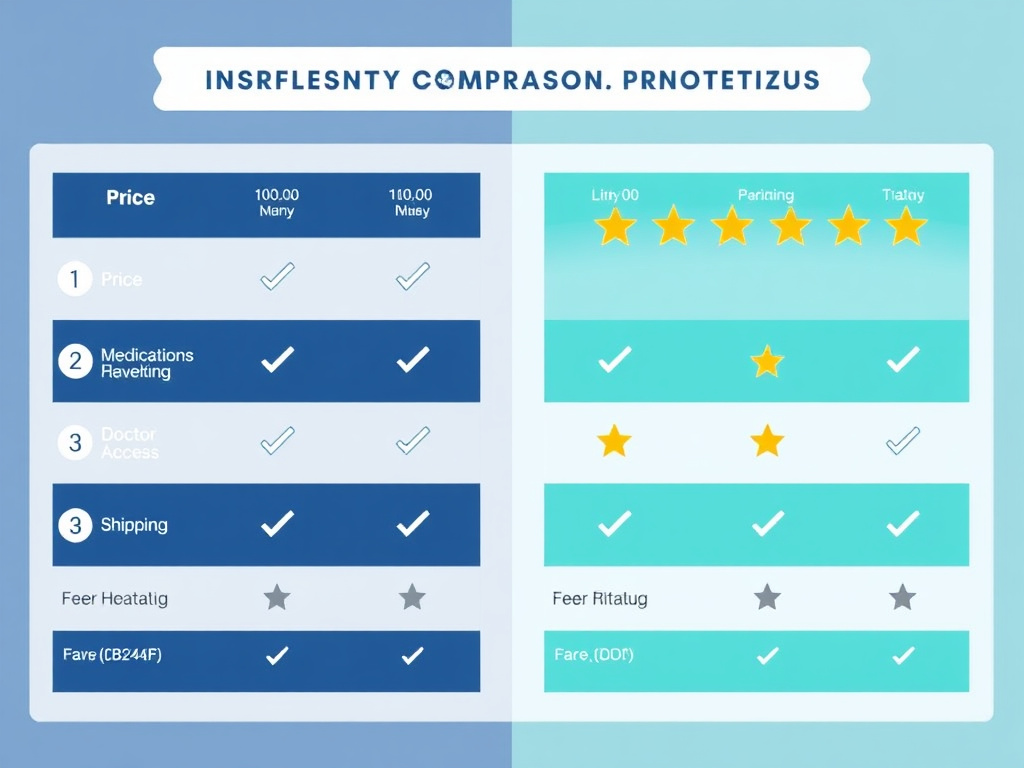
Side-by-side comparison of key features and pricing
The pricing structure for brand Mounjaro varies significantly based on insurance coverage. Without insurance, patients typically pay between $1,000 and $1,350 per month for a 4-week supply. Eli Lilly offers a savings card program that can reduce costs to $25 per month for eligible patients with commercial insurance, though this program excludes government insurance plans like Medicare and Medicaid.
Mounjaro comes in seven standardized doses: 2.5mg, 5mg, 7.5mg, 10mg, 12.5mg, 15mg, and the maximum 15mg maintenance dose. Each pen delivers four weekly injections, and the titration schedule follows a structured 4-week progression starting at 2.5mg. This standardized approach ensures consistent dosing but limits flexibility for patients who might benefit from intermediate doses or alternative titration schedules.
The consultation process typically occurs through traditional healthcare providers, including endocrinologists, primary care physicians, and weight management specialists. Patients receive thorough medical evaluation, including laboratory monitoring and regular follow-up appointments. The prescribing process requires prior authorization for most insurance plans, which can delay treatment initiation by 1-2 weeks.
Distribution occurs through traditional retail pharmacies and specialty pharmacy networks. Most patients pick up their medication locally or receive delivery through pharmacy chains like CVS, Walgreens, or specialty providers like Accredo. The supply chain reliability is excellent, though occasional shortages have occurred during peak demand periods.
Pros:
Full FDA approval with extensive clinical trial data
Insurance coverage potential with significant cost savings
Standardized manufacturing and quality control
thorough physician oversight and monitoring
Established supply chain and pharmacy network
Patient assistance programs for eligible individuals
Cons:
High out-of-pocket costs without insurance coverage
Limited dosing flexibility between standard increments
Potential supply shortages during high demand
Exclusion from savings programs for government insurance
Compounded Tirzepatide: What You Get
Compounded tirzepatide provides access to the same active pharmaceutical ingredient as Mounjaro through licensed 503B compounding pharmacies. These facilities operate under FDA oversight but follow different regulatory pathways than traditional drug manufacturers, allowing them to create customized formulations for individual patients when commercially available products don't meet specific medical needs.
Not sure which GLP-1 is right for you?
Take a 2-minute assessment and get a personalized recommendation after licensed provider review.
The cost advantage of compounded tirzepatide is substantial, with monthly pricing typically ranging from $250 to $500 depending on the dose and provider. Compounded tirzepatide through specialized clinics often includes thorough support services, physician consultations, and ongoing monitoring as part of the monthly fee structure.
Dosing flexibility represents a key advantage of compounded options. Rather than being limited to seven standard doses, compounding pharmacies can create intermediate strengths and customize titration schedules based on individual patient response and tolerance. This personalization allows for more gradual dose increases, potentially reducing side effects while improving therapeutic outcomes.
The consultation process typically occurs through telehealth platforms specializing in weight management and metabolic health. These providers often offer more accessible scheduling, thorough lifestyle counseling, and integrated support programs. The evaluation process includes medical history review, laboratory assessment, and ongoing monitoring through digital platforms and regular check-ins.
Compounded tirzepatide is manufactured in sterile facilities that meet USP 797 and USP 800 standards for pharmaceutical compounding. The active ingredient sourcing varies among compounding pharmacies, with reputable facilities obtaining pharmaceutical-grade tirzepatide from established suppliers. Quality testing includes potency verification, sterility testing, and endotoxin analysis, though the extent of testing may vary between facilities.
Shipping typically occurs within 2-5 business days through temperature-controlled delivery services. Most providers include cold-chain packaging to maintain medication stability during transit. The supply chain tends to be more flexible than traditional pharmaceuticals, allowing for faster adjustments to dosing or formulation changes based on patient needs.
Pros:
Significantly lower cost compared to brand medication
Customizable dosing and titration schedules
Accessible telehealth consultation options
Integrated support programs and lifestyle counseling
Faster access without insurance prior authorization
Flexible supply chain and formulation options
Cons:
No FDA approval for the compounded formulation
Limited insurance coverage for compounded medications
Variable quality standards between compounding facilities
Less extensive clinical data compared to brand product
Potential supply chain variability
Regulatory oversight differences from traditional manufacturing
Price Comparison: Mounjaro vs Compounded Tirzepatide
The cost differential between brand Mounjaro and compounded tirzepatide represents the most significant factor in patient decision-making. Brand Mounjaro's list price ranges from $1,023 to $1,349 per month depending on the dose, making it one of the most expensive weight management medications available. Without insurance coverage, annual treatment costs can exceed $15,000.
Insurance coverage for Mounjaro varies significantly by plan and indication. For diabetes treatment, coverage rates approach 70-80% with prior authorization. Weight management coverage remains more limited, with approximately 40-50% of commercial plans providing coverage. The prior authorization process typically requires documentation of previous weight loss attempts, BMI criteria, and sometimes diabetes or prediabetes diagnosis.
Compounded tirzepatide pricing structure differs fundamentally from brand medication. Most providers charge monthly fees ranging from $250 to $500, which typically include the medication, physician consultation, and ongoing support services. This all-inclusive approach often provides better value than traditional healthcare models where consultation fees, laboratory costs, and medication expenses are billed separately.
The annual cost comparison reveals stark differences. Patients with good insurance coverage for Mounjaro might pay $300-$600 annually through copay assistance programs. But those without coverage face $12,000-$16,000 in annual costs. Compounded tirzepatide patients typically pay $3,000-$6,000 annually, representing 60-80% savings compared to brand medication without insurance.
Hidden costs also factor into the total expense calculation. Brand Mounjaro patients often incur additional fees for specialist consultations, laboratory monitoring, and nutritionist services. Compounded tirzepatide providers frequently bundle these services, potentially offering additional savings beyond the medication cost alone.
Medication Options: Mounjaro vs Compounded Tirzepatide
Brand Mounjaro offers seven standardized doses following FDA-approved titration protocols. The standard progression begins at 2.5mg weekly for four weeks, then increases to 5mg, 7.5mg, 10mg, 12.5mg, and 15mg at monthly intervals based on patient tolerance and response. This structured approach ensures consistency but limits flexibility for patients who might benefit from intermediate doses or slower titration schedules.
Each Mounjaro pen contains four weekly doses with pre-filled, single-use injectors. The delivery system includes safety features like needle shields and dose confirmation mechanisms. The medication requires refrigeration and has a 21-day room temperature stability period, providing flexibility for travel and daily use.
Compounded tirzepatide offers significantly more dosing flexibility through customizable formulations. Compounding pharmacies can create intermediate strengths like 6mg, 8mg, or 9mg doses that don't exist in the brand product line. This granular control allows physicians to improve dosing based on individual patient response and minimize side effects through more gradual titration.
Formulation options for compounded tirzepatide include both single-dose vials and multi-dose presentations. Some compounding facilities offer lyophilized (freeze-dried) formulations that provide extended stability and reduced shipping requirements. The reconstitution calculator process requires sterile technique but allows for precise dose adjustments and potentially lower costs through concentration flexibility.
The active ingredient in both formulations is identical tirzepatide, a dual GIP/GLP-1 receptor agonist. Clinical studies demonstrating tirzepatide's efficacy used the same molecular structure available in both brand and compounded versions. The primary differences lie in excipients, preservatives, and manufacturing processes rather than the therapeutic compound itself.
Doctor Quality and Oversight
Physician oversight for brand Mounjaro typically occurs through established healthcare systems with endocrinologists, bariatricians, or primary care providers experienced in metabolic medicine. These physicians often have extensive training in diabetes and obesity management, with access to thorough laboratory monitoring and multidisciplinary support teams including dietitians, diabetes educators, and mental health professionals.
The prescribing process for Mounjaro requires thorough medical evaluation including cardiovascular risk assessment, kidney function testing, and screening for contraindications like personal or family history of medullary thyroid carcinoma. Follow-up protocols typically include quarterly visits with laboratory monitoring for glucose levels, kidney function, and lipid profiles.
Compounded tirzepatide providers often specialize specifically in weight management and metabolic health through telehealth platforms. Many of these physicians have board certifications in obesity medicine, endocrinology, or internal medicine with focused experience in GLP-1 therapies. Specialized clinics frequently offer more accessible scheduling and thorough lifestyle counseling as part of their service model.
The evaluation process for compounded tirzepatide typically includes thorough medical history review, laboratory assessment, and ongoing monitoring through digital health platforms. Many providers offer more frequent check-ins during initial titration phases, with some providing weekly or bi-weekly consultations to improve dosing and address side effects promptly.
Quality of physician oversight varies significantly among compounded tirzepatide providers. Reputable clinics maintain board-certified physicians with specialized training in obesity medicine and metabolic disorders. But the telehealth model requires patients to be more proactive in reporting symptoms and adhering to monitoring protocols compared to traditional in-person care.
Both treatment pathways require ongoing medical supervision due to tirzepatide's potential side effects and contraindications. The key difference lies in accessibility and cost of physician services, with compounded providers often offering more integrated and affordable consultation models.
Patient Experience and Reviews
Patient satisfaction data for brand Mounjaro shows high efficacy ratings with average weight loss of 15-20% in clinical studies. Real-world patient reviews consistently highlight the medication's effectiveness for both diabetes control and weight management. Common positive feedback includes significant appetite reduction, improved glucose control, and sustained weight loss over 12-18 month periods.
Side effect profiles for Mounjaro align with clinical trial data, with 60-70% of patients experiencing gastrointestinal symptoms during initial titration. Most patients report that nausea, diarrhea, and stomach discomfort diminish after 4-6 weeks of consistent dosing. The structured titration schedule helps minimize side effects compared to more aggressive dosing approaches.
Patient experiences with compounded tirzepatide show similar efficacy outcomes with potentially better tolerance due to customizable dosing. Many patients report fewer side effects when providers can adjust doses in smaller increments or extend titration periods based on individual response. The ability to modify formulations or concentrations provides additional flexibility for patients who experience persistent side effects with standard dosing.
Access and convenience represent major differentiators in patient experience. Brand Mounjaro patients often face insurance hurdles, prior authorization delays, and pharmacy availability issues. Compounded tirzepatide patients typically report faster access to treatment and more responsive customer service through specialized clinics.
Cost satisfaction varies dramatically based on insurance coverage. Patients with good Mounjaro coverage rate their experience highly due to low out-of-pocket costs and established healthcare relationships. Self-pay patients often prefer compounded options due to predictable monthly costs and bundled services that provide better value than traditional fee-for-service models.
Long-term adherence data shows similar patterns between both options, with approximately 70-80% of patients continuing treatment after 12 months. Discontinuation reasons include side effect intolerance, cost concerns, and achievement of weight loss goals. The flexibility of compounded dosing may provide slight advantages for patients who experience dose-limiting side effects with standard formulations.
Which Is Right for You?
Choosing between brand Mounjaro and compounded tirzepatide depends on your specific medical situation, insurance coverage, and personal preferences for healthcare delivery. Patients with thorough insurance coverage and established relationships with endocrinologists or weight management specialists often find brand Mounjaro provides the most straightforward path to treatment.
Brand Mounjaro makes the most sense for patients who have diabetes or prediabetes with insurance plans that cover GLP-1 medications. The FDA approval provides additional confidence for patients who prioritize regulatory oversight, and the established healthcare system integration offers thorough support services. Patients who qualify for Eli Lilly's savings programs can access treatment for as little as $25 per month.
Compounded tirzepatide serves patients who lack insurance coverage, face prior authorization denials, or seek more personalized dosing approaches. Self-pay patients often find the predictable monthly costs and integrated service model more manageable than traditional healthcare billing. The flexibility to customize doses benefits patients who experience side effects with standard titration schedules.
Patients with complex medical histories or multiple medications might benefit from the personalized approach available through specialized compounding clinics. The ability to modify formulations, adjust concentrations, and provide more frequent monitoring can improve outcomes for patients who don't respond well to standardized protocols.
Consider FormBlends as a third option that combines physician-supervised care with compounded tirzepatide access. Our clinical team provides thorough evaluation, customized dosing protocols, and ongoing support through a simplified telehealth platform designed specifically for metabolic health improvement.
Frequently Asked Questions
Is compounded tirzepatide as effective as brand Mounjaro?
Compounded tirzepatide contains the same active pharmaceutical ingredient as Mounjaro and should provide equivalent therapeutic effects when properly manufactured. The molecular structure and mechanism of action remain identical. But compounded versions lack the extensive clinical trial data that supports FDA approval for brand Mounjaro. Quality can vary between compounding pharmacies, making provider selection important for optimal outcomes.
Can I switch from Mounjaro to compounded tirzepatide?
Switching between brand and compounded tirzepatide is medically feasible under physician supervision. The transition requires careful dose conversion and monitoring to ensure therapeutic continuity. Many patients switch due to cost considerations or insurance coverage changes. Your healthcare provider should oversee the transition process and monitor for any changes in effectiveness or side effects during the switch.
Will insurance cover compounded tirzepatide?
Most insurance plans don't cover compounded medications when FDA-approved alternatives exist. But some plans may provide coverage if brand Mounjaro isn't accessible due to supply shortages or if patients have documented intolerance requiring custom formulations. Prior authorization for compounded tirzepatide is rarely successful unless specific medical circumstances justify the custom preparation.
How do I verify the quality of compounded tirzepatide?
Quality verification requires selecting providers who use 503B compounding pharmacies with FDA registration and state licensing. Look for facilities that provide certificates of analysis showing potency, purity, and sterility testing. Reputable providers should be transparent about their sourcing, manufacturing processes, and quality control procedures. Patient reviews and provider credentials also indicate quality standards.
What happens if there's a Mounjaro shortage?
During Mounjaro shortages, compounded tirzepatide provides an alternative source for continuing therapy. The FDA has historically allowed increased compounding of medications during shortage periods. Your healthcare provider can help transition to compounded alternatives while maintaining therapeutic dosing. Some insurance plans may temporarily cover compounded versions during documented shortages of brand medications.
Ready to Start Your Weight Loss Goals?
Whether you choose brand Mounjaro or compounded tirzepatide, successful weight management requires thorough medical supervision and personalized treatment approaches. The decision ultimately depends on your individual medical needs, insurance situation, and preferences for healthcare delivery.
FormBlends offers physician-supervised access to compounded tirzepatide through our specialized telehealth platform. Our clinical team provides thorough evaluation, customized dosing protocols, and ongoing support designed specifically for sustainable weight management. Start your free physician assessment to determine if tirzepatide therapy aligns with your health goals and medical history.
Our approach combines the affordability and flexibility of compounded medications with rigorous clinical oversight and quality standards. Each patient receives personalized care from board-certified physicians experienced in metabolic medicine and obesity treatment.
Sources
Clinical References:
Jastreboff AM, et al. Tirzepatide Once Weekly for the Treatment of Obesity. New England Journal of Medicine. 2022;387:205-216.
Rosenstock J, et al. Efficacy and safety of a novel dual GIP and GLP-1 receptor agonist tirzepatide in patients with type 2 diabetes (SURPASS-1[1]). The Lancet. 2021;398:143-155.
FDA Drug Approval Package: Mounjaro (tirzepatide). FDA.gov. Accessed March 2026.
USP General Chapter 797: Pharmaceutical Compounding - Sterile Preparations. United States Pharmacopeia. 2023.
Eli Lilly Investor Relations: Mounjaro Pricing Information. Accessed March 13, 2026.
Regulatory Sources:
FDA Guidance for Industry: Section 503B Outsourcing Facilities. FDA.gov. 2023.
State Board of Pharmacy Compounding Regulations Database. NABP.pharmacy. 2026.
Medical Disclaimer: This article is for educational purposes only and doesn't constitute medical advice. Tirzepatide therapy requires physician supervision and may not be appropriate for all patients. Consult with a qualified healthcare provider before starting any weight management medication. Individual results may vary, and this information shouldn't replace professional medical consultation.
Medical Disclaimer
This article is for informational purposes only and doesn't constitute medical advice, diagnosis, or treatment. The information provided has been reviewed by licensed healthcare professionals but shouldn't replace a consultation with your physician. Individual results vary. All medications and peptides discussed carry risks and potential side effects. Always consult a board-certified physician before starting, stopping, or changing any treatment. FormBlends provides physician-supervised telehealth services. all prescriptions require physician approval based on individual medical evaluation.
Medical References
Rosenstock J, Wysham C, Frías JP, et al. Efficacy and safety of a novel dual GIP and GLP-1 receptor agonist tirzepatide in patients with type 2 diabetes (SURPASS-1). Lancet. 2021;398(10295):143-155. [PubMed | DOI]
See your options in about 2 minutes
Take the free quiz and see what fits you. Quick, private, and no commitment to continue.
Check the current prescribing information, regulatory status, and trial source before treating an investigational or newly approved medication as interchangeable with an established therapy.
Check before ordering
Regulatory status, labels, trial records, and sponsor updates can change quickly for obesity-drug pipeline pages. This snapshot is designed to make verification easier, not to replace checking the official source before making a medical or purchase decision. Last page review: 2026-09-05.
FormBlends does not claim an individual clinician byline unless a named reviewer is available. For this page, the editorial team checks medical and regulatory claims against primary sources, clinical trials, public datasets, and regulator guidance.
For Brand Mounjaro vs Compounded Tirzepatide: Quality & Cost, FormBlends checks the page topic against primary trials, systematic reviews, guidelines, and current PubMed-indexed literature where available. These citations are context, not medical advice, proof of eligibility, or a claim that every study applies to every patient.
Compare brand Mounjaro vs compounded tirzepatide costs, quality, and effectiveness. Expert analysis of pricing, FDA approval, and patient outcomes to help. Read "Brand Mounjaro vs Compounded Tirzepatide: Quality & Cost" as a comparison page where the details that matter most are access, cost, clinical fit, and what a licensed clinician should confirm. The main job of this page is comparison and decision support, especially where the topic touches tirzepatide, cost and coverage, safety and pharmacy quality. Because this article has 11 major sections, scan the headings first and then use the FAQ or summary sections to pressure-test the answer. Use it to ask sharper questions of a licensed clinician, not as a substitute for personal medical advice.
Confirm whether the page is discussing an FDA-approved use, a compounded option, or research-only context.
Ask a licensed clinician how the evidence applies to your health history, medications, labs, and side-effect risk.
Verify total monthly cost, refill timing, dose escalation pricing, and what is included before paying.
Original tools and data
Use the FormBlends research stack
These assets are built to be useful beyond a single article: shareable data pages, calculators, provider comparisons, and safety checks that give Google and readers something original to crawl.
Practical 2026 note for Brand Mounjaro vs Compounded Tirzepatide
For this provider comparisons page, the 2026 refresh focuses on semaglutide, tirzepatide, cash-pay pricing, safety signals, brand, mounjaro so the article stays close to the question behind "Brand Mounjaro vs Compounded Tirzepatide".
The useful details are the practical ones: what to verify, what changes risk or cost, and which details separate Brand Mounjaro vs Compounded Tirzepatide from nearby GLP-1, peptide, hormone, or provider-comparison searches.
Readers can use the added context to bring sharper questions to a licensed provider before making a treatment, cost, or care decision.
Custom 2026 image for Brand Mounjaro vs Compounded Tirzepatide, provider comparisons, and better treatment decision-making.
Image description: Unique image for this page covering Brand Mounjaro vs Compounded Tirzepatide, provider comparisons, safety, cost, provider selection, and patient decision-making.
Medical Disclaimer: This content is for informational purposes only and does not constitute medical advice. Always consult a qualified healthcare provider before starting, stopping, or changing any medication or treatment. FormBlends articles are source-checked against medical and regulatory references, but they are not a substitute for a personal medical consultation.
Disclosure: FormBlends is one of the providers discussed in this article. Our editorial team independently researches and verifies all pricing and claims. Pricing was last verified in March 2026. Read our editorial policy.
Written by FormBlends Editorial Research
Prepared by FormBlends Editorial Research. Claims are checked against primary regulatory, trial, label, and public-health sources where available. Reviewed against primary medical, regulatory, and trial sources for accuracy, sourcing, and patient-safety framing.
Ready to get started?
Provider-reviewed GLP-1 and peptide therapy, delivered to your door.
Start with the evidence guide before comparing doses, prices or providers. It covers the SURMOUNT trial results by dose, the label dosing schedule, side-effect rates, FDA approvals, and what compounded tirzepatide is and is not.