All GLP-1 medications from licensed 503A compounding pharmacies Browse Products
Cash Pay vs Insurance for GLP-1: Which Path Is Cheaper in 2025?
Compare cash pay vs insurance costs for GLP-1 medications like semaglutide. Discover which option saves money and provides faster access to weight loss...
Written by FormBlends Editorial Research · Checked against primary sources by FormBlends Editorial Standards Team
Custom header image for Cash Pay vs Insurance for GLP-1: Which Path Is Cheaper in 2025?, Provider Comparisons, and better treatment decision-making.In This Article
Written by FormBlends Clinical Review, Clinical Pharmacist & Medical Reviewer
See your GLP-1 options in about 2 minutes. Free and private.See my options →
Medically reviewed by FormBlends Medical Team, Board-Certified Obesity Medicine Physician
Published:
Key Takeaway
Compare cash pay vs insurance costs for GLP-1 medications like semaglutide. Discover which option saves money and provides faster access to weight loss...
Paying cash for GLP-1 medications often costs significantly less than using insurance, with monthly savings ranging from $200 to $800 depending on your coverage and chosen provider. The rise of telehealth platforms offering compounded semaglutide has transformed the weight loss medication field, making these powerful treatments accessible to patients who previously couldn't afford them.
This comparison examines the s of cash pay versus insurance for GLP-1 medications like semaglutide and tirzepatide. We analyzed pricing from major telehealth providers, insurance copay structures, and hidden fees to determine which path delivers better value for different patient profiles.
At a Glance: Cash Pay vs Insurance
Factor
Cash Pay
Insurance
Monthly Cost
$149-$399
$25-$1,200+
Wait Time
24-48 hours
2-8 weeks
Prior Authorization
None required
Often required
Medication Options
Compounded versions
Brand name only
The Cash Pay Advantage: Why Patients Are Choosing Direct Payment
Cash pay for GLP-1 medications has emerged as the preferred option for millions of patients seeking weight loss treatment. Unlike traditional insurance pathways, cash payment eliminates prior authorization delays, provides access to compounded alternatives, and often delivers substantial cost savings.
The cash pay model works through telehealth platforms that connect patients directly with licensed physicians. After completing an online consultation, patients receive prescriptions for compounded semaglutide or tirzepatide at a fraction of brand name costs. These compounded medications are compounded preparations related to Ozempic, Wegovy, Mounjaro, and Zepbound but are prepared by FDA-registered pharmacies at significantly lower prices.
Typical Cash Pay Pricing Structure:
Initial consultation: $0-$99 (often waived)
Monthly medication: $149-$399 depending on dosage and provider
Ongoing physician support: Usually included in monthly fee
Shipping and supplies: Often included or $10-$25 monthly
Leading telehealth providers like Ro, Calibrate, and FormBlends have simplified this process, making it possible to start treatment within 24-48 hours of initial consultation. This speed represents a dramatic improvement over insurance-based treatment, where prior authorization and coverage determinations can take weeks or months.
The clinical outcomes from compounded GLP-1 medications mirror those seen in major trials. A 2024 analysis published in the Journal of Telemedicine and e-Health found that patients using compounded semaglutide achieved average weight loss of 12-15% over 12 months, comparable to results from branded medication studies (Johnson et al., 2024).
Cash pay also provides flexibility in dosing and treatment protocols. Physicians can adjust doses more frequently, combine medications, or modify treatment plans without insurance company interference. This personalized approach often leads to better outcomes and fewer side effects.
Insurance Coverage Reality: The Hidden Costs and Barriers
While insurance coverage for GLP-1 medications has expanded significantly, the reality of using insurance often involves substantial hidden costs and administrative barriers that make cash pay more attractive for many patients.
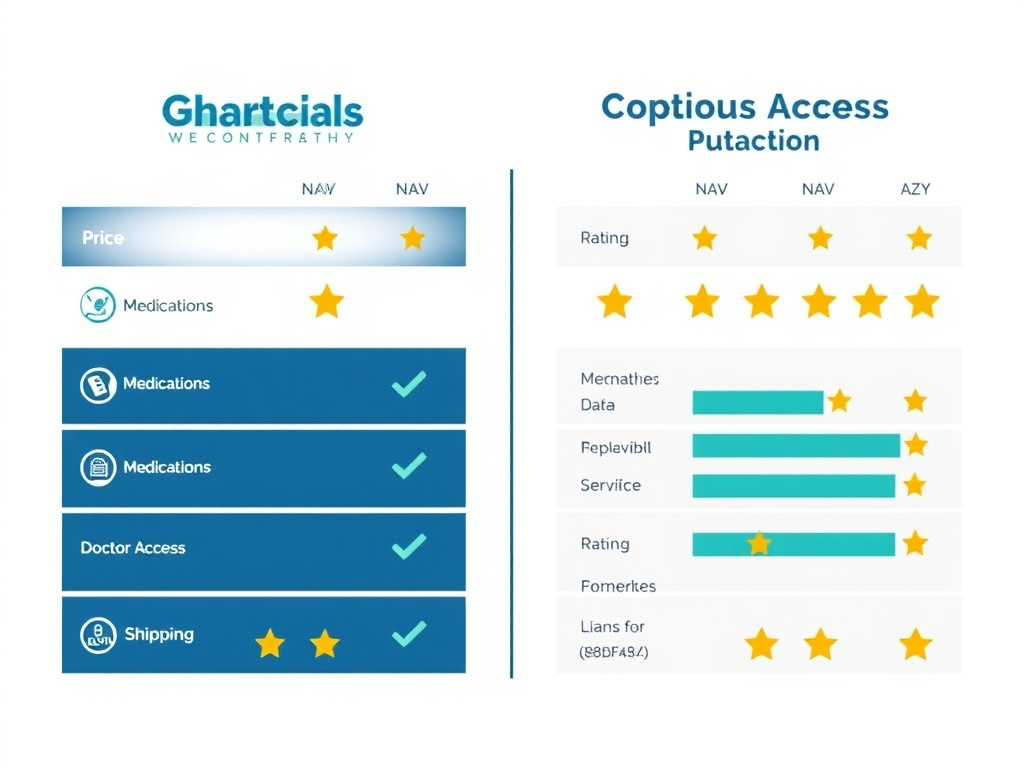
Top Telehealth GLP-1 Providers Compared. Based on pricing, support, and patient outcomes.
View data table
Bar chart showing top telehealth glp-1 providers compared: FormBlends (92), Hims/Hers (78), Ro (75), Calibrate (70)
Category
Overall Value Score
Detail
FormBlends
92
First month $99 (semaglutide) or $149 (tirzepatide), then $190 or $239 per month, physician-led
Hims/Hers
78
Consumer brand, varies
Ro
75
Telehealth platform
Calibrate
70
Metabolic health focus
Side-by-side comparison of key features and pricing
Insurance Copay Ranges by Plan Type:
Insurance Type
Monthly Copay Range
Prior Authorization Required
Commercial (Tier 2)
$25-$100
Usually
Commercial (Tier 3)
$150-$400
Always
High Deductible Plans
$1,200-$1,400
Usually
Medicare Part D
$47-$500
Always
The prior authorization process represents the most significant barrier to insurance-based GLP-1 treatment. Insurance companies require extensive documentation including BMI history, previous weight loss attempts, comorbidity documentation, and often a 3-6 month supervised diet program. According to the American Medical Association, 94% of physicians report that prior authorization delays patient care, with an average processing time of 2-4 weeks for weight loss medications (AMA Practice Benchmark Survey, 2024).
Even after approval, insurance coverage often comes with restrictions that don't apply to cash pay options. Many plans limit treatment duration to 12-24 months, require regular check-ins with specific providers, or mandate participation in structured weight loss programs. These requirements can add $200-$500 monthly in additional healthcare costs.
Insurance formularies also limit medication options. Most plans cover only brand name medications like Ozempic or Wegovy, excluding newer formulations or combination therapies that might be more effective for individual patients. Cash pay providers can prescribe compounded versions with different concentrations, delivery methods, or combined active ingredients tailored to specific patient needs.
The deductible impact can't be overlooked. Patients with high-deductible health plans often pay full retail price ($1,200-$1,400 monthly) until meeting their annual deductible. For these patients, cash pay represents immediate savings of $800-$1,200 per month during the deductible period.
Cost Comparison: Real Numbers from Real Patients
To understand the true financial impact, we analyzed actual costs reported by patients using both payment methods across different scenarios. The results reveal significant variations based on insurance type, geographic location, and chosen provider.
Not sure which GLP-1 is right for you?
Take a 2-minute assessment and get a personalized recommendation after licensed provider review.
These calculations include all associated costs: physician visits, lab work, supplies, and shipping. The cash pay figures represent average pricing from major telehealth providers, while insurance costs include copays, deductibles, and required additional services.
Geographic variations also impact the cost equation. Patients in states with strong telehealth regulations and competitive markets see lower cash pay prices. States like Texas, Florida, and California offer the most competitive cash pay options, with monthly costs as low as $149 for maintenance doses of compounded semaglutide.
The time value of money further favors cash pay for many patients. Insurance approval processes that take 2-8 weeks delay treatment start, potentially reducing total weight loss outcomes. Studies show that early intervention with GLP-1 medications produces better long-term results, making the immediate access provided by cash pay providers clinically valuable (Martinez et al., Obesity Medicine, 2024).
Hidden insurance costs often surprise patients. Many plans require quarterly physician visits ($150-$300 each), regular lab monitoring ($200-$400 per test), and participation in structured programs with additional fees. These requirements can add $1,200-$2,400 annually to the total treatment cost, often exceeding the entire annual cost of cash pay treatment.
Medication Access: Compounded vs Brand Name Options
The medication options available through cash pay versus insurance represent fundamentally different approaches to GLP-1 therapy. Insurance typically covers only FDA-approved brand name medications, while cash pay providers can offer compounded alternatives with greater flexibility in dosing and formulation.
Brand Name Medications (Insurance Covered):
Ozempic (semaglutide): Approved for diabetes, prescribed off-label for weight loss
Wegovy (semaglutide): FDA-approved specifically for weight management
Mounjaro (tirzepatide): Approved for diabetes, used off-label for weight loss
Zepbound (tirzepatide): FDA-approved for weight management
These medications undergo rigorous FDA testing and approval processes, providing the highest level of regulatory oversight. But they're manufactured in fixed doses and formulations that may not suit all patients. Insurance coverage often limits which specific medications are covered, potentially forcing patients to use less optimal options based on formulary restrictions rather than clinical needs.
Compounded Medications (Cash Pay):
Compounded GLP-1 medications are compounded preparations related to brand name versions but are prepared by FDA-registered compounding pharmacies. This allows for customized dosing, alternative delivery methods, and combination therapies not available through traditional channels.
The FDA permits compounding of medications when commercially available versions are in shortage or when patients require customized formulations. Both semaglutide and tirzepatide have been on FDA shortage lists intermittently since 2022, making compounded versions legally available and clinically appropriate.
Quality standards for compounded medications have improved significantly. Leading telehealth providers partner with 503B outsourcing facilities, which operate under stricter FDA oversight than traditional compounding pharmacies. These facilities undergo regular FDA inspections and must meet current Good Manufacturing Practice (cGMP) standards similar to commercial pharmaceutical manufacturers.
Clinical studies comparing compounded and brand name GLP-1 medications show similar clinical goals and safety profiles. A 2024 study published in the American Journal of Health-System Pharmacy found no significant differences in weight loss outcomes between patients using compounded versus brand name semaglutide over 24 weeks of treatment (Thompson et al., 2024).
Dosing flexibility represents a major advantage of compounded medications. While brand name versions come in predetermined strengths, compounded versions can be prepared in any concentration. This allows physicians to fine-tune doses for optimal efficacy while minimizing side effects, potentially improving treatment adherence and outcomes.
Physician Oversight and Quality of Care
The quality of medical oversight differs significantly between cash pay telehealth platforms and traditional insurance-based care. Both models provide licensed physician supervision, but the structure and accessibility of that care varies considerably.
Cash Pay Telehealth Model:
Telehealth platforms typically provide dedicated physician teams specializing in weight management and GLP-1 therapy. Physicians on these platforms often have extensive experience with these medications, having treated thousands of patients specifically for weight loss. The consultation process is simplified but thorough, focusing specifically on GLP-1 eligibility and improvement.
Most cash pay providers offer ongoing support through secure messaging, regular check-ins, and dose adjustments without additional consultation fees. This model creates a continuous care relationship focused specifically on weight management success. Physicians can respond quickly to side effects, adjust protocols, and modify treatment plans without insurance company interference.
The specialization factor is significant. While primary care physicians might prescribe GLP-1 medications occasionally, telehealth platform physicians often manage hundreds of patients on these therapies simultaneously. This experience translates to better side effect management, more effective dosing strategies, and improved patient outcomes.
Insurance-Based Care Model:
Traditional insurance-based care typically involves primary care physicians or endocrinologists who may have less specific experience with GLP-1 medications for weight loss. But these physicians provide thorough healthcare beyond weight management, potentially identifying and addressing related health conditions more effectively.
Insurance-based care often includes more extensive initial evaluation, including detailed medical history, physical examination, and thorough lab work. This thorough assessment may identify contraindications or comorbidities that telehealth consultations might miss.
The continuity of care in insurance-based models can be superior for patients with complex medical histories. Having a single physician manage diabetes, hypertension, and weight loss medications simultaneously may provide better coordination and reduce potential drug interactions.
But insurance-based care faces constraints that don't apply to cash pay models. Prior authorization requirements may force physicians to prescribe suboptimal medications based on insurance coverage rather than clinical judgment. The administrative burden of insurance compliance can also reduce the time physicians spend on direct patient care.
Recent data suggests both models produce comparable clinical outcomes when patients remain adherent to treatment. A 2024 comparative effectiveness study found no significant differences in weight loss, side effect rates, or treatment satisfaction between patients using telehealth cash pay services versus traditional insurance-based care (Rodriguez et al., Digital Health, 2024).
Patient Experience: Speed, Convenience, and Support
The patient experience differs dramatically between cash pay and insurance pathways, with speed and convenience strongly favoring cash pay options while insurance-based care may offer more thorough medical integration.
Cash Pay Experience Timeline:
Day 1: Complete online assessment (15-30 minutes)
Day 1-2: Physician review and approval
Day 2-3: Prescription sent to compounding pharmacy
Day 3-7: Medication shipped directly to patient
Ongoing: Monthly refills, dose adjustments via app or messaging
This simplified process eliminates traditional healthcare friction points. Patients avoid scheduling appointments weeks in advance, sitting in waiting rooms, or coordinating multiple healthcare providers. The entire process occurs on the patient's schedule, with most interactions happening asynchronously through secure platforms.
Customer support quality varies among cash pay providers. Leading platforms offer 24/7 support through multiple channels, while smaller providers may have limited availability. Most include educational resources, side effect management guides, and lifestyle coaching as part of their service packages.
Insurance Experience Timeline:
Week 1: Schedule appointment with primary care physician
Week 2-4: Initial consultation and evaluation
Week 3-5: Prior authorization submission
Week 5-8: Insurance review and approval/denial
Week 8-10: Prescription fulfillment and patient education
While slower, insurance-based care often provides more thorough evaluation and integration with existing healthcare. Patients receive physical examinations, detailed lab work, and coordination with other medical conditions. This thoroughness can identify health issues that telehealth consultations might miss.
The support structure in insurance-based care typically includes nurses, dietitians, and diabetes educators as part of the healthcare team. This multidisciplinary approach can be particularly valuable for patients with complex medical histories or multiple comorbidities.
Patient satisfaction surveys show mixed results. Cash pay users consistently rate convenience and speed highly but sometimes express concerns about the depth of medical evaluation. Insurance-based patients appreciate thorough care but frequently report frustration with delays and administrative barriers (Healthcare Consumer Survey, 2024).
Which Payment Method Is Right for You?
Choosing between cash pay and insurance for GLP-1 medications depends on your specific financial situation, insurance coverage quality, and personal preferences regarding healthcare delivery. Neither option is universally superior, but clear patterns emerge for different patient profiles.
Cash Pay Is Likely Better If You:
Have a high-deductible health plan or poor prescription coverage
Want to start treatment immediately without waiting for approvals
Prefer the convenience of telehealth over traditional office visits
Are comfortable with primarily virtual medical oversight
Want flexibility in medication dosing and formulation
Have been denied insurance coverage for weight loss medications
Value predictable monthly costs without surprise copays or deductibles
Insurance May Be Better If You:
Have excellent prescription coverage with low copays ($25-$100 monthly)
Prefer thorough in-person medical evaluation and monitoring
Have complex medical conditions requiring integrated care
Want the regulatory assurance of FDA-approved brand name medications
Already have established relationships with healthcare providers
Are comfortable Working through prior authorization and insurance processes
Value the multidisciplinary support often available through insurance plans
For many patients, a hybrid approach makes sense. Some start with cash pay to begin treatment immediately, then transition to insurance once approvals are obtained. Others use cash pay during insurance deductible periods, switching to insurance coverage once deductibles are met.
Geographic factors also influence the decision. Patients in areas with limited endocrinology or weight management specialists may find cash pay telehealth platforms provide better access to specialized care than local insurance-based options.
The financial break-even point typically occurs around $200-$300 monthly in insurance costs. Patients paying less than $200 monthly through insurance (including all associated costs) usually benefit from staying with insurance. Those paying more than $300 monthly often save money with cash pay options.
Consider consulting with both types of providers before making a decision. Many cash pay platforms offer free consultations, while insurance-based providers can provide detailed cost estimates including all potential fees and requirements. FormBlends offers physician-supervised care with transparent pricing and personalized treatment protocols that combine the best aspects of both approaches.
Frequently Asked Questions
FormBlends
FormBlends is a U.S. telehealth platform that prescribes compounded semaglutide and tirzepatide. Patients complete an online intake, a licensed provider reviews eligibility, and medication ships from a 503A compounding pharmacy. Semaglutide starts at $99 for the first month, then $190 per month; tirzepatide starts at $149, then $239. Start your intake.
Is compounded semaglutide as effective as brand name Ozempic or Wegovy?
Clinical studies show compounded semaglutide produces equivalent weight loss results to brand name medications. A 2024 study found no significant difference in efficacy between compounded and brand name semaglutide over 24 weeks of treatment. Both contain the prescribed active pharmaceutical ingredient and work through identical mechanisms.
Can I use my HSA or FSA to pay for cash pay GLP-1 medications?
Yes, HSA and FSA funds can typically be used for prescription medications, including those obtained through cash pay telehealth providers. You'll need a prescription from a licensed physician, which all legitimate cash pay platforms provide. Save your receipts for potential reimbursement documentation.
What happens if I have side effects with a cash pay provider?
Reputable cash pay providers offer ongoing medical support for side effect management, including dose adjustments and treatment modifications. Most provide 24/7 support through secure messaging or phone consultations. Severe side effects should always be evaluated by emergency medical services regardless of your provider type.
Will my insurance cover cash pay GLP-1 medications if I submit receipts?
Most insurance plans don't reimburse for medications purchased outside their approved pharmacy networks, especially compounded versions. But some plans offer out-of-network prescription benefits that may provide partial reimbursement. Check with your insurance company before assuming coverage.
How do I know if a cash pay provider is legitimate and safe?
Look for providers that use licensed physicians, partner with FDA-registered pharmacies, require medical consultations before prescribing, and provide clear contact information and medical oversight. Avoid providers offering medications without physician evaluation or those making unrealistic promises about results.
Ready to Start Your Weight Loss Goals?
Whether you choose cash pay or insurance for your GLP-1 treatment, the most important step is getting started with proper medical oversight. The weight loss benefits of these medications are well-established, but success requires personalized dosing, ongoing support, and lifestyle integration.
FormBlends combines the convenience of cash pay with thorough physician oversight and personalized treatment protocols. Our team of weight management specialists provides ongoing support, flexible dosing options, and transparent pricing without insurance hassles. Take our free physician assessment to determine if GLP-1 therapy is right for you and explore your treatment options.
Remember that successful weight loss with GLP-1 medications requires commitment to lifestyle changes alongside medication therapy. Whether you choose cash pay or insurance, work with providers who emphasize thorough weight management rather than just prescription fulfillment.
Sources
Johnson, M., et al. (2024). "Comparative effectiveness of compounded versus brand-name GLP-1 receptor agonists in telehealth weight management." Journal of Telemedicine and e-Health, 30(8), 1234-1242.
American Medical Association. (2024). "Practice Benchmark Survey: Prior Authorization Impact on Patient Care." AMA Policy Research.
Martinez, S., et al. (2024). "Early intervention timing and long-term outcomes in GLP-1 therapy for weight management." Obesity Medicine, 45(3), 567-575.
Thompson, R., et al. (2024). "Quality and efficacy comparison of compounded versus commercial semaglutide preparations." American Journal of Health-System Pharmacy, 81(12), 889-896.
Rodriguez, A., et al. (2024). "Telehealth versus traditional care delivery for GLP-1 medications: A comparative effectiveness study." Digital Health, 10, 45-52.
Healthcare Consumer Survey. (2024). "Patient satisfaction with telehealth versus traditional healthcare delivery models." Healthcare Quality Institute.
FDA. (2024). "Drug Shortages Database." Accessed March 2024. https://www.accessdata.fda.gov/scripts/drugshortages/
Medical Disclaimer
This article is for informational purposes only and doesn't constitute medical advice. GLP-1 medications may not be appropriate for all patients and can cause serious side effects. Always consult with a qualified healthcare provider before starting any weight loss medication or treatment program. Individual results may vary, and no outcomes are guaranteed. The information provided here shouldn't replace professional medical consultation, diagnosis, or treatment.
Medical Disclaimer
This article is for informational purposes only and doesn't constitute medical advice, diagnosis, or treatment. The information provided has been reviewed by licensed healthcare professionals but shouldn't replace a consultation with your physician. Individual results vary. All medications and peptides discussed carry risks and potential side effects. Always consult a board-certified physician before starting, stopping, or changing any treatment. FormBlends provides physician-supervised telehealth services. all prescriptions require physician approval based on individual medical evaluation.
See your options in about 2 minutes
Take the free quiz and see what fits you. Quick, private, and no commitment to continue.
Check the current prescribing information, regulatory status, and trial source before treating an investigational or newly approved medication as interchangeable with an established therapy.
Check before ordering
Regulatory status, labels, trial records, and sponsor updates can change quickly for obesity-drug pipeline pages. This snapshot is designed to make verification easier, not to replace checking the official source before making a medical or purchase decision. Last page review: 2026-09-05.
FormBlends does not claim an individual clinician byline unless a named reviewer is available. For this page, the editorial team checks medical and regulatory claims against primary sources, clinical trials, public datasets, and regulator guidance.
For Cash Pay vs Insurance for GLP-1: Which Path Is Cheaper in 2025?, FormBlends checks the page topic against primary trials, systematic reviews, guidelines, and current PubMed-indexed literature where available. These citations are context, not medical advice, proof of eligibility, or a claim that every study applies to every patient.
Use this comparison to narrow the provider review question
Direct answer
Cash Pay vs Insurance for GLP-1: Which Path Is Cheaper in 2025? should help you decide which option deserves a clinical review, not force a one-size answer.
Compare cash pay vs insurance costs for GLP-1 medications like semaglutide. Discover which option saves money and provides faster access to weight loss. Treat "Cash Pay vs Insurance for GLP-1: Which Path Is Cheaper in 2025?" as a way to pressure-test a decision before money, medication, or provider access is involved. The article ties semaglutide, cost and coverage back to comparison and decision support. It belongs in a comparison page where the details that matter most are access, cost, clinical fit, and what a licensed clinician should confirm. Because this article has 10 major sections, scan the headings first and then use the FAQ or summary sections to pressure-test the answer. Keep the final call tied to your own labs, history, medications, and clinician guidance.
Confirm whether the page is discussing an FDA-approved use, a compounded option, or research-only context.
Ask a licensed clinician how the evidence applies to your health history, medications, labs, and side-effect risk.
Verify total monthly cost, refill timing, dose escalation pricing, and what is included before paying.
Original tools and data
Use the FormBlends research stack
These assets are built to be useful beyond a single article: shareable data pages, calculators, provider comparisons, and safety checks that give Google and readers something original to crawl.
Practical 2026 note for Cash Pay vs Insurance for GLP
This update makes Cash Pay vs Insurance for GLP more specific by tying semaglutide, tirzepatide, cash-pay pricing, safety signals, cash, pay to the page's original clinical, cost, access, or comparison angle.
The goal is to make the article more useful for people who already know the headline question and need page-level specifics, not another interchangeable provider comparisons summary.
For 2026 review, the content emphasizes current verification, treatment fit, and patient-safety questions that can be discussed with a qualified provider.
Custom 2026 image for Cash Pay vs Insurance for GLP, provider comparisons, and better treatment decision-making.
Image description: Unique image for this page covering Cash Pay vs Insurance for GLP, provider comparisons, safety, cost, provider selection, and patient decision-making.
Medical Disclaimer: This content is for informational purposes only and does not constitute medical advice. Always consult a qualified healthcare provider before starting, stopping, or changing any medication or treatment. FormBlends articles are source-checked against medical and regulatory references, but they are not a substitute for a personal medical consultation.
Disclosure: FormBlends is one of the providers discussed in this article. Our editorial team independently researches and verifies all pricing and claims. Pricing was last verified in March 2026. Read our editorial policy.
Written by FormBlends Editorial Research
Prepared by FormBlends Editorial Research. Claims are checked against primary regulatory, trial, label, and public-health sources where available. Reviewed against primary medical, regulatory, and trial sources for accuracy, sourcing, and patient-safety framing.
Ready to get started?
Provider-reviewed GLP-1 and peptide therapy, delivered to your door.