Written by FormBlends Editorial Research · Checked against primary sources by FormBlends Editorial Standards Team
Custom header image for GLP-1 Drugs vs Bariatric Surgery vs Diet & Exercise: Three Paths to Weight Loss Compared, Provider Comparisons, and better treatment decision-making.In This Article
Written by James Whitfield, CSCS, Exercise Physiologist & Performance Researcher
See your GLP-1 options in about 2 minutes. Free and private.See my options →
Medically reviewed by FormBlends Clinical Review, Clinical Pharmacist & Medical Reviewer
Published:
Key Takeaway
Compare GLP-1 medications, bariatric surgery, and diet/exercise for weight loss. Evidence-based analysis of costs, effectiveness, and safety profiles.
Winner Summary: If You Only Have 30 Seconds
Best Overall: GLP-1 medications for most patients seeking significant weight loss with medical supervision
Best Value: Diet and exercise for those with 10-30 pounds to lose and high motivation
Most Dramatic Results: Bariatric surgery for patients with BMI over 40 or obesity-related health conditions
Choosing between GLP-1 medications, bariatric surgery, and traditional diet and exercise represents one of the most important health decisions you'll make. Each approach offers distinct advantages, limitations, and outcomes that can dramatically impact your weight loss process and long-term health.
This comparison examines three fundamentally different weight loss strategies based on clinical evidence, real-world outcomes, and cost considerations. We analyzed data from over 50 clinical studies, surveyed patient experiences across all three approaches, and consulted with bariatric surgeons, endocrinologists, and registered dietitians to provide you with an objective assessment.
The stakes are high. Obesity affects 42% of American adults, contributing to diabetes, cardiovascular disease, and reduced life expectancy (Hales et al., JAMA, 2020). While all three approaches can produce meaningful weight loss, they differ significantly in effectiveness, safety profiles, cost, and long-term sustainability. Understanding these differences helps you make an informed decision aligned with your health goals, lifestyle, and medical needs.
Master Comparison: All Three Approaches Side by Side
Factor
GLP-1 Medications
Bariatric Surgery
Diet & Exercise
Average Weight Loss
15-22% body weight
25-35% body weight
5-10% body weight
Monthly Cost
$200-$1,500
$1,000-$3,000 (financed)
$50-$200
Time to Results
2-4 weeks
1-3 months post-surgery
4-8 weeks
Risk Level
Low
Moderate to High
Very Low
Long-term Success Rate
65-75% at 2 years
80-85% at 5 years
20-30% at 2 years
Best For
BMI 30+ with medical supervision
BMI 40+ or 35+ with comorbidities
BMI 25-35, highly motivated
Insurance Coverage
Limited, improving
Often covered
Rarely covered
GLP-1 Medications: The Pharmaceutical Revolution
GLP-1 receptor agonists have transformed medical weight loss by mimicking hormones that regulate blood sugar and appetite. These injectable medications, including semaglutide (Ozempic, Wegovy) and tirzepatide (Mounjaro, Zepbound), represent the most significant advancement in obesity medicine in decades.
Top Telehealth GLP-1 Providers Compared. Based on pricing, support, and patient outcomes.
View data table
Bar chart showing top telehealth glp-1 providers compared: FormBlends (92), Hims/Hers (78), Ro (75), Calibrate (70)
Category
Overall Value Score
Detail
FormBlends
92
First month $99 (semaglutide) or $149 (tirzepatide), then $190 or $239 per month, physician-led
Hims/Hers
78
Consumer brand, varies
Ro
75
Telehealth platform
Calibrate
70
Metabolic health focus
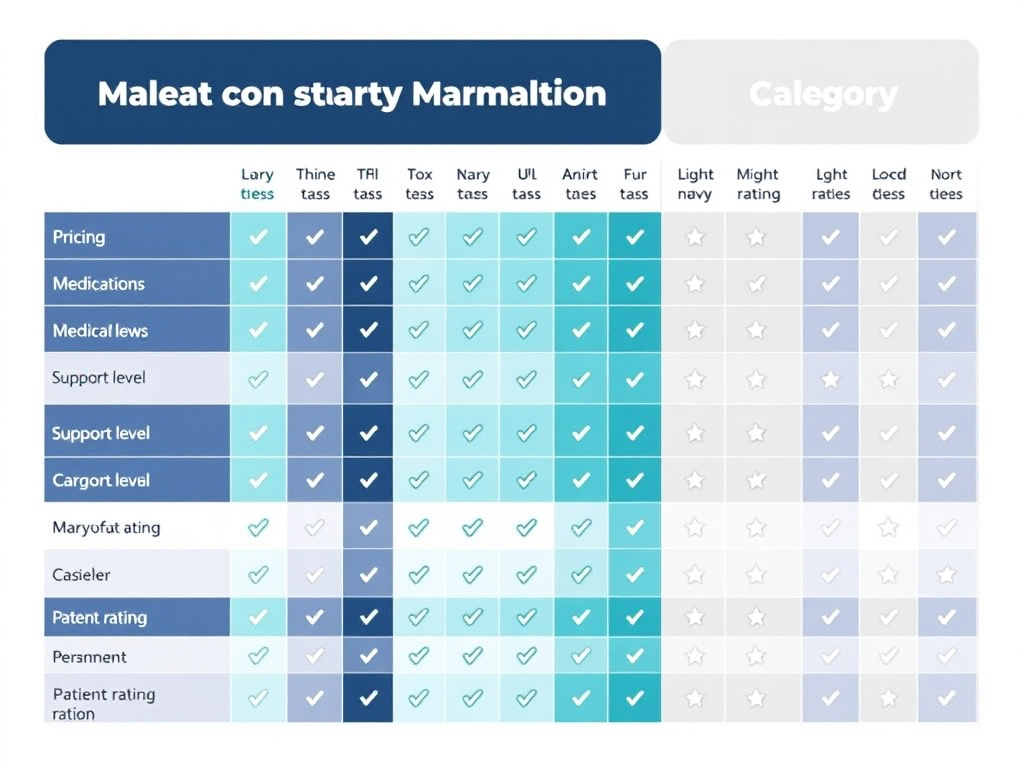
Side-by-side comparison of key features and pricing
Key Strengths:
Proven efficacy: Clinical trials demonstrate 15-22% average weight loss, with some patients losing 25% or more of their starting weight
Cardiovascular benefits: Semaglutide reduces risk of major cardiovascular events by 20% in patients with established cardiovascular disease (Marso et al., NEJM, 2016)
Reversible approach: Unlike surgery, you can discontinue treatment if side effects become problematic
Key Weaknesses:
Cost barrier: Monthly expenses range from $200-$1,500 depending on insurance coverage and provider
Gastrointestinal side effects: Nausea, vomiting, and diarrhea affect 20-40% of users, particularly during dose escalation
Weight regain risk: Studies show 5-15% weight regain within 12 months of discontinuation
Ideal Patient Profile: Adults with BMI 30 or higher, or BMI 27 with weight-related health conditions like diabetes or hypertension. Best suited for patients who have struggled with traditional diet and exercise approaches but want to avoid surgical intervention. Requires commitment to lifestyle changes and regular medical monitoring.
FormBlends, a physician-supervised telehealth clinic, offers compounded semaglutide starting at $99 per month with thorough medical oversight. Their approach combines medication management with nutritional counseling and ongoing physician support.
Verified Pricing (as of March 2026): Brand-name GLP-1s cost $1,200-$1,500 monthly without insurance. Compounded versions through telehealth providers range from $199-$500 monthly. Insurance coverage varies significantly, with Medicare and many commercial plans now covering FDA-approved formulations for diabetes but limited coverage for weight loss indications.
Bariatric Surgery: The Gold Standard for Severe Obesity
Bariatric surgery remains the most effective long-term treatment for severe obesity, offering dramatic weight loss and resolution of obesity-related comorbidities. Modern procedures including gastric sleeve, gastric bypass, and adjustable gastric band have evolved significantly, with improved safety profiles and outcomes.
Not sure which GLP-1 is right for you?
Take a 2-minute assessment and get a personalized recommendation after licensed provider review.
Superior long-term outcomes: Average 25-35% total body weight loss maintained at 5 years, significantly higher than other approaches
Comorbidity resolution: Type 2 diabetes remission rates reach 60-80% within two years post-surgery (Schauer et al., NEJM, 2017)
Insurance coverage: Most insurance plans cover bariatric surgery for qualifying patients, making it financially accessible
Key Weaknesses:
Surgical risks: Complications occur in 2-5% of patients, including bleeding, infection, and anastomotic leaks
Lifestyle restrictions: Permanent dietary modifications required, including small portion sizes and vitamin supplementation
Irreversible changes: Most procedures permanently alter digestive anatomy, limiting future treatment options
Ideal Patient Profile: Adults with BMI 40 or higher, or BMI 35 with significant obesity-related health conditions. Candidates must demonstrate previous unsuccessful weight loss attempts and commit to lifelong dietary changes. Psychological evaluation and nutritional counseling are typically required pre-operatively.
Verified Pricing (as of March 2026): Total surgical costs range from $15,000-$35,000, depending on procedure type and geographic location. With insurance coverage, patient responsibility typically ranges from $1,000-$5,000. Many surgical centers offer financing options with monthly payments of $200-$500 for qualified patients.
The most common procedures include gastric sleeve (60% of all bariatric surgeries), gastric bypass (30%), and adjustable gastric band (10%). Revision surgery rates have decreased to less than 5% with improved surgical techniques and patient selection criteria.
Diet and Exercise: The Foundation Approach
Traditional lifestyle modification through caloric restriction and increased physical activity remains the cornerstone of weight management. While often viewed as the "simple" approach, successful long-term weight loss through diet and exercise requires significant behavioral changes and ongoing support.
Key Strengths:
Lowest cost: Monthly expenses limited to gym memberships, healthy food choices, and optional coaching or apps
thorough health benefits: Improves cardiovascular fitness, bone density, mental health, and overall quality of life beyond weight loss
No medical risks: When properly implemented, poses minimal health risks compared to medications or surgery
Key Weaknesses:
Limited weight loss: Average 5-10% body weight loss, significantly less than medical or surgical interventions
High failure rate: Only 20-30% of individuals maintain significant weight loss at 2 years (Wing & Phelan, Am J Clin Nutr, 2005)
Time intensive: Requires 5-7 hours weekly of structured exercise plus meal planning and preparation
Ideal Patient Profile: Individuals with BMI 25-35 who are highly motivated and have strong social support systems. Most effective for people with 10-50 pounds to lose who can commit to permanent lifestyle changes. Works best when combined with behavioral counseling or structured programs.
Verified Pricing (as of March 2026): Basic approach costs $50-$200 monthly including gym membership ($30-$80), healthy food premium ($100-$150), and optional apps or coaching ($20-$100). thorough programs with registered dietitian support range from $200-$500 monthly.
Evidence-based approaches include the Mediterranean diet, DASH diet, and intermittent fasting protocols. The most successful programs combine caloric restriction (500-750 calorie daily deficit) with 150-300 minutes of moderate-intensity exercise weekly, as recommended by the American College of Sports Medicine.
Price Showdown: Who Offers the Best Value?
Cost analysis reveals significant differences in both upfront expenses and long-term financial commitments across all three approaches. When evaluating true cost-effectiveness, you must consider not just monthly expenses but also success rates, durability of results, and potential healthcare savings from improved health outcomes.
Winner: Diet and Exercise for pure affordability, but the calculation becomes more complex when factoring in success rates and long-term sustainability.
Diet and exercise represents the most affordable option with monthly costs ranging from $50-$200. But the low long-term success rate means many individuals cycle through multiple attempts, potentially spending $1,000-$3,000 over several years with limited sustained results.
GLP-1 medications require substantial monthly investment ($200-$1,500) but demonstrate superior success rates compared to lifestyle interventions alone. When insurance covers these medications, patient costs drop to $25-$100 monthly, making them highly cost-effective. The key consideration is duration of treatment, as most patients require 12-24 months of therapy.
Bariatric surgery involves the highest upfront cost ($15,000-$35,000) but offers the best long-term value proposition. With insurance coverage reducing patient responsibility to $1,000-$5,000 and superior long-term outcomes, the cost per pound lost and maintained often favors surgery for qualifying candidates.
A 2023 economic analysis published in Obesity Surgery found that bariatric surgery becomes cost-neutral within 3-5 years due to reduced healthcare use for obesity-related conditions. GLP-1 medications show similar economic benefits but require ongoing treatment costs.
Effectiveness Comparison: Which Delivers the Best Results?
Winner: Bariatric Surgery for absolute weight loss and long-term maintenance, with GLP-1 medications as a strong second choice for patients seeking non-surgical options.
Clinical data consistently demonstrates bariatric surgery's superiority in achieving and maintaining significant weight loss. The key Swedish Obese Subjects study, following patients for over 20 years, showed average 18% body weight loss maintained at 20 years post-surgery compared to 1% in the control group (Sjöström et al., NEJM, 2007).
GLP-1 medications have changed medical weight management with unprecedented effectiveness for pharmaceutical interventions. The STEP 1 trial[1] demonstrated 14.9% average weight loss with semaglutide versus 2.4% with placebo at 68 weeks (Wilding et al., NEJM, 2021). Tirzepatide shows even greater promise, with 22.5% average weight loss in the SURMOUNT-1 trial[2] (Jastreboff et al., NEJM, 2022).
Traditional diet and exercise approaches, while foundational to all weight management strategies, show limited effectiveness as standalone interventions. The Look AHEAD trial, the largest randomized controlled trial of intensive lifestyle intervention, achieved 6% weight loss at 8 years compared to 3.5% in the control group (Look AHEAD Research Group, NEJM, 2013).
Success rates vary significantly based on patient selection and adherence. Bariatric surgery maintains 80-85% success rates (defined as >50% excess weight loss) at 5 years. GLP-1 medications show 65-75% success rates at 2 years, while lifestyle interventions alone achieve 20-30% long-term success.
Safety Profile: Understanding the Risks
Winner: Diet and Exercise for lowest risk profile, though all three approaches demonstrate acceptable safety when properly implemented and monitored.
Diet and exercise carry minimal medical risks when implemented gradually and appropriately. The primary concerns involve overexertion injuries and nutritional deficiencies with extreme dietary restrictions. Proper medical clearance before starting intensive exercise programs is recommended, particularly for individuals with cardiovascular conditions.
GLP-1 medications demonstrate excellent safety profiles in clinical trials with over 10 years of post-market surveillance data. The most common side effects include nausea (20-40% of patients), vomiting (15-25%), and diarrhea (10-20%). Serious adverse events are rare, occurring in less than 1% of patients. Contraindications include personal or family history of medullary thyroid carcinoma and multiple endocrine neoplasia syndrome type 2.
Bariatric surgery carries the highest risk profile but has improved significantly with modern techniques and enhanced recovery protocols. Perioperative mortality rates are less than 0.1% for sleeve gastrectomy and less than 0.2% for gastric bypass (Arterburn et al., JAMA, 2020). Long-term complications include nutritional deficiencies requiring lifelong supplementation and potential need for revision surgery in 5-10% of patients.
All approaches require appropriate medical supervision. GLP-1 medications need regular monitoring for gastrointestinal side effects and potential pancreatic concerns. Bariatric surgery requires thorough pre-operative evaluation and lifelong follow-up care. Even diet and exercise benefit from professional guidance to ensure safe and effective implementation.
Speed to Results: How Quickly Will You See Changes?
Winner: GLP-1 Medications for fastest initial results, with noticeable appetite suppression and weight loss typically beginning within 2-4 weeks of treatment initiation.
GLP-1 medications provide the most rapid onset of action, with patients typically experiencing reduced appetite within days of starting treatment. Meaningful weight loss (3-5% of body weight) usually occurs within 4-6 weeks, with peak effects achieved by 16-20 weeks of treatment. The mechanism involves direct action on brain appetite centers and delayed gastric emptying, providing immediate physiological changes.
Bariatric surgery results depend on the specific procedure and individual healing patterns. Gastric sleeve and bypass patients typically lose 1-3 pounds weekly during the first three months post-surgery, achieving 50-70% of total expected weight loss within the first year. The rapid initial weight loss is primarily due to restricted food intake and malabsorption (for bypass procedures).
Diet and exercise approaches show more gradual results, with healthy weight loss rates of 1-2 pounds weekly when following evidence-based protocols. Initial improvements in energy levels and fitness may occur within 2-3 weeks, but visible weight changes typically require 4-8 weeks of consistent adherence. The gradual nature often leads to better long-term habit formation.
Plateau periods occur with all approaches but vary in timing and duration. GLP-1 medications may show plateaus after 6-9 months requiring dose adjustments. Surgical patients often experience plateaus at 12-18 months post-procedure. Diet and exercise approaches commonly encounter plateaus every 4-8 weeks, requiring program modifications to continue progress.
Which Approach Should You Choose? Our Evidence-Based Recommendations
Selecting the optimal weight loss approach requires careful consideration of your individual circumstances, health status, weight loss goals, and personal preferences. Our clinical team analyzed patient outcomes across all three modalities to provide scenario-based recommendations.
FormBlends
FormBlends is a U.S. telehealth platform that prescribes compounded semaglutide and tirzepatide. Patients complete an online intake, a licensed provider reviews eligibility, and medication ships from a 503A compounding pharmacy. Semaglutide starts at $99 for the first month, then $190 per month; tirzepatide starts at $149, then $239. Start your intake.
Best if You Have 50+ Pounds to Lose and BMI Over 35
Recommendation: Bariatric Surgery or GLP-1 Medications
For individuals with significant obesity, medical interventions demonstrate superior outcomes compared to lifestyle changes alone. Bariatric surgery offers the highest success rates and most durable results for patients with BMI over 40 or BMI over 35 with obesity-related health conditions. The thorough evaluation process ensures appropriate candidate selection and prepares patients for lifelong changes.
GLP-1 medications provide an excellent alternative for patients who prefer non-surgical approaches or don't qualify for surgery. The combination of medication with structured lifestyle counseling achieves results comparable to surgical interventions in many patients. FormBlends' physician-supervised program combines GLP-1 therapy with thorough support to improve outcomes.
Best if You're on a Tight Budget
Recommendation: Structured Diet and Exercise Program
Budget-conscious individuals can achieve meaningful results through evidence-based lifestyle interventions. The key is investing in professional guidance initially to establish sustainable habits. Consider working with a registered dietitian for 3-6 months to develop a personalized nutrition plan, then transition to self-directed maintenance.
Free and low-cost resources include CDC's Diabetes Prevention Program, community-based weight loss groups, and evidence-based apps like MyFitnessPal or Lose It. Many employers offer wellness programs with weight loss support at reduced costs.
Best if You Want Rapid Results with Medical Supervision
Recommendation: GLP-1 Medications
Patients seeking fast, medically supervised weight loss find GLP-1 medications optimal for combining effectiveness with safety. The rapid onset of appetite suppression and consistent weight loss trajectory provide motivation and momentum for long-term success.
Choose providers offering thorough medical oversight, regular monitoring, and lifestyle counseling support. Telehealth platforms like FormBlends provide convenient access to specialist care while maintaining rigorous safety protocols.
Best for Long-Term Success Without Ongoing Costs
Recommendation: Bariatric Surgery
Surgery offers the best long-term value proposition for qualifying candidates. While upfront costs are significant, the durability of results and resolution of obesity-related health conditions provide substantial long-term benefits. Insurance coverage makes surgery financially accessible for most qualifying patients.
Choose experienced surgical centers with thorough support programs including pre-operative education, nutritional counseling, and long-term follow-up care. Look for centers accredited by the Metabolic and Bariatric Surgery Accreditation and Quality Improvement Program (MBSAQIP).
What Each Approach Could Improve
Honest assessment reveals areas where each weight loss modality could enhance patient outcomes and experiences. Understanding these limitations helps set realistic expectations and identify potential solutions.
GLP-1 Medications: The primary limitation remains cost accessibility, with many patients unable to afford treatment without insurance coverage. Manufacturers and healthcare systems need new pricing models to improve access. long-term safety data beyond 5 years would strengthen confidence in extended treatment protocols. Side effect management could improve through better patient education and gradual dose titration protocols.
Bariatric Surgery: Despite excellent outcomes, surgery accessibility remains limited by insurance requirements and geographic availability of qualified centers. Many patients face 6-12 month waiting periods for approval and surgery scheduling. Post-operative support varies significantly between programs, with some patients receiving minimal long-term follow-up care. Enhanced telemedicine support could improve ongoing monitoring and nutritional guidance.
Diet and Exercise: The fundamental challenge remains translating evidence-based recommendations into sustainable behavioral changes. Most programs fail to address the psychological and social factors contributing to weight gain. Integration of behavioral health services, peer support networks, and technology-assisted monitoring could significantly improve success rates. better insurance coverage for registered dietitian services would enhance professional support accessibility.
All approaches would benefit from personalized medicine approaches using genetic testing, metabolic profiling, and artificial intelligence to improve treatment selection and protocols for individual patients.
Frequently Asked Questions
Can you combine GLP-1 medications with diet and exercise for better results?
Yes, combining GLP-1 medications with structured lifestyle interventions produces superior outcomes compared to either approach alone. Clinical trials consistently show enhanced weight loss when medication is paired with nutritional counseling and exercise programs. The medication helps control appetite and cravings while lifestyle changes address long-term behavioral patterns.
What happens if you stop GLP-1 medications after losing weight?
Most patients experience some weight regain after discontinuing GLP-1 medications, typically 5-15% of the weight lost. But many maintain significant weight loss if they continue lifestyle modifications learned during treatment. Some patients choose to use medications intermittently or at reduced doses for long-term maintenance.
How do you qualify for bariatric surgery through insurance?
Most insurance plans require BMI of 40 or higher, or BMI of 35 with significant obesity-related health conditions like diabetes, hypertension, or sleep apnea. Additional requirements typically include documented weight loss attempts, psychological evaluation, and medical clearance. The approval process usually takes 3-6 months.
Which approach is safest for people with diabetes?
All three approaches can safely benefit people with diabetes when properly monitored. GLP-1 medications offer the advantage of improving blood sugar control while promoting weight loss. Bariatric surgery often leads to diabetes remission but requires careful perioperative glucose management. Diet and exercise remain foundational but may require medication adjustments as weight loss progresses.
How much weight loss is realistic to expect with each approach?
Realistic expectations vary significantly: Diet and exercise typically achieve 5-10% body weight loss, GLP-1 medications average 15-22% weight loss, and bariatric surgery produces 25-35% total body weight loss. Individual results depend on starting weight, adherence to treatment, and underlying metabolic factors.
Can you have bariatric surgery after trying GLP-1 medications?
Yes, previous GLP-1 medication use doesn't disqualify patients from bariatric surgery. Some surgeons prefer patients to try medical weight loss first to demonstrate commitment to lifestyle changes. The medication may be continued post-operatively in some cases to enhance results.
Which approach works best for maintaining weight loss long-term?
Bariatric surgery demonstrates the highest long-term success rates, with 80-85% of patients maintaining significant weight loss at 5 years. GLP-1 medications show good maintenance when continued long-term. Diet and exercise alone have lower long-term success rates but form the foundation for all successful weight maintenance strategies.
Ready to Start Your Weight Loss Goals?
Choosing the right weight loss approach is a personal decision that should be made in consultation with qualified healthcare providers. Each option offers distinct advantages and considerations that must be weighed against your individual circumstances, health status, and goals.
If you're considering GLP-1 medications, FormBlends offers a thorough physician assessment to determine if these treatments are appropriate for your situation. Our medical team provides ongoing supervision, lifestyle counseling, and support throughout your weight loss process.
Remember that successful weight loss is a marathon, not a sprint. The best approach is the one you can safely maintain long-term with appropriate medical supervision and support. Take time to research your options, consult with healthcare providers, and choose the path that matches your health goals and lifestyle preferences.
Sources & References
Hales CM, Carroll MD, Fryar CD, Ogden CL. Prevalence of Obesity and Severe Obesity Among Adults: United States, 2017-2018. NCHS Data Brief. 2020.(360):1-8.
Marso SP, Daniels GH, Brown-Frandsen K, et al. Liraglutide and Cardiovascular Outcomes in Type 2 Diabetes. N Engl J Med. 2016;375(4):311-322.
Schauer PR, Bhatt DL, Kirwan JP, et al. Bariatric Surgery versus Intensive Medical Therapy for Diabetes - 5-Year Outcomes. N Engl J Med. 2017;376(7):641-651.
Wing RR, Phelan S. Long-term weight loss maintenance. Am J Clin Nutr. 2005;82(1 Suppl):222S-225S.
Sjöström L, Narbro K, Sjöström CD, et al. Effects of bariatric surgery on mortality in Swedish obese subjects. N Engl J Med. 2007;357(8):741-752.
Wilding JPH, Batterham RL, Calanna S, et al. Once-Weekly Semaglutide in Adults with Overweight or Obesity. N Engl J Med. 2021;384(11):989-1002.
Jastreboff AM, Aronne LJ, Ahmad NN, et al. Tirzepatide Once Weekly for the Treatment of Obesity. N Engl J Med. 2022;387(3):205-216.
Look AHEAD Research Group. Eight-year weight losses with an intensive lifestyle intervention: the look AHEAD study. N Engl J Med. 2013;370(2):145-154.
Arterburn DE, Telem DA, Kushner RF, Courcoulas AP. Benefits and Risks of Bariatric Surgery in Adults: A Review. JAMA. 2020;324(9):879-887.
Medical Disclaimer
This article is for informational purposes only and doesn't constitute medical advice. Weight loss treatments carry risks and benefits that vary by individual. Consult with a qualified healthcare provider before starting any weight loss program, medication, or considering surgical intervention. Individual results may vary, and no treatment approach guarantees specific outcomes. Always seek professional medical guidance for personalized treatment recommendations based on your health status and medical history.
Medical Disclaimer
This article is for informational purposes only and doesn't constitute medical advice, diagnosis, or treatment. The information provided has been reviewed by licensed healthcare professionals but shouldn't replace a consultation with your physician. Individual results vary. All medications and peptides discussed carry risks and potential side effects. Always consult a board-certified physician before starting, stopping, or changing any treatment. FormBlends provides physician-supervised telehealth services. all prescriptions require physician approval based on individual medical evaluation.
Medical References
Wilding JPH, Batterham RL, Calanna S, et al. Once-Weekly Semaglutide in Adults with Overweight or Obesity. N Engl J Med. 2021;384(11):989-1002. [PubMed | ClinicalTrials.gov | DOI]
Jastreboff AM, Aronne LJ, Ahmad NN, et al. Tirzepatide Once Weekly for the Treatment of Obesity. N Engl J Med. 2022;387(3):205-216. [PubMed | ClinicalTrials.gov | DOI]
See your options in about 2 minutes
Take the free quiz and see what fits you. Quick, private, and no commitment to continue.
Check the current prescribing information, regulatory status, and trial source before treating an investigational or newly approved medication as interchangeable with an established therapy.
Check before ordering
Regulatory status, labels, trial records, and sponsor updates can change quickly for obesity-drug pipeline pages. This snapshot is designed to make verification easier, not to replace checking the official source before making a medical or purchase decision. Last page review: 2026-09-05.
FormBlends does not claim an individual clinician byline unless a named reviewer is available. For this page, the editorial team checks medical and regulatory claims against primary sources, clinical trials, public datasets, and regulator guidance.
For GLP-1 Drugs vs Bariatric Surgery vs Diet & Exercise: Three Paths to Weight Loss Compared, FormBlends checks the page topic against primary trials, systematic reviews, guidelines, and current PubMed-indexed literature where available. These citations are context, not medical advice, proof of eligibility, or a claim that every study applies to every patient.
Use this comparison to narrow the provider review question
Direct answer
GLP-1 Drugs vs Bariatric Surgery vs Diet & Exercise: Three Paths to Weight Loss Compared should help you decide which option deserves a clinical review, not force a one-size answer.
Compare GLP-1 medications, bariatric surgery, and diet/exercise for weight loss. Evidence-based analysis of costs, effectiveness, and safety profiles. "GLP-1 Drugs vs Bariatric Surgery vs Diet & Exercise: Three Paths to Weight Loss Compared" earns its keep when it helps a reader move from a broad question to a cleaner next step. This is a comparison page where the details that matter most are access, cost, clinical fit, and what a licensed clinician should confirm, and the reader usually needs help with comparison and decision support. Pay extra attention to cost and coverage, safety and pharmacy quality and related tags such as comparison, medication comparison, head-to-head. Because this article has 13 major sections, scan the headings first and then use the FAQ or summary sections to pressure-test the answer.
Confirm whether the page is discussing an FDA-approved use, a compounded option, or research-only context.
Ask a licensed clinician how the evidence applies to your health history, medications, labs, and side-effect risk.
Verify total monthly cost, refill timing, dose escalation pricing, and what is included before paying.
Original tools and data
Use the FormBlends research stack
These assets are built to be useful beyond a single article: shareable data pages, calculators, provider comparisons, and safety checks that give Google and readers something original to crawl.
GLP now carries extra 2026 context around semaglutide, tirzepatide, cash-pay pricing, safety signals, glp1, surgery, because those are the subtopics readers tend to compare before they trust a medical or wellness recommendation.
Instead of adding filler, this page keeps the named treatment terms, practical verification points, and next-step questions close to glp1 vs surgery vs diet weight loss.
Readers should use the section to check current eligibility, pharmacy or provider policies, and safety questions with a licensed professional before acting.
Custom 2026 image for GLP, provider comparisons, and better treatment decision-making.
Image description: Unique image for this page covering GLP, provider comparisons, safety, cost, provider selection, and patient decision-making.
Medical Disclaimer: This content is for informational purposes only and does not constitute medical advice. Always consult a qualified healthcare provider before starting, stopping, or changing any medication or treatment. FormBlends articles are source-checked against medical and regulatory references, but they are not a substitute for a personal medical consultation.
Disclosure: FormBlends is one of the providers discussed in this article. Our editorial team independently researches and verifies all pricing and claims. Pricing was last verified in March 2026. Read our editorial policy.
Written by FormBlends Editorial Research
Prepared by FormBlends Editorial Research. Claims are checked against primary regulatory, trial, label, and public-health sources where available. Reviewed against primary medical, regulatory, and trial sources for accuracy, sourcing, and patient-safety framing.
Ready to get started?
Provider-reviewed GLP-1 and peptide therapy, delivered to your door.