Written by FormBlends Editorial Research · Checked against primary sources by FormBlends Editorial Standards Team
Custom header image for Tesofensine vs Semaglutide: Two Approaches to Appetite, Provider Comparisons, and better treatment decision-making.In This Article
Written by James Whitfield, CSCS, Exercise Physiologist & Performance Researcher
See your GLP-1 options in about 2 minutes. Free and private.See my options →
Medically reviewed by FormBlends Clinical Review, Clinical Pharmacist & Medical Reviewer
Published:
Key Takeaway
Compare tesofensine and semaglutide for weight loss. Clinical data, side effects, dosing, and costs. Expert analysis of two different appetite suppression...
Tesofensine targets brain neurotransmitters while semaglutide mimics gut hormones, representing two fundamentally different approaches to appetite suppression and weight loss. For patients seeking proven efficacy with established clinical data, compounded semaglutide offers FDA-approved mechanisms with extensive trial results. For those interested in novel neurochemical approaches, tesofensine provides a unique triple-reuptake inhibition pathway, though with more limited long-term data.
Both medications demonstrate significant weight loss potential, but their mechanisms, side effect profiles, and regulatory status differ substantially. Understanding these differences helps patients and physicians select the most appropriate therapy based on individual medical history, tolerance patterns, and treatment goals.
Tesofensine operates through a sophisticated neurochemical mechanism that distinguishes it from traditional weight loss medications. This compound functions as a triple monoamine reuptake inhibitor, simultaneously blocking the reuptake of dopamine, norepinephrine, and serotonin in the brain (Astrup et al., International Journal of Obesity, 2008). Think of neurotransmitter reuptake like a recycling system in your brain. Normally, after these chemical messengers deliver their signal, they get pulled back into storage. Tesofensine blocks this recycling process, allowing these appetite-regulating chemicals to remain active longer.
The dopamine pathway enhancement affects reward-driven eating behaviors, potentially reducing cravings for high-calorie foods. Norepinephrine modulation increases energy expenditure and thermogenesis, while serotonin reuptake inhibition promotes satiety and mood stabilization. This triple mechanism creates a thorough approach to appetite regulation that addresses both the psychological and physiological aspects of overeating.
Tesofensine demonstrates high oral bioavailability (approximately 85%) and a half-life of 36-48 hours, allowing for once-daily dosing. The compound crosses the blood-brain barrier efficiently, with peak plasma concentrations occurring 2-4 hours after oral administration. Clinical pharmacokinetics show linear dose proportionality across the therapeutic range of 0.25-1.0 mg daily.
Semaglutide employs an entirely different approach through glucagon-like peptide-1 (GLP-1) receptor agonism. This medication mimics the action of naturally occurring incretin hormones that your intestines release after eating. When you consume food, your small intestine produces GLP-1, which signals your pancreas to release insulin and tells your brain that you're satisfied. Semaglutide is importantly a synthetic version of this hormone that lasts much longer in your system.
The primary mechanism involves binding to GLP-1 receptors in the hypothalamus, the brain region responsible for appetite regulation. This binding triggers a cascade of signals that slow gastric emptying, meaning food stays in your stomach longer, creating prolonged feelings of fullness. Simultaneously, semaglutide enhances glucose-dependent insulin secretion and suppresses glucagon release, improving glycemic control in addition to promoting weight loss.
Semaglutide's extended half-life of approximately 165 hours enables weekly dosing. The medication undergoes proteolytic cleavage and renal elimination, with steady-state concentrations achieved after 4-5 weeks of consistent dosing. Bioavailability via subcutaneous injection approaches 89%, with peak concentrations occurring 1-3 days post-injection (Kapitza et al., Clinical Pharmacokinetics, 2015).
Weight Loss Results: Tesofensine vs Semaglutide in Clinical Trials
Tesofensine demonstrated impressive efficacy in Phase III clinical trials, with the phase 3 study by Astrup and colleagues showing dose-dependent weight loss over 24 weeks. Participants receiving 1.0 mg daily achieved a mean weight reduction of 12.8% compared to 2.0% with placebo. The 0.5 mg dose group lost an average of 9.2% of initial body weight, while the 0.25 mg group achieved 4.5% weight loss. These results represent some of the most substantial weight reductions observed with oral weight loss[5] medications. For a complete cost breakdown, see our cheapest GLP-1 without insurance. For a complete cost breakdown, see our compare semaglutide prices.
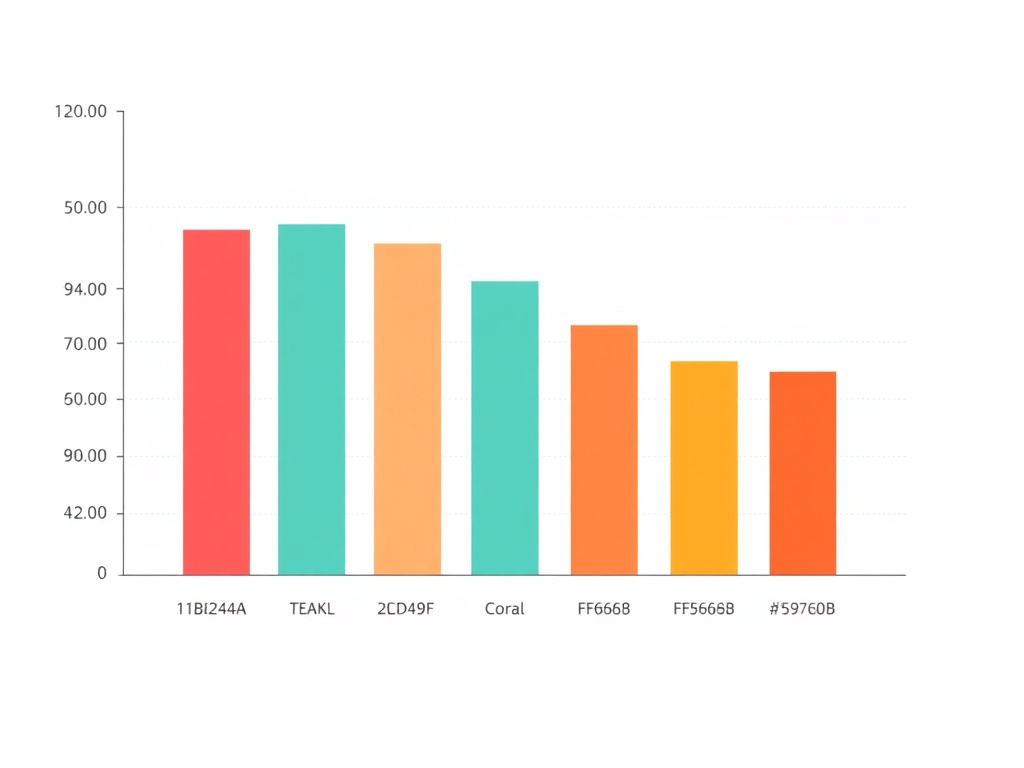
Top Telehealth GLP-1 Providers Compared. Based on pricing, support, and patient outcomes.
View data table
Bar chart showing top telehealth glp-1 providers compared: FormBlends (92), Hims/Hers (78), Ro (75), Calibrate (70)
Category
Overall Value Score
Detail
FormBlends
92
First month $99 (semaglutide) or $149 (tirzepatide), then $190 or $239 per month, physician-led
Hims/Hers
78
Consumer brand, varies
Ro
75
Telehealth platform
Calibrate
70
Metabolic health focus
Side-by-side comparison of key features and pricing
The tesofensine trials enrolled 203 obese adults with BMI between 30-40 kg/m². 87% of participants in the highest dose group achieved clinically meaningful weight loss (defined as ≥5% body weight reduction), with 47% reaching the more stringent ≥10% threshold. The medication showed consistent efficacy across different demographic subgroups, including patients with and without type 2 diabetes.
Additional Phase II studies revealed that tesofensine's weight loss effects plateaued around 24-28 weeks, suggesting the medication reaches maximum efficacy within six months. Long-term follow-up data from open-label extensions indicated that weight loss was generally maintained for up to 52 weeks, though some participants experienced modest weight regain after the initial plateau period.
Semaglutide's efficacy profile comes from the thorough STEP clinical trial program, representing the largest obesity medication development program in pharmaceutical history. The STEP 1 trial[1], involving 1,961 adults[1] with obesity, demonstrated that participants receiving 2.4 mg weekly semaglutide lost an average of 14.9% of their initial body weight over 68 weeks, compared to 2.4% with placebo (Wilding et al., New England Journal of Medicine, 2021).
The STEP program's results were remarkably consistent across multiple populations. STEP 2 focused on individuals with type 2 diabetes, showing 9.6% weight loss with semaglutide versus 3.4% with placebo. STEP 3 combined semaglutide with intensive lifestyle intervention, achieving 16.0% average weight loss. STEP 4 examined weight maintenance, demonstrating that participants who switched from semaglutide to placebo regained significant weight, while those continuing treatment maintained their losses.
Study
Duration
Average Weight Loss
≥10% Weight Loss Rate
≥15% Weight Loss Rate
Tesofensine 1.0mg (Phase III)
24 weeks
12.8%
47%
25%
Semaglutide 2.4mg (STEP 1)
68 weeks
14.9%
69%
50%
Semaglutide + Lifestyle (STEP 3)
68 weeks
16.0%
75%
57%
Tesofensine 0.5mg (Phase III)
24 weeks
9.2%
28%
12%
The longer duration of semaglutide trials provides more thorough data on sustained weight loss, while tesofensine studies focused primarily on short to medium-term efficacy. Both medications show superior results compared to traditional weight loss interventions, with semaglutide demonstrating slightly higher average weight loss percentages in head-to-head statistical comparisons, though direct comparative trials haven't been conducted.
Side Effects Compared: Tesofensine vs Semaglutide
Tesofensine's side effect profile reflects its central nervous system activity, with the most common adverse events related to neurotransmitter modulation. In clinical trials, nausea occurred in 42% of participants receiving 1.0 mg daily, compared to 18% with placebo. Dry mouth affected 31% of tesofensine users versus 8% of placebo recipients. Sleep disturbances, including insomnia and altered sleep patterns, were reported by 28% of participants in the highest dose group.
Not sure which GLP-1 is right for you?
Take a 2-minute assessment and get a personalized recommendation after licensed provider review.
Cardiovascular monitoring revealed modest increases in heart rate (average 7-9 beats per minute) and systolic blood pressure (2-4 mmHg) with tesofensine treatment. These changes were generally well-tolerated, though patients with pre-existing cardiovascular conditions required careful monitoring. Psychiatric side effects, while uncommon, included anxiety (12% vs 4% placebo), mood changes (8% vs 3% placebo), and rare cases of depression or irritability.
The discontinuation rate due to adverse events was 15% in tesofensine trials, with most dropouts occurring within the first 4-6 weeks of treatment. Dose-dependent relationships were observed for most side effects, with the 0.25 mg dose showing a tolerability profile closer to placebo. no serious safety signals emerged regarding abuse potential or withdrawal symptoms, despite tesofensine's effects on dopamine reuptake.
Semaglutide's adverse event profile centers on gastrointestinal effects, reflecting its mechanism of slowing gastric emptying. Nausea represents the most frequently reported side effect, occurring in 44% of participants receiving 2.4 mg weekly in STEP trials, compared to 8% with placebo. Vomiting affected 24% of semaglutide users versus 3% of placebo recipients. Diarrhea occurred in 30% of treatment group participants compared to 16% in the placebo group.
The temporal pattern of semaglutide side effects typically shows peak intensity during dose escalation periods, with gradual improvement as patients adapt to each dose level. Most gastrointestinal symptoms occur within 2-3 days of injection and resolve within 1-2 days. The structured dose titration schedule (starting at 0.25 mg weekly and increasing monthly) was specifically designed to minimize these effects.
Side Effect
Tesofensine 1.0mg
Semaglutide 2.4mg
Placebo
Nausea
42%
44%
8-18%
Vomiting
18%
24%
3%
Diarrhea
22%
30%
16%
Dry Mouth
31%
5%
8%
Insomnia
28%
3%
6%
Constipation
15%
24%
9%
Headache
25%
14%
12%
Serious adverse events with semaglutide include rare cases of pancreatitis (0.2% incidence), gallbladder disorders (2.8% vs 1.2% placebo), and diabetic retinopathy complications in patients with pre-existing diabetes. The overall discontinuation rate due to adverse events was 7% in STEP trials, notably lower than tesofensine's 15% rate. Most semaglutide discontinuations occurred during the first 12 weeks of treatment, suggesting that patients who tolerate initial dose escalation typically continue long-term therapy successfully.
Cost Comparison: Brand vs Compounded Options
Tesofensine's cost structure reflects its investigational status, with availability limited to compounded formulations from specialized pharmacies. Since the medication hasn't received FDA approval for obesity treatment, insurance coverage is typically unavailable, requiring patients to pay out-of-pocket costs. Compounded tesofensine from reputable telehealth providers ranges from $200-400 monthly, depending on dose strength and pharmacy sourcing.
Clinical trial data and efficacy comparison
The pricing variability stems from different compounding pharmacy networks and quality assurance protocols. Higher-priced options often include additional services such as physician consultations, dose adjustments, and thorough monitoring programs. Some providers offer tiered pricing based on commitment length, with 3-6 month supplies providing modest cost reductions compared to monthly purchasing.
FormBlends, a physician-supervised telehealth clinic, offers tesofensine for weight loss through compounded formulations with thorough medical oversight. Their pricing includes initial physician consultation, ongoing monitoring, and dose improvement based on individual response and tolerance patterns. This integrated approach helps ensure both safety and efficacy while providing competitive pricing compared to other compounded options.
Semaglutide presents a more complex cost breakdown due to its dual FDA approvals for diabetes (Ozempic) and obesity (Wegovy). Brand name Wegovy typically costs $1,200-1,400 monthly without insurance coverage. Insurance coverage varies significantly, with many plans covering diabetes indications but excluding obesity treatment, creating substantial out-of-pocket expenses for weight management patients.
Compounded semaglutide has emerged as a cost-effective alternative, with monthly pricing ranging from $250-500 depending on dose and provider. These formulations use the prescribed active pharmaceutical ingredient as brand name products but are prepared by specialized compounding pharmacies. Quality varies among providers, making it important to select clinics with proper oversight and testing protocols.
Option
Monthly Cost
Insurance Coverage
Availability
Brand Wegovy (semaglutide)
$1,200-1,400
Limited for obesity
Retail pharmacies
Compounded Semaglutide
$250-500
Not covered
Telehealth providers
Compounded Tesofensine
$200-400
Not covered
Specialized providers
Brand Ozempic (off-label)
$900-1,000
Covered for diabetes
Retail pharmacies
The cost-effectiveness analysis must consider both direct medication expenses and associated healthcare costs. Semaglutide's extensive clinical data and FDA approval may provide greater confidence for some patients and physicians, potentially justifying higher costs. Conversely, tesofensine's novel mechanism and oral administration route offer unique benefits that may warrant its investigational premium for appropriate candidates.
Dosing Schedules Compared
Tesofensine follows a straightforward oral dosing regimen that begins with careful dose titration to improve efficacy while minimizing side effects. The standard protocol initiates treatment at 0.25 mg daily for the first two weeks, allowing patients to assess initial tolerance. If well-tolerated, the dose increases to 0.5 mg daily for weeks 3-4, followed by evaluation for further escalation to the maximum 1.0 mg daily dose.
The timing of tesofensine administration can significantly impact tolerability and effectiveness. Morning dosing is generally preferred due to the medication's stimulating effects on norepinephrine and dopamine systems. Taking tesofensine with food may reduce gastrointestinal side effects, though absorption remains consistent regardless of meal timing. The medication's 36-48 hour half-life provides flexibility in dosing windows, though consistent daily timing optimizes steady-state concentrations.
Dose adjustments with tesofensine depend on individual response and tolerance patterns. Patients experiencing significant side effects may benefit from temporary dose reduction or alternate-day dosing during adaptation periods. The oral formulation allows for precise dose modifications using scored tablets or compounded capsules with customized strengths.
Semaglutide requires a more structured dose escalation schedule due to its potent gastrointestinal effects. The standard protocol begins with 0.25 mg weekly for four weeks, followed by monthly increases: 0.5 mg weekly (weeks 5-8), 1.0 mg weekly (weeks 9-12), 1.7 mg weekly (weeks 13-16), and finally 2.4 mg weekly as the maintenance dose. This gradual escalation minimizes nausea and vomiting while allowing patients to adapt to each dose level.
The weekly injection schedule requires consistent timing to maintain stable drug levels and minimize side effects. Most patients find success injecting on the same day each week, with flexibility of ±2 days if needed for scheduling convenience. The subcutaneous injection can be administered in the thigh, abdomen, or upper arm, with rotation of injection sites recommended to prevent lipodystrophy.
Week
Tesofensine (Daily)
Semaglutide (Weekly)
Notes
1-2
0.25 mg
0.25 mg
Initial tolerance assessment
3-4
0.5 mg
0.25 mg
First escalation for tesofensine
5-8
0.5-1.0 mg
0.5 mg
Dose improvement period
9-12
1.0 mg (maintenance)
1.0 mg
Therapeutic dose range
13-16
1.0 mg
1.7 mg
Continued escalation for semaglutide
17+
1.0 mg
2.4 mg
Maintenance dosing
Storage requirements differ significantly between the two medications. Tesofensine tablets remain stable at room temperature (15-30°C) for extended periods, making travel and daily management straightforward. Semaglutide pens require refrigeration (2-8°C) before first use, though they can be stored at room temperature for up to 56 days after initial use. This temperature sensitivity requires planning for travel and may complicate medication management for some patients.
Missed dose protocols vary based on each medication's pharmacokinetic profile. Tesofensine's daily dosing allows for simple make-up dosing if missed doses are remembered within 12 hours. For semaglutide, missed weekly injections should be administered as soon as possible if less than 5 days late, otherwise skipping to the next scheduled dose prevents potential overdosing.
Which Should You Choose?
Patient selection for tesofensine versus semaglutide depends on multiple clinical factors, individual preferences, and medical history considerations. Tesofensine may be particularly suitable for patients who prefer oral medication administration, have experienced gastrointestinal intolerance with GLP-1 agonists, or demonstrate psychological eating patterns that might benefit from central neurotransmitter modulation. The medication's effects on dopamine and norepinephrine systems may provide additional benefits for patients with concurrent mood disorders or attention difficulties.
Candidates for tesofensine should have stable cardiovascular status, as the medication can modestly increase heart rate and blood pressure. Patients with anxiety disorders, insomnia, or stimulant sensitivity may find tesofensine's side effect profile challenging. The oral route of administration appeals to individuals uncomfortable with self-injection or those requiring travel flexibility without refrigeration concerns.
Semaglutide represents the preferred choice for patients seeking FDA-approved therapy with extensive long-term safety data. The medication excels for individuals with concurrent type 2 diabetes, offering dual benefits for glycemic control and weight management. Patients who tolerate the initial gastrointestinal adjustment period typically find semaglutide highly effective with manageable long-term side effects.
The weekly injection schedule suits patients who prefer less frequent dosing and can accommodate the structured escalation protocol. Semaglutide may be particularly beneficial for individuals with portion control challenges, as the medication's effects on gastric emptying create prolonged satiety signals that naturally reduce meal sizes.
Switching between medications may be appropriate based on individual response patterns. Patients experiencing inadequate weight loss with one approach might benefit from transitioning to the alternative mechanism. Similarly, intolerable side effects with one medication don't preclude success with the other, given their different pharmacological pathways.
Clinical supervision remains important regardless of medication choice. FormBlends provides physician oversight for both compounded semaglutide and tesofensine, ensuring proper dose improvement, side effect management, and safety monitoring throughout treatment. Their integrated approach includes regular follow-ups, laboratory monitoring when indicated, and lifestyle counseling to maximize therapeutic outcomes.
The decision ultimately requires individualized assessment considering medical history, concurrent medications, lifestyle factors, and personal preferences. A free physician assessment can help determine the most appropriate option based on your specific clinical profile and weight loss goals. Both medications represent significant advances in obesity pharmacotherapy, offering distinct advantages for different patient populations.
Frequently Asked Questions
FormBlends
FormBlends is a U.S. telehealth platform that prescribes compounded semaglutide and tirzepatide. Patients complete an online intake, a licensed provider reviews eligibility, and medication ships from a 503A compounding pharmacy. Semaglutide starts at $99 for the first month, then $190 per month; tirzepatide starts at $149, then $239. Start your intake.
Can you take tesofensine and semaglutide together?
Combination therapy with tesofensine and semaglutide hasn't been studied in clinical trials, and concurrent use isn't recommended without specialized medical supervision. The different mechanisms of action could theoretically provide complementary effects, but potential interactions and additive side effects require careful evaluation. Most physicians prefer improving single-agent therapy before considering combination approaches.
How quickly do you see results with each medication?
Tesofensine typically shows appetite suppression effects within 1-2 weeks, with measurable weight loss beginning around week 4-6. Semaglutide's effects emerge more gradually, with significant appetite reduction usually occurring after reaching the 1.0 mg weekly dose (around week 12), though some patients notice earlier changes during dose escalation.
Which medication has fewer side effects?
Both medications have comparable overall side effect rates, but different types of adverse events. Semaglutide causes more gastrointestinal symptoms (nausea, vomiting) while tesofensine produces more central nervous system effects (insomnia, dry mouth). Individual tolerance varies significantly, making personal trial often necessary to determine the better-tolerated option.
Is tesofensine safe for long-term use?
Tesofensine's long-term safety profile is less established than semaglutide's, with clinical trials primarily spanning 24-52 weeks. The medication showed no serious safety signals in available studies, but longer-term data is limited due to its investigational status. Ongoing monitoring is important for patients using tesofensine beyond the studied timeframes.
Do insurance plans cover either medication for weight loss?
Insurance coverage for semaglutide (Wegovy) varies by plan, with many covering diabetes indications but excluding obesity treatment. Tesofensine isn't covered by insurance due to its investigational status. Compounded versions of both medications typically require out-of-pocket payment, though some health savings accounts (HSAs) may cover these expenses.
Sources & References
1. Astrup A, Madsbad S, Breum L, et al. Effect of tesofensine on bodyweight loss, body composition, and quality of life in obese patients: a randomised, double-blind, placebo-controlled trial. International Journal of Obesity. 2008;32(12):1832-1840.
2. Wilding JPH, Batterham RL, Calanna S, et al. Once-Weekly Semaglutide in Adults with Overweight or Obesity. New England Journal of Medicine. 2021;384(11):989-1002.
3. Kapitza C, Nosek L, Jensen L, et al. Semaglutide, a once-weekly human GLP-1 analog, doesn't reduce the bioavailability of the combined oral contraceptive ethinylestradiol/levonorgestrel in healthy women. Clinical Pharmacokinetics. 2015;54(5):497-505.
4. Davies M, Færch L, Jeppesen OK, et al. Semaglutide 2·4 mg once a week in adults with overweight or obesity, and type 2 diabetes (STEP 2): a randomised, double-blind, double-dummy, placebo-controlled, phase 3 trial. The Lancet. 2021;397(10278):971-984.
5. Wadden TA, Bailey TS, Billings LK, et al. Effect of subcutaneous semaglutide vs placebo as an adjunct to intensive behavioral therapy on body weight in adults with overweight or obesity: the STEP 3 randomized clinical trial. JAMA. 2021;325(14):1403-1413.
6. Rubino D, Abramo A, Erondu N, et al. Effect of continued weekly subcutaneous semaglutide vs placebo on weight loss maintenance in adults with overweight or obesity: the STEP 4 randomized clinical trial. JAMA. 2021;325(14):1414-1425.
7. FDA Prescribing Information: Wegovy (semaglutide) injection. Novo Nordisk A/S. Revised June 2021. Available at: https://www.accessdata.fda.gov/drugsatfda_docs/label/2021/215256s000lbl.pdf
8. Sjöström CD, Poulter NR, Wedel H, et al. Effects of tesofensine on bodyweight loss, body composition, and quality of life in obese patients with type 2 diabetes: a randomised, double-blind, placebo-controlled trial. Diabetologia. 2014;57(8):1501-1511.
Medical Disclaimer: This article is for informational purposes only and doesn't constitute medical advice. The information provided shouldn't be used to diagnose or treat any medical condition. Individual results may vary, and potential side effects can occur with any medication. Always consult with a qualified healthcare provider before starting, stopping, or changing any medication regimen. The authors and FormBlends don't guarantee specific outcomes and aren't responsible for any adverse effects that may result from the use of information presented in this article. Patients should discuss their complete medical history and current medications with their physician to determine the most appropriate treatment approach.
Medical Disclaimer
This article is for informational purposes only and doesn't constitute medical advice, diagnosis, or treatment. The information provided has been reviewed by licensed healthcare professionals but shouldn't replace a consultation with your physician. Individual results vary. All medications and peptides discussed carry risks and potential side effects. Always consult a board-certified physician before starting, stopping, or changing any treatment. FormBlends provides physician-supervised telehealth services. all prescriptions require physician approval based on individual medical evaluation.
Medical References
Wilding JPH, Batterham RL, Calanna S, et al. Once-Weekly Semaglutide in Adults with Overweight or Obesity. N Engl J Med. 2021;384(11):989-1002. [PubMed | ClinicalTrials.gov | DOI]
Davies M, Færch L, Jeppesen OK, et al. Semaglutide 2.4 mg once a week in adults with overweight or obesity, and type 2 diabetes (STEP 2). Lancet. 2021;397(10278):971-984. [PubMed | ClinicalTrials.gov | DOI]
Wadden TA, Bailey TS, Billings LK, et al. Effect of Subcutaneous Semaglutide vs Placebo as an Adjunct to Intensive Behavioral Therapy on Body Weight in Adults With Overweight or Obesity (STEP 3). JAMA. 2021;325(14):1403-1413. [PubMed | ClinicalTrials.gov | DOI]
Rubino D, Abrahamsson N, Davies M, et al. Effect of Continued Weekly Subcutaneous Semaglutide vs Placebo on Weight Loss Maintenance in Adults With Overweight or Obesity (STEP 4). JAMA. 2021;325(14):1414-1425. [PubMed | ClinicalTrials.gov | DOI]
Pi-Sunyer X, Astrup A, Fujioka K, et al. A Randomized, Controlled Trial of 3.0 mg of Liraglutide in Weight Management. N Engl J Med. 2015;373(1):11-22. [PubMed | ClinicalTrials.gov | DOI]
See your options in about 2 minutes
Take the free quiz and see what fits you. Quick, private, and no commitment to continue.
Check the current prescribing information, regulatory status, and trial source before treating an investigational or newly approved medication as interchangeable with an established therapy.
Check before ordering
Regulatory status, labels, trial records, and sponsor updates can change quickly for obesity-drug pipeline pages. This snapshot is designed to make verification easier, not to replace checking the official source before making a medical or purchase decision. Last page review: 2026-09-05.
FormBlends does not claim an individual clinician byline unless a named reviewer is available. For this page, the editorial team checks medical and regulatory claims against primary sources, clinical trials, public datasets, and regulator guidance.
For Tesofensine vs Semaglutide: Two Approaches to Appetite, FormBlends checks the page topic against primary trials, systematic reviews, guidelines, and current PubMed-indexed literature where available. These citations are context, not medical advice, proof of eligibility, or a claim that every study applies to every patient.
Compare tesofensine and semaglutide for weight loss. Clinical data, side effects, dosing, and costs. Expert analysis of two different appetite suppression. "Tesofensine vs Semaglutide: Two Approaches to Appetite" earns its keep when it helps a reader move from a broad question to a cleaner next step. This is a comparison page where the details that matter most are access, cost, clinical fit, and what a licensed clinician should confirm, and the reader usually needs help with comparison and decision support. Pay extra attention to semaglutide, cost and coverage, side effects, dosing and related tags such as comparison, medication comparison, head-to-head. Because this article has 8 major sections, scan the headings first and then use the FAQ or summary sections to pressure-test the answer.
Confirm whether the page is discussing an FDA-approved use, a compounded option, or research-only context.
Ask a licensed clinician how the evidence applies to your health history, medications, labs, and side-effect risk.
Verify total monthly cost, refill timing, dose escalation pricing, and what is included before paying.
Original tools and data
Use the FormBlends research stack
These assets are built to be useful beyond a single article: shareable data pages, calculators, provider comparisons, and safety checks that give Google and readers something original to crawl.
Practical 2026 note for Tesofensine vs Semaglutide
For this provider comparisons page, the 2026 refresh focuses on semaglutide, tirzepatide, cash-pay pricing, safety signals, tesofensine so the article stays close to the question behind "Tesofensine vs Semaglutide".
The useful details are the practical ones: what to verify, what changes risk or cost, and which details separate Tesofensine vs Semaglutide from nearby GLP-1, peptide, hormone, or provider-comparison searches.
Readers can use the added context to bring sharper questions to a licensed provider before making a treatment, cost, or care decision.
Custom 2026 image for Tesofensine vs Semaglutide, provider comparisons, and better treatment decision-making.
Image description: Unique image for this page covering Tesofensine vs Semaglutide, provider comparisons, safety, cost, provider selection, and patient decision-making.
Medical Disclaimer: This content is for informational purposes only and does not constitute medical advice. Always consult a qualified healthcare provider before starting, stopping, or changing any medication or treatment. FormBlends articles are source-checked against medical and regulatory references, but they are not a substitute for a personal medical consultation.
Disclosure: FormBlends is one of the providers discussed in this article. Our editorial team independently researches and verifies all pricing and claims. Pricing was last verified in March 2026. Read our editorial policy.
Written by FormBlends Editorial Research
Prepared by FormBlends Editorial Research. Claims are checked against primary regulatory, trial, label, and public-health sources where available. Reviewed against primary medical, regulatory, and trial sources for accuracy, sourcing, and patient-safety framing.
Ready to get started?
Provider-reviewed GLP-1 and peptide therapy, delivered to your door.