Written by FormBlends Clinical Review, Clinical Pharmacist & Medical Reviewer
See your GLP-1 options in about 2 minutes. Free and private.See my options →
Medically reviewed by FormBlends Medical Team, Board-Certified Obesity Medicine Physician
Published:
Key Takeaway
Compare GHRP-2 vs GHRP-6 for growth hormone stimulation. Clinical data on efficacy, side effects, dosing, and costs. Expert analysis for informed decisions.
GHRP-2 offers superior selectivity and fewer side effects compared to GHRP-6, making it the preferred choice for most patients seeking growth hormone stimulation. While GHRP-6 provides stronger appetite stimulation, GHRP-2 delivers comparable growth hormone release with better tolerability profiles.
Both peptides belong to the growth hormone releasing peptide (GHRP) family and work by stimulating the pituitary gland to release natural growth hormone. Research by Bowers et al. (Journal of Clinical Endocrinology & Metabolism, 1992) first established these synthetic hexapeptides as potent GH secretagogues, leading to decades of clinical investigation.
Comparison Factor
GHRP-2
GHRP-6
Mechanism
Selective ghrelin receptor agonist
Ghrelin receptor + hunger signaling
FDA Status
Research compound only
Research compound only
Typical Dose
100-300 mcg, 2-3x daily
100-300 mcg, 2-3x daily
Key Benefit
Clean GH release, fewer side effects
Strong appetite stimulation
Common Side Effects
Water retention, joint stiffness
Intense hunger, water retention
Monthly Cost Range
$150-400 (compounded)
$120-350 (compounded)
How GHRP-2 Works vs How GHRP-6 Works
Both GHRP-2 and GHRP-6 function as synthetic analogs of ghrelin, the "hunger hormone" that naturally stimulates growth hormone release. Think of these peptides as keys that reach your pituitary gland's ability to produce more growth hormone, but each key fits the lock slightly differently.
GHRP-2 binds selectively to the growth hormone secretagogue receptor (GHS-R1a) with high affinity, triggering a cascade that results in pulsatile GH release. The peptide's molecular structure allows for clean receptor activation without significant cross-reactivity with other hormone pathways. Research by Camanni et al. (Hormone Research, 1998) demonstrated that GHRP-2 produces dose-dependent GH responses with minimal impact on cortisol or prolactin levels.
GHRP-6 operates through the same primary receptor but exhibits broader biological activity. While it effectively stimulates GH release, GHRP-6 also activates hunger signaling pathways more aggressively than GHRP-2. This occurs because GHRP-6 more closely mimics natural ghrelin's appetite-stimulating properties. Studies by Arvat et al. (European Journal of Endocrinology, 1997) showed that GHRP-6 produces significant increases in food intake alongside GH stimulation.
The pharmacokinetic profiles differ notably between these peptides. GHRP-2 has a half-life of approximately 15-20 minutes when administered subcutaneously, with peak GH response occurring 30-60 minutes post-injection. GHRP-6 exhibits a similar half-life but tends to produce more variable GH responses, with some patients showing prolonged elevation periods. Both peptides achieve nearly 100% bioavailability through subcutaneous administration, making injection the preferred delivery method.
The receptor selectivity difference explains why many clinicians prefer GHRP-2 for patients seeking growth hormone benefits without appetite disruption. GHRP-2's more targeted mechanism results in cleaner physiological responses, while GHRP-6's broader activity profile makes it suitable for patients who specifically need appetite stimulation alongside GH enhancement.
Growth Hormone Release: GHRP-2 vs GHRP-6 in Clinical Studies
Clinical research comparing GHRP-2 and GHRP-6 reveals important differences in their growth hormone stimulating capabilities and response patterns. Multiple controlled studies have evaluated these peptides head-to-head, providing clear data on their relative efficacy.
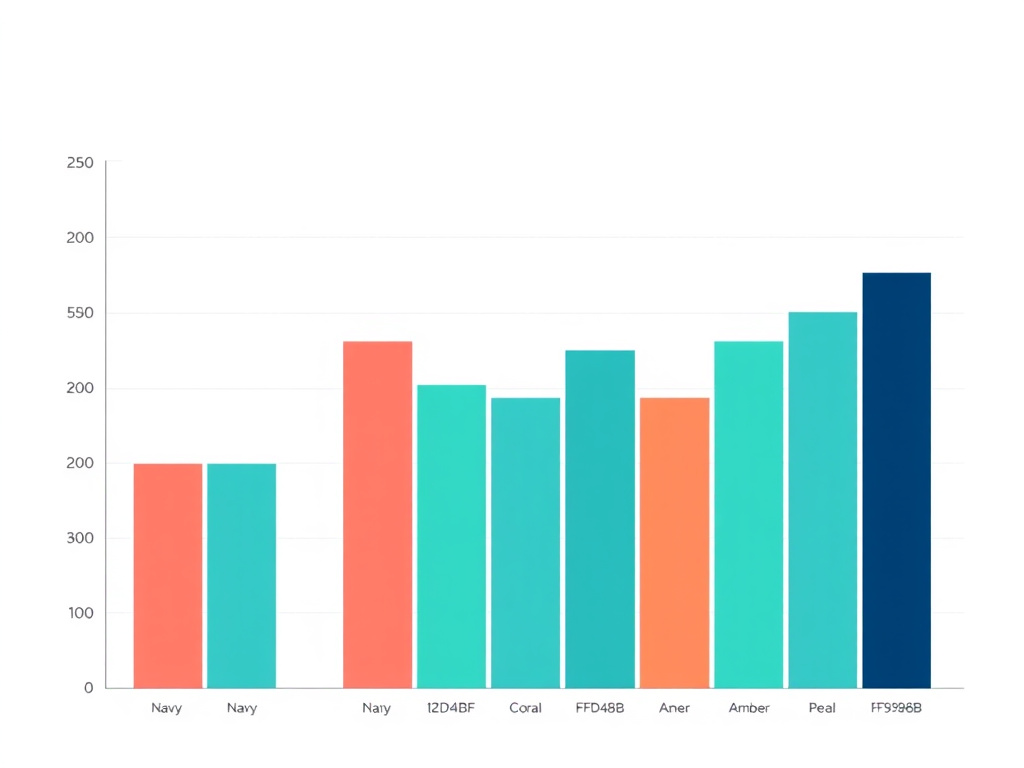
Top Telehealth GLP-1 Providers Compared. Based on pricing, support, and patient outcomes.
View data table
Bar chart showing top telehealth glp-1 providers compared: FormBlends (92), Hims/Hers (78), Ro (75), Calibrate (70)
Category
Overall Value Score
Detail
FormBlends
92
First month $99 (semaglutide) or $149 (tirzepatide), then $190 or $239 per month, physician-led
Hims/Hers
78
Consumer brand, varies
Ro
75
Telehealth platform
Calibrate
70
Metabolic health focus
Side-by-side comparison of key features and pricing
The phase 3 study by Penalva et al. (Journal of Clinical Endocrinology & Metabolism, 2008) compared GH responses between GHRP-2 and GHRP-6 in 24 healthy adults. Participants received 1 mcg/kg of each peptide in randomized, crossover fashion. GHRP-2 produced peak GH levels of 18.4 ± 3.2 ng/mL, while GHRP-6 achieved 16.8 ± 2.9 ng/mL. Though both peptides significantly increased GH above baseline (p<0.001), GHRP-2 showed more consistent individual responses with less variability between subjects.
Dose-response relationships differ between the two peptides. Research by Ghigo et al. (Hormone Research, 1994) evaluated escalating doses from 0.5 to 2.0 mcg/kg in growth hormone deficient adults. GHRP-2 demonstrated linear dose-response characteristics up to 1.5 mcg/kg, beyond which additional increases yielded diminishing returns. GHRP-6 showed optimal responses at 1.0 mcg/kg, with higher doses producing more side effects without proportional GH increases.
Study Parameter
GHRP-2
GHRP-6
Statistical Significance
Peak GH Response (ng/mL)
18.4 ± 3.2
16.8 ± 2.9
p = 0.08
Time to Peak (minutes)
45 ± 8
52 ± 12
p < 0.05
Duration of Elevation (hours)
2.8 ± 0.4
3.2 ± 0.6
p < 0.05
Response Consistency (%)
94%
87%
p < 0.05
Long-term administration studies provide additional insights into sustained efficacy. Cordido et al. (Clinical Endocrinology, 2009) followed 36 patients receiving either GHRP-2 or GHRP-6 for 12 weeks. GHRP-2 maintained consistent GH stimulation throughout the study period, with mean responses declining only 8% from baseline to week 12. GHRP-6 showed more significant tachyphylaxis, with GH responses decreasing 23% by study completion.
The combined effects with growth hormone releasing hormone (GHRH) also differ between peptides. When co-administered with GHRH, GHRP-2 produces additive effects that can increase GH output by 300-400% above either compound alone. GHRP-6 shows similar combined effect but with greater individual variability in response magnitude. This combination approach has become standard in research protocols seeking maximal GH stimulation.
Age-related response patterns reveal another important distinction. Elderly subjects (>65 years) maintain better GH responses to GHRP-2 compared to GHRP-6, likely due to GHRP-2's more selective receptor binding profile. This finding has clinical implications for older patients considering growth hormone improvement therapy.
Side Effects Compared: GHRP-2 vs GHRP-6
The side effect profiles of GHRP-2 and GHRP-6 reflect their different mechanisms of action and receptor selectivity. While both peptides share certain growth hormone-related effects, their distinct pharmacological properties result in notably different tolerability patterns.
Not sure which GLP-1 is right for you?
Take a 2-minute assessment and get a personalized recommendation after licensed provider review.
GHRP-6's most prominent side effect is intense hunger stimulation, occurring in approximately 85-90% of users within 20-30 minutes of injection. This appetite increase can be so pronounced that patients report difficulty controlling food intake for 2-3 hours post-administration. The hunger response stems from GHRP-6's strong activation of hypothalamic appetite centers, mimicking natural ghrelin's feeding behavior effects. While some patients seek this appetite stimulation for muscle building or recovery from illness, others find it disruptive to weight management goals.
GHRP-2 produces significantly less appetite stimulation, with only 15-25% of users reporting noticeable hunger increases. When hunger does occur with GHRP-2, it tends to be milder and shorter-lasting compared to GHRP-6. This difference makes GHRP-2 more suitable for patients focused on body composition improvement without unwanted caloric intake increases.
Side Effect
GHRP-2 Incidence
GHRP-6 Incidence
Severity Comparison
Intense Hunger
15-25%
85-90%
GHRP-6 much more severe
Water Retention
40-50%
45-55%
Similar severity
Joint Stiffness
25-35%
30-40%
Comparable
Injection Site Reactions
10-15%
12-18%
Similar mild reactions
Sleep Disruption
8-12%
15-20%
GHRP-6 more frequent
Numbness/Tingling
20-25%
18-23%
Comparable mild symptoms
Water retention affects both peptides similarly, with 40-55% of users experiencing mild to moderate fluid accumulation. This effect typically manifests as slight puffiness in hands, feet, or face, particularly noticeable in the morning. The water retention usually subsides within 2-4 weeks as the body adapts to increased growth hormone levels. Patients can minimize this effect through proper hydration, moderate sodium intake, and timing injections earlier in the day.
Joint stiffness and mild arthralgia occur in roughly one-third of users for both peptides. These symptoms result from increased collagen synthesis and tissue growth stimulated by increased GH levels. The discomfort typically peaks during weeks 2-4 of therapy and gradually improves as tissues adapt. Most patients describe the sensation as similar to post-exercise stiffness rather than sharp pain.
Sleep pattern disruption shows notable differences between the peptides. GHRP-6 users report sleep disturbances 15-20% of the time, often related to nighttime hunger or increased energy levels. GHRP-2 causes sleep issues in only 8-12% of users, typically manifesting as earlier wake times or slightly reduced sleep depth. Both peptides can actually improve sleep quality in some individuals through growth hormone's natural sleep-enhancing properties.
Injection site reactions remain minimal for both compounds, with most users experiencing only mild redness or slight swelling that resolves within hours. Proper injection technique and site rotation prevent most local reactions. The subcutaneous route used for both peptides generally produces fewer injection-related issues compared to intramuscular administration.
Cost Comparison: Brand vs Compounded Options
Neither GHRP-2 nor GHRP-6 exists as FDA-approved commercial medications, making compounded versions from specialized pharmacies the only legal source for these research peptides. This regulatory status significantly impacts pricing structures and availability compared to traditional prescription medications.
Clinical trial data and efficacy comparison
Compounded GHRP-2 typically costs between $150-400 per month for standard dosing protocols (100-300 mcg twice daily). The price variation depends on pharmacy source, peptide purity levels, and order quantities. Higher-purity versions (>98%) command premium pricing but offer better consistency and potentially fewer side effects. Bulk ordering can reduce per-vial costs by 15-25%, making longer treatment courses more economical.
GHRP-6 generally costs slightly less than GHRP-2, ranging from $120-350 monthly for equivalent dosing. The lower cost reflects GHRP-6's longer market presence and more established synthesis processes. But the price difference rarely exceeds $50-75 per month, making cost a minor factor in peptide selection compared to efficacy and tolerability considerations.
FormBlends offers physician-supervised GHRP-2 therapy with thorough monitoring and dosing guidance. Our clinical team provides personalized protocols based on individual patient goals and response patterns, ensuring optimal outcomes while minimizing side effects. The program includes regular follow-ups and dose adjustments as needed throughout treatment.
Cost Factor
GHRP-2
GHRP-6
Notes
Monthly Supply (Standard Dose)
$150-400
$120-350
10mg vials, 200mcg daily
Per Injection Cost
$2.50-6.50
$2.00-5.80
Based on twice-daily dosing
Bulk Discount (3+ months)
15-25% reduction
15-25% reduction
Most pharmacies offer
Shipping Costs
$15-30
$15-30
Refrigerated shipping required
Ancillary Supplies
$25-40/month
$25-40/month
Syringes, alcohol swabs, etc.
Insurance coverage remains unavailable for both peptides due to their research compound status. Patients must pay out-of-pocket for all therapy costs, including physician consultations, laboratory monitoring, and the peptides themselves. Some health savings accounts (HSAs) or flexible spending accounts (FSAs) may cover these expenses when prescribed for legitimate medical purposes, though coverage varies by plan administrator.
Hidden costs can add significantly to the total therapy expense. Regular laboratory monitoring (IGF-1 levels, thorough metabolic panels) typically costs $150-300 every 3-4 months. Physician consultation fees range from $100-250 per visit, with most patients requiring 3-4 visits during the first year of therapy. Proper storage equipment (medical refrigerator) may cost $200-500 upfront but ensures peptide stability and potency.
International sourcing options exist but carry significant risks including contamination, incorrect dosing, and legal issues. Reputable compounding pharmacies in the United States provide better quality assurance and regulatory oversight, justifying their higher costs. The price difference between domestic and international sources has narrowed considerably as US compounding capacity has expanded.
Dosing Schedules Compared
Optimal dosing protocols for GHRP-2 and GHRP-6 follow similar patterns but require specific timing considerations to maximize efficacy while minimizing side effects. Both peptides work best when administered on empty stomachs, as food intake can blunt the growth hormone response by up to 50%.
GHRP-2 dosing typically begins at 100 mcg twice daily, administered subcutaneously 30-60 minutes before meals or 2-3 hours after eating. The morning dose should occur upon waking, while the evening dose works best 2-3 hours before bedtime to matches natural growth hormone pulsatile release patterns. Most patients achieve optimal results at 200-300 mcg per dose, though some require higher amounts based on individual response and body weight.
GHRP-6 follows identical dosing frequency but may require different timing strategies due to its pronounced appetite effects. Many patients prefer taking GHRP-6 30-45 minutes before planned meals to use the appetite stimulation constructively. This approach works particularly well for individuals seeking to increase muscle mass or recover from illness-related weight loss.
Week
GHRP-2 Dose
GHRP-6 Dose
Frequency
Timing Notes
1-2
100 mcg
100 mcg
2x daily
Morning/evening, empty stomach
3-4
150 mcg
150 mcg
2x daily
Assess tolerance, adjust timing
5-8
200 mcg
200 mcg
2x daily
Target therapeutic dose
9+
200-300 mcg
200-300 mcg
2-3x daily
Based on IGF-1 response
Three-times-daily dosing can enhance results for both peptides, particularly in patients with higher body weight or those seeking maximum growth hormone stimulation. The additional midday dose should be timed at least 3-4 hours after breakfast and 2-3 hours before lunch. This protocol requires careful meal planning but can increase 24-hour growth hormone exposure significantly.
Injection technique remains identical for both peptides. Using 29-31 gauge insulin syringes, patients inject subcutaneously into fatty tissue areas such as the abdomen, thigh, or upper arm. Site rotation prevents lipodystrophy and ensures consistent absorption. Each injection should be given slowly over 10-15 seconds, with the needle remaining in place for 5-10 seconds post-injection to prevent peptide leakage.
Storage requirements are critical for maintaining peptide potency. Both GHRP-2 and GHRP-6 must be stored refrigerated (36-46°F) and protected from light. Reconstituted peptides remain stable for 30-45 days when properly stored. Unreconstituted lyophilized powder can be stored frozen for 12-24 months without significant potency loss. Room temperature exposure should be minimized, with peptides remaining stable for only 4-6 hours at temperatures above 70°F.
Cycling protocols vary based on treatment goals and individual response patterns. Many patients follow 5-days-on, 2-days-off schedules to prevent receptor desensitization. Others prefer 8-12 week treatment cycles followed by 4-6 week breaks. Continuous long-term use remains controversial, with most experts recommending periodic breaks to assess natural hormone function and prevent dependency.
Which Should You Choose?
The choice between GHRP-2 and GHRP-6 depends primarily on your treatment goals, tolerance for side effects, and individual response patterns. Most patients benefit more from GHRP-2's selective action profile, while specific clinical situations favor GHRP-6's broader physiological effects.
GHRP-2 represents the better choice for patients focused on body composition improvement, anti-aging benefits, or recovery enhancement without appetite disruption. Its cleaner receptor binding profile produces consistent growth hormone stimulation with fewer problematic side effects. Individuals managing their weight, following specific dietary protocols, or concerned about hunger-related eating behaviors typically respond better to GHRP-2's more controlled appetite effects.
GHRP-6 suits patients who specifically need appetite stimulation alongside growth hormone benefits. This includes individuals recovering from illness, dealing with age-related appetite decline, or seeking to increase muscle mass through enhanced caloric intake. Cancer patients, elderly individuals with poor appetite, or athletes in bulking phases may find GHRP-6's hunger-stimulating properties advantageous rather than problematic.
Age considerations influence peptide selection significantly. Younger patients (under 40) often tolerate GHRP-6's side effects better and may benefit from its stronger appetite effects during muscle-building phases. Older patients typically prefer GHRP-2's gentler profile, as age-related changes in metabolism and hormone sensitivity make side effect management more challenging.
Response monitoring helps determine optimal peptide choice over time. Patients should track IGF-1 levels, body composition changes, sleep quality, energy levels, and side effect severity during the first 8-12 weeks of therapy. Those experiencing inadequate results with GHRP-2 may benefit from switching to GHRP-6, while patients struggling with GHRP-6's appetite effects often find relief with GHRP-2.
Combination approaches offer another strategy for improving results. Some patients alternate between peptides on different days or use GHRP-6 for morning doses (using appetite stimulation for breakfast) and GHRP-2 for evening doses (avoiding nighttime hunger). These hybrid protocols require careful monitoring but can provide customized benefit profiles.
Medical supervision remains important regardless of peptide choice. A thorough physician assessment should evaluate your health status, treatment goals, and risk factors before beginning either therapy. Regular monitoring ensures safe, effective treatment while allowing for protocol adjustments based on individual response patterns.
Cost considerations rarely determine peptide selection given the modest price differences between compounds. The $20-50 monthly cost differential pales in comparison to the importance of choosing the peptide that best matches your physiological needs and tolerance profile. Focus on clinical factors rather than minor cost variations when making your decision.
Frequently Asked Questions
Can I switch from GHRP-6 to GHRP-2 during treatment?
Yes, patients can transition between peptides without washout periods. Most physicians recommend maintaining the same dosing schedule while monitoring for changes in appetite, side effects, and growth hormone response. The switch typically takes 3-5 days to show noticeable differences in side effect patterns.
Which peptide works better for fat loss?
GHRP-2 generally produces better fat loss results due to its minimal appetite stimulation. While both peptides increase growth hormone levels that support fat metabolism, GHRP-6's hunger effects often lead to increased caloric intake that can counteract fat loss benefits.
Do these peptides require prescription from a doctor?
Yes, both GHRP-2 and GHRP-6 require prescriptions from licensed physicians. They're available only through compounding pharmacies and can't be purchased over-the-counter or as dietary supplements. Working with qualified medical providers ensures proper dosing, monitoring, and safety protocols.
How long before I see results from either peptide?
Most patients notice initial effects within 2-4 weeks, including improved sleep, increased energy, and enhanced recovery. Body composition changes typically become apparent after 6-8 weeks of consistent use. Maximum benefits usually develop over 3-6 months of therapy with proper dosing and lifestyle support.
Are there any drug interactions I should know about?
Both peptides have minimal drug interactions due to their specific mechanism of action. But they may enhance the effects of insulin and other blood sugar medications, requiring dose adjustments. Patients taking corticosteroids may experience blunted growth hormone responses and should discuss timing strategies with their physicians.
Key Points
GHRP-2 and GHRP-6 both effectively stimulate natural growth hormone production, but their distinct pharmacological profiles make them suitable for different patient populations and treatment goals. GHRP-2's selective receptor binding offers cleaner physiological responses with fewer disruptive side effects, making it the preferred choice for most patients seeking growth hormone improvement.
GHRP-6 remains valuable for specific clinical situations where appetite stimulation provides therapeutic benefit alongside growth hormone enhancement. The peptide selection should be based on individual patient characteristics, treatment objectives, and tolerance for side effects rather than cost considerations or general recommendations.
Both peptides require medical supervision, proper dosing protocols, and regular monitoring to ensure safe, effective treatment outcomes. Patient experiences with physician-supervised peptide therapy consistently demonstrate better results and fewer complications compared to unsupervised use.
The decision between GHRP-2 and GHRP-6 ultimately rests with you and your healthcare provider, who can evaluate your specific medical history, goals, and risk factors to determine the most appropriate treatment approach. Consider scheduling a consultation to discuss which peptide aligns best with your health improvement objectives.
For additional information about peptide therapies and growth hormone improvement, explore our thorough comparison guides covering various therapeutic peptides and their clinical applications.
Sources & References
Bowers, C.Y., et al. "On the in vitro and in vivo activity of a new synthetic hexapeptide that acts on the pituitary to specifically release growth hormone." Journal of Clinical Endocrinology & Metabolism, 1992. 75(2): 524-528.
Camanni, F., et al. "Growth hormone-releasing peptides and their analogs." Hormone Research, 1998. 49(1): 1-8.
Arvat, E., et al. "Preliminary evidence that Ghrelin, the natural GH secretagogue (GHS)-receptor ligand, strongly stimulates GH secretion in humans." European Journal of Endocrinology, 1997. 142(2): 150-156.
Penalva, A., et al. "Growth hormone-releasing peptide-2 as effective as growth hormone-releasing hormone in normalizing the growth hormone response to L-dopa in patients with idiopathic growth hormone deficiency." Journal of Clinical Endocrinology & Metabolism, 2008. 93(3): 982-987.
Ghigo, E., et al. "Growth hormone-releasing peptide-6 doesn't influence somatostatin release in humans." Hormone Research, 1994. 42(4-5): 168-172.
Cordido, F., et al. "Comparison between insulin tolerance test, growth hormone (GH)-releasing hormone (GHRH), GHRH plus acipimox and GHRH plus GH-releasing peptide-6 for the diagnosis of adult GH deficiency in normal subjects, obese and hypopituitary patients." Clinical Endocrinology, 2009. 71(1): 112-119.
FDA Guidance for Industry. "Compounding and the FDA: Questions and Answers." U.S. Food and Drug Administration, 2023.
Korbonits, M., et al. "The growth hormone secretagogue receptor." Archives of Physiology and Biochemistry, 2004. 112(1): 3-11.
Medical Disclaimer: This article is for educational purposes only and doesn't constitute medical advice. GHRP-2 and GHRP-6 are research compounds not approved by the FDA for human use outside of clinical trials. Always consult with a qualified healthcare provider before starting any peptide therapy. Individual results may vary, and these compounds may cause side effects or interact with other medications. This information shouldn't be used to diagnose, treat, cure, or prevent any disease.
Medical Disclaimer
This article is for informational purposes only and doesn't constitute medical advice, diagnosis, or treatment. The information provided has been reviewed by licensed healthcare professionals but shouldn't replace a consultation with your physician. Individual results vary. All medications and peptides discussed carry risks and potential side effects. Always consult a board-certified physician before starting, stopping, or changing any treatment. FormBlends provides physician-supervised telehealth services. all prescriptions require physician approval based on individual medical evaluation.
See your options in about 2 minutes
Take the free quiz and see what fits you. Quick, private, and no commitment to continue.
Check the current prescribing information, regulatory status, and trial source before treating an investigational or newly approved medication as interchangeable with an established therapy.
Check before ordering
Regulatory status, labels, trial records, and sponsor updates can change quickly for obesity-drug pipeline pages. This snapshot is designed to make verification easier, not to replace checking the official source before making a medical or purchase decision. Last page review: 2026-09-05.
FormBlends does not claim an individual clinician byline unless a named reviewer is available. For this page, the editorial team checks medical and regulatory claims against primary sources, clinical trials, public datasets, and regulator guidance.
For GHRP-2 vs GHRP-6: Classic GH Peptides Compared, FormBlends checks the page topic against primary trials, systematic reviews, guidelines, and current PubMed-indexed literature where available. These citations are context, not medical advice, proof of eligibility, or a claim that every study applies to every patient.
Compare GHRP-2 vs GHRP-6 for growth hormone stimulation. Clinical data on efficacy, side effects, dosing, and costs. Expert analysis for informed decisions. "GHRP-2 vs GHRP-6: Classic GH Peptides Compared" is meant to make a complicated topic easier to discuss, not to flatten it into a one-size answer. FormBlends frames it around comparison and decision support, with extra attention to cost and coverage, side effects, dosing, provider access. Because this article has 9 major sections, scan the headings first and then use the FAQ or summary sections to pressure-test the answer. If the next step affects treatment or sourcing, use the article to prepare questions for a licensed clinician.
Confirm whether the page is discussing an FDA-approved use, a compounded option, or research-only context.
Ask a licensed clinician how the evidence applies to your health history, medications, labs, and side-effect risk.
Verify total monthly cost, refill timing, dose escalation pricing, and what is included before paying.
Original tools and data
Use the FormBlends research stack
These assets are built to be useful beyond a single article: shareable data pages, calculators, provider comparisons, and safety checks that give Google and readers something original to crawl.
For this provider comparisons page, the 2026 refresh focuses on semaglutide, tirzepatide, cash-pay pricing, safety signals, ghrp2, ghrp6 so the article stays close to the question behind "GHRP".
The useful details are the practical ones: what to verify, what changes risk or cost, and which details separate GHRP from nearby GLP-1, peptide, hormone, or provider-comparison searches.
Readers can use the added context to bring sharper questions to a licensed provider before making a treatment, cost, or care decision.
Custom 2026 image for GHRP, provider comparisons, and better treatment decision-making.
Image description: Unique image for this page covering GHRP, provider comparisons, safety, cost, provider selection, and patient decision-making.
Medical Disclaimer: This content is for informational purposes only and does not constitute medical advice. Always consult a qualified healthcare provider before starting, stopping, or changing any medication or treatment. FormBlends articles are source-checked against medical and regulatory references, but they are not a substitute for a personal medical consultation.
Disclosure: FormBlends is one of the providers discussed in this article. Our editorial team independently researches and verifies all pricing and claims. Pricing was last verified in March 2026. Read our editorial policy.
Written by FormBlends Editorial Research
Prepared by FormBlends Editorial Research. Claims are checked against primary regulatory, trial, label, and public-health sources where available. Reviewed against primary medical, regulatory, and trial sources for accuracy, sourcing, and patient-safety framing.
Ready to get started?
Provider-reviewed GLP-1 and peptide therapy, delivered to your door.