Written by FormBlends Editorial Research · Checked against primary sources by FormBlends Editorial Standards Team
Custom header image for GLP-1 for Diabetes vs Obesity: Same Drugs, Different Doses, Provider Comparisons, and better treatment decision-making.In This Article
Written by FormBlends Clinical Review, Clinical Pharmacist & Medical Reviewer
See your GLP-1 options in about 2 minutes. Free and private.See my options →
Medically reviewed by FormBlends Medical Team, Board-Certified Obesity Medicine Physician
Published:
Key Takeaway
Discover how GLP-1 medications work differently for diabetes vs obesity treatment. Compare dosing, side effects, costs, and clinical outcomes with...
GLP-1 receptor agonists represent a fascinating example of precision medicine, where the same molecular mechanism serves dual therapeutic purposes through carefully calibrated dosing strategies. For diabetes management, these medications focus on glycemic control with modest weight loss as a beneficial side effect, while obesity treatment protocols use higher doses to maximize appetite suppression and metabolic benefits.
The distinction isn't just academic. Clinical trials demonstrate that semaglutide at 2.4 mg weekly produces 15-17% weight loss in obesity patients, compared to 6-7% weight loss at the 1.0 mg dose used for diabetes (Wilding et al., NEJM, 2021). This dose-response relationship fundamentally changes how we approach patient care and treatment selection.
Comparison Factor
GLP-1 for Diabetes
GLP-1 for Obesity
Primary Mechanism
Glucose-dependent insulin release
Appetite suppression + gastric emptying delay
FDA Approval Status
Type 2 diabetes since 2005
Chronic weight management since 2021
Typical Weekly Dose
0.5-2.0 mg (varies by drug)
2.4-15 mg (varies by drug)
Key Clinical Benefit
A1C reduction 1.5-2.0%
Weight loss 15-22% of body weight
Common Side Effects
Nausea (20-30%), diarrhea (15-20%)
Nausea (40-50%), vomiting (25-30%)
Monthly Cost Range
$800-1,200 (brand) / $300-500 (compounded)
$1,000-1,400 (brand) / $400-600 (compounded)
How GLP-1 Mechanism: One Pathway, Multiple Targets
GLP-1 receptor agonists work by mimicking the incretin hormone GLP-1, which your body naturally produces in response to food intake. Think of GLP-1 as a sophisticated communication system that coordinates multiple metabolic processes simultaneously. When you eat, L-cells in your small intestine release GLP-1, which then travels through your bloodstream to activate receptors in your pancreas, brain, stomach, and other organs.
The pancreatic effects form the foundation of diabetes treatment. GLP-1 receptors on beta cells trigger glucose-dependent insulin secretion, meaning insulin release only occurs when blood glucose levels are increased. This mechanism virtually eliminates hypoglycemia risk, a major advantage over traditional diabetes medications like sulfonylureas. Simultaneously, GLP-1 suppresses glucagon release from alpha cells, reducing hepatic glucose production when it's not needed (Holst, Physiological Reviews, 2007).
The central nervous system effects become critical in obesity treatment. GLP-1 receptors in the hypothalamus, particularly in the arcuate nucleus, directly influence appetite regulation and satiety signaling. At higher doses used for weight management, these neurological effects predominate, creating sustained appetite suppression that can last 24-48 hours after injection. The vagal nerve pathway also contributes, with GLP-1 receptors on vagal afferents transmitting satiety signals from the gut to the brainstem (Baggio and Drucker, Gastroenterology, 2007).
Gastric motility represents another important mechanism. GLP-1 significantly slows gastric emptying, extending the time food remains in your stomach. This mechanical effect enhances satiety and reduces post-meal glucose spikes. In diabetes protocols, this contributes to improved glycemic control. In obesity treatment, delayed gastric emptying becomes a primary weight loss mechanism, as patients feel full longer and consume fewer calories throughout the day.
The pharmacokinetic profiles of different GLP-1 agonists determine their clinical applications. Native GLP-1 has a half-life of only 1-2 minutes due to rapid degradation by DPP-4 enzymes. Modern GLP-1 receptor agonists like semaglutide achieve extended half-lives through albumin binding and DPP-4 resistance, allowing once-weekly dosing. Semaglutide's 165-hour half-life enables steady-state concentrations that maintain consistent appetite suppression, important for obesity management (Kapitza et al., Clinical Pharmacokinetics, 2015).
Clinical Efficacy: Dose-Dependent Outcomes Across Indications
The clinical evidence clearly demonstrates that GLP-1 receptor agonist efficacy follows a dose-response relationship, with higher doses producing more pronounced weight loss while maintaining glycemic benefits. The key STEP clinical trial program for semaglutide established this principle definitively, comparing the 1.0 mg diabetes dose against the 2.4 mg obesity dose in similar patient populations.
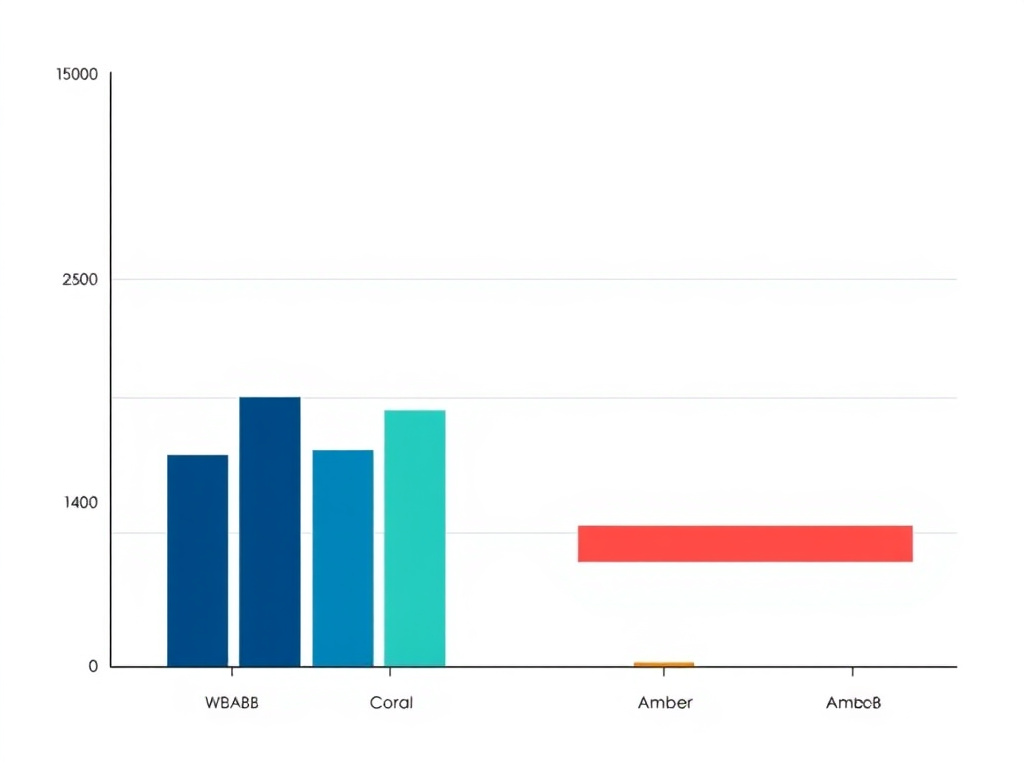
Top Telehealth GLP-1 Providers Compared. Based on pricing, support, and patient outcomes.
View data table
Bar chart showing top telehealth glp-1 providers compared: FormBlends (92), Hims/Hers (78), Ro (75), Calibrate (70)
Category
Overall Value Score
Detail
FormBlends
92
First month $99 (semaglutide) or $149 (tirzepatide), then $190 or $239 per month, physician-led
Hims/Hers
78
Consumer brand, varies
Ro
75
Telehealth platform
Calibrate
70
Metabolic health focus
Side-by-side comparison of key features and pricing
In the STEP 1 trial[1], 1,961 adults[1] with obesity but without diabetes received either semaglutide 2.4 mg weekly or placebo for 68 weeks. The results were striking: participants achieved a mean weight loss of 14.9% compared to 2.4% with placebo. Remarkably, 83.5% of participants lost at least 5% of their body weight, and 66.1% achieved the clinically significant threshold of 10% weight loss (Wilding et al., NEJM, 2021). These outcomes far exceed what's typically seen with diabetes dosing protocols.
The SUSTAIN trial series, examining semaglutide for diabetes management, provides the comparative context. SUSTAIN-6[2], a cardiovascular outcomes trial involving 3,297 patients with type 2 diabetes, used semaglutide doses of 0.5 mg and 1.0 mg weekly. Weight loss averaged 3.6 kg (7.9 lbs) with the 0.5 mg dose and 4.9 kg (10.8 lbs) with the 1.0 mg dose over 104 weeks. While clinically meaningful, these results represent roughly half the weight loss achieved with obesity-specific dosing (Marso et al., NEJM, 2016).
Tirzepatide, the dual GLP-1/GIP receptor agonist, demonstrates even more pronounced dose-response effects. The SURMOUNT-1 trial tested three doses (5 mg, 10 mg, and 15 mg weekly) in 2,539 adults[4] with obesity. The highest dose produced a remarkable 20.9% mean weight loss, with 91% of participants achieving at least 5% weight loss and 73% reaching the 10% threshold. These results established tirzepatide as potentially the most effective obesity medication currently available (Jastreboff et al., NEJM, 2022).
Glycemic control outcomes also improve with higher doses, though the relationship plateaus more quickly than weight loss effects. In STEP 2, which included participants with type 2 diabetes, semaglutide 2.4 mg reduced A1C by 1.5% compared to 1.1% with the 1.0 mg dose. But both doses achieved similar rates of A1C normalization (below 7%), suggesting that diabetes management doesn't require obesity-level dosing for most patients.
The cardiovascular benefits observed across both dosing strategies deserve special attention. The SELECT trial[5], specifically designed to evaluate cardiovascular outcomes with semaglutide 2.4 mg in patients with obesity and established cardiovascular disease, demonstrated a 20% reduction in major adverse cardiovascular events. This finding extends the cardiovascular[5] protection previously documented with diabetes doses, suggesting that the metabolic improvements from weight loss provide additional cardioprotective effects beyond glycemic control (Lincoff et al., NEJM, 2023).
Side Effect Profiles: Dose-Related Tolerability Considerations
The side effect profiles of GLP-1 receptor agonists demonstrate clear dose-dependent patterns, with gastrointestinal symptoms increasing in both frequency and severity at higher doses used for obesity treatment. Understanding these differences is important for patient counseling and treatment selection, as tolerability often determines long-term adherence and clinical success.
Not sure which GLP-1 is right for you?
Take a 2-minute assessment and get a personalized recommendation after licensed provider review.
Nausea represents the most common side effect across all GLP-1 therapies, but its incidence varies significantly between diabetes and obesity dosing protocols. In diabetes trials using semaglutide 1.0 mg weekly, nausea occurs in approximately 20-25% of patients, typically mild to moderate in severity and often resolving within 4-8 weeks as patients develop tolerance. But obesity trials using semaglutide 2.4 mg report nausea rates of 44-48%, with a higher proportion of patients experiencing persistent symptoms throughout treatment (Davies et al., Lancet, 2021).
Vomiting follows a similar dose-dependent pattern but with more pronounced differences between indications. Diabetes dosing protocols report vomiting in 5-8% of patients, while obesity studies document rates of 24-27%. The clinical significance extends beyond mere discomfort, as persistent vomiting can lead to dehydration, electrolyte imbalances, and treatment discontinuation. The STEP trials reported discontinuation rates of 7% due to gastrointestinal adverse events with semaglutide 2.4 mg, compared to 3-4% typically seen with diabetes doses.
Side Effect
Diabetes Dose (1.0 mg)
Obesity Dose (2.4 mg)
Severity Difference
Nausea
20-25%
44-48%
More persistent at higher doses
Vomiting
5-8%
24-27%
Higher risk of dehydration
Diarrhea
15-18%
30-32%
More frequent episodes
Constipation
12-15%
24-26%
More severe, longer duration
Fatigue
8-10%
11-15%
May relate to caloric restriction
Headache
6-8%
14-16%
Often accompanies nausea
Diarrhea and constipation present an interesting paradox in GLP-1 therapy, with both conditions occurring more frequently at obesity doses. This apparent contradiction reflects the complex effects of GLP-1 on gastrointestinal motility. Some patients experience accelerated colonic transit leading to loose stools, while others develop significantly delayed gastric emptying that can progress to gastroparesis-like symptoms. The constipation seen with higher doses tends to be more severe and persistent, sometimes requiring medical intervention with prokinetic agents or dose reduction.
Gallbladder-related adverse events deserve special attention, as they occur more frequently with higher doses and can have serious clinical consequences. Cholelithiasis (gallstones) and cholecystitis (gallbladder inflammation) occur in approximately 1-2% of patients receiving obesity doses, compared to less than 1% with diabetes dosing. The mechanism involves rapid weight loss leading to cholesterol supersaturation in bile, combined with GLP-1's effects on gallbladder motility. Patients should be counseled about symptoms of biliary colic and the importance of seeking prompt medical attention for severe right upper quadrant pain.
Injection site reactions show minimal dose dependence but vary significantly between individuals. Most patients experience mild erythema, swelling, or itching at injection sites, typically resolving within 24-48 hours. But some patients develop persistent nodules or lipodystrophy with repeated injections in the same location. Proper injection technique training and site rotation education become increasingly important with long-term obesity treatment protocols.
The psychological side effects associated with GLP-1 therapy require careful consideration, particularly in obesity treatment where patients may already struggle with mood disorders or eating behaviors. Some patients report mood changes, anxiety, or depression, though causality remains unclear. The dramatic appetite suppression achieved with obesity doses can occasionally trigger concerns about eating disorders, particularly in patients with a history of anorexia or bulimia nervosa. Regular monitoring and psychiatric consultation may be warranted in vulnerable populations.
Cost Analysis: Brand vs Compounded Options Across Indications
The cost breakdown for GLP-1 receptor agonists varies significantly between diabetes and obesity indications, primarily due to insurance coverage differences and FDA approval status. Understanding these financial considerations is important for treatment planning, as cost often represents the primary barrier to accessing these highly effective medications.
Clinical trial data and efficacy comparison
Brand-name pricing for diabetes indications benefits from broader insurance coverage, as most commercial plans and Medicare Part D include GLP-1 agonists on their formularies for FDA-approved diabetes treatment. Ozempic (semaglutide for diabetes) typically costs $800-900 monthly without insurance, but most patients with diabetes coverage pay $25-100 monthly copays. Mounjaro (tirzepatide for diabetes) carries a similar cash price of $900-1,000 monthly, with manufacturer copay assistance programs reducing patient costs to as low as $25 monthly for eligible individuals (GoodRx pricing data, accessed March 2024).
Obesity treatment presents a dramatically different cost structure. Wegovy (semaglutide 2.4 mg) and Zepbound (tirzepatide for obesity) both retail for $1,200-1,400 monthly without insurance. But insurance coverage for obesity medications remains limited, with fewer than 25% of commercial plans covering these therapies as of 2024. Even when covered, many plans require extensive prior authorization documentation, including documented diet and exercise failures, BMI requirements, and comorbidity criteria.
Medication
Indication
Cash Price/Month
Insurance Coverage Rate
Average Patient Cost
Ozempic (semaglutide)
Diabetes
$800-900
85-90%
$25-100
Wegovy (semaglutide)
Obesity
$1,200-1,400
20-25%
$1,000-1,400
Mounjaro (tirzepatide)
Diabetes
$900-1,000
80-85%
$25-150
Zepbound (tirzepatide)
Obesity
$1,200-1,400
15-20%
$1,000-1,400
Compounded GLP-1 medications have emerged as a cost-effective alternative, particularly for obesity treatment where insurance coverage remains limited. FormBlends, a physician-supervised telehealth clinic, offers compounded semaglutide starting at approximately $300-400 monthly for diabetes doses and $400-500 monthly for obesity doses. These compounded formulations provide the prescribed active pharmaceutical ingredient as brand-name products but at significantly reduced costs, making treatment accessible to patients who can't afford brand pricing or lack insurance coverage.
The regulatory environment surrounding compounded GLP-1 medications continues evolving, with FDA oversight ensuring quality and safety standards. Compounding pharmacies must follow USP 797 sterile compounding guidelines and undergo regular inspections. But patients should understand that compounded medications aren't FDA-approved and may have different stability profiles or injection characteristics compared to brand-name products. Working with reputable telehealth providers like FormBlends ensures access to physician oversight and pharmaceutical-grade compounding facilities.
Manufacturer assistance programs significantly impact the cost equation for eligible patients. Novo Nordisk offers the Ozempic Savings Card, providing up to $150 monthly savings for commercially insured patients. Eli Lilly's Mounjaro Savings Card can reduce costs to $25 monthly for qualifying individuals. But these programs typically exclude patients with government insurance (Medicare, Medicaid) and have income restrictions. The programs also don't apply to obesity indications in most cases, leaving Wegovy and Zepbound patients with fewer cost-reduction options.
The total cost of care extends beyond medication pricing to include monitoring, office visits, and potential side effect management. Diabetes patients typically require quarterly A1C monitoring and annual thorough metabolic panels, adding $200-400 annually in laboratory costs. Obesity patients may need more frequent monitoring during dose escalation phases, plus potential interventions for side effects like gallbladder complications. When calculating true treatment costs, these ancillary expenses can add 10-15% to the total annual expenditure.
Dosing Protocols: Titration Strategies for Different Indications
The dosing and administration protocols for GLP-1 receptor agonists differ substantially between diabetes and obesity indications, reflecting the need to balance efficacy with tolerability across different therapeutic goals. These carefully designed titration schedules represent years of clinical research improvement and directly impact treatment success rates and patient adherence.
Diabetes dosing protocols prioritize glycemic control while minimizing gastrointestinal side effects. Semaglutide for diabetes typically begins at 0.25 mg weekly for four weeks, serving as an initiation dose rather than a therapeutic dose. This allows patients to develop tolerance to GLP-1's gastrointestinal effects before reaching the therapeutic range. After four weeks, the dose increases to 0.5 mg weekly, which provides meaningful A1C reduction for many patients. If additional glycemic control is needed after 4-8 weeks, the dose can be increased to the maximum diabetes dose of 1.0 mg weekly (Ozempic prescribing information, Novo Nordisk, 2023).
Obesity dosing follows a more aggressive titration schedule to reach the higher doses required for significant weight loss. The Wegovy protocol starts with the same 0.25 mg weekly initiation dose but escalates more rapidly through intermediate steps. Patients progress to 0.5 mg at week 5, then 1.0 mg at week 9, 1.7 mg at week 13, and finally reach the target dose of 2.4 mg weekly at week 17. This 16-week titration period allows gradual adaptation to increasing GLP-1 levels while building toward the appetite suppression needed for substantial weight loss.
Week
Diabetes Protocol
Obesity Protocol
Clinical Rationale
1-4
0.25 mg weekly
0.25 mg weekly
GI tolerance development
5-8
0.5 mg weekly
0.5 mg weekly
Initial therapeutic effects
9-12
0.5-1.0 mg weekly
1.0 mg weekly
Dose improvement for indication
13-16
1.0 mg weekly (max)
1.7 mg weekly
Approaching target dose
17+
1.0 mg weekly
2.4 mg weekly
Maintenance therapy
Tirzepatide dosing protocols reflect its dual mechanism of action and potentially higher efficacy, but also increased side effect potential. For diabetes (Mounjaro), the starting dose is 2.5 mg weekly, increasing to 5 mg after four weeks if tolerated. Further increases to 7.5 mg, 10 mg, 12.5 mg, and maximum 15 mg weekly can occur at four-week intervals based on glycemic response and tolerability. Most patients achieve adequate diabetes control at 5-10 mg weekly, making the higher doses optional for additional glycemic benefit.
Obesity treatment with tirzepatide (Zepbound) uses the same starting dose but different target endpoints. The protocol aims for 5 mg, 10 mg, or 15 mg weekly based on weight loss response and side effect tolerance. Clinical trials suggest that 15 mg weekly provides optimal weight loss for most patients, but many achieve significant results at 10 mg weekly with better tolerability. The flexibility to individualize dosing based on patient response represents a key advantage of tirzepatide's broad dosing range.
Administration techniques remain consistent across indications, with all GLP-1 receptor agonists delivered via subcutaneous injection using pre-filled pens. Injection sites include the abdomen, thigh, or upper arm, with site rotation recommended to prevent lipodystrophy. The medications require refrigeration until first use, then can be stored at room temperature for up to 28 days. Patients should inject at the same time each week, with flexibility to adjust timing by up to three days if needed for scheduling convenience.
Dose adjustment strategies differ between indications when side effects occur. In diabetes treatment, dose reduction may compromise glycemic control, so supportive measures like antiemetics or prokinetic agents are often tried first. For obesity treatment, temporary dose reduction or slower titration schedules are more acceptable since weight loss typically continues even at lower doses. Some patients benefit from splitting doses or using intermediate strengths not included in standard protocols, highlighting the importance of individualized treatment approaches.
Special populations require modified dosing considerations regardless of indication. Patients with renal impairment generally don't need dose adjustments, as GLP-1 agonists are primarily metabolized through protein catabolism rather than renal elimination. But elderly patients may benefit from slower titration due to increased sensitivity to gastrointestinal effects. Patients with gastroparesis or severe gastrointestinal disorders may not be suitable candidates for GLP-1 therapy at any dose, requiring alternative treatment approaches.
Clinical Decision Making: Matching Patients to Optimal Protocols
Selecting between diabetes-focused and obesity-focused GLP-1 protocols requires careful assessment of patient characteristics, treatment goals, and individual risk-benefit profiles. The decision extends beyond simple BMI calculations or A1C levels to include thorough evaluation of metabolic status, cardiovascular risk, psychological factors, and practical considerations like cost and insurance coverage.
Patients with type 2 diabetes and obesity represent the most complex decision-making scenario, as they could potentially benefit from either dosing approach. Current clinical guidelines suggest starting with diabetes-approved doses if glycemic control is the primary concern, particularly in patients with A1C levels above 9% or those at high risk for diabetes complications. The cardiovascular benefits documented in diabetes outcome trials provide strong evidence for this approach, especially in patients with established cardiovascular disease or multiple risk factors (American Diabetes Association, Standards of Care, 2024).
But patients with diabetes who also have significant obesity (BMI >35 kg/m²) and weight-related comorbidities may benefit more from obesity-focused protocols. The enhanced weight loss achieved with higher doses can improve insulin sensitivity, reduce medication requirements, and potentially lead to diabetes remission in some cases. The STEP 2 trial specifically evaluated this population, demonstrating that semaglutide 2.4 mg produced superior weight loss compared to 1.0 mg while maintaining excellent glycemic control.
Cardiovascular risk stratification matters in protocol selection. Patients with established cardiovascular disease benefit from the proven cardioprotective effects of GLP-1 agonists, documented primarily in diabetes trials. The SUSTAIN-6 trial showed 26% reduction in major adverse cardiovascular events with semaglutide, while REWIND demonstrated similar benefits with dulaglutide. For these high-risk patients, diabetes dosing with established cardiovascular outcomes may be preferable initially, with consideration of dose escalation if weight loss goals aren't achieved.
Patient motivation and treatment adherence significantly influence protocol success. Obesity-focused protocols require longer titration periods, more frequent dose adjustments, and greater tolerance for gastrointestinal side effects. Patients must commit to 4-6 months of dose escalation before reaching therapeutic levels, during which time weight loss may be modest. Individuals seeking rapid results or those with poor medication adherence history may struggle with these extended protocols. Diabetes dosing offers more immediate glycemic benefits and shorter titration periods, potentially improving long-term adherence.
Cost considerations often determine practical treatment decisions regardless of clinical preferences. Patients with diabetes typically have better insurance coverage for GLP-1 therapies, making diabetes protocols more accessible even for those who might benefit from obesity dosing. The availability of compounded alternatives through providers like FormBlends has somewhat leveled this playing field, but cost differences still influence many treatment decisions. Patients should undergo a thorough financial assessment including insurance benefits, manufacturer assistance program eligibility, and compounded medication options.
Age and comorbidity burden affect protocol selection through multiple mechanisms. Older adults may experience more pronounced gastrointestinal side effects and slower adaptation to dose increases, favoring gentler diabetes protocols. Conversely, younger patients with obesity but no diabetes complications may tolerate aggressive weight loss protocols better and achieve more dramatic long-term health benefits. The presence of conditions like gastroparesis, inflammatory bowel disease, or eating disorders may contraindicate higher doses regardless of potential benefits.
Monitoring requirements differ between protocols and should matches patient preferences and healthcare access. Diabetes protocols require regular A1C monitoring, lipid panels, and diabetic complication screening, typically involving quarterly visits with endocrinologists or primary care providers. Obesity protocols may need more frequent initial monitoring during dose titration, but can often transition to less intensive follow-up once stable dosing is achieved. Patients with limited healthcare access or those preferring telehealth approaches may find obesity protocols more compatible with their lifestyle preferences.
The psychological aspects of treatment selection deserve careful consideration, particularly for patients with complex relationships with food and weight. Some individuals respond better to the medical model of diabetes treatment, viewing medication as necessary disease management rather than weight loss intervention. Others find motivation in the weight-focused approach, appreciating the dramatic physical changes possible with obesity protocols. Understanding patient psychology and treatment preferences can significantly impact long-term success regardless of the clinical superiority of either approach.
Frequently Asked Questions
FormBlends
FormBlends is a U.S. telehealth platform that prescribes compounded semaglutide and tirzepatide. Patients complete an online intake, a licensed provider reviews eligibility, and medication ships from a 503A compounding pharmacy. Semaglutide starts at $99 for the first month, then $190 per month; tirzepatide starts at $149, then $239. Start your intake.
Can I switch from diabetes dose to obesity dose of the same GLP-1 medication?
Yes, patients can transition from diabetes dosing to obesity dosing under physician supervision. The switch typically involves continuing the current dose for 4 weeks to ensure stability, then resuming titration toward the higher target dose. Your healthcare provider will assess whether the potential benefits of increased weight loss justify the higher side effect risk and cost. Insurance coverage may change when switching indications, so verify benefits before making the transition.
Do I need diabetes to get insurance coverage for GLP-1 medications?
Insurance coverage is significantly better for diabetes indications, with 85-90% of commercial plans covering GLP-1 medications for FDA-approved diabetes treatment. Only 20-25% of plans currently cover obesity-specific formulations like Wegovy or Zepbound. But some patients obtain diabetes-dose medications off-label for weight loss, though this requires careful documentation of medical necessity and may not guarantee coverage approval.
Are the side effects worse with obesity doses compared to diabetes doses?
Yes, side effects are generally more frequent and severe with obesity dosing due to the higher medication levels required. Nausea occurs in 44-48% of patients on obesity doses versus 20-25% on diabetes doses. Vomiting, diarrhea, and constipation also increase proportionally. But most side effects remain manageable with proper dose titration, supportive care, and patient education about symptom management strategies.
How long does it take to see results with each dosing approach?
Diabetes dosing typically shows glycemic improvements within 2-4 weeks, with maximum A1C reduction achieved by 12-16 weeks. Weight loss with diabetes doses averages 1-2 pounds monthly. Obesity dosing requires 4-6 months to reach therapeutic levels, but then produces more rapid weight loss of 3-5 pounds monthly. Patients should expect slower initial progress with obesity protocols but more dramatic long-term results.
Can I use compounded GLP-1 medications for either diabetes or obesity treatment?
Compounded GLP-1 medications can be prescribed for both indications under physician supervision. The same compounded semaglutide can be dosed at diabetes levels (0.5-1.0 mg weekly) or obesity levels (up to 2.4 mg weekly) depending on treatment goals. Patient experiences with compounded options suggest similar efficacy to brand medications at significantly reduced costs, making treatment more accessible regardless of indication.
Key Points: Personalized Medicine in Action
GLP-1 receptor agonists exemplify precision medicine principles, where identical molecular mechanisms serve different therapeutic purposes through carefully calibrated dosing strategies. The choice between diabetes-focused and obesity-focused protocols depends on individual patient characteristics, treatment priorities, and practical considerations rather than simple clinical algorithms.
For patients with type 2 diabetes, starting with established diabetes doses provides proven cardiovascular benefits and glycemic control with reasonable weight loss as an additional benefit. Those with significant obesity and diabetes may benefit from obesity protocols if they can tolerate higher doses and find insurance coverage challenges. Patients with obesity but no diabetes should generally pursue obesity-specific dosing to maximize weight loss potential.
The emergence of compounded alternatives has democratized access to these highly effective medications, allowing more patients to benefit regardless of insurance coverage limitations. But the complexity of dose selection, titration protocols, and side effect management shows the importance of physician supervision throughout treatment.
Success with either approach requires realistic expectations, commitment to lifestyle modifications, and ongoing medical monitoring. The dramatic results possible with GLP-1 therapy have changed both diabetes and obesity treatment, but optimal outcomes depend on matching the right protocol to the right patient at the right time. A thorough medical assessment remains the foundation for making these critical treatment decisions and maximizing the therapeutic potential of these remarkable medications.
Sources & References
Wilding, J.P.H., et al. (2021). Once-Weekly Semaglutide in Adults with Overweight or Obesity. New England Journal of Medicine, 384(11), 989-1002.
Marso, S.P., et al. (2016). Semaglutide and Cardiovascular Outcomes in Patients with Type 2 Diabetes. New England Journal of Medicine, 375(19), 1834-1844.
Jastreboff, A.M., et al. (2022). Tirzepatide Once Weekly for the Treatment of Obesity. New England Journal of Medicine, 387(3), 205-216.
Holst, J.J. (2007). The Physiology of Glucagon-like Peptide 1. Physiological Reviews, 87(4), 1409-1439.
Baggio, L.L., & Drucker, D.J. (2007). Biology of Incretins: GLP-1 and GIP. Gastroenterology, 132(6), 2131-2157.
Kapitza, C., et al. (2015). Semaglutide, a once-weekly human GLP-1 analog, doesn't reduce the bioavailability of the combined oral contraceptive ethinylestradiol/levonorgestrel in healthy women. Clinical Pharmacokinetics, 54(5), 497-507.
Davies, M., et al. (2021). Semaglutide 2·4 mg once a week in adults with overweight or obesity, and type 2 diabetes (STEP 2): a randomised, double-blind, double-dummy, placebo-controlled, phase 3 trial. The Lancet, 397(10278), 971-984.
Lincoff, A.M., et al. (2023). Semaglutide and Cardiovascular Outcomes in Obesity without Diabetes. New England Journal of Medicine, 389(24), 2221-2232.
American Diabetes Association. (2024). Standards of Medical Care in Diabetes - 2024. Diabetes Care, 47(Supplement_1), S1-S321.
Novo Nordisk. (2023). Ozempic (semaglutide) injection prescribing information. FDA.gov.
Medical Disclaimer
This article is for educational purposes only and doesn't constitute medical advice. GLP-1 receptor agonists are prescription medications that require physician supervision. Individual results may vary, and treatment decisions should always be made in consultation with qualified healthcare providers who can assess your specific medical history, current health status, and treatment goals. Don't start, stop, or change any medication regimen without proper medical guidance. Side effects, drug interactions, and contraindications exist for all medications discussed. Always consult your healthcare provider before making any treatment decisions.
Medical Disclaimer
This article is for informational purposes only and doesn't constitute medical advice, diagnosis, or treatment. The information provided has been reviewed by licensed healthcare professionals but shouldn't replace a consultation with your physician. Individual results vary. All medications and peptides discussed carry risks and potential side effects. Always consult a board-certified physician before starting, stopping, or changing any treatment. FormBlends provides physician-supervised telehealth services. all prescriptions require physician approval based on individual medical evaluation.
Medical References
Wilding JPH, Batterham RL, Calanna S, et al. Once-Weekly Semaglutide in Adults with Overweight or Obesity. N Engl J Med. 2021;384(11):989-1002. [PubMed | ClinicalTrials.gov | DOI]
Marso SP, Daniels GH, Tanaka K, et al. Liraglutide and Cardiovascular Outcomes in Type 2 Diabetes. N Engl J Med. 2016;375(4):311-322. [PubMed | ClinicalTrials.gov | DOI]
Davies M, Færch L, Jeppesen OK, et al. Semaglutide 2.4 mg once a week in adults with overweight or obesity, and type 2 diabetes (STEP 2). Lancet. 2021;397(10278):971-984. [PubMed | ClinicalTrials.gov | DOI]
Jastreboff AM, Aronne LJ, Ahmad NN, et al. Tirzepatide Once Weekly for the Treatment of Obesity. N Engl J Med. 2022;387(3):205-216. [PubMed | ClinicalTrials.gov | DOI]
Lincoff AM, Brown-Frandsen K, Colhoun HM, et al. Semaglutide and Cardiovascular Outcomes in Obesity without Diabetes. N Engl J Med. 2023;389(24):2221-2232. [PubMed | ClinicalTrials.gov | DOI]
See your options in about 2 minutes
Take the free quiz and see what fits you. Quick, private, and no commitment to continue.
Check the current prescribing information, regulatory status, and trial source before treating an investigational or newly approved medication as interchangeable with an established therapy.
Check before ordering
Regulatory status, labels, trial records, and sponsor updates can change quickly for obesity-drug pipeline pages. This snapshot is designed to make verification easier, not to replace checking the official source before making a medical or purchase decision. Last page review: 2026-09-05.
FormBlends does not claim an individual clinician byline unless a named reviewer is available. For this page, the editorial team checks medical and regulatory claims against primary sources, clinical trials, public datasets, and regulator guidance.
For GLP-1 for Diabetes vs Obesity: Same Drugs, Different Doses, FormBlends checks the page topic against primary trials, systematic reviews, guidelines, and current PubMed-indexed literature where available. These citations are context, not medical advice, proof of eligibility, or a claim that every study applies to every patient.
Use this comparison to narrow the provider review question
Direct answer
GLP-1 for Diabetes vs Obesity: Same Drugs, Different Doses should help you decide which option deserves a clinical review, not force a one-size answer.
Discover how GLP-1 medications work differently for diabetes vs obesity treatment. Compare dosing, side effects, costs, and clinical outcomes with. For "GLP-1 for Diabetes vs Obesity: Same Drugs, Different Doses", the useful question is not just what the page says, but what a reader should confirm afterward. The page is oriented around comparison and decision support and the specifics of cost and coverage, side effects, dosing, provider access. Because this article has 9 major sections, scan the headings first and then use the FAQ or summary sections to pressure-test the answer. That makes it a planning aid, not a replacement for medical advice.
Confirm whether the page is discussing an FDA-approved use, a compounded option, or research-only context.
Ask a licensed clinician how the evidence applies to your health history, medications, labs, and side-effect risk.
Verify total monthly cost, refill timing, dose escalation pricing, and what is included before paying.
Original tools and data
Use the FormBlends research stack
These assets are built to be useful beyond a single article: shareable data pages, calculators, provider comparisons, and safety checks that give Google and readers something original to crawl.
This update makes GLP more specific by tying semaglutide, tirzepatide, cash-pay pricing, safety signals, glp1, diabetes to the page's original clinical, cost, access, or comparison angle.
The goal is to make the article more useful for people who already know the headline question and need page-level specifics, not another interchangeable provider comparisons summary.
For 2026 review, the content emphasizes current verification, treatment fit, and patient-safety questions that can be discussed with a qualified provider.
Custom 2026 image for GLP, provider comparisons, and better treatment decision-making.
Image description: Unique image for this page covering GLP, provider comparisons, safety, cost, provider selection, and patient decision-making.
Medical Disclaimer: This content is for informational purposes only and does not constitute medical advice. Always consult a qualified healthcare provider before starting, stopping, or changing any medication or treatment. FormBlends articles are source-checked against medical and regulatory references, but they are not a substitute for a personal medical consultation.
Disclosure: FormBlends is one of the providers discussed in this article. Our editorial team independently researches and verifies all pricing and claims. Pricing was last verified in March 2026. Read our editorial policy.
Written by FormBlends Editorial Research
Prepared by FormBlends Editorial Research. Claims are checked against primary regulatory, trial, label, and public-health sources where available. Reviewed against primary medical, regulatory, and trial sources for accuracy, sourcing, and patient-safety framing.
Ready to get started?
Provider-reviewed GLP-1 and peptide therapy, delivered to your door.