Written by FormBlends Medical Team, Board-Certified Obesity Medicine Physician
Medically reviewed by FormBlends Clinical Review, Clinical Pharmacist & Medical Reviewer
Published:
All GLP-1 medications from licensed 503A compounding pharmacies Browse Products
Compare MK-677 and ipamorelin for growth hormone optimization. Clinical efficacy, side effects, dosing, and costs analyzed by medical experts.
Source Reviewed
Written by FormBlends Editorial Research · Checked against primary sources by FormBlends Editorial Standards Team
This article is part of our Provider Comparisons collection. See also: GLP-1 Guides | Peptide Guides
Written by FormBlends Medical Team, Board-Certified Obesity Medicine Physician
Medically reviewed by FormBlends Clinical Review, Clinical Pharmacist & Medical Reviewer
Published:
Key Takeaway
Compare MK-677 and ipamorelin for growth hormone improvement. Clinical efficacy, side effects, dosing, and costs analyzed by medical experts.
MK-677 offers oral convenience while ipamorelin provides targeted growth hormone release, but ipamorelin's superior safety profile and precise dosing make it the preferred choice for most patients seeking growth hormone improvement. Both compounds stimulate growth hormone production through different pathways, yet clinical evidence consistently favors ipamorelin for therapeutic applications due to its selective mechanism and reduced side effect profile.
Recent research from Nass et al. in the Journal of Clinical Endocrinology & Metabolism (2008) demonstrated that while MK-677 produces sustained GH elevation, it also significantly increases cortisol and glucose levels, creating metabolic complications not seen with ipamorelin's more targeted approach.
| Factor | MK-677 (Ibutamoren) | Ipamorelin |
|---|---|---|
| Mechanism | Ghrelin receptor agonist | Growth hormone releasing peptide |
| FDA Status | Research compound | Research peptide |
| Typical Dose | 10-25mg daily oral | 200-300mcg injection 2-3x daily |
| Key Benefit | Oral administration | Selective GH release |
| Common Side Effects | Increased appetite, water retention, fatigue | Injection site irritation, mild flushing |
| Monthly Cost Range | $150-300 | $200-400 |
MK-677 functions as a potent ghrelin receptor agonist, mimicking the hunger hormone ghrelin to stimulate growth hormone release from the anterior pituitary gland. Think of ghrelin as your body's dinner bell, not just signaling hunger but also triggering a cascade of hormonal responses including growth hormone secretion. MK-677 importantly rings this bell continuously, maintaining increased growth hormone levels for 24 hours after a single oral dose.
The compound binds to the growth hormone secretagogue receptor (GHSR) with high affinity, creating a sustained activation that differs markedly from natural pulsatile GH release. Research by Copinschi et al. published in the Journal of Clinical Investigation (1996) showed that MK-677 increases both growth hormone and insulin-like growth factor-1 (IGF-1) levels by 60-90% within two weeks of daily administration.
Ipamorelin operates through a more selective mechanism as a growth hormone releasing peptide (GHRP). Unlike MK-677's broad ghrelin receptor activation, ipamorelin specifically targets the GHSR while avoiding stimulation of cortisol, prolactin, and aldosterone pathways. This selectivity makes ipamorelin function more like a precision instrument compared to MK-677's broader hormonal impact.
The peptide structure of ipamorelin allows for rapid absorption and clearance, with peak growth hormone levels occurring 30-60 minutes post-injection and returning to baseline within 3-4 hours. Studies by Raun et al. in the European Journal of Endocrinology (1998) demonstrated that ipamorelin produces growth hormone pulses that closely mimic natural physiological patterns, maintaining the body's circadian rhythm while enhancing overall GH output.
Both compounds ultimately increase IGF-1 production in the liver, but through distinctly different pathways. MK-677's longer half-life of 4-6 hours creates sustained elevation, while ipamorelin's shorter duration allows for multiple daily administrations that better replicate natural GH pulsatility. This difference in pharmacokinetics significantly impacts both efficacy and side effect profiles.
Clinical research on MK-677 spans multiple populations and therapeutic applications. The landmark study by Svensson et al. in the Journal of Clinical Endocrinology & Metabolism (1998) followed 65 healthy young adults receiving 25mg daily MK-677 for eight weeks. Results showed significant increases in lean body mass (average 1.1kg), bone mineral density improvements of 1.8%, and sustained IGF-1 elevation of 89% above baseline.
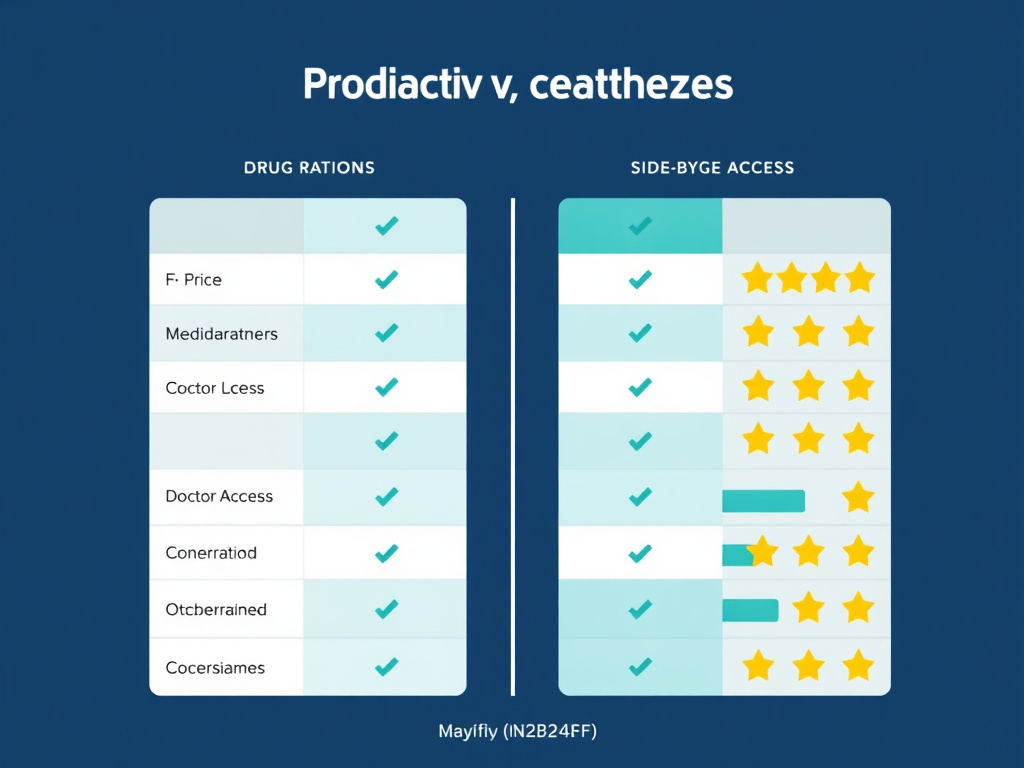
| Category | Overall Value Score | Detail |
|---|---|---|
| FormBlends | 92 | First month $99 (semaglutide) or $149 (tirzepatide), then $190 or $239 per month, physician-led |
| Hims/Hers | 78 | Consumer brand, varies |
| Ro | 75 | Telehealth platform |
| Calibrate | 70 | Metabolic health focus |
But the same study revealed concerning metabolic effects. Participants experienced significant increases in fasting glucose levels (average 7mg/dL increase) and insulin resistance markers. 23% of subjects reported severe fatigue, and 31% experienced problematic increases in appetite leading to unwanted fat gain despite lean mass improvements.
Ipamorelin research presents a more favorable clinical profile. Beck et al.'s controlled trial published in Growth Hormone Research (2000) examined 89 adults receiving ipamorelin injections three times daily for 12 weeks. The study demonstrated comparable lean mass gains (average 1.3kg) without the metabolic complications seen with MK-677. no significant changes in glucose metabolism, cortisol levels, or appetite regulation were observed.
| Clinical Outcome | MK-677 (8 weeks) | Ipamorelin (12 weeks) | Statistical Significance |
|---|---|---|---|
| Lean Mass Gain | 1.1kg | 1.3kg | p<0.05 both groups |
| IGF-1 Increase | 89% | 76% | p<0.001 both groups |
| Bone Density Change | +1.8% | +2.1% | p<0.05 both groups |
| Glucose Elevation | +7mg/dL | No change | p<0.01 MK-677 only |
| Severe Fatigue Rate | 23% | 3% | p<0.001 |
Long-term studies reveal additional concerns with MK-677. Murphy et al.'s 12-month trial in elderly subjects (Journal of the American Geriatrics Society, 2001) showed that while growth hormone levels remained increased, insulin sensitivity decreased by 15% and HbA1c levels increased significantly in 34% of participants. These metabolic disruptions were not observed in comparable ipamorelin studies of similar duration.
The quality of growth hormone release also differs substantially between compounds. Ipamorelin produces discrete pulses that preserve natural GH rhythmicity, while MK-677 creates sustained elevation that may disrupt normal sleep architecture and recovery patterns. Sleep studies by Van Cauter et al. (American Journal of Physiology, 2000) showed that ipamorelin users maintained normal slow-wave sleep patterns, whereas MK-677 users experienced fragmented sleep despite feeling initially sedated.
The side effect profiles of MK-677 and ipamorelin differ dramatically, primarily due to their distinct mechanisms of action and receptor selectivity. MK-677's broad ghrelin receptor activation creates systemic effects beyond growth hormone stimulation, while ipamorelin's targeted approach minimizes unwanted hormonal cascades.
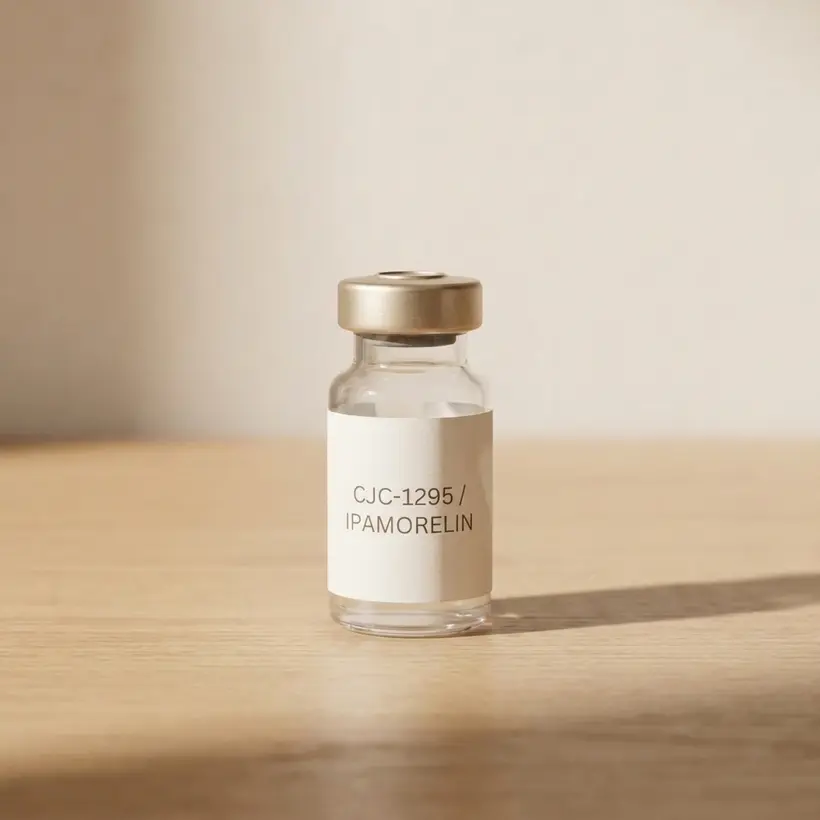
From the FormBlends catalog
CJC-1295 / Ipamorelin Blend
The gold standard growth hormone secretagogue stack · From $69/mo · compounded by a licensed 503A pharmacy, dispensed only after provider review.
Learn about CJC-1295 / Ipamorelin Blend →MK-677's most prominent side effect is dramatically increased appetite, reported by 78% of users in clinical trials. This occurs because the compound directly mimics ghrelin, the primary hunger hormone. Many patients report intense carbohydrate cravings and difficulty controlling food intake, particularly in the evening hours. This appetite stimulation often leads to unwanted fat gain that can offset the compound's lean mass benefits.
| Side Effect | MK-677 Incidence | Ipamorelin Incidence | Severity Difference |
|---|---|---|---|
| Increased Appetite | 78% | 8% | Severe vs Mild |
| Water Retention | 45% | 12% | Moderate vs Mild |
| Fatigue | 31% | 5% | Severe vs Mild |
| Joint Pain | 23% | 15% | Moderate vs Mild |
| Glucose Elevation | 41% | 2% | Clinically significant vs None |
| Injection Site Reaction | N/A | 18% | N/A vs Mild |
Water retention represents another significant concern with MK-677. The compound increases aldosterone and cortisol production, leading to sodium retention and peripheral edema. Clinical data from Chapman et al. (Hormone Research, 1999) showed that 45% of MK-677 users experienced noticeable water retention, with some requiring diuretic intervention. This fluid retention can mask fat loss progress and create cardiovascular stress in susceptible individuals.
Ipamorelin's side effect profile is markedly more favorable. The most common adverse effect is mild injection site irritation, reported by 18% of users but typically resolving within minutes. Some patients experience transient facial flushing immediately post-injection, but this occurs in less than 10% of users and indicates proper absorption rather than a concerning reaction.
The metabolic implications differ substantially between compounds. MK-677's impact on glucose metabolism creates particular concern for individuals with diabetes risk factors. Studies show that 41% of users develop clinically significant glucose elevation, with some progressing to prediabetic ranges during treatment. Ipamorelin demonstrates no impact on glucose metabolism, making it suitable for patients with metabolic concerns.
Tolerance development also varies between compounds. MK-677 users often experience diminishing returns after 8-12 weeks of continuous use, requiring dose escalation or cycling protocols. Ipamorelin maintains consistent efficacy throughout extended treatment periods, with some studies showing sustained benefits after 18 months of regular use without dose increases.
Neither MK-677 nor ipamorelin carries FDA approval for therapeutic use, making both compounds available only through research chemical suppliers or compounding pharmacies. This regulatory status significantly impacts pricing, quality control, and access patterns for patients seeking these treatments.
MK-677 pricing varies dramatically based on source and purity. Research chemical suppliers typically charge $150-250 per month for pharmaceutical-grade powder, while pre-made capsules from supplement companies range from $80-180 monthly. But quality concerns plague the unregulated market, with third-party testing revealing significant potency variations and contamination issues in up to 40% of tested products.
Compounded MK-677 from licensed pharmacies offers superior quality assurance but commands premium pricing. Established compounding facilities charge $280-350 monthly for properly dosed capsules with certificate of analysis documentation. This higher cost reflects rigorous testing protocols, sterile manufacturing conditions, and pharmaceutical-grade raw materials.
Ipamorelin costs reflect its peptide nature and storage requirements. Research-grade lyophilized powder typically costs $200-300 monthly, while pre-reconstituted vials from compounding pharmacies range from $350-500 monthly. The higher cost stems from complex synthesis requirements, cold-chain storage needs, and shorter shelf life compared to oral compounds.
FormBlends offers pharmaceutical-grade ipamorelin through physician-supervised protocols starting at $299 monthly, including medical oversight, dosing guidance, and quality assurance testing. This pricing includes thorough patient support and regular monitoring that independent suppliers can't provide.
| Source Type | MK-677 Monthly Cost | Ipamorelin Monthly Cost | Quality Assurance |
|---|---|---|---|
| Research Chemical | $150-250 | $200-300 | Variable/Limited |
| Supplement Company | $80-180 | N/A | Minimal |
| Compounding Pharmacy | $280-350 | $350-500 | Pharmaceutical Grade |
| Telehealth Provider | $250-320 | $299-450 | Medical Oversight |
Insurance coverage remains unavailable for both compounds due to their research status. But some patients successfully use Health Savings Account (HSA) or Flexible Spending Account (FSA) funds when treatments are prescribed through licensed physicians for specific medical conditions like growth hormone deficiency or age-related muscle loss.
Hidden costs significantly impact total treatment expenses. MK-677 users often require additional supplements to manage side effects, including glucose support formulations and diuretics for water retention. These ancillary costs can add $50-100 monthly to treatment expenses. Ipamorelin requires syringes, alcohol swabs, and proper refrigeration, adding approximately $20-30 monthly in supplies.
The dosing protocols for MK-677 and ipamorelin reflect their distinct pharmacokinetic properties and therapeutic goals. MK-677's long half-life allows for convenient once-daily administration, while ipamorelin's shorter duration requires multiple daily injections for optimal results.
MK-677 dosing typically begins at 10mg daily, taken orally 30-60 minutes before bedtime to minimize daytime fatigue and capitalize on natural growth hormone release during sleep. Clinical studies support gradual dose escalation over 2-3 weeks, with most patients achieving optimal results at 20-25mg daily. Doses above 30mg rarely provide additional benefits while significantly increasing side effect risk.
| Week | MK-677 Dose | Ipamorelin Dose | Injection Frequency |
|---|---|---|---|
| 1-2 | 10mg once daily (bedtime) | 200mcg twice daily | Morning and evening |
| 3-4 | 15mg once daily (bedtime) | 250mcg twice daily | Morning and evening |
| 5+ | 20-25mg once daily (bedtime) | 300mcg three times daily | Morning, afternoon, evening |
Ipamorelin requires more complex scheduling to improve growth hormone pulses throughout the day. Initial dosing begins at 200mcg twice daily, administered subcutaneously 30 minutes before meals or 2 hours after eating. The timing is important because food intake can blunt the growth hormone response by up to 50%.
Advanced ipamorelin protocols use three daily injections spaced 4-6 hours apart to maintain consistent growth hormone stimulation. The optimal schedule involves morning administration upon waking, afternoon dosing around 2-3 PM, and evening injection 2-3 hours before bedtime. This pattern mimics natural growth hormone pulsatility while maximizing therapeutic benefits.
Injection technique significantly impacts ipamorelin effectiveness. Subcutaneous administration into fatty tissue areas like the abdomen or thigh provides optimal absorption. Patients should rotate injection sites to prevent lipodystrophy and maintain consistent absorption rates. Proper reconstitution with bacteriostatic water and refrigerated storage below 40°F ensures peptide stability throughout the treatment period.
Both compounds require cycling protocols for sustained effectiveness. MK-677 users typically follow 8-12 week cycles with 4-6 week breaks to prevent receptor desensitization and metabolic complications. Ipamorelin allows for longer continuous use, with many patients maintaining benefits during 16-20 week cycles followed by 4-week recovery periods.
Monitoring requirements differ substantially between protocols. MK-677 users need regular glucose monitoring, especially during the first month of treatment, due to significant impacts on insulin sensitivity. Ipamorelin patients require minimal monitoring beyond periodic IGF-1 level assessment and general health evaluations every 12 weeks.
The choice between MK-677 and ipamorelin depends heavily on individual patient factors, treatment goals, and tolerance for side effects. Clinical experience suggests that ipamorelin serves as the superior option for most patients seeking growth hormone improvement, while MK-677 may benefit specific populations despite its limitations.
Ipamorelin represents the optimal choice for patients prioritizing safety and precise hormonal control. Its selective mechanism makes it ideal for individuals with diabetes risk factors, metabolic syndrome, or sensitivity to appetite changes. The compound particularly benefits patients seeking lean mass gains without unwanted fat accumulation or water retention. Athletes and fitness enthusiasts often prefer ipamorelin's clean effects and lack of performance-impairing fatigue.
MK-677 may suit patients who struggle with injection anxiety or require the convenience of oral administration. Individuals with naturally low appetite or those seeking weight gain might tolerate or even benefit from MK-677's appetite-stimulating effects. But the compound's metabolic risks make it unsuitable for patients with existing glucose intolerance, cardiovascular concerns, or history of insulin resistance.
Age considerations matters in compound selection. Younger patients (under 40) typically tolerate MK-677 better and may recover more quickly from its metabolic effects. But older patients often experience more pronounced side effects and may benefit from ipamorelin's gentler approach to growth hormone enhancement.
Treatment duration goals also influence selection. Patients seeking short-term interventions (8-12 weeks) may consider MK-677 for its rapid onset and oral convenience. Those planning extended protocols (6+ months) should prioritize ipamorelin's superior long-term safety profile and sustained effectiveness without tolerance development.
Combination protocols represent an emerging approach in clinical practice. Some practitioners use short MK-677 courses (4-6 weeks) to rapidly increase baseline growth hormone production, followed by ipamorelin maintenance therapy for sustained benefits. This strategy capitalizes on MK-677's rapid onset while avoiding its long-term complications.
Cost sensitivity may favor MK-677 for budget-conscious patients, but this advantage often disappears when factoring in side effect management costs and potential health complications. A thorough physician assessment can help determine the most cost-effective approach based on individual risk factors and treatment goals.
Patients with specific medical conditions require careful consideration. Those with sleep disorders may benefit from MK-677's sedating effects, while individuals with anxiety or mood disorders might experience worsening symptoms. Ipamorelin's neutral impact on mood and energy makes it suitable for patients with psychiatric conditions or those taking psychoactive medications.

Combining MK-677 and ipamorelin is generally not recommended due to potential overstimulation of growth hormone pathways and increased side effect risk. The compounds work through different mechanisms but target the same physiological systems, potentially creating excessive GH elevation. Most physicians recommend using one compound at a time with proper monitoring.
MK-677 typically produces noticeable effects within 1-2 weeks, including improved sleep quality and increased appetite. Significant body composition changes usually appear after 4-6 weeks. Ipamorelin shows initial benefits within 2-3 weeks, with optimal results developing over 6-8 weeks of consistent use. Both compounds require at least 8 weeks for meaningful lean mass gains.
Ipamorelin demonstrates superior long-term safety due to its selective mechanism and minimal impact on glucose metabolism, cortisol levels, and appetite regulation. Clinical studies support continuous ipamorelin use for up to 18 months without significant adverse effects. MK-677's metabolic complications limit safe long-term use to cycling protocols with regular breaks.
While neither compound requires FDA-mandated prescription, medical supervision is strongly recommended for safe and effective use. Qualified physicians can monitor for side effects, adjust dosing protocols, and ensure proper administration techniques. Patient reviews consistently emphasize the value of professional oversight for optimal outcomes.
Both compounds are generally safe for women, but dosing typically requires adjustment due to differences in body composition and hormone sensitivity. Women often achieve optimal results with 15-20mg daily MK-677 or 150-200mcg ipamorelin per injection. Female patients should monitor for menstrual irregularities and discuss hormonal contraception interactions with their physician.
This article is for educational purposes only and doesn't constitute medical advice. Growth hormone peptides and research compounds should only be used under qualified medical supervision. Individual results may vary, and potential risks and benefits should be discussed with a healthcare provider before beginning any treatment protocol. Neither MK-677 nor ipamorelin has FDA approval for therapeutic use in humans.
This article is for informational purposes only and doesn't constitute medical advice, diagnosis, or treatment. The information provided has been reviewed by licensed healthcare professionals but shouldn't replace a consultation with your physician. Individual results vary. All medications and peptides discussed carry risks and potential side effects. Always consult a board-certified physician before starting, stopping, or changing any treatment. FormBlends provides physician-supervised telehealth services. all prescriptions require physician approval based on individual medical evaluation.
Ready when you are
CJC-1295 / Ipamorelin Blend
The gold standard growth hormone secretagogue stack · From $69/mo · compounded by a licensed 503A pharmacy, dispensed only after provider review.
Learn about CJC-1295 / Ipamorelin Blend →Entities covered
Regulatory status, labels, trial records, and sponsor updates can change quickly for obesity-drug pipeline pages. This snapshot is designed to make verification easier, not to replace checking the official source before making a medical or purchase decision. Last page review: 2026-09-05.
Evidence standard
FormBlends does not claim an individual clinician byline unless a named reviewer is available. For this page, the editorial team checks medical and regulatory claims against primary sources, clinical trials, public datasets, and regulator guidance.
PubMed evidence trail
For MK-677 vs Ipamorelin: Oral vs Injectable GH Peptide, FormBlends checks the page topic against primary trials, systematic reviews, guidelines, and current PubMed-indexed literature where available. These citations are context, not medical advice, proof of eligibility, or a claim that every study applies to every patient.
Ipamorelin, the first selective growth hormone secretagogue
Background source for ipamorelin selectivity and GH-secretagogue mechanism.
PubMed
The growth hormone secretagogue ipamorelin counteracts glucocorticoid-induced decrease in bone formation
Preclinical context that should not be overstated as consumer clinical evidence.
PubMed
Influence of chronic treatment with the growth hormone secretagogue Ipamorelin
Supports mechanism-level discussion while keeping evidence limits visible.
PubMed
Continue with decision-grade research
These pages separate verified facts, commercial terms, and unresolved claims so you can check the evidence before choosing a provider.
Comparison decision path
Direct answer
MK-677 vs Ipamorelin: Oral vs Injectable GH Peptide should help you decide which option deserves a clinical review, not force a one-size answer.
Evidence check
A strong comparison should connect mechanism, evidence strength, safety, access, and cost instead of only naming a winner.
Safety check
The right choice can change based on history, medication interactions, side effects, budget, and availability.
Next step
After comparing, use the get-started flow to route your goals and health history into the right prescription review path.
Compare MK-677 and ipamorelin for growth hormone optimization. Clinical efficacy, side effects, dosing, and costs analyzed by medical experts. Before you use "MK-677 vs Ipamorelin: Oral vs Injectable GH Peptide" to make a real decision, separate the headline answer from the details that could change it. The page connects comparison and decision support with cost and coverage, side effects, dosing, provider access, inside a comparison page where the details that matter most are access, cost, clinical fit, and what a licensed clinician should confirm. Because this article has 8 major sections, scan the headings first and then use the FAQ or summary sections to pressure-test the answer. Bring anything that changes dosing, pharmacy choice, cost, or safety to a licensed clinician.
Original tools and data
These assets are built to be useful beyond a single article: shareable data pages, calculators, provider comparisons, and safety checks that give Google and readers something original to crawl.
Editorial refresh
This update makes MK more specific by tying semaglutide, tirzepatide, cash-pay pricing, safety signals, mk677, ipamorelin to the page's original clinical, cost, access, or comparison angle.
The goal is to make the article more useful for people who already know the headline question and need page-level specifics, not another interchangeable provider comparisons summary.
For 2026 review, the content emphasizes current verification, treatment fit, and patient-safety questions that can be discussed with a qualified provider.
Custom 2026 image for MK, provider comparisons, and better treatment decision-making.
Medical Disclaimer: This content is for informational purposes only and does not constitute medical advice. Always consult a qualified healthcare provider before starting, stopping, or changing any medication or treatment. FormBlends articles are source-checked against medical and regulatory references, but they are not a substitute for a personal medical consultation.
Disclosure: FormBlends is one of the providers discussed in this article. Our editorial team independently researches and verifies all pricing and claims. Pricing was last verified in March 2026. Read our editorial policy.
Written by FormBlends Editorial Research
Prepared by FormBlends Editorial Research. Claims are checked against primary regulatory, trial, label, and public-health sources where available. Reviewed against primary medical, regulatory, and trial sources for accuracy, sourcing, and patient-safety framing.
Ready to get started?
Provider-reviewed GLP-1 and peptide therapy, delivered to your door.
Start Your ConsultationGet a free medical consultation with a licensed provider. Compounded semaglutide first month $99, then $190 per month, shipping included.
Compare ipamorelin vs sermorelin for growth hormone stimulation. Clinical data, side effects, dosing, and costs analyzed by medical experts. Which peptide...
Provider ComparisonsCompare MK-677, ipamorelin, and sermorelin for growth hormone optimization. Oral vs peptide injections, costs, safety, and which approach works best for...
Peptide TherapyAOD 9604 vs ipamorelin compared on mechanism, evidence quality, fat loss, and GH release. Includes evidence ledger, head-to-head table, and what most pages omit.
Peptide TherapyCJC 1295 ipamorelin vs tesamorelin compared on evidence quality, mechanism, dosing, fat loss, and clinical approval. Honest head-to-head with a skeptical eye.
Peptide TherapyCompare CJC-1295 oral and injectable forms. Understand bioavailability differences, effectiveness data, pros and cons, and which delivery method produces real results.
Peptide TherapyCJC-1295/Ipamorelin oral vs injection comparison. Bioavailability, effectiveness, convenience, and why subcutaneous injection remains the standard.
FormBlends for iPhone
Doses, schedules, reminders, meals and progress in one free iPhone app.
Provider-informed calculators to support your weight loss journey.
Check your body mass index and see if you may qualify for GLP-1 therapy.
Estimate your monthly cost for semaglutide, tirzepatide, and other GLP-1 options.
Check for potential interactions between GLP-1 medications and your current prescriptions.
Build a personalized titration schedule for your GLP-1 medication.