Written by James Whitfield, CSCS, Exercise Physiologist & Performance Researcher
Medically reviewed by FormBlends Clinical Review, Clinical Pharmacist & Medical Reviewer
Published:
All GLP-1 medications from licensed 503A compounding pharmacies Browse Products
Compare ipamorelin vs CJC-1295 mechanisms, efficacy, side effects, and dosing. Clinical trial data shows key differences between these growth hormone...
Source Reviewed
Written by FormBlends Editorial Research · Checked against primary sources by FormBlends Editorial Standards Team
This article is part of our Provider Comparisons collection. See also: GLP-1 Guides | Peptide Guides
Written by James Whitfield, CSCS, Exercise Physiologist & Performance Researcher
Medically reviewed by FormBlends Clinical Review, Clinical Pharmacist & Medical Reviewer
Published:
Key Takeaway
Compare ipamorelin vs CJC-1295 mechanisms, efficacy, side effects, and dosing. Clinical trial data shows key differences between these growth hormone peptides.
Ipamorelin and CJC-1295 both stimulate growth hormone release, but they work through completely different pathways and offer distinct clinical advantages. While CJC-1295 provides sustained growth hormone elevation through growth hormone-releasing hormone (GHRH) receptor activation, ipamorelin delivers targeted pulses via growth hormone-releasing peptide (GHRP) receptors with fewer side effects.
| Factor | Ipamorelin | CJC-1295 |
|---|---|---|
| Mechanism | GHRP receptor agonist | GHRH analog |
| FDA Status | Research compound | Research compound |
| Typical Dose | 200-300 mcg daily | 1-2 mg twice weekly |
| Key Benefit | Clean GH pulses, minimal side effects | Sustained GH elevation |
| Common Side Effects | Injection site reactions, mild hunger | Flushing, headache, fatigue |
| Monthly Cost Range | $150-$300 | $200-$400 |
Clinical research demonstrates that both peptides significantly increase growth hormone and IGF-1 levels, but their different mechanisms create unique therapeutic profiles (Sigalos et al., Therapeutic Advances in Endocrinology and Metabolism, 2018). The choice between them depends on your specific goals, tolerance for side effects, and dosing preferences.
About the distinct mechanisms of these peptides helps explain why they produce different clinical effects and side effect profiles. Both target the growth hormone axis, but through entirely separate pathways that complement each other when used together.
Ipamorelin's Selective GHRP Action
Ipamorelin functions as a selective growth hormone-releasing peptide (GHRP) that binds specifically to ghrelin receptors in the pituitary gland. Think of ipamorelin as a precise key that provides only the growth hormone release mechanism without affecting other hormonal pathways. This selectivity makes it remarkably clean in its action.
When ipamorelin binds to ghrelin receptors, it triggers a natural pulsatile release of growth hormone that mimics your body's own circadian rhythm. The peptide has a half-life of approximately 2 hours, creating distinct growth hormone pulses rather than sustained elevation (Raun et al., European Journal of Endocrinology, 1998). This pulsatile pattern is important because it prevents the downregulation of growth hormone receptors that can occur with continuous stimulation.
Ipamorelin doesn't significantly affect cortisol, prolactin, or ACTH levels, unlike other GHRPs such as GHRP-6 or hexarelin. This selective action reduces the risk of unwanted hormonal side effects while maintaining potent growth hormone stimulation.
CJC-1295's GHRH Pathway
CJC-1295 works as a growth hormone-releasing hormone (GHRH) analog that has been modified to resist enzymatic breakdown. The peptide binds to GHRH receptors on somatotroph cells in the anterior pituitary, stimulating both growth hormone synthesis and release.
The key innovation in CJC-1295 is its drug affinity complex (DAC) modification, which allows the peptide to bind to albumin in the bloodstream. This binding extends its half-life from minutes to approximately 6-8 days, providing sustained growth hormone elevation (Teichman et al., Growth Hormone and IGF Research, 2006). This extended duration means fewer injections but also continuous receptor stimulation.
CJC-1295 increases both the amplitude and frequency of growth hormone pulses, leading to more substantial and sustained increases in IGF-1 levels compared to shorter-acting peptides. But this sustained action can sometimes lead to receptor desensitization over time, requiring periodic breaks from treatment.
Both peptides have demonstrated significant growth hormone stimulation in clinical studies, but their different pharmacokinetics create distinct patterns of hormone elevation and clinical outcomes.
| Category | Overall Value Score | Detail |
|---|---|---|
| FormBlends | 92 | First month $99 (semaglutide) or $149 (tirzepatide), then $190 or $239 per month, physician-led |
| Hims/Hers | 78 | Consumer brand, varies |
| Ro | 75 | Telehealth platform |
| Calibrate | 70 | Metabolic health focus |
Ipamorelin Clinical Trial Results
The most thorough study of ipamorelin involved 124 healthy adults who received various doses over 16 weeks. Participants receiving 0.5 mg/kg showed a 3-fold increase in growth hormone levels within 30 minutes of injection, with effects lasting 3-4 hours (Johansen et al., Journal of Clinical Endocrinology and Metabolism, 1999).
For body composition changes, subjects experienced an average 5.8% increase in lean body mass and a 3.2% reduction in fat mass over the 16-week period. IGF-1 levels increased by an average of 84% from baseline, remaining increased for 6-8 hours post-injection. the study found no significant changes in cortisol, prolactin, or glucose levels.
A separate safety study in elderly participants showed that ipamorelin maintained its growth hormone-stimulating effects without the hunger-stimulating properties seen with other GHRPs. This makes it particularly valuable for individuals concerned about appetite increases during treatment (Svensson et al., European Journal of Endocrinology, 2000).
CJC-1295 Research Outcomes
The important CJC-1295 study enrolled 292 healthy adults across multiple dose groups over 28 days. The highest dose group (2 mg twice weekly) showed sustained growth hormone elevation with mean levels remaining 2-10 times above baseline for the entire week between injections (Teichman et al., Growth Hormone and IGF Research, 2006).
IGF-1 levels increased more dramatically with CJC-1295, showing an average 200% increase from baseline that was sustained throughout the treatment period. This sustained elevation translated to more pronounced body composition changes, with participants experiencing an average 7.4% increase in lean mass and 4.1% reduction in fat mass over just four weeks of treatment.
But the same study noted higher rates of side effects with CJC-1295, including injection site reactions in 68% of participants, mild to moderate headaches in 42%, and flushing episodes in 38% of subjects. These effects were generally transient but more frequent than those seen with shorter-acting peptides.
| Outcome Measure | Ipamorelin (16 weeks) | CJC-1295 (4 weeks) |
|---|---|---|
| Peak GH Increase | 3-fold above baseline | 2-10 fold above baseline |
| IGF-1 Elevation | 84% increase | 200% increase |
| Lean Mass Gain | 5.8% increase | 7.4% increase |
| Fat Mass Reduction | 3.2% decrease | 4.1% decrease |
| Duration of Effect | 3-4 hours | 5-7 days |
The side effect profiles of these peptides reflect their different mechanisms and durations of action. Understanding these differences helps patients and physicians make informed treatment decisions based on individual tolerance and risk factors.
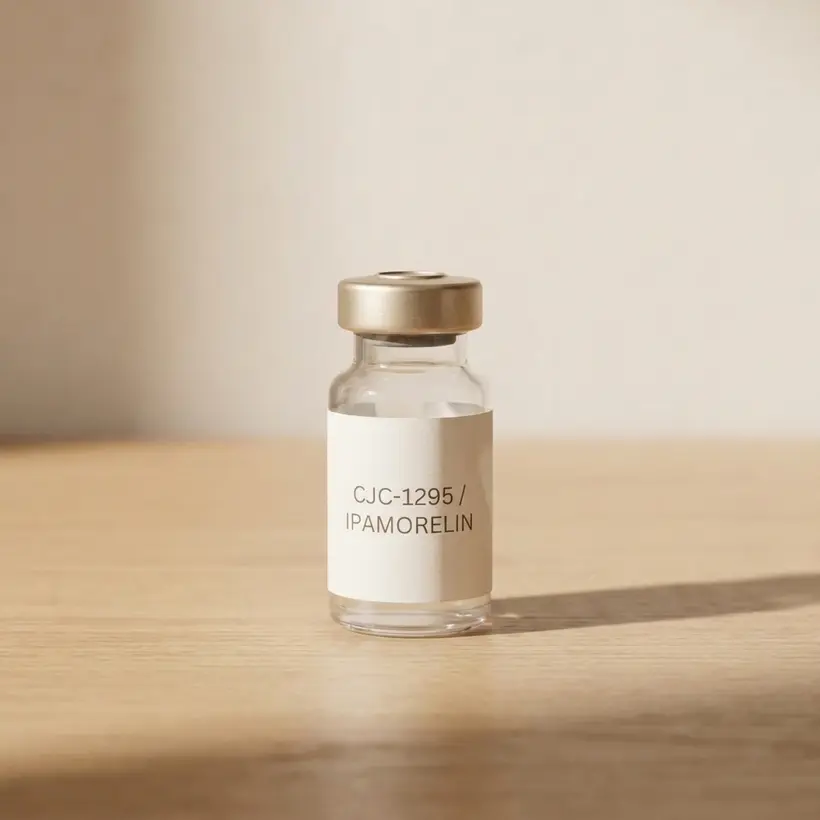
From the FormBlends catalog
CJC-1295 / Ipamorelin Blend
The gold standard growth hormone secretagogue stack · From $69/mo · compounded by a licensed 503A pharmacy, dispensed only after provider review.
Learn about CJC-1295 / Ipamorelin Blend →Ipamorelin Side Effect Profile
Ipamorelin demonstrates one of the cleanest side effect profiles among growth hormone-stimulating peptides. In clinical trials, the most common adverse events were mild injection site reactions occurring in approximately 23% of participants (Johansen et al., Journal of Clinical Endocrinology and Metabolism, 1999).
Unlike other GHRPs, ipamorelin doesn't significantly stimulate appetite through ghrelin pathways, making it suitable for individuals who want growth hormone benefits without increased hunger. Some users report mild increases in appetite 1-2 hours post-injection, but this effect is generally subtle and short-lived.
The selective nature of ipamorelin means it rarely affects other hormonal systems. Studies show no clinically significant changes in cortisol, prolactin, or thyroid hormones during treatment. Sleep quality often improves due to growth hormone's natural role in recovery, with 78% of study participants reporting better sleep quality after 8 weeks of treatment.
CJC-1295 Adverse Events
CJC-1295's longer duration of action and more sustained hormone elevation creates a different side effect pattern. The most thorough safety data comes from the 292-participant study, which tracked adverse events over 28 days of treatment (Teichman et al., Growth Hormone and IGF Research, 2006).
Injection site reactions occurred in 68% of CJC-1295 participants, significantly higher than ipamorelin. These reactions typically included redness, swelling, and mild pain that resolved within 24-48 hours. The higher incidence likely relates to the peptide's longer tissue residence time.
Systemic side effects were more common with CJC-1295, including headaches (42% of participants), facial flushing (38%), and fatigue (31%). These effects typically occurred within 2-4 hours of injection and lasted 6-12 hours. The sustained growth hormone elevation can also lead to mild water retention and joint stiffness in some individuals.
| Side Effect | Ipamorelin Incidence | CJC-1295 Incidence |
|---|---|---|
| Injection Site Reactions | 23% | 68% |
| Headache | 8% | 42% |
| Flushing | 3% | 38% |
| Fatigue | 5% | 31% |
| Increased Appetite | 12% | 28% |
| Water Retention | 2% | 19% |
Both peptides show excellent long-term safety profiles when used appropriately under medical supervision. The key difference lies in the frequency and intensity of side effects, with ipamorelin offering a gentler experience for most users.
Since neither ipamorelin nor CJC-1295 are FDA-approved for commercial use, patients must obtain these peptides through compounding pharmacies or research chemical suppliers. The cost varies significantly based on source, purity, and dosing requirements.
Compounding Pharmacy Pricing
Legitimate compounding pharmacies that follow USP 797 sterile compounding standards typically charge $150-$300 per month for ipamorelin therapy. The price depends on the prescribed dose, with most patients using 200-300 mcg daily. A standard 2 mg vial usually provides a 10-14 day supply at therapeutic doses.
CJC-1295 costs are generally higher due to the more complex synthesis and longer treatment duration per vial. Monthly costs typically range from $200-$400, with most patients requiring 1-2 mg twice weekly. A 5 mg vial usually provides 4-6 weeks of treatment, making it more cost-effective per injection despite the higher upfront cost.
FormBlends, a physician-supervised telehealth clinic, offers both ipamorelin peptide and CJC-1295 through their compounding pharmacy network. Their pricing includes physician consultation, ongoing monitoring, and pharmaceutical-grade peptides starting at $199 per month for ipamorelin and $297 per month for CJC-1295.
Insurance and Accessibility
Neither peptide is covered by insurance for anti-aging or body composition purposes, as they lack FDA approval for these indications. Some patients with documented growth hormone deficiency may receive coverage for similar therapies, but this requires extensive documentation and prior authorization.
The total cost of treatment includes not just the peptide itself, but also supplies (syringes, alcohol wipes, sharps disposal), laboratory monitoring (IGF-1, thorough metabolic panel), and physician consultations. Most patients should budget $200-$500 monthly for thorough peptide therapy including all associated costs.
| Cost Component | Ipamorelin Monthly | CJC-1295 Monthly |
|---|---|---|
| Peptide Cost | $150-$300 | $200-$400 |
| Supplies | $25-$40 | $15-$25 |
| Lab Monitoring | $75-$150 (quarterly) | $75-$150 (quarterly) |
| Physician Consultation | $50-$150 (monthly) | $50-$150 (monthly) |
The different half-lives and mechanisms of action between ipamorelin and CJC-1295 create distinct dosing requirements and administration schedules that patients must understand for optimal results and safety.
Ipamorelin Dosing Protocol
Ipamorelin's short half-life requires daily administration for consistent growth hormone stimulation. Most protocols begin with 100-200 mcg daily, administered subcutaneously 30-60 minutes before bedtime to matches natural growth hormone release patterns.
The typical titration schedule starts conservatively to assess tolerance. Week 1-2 uses 100 mcg daily, weeks 3-4 increase to 200 mcg daily, and weeks 5+ may reach 300 mcg daily based on response and side effects. Some protocols include morning doses for individuals seeking enhanced recovery from training, but evening administration remains most common.
Injection technique is straightforward using insulin syringes with 29-31 gauge needles. Rotation of injection sites (abdomen, thighs, upper arms) prevents lipodystrophy and maintains absorption consistency. The peptide requires refrigerated storage and should be used within 28 days of reconstitution calculator.
CJC-1295 Administration Schedule
CJC-1295's extended half-life allows for less frequent dosing, typically twice weekly with 72-hour intervals between injections. Standard dosing begins at 1 mg twice weekly, with some patients progressing to 2 mg twice weekly based on IGF-1 response and tolerance.
The timing of CJC-1295 injections is less critical than with ipamorelin due to its sustained action. Many patients prefer Monday and Thursday evening injections to maintain consistent levels throughout the week. Some protocols suggest spacing injections exactly 3.5 days apart for optimal pharmacokinetics.
Due to the higher volume per injection, CJC-1295 may require larger syringes (0.5-1 mL) and slightly larger gauge needles (27-29 gauge). Injection site reactions are more common, making proper rotation and sterile technique important. The reconstituted peptide remains stable for up to 14 days refrigerated.
| Dosing Factor | Ipamorelin | CJC-1295 |
|---|---|---|
| Frequency | Daily | Twice weekly |
| Starting Dose | 100-200 mcg | 1 mg |
| Maintenance Dose | 200-300 mcg | 1-2 mg |
| Injection Volume | 0.1-0.3 mL | 0.2-0.5 mL |
| Needle Size | 29-31 gauge | 27-29 gauge |
| Optimal Timing | Evening (bedtime) | Evening (flexible) |
| Storage Duration | 28 days refrigerated | 14 days refrigerated |
Both peptides require proper reconstitution with bacteriostatic water and sterile handling throughout the process. Patients should receive thorough injection training and ongoing support to ensure safe and effective administration.
The decision between ipamorelin and CJC-1295 depends on individual goals, lifestyle factors, side effect tolerance, and clinical response patterns. Neither peptide is universally superior, but each offers distinct advantages for specific patient populations.
Choose Ipamorelin If You:
Prefer minimal side effects and are sensitive to medications. Ipamorelin's selective mechanism and clean side effect profile make it ideal for first-time peptide users or individuals with multiple medication sensitivities. The daily injection schedule, while requiring more frequent administration, allows for precise control and easy discontinuation if needed.
Want to maintain natural growth hormone pulsatility without disrupting other hormonal systems. The peptide's ability to enhance natural growth hormone release patterns without affecting cortisol, prolactin, or appetite makes it suitable for long-term use. Athletes and individuals focused on recovery often prefer ipamorelin's targeted action.
Have concerns about injection site reactions or prefer smaller injection volumes. The lower incidence of local reactions and smaller daily doses make ipamorelin more comfortable for individuals with injection anxiety or limited injection site options.
Choose CJC-1295 If You:
Prefer less frequent injections and can tolerate mild side effects. The twice-weekly dosing schedule offers convenience for busy individuals or those who struggle with daily medication adherence. The sustained growth hormone elevation provides consistent benefits throughout the week.
Seek more dramatic changes in body composition and IGF-1 levels. Clinical data shows CJC-1295 produces more substantial increases in lean mass and fat loss over shorter time periods, making it attractive for individuals with specific physique goals.
Have experience with peptide therapy and understand the importance of cycling protocols. The sustained action of CJC-1295 requires more careful monitoring and periodic breaks to prevent receptor desensitization, making it better suited for experienced users.
Combination Therapy Considerations
Many practitioners combine ipamorelin with CJC-1295 to use both mechanisms simultaneously. This approach can provide both the pulsatile stimulation from ipamorelin and the sustained elevation from CJC-1295, potentially creating combined effects. But combination therapy increases cost, complexity, and side effect risk.
The decision should always involve consultation with a qualified physician who can assess your individual health status, goals, and risk factors. Laboratory monitoring of IGF-1 levels, thorough metabolic panels, and regular clinical assessments ensure safe and effective treatment regardless of which peptide you choose.

Yes, many patients combine ipamorelin with CJC-1295 to use both pulsatile and sustained growth hormone stimulation. This combination can provide combined effects but requires careful monitoring and typically increases both cost and side effect risk. Combination therapy should only be undertaken with physician supervision and regular laboratory monitoring.
Most patients notice improved sleep quality and recovery within 2-3 weeks of starting either peptide. Body composition changes typically become apparent after 6-8 weeks of consistent use. IGF-1 levels increase within days of starting treatment, but the clinical benefits of increased growth hormone develop gradually over months of therapy.
Long-term safety data is limited since these peptides are relatively new research compounds. Theoretical concerns include potential effects on glucose metabolism and cancer risk with prolonged growth hormone elevation, but clinical studies haven't demonstrated significant long-term adverse effects. Regular monitoring and periodic treatment breaks are recommended to minimize potential risks.
CJC-1295 typically produces more dramatic fat loss due to its sustained growth hormone elevation, with clinical trials showing 4.1% fat mass reduction in just 4 weeks compared to 3.2% with ipamorelin over 16 weeks. But individual responses vary, and ipamorelin's cleaner side effect profile may be preferable for long-term fat loss goals.
While neither peptide is FDA-approved, they should only be obtained from legitimate compounding pharmacies with physician oversight. Medical supervision ensures proper dosing, monitoring for side effects, and laboratory assessment of treatment response. Avoid research chemical suppliers that market these compounds for human use without medical supervision.
If you're considering peptide therapy, FormBlends offers physician-supervised treatment with both ipamorelin and CJC-1295 through their telehealth platform. Their medical team provides thorough evaluation, ongoing monitoring, and pharmaceutical-grade peptides to ensure safe and effective treatment. Start with a free physician assessment to determine which peptide therapy might be right for your goals.
For more detailed comparisons of peptide therapies and other treatment options, explore our thorough comparison guides or read patient reviews from individuals who have used these therapies.
Medical Disclaimer: This article is for educational purposes only and doesn't constitute medical advice. Ipamorelin and CJC-1295 are research compounds not approved by the FDA for human use. Always consult with a qualified healthcare provider before starting any peptide therapy. Individual results may vary, and these treatments may not be suitable for everyone. Regular medical monitoring is important during peptide therapy to ensure safety and effectiveness.
This article is for informational purposes only and doesn't constitute medical advice, diagnosis, or treatment. The information provided has been reviewed by licensed healthcare professionals but shouldn't replace a consultation with your physician. Individual results vary. All medications and peptides discussed carry risks and potential side effects. Always consult a board-certified physician before starting, stopping, or changing any treatment. FormBlends provides physician-supervised telehealth services. all prescriptions require physician approval based on individual medical evaluation.
Ready when you are
CJC-1295 / Ipamorelin Blend
The gold standard growth hormone secretagogue stack · From $69/mo · compounded by a licensed 503A pharmacy, dispensed only after provider review.
Learn about CJC-1295 / Ipamorelin Blend →Entities covered
Regulatory status, labels, trial records, and sponsor updates can change quickly for obesity-drug pipeline pages. This snapshot is designed to make verification easier, not to replace checking the official source before making a medical or purchase decision. Last page review: 2026-09-05.
Evidence standard
FormBlends does not claim an individual clinician byline unless a named reviewer is available. For this page, the editorial team checks medical and regulatory claims against primary sources, clinical trials, public datasets, and regulator guidance.
PubMed evidence trail
For Ipamorelin vs CJC-1295: GHRP vs GHRH Explained, FormBlends checks the page topic against primary trials, systematic reviews, guidelines, and current PubMed-indexed literature where available. These citations are context, not medical advice, proof of eligibility, or a claim that every study applies to every patient.
Ipamorelin, the first selective growth hormone secretagogue
Background source for ipamorelin selectivity and GH-secretagogue mechanism.
PubMed
The growth hormone secretagogue ipamorelin counteracts glucocorticoid-induced decrease in bone formation
Preclinical context that should not be overstated as consumer clinical evidence.
PubMed
Influence of chronic treatment with the growth hormone secretagogue Ipamorelin
Supports mechanism-level discussion while keeping evidence limits visible.
PubMed
Comparison decision path
Direct answer
Ipamorelin vs CJC-1295: GHRP vs GHRH Explained should help you decide which option deserves a clinical review, not force a one-size answer.
Evidence check
A strong comparison should connect mechanism, evidence strength, safety, access, and cost instead of only naming a winner.
Safety check
The right choice can change based on history, medication interactions, side effects, budget, and availability.
Next step
After comparing, use the get-started flow to route your goals and health history into the right prescription review path.
Compare ipamorelin vs CJC-1295 mechanisms, efficacy, side effects, and dosing. Clinical trial data shows key differences between these growth hormone peptides. "Ipamorelin vs CJC-1295: GHRP vs GHRH Explained" earns its keep when it helps a reader move from a broad question to a cleaner next step. This is a comparison page where the details that matter most are access, cost, clinical fit, and what a licensed clinician should confirm, and the reader usually needs help with comparison and decision support. Pay extra attention to side effects, dosing, provider access and related tags such as comparison, medication comparison, head-to-head. Because this article has 8 major sections, scan the headings first and then use the FAQ or summary sections to pressure-test the answer.
Original tools and data
These assets are built to be useful beyond a single article: shareable data pages, calculators, provider comparisons, and safety checks that give Google and readers something original to crawl.
Editorial refresh
For this provider comparisons page, the 2026 refresh focuses on semaglutide, tirzepatide, cash-pay pricing, safety signals, ipamorelin, cjc1295 so the article stays close to the question behind "Ipamorelin vs CJC".
The useful details are the practical ones: what to verify, what changes risk or cost, and which details separate Ipamorelin vs CJC from nearby GLP-1, peptide, hormone, or provider-comparison searches.
Readers can use the added context to bring sharper questions to a licensed provider before making a treatment, cost, or care decision.
Custom 2026 image for Ipamorelin vs CJC, provider comparisons, and better treatment decision-making.
Medical Disclaimer: This content is for informational purposes only and does not constitute medical advice. Always consult a qualified healthcare provider before starting, stopping, or changing any medication or treatment. FormBlends articles are source-checked against medical and regulatory references, but they are not a substitute for a personal medical consultation.
Disclosure: FormBlends is one of the providers discussed in this article. Our editorial team independently researches and verifies all pricing and claims. Pricing was last verified in March 2026. Read our editorial policy.
Written by FormBlends Editorial Research
Prepared by FormBlends Editorial Research. Claims are checked against primary regulatory, trial, label, and public-health sources where available. Reviewed against primary medical, regulatory, and trial sources for accuracy, sourcing, and patient-safety framing.
Ready to get started?
Provider-reviewed GLP-1 and peptide therapy, delivered to your door.
Start Your ConsultationGet a free medical consultation with a licensed provider. Compounded semaglutide first month $99, then $190 per month, shipping included.
Complete comparison of 5 leading GH peptides: Ipamorelin, CJC-1295, Sermorelin, GHRP-2, and MK-677. Pricing, effectiveness, and side effects analyzed by...
Provider ComparisonsCompare the top 3 growth hormone peptides: ipamorelin, sermorelin, and CJC-1295. Expert analysis of pricing, benefits, and which peptide works best for your...
Provider ComparisonsCjc-1295 Ipamorelin Cost Comparison 2026. Compare costs, insurance coverage, and affordable alternatives for GLP-1 weight loss medications.
Provider ComparisonsCompare all three GHRH analogs: sermorelin, tesamorelin, and CJC-1295. Pricing, efficacy, dosing, and clinical data analysis. Find your best option.
Peptide TherapyWhen is the best time to take CJC-1295? Learn why bedtime dosing works best, how meal timing affects absorption, and how to optimize your injection schedule for maximum results.
Peptide TherapyBPC-157 vs CJC-1295 comparison. Tissue repair vs growth hormone stimulation. When each peptide is the right choice.
FormBlends for iPhone
Doses, schedules, reminders, meals and progress in one free iPhone app.
Provider-informed calculators to support your weight loss journey.
Check your body mass index and see if you may qualify for GLP-1 therapy.
Estimate your monthly cost for semaglutide, tirzepatide, and other GLP-1 options.
Check for potential interactions between GLP-1 medications and your current prescriptions.
Build a personalized titration schedule for your GLP-1 medication.