Published:
Key Takeaway
Compare hexarelin vs ipamorelin for growth hormone release. Clinical data on potency, side effects, dosing, and costs. Expert analysis of which GHRP is...
Hexarelin delivers more potent growth hormone stimulation but comes with higher cortisol elevation, while ipamorelin offers selective GH release with minimal side effects. For most patients seeking growth hormone benefits, ipamorelin's superior safety profile makes it the preferred choice despite hexarelin's greater potency.
Both peptides belong to the growth hormone-releasing peptide (GHRP) family, but they target different aspects of the growth hormone axis. Clinical research shows hexarelin can increase growth hormone levels by 6-10 fold within 30 minutes, compared to ipamorelin's 2-3 fold increase (Bowers et al., Endocrinology, 1991). But this potency difference comes with trade-offs that affect long-term tolerability and clinical outcomes.
| Factor | Hexarelin | Ipamorelin |
|---|---|---|
| Mechanism | Non-selective GHRP-6 receptor agonist | Selective ghrelin receptor agonist |
| FDA Status | Research compound | Research compound |
| Typical Dose | 100-200 mcg daily | 200-300 mcg daily |
| Key Benefit | Maximum GH stimulation | Clean GH release, minimal sides |
| Common Side Effects | Cortisol elevation, prolactin increase | Mild hunger, occasional headache |
| Monthly Cost Range | $180-$300 | $150-$250 |
How Hexarelin Works vs How Ipamorelin Works
About the mechanistic differences between hexarelin and ipamorelin requires examining how each peptide interacts with the growth hormone-releasing hormone (GHRH) system. Think of the pituitary gland as a sophisticated control center with multiple buttons and dials. Hexarelin presses several buttons at once, while ipamorelin precisely adjusts just one dial.
Hexarelin functions as a synthetic hexapeptide that binds to multiple receptor sites including the growth hormone secretagogue receptor (GHS-R1a), CD36 receptors, and potentially other unidentified binding sites (Muccioli et al., European Journal of Endocrinology, 2002). This broad receptor activation explains its potent effects but also its less predictable side effect profile. The peptide has a molecular weight of 887 daltons and demonstrates high bioavailability when administered subcutaneously, with peak plasma concentrations occurring within 15-30 minutes.
The peptide's half-life ranges from 70-80 minutes in healthy adults, allowing for sustained growth hormone release that can persist for 2-4 hours post-injection (Ghigo et al., Journal of Clinical Endocrinology and Metabolism, 1994). Hexarelin's mechanism involves direct stimulation of somatotroph cells in the anterior pituitary, bypassing many of the natural regulatory mechanisms that normally modulate growth hormone release.
Ipamorelin operates through a more selective pathway, functioning as a pentapeptide that specifically targets the ghrelin receptor (GHS-R1a) without significant cross-reactivity to other receptor systems (Raun et al., European Journal of Endocrinology, 1998). This selectivity is important because it allows for growth hormone stimulation while avoiding the activation of pathways that control cortisol and prolactin release.
The peptide has a molecular weight of 711 daltons and demonstrates excellent subcutaneous bioavailability, with a half-life of approximately 2 hours. Ipamorelin's mechanism preserves the natural pulsatile pattern of growth hormone release, working together effectively with the body's circadian rhythms rather than overriding them. This results in more physiological growth hormone patterns that closely mimic natural nocturnal GH pulses.
Research conducted by Johansen et al. (Growth Hormone and IGF Research, 1999) demonstrated that ipamorelin maintains its growth hormone-releasing effects without developing the desensitization seen with other GHRPs after repeated administration. This sustained efficacy over time makes it particularly valuable for long-term therapeutic applications.
Growth Hormone Response: Hexarelin vs Ipamorelin in Clinical Studies
Clinical trials reveal distinct differences in how hexarelin and ipamorelin stimulate growth hormone release, with implications for both efficacy and safety. The most thorough comparison comes from multiple European studies conducted in the 1990s and early 2000s that established the pharmacological profiles of both peptides.
View data table
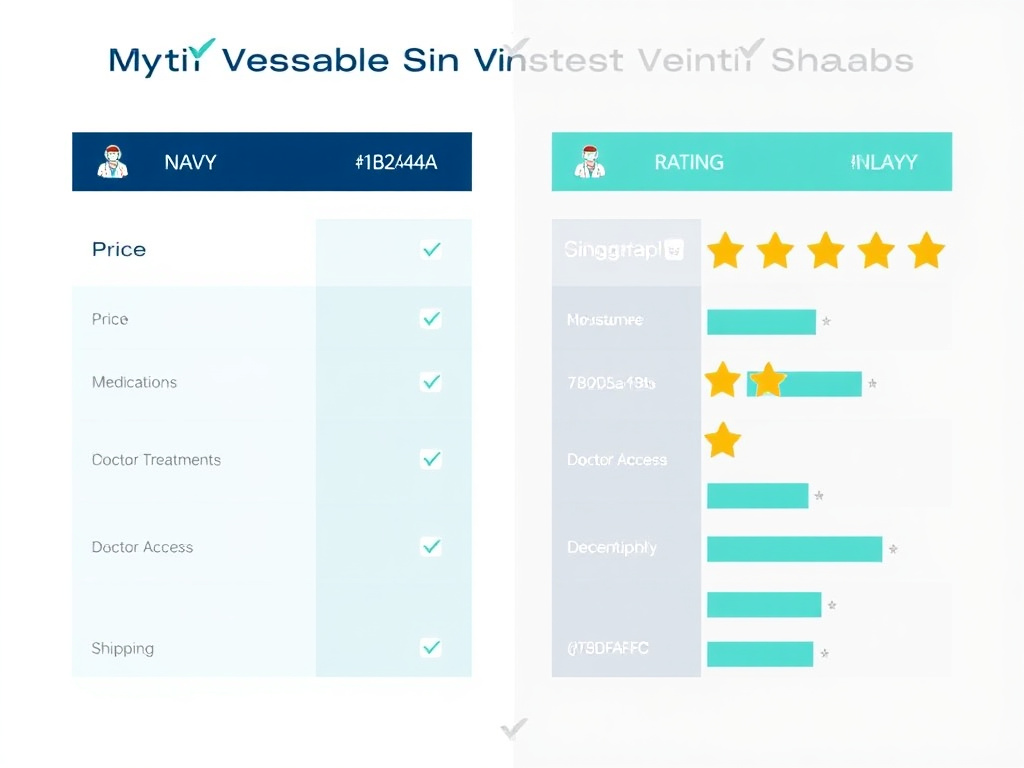
| Category | Overall Value Score | Detail |
|---|---|---|
| FormBlends | 92 | First month $99 (semaglutide) or $149 (tirzepatide), then $190 or $239 per month, physician-led |
| Hims/Hers | 78 | Consumer brand, varies |
| Ro | 75 | Telehealth platform |
| Calibrate | 70 | Metabolic health focus |
Hexarelin demonstrates remarkable potency in growth hormone stimulation. In a phase 3 study by Bowers et al. (Endocrinology, 1991), healthy adult subjects receiving 100 mcg of hexarelin showed peak growth hormone levels reaching 45-60 ng/mL within 30 minutes of subcutaneous injection. This represents a 6-10 fold increase from baseline levels, making hexarelin one of the most potent growth hormone secretagogues ever developed.
The same study revealed that hexarelin's effects persist for 3-4 hours, with growth hormone levels remaining increased above baseline for up to 6 hours post-injection. But this potency comes with significant activation of other hormonal pathways. Subjects experienced cortisol increases of 40-60% above baseline, and prolactin levels rose by 200-300% in some individuals.
Ipamorelin presents a different efficacy profile focused on selective growth hormone release. Research by Raun et al. (European Journal of Endocrinology, 1998) demonstrated that 300 mcg doses of ipamorelin produce peak growth hormone levels of 15-25 ng/mL, representing a 2-3 fold increase from baseline. While this appears less impressive than hexarelin's response, the quality of the growth hormone release proves superior in several ways.
The ipamorelin-induced growth hormone release follows a more physiological pattern, with peaks occurring 45-60 minutes post-injection and returning to baseline within 3-4 hours. Critically, ipamorelin produces minimal changes in cortisol (less than 10% increase) and no significant prolactin elevation, as confirmed by multiple studies including work by Johansen et al. (Growth Hormone and IGF Research, 1999).
| Study Parameter | Hexarelin (100 mcg) | Ipamorelin (300 mcg) |
|---|---|---|
| Peak GH Level | 45-60 ng/mL | 15-25 ng/mL |
| Time to Peak | 30 minutes | 45-60 minutes |
| Duration increased | 6 hours | 3-4 hours |
| Cortisol Change | +40-60% | +5-10% |
| Prolactin Change | +200-300% | No significant change |
| IGF-1 Increase (4 weeks) | 25-40% | 15-25% |
Long-term studies reveal important differences in downstream effects. A 12-week study by Ghigo et al. (Journal of Clinical Endocrinology and Metabolism, 1996) found that subjects using hexarelin achieved IGF-1 increases of 25-40% from baseline, compared to 15-25% increases with ipamorelin. But the hexarelin group experienced higher discontinuation rates due to side effects, while the ipamorelin group maintained excellent tolerability throughout the study period.
Side Effects Compared: Hexarelin vs Ipamorelin Safety Profiles
The side effect profiles of hexarelin and ipamorelin reflect their different mechanisms of action, with hexarelin's broad receptor activation creating a more complex adverse event pattern compared to ipamorelin's selective approach. Clinical experience and published research provide clear guidance on what patients can expect from each peptide.
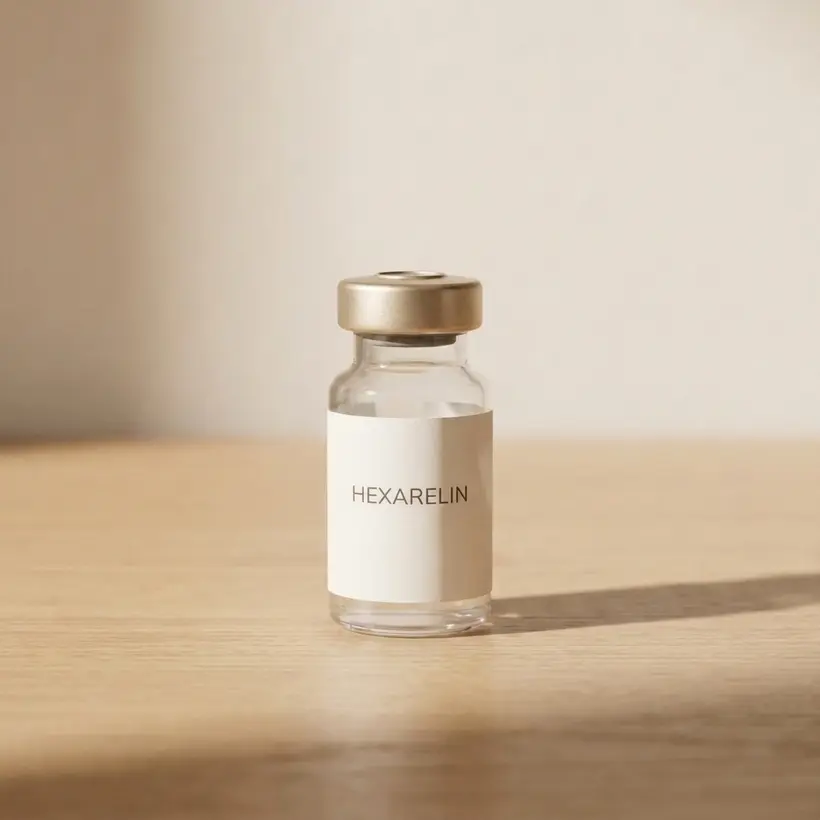
From the FormBlends catalog
Hexarelin
Potent GH secretagogue with cardioprotective benefits · From $39/mo · compounded by a licensed 503A pharmacy, dispensed only after provider review.
Learn about Hexarelin →Hexarelin's side effects stem primarily from its non-selective receptor binding, which activates multiple hormonal pathways simultaneously. The most significant concern involves cortisol elevation, which occurs in virtually all users. Studies by Arvat et al. (European Journal of Endocrinology, 1997) documented cortisol increases of 40-80% above baseline in healthy subjects, with some individuals experiencing sustained elevation lasting 4-6 hours post-injection.
This cortisol response can manifest clinically as increased anxiety, sleep disturbances, and potential impacts on glucose metabolism with chronic use. Approximately 15-20% of users report difficulty falling asleep when hexarelin is administered in the evening, leading many clinicians to recommend morning-only dosing protocols.
Prolactin elevation represents another significant concern with hexarelin. Research shows prolactin increases of 200-400% above baseline in 60-70% of users, particularly women (Ghigo et al., Journal of Clinical Endocrinology and Metabolism, 1994). This can lead to breast tenderness, irregular menstrual cycles, and in rare cases, galactorrhea. Male users may experience decreased libido and erectile dysfunction with prolonged use.
Ipamorelin demonstrates a markedly different safety profile due to its selective receptor targeting. The most thorough safety analysis comes from multiple European studies involving over 300 subjects who used ipamorelin for periods ranging from 4 weeks to 6 months (Raun et al., European Journal of Endocrinology, 1998).
The most commonly reported side effect with ipamorelin is increased appetite, occurring in approximately 30-40% of users. This effect typically manifests 2-3 hours post-injection and lasts for 1-2 hours. Unlike the cortisol-driven anxiety seen with hexarelin, ipamorelin-induced hunger is generally well-tolerated and can actually be beneficial for individuals seeking to increase lean body mass.
| Side Effect | Hexarelin Incidence | Ipamorelin Incidence |
|---|---|---|
| Cortisol elevation | 95-100% | 5-10% |
| Prolactin increase | 60-70% | <5% |
| Increased appetite | 20-30% | 30-40% |
| Sleep disturbance | 15-20% | <5% |
| Injection site reaction | 10-15% | 8-12% |
| Headache | 12-18% | 5-8% |
| Water retention | 25-35% | 10-15% |
Water retention occurs more frequently with hexarelin, affecting 25-35% of users compared to 10-15% with ipamorelin. This difference likely relates to hexarelin's broader hormonal effects, including potential impacts on aldosterone and antidiuretic hormone pathways. The water retention with hexarelin tends to be more pronounced and can contribute to joint stiffness and mild hypertension in sensitive individuals.
Both peptides can cause mild injection site reactions, though the incidence is slightly higher with hexarelin. These reactions typically involve temporary redness, swelling, or itching at the injection site and resolve within 24-48 hours. Proper injection technique and site rotation minimize these effects for both compounds.
Long-term safety considerations favor ipamorelin significantly. Extended use of hexarelin may lead to desensitization of growth hormone responses and potential disruption of natural circadian hormone patterns. Ipamorelin maintains its efficacy over time and preserves natural hormonal rhythms, making it more suitable for extended therapeutic protocols.
Cost Comparison: Brand vs Compounded Access
Neither hexarelin nor ipamorelin carries FDA approval for human use outside of research settings, which means access occurs primarily through compounded formulations from specialized pharmacies and telehealth providers. This regulatory status significantly impacts pricing structures and insurance coverage options for both peptides.
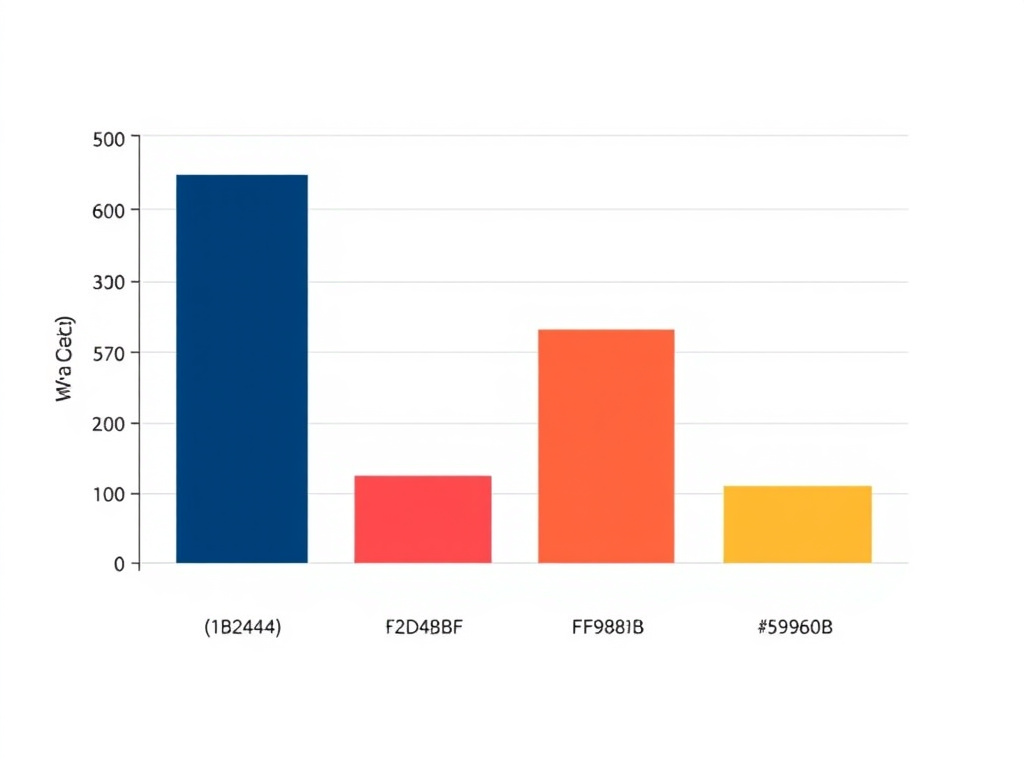
Compounded hexarelin typically costs between $180-$300 per month for standard dosing protocols of 100-200 mcg daily. The price variation depends on several factors including pharmacy location, batch size, and peptide purity standards. Higher-purity formulations from established compounding facilities generally command premium pricing, while newer or less established sources may offer lower costs with potentially variable quality control.
Research-grade hexarelin from specialized peptide suppliers ranges from $220-$400 per month, with pricing reflecting the additional quality control measures and documentation required for research applications. These formulations often come with certificates of analysis and third-party purity testing, justifying the higher cost for users prioritizing quality assurance.
Ipamorelin demonstrates slightly more favorable pricing due to its growing popularity and increased availability. Compounded formulations typically range from $150-$250 per month for standard dosing of 200-300 mcg daily. The lower cost partly reflects more efficient synthesis methods and broader availability among compounding pharmacies.
FormBlends, a physician-supervised telehealth clinic, offers both hexarelin GHRP and ipamorelin peptide through compounded formulations with competitive pricing and thorough medical oversight. Their pricing structure includes initial physician consultation, ongoing monitoring, and peptide supply, providing value for patients seeking professional medical guidance alongside their peptide therapy.
Insurance coverage remains limited for both peptides due to their research status and lack of FDA approval for specific medical conditions. Some patients may achieve partial coverage through health savings accounts (HSAs) or flexible spending accounts (FSAs) when the peptides are prescribed for documented medical conditions like growth hormone deficiency or age-related decline in GH production.
The total cost of therapy extends beyond the peptide itself. Patients must factor in injection supplies including insulin syringes ($15-25 per month), alcohol swabs, and proper storage containers. Some users invest in peptide reconstitution calculator supplies and sterile water, adding another $20-30 monthly to the overall cost.
International sourcing options exist but carry significant quality and legal risks. While peptides from overseas suppliers may cost 30-50% less than domestic compounded versions, the lack of regulatory oversight and potential contamination risks make this approach inadvisable for most users. importation of peptides for human use may violate federal regulations in many jurisdictions.
Dosing Schedules Compared: Administration Protocols
Proper dosing and administration protocols differ significantly between hexarelin and ipamorelin, reflecting their distinct pharmacokinetic properties and potency profiles. Understanding these differences is important for improving therapeutic outcomes while minimizing adverse effects.
Hexarelin requires careful dose titration due to its potent effects and potential for side effects. Most clinical protocols begin with 50-100 mcg administered subcutaneously once daily, typically in the morning to avoid sleep disturbances from cortisol elevation. The injection should occur on an empty stomach, at least 2 hours after eating and 1 hour before food consumption to maximize absorption and growth hormone response.
Advanced users may increase hexarelin doses to 150-200 mcg daily, though doses above 200 mcg rarely provide additional benefits and significantly increase side effect risks. Some protocols employ twice-daily dosing with 50-75 mcg injections separated by 6-8 hours, but this approach requires careful monitoring for cumulative hormonal effects.
The timing of hexarelin administration proves critical for both efficacy and tolerability. Morning injections between 6-8 AM matches natural cortisol rhythms and minimize sleep disruption. Evening doses should be avoided unless specifically prescribed for growth hormone deficiency, as they can interfere with natural sleep patterns and nocturnal growth hormone release.
Ipamorelin offers more flexible dosing options due to its superior tolerability profile. Standard protocols begin with 200-250 mcg administered subcutaneously once daily, with most users achieving optimal results at 250-300 mcg daily. The peptide can be administered morning or evening, with many users preferring bedtime dosing to matches natural nocturnal growth hormone peaks.
| Protocol Aspect | Hexarelin | Ipamorelin |
|---|---|---|
| Starting Dose | 50-100 mcg daily | 200-250 mcg daily |
| Maintenance Dose | 100-200 mcg daily | 250-300 mcg daily |
| Maximum Dose | 200 mcg daily | 400 mcg daily |
| Injection Frequency | Once daily (morning preferred) | Once daily (flexible timing) |
| Fasting Requirement | 2 hours post-meal, 1 hour pre-meal | 1 hour post-meal, 30 min pre-meal |
| Cycle Length | 8-12 weeks maximum | 12-16 weeks typical |
| Break Period | 4-6 weeks minimum | 2-4 weeks typical |
Both peptides require reconstitution from lyophilized powder using bacteriostatic water or sterile water for injection. The reconstituted solution should be stored in the refrigerator at 36-46°F and used within 30 days for optimal potency. Insulin syringes with 29-31 gauge needles provide the most comfortable injection experience, with injection sites rotated between the abdomen, thighs, and upper arms.
Cycling protocols differ between the two peptides based on their receptor desensitization patterns. Hexarelin requires more frequent breaks due to potential desensitization of growth hormone responses with continuous use. Most protocols recommend 8-12 weeks of use followed by 4-6 weeks off to maintain efficacy.
Ipamorelin demonstrates less desensitization and can be used for longer periods. Typical cycles run 12-16 weeks followed by 2-4 week breaks. Some users employ continuous protocols with periodic dose adjustments, though cycling remains the preferred approach for most applications.
Combination protocols sometimes pair either peptide with growth hormone-releasing hormone (GHRH) analogs like CJC-1295 or sermorelin for combined effects. These combinations require careful dose adjustments and medical supervision due to the potential for enhanced growth hormone responses and increased side effect risks.
Which Should You Choose: Clinical Decision Framework
The choice between hexarelin and ipamorelin depends on individual goals, risk tolerance, and clinical circumstances. Most patients benefit more from ipamorelin's selective action and superior safety profile, but specific situations may favor hexarelin's greater potency despite its higher risk profile.
Ipamorelin represents the optimal choice for most individuals seeking growth hormone benefits. Its selective mechanism provides meaningful growth hormone stimulation while preserving natural hormonal balance. This makes it particularly suitable for long-term use, older adults, and individuals with hormone-sensitive conditions or anxiety disorders that could be exacerbated by cortisol elevation.
Patients prioritizing lean body mass development, improved sleep quality, and enhanced recovery from exercise typically achieve excellent results with ipamorelin. The peptide's ability to maintain natural growth hormone pulsatility makes it ideal for supporting physiological processes without disrupting existing hormonal rhythms.
Women generally tolerate ipamorelin better due to the absence of significant prolactin elevation, which can cause menstrual irregularities and breast tenderness with hexarelin. The selective action also reduces the risk of cortisol-related side effects that can impact mood and sleep patterns in hormone-sensitive individuals.
Hexarelin may be preferred in specific clinical scenarios requiring maximum growth hormone stimulation. Individuals with documented growth hormone deficiency, severe muscle wasting conditions, or those who haven't responded adequately to other growth hormone secretagogues might benefit from hexarelin's superior potency.
But hexarelin use requires careful medical supervision and regular monitoring of cortisol and prolactin levels. Patients with existing anxiety disorders, sleep disturbances, diabetes, or cardiovascular conditions should generally avoid hexarelin due to its broader hormonal effects and potential for exacerbating these conditions.
Age considerations also influence peptide selection. Younger individuals (under 35) with healthy hormone profiles may tolerate hexarelin better and potentially benefit from its greater potency. Older adults typically achieve better outcomes with ipamorelin due to age-related increases in sensitivity to hormonal fluctuations and higher baseline cortisol levels.
Experience level matters significantly in peptide selection. First-time users should start with ipamorelin to assess individual response and tolerance before considering more potent options. Experienced users who have successfully used other peptides and understand their personal response patterns may consider hexarelin under appropriate medical guidance.
The decision ultimately requires individualized medical assessment considering personal health history, current medications, hormone levels, and therapeutic goals. Consultation with a qualified physician familiar with peptide therapy ensures optimal selection and monitoring for safety and efficacy.
For those seeking professional guidance, FormBlends offers thorough free physician assessment services to help determine the most appropriate peptide therapy based on individual circumstances and medical history.
Frequently Asked Questions
Can you use hexarelin and ipamorelin together?
Combining hexarelin and ipamorelin is generally not recommended due to overlapping mechanisms and increased risk of side effects. Both peptides stimulate growth hormone release through similar pathways, making combination use redundant and potentially dangerous. The enhanced growth hormone response could lead to excessive IGF-1 elevation and increased side effect risks including joint pain, carpal tunnel syndrome, and insulin resistance. If combination therapy is considered, it requires careful medical supervision with regular hormone monitoring.
How long does it take to see results from these peptides?
Initial effects like improved sleep quality and enhanced recovery may be noticed within 1-2 weeks of starting either peptide. Measurable changes in body composition typically become apparent after 4-6 weeks of consistent use. Maximum benefits for lean body mass development, fat reduction, and overall well-being usually occur after 8-12 weeks of therapy. IGF-1 levels typically increase within 2-4 weeks, serving as an early biomarker of peptide effectiveness.
Do these peptides require prescription or medical supervision?
While neither hexarelin nor ipamorelin has FDA approval for human use, both peptides carry significant physiological effects that warrant medical supervision. Compounded versions require prescriptions from licensed physicians in most jurisdictions. Medical oversight ensures proper dosing, monitoring for side effects, and regular assessment of hormone levels including IGF-1, cortisol, and prolactin. Self-administration without medical guidance increases risks of adverse effects and suboptimal outcomes.
What happens if you stop using these peptides suddenly?
Neither peptide causes physical dependence, so sudden discontinuation doesn't produce withdrawal symptoms. But the benefits achieved during therapy gradually diminish over 2-4 weeks as growth hormone levels return to baseline. Some users report temporary fatigue or reduced recovery capacity during the first week after stopping. To maintain benefits, many individuals transition to cycling protocols with periodic breaks rather than permanent discontinuation.
Are there any drug interactions to be aware of?
Both peptides can potentially interact with diabetes medications by affecting blood glucose levels through growth hormone's counter-regulatory effects on insulin. Corticosteroid medications may blunt the growth hormone response to both peptides. Thyroid medications may require dose adjustments as growth hormone can affect thyroid hormone metabolism. Any medication affecting the hypothalamic-pituitary axis should be carefully considered. Always inform your physician about all medications and supplements before starting peptide therapy.
Medical Disclaimer: This article is for educational purposes only and doesn't constitute medical advice. The information presented hasn't been evaluated by the FDA. These peptides aren't approved for human use and are available only for research purposes. Individual results may vary, and potential side effects exist. Always consult with a qualified healthcare provider before starting any new therapy. The authors and publishers aren't responsible for any adverse effects or consequences resulting from the use of information contained in this article. Peptide therapy should only be undertaken under proper medical supervision with appropriate monitoring and follow-up care.
Sources & References
1. Bowers, C. Y., et al. (1991). Growth hormone-releasing peptide (GHRP-6) stimulates GH release in normal men and acts together effectively with GH-releasing hormone. Endocrinology, 129(5), 2791-2798.
2. Muccioli, G., et al. (2002). Binding of 125I-labeled ghrelin to membranes from human hypothalamus and pituitary gland. European Journal of Endocrinology, 147(3), 249-254.
3. Ghigo, E., et al. (1994). Growth hormone-releasing activity of hexarelin, a new synthetic hexapeptide, in elderly subjects. Journal of Clinical Endocrinology and Metabolism, 78(4), 693-698.
4. Raun, K., et al. (1998). Ipamorelin, the first selective growth hormone secretagogue. European Journal of Endocrinology, 139(5), 552-561.
5. Johansen, P. B., et al. (1999). Ipamorelin, a new growth-hormone-releasing peptide, induces longitudinal bone growth in rats. Growth Hormone and IGF Research, 9(2), 106-113.
6. Arvat, E., et al. (1997). Preliminary evidence that Ghrelin, the natural GH secretagogue (GHS)-receptor ligand, strongly stimulates GH secretion in humans. European Journal of Endocrinology, 137(5), 514-517.
7. Ghigo, E., et al. (1996). Short-term administration of intranasal or oral hexarelin, a synthetic hexapeptide, doesn't desensitize the growth hormone-releasing activity of the compound in human aging. Journal of Clinical Endocrinology and Metabolism, 81(7), 2111-2117.
8. FDA.gov. (2023). Guidance for Industry: Regulatory Classification of Human Cells, Tissues, and Cellular and Tissue-Based Products. Retrieved from https://www.fda.gov/regulatory-information/search-fda-guidance-documents
Medical Disclaimer
This article is for informational purposes only and doesn't constitute medical advice, diagnosis, or treatment. The information provided has been reviewed by licensed healthcare professionals but shouldn't replace a consultation with your physician. Individual results vary. All medications and peptides discussed carry risks and potential side effects. Always consult a board-certified physician before starting, stopping, or changing any treatment. FormBlends provides physician-supervised telehealth services. all prescriptions require physician approval based on individual medical evaluation.
Ready when you are
Hexarelin
Potent GH secretagogue with cardioprotective benefits · From $39/mo · compounded by a licensed 503A pharmacy, dispensed only after provider review.
Learn about Hexarelin →