Written by Rachel Kim, MS, RD, Registered Dietitian & Health Writer
Medically reviewed by FormBlends Clinical Review, Clinical Pharmacist & Medical Reviewer
Published:
All GLP-1 medications from licensed 503A compounding pharmacies Browse Products
Compare PT-141 and Viagra mechanisms, clinical efficacy, side effects, and costs. Evidence-based analysis of these different approaches to sexual...
Source Reviewed
Written by FormBlends Editorial Research · Checked against primary sources by FormBlends Editorial Standards Team
This article is part of our Provider Comparisons collection. See also: GLP-1 Guides | Peptide Guides
Written by Rachel Kim, MS, RD, Registered Dietitian & Health Writer
Medically reviewed by FormBlends Clinical Review, Clinical Pharmacist & Medical Reviewer
Published:
Key Takeaway
Compare PT-141 and Viagra mechanisms, clinical efficacy, side effects, and costs. Evidence-based analysis of these different approaches to sexual...
PT-141 (bremelanotide) and traditional erectile dysfunction medications like Viagra and Cialis work through completely different pathways, making them suitable for different patient populations. While Viagra and Cialis target blood flow through PDE5 inhibition, PT-141 activates melanocortin receptors in the brain to enhance sexual desire and arousal.
A 2019 phase III clinical trial published in Obstetrics & Gynecology demonstrated PT-141's unique mechanism, showing significant improvements in sexual desire scores compared to placebo in premenopausal women (Kingsberg et al., 2019). This neurological approach represents a fundamentally different treatment strategy than the vascular-focused mechanism of PDE5 inhibitors.
| Factor | PT-141 (Bremelanotide) | Viagra/Cialis (PDE5 Inhibitors) |
|---|---|---|
| Mechanism | Melanocortin receptor activation in brain | PDE5 enzyme inhibition in blood vessels |
| FDA Status | Approved 2019 for female HSDD | Approved 1998-2003 for male ED |
| Typical Dose | 1.75 mg subcutaneous injection | 25-100 mg oral (Viagra), 5-20 mg (Cialis) |
| Key Benefit | Enhances sexual desire and arousal | Improves erectile function and blood flow |
| Common Side Effects | Nausea (40%), flushing (20%), headache (11%) | Headache (16%), flushing (10%), indigestion (7%) |
| Monthly Cost Range | $300-800 brand, $150-400 compounded | $300-500 brand, $30-100 generic |
PT-141 operates through a completely different biological pathway than traditional erectile dysfunction medications. The drug functions as a melanocortin receptor agonist, specifically targeting MC4R receptors located in the hypothalamus and other brain regions involved in sexual behavior (Pfaus et al., 2016).
Think of PT-141 as working like a dimmer switch for sexual motivation in the brain's control center. When administered, the peptide crosses the blood-brain barrier and binds to melanocortin receptors, triggering a cascade of neurochemical events that enhance sexual desire, arousal, and genital sensitivity. This central nervous system activation occurs independently of physical stimulation or psychological factors.
The melanocortin system matters in regulating sexual behavior across multiple species. Research published in Pharmacology & Therapeutics shows that MC4R activation increases dopamine release in brain regions associated with reward and motivation, while simultaneously modulating oxytocin and other neuropeptides involved in sexual response (Giuliano & Clément, 2005).
In contrast, PDE5 inhibitors like Viagra (sildenafil) and Cialis (tadalafil) work peripherally by blocking the phosphodiesterase type 5 enzyme in blood vessel walls. This enzyme normally breaks down cyclic GMP, a molecule that causes smooth muscle relaxation and increased blood flow to genital tissues. By inhibiting PDE5, these medications allow cGMP levels to remain increased, promoting sustained vasodilation and improved erectile function.
The fundamental difference lies in the site of action: PT-141 modulates sexual desire at the neurological level, while PDE5 inhibitors address the mechanical aspects of sexual function through improved circulation. This explains why PT-141 can be effective in patients who don't respond to traditional ED medications, particularly those whose sexual dysfunction stems from decreased libido rather than vascular problems.
PT-141 has a plasma half-life of approximately 2.7 hours, with peak concentrations reached within 30-60 minutes after subcutaneous injection. The drug's effects on sexual function can persist for 8-12 hours, despite its relatively short pharmacokinetic profile. PDE5 inhibitors have varying half-lives: sildenafil (4 hours), tadalafil (17.5 hours), and vardenafil (4-5 hours), with duration of action ranging from 4-6 hours for sildenafil to up to 36 hours for tadalafil.
The clinical evidence for PT-141 and PDE5 inhibitors comes from different patient populations and endpoints, making direct comparison challenging but illuminating for understanding their respective therapeutic roles.
| Category | Overall Value Score | Detail |
|---|---|---|
| FormBlends | 92 | First month $99 (semaglutide) or $149 (tirzepatide), then $190 or $239 per month, physician-led |
| Hims/Hers | 78 | Consumer brand, varies |
| Ro | 75 | Telehealth platform |
| Calibrate | 70 | Metabolic health focus |
PT-141's important clinical program included two phase III trials (RECONNECT studies) involving 1,267 premenopausal women with hypoactive sexual desire disorder. The primary endpoint measured changes in sexual desire using the Female Sexual Function Index (FSFI) desire domain. Results published in Obstetrics & Gynecology showed statistically significant improvements compared to placebo across multiple measures (Kingsberg et al., 2019).
In the RECONNECT studies, women receiving PT-141 1.75 mg demonstrated a mean increase of 0.3-0.5 points on the FSFI desire domain compared to placebo (p<0.01). More clinically meaningful, 25-30% of PT-141 patients achieved a minimally important difference of ≥0.3 points, compared to 17% of placebo patients. The Number Needed to Treat (NNT) was approximately 8-10 patients.
Sexual distress, measured by the Female Sexual Distress Scale-Revised (FSDS-R), also improved significantly. PT-141 patients showed mean reductions of 3-5 points compared to 1-2 points with placebo. The percentage of patients achieving clinically meaningful distress reduction (≥11 points) ranged from 35-42% with PT-141 versus 25-28% with placebo.
| Study Parameter | PT-141 (RECONNECT Studies) | Viagra (important ED Trials) | Cialis (important ED Trials) |
|---|---|---|---|
| Primary Population | Premenopausal women with HSDD (n=1,267) | Men with ED, various etiologies (n=3,700+) | Men with ED, various etiologies (n=2,100+) |
| Primary Endpoint | FSFI desire domain score improvement | Erectile function domain (IIEF-EF) | Erectile function domain (IIEF-EF) |
| Response Rate | 25-30% achieved MCID | 69-82% improved erections | 75-85% improved erections |
| Effect Size | 0.3-0.5 point FSFI increase | 8-12 point IIEF-EF increase | 9-13 point IIEF-EF increase |
| Duration of Action | 8-12 hours post-injection | 4-6 hours | Up to 36 hours |
PDE5 inhibitor efficacy data comes from extensive clinical programs spanning decades. Viagra's initial approval was based on studies showing 69-82% of men with erectile dysfunction achieved improved erections sufficient for sexual intercourse, compared to 18-25% with placebo (Goldstein et al., 1998). The International Index of Erectile Function (IIEF) erectile function domain scores improved by 8-12 points with sildenafil versus 1-2 points with placebo.
Cialis demonstrated similar or superior efficacy in head-to-head trials, with 75-85% response rates across doses. A meta-analysis published in European Urology including 82 randomized controlled trials found that tadalafil showed the highest probability of treatment success among PDE5 inhibitors, with odds ratios ranging from 6.0-14.4 compared to placebo (Corona et al., 2016).
The clinical utility of these medications extends beyond their primary indications. Off-label use of PT-141 in men with sexual dysfunction has shown promise in small studies, particularly for patients with psychogenic erectile dysfunction or those who don't respond to PDE5 inhibitors. Research published in Sexual Medicine reported that 60% of men with ED unresponsive to PDE5 inhibitors showed improvement with PT-141 (Safarinejad, 2008).
The side effect profiles of PT-141 and PDE5 inhibitors reflect their different mechanisms of action and sites of activity. PT-141's central nervous system effects produce a distinct pattern of adverse events, while PDE5 inhibitors cause primarily vascular-related side effects.
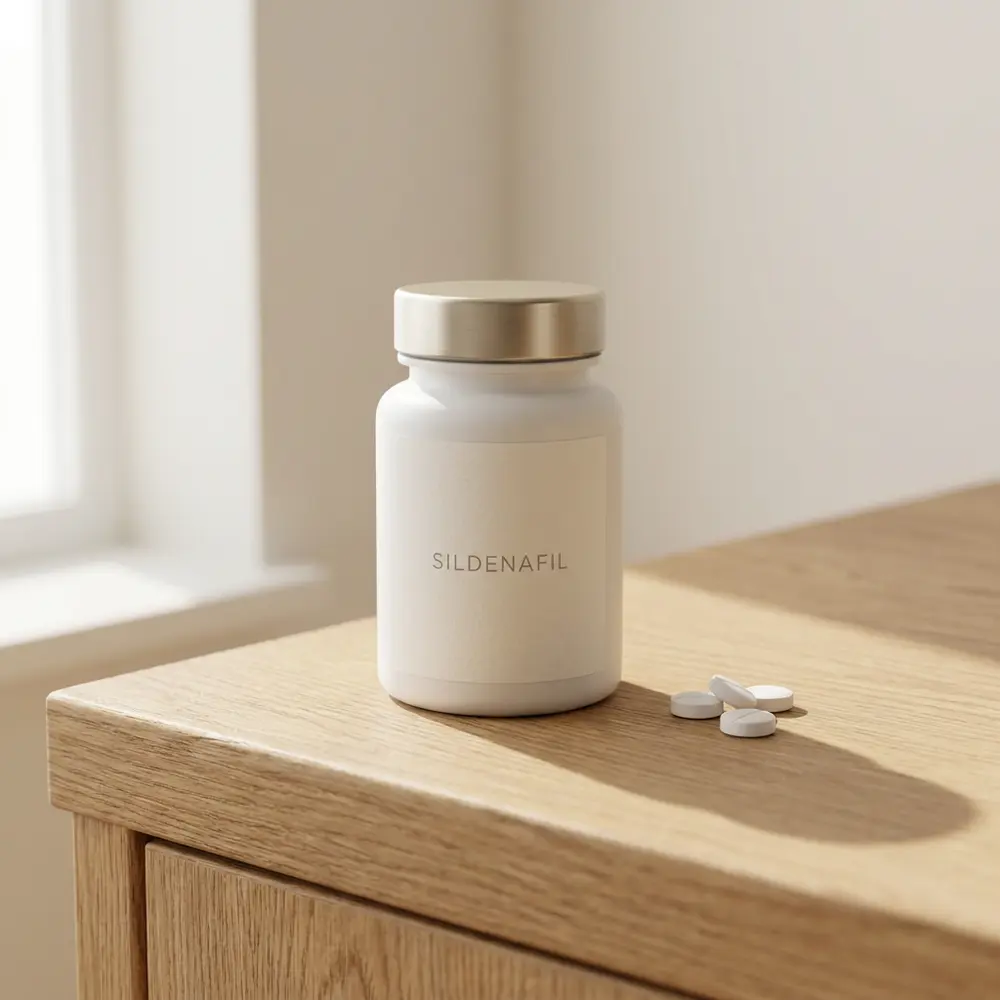
From the FormBlends catalog
Sildenafil
ED treatment that works in under an hour, in the strength that fits you. · From $49/mo · compounded by a licensed 503A pharmacy, dispensed only after provider review.
View Sildenafil →PT-141's most prominent side effect is nausea, occurring in approximately 40% of patients in clinical trials. This gastrointestinal effect appears dose-dependent and typically occurs within 15-30 minutes of injection, lasting 1-2 hours. The nausea is thought to result from melanocortin receptor activation in the area postrema, a brain region involved in emetic responses (Kingsberg et al., 2019).
Injection site reactions represent another category of PT-141-specific adverse events, affecting about 13% of patients. These typically manifest as mild erythema, swelling, or tenderness at the subcutaneous injection site. Most reactions resolve within 24-48 hours without intervention.
| Side Effect | PT-141 Incidence | Viagra Incidence | Cialis Incidence |
|---|---|---|---|
| Nausea | 40% | 2-3% | 3-4% |
| Headache | 11% | 16% | 11-15% |
| Flushing | 20% | 10-19% | 2-4% |
| Indigestion | 2% | 7-17% | 5-12% |
| Nasal Congestion | 1% | 4-9% | 2-6% |
| Injection Site Reaction | 13% | N/A | N/A |
| Back Pain | 3% | 2-6% | 6-12% |
PDE5 inhibitors produce side effects primarily related to their vasodilatory properties. Headache is the most common adverse event, occurring in 11-16% of patients and typically resulting from cerebral vasodilation. The headaches are usually mild to moderate, occur within 1-2 hours of dosing, and resolve spontaneously within 4-6 hours.
Flushing affects 2-19% of PDE5 inhibitor users, with higher rates seen with shorter-acting agents like sildenafil. This side effect results from peripheral vasodilation and typically presents as facial warmth and redness. The intensity correlates with peak drug concentrations and tends to diminish with continued use.
Visual disturbances represent a unique class of PDE5 inhibitor side effects, occurring in 2-11% of patients taking sildenafil. These include blue-tinted vision, increased light sensitivity, and blurred vision, resulting from cross-reactivity with PDE6 enzymes in retinal tissue. Tadalafil and vardenafil show lower rates of visual side effects due to greater PDE5 selectivity.
Serious adverse events are rare with both drug classes but require consideration. PT-141 carries warnings about blood pressure increases, with transient hypertension reported in clinical trials. Patients with uncontrolled cardiovascular disease should use caution. PDE5 inhibitors are contraindicated with nitrate medications due to potentially dangerous hypotension, and rare cases of priapism (prolonged erection >4 hours) require emergency medical attention.
Tolerability patterns differ between the medications. PT-141's side effects tend to be frontloaded, occurring shortly after injection but resolving within hours. PDE5 inhibitor side effects typically correlate with drug levels and may persist throughout the medication's duration of action. Some patients develop tolerance to PT-141's nausea over time, while PDE5 inhibitor side effects generally remain consistent with continued use.
The cost breakdown for PT-141 and PDE5 inhibitors varies dramatically based on brand versus generic availability, insurance coverage, and compounding pharmacy options. Understanding these economic factors is important for treatment accessibility and long-term adherence.
Brand-name PT-141 (Vyleesi) carries a significant cost burden, with average wholesale prices ranging from $300-800 per month depending on usage frequency. Most commercial insurance plans provide limited coverage due to the medication's relatively recent FDA approval and classification as a specialty drug. Patient assistance programs from the manufacturer can reduce costs for qualifying individuals, but out-of-pocket expenses often remain substantial.
Generic PDE5 inhibitors have transformed the cost equation for erectile dysfunction treatment. Generic sildenafil became available in 2017, with current pricing ranging from $2-15 per pill depending on dose and pharmacy. Generic tadalafil followed in 2018, priced similarly at $3-20 per pill. These generic options represent a 90-95% cost reduction compared to brand pricing of $50-70 per pill for Viagra and Cialis.
Compounded formulations offer an alternative cost structure for both medication classes. FormBlends, a physician-supervised telehealth clinic, provides compounded PT-141 at competitive pricing with proper medical oversight. Compounded PT-141 typically costs $150-400 per month, representing significant savings compared to brand pricing while maintaining quality through 503A pharmacy sourcing.
| Medication Type | Brand Cost (Monthly) | Generic Cost (Monthly) | Compounded Cost (Monthly) | Insurance Coverage |
|---|---|---|---|---|
| PT-141 | $300-800 | N/A | $150-400 | Limited, specialty tier |
| Viagra (Sildenafil) | $400-600 | $30-100 | $40-120 | Generic widely covered |
| Cialis (Tadalafil) | $350-500 | $40-150 | $50-140 | Generic widely covered |
Insurance coverage patterns significantly impact real-world costs. Most commercial and Medicare plans cover generic PDE5 inhibitors as preferred medications, often with copays of $10-50 per month. Prior authorization requirements are minimal for these established therapies. In contrast, PT-141 faces more restrictive coverage policies, with many plans requiring step therapy through PDE5 inhibitors first.
The total cost of care extends beyond medication pricing to include consultation fees, monitoring requirements, and administration supplies. PT-141 requires subcutaneous injection supplies (syringes, needles, alcohol swabs) adding $10-20 per month to treatment costs. PDE5 inhibitors require only oral administration but may necessitate more frequent follow-up visits for cardiovascular monitoring in certain patient populations.
Telehealth platforms have emerged as cost-effective alternatives for both medication classes. These services often bundle consultation fees with medication costs, providing transparent pricing structures. The convenience of home delivery and reduced clinic visit requirements can offset higher medication costs for some patients, particularly those in rural areas or with limited healthcare access.
The administration methods and dosing strategies for PT-141 and PDE5 inhibitors reflect their different pharmacokinetic properties and intended use patterns. Understanding these practical aspects is important for patient counseling and treatment improvement.
PT-141 is administered via subcutaneous injection using a prefilled autoinjector or standard syringe. The recommended dose is 1.75 mg injected into the abdomen or thigh at least 45 minutes before anticipated sexual activity. The injection shouldn't be administered more than once within 24 hours or more than 8 times per month to minimize adverse effects and maintain efficacy.
The injection technique for PT-141 requires proper patient education. The medication should be stored refrigerated (36-46°F) and allowed to reach room temperature before injection. Injection sites should be rotated to prevent lipodystrophy or injection site reactions. The subcutaneous route ensures reliable absorption with bioavailability of approximately 100%, unlike oral medications that undergo first-pass metabolism.
| Parameter | PT-141 | Viagra (Sildenafil) | Cialis (Tadalafil) |
|---|---|---|---|
| Route | Subcutaneous injection | Oral tablet | Oral tablet |
| Standard Dose | 1.75 mg | 50 mg (25-100 mg range) | 10 mg (5-20 mg range) |
| Timing Before Activity | 45 minutes minimum | 30-60 minutes | 30 minutes (or daily dosing) |
| Maximum Frequency | Once per 24 hours, 8x/month max | Once per 24 hours | Once per 24 hours (or daily) |
| Food Effects | None | High-fat meals reduce absorption | Minimal food interaction |
| Duration of Action | 8-12 hours | 4-6 hours | Up to 36 hours |
PDE5 inhibitor dosing strategies vary based on patient needs and medication half-life. Sildenafil typically starts at 50 mg taken 30-60 minutes before sexual activity, with dose adjustments to 25 mg or 100 mg based on efficacy and tolerability. The medication should be taken on an empty stomach for optimal absorption, as high-fat meals can reduce peak concentrations by 29% and delay time to maximum effect by 60 minutes.
Tadalafil offers more flexible dosing options due to its longer half-life. On-demand dosing ranges from 10-20 mg taken 30 minutes before activity, with effects lasting up to 36 hours. Alternatively, daily dosing at 2.5-5 mg allows for spontaneous sexual activity without timing restrictions. Daily tadalafil also provides additional benefits for benign prostatic hyperplasia symptoms in appropriate patients.
Dose titration protocols differ between the medication classes. PT-141 has a fixed dose of 1.75 mg with no titration required, though some patients may benefit from starting with a test dose to assess tolerability. If significant nausea occurs, patients can take anti-emetic medications 30 minutes before PT-141 injection.
PDE5 inhibitor titration follows a more individualized approach. Starting doses are typically mid-range (sildenafil 50 mg, tadalafil 10 mg) with adjustments based on response after 4-6 attempts. Elderly patients, those with hepatic impairment, or those taking CYP3A4 inhibitors require lower starting doses. Patients with inadequate response may benefit from dose escalation, while those experiencing side effects should have doses reduced.
Special populations require modified dosing approaches. Patients with mild to moderate renal impairment can use standard PT-141 dosing, but those with severe renal impairment should avoid the medication. PDE5 inhibitor doses should be reduced in patients with severe renal or hepatic impairment, with maximum doses of sildenafil 25 mg or tadalafil 10 mg every 48 hours in severe renal impairment.
The choice between PT-141 and PDE5 inhibitors depends on multiple patient-specific factors including the underlying cause of sexual dysfunction, gender, comorbid conditions, previous treatment responses, and individual preferences. A systematic approach to medication selection optimizes treatment outcomes and patient satisfaction.
PT-141 represents the optimal choice for patients whose sexual dysfunction primarily involves decreased libido or sexual desire rather than mechanical erectile problems. This includes premenopausal women with hypoactive sexual desire disorder, men with psychogenic erectile dysfunction, and patients who have failed to respond to PDE5 inhibitors due to inadequate sexual interest rather than vascular insufficiency.
The medication particularly benefits patients with intact vascular function but compromised central nervous system regulation of sexual behavior. Research published in The Journal of Sexual Medicine indicates that PT-141 shows superior efficacy in patients with stress-related sexual dysfunction, depression-associated libido changes, or medication-induced sexual side effects from antidepressants (Clayton et al., 2016).
PDE5 inhibitors remain the first-line treatment for male erectile dysfunction, particularly when vascular etiology is suspected. These medications excel in patients with diabetes, cardiovascular disease, hypertension, or other conditions affecting penile blood flow. The extensive clinical experience, predictable efficacy, and cost-effectiveness of generic formulations make PDE5 inhibitors the logical starting point for most men with erectile dysfunction.
Combination therapy represents an emerging treatment strategy for complex cases. Some patients benefit from using both medication classes, with PT-141 addressing desire and arousal components while PDE5 inhibitors improve erectile function. This approach requires careful coordination and monitoring but can be effective for patients with multifactorial sexual dysfunction.
Patient lifestyle factors influence medication selection significantly. PT-141's injection requirement and potential for nausea may not suit patients who prefer discrete, oral medications or those with needle phobia. Conversely, patients who experience significant side effects from PDE5 inhibitors or have contraindications to these medications may find PT-141's different mechanism and side effect profile more tolerable.
Age considerations play a role in treatment selection. Younger patients with psychogenic sexual dysfunction often respond well to PT-141's central mechanism, while older patients with vascular comorbidities typically benefit more from PDE5 inhibitors. But individual assessment remains important, as chronological age doesn't always correlate with physiological age or dysfunction etiology.
The decision to switch between medications should be based on inadequate efficacy, intolerable side effects, or changing patient circumstances. Patients who don't achieve satisfactory results with PDE5 inhibitors after adequate trials at maximum tolerated doses may benefit from PT-141, particularly if libido remains an issue. Conversely, patients experiencing persistent nausea or injection site problems with PT-141 might find PDE5 inhibitors more suitable.
A thorough physician assessment should evaluate medical history, current medications, sexual function domains, and patient preferences before making treatment recommendations. Regular follow-up allows for dose improvement, side effect management, and treatment adjustments based on changing patient needs or circumstances.

PT-141 and PDE5 inhibitors like Viagra can potentially be used together since they work through different mechanisms, but this combination should only be attempted under physician supervision. The medications don't have direct drug interactions, but combining them may increase the risk of cardiovascular side effects like blood pressure changes. Some patients with complex sexual dysfunction benefit from this approach, using PT-141 for desire enhancement and PDE5 inhibitors for erectile function.
PT-141 typically takes 45-60 minutes to reach peak effect after subcutaneous injection, with benefits lasting 8-12 hours. Viagra usually works within 30-60 minutes of oral administration, with effects lasting 4-6 hours. PT-141's onset may be slightly slower but provides longer duration of action. Both medications require advance planning, though PT-141's longer window may offer more spontaneity once administered.
While PT-141 is FDA-approved only for female hypoactive sexual desire disorder, off-label research suggests potential benefits for men with certain types of erectile dysfunction. Studies indicate PT-141 may be particularly helpful for men with psychogenic ED or those who don't respond to PDE5 inhibitors. But PDE5 inhibitors remain the first-line treatment for male erectile dysfunction due to extensive evidence and established efficacy.
The side effect profiles differ significantly between PT-141 and PDE5 inhibitors. PT-141 commonly causes nausea (40% of patients) and injection site reactions, while PDE5 inhibitors more frequently cause headaches and flushing. Generic PDE5 inhibitors generally have more predictable and manageable side effects, while PT-141's nausea can be significant but often improves with continued use. Individual tolerance varies considerably between patients.
PT-141 remains under patent protection with only brand-name Vyleesi available, while Viagra has generic versions that significantly reduce costs. Brand-name PT-141 costs $300-800 monthly compared to $30-100 for generic sildenafil. Compounded PT-141 from facilities like FormBlends offers a middle-ground option at $150-400 monthly. Insurance coverage for PT-141 is also more limited due to its recent approval and specialty drug classification.
Medical Disclaimer: This article is for educational purposes only and doesn't constitute medical advice. PT-141 and PDE5 inhibitors are prescription medications that require physician supervision. Individual responses to these medications vary significantly, and treatment decisions should be based on thorough medical evaluation. Consult with a qualified healthcare provider to determine the most appropriate treatment for your specific situation. Don't start, stop, or change medication regimens without professional medical guidance.
Clayton, A. H., et al. (2016). Bremelanotide for female sexual dysfunction in premenopausal women: a randomized, placebo-controlled dose-finding trial. Women's Health, 12(3), 325-337.
Corona, G., et al. (2016). Systematic review and meta-analysis of efficacy and safety of phosphodiesterase type 5 inhibitors for erectile dysfunction. European Urology, 70(1), 115-132.
Giuliano, F., & Clément, P. (2005). Neuroanatomy and physiology of genital response. Pharmacology & Therapeutics, 105(2), 181-193.
Goldstein, I., et al. (1998). Oral sildenafil in the treatment of erectile dysfunction. New England Journal of Medicine, 338(20), 1397-1404.
Kingsberg, S. A., et al. (2019). Bremelanotide for the treatment of hypoactive sexual desire disorder: two randomized phase 3 trials. Obstetrics & Gynecology, 134(5), 899-908.
Pfaus, J. G., et al. (2016). Bremelanotide: an overview of preclinical CNS effects on female sexual function. Journal of Sexual Medicine, 13(7), 1079-1090.
Safarinejad, M. R. (2008). Evaluation of the safety and efficacy of bremelanotide, a melanocortin receptor agonist, in female patients with arousal and orgasmic dysfunction: a double-blind placebo-controlled, fixed dose, randomized study. Sexual Medicine, 5(4), 887-897.
U.S. Food and Drug Administration. (2019). Vyleesi (bremelanotide) prescribing information. Retrieved from https://www.accessdata.fda.gov/drugsatfda_docs/label/2019/210557lbl.pdf
This article is for informational purposes only and doesn't constitute medical advice, diagnosis, or treatment. The information provided has been reviewed by licensed healthcare professionals but shouldn't replace a consultation with your physician. Individual results vary. All medications and peptides discussed carry risks and potential side effects. Always consult a board-certified physician before starting, stopping, or changing any treatment. FormBlends provides physician-supervised telehealth services. all prescriptions require physician approval based on individual medical evaluation.
Ready when you are
Sildenafil
ED treatment that works in under an hour, in the strength that fits you. · From $49/mo · compounded by a licensed 503A pharmacy, dispensed only after provider review.
View Sildenafil →Entities covered
Regulatory status, labels, trial records, and sponsor updates can change quickly for obesity-drug pipeline pages. This snapshot is designed to make verification easier, not to replace checking the official source before making a medical or purchase decision. Last page review: 2026-09-05.
Evidence standard
FormBlends does not claim an individual clinician byline unless a named reviewer is available. For this page, the editorial team checks medical and regulatory claims against primary sources, clinical trials, public datasets, and regulator guidance.
FDA: unapproved GLP-1 drug safety concerns
RegulatorUsed for safety language around compounded, counterfeit, and unapproved GLP-1 products.
ADA Standards of Care in Diabetes 2026
GuidelineUsed for diabetes, cardiometabolic risk, and obesity-treatment context.
STEP 1 semaglutide obesity trial
TrialPrimary trial source for semaglutide 2.4 mg weight-loss expectations and side effects.
SURMOUNT-1 tirzepatide obesity trial
TrialPrimary trial source for tirzepatide weight-loss expectations and dose-response ranges.
PubMed evidence trail
For PT-141 vs Viagra/Cialis: Different Mechanisms Compared, FormBlends checks the page topic against primary trials, systematic reviews, guidelines, and current PubMed-indexed literature where available. These citations are context, not medical advice, proof of eligibility, or a claim that every study applies to every patient.
VYLEESI (bremelanotide injection) FDA Prescribing Information
Bremelanotide (PT-141) is FDA-approved as Vyleesi for acquired, generalized hypoactive sexual desire disorder in premenopausal women; approval is limited to that indication.
FDA
Bremelanotide for Hypoactive Sexual Desire Disorder: Two Randomized Phase 3 Trials
Pivotal RECONNECT studies: two double-blind placebo-controlled Phase 3 trials (1,267 women) showing improved sexual desire and reduced distress versus placebo.
PubMed
Subgroup Analyses from the RECONNECT Phase 3 Studies of Bremelanotide
Prespecified subgroup analysis finding bremelanotide's benefit on desire and distress was consistent across most demographic and clinical subgroups.
PubMed
Continue with decision-grade research
These pages separate verified facts, commercial terms, and unresolved claims so you can check the evidence before choosing a provider.
Comparison decision path
Direct answer
PT-141 vs Viagra/Cialis: Different Mechanisms Compared should help you decide which option deserves a clinical review, not force a one-size answer.
Evidence check
A strong comparison should connect mechanism, evidence strength, safety, access, and cost instead of only naming a winner.
Safety check
The right choice can change based on history, medication interactions, side effects, budget, and availability.
Next step
After comparing, use the get-started flow to route your goals and health history into the right prescription review path.
Compare PT-141 and Viagra mechanisms, clinical efficacy, side effects, and costs. Evidence-based analysis of these different approaches to sexual. "PT-141 vs Viagra/Cialis: Different Mechanisms Compared" is meant to make a complicated topic easier to discuss, not to flatten it into a one-size answer. FormBlends frames it around comparison and decision support, with extra attention to cost and coverage, side effects, provider access. Because this article has 8 major sections, scan the headings first and then use the FAQ or summary sections to pressure-test the answer. If the next step affects treatment or sourcing, use the article to prepare questions for a licensed clinician.
Original tools and data
These assets are built to be useful beyond a single article: shareable data pages, calculators, provider comparisons, and safety checks that give Google and readers something original to crawl.
Editorial refresh
For this provider comparisons page, the 2026 refresh focuses on semaglutide, tirzepatide, cash-pay pricing, safety signals, pt141, viagra so the article stays close to the question behind "PT".
The useful details are the practical ones: what to verify, what changes risk or cost, and which details separate PT from nearby GLP-1, peptide, hormone, or provider-comparison searches.
Readers can use the added context to bring sharper questions to a licensed provider before making a treatment, cost, or care decision.
Custom 2026 image for PT, provider comparisons, and better treatment decision-making.
Medical Disclaimer: This content is for informational purposes only and does not constitute medical advice. Always consult a qualified healthcare provider before starting, stopping, or changing any medication or treatment. FormBlends articles are source-checked against medical and regulatory references, but they are not a substitute for a personal medical consultation.
Disclosure: FormBlends is one of the providers discussed in this article. Our editorial team independently researches and verifies all pricing and claims. Pricing was last verified in March 2026. Read our editorial policy.
Written by FormBlends Editorial Research
Prepared by FormBlends Editorial Research. Claims are checked against primary regulatory, trial, label, and public-health sources where available. Reviewed against primary medical, regulatory, and trial sources for accuracy, sourcing, and patient-safety framing.
Ready to get started?
Provider-reviewed GLP-1 and peptide therapy, delivered to your door.
Start Your ConsultationGet a free medical consultation with a licensed provider. Compounded semaglutide first month $99, then $190 per month, shipping included.
Compare three fat loss approaches: semaglutide's proven GLP-1 effects, 5-Amino-1MQ's metabolic enhancement, and AOD-9604's targeted lipolysis...
Provider ComparisonsCompare PT-141, kisspeptin, and oxytocin for sexual health. Expert analysis of efficacy, safety, cost, and which peptide works best for your needs.
Provider ComparisonsCompare three immune peptides: Thymosin Alpha-1, LL-37, and KPV. Clinical evidence, pricing, mechanisms, and which peptide works best for your health goals.
Provider ComparisonsCompare AgelessRx vs Defy Medical for peptide therapy. Pricing, doctor access, medications, and patient experience analyzed. Find the best longevity clinic...
Provider ComparisonsComplete comparison of all FDA-approved weight loss drugs: Wegovy, Zepbound, Saxenda, Contrave & Qsymia. Efficacy, costs, side effects analyzed by physicians.
Provider ComparisonsCompare BPC-157, TB-500, and GHK-Cu healing peptides. Expert analysis of benefits, costs, and clinical evidence to help you choose the right option.
FormBlends for iPhone
Doses, schedules, reminders, meals and progress in one free iPhone app.
Provider-informed calculators to support your weight loss journey.
Check your body mass index and see if you may qualify for GLP-1 therapy.
Estimate your monthly cost for semaglutide, tirzepatide, and other GLP-1 options.
Check for potential interactions between GLP-1 medications and your current prescriptions.
Build a personalized titration schedule for your GLP-1 medication.