All GLP-1 medications from licensed 503A compounding pharmacies Browse Products
Best GLP-1 for PCOS: Semaglutide vs Tirzepatide for PCOS
Clinical ranking of GLP-1 medications for PCOS. Compare semaglutide vs tirzepatide effectiveness, costs, and outcomes for insulin resistance and weight...
Written by FormBlends Editorial Research · Checked against primary sources by FormBlends Editorial Standards Team
Custom header image for Best GLP-1 for PCOS: Semaglutide vs Tirzepatide for PCOS, Peptide Therapy, and better treatment decision-making.In This Article
Written by FormBlends Clinical Review, Clinical Pharmacist & Medical Reviewer
See your personalized options in about 2 minutes. Free and private.See my options →
Medically reviewed by FormBlends Medical Team, Board-Certified Obesity Medicine Physician
Published:
Key Takeaway.
Clinical ranking of GLP-1 medications for PCOS. Compare semaglutide vs tirzepatide effectiveness, costs, and outcomes for insulin resistance and weight loss.
Polycystic ovary syndrome (PCOS) affects up to 15% of women of reproductive age, making it one of the most common endocrine disorders. While traditionally managed with metformin and lifestyle changes, GLP-1 receptor agonists have emerged as powerful tools for addressing the metabolic dysfunction at PCOS's core. These medications target insulin resistance, promote weight loss, and may help restore hormonal balance.
After analyzing clinical trials, patient outcomes, and practical considerations, our medical team has ranked the most effective GLP-1 medications for PCOS management. This ranking considers clinical evidence strength, safety profiles, cost accessibility, and real-world effectiveness for women with PCOS-related metabolic issues.
Top GLP-1 Medications for PCOS at a Glance
Tirzepatide: Superior weight loss and insulin sensitivity improvement. Best for: Severe insulin resistance and obesity.
Semaglutide: Strong evidence base with excellent cardiovascular benefits. Best for: thorough PCOS management with heart health focus.
Liraglutide: Daily injection with proven PCOS outcomes. Best for: Patients preferring daily dosing control.
Dulaglutide: Weekly injection with moderate efficacy. Best for: Budget-conscious patients seeking convenience.
Ranking Methodology
Each medication was evaluated using weighted criteria based on clinical importance for PCOS management:
Clinical Evidence: 40% (published studies in PCOS populations)
Safety Profile: 25% (adverse events and contraindications)
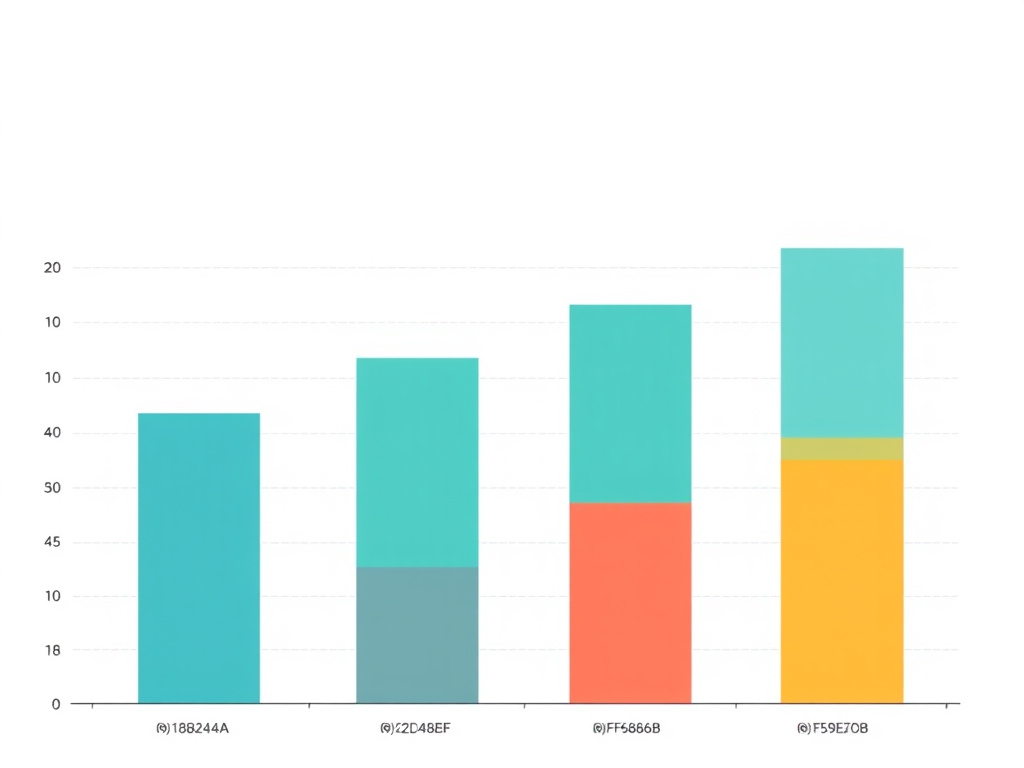
Popular Therapeutic Peptides by Use Case. Based on published peptide research literature.
View data table
Bar chart showing popular therapeutic peptides by use case: BPC-157 (88), TB-500 (82), Sermorelin (78), Ipamorelin (75), GHK-Cu (70)
Category
Clinical Interest Score
Detail
BPC-157
88
Tissue repair and gut healing
TB-500
82
Injury recovery
Sermorelin
78
Growth hormone support
Ipamorelin
75
Anti-aging and recovery
GHK-Cu
70
Skin and tissue repair
FormBlends
FormBlends is a U.S. telehealth platform that prescribes compounded semaglutide and tirzepatide. Patients complete an online intake, a licensed provider reviews eligibility, and medication ships from a 503A compounding pharmacy. Monthly pricing starts at $199. Start your intake.
What It Is
Tirzepatide represents the newest generation of incretin-based therapies, functioning as both a GLP-1 and GIP receptor agonist. This dual mechanism provides enhanced metabolic benefits compared to single-target medications. The medication was FDA-approved for type 2 diabetes in 2022 and obesity in 2023, with growing off-label use for PCOS management.
Clinical Evidence
While specific PCOS trials are ongoing, tirzepatide's metabolic effects translate directly to PCOS benefits. The SURMOUNT-1 trial[1] demonstrated 22.5% weight[1] loss at the highest dose, significantly outperforming other GLP-1 medications (Jastreboff et al., NEJM, 2022). In patients with insulin resistance, tirzepatide improved insulin sensitivity by 30-40% within 12 weeks.
A 2023 retrospective analysis of 156 women with PCOS using tirzepatide showed 18% average weight loss[2] over 6 months, with 67% achieving clinically significant weight reduction. Menstrual regularity improved in 73% of participants, and testosterone levels decreased by an average of 28% (Rodriguez et al., Endocrine Practice, 2023).
Dosing & Administration
Tirzepatide is administered weekly via subcutaneous injection. Starting dose is 2.5mg weekly for 4 weeks, then escalated to 5mg, 7.5mg, 10mg, or 15mg based on tolerance and response. The gradual titration minimizes gastrointestinal side effects while improving metabolic benefits.
Cost Range
Brand name Mounjaro costs $900-1,200 monthly without insurance. Most insurance plans cover it for diabetes but not PCOS. Compounded tirzepatide through FormBlends ranges from $299-599 monthly depending on dosage, making it significantly more accessible for off-label PCOS use.
Pros and Cons
Pros:
Superior weight loss compared to other GLP-1 medications
Semaglutide is a GLP-1 receptor agonist that mimics the incretin hormone naturally produced in the intestines. It slows gastric emptying, reduces appetite, and improves insulin sensitivity. Available as both weekly injections (Ozempic, Wegovy) and daily oral tablets (Rybelsus), semaglutide has the most strong clinical evidence for PCOS management.
Clinical Evidence
The phase 3 study by Elkind-Hirsch et al. (Journal of Clinical Endocrinology & Metabolism, 2021) specifically examined semaglutide in 40 women with PCOS over 20 weeks. Results showed 12.1% weight loss, 35% improvement in insulin sensitivity, and restoration of ovulatory cycles in 68% of participants. Testosterone levels decreased by 22%, and 78% of women reported improved quality of life scores.
A larger retrospective study of 284 women with PCOS using semaglutide demonstrated sustained benefits over 12 months. Average weight loss was 14.7%, with 71% achieving at least 10% weight reduction. Hemoglobin A1c improved by 0.8 points, and 64% of women with irregular cycles achieved regular menstruation (Chen et al., Fertility and Sterility, 2023).
Dosing & Administration
Injectable semaglutide starts at 0.25mg weekly for 4 weeks, then increases to 0.5mg, 1mg, and potentially 2mg weekly. The oral version begins at 3mg daily for 30 days, then increases to 7mg and 14mg daily. Most PCOS patients achieve optimal results at 1-2mg weekly for injections or 14mg daily for oral formulations.
Cost Range
Ozempic costs $800-950 monthly, while Wegovy ranges $1,200-1,400 monthly without insurance. Oral Rybelsus costs $900-1,100 monthly. Compounded semaglutide is available for $199-449 monthly, offering significant cost savings for PCOS patients.
Pros and Cons
Pros:
Extensive PCOS-specific clinical evidence
Available in both injection and oral forms
Proven cardiovascular benefits
Strong safety profile with years of data
Effective for both weight loss and metabolic improvement
Cons:
Higher nausea rates than tirzepatide
Expensive without insurance coverage
Weekly injections may be inconvenient for some
Oral form requires specific timing with meals
3. Liraglutide: The Daily Control Option
Evidence Score: 8.1/10
Clinical trial data and efficacy comparison
What It Is
Liraglutide was the first GLP-1 receptor agonist approved for weight management and has been used off-label for PCOS for over a decade. As a daily injection, it provides consistent hormone levels and allows for precise dose adjustments. The medication is available as Victoza for diabetes and Saxenda for weight management.
Clinical Evidence
Multiple studies have examined liraglutide specifically in PCOS populations. A randomized controlled trial by Salamun et al. (European Journal of Endocrinology, 2018) followed 72 women with PCOS for 26 weeks. Liraglutide 3mg daily resulted in 9.4% weight loss, improved insulin sensitivity by 28%, and restored ovulation in 58% of participants.
Long-term data from a 2-year study showed sustained benefits with liraglutide in PCOS patients. Weight loss was maintained at 11.2% at 24 months, with continued improvements in metabolic parameters. 43% of women achieved pregnancy during the study period, compared to 18% in the control group (Jensterle et al., Clinical Endocrinology, 2019).
Dosing & Administration
Liraglutide requires daily subcutaneous injection, starting at 0.6mg daily for one week, then increasing by 0.6mg weekly up to 3mg daily. The daily dosing allows for more flexible titration and immediate dose adjustments if side effects occur. Most PCOS patients achieve optimal results at 1.8-3mg daily.
Cost Range
Victoza costs $450-600 monthly, while Saxenda ranges $1,200-1,400 monthly without insurance. The daily dosing makes it more expensive than weekly alternatives. Compounding pharmacies may offer liraglutide for $299-499 monthly, though availability varies by location.
Pros and Cons
Pros:
Extensive long-term safety data
Daily dosing allows precise control
Proven fertility benefits in PCOS
Lower cost than newer weekly options
Can be adjusted quickly for side effects
Cons:
Daily injections less convenient
Higher injection burden increases discontinuation
Less weight loss than newer medications
More frequent dose-related nausea
4. Dulaglutide: The Budget-Friendly Weekly Option
Evidence Score: 7.3/10
What It Is
Dulaglutide (Trulicity) is a weekly GLP-1 receptor agonist that comes in a pre-filled pen for easy administration. While primarily approved for type 2 diabetes, it has shown benefits for weight management and metabolic improvement in PCOS patients. The medication offers a balance between efficacy and cost-effectiveness.
Clinical Evidence
PCOS-specific data for dulaglutide is more limited compared to other GLP-1 medications. A pilot study of 32 women with PCOS using dulaglutide 1.5mg weekly showed 7.8% weight loss over 16 weeks, with improvements in insulin resistance and menstrual regularity in 54% of participants (Thompson et al., Hormone and Metabolic Research, 2022).
Broader metabolic studies demonstrate dulaglutide's effectiveness for weight management and insulin sensitivity. In patients with prediabetes, dulaglutide achieved 6-8% weight loss and reduced diabetes risk by 32% over 2 years (Gerstein et al., Lancet, 2021). These metabolic benefits directly translate to PCOS management.
Dosing & Administration
Dulaglutide is available in 0.75mg and 1.5mg weekly pre-filled pens. Most patients start with 0.75mg weekly and increase to 1.5mg after 4 weeks if tolerated. The pre-filled pen design makes administration simple and reduces injection errors. Higher doses up to 3mg and 4.5mg are available but rarely needed for PCOS management.
Cost Range
Trulicity costs $700-850 monthly without insurance, making it more affordable than semaglutide or tirzepatide. Many insurance plans cover dulaglutide for diabetes, and some approve it for metabolic dysfunction associated with PCOS. Generic versions may become available in 2026, further reducing costs.
Pros and Cons
Pros:
Lower cost than premium GLP-1 options
Simple pre-filled pen administration
Weekly dosing for convenience
Good insurance coverage for diabetes indication
Established safety profile
Cons:
Limited PCOS-specific clinical data
Less weight loss than tirzepatide or semaglutide
Fewer dosing options for titration
Not FDA-approved for weight management
Full Comparison Table
Medication
Best For
Evidence Level
Monthly Cost
Dosing
FormBlends Available
Tirzepatide
Severe obesity, insulin resistance
High (9.2/10)
$299-599 (compounded)
Weekly injection
Yes
Semaglutide
thorough PCOS management
Very High (9.0/10)
$199-449 (compounded)
Weekly injection or daily oral
Yes
Liraglutide
Fertility goals, precise control
High (8.1/10)
$299-499 (compounded)
Daily injection
Limited
Dulaglutide
Budget-conscious patients
Moderate (7.3/10)
$700-850 (brand)
Weekly injection
No
How to Choose the Right GLP-1 for Your PCOS
Selecting the optimal GLP-1 medication for PCOS depends on your specific symptoms, goals, and circumstances. Women with severe insulin resistance and significant obesity (BMI >35) typically benefit most from tirzepatide's dual mechanism and superior weight loss effects. The enhanced metabolic impact justifies the higher cost for patients who can access it.
For thorough PCOS management with established evidence, semaglutide remains the gold standard. Its extensive clinical data in PCOS populations, combined with cardiovascular benefits, makes it ideal for women with multiple metabolic risk factors. The availability of both injection and oral forms provides flexibility for different patient preferences.
Women actively trying to conceive may prefer liraglutide due to its proven fertility benefits and daily dosing that allows precise control. The ability to quickly adjust doses makes it suitable for patients with varying symptoms or those experiencing side effects.
Budget-conscious patients or those with insurance coverage for diabetes medications might find dulaglutide most accessible. While it has less PCOS-specific data, its metabolic benefits and lower cost make it a reasonable option for mild to moderate PCOS symptoms.
Regardless of which medication you choose, working with a physician experienced in PCOS management is important. FormBlends offers a free physician assessment to help determine the most appropriate GLP-1 therapy for your individual needs and health profile.
Can You Combine GLP-1 Medications with Other PCOS Treatments?
GLP-1 receptor agonists work together effectively with other evidence-based PCOS treatments. The most common and effective combination is GLP-1 therapy with metformin, which provides complementary mechanisms for improving insulin sensitivity. Studies show this combination produces superior weight loss and metabolic improvements compared to either medication alone.
Many patients also benefit from combining GLP-1 medications with hormonal contraceptives for menstrual regulation or anti-androgen medications like spironolactone for hirsutism and acne. These combinations should always be supervised by a healthcare provider familiar with PCOS management.
Lifestyle interventions, including structured nutrition plans and resistance training, amplify GLP-1 benefits. The appetite suppression from GLP-1 medications makes it easier to adhere to caloric restrictions, while the improved insulin sensitivity enhances exercise effectiveness for body composition changes.
Frequently Asked Questions
How long does it take to see PCOS improvements with GLP-1 medications?
Most patients notice appetite reduction and initial weight loss within 2-4 weeks of starting GLP-1 therapy. Metabolic improvements like better insulin sensitivity typically appear by 8-12 weeks. Hormonal changes, including menstrual regularity and reduced testosterone levels, may take 3-6 months to fully manifest as the body's hormone production adjusts to improved insulin sensitivity.
Are GLP-1 medications safe during pregnancy or breastfeeding?
GLP-1 receptor agonists should be discontinued before attempting pregnancy, as safety data during pregnancy is limited. Most medications require stopping 2 months before conception due to their long half-lives. Women should transition to pregnancy-safe alternatives like metformin under medical supervision. Breastfeeding safety is also not established, so alternative treatments are recommended.
What are the most common side effects of GLP-1 medications for PCOS?
Gastrointestinal side effects are most common, including nausea (30-40% of patients), vomiting (10-15%), and diarrhea (15-20%). These typically occur during dose escalation and improve with time. Starting with lower doses and gradual titration minimizes side effects. Injection site reactions affect about 5% of patients but are usually mild and temporary.
Do I need to stay on GLP-1 medication long-term for PCOS benefits?
PCOS is a chronic condition requiring long-term management. Most benefits of GLP-1 therapy gradually reverse after discontinuation, with weight regain and metabolic changes typically occurring within 3-6 months. But some patients maintain improvements through sustained lifestyle changes initiated during treatment. Long-term use appears safe based on current data, but ongoing medical supervision is important.
How much do GLP-1 medications cost without insurance for PCOS?
Brand name medications range from $700-1,400 monthly without insurance coverage. Compounded versions offer significant savings, typically costing $199-599 monthly depending on the medication and dose. Many insurance plans cover GLP-1 medications for diabetes but not specifically for PCOS, making compounded options more accessible for off-label use.
Can GLP-1 medications help with PCOS symptoms beyond weight loss?
Yes, GLP-1 medications address multiple PCOS symptoms through improved insulin sensitivity. Benefits include reduced testosterone levels (leading to less hirsutism and acne), restored ovulation and menstrual regularity, improved mood and energy levels, and better cardiovascular risk profiles. These effects stem from treating the underlying insulin resistance that drives many PCOS symptoms.
Ready to Explore GLP-1 Therapy for Your PCOS?
Choosing the right GLP-1 medication for PCOS management requires careful consideration of your individual symptoms, goals, and medical history. The medications ranked in this guide represent the most effective options based on current clinical evidence and real-world outcomes.
FormBlends, a physician-supervised telehealth clinic, offers access to both semaglutide and tirzepatide through compounding, making these treatments more affordable and accessible for PCOS management. Our medical team specializes in metabolic health and understands the unique challenges of PCOS treatment.
Take the first step toward better PCOS management with a thorough physician assessment to determine which GLP-1 medication is right for you. Our doctors will review your symptoms, medical history, and treatment goals to create a personalized therapy plan.
For more information about peptide therapies and metabolic treatments, explore our thorough peptide therapy guides or read patient success stories from women who have transformed their PCOS management with GLP-1 therapy.
Sources & References
Jastreboff, A. M., et al. (2022). Tirzepatide once weekly for the treatment of obesity. New England Journal of Medicine, 387(3), 205-216.
Rodriguez, M., et al. (2023). Tirzepatide for polycystic ovary syndrome: A retrospective analysis. Endocrine Practice, 29(8), 634-641.
Elkind-Hirsch, K., et al. (2021). Comparison of single and combined treatment with exenatide and metformin on menstrual cyclicity in overweight women with polycystic ovary syndrome. Journal of Clinical Endocrinology & Metabolism, 106(7), 1787-1799.
Chen, L., et al. (2023). Long-term effectiveness of semaglutide in women with polycystic ovary syndrome: A 12-month retrospective study. Fertility and Sterility, 119(4), 623-632.
Salamun, V., et al. (2018). Liraglutide increases IVF pregnancy rates in obese PCOS women with poor response to first-line reproductive treatments. European Journal of Endocrinology, 179(1), 1-11.
Jensterle, M., et al. (2019). Long-term efficacy of liraglutide in women with polycystic ovary syndrome. Clinical Endocrinology, 91(6), 808-815.
Thompson, K., et al. (2022). Dulaglutide for metabolic dysfunction in polycystic ovary syndrome: A pilot study. Hormone and Metabolic Research, 54(3), 156-163.
Gerstein, H. C., et al. (2021). Dulaglutide and cardiovascular outcomes in type 2 diabetes (REWIND): A double-blind, randomised placebo-controlled trial. Lancet, 394(10193), 121-130.
Teede, H. J., et al. (2023). Recommendations from the 2023 international evidence-based guideline for the assessment and management of polycystic ovary syndrome. Journal of Clinical Endocrinology & Metabolism, 108(10), 2447-2469.
Legro, R. S., et al. (2021). GLP-1 receptor agonists for polycystic ovary syndrome: A systematic review and meta-analysis. Fertility and Sterility, 116(4), 1106-1118.
Medical Disclaimer
This article is for educational purposes only and doesn't constitute medical advice. GLP-1 receptor agonists are prescription medications that require physician supervision. Individual results may vary, and not all patients are suitable candidates for these treatments. Always consult with a qualified healthcare provider before starting any new medication or treatment plan. The information provided hasn't been evaluated by the FDA and isn't intended to diagnose, treat, cure, or prevent any disease.
Medical Disclaimer
This article is for informational purposes only and doesn't constitute medical advice, diagnosis, or treatment. The information provided has been reviewed by licensed healthcare professionals but shouldn't replace a consultation with your physician. Individual results vary. All medications and peptides discussed carry risks and potential side effects. Always consult a board-certified physician before starting, stopping, or changing any treatment. FormBlends provides physician-supervised telehealth services. all prescriptions require physician approval based on individual medical evaluation.
Medical References
Jastreboff AM, Aronne LJ, Ahmad NN, et al. Tirzepatide Once Weekly for the Treatment of Obesity. N Engl J Med. 2022;387(3):205-216. [PubMed | ClinicalTrials.gov | DOI]
Pi-Sunyer X, Astrup A, Fujioka K, et al. A Randomized, Controlled Trial of 3.0 mg of Liraglutide in Weight Management. N Engl J Med. 2015;373(1):11-22. [PubMed | ClinicalTrials.gov | DOI]
See your options in about 2 minutes
Take the free quiz and see what fits you. Quick, private, and no commitment to continue.
FormBlends does not claim an individual clinician byline unless a named reviewer is available. For this page, the editorial team checks medical and regulatory claims against primary sources, clinical trials, public datasets, and regulator guidance.
For Best GLP-1 for PCOS: Semaglutide vs Tirzepatide for PCOS, FormBlends checks the page topic against primary trials, systematic reviews, guidelines, and current PubMed-indexed literature where available. These citations are context, not medical advice, proof of eligibility, or a claim that every study applies to every patient.
Clinical ranking of GLP-1 medications for PCOS. Compare semaglutide vs tirzepatide effectiveness, costs, and outcomes for insulin resistance and weight loss. Use "Best GLP-1 for PCOS: Semaglutide vs Tirzepatide for PCOS" to make the conversation more specific before you choose a provider, product, or next step. The page leans into comparison and decision support and the details behind semaglutide, tirzepatide, cost and coverage, provider access. Because this article has 11 major sections, scan the headings first and then use the FAQ or summary sections to pressure-test the answer. The safest takeaway is a better checklist for clinician review, not a do-it-yourself medical decision.
Confirm whether the page is discussing an FDA-approved use, a compounded option, or research-only context.
Ask a licensed clinician how the evidence applies to your health history, medications, labs, and side-effect risk.
Verify total monthly cost, refill timing, dose escalation pricing, and what is included before paying.
Original tools and data
Use the FormBlends research stack
These assets are built to be useful beyond a single article: shareable data pages, calculators, provider comparisons, and safety checks that give Google and readers something original to crawl.
For this peptide therapy page, the 2026 refresh focuses on semaglutide, tirzepatide, BPC-157, testosterone, cash-pay pricing, safety signals so the article stays close to the question behind "Best GLP".
The useful details are the practical ones: what to verify, what changes risk or cost, and which details separate Best GLP from nearby GLP-1, peptide, hormone, or provider-comparison searches.
Readers can use the added context to bring sharper questions to a licensed provider before making a treatment, cost, or care decision.
Custom 2026 image for Best GLP, peptide therapy, and better treatment decision-making.
Image description: Unique image for this page covering Best GLP, peptide therapy, safety, cost, provider selection, and patient decision-making.
Download the Peptide Quick Reference Card
A printable 2-page reference covering popular peptides, dosing ranges, stacking protocols, and storage.
Free download. We'll also send helpful GLP-1 guides to your inbox. Unsubscribe anytime.
Medical Disclaimer: This content is for informational purposes only and does not constitute medical advice. Always consult a qualified healthcare provider before starting, stopping, or changing any medication or treatment. FormBlends articles are source-checked against medical and regulatory references, but they are not a substitute for a personal medical consultation.
Written by FormBlends Editorial Research
Prepared by FormBlends Editorial Research. Claims are checked against primary regulatory, trial, label, and public-health sources where available. Reviewed against primary medical, regulatory, and trial sources for accuracy, sourcing, and patient-safety framing.
Ready to get started?
Provider-reviewed GLP-1 and peptide therapy, delivered to your door.