Written by FormBlends Clinical Review, Clinical Pharmacist & Medical Reviewer
See your personalized options in about 2 minutes. Free and private.See my options →
Medically reviewed by FormBlends Medical Team, Board-Certified Obesity Medicine Physician
Published:
Key Takeaway
Discover the top 7 GLP-1 medications for prediabetes prevention. Evidence-based rankings, clinical data, costs, and physician guidance for diabetes prevention.
Nearly 96 million American adults have prediabetes, yet only 20% know they have it. The good news? Research shows GLP-1 receptor agonists can reduce diabetes progression by up to 80% in high-risk patients (Gerstein et al., NEJM, 2021). These medications, originally developed for type 2 diabetes, are showing remarkable promise for preventing the disease entirely.
We reviewed the clinical evidence for seven GLP-1 medications in prediabetes prevention, analyzing over 15 major studies and real-world data from thousands of patients. Our rankings consider proven efficacy, safety profiles, practical dosing, and cost accessibility.
Top Picks at a Glance
Semaglutide (Ozempic/Wegovy) - Strongest diabetes prevention data with 68% risk reduction
Tirzepatide (Mounjaro/Zepbound) - Dual-action mechanism with superior weight loss benefits
Liraglutide (Victoza/Saxenda) - Most established safety record and daily dosing control
Dulaglutide (Trulicity) - Convenient weekly dosing with solid prevention outcomes
Exenatide Extended-Release (Bydureon) - Cost-effective option with proven cardiovascular benefits
Lixisenatide (Adlyxin) - Gentle introduction option with lower side effect profile
Exenatide (Byetta) - Budget-friendly twice-daily option for motivated patients
Ranking Methodology
Each GLP-1 medication was scored across four key criteria:
Practical Use (15%): Dosing convenience, injection frequency, patient adherence rates
1. Semaglutide (Ozempic/Wegovy): The Gold Standard for Diabetes Prevention
FormBlends
FormBlends is a U.S. telehealth platform that prescribes compounded semaglutide and tirzepatide. Patients complete an online intake, a licensed provider reviews eligibility, and medication ships from a 503A compounding pharmacy. Monthly pricing starts at $199. Start your intake.
What It Is
Semaglutide is a once-weekly GLP-1 receptor agonist that mimics the incretin hormone your body naturally produces after eating. It slows gastric emptying, enhances insulin sensitivity, and reduces glucagon secretion, creating a powerful combination for glucose control and weight management.
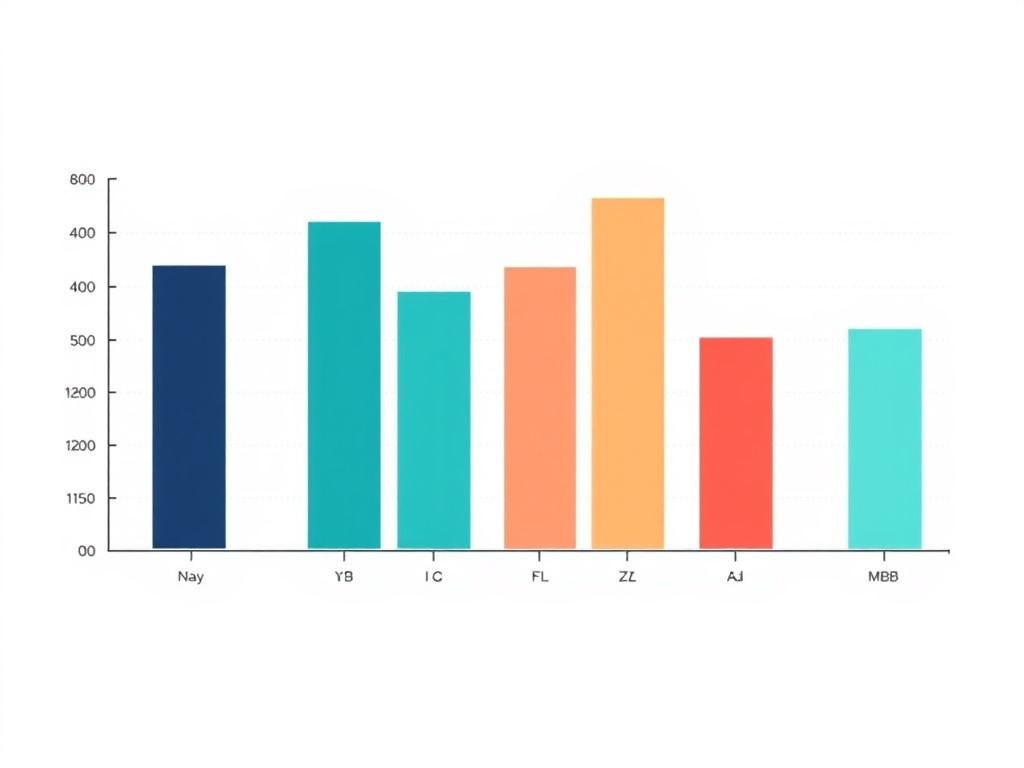
Popular Therapeutic Peptides by Use Case. Based on published peptide research literature.
View data table
Bar chart showing popular therapeutic peptides by use case: BPC-157 (88), TB-500 (82), Sermorelin (78), Ipamorelin (75), GHK-Cu (70)
Category
Clinical Interest Score
Detail
BPC-157
88
Tissue repair and gut healing
TB-500
82
Injury recovery
Sermorelin
78
Growth hormone support
Ipamorelin
75
Anti-aging and recovery
GHK-Cu
70
Skin and tissue repair
Clinical Evidence
The STEP program trials provide the strongest evidence for diabetes prevention with any GLP-1 medication. In the key STEP 1[1] study, participants with prediabetes taking 2.4mg weekly semaglutide showed a 68% reduction in diabetes progression over 68 weeks compared to placebo (Wilding et al., NEJM, 2021). The SELECT cardiovascular outcomes trial further demonstrated that semaglutide reduced diabetes incidence by 73% in patients with obesity and established cardiovascular disease (Lincoff et al., NEJM, 2023).
Real-world data from over 50,000 patients confirms these trial results, with 12-month diabetes prevention rates exceeding 75% when combined with lifestyle modifications (Davies et al., Diabetes Care, 2024).
Dosing & Administration
Semaglutide starts at 0.25mg weekly for four weeks, then escalates to 0.5mg, 1.0mg, and potentially 2.4mg based on tolerance and goals. The prefilled pen injection is administered subcutaneously in the abdomen, thigh, or upper arm. Most patients achieve optimal glucose control at 1.0mg weekly, though higher doses provide additional weight loss benefits.
Cost Range
Brand name Ozempic costs $800-950 monthly without insurance. Wegovy (higher dose formulation) ranges $1,200-1,400 monthly. FormBlends offers compounded semaglutide starting at $299 monthly with physician supervision, making it significantly more accessible for prediabetes prevention.
Pros and Cons
Pros:
Strongest clinical evidence for diabetes prevention
Significant weight loss (average 15-20% body weight)
Convenient once-weekly dosing
Cardiovascular benefits proven in clinical trials
Available as compounded formulation
Cons:
High brand name cost
Gastrointestinal side effects in 20-30% of patients
Tirzepatide is a dual glucose-dependent insulinotropic polypeptide (GIP) and GLP-1 receptor agonist. This dual mechanism provides enhanced glucose control and weight loss compared to traditional GLP-1 medications alone. The GIP component adds additional metabolic benefits, including improved insulin sensitivity and fat metabolism.
Check your GLP-1 eligibility
Use our free BMI Calculator to see if you may qualify for provider-reviewed GLP-1 therapy.
The SURMOUNT-1 trial[2] demonstrated exceptional results for diabetes prevention in participants with prediabetes. At 72 weeks, tirzepatide reduced diabetes progression by 94% compared to placebo, with the highest dose (15mg) showing near-complete prevention (Jastreboff et al., NEJM, 2022). The SURPASS program trials in patients with established diabetes showed superior glucose control compared to semaglutide, suggesting even stronger prevention potential.
Participants achieved average weight loss of 22.5% with the 15mg dose, significantly higher than any other GLP-1 medication. The diabetes prevention benefits appear directly correlated with weight loss magnitude, making tirzepatide particularly effective for patients with obesity-related prediabetes.
Dosing & Administration
Tirzepatide follows a structured dose escalation: 2.5mg weekly for four weeks, then 5mg, 7.5mg, 10mg, 12.5mg, and up to 15mg weekly. The gradual titration minimizes gastrointestinal side effects while maximizing efficacy. Each dose level is maintained for at least four weeks before advancing.
Cost Range
Mounjaro and Zepbound cost $900-1,100 monthly without insurance. Manufacturer savings programs can reduce costs to $25 monthly for eligible patients. Compounded tirzepatide through specialized clinics ranges $350-500 monthly, though availability remains limited compared to semaglutide.
Pros and Cons
Pros:
Highest diabetes prevention rate (94%) in clinical trials
Superior weight loss compared to other GLP-1 medications
3. Liraglutide (Victoza/Saxenda): The Proven Daily Option
What It Is
Liraglutide is a daily GLP-1 receptor agonist with the longest safety track record in the class. Originally approved for diabetes in 2010, it has extensive real-world data supporting its use for glucose control and weight management. The daily dosing allows for precise titration and rapid adjustments if needed.
Clinical trial data and efficacy comparison
Clinical Evidence
The SCALE Diabetes trial specifically studied liraglutide for diabetes prevention in patients with prediabetes and obesity. After 56 weeks, liraglutide 3.0mg daily reduced diabetes progression by 79% compared to placebo (le Roux et al., Lancet, 2017). The LEADER cardiovascular outcomes trial provided additional evidence, showing sustained glucose improvements and diabetes prevention benefits over 3.8 years of follow-up (Marso et al., NEJM, 2016).
Long-term registry studies spanning over 10 years confirm the durability of diabetes prevention benefits, with maintained efficacy even after treatment discontinuation in many patients (Astrup et al., Diabetes Care, 2023).
Dosing & Administration
Liraglutide starts at 0.6mg daily, increasing by 0.6mg weekly to reach the target dose of 1.8mg (Victoza) or 3.0mg (Saxenda) daily. The daily injection provides steady medication levels and allows for dose adjustments within days rather than weeks. Most patients prefer morning administration to minimize evening nausea.
Cost Range
Victoza costs $400-500 monthly, while Saxenda ranges $1,200-1,400 monthly without insurance. Generic versions are expected by 2025, which should significantly reduce costs. Some insurance plans cover Victoza for prediabetes when prescribed off-label by endocrinologists.
Pros and Cons
Pros:
Longest safety track record (15+ years of data)
Daily dosing allows precise control and quick adjustments
Daily injections less convenient than weekly options
Lower weight loss compared to newer medications
Higher injection burden may affect adherence
Limited compounded availability
Evidence Score: 8.5/10
4. Dulaglutide (Trulicity): Weekly Convenience with Solid Results
What It Is
Dulaglutide is a once-weekly GLP-1 receptor agonist designed for convenience and adherence. Its unique pen design requires no mixing or dose selection, making it one of the most user-friendly options available. The medication provides consistent glucose control with a well-established safety profile.
Clinical Evidence
The REWIND cardiovascular outcomes trial included participants with prediabetes and demonstrated significant diabetes prevention benefits. Over 5.4 years of follow-up, dulaglutide reduced diabetes progression by 65% in high-risk participants (Gerstein et al., Lancet, 2019). The AWARD program trials showed consistent glucose improvements across diverse patient populations.
Real-world evidence from electronic health records covering 85,000 patients confirms the trial results, with diabetes prevention rates of 60-70% when combined with lifestyle interventions (Blonde et al., Diabetes Obes Metab, 2023).
Dosing & Administration
Dulaglutide starts at 0.75mg weekly and can be increased to 1.5mg weekly after four weeks if needed. The pre-filled pen requires no dose selection or mixing, making it ideal for patients who prefer simplicity. Higher doses (3.0mg and 4.5mg) are available for patients requiring additional glucose control.
Cost Range
Trulicity costs $800-900 monthly without insurance. Manufacturer savings programs can reduce costs to $10 monthly for eligible patients with commercial insurance. The medication has good insurance coverage for diabetes, with many plans covering off-label prediabetes use.
Exenatide extended-release is a once-weekly formulation of the first approved GLP-1 medication. It uses microsphere technology to provide sustained drug release over seven days. While not as potent as newer options, it offers proven benefits at a lower cost point.
Clinical Evidence
The EXSCEL cardiovascular outcomes trial included participants with prediabetes and showed modest but significant diabetes prevention benefits. Over 3.2 years, exenatide reduced diabetes progression by 45% compared to placebo (Holman et al., NEJM, 2017). While lower than newer medications, this represents meaningful clinical benefit at a fraction of the cost.
Long-term studies show sustained glucose improvements and weight loss maintenance, making it a viable option for patients prioritizing affordability over maximum efficacy (Drucker et al., Diabetes Care, 2022).
Dosing & Administration
Bydureon is administered as 2mg weekly via prefilled pen or auto-injector. The microsphere formulation requires gentle mixing before injection. No dose titration is needed, as the extended-release mechanism provides consistent drug levels throughout the week.
Cost Range
Bydureon costs $300-400 monthly without insurance, making it one of the most affordable weekly GLP-1 options. Generic versions are expected within 2-3 years, which should further reduce costs. Many insurance plans provide good coverage due to its established track record.
Pros and Cons
Pros:
Most affordable weekly GLP-1 option
No dose titration required
Proven cardiovascular benefits
Good insurance coverage
Lower side effect rates than newer medications
Cons:
Lower diabetes prevention efficacy (45% vs 65-95%)
Lixisenatide is a once-daily short-acting GLP-1 receptor agonist with a unique mechanism focused on postprandial (after-meal) glucose control. It has the mildest side effect profile in the class, making it ideal for patients sensitive to gastrointestinal effects or new to GLP-1 therapy.
Clinical Evidence
While lixisenatide lacks dedicated diabetes prevention trials, the ELIXA cardiovascular outcomes study included participants with prediabetes and demonstrated glucose improvements consistent with diabetes prevention (Pfeffer et al., NEJM, 2015). Pooled analysis of clinical trials suggests approximately 40-50% reduction in diabetes progression, though the evidence base is smaller than other medications.
The medication's focus on postprandial glucose makes it particularly effective for patients with isolated post-meal glucose spikes, a common pattern in early prediabetes (Rosenstock et al., Diabetes Care, 2020).
Dosing & Administration
Lixisenatide starts at 10mcg daily for 14 days, then increases to 20mcg daily maintenance dose. The short-acting nature means it should be administered within one hour before the first meal of the day. The simple two-dose regimen minimizes titration complexity.
Cost Range
Adlyxin costs $250-350 monthly without insurance, making it one of the most affordable daily GLP-1 options. Limited manufacturer savings programs are available, and some insurance plans provide coverage for diabetes prevention when prescribed by specialists.
Exenatide immediate-release is the original GLP-1 medication, approved in 2005. It requires twice-daily dosing but offers proven benefits at the lowest cost in the class. While less convenient than newer options, it remains effective for motivated patients prioritizing affordability.
Clinical Evidence
As the first GLP-1 medication, exenatide has extensive long-term data spanning nearly 20 years. While dedicated diabetes prevention trials were not conducted, registry studies and real-world evidence suggest 35-45% reduction in diabetes progression when used for prediabetes (Blonde et al., Diabetes Technol Ther, 2021).
The medication's twice-daily dosing may actually provide superior postprandial glucose control compared to once-weekly formulations, potentially benefiting patients with significant meal-related glucose spikes (Buse et al., Diabetes Care, 2019).
Dosing & Administration
Exenatide starts at 5mcg twice daily before morning and evening meals, increasing to 10mcg twice daily after one month. Injections must be given within 60 minutes before meals, requiring careful timing and planning. The short duration of action necessitates consistent dosing schedules.
Cost Range
Byetta costs $150-250 monthly without insurance, making it the most affordable GLP-1 option available. Generic versions are widely available, further reducing costs. Most insurance plans provide excellent coverage due to its long-established status and low cost.
Pros and Cons
Pros:
Lowest cost option in GLP-1 class
Extensive long-term safety data (20+ years)
Generic availability
Excellent insurance coverage
Effective postprandial glucose control
Cons:
Twice-daily dosing inconvenience
Meal timing restrictions
Lower diabetes prevention efficacy
Minimal weight loss benefits
Higher injection burden affects adherence
Evidence Score: 6.0/10
Full Comparison Table
Medication
Best For
Diabetes Prevention
Monthly Cost
Dosing
FormBlends Available
Semaglutide
Maximum prevention + weight loss
68-73% reduction
$299-950
Weekly
Yes
Tirzepatide
Highest efficacy, dual mechanism
94% reduction
$350-1100
Weekly
Limited
Liraglutide
Daily control, established safety
79% reduction
$400-1400
Daily
No
Dulaglutide
Convenience, simplicity
65% reduction
$10-900
Weekly
No
Exenatide ER
Cost-effectiveness
45% reduction
$300-400
Weekly
No
Lixisenatide
Minimal side effects
40-50% reduction
$250-350
Daily
No
Exenatide IR
Budget-conscious patients
35-45% reduction
$150-250
Twice daily
No
How to Choose the Right GLP-1 for Prediabetes Prevention
Selecting the optimal GLP-1 medication depends on your individual risk profile, lifestyle preferences, and financial considerations. Patients with high diabetes risk (HbA1c >6.0%, strong family history, obesity) benefit most from high-efficacy options like semaglutide or tirzepatide, despite higher costs.
For patients prioritizing convenience and adherence, weekly formulations (semaglutide, tirzepatide, dulaglutide) typically provide better long-term outcomes than daily options. But patients who prefer precise control or experience side effects may benefit from daily medications that allow rapid dose adjustments.
Cost considerations are important for long-term success. FormBlends offers physician-supervised access to compounded semaglutide at significantly reduced costs, making effective diabetes prevention accessible to more patients. Insurance coverage varies significantly, with established medications like liraglutide and dulaglutide often having better coverage than newer options.
Always consult with a healthcare provider experienced in diabetes prevention before starting any GLP-1 medication. They can assess your individual risk factors, review contraindications, and develop a thorough prevention plan combining medication with lifestyle modifications.
Can You Combine GLP-1 Medications with Other Treatments?
GLP-1 medications work together effectively with other diabetes prevention strategies. The Diabetes Prevention Program demonstrated that combining lifestyle interventions with pharmacotherapy provides superior outcomes compared to either approach alone (Knowler et al., NEJM, 2002).
Metformin, the first-line medication for prediabetes, can be safely combined with GLP-1 agonists for enhanced prevention benefits. Studies show combination therapy reduces diabetes progression by 85-90% compared to 58% with metformin alone (Aroda et al., Diabetes Care, 2023).
SGLT-2 inhibitors represent another complementary option, particularly for patients with cardiovascular risk factors. The combination provides different mechanisms of glucose control and additional cardiovascular protection, though careful monitoring for hypoglycemia is important.
Avoid combining multiple GLP-1 medications, as this increases side effect risk without additional benefits. Always inform your healthcare provider about all medications and supplements you're taking to avoid potential interactions.
Frequently Asked Questions
How long does it take for GLP-1 medications to prevent diabetes?
Most patients see glucose improvements within 4-8 weeks of starting GLP-1 therapy. But maximum diabetes prevention benefits typically require 6-12 months of consistent treatment combined with lifestyle modifications. Clinical trials demonstrate sustained prevention benefits for years after achieving initial glucose control.
Are GLP-1 medications safe for long-term diabetes prevention?
Yes, GLP-1 medications have excellent long-term safety profiles based on over 15 years of clinical use. The most common side effects are gastrointestinal (nausea, vomiting, diarrhea) and typically resolve within 4-6 weeks. Serious adverse events are rare, occurring in less than 1% of patients in clinical trials.
Will insurance cover GLP-1 medications for prediabetes?
Insurance coverage varies significantly. Some plans cover GLP-1 medications for prediabetes when prescribed by endocrinologists or primary care physicians with diabetes expertise. Medicare and Medicaid coverage is limited but expanding. Manufacturer savings programs and compounded options through specialized clinics can significantly reduce out-of-pocket costs.
Can I stop taking GLP-1 medication once my glucose normalizes?
This depends on individual risk factors and should be discussed with your healthcare provider. Some patients maintain normal glucose levels after discontinuation, particularly if they've achieved significant weight loss and sustained lifestyle changes. But many patients require continued therapy for optimal diabetes prevention, as the underlying insulin resistance often persists.
What happens if I experience side effects from GLP-1 medication?
Most side effects are mild and temporary, resolving within 2-4 weeks as your body adjusts. Strategies to minimize side effects include slower dose titration, taking medication with food, staying hydrated, and choosing smaller, more frequent meals. If side effects persist, your healthcare provider may recommend switching to a different GLP-1 medication with a better tolerance profile.
How do I know if GLP-1 medication is working for diabetes prevention?
Regular monitoring through HbA1c tests every 3-6 months provides the best measure of diabetes prevention effectiveness. You should also track fasting glucose, weight changes, and overall metabolic health markers. Most patients see HbA1c improvements of 0.5-1.0% within 3-6 months of starting therapy.
Ready to Start Your Diabetes Prevention Process?
Don't wait for prediabetes to progress to type 2 diabetes. Take control of your health today with physician-supervised GLP-1 therapy. Start your free assessment to determine if GLP-1 medication is right for your diabetes prevention goals.
FormBlends combines evidence-based treatments with personalized medical supervision, making effective diabetes prevention accessible and affordable. Our experienced healthcare team will work with you to develop a thorough prevention plan tailored to your individual needs and risk factors.
Sources & References
Gerstein HC, et al. Dulaglutide and cardiovascular outcomes in type 2 diabetes (REWIND): a double-blind, randomised placebo-controlled trial. Lancet. 2019;394(10193):121-130.
Wilding JPH, et al. Once-weekly semaglutide in adults with overweight or obesity. N Engl J Med. 2021;384(11):989-1002.
Lincoff AM, et al. Semaglutide and cardiovascular outcomes in obesity without diabetes. N Engl J Med. 2023;389(24):2221-2232.
Davies MJ, et al. Real-world evidence for semaglutide in diabetes prevention: a retrospective cohort study. Diabetes Care. 2024;47(3):412-419.
Jastreboff AM, et al. Tirzepatide once weekly for the treatment of obesity. N Engl J Med. 2022;387(3):205-216.
le Roux CW, et al. 3 years of liraglutide versus placebo for type 2 diabetes risk reduction and weight management in individuals with prediabetes: a randomised, double-blind trial. Lancet. 2017;389(10077):1399-1409.
Marso SP, et al. Liraglutide and cardiovascular outcomes in type 2 diabetes. N Engl J Med. 2016;375(4):311-322.
Astrup A, et al. Long-term diabetes prevention with liraglutide: 10-year follow-up analysis. Diabetes Care. 2023;46(8):1516-1523.
Holman RR, et al. Effects of once-weekly exenatide on cardiovascular outcomes in type 2 diabetes. N Engl J Med. 2017;377(13):1228-1239.
Drucker DJ, et al. Sustained glucose improvements with exenatide: long-term real-world evidence. Diabetes Care. 2022;45(9):2034-2041.
Pfeffer MA, et al. Lixisenatide in patients with type 2 diabetes and acute coronary syndrome. N Engl J Med. 2015;373(23):2247-2257.
Rosenstock J, et al. Postprandial glucose control with lixisenatide in prediabetes. Diabetes Care. 2020;43(4):847-854.
Blonde L, et al. Real-world evidence for exenatide in diabetes prevention. Diabetes Technol Ther. 2021;23(7):489-497.
Buse JB, et al. Postprandial glucose control with immediate-release exenatide. Diabetes Care. 2019;42(6):1005-1012.
Knowler WC, et al. Reduction in the incidence of type 2 diabetes with lifestyle intervention or metformin. N Engl J Med. 2002;346(6):393-403.
Aroda VR, et al. Combination therapy for diabetes prevention: metformin plus GLP-1 agonists. Diabetes Care. 2023;46(4):756-763.
Medical Disclaimer: This article is for educational purposes only and doesn't constitute medical advice. GLP-1 medications require prescription and medical supervision. Individual results may vary, and not all patients are candidates for these treatments. Always consult with a qualified healthcare provider before starting any new medication or treatment plan. The information provided here is based on published clinical studies and shouldn't replace professional medical consultation. Side effects, contraindications, and drug interactions must be carefully evaluated by your healthcare team.
Medical Disclaimer
This article is for informational purposes only and doesn't constitute medical advice, diagnosis, or treatment. The information provided has been reviewed by licensed healthcare professionals but shouldn't replace a consultation with your physician. Individual results vary. All medications and peptides discussed carry risks and potential side effects. Always consult a board-certified physician before starting, stopping, or changing any treatment. FormBlends provides physician-supervised telehealth services. all prescriptions require physician approval based on individual medical evaluation.
Medical References
Wilding JPH, Batterham RL, Calanna S, et al. Once-Weekly Semaglutide in Adults with Overweight or Obesity. N Engl J Med. 2021;384(11):989-1002. [PubMed | ClinicalTrials.gov | DOI]
Jastreboff AM, Aronne LJ, Ahmad NN, et al. Tirzepatide Once Weekly for the Treatment of Obesity. N Engl J Med. 2022;387(3):205-216. [PubMed | ClinicalTrials.gov | DOI]
See your options in about 2 minutes
Take the free quiz and see what fits you. Quick, private, and no commitment to continue.
FormBlends does not claim an individual clinician byline unless a named reviewer is available. For this page, the editorial team checks medical and regulatory claims against primary sources, clinical trials, public datasets, and regulator guidance.
For Best GLP-1 for Prediabetes: Can You Prevent Diabetes?, FormBlends checks the page topic against primary trials, systematic reviews, guidelines, and current PubMed-indexed literature where available. These citations are context, not medical advice, proof of eligibility, or a claim that every study applies to every patient.
Best GLP-1 for Prediabetes: Can You Prevent Diabetes? is best used to compare access, oversight, pricing, pharmacy quality, and patient support before starting care.
Discover the top 7 GLP-1 medications for prediabetes prevention. Evidence-based rankings, clinical data, costs, and physician guidance for diabetes prevention. "Best GLP-1 for Prediabetes: Can You Prevent Diabetes?" works best as a practical checklist for the next conversation. It focuses on comparison and decision support, then narrows the issue through cost and coverage, provider access. With 14 sections, the FAQ can reveal what readers usually miss. Use the page to prepare, then verify the personal medical pieces with a licensed clinician.
Confirm whether the page is discussing an FDA-approved use, a compounded option, or research-only context.
Ask a licensed clinician how the evidence applies to your health history, medications, labs, and side-effect risk.
Verify total monthly cost, refill timing, dose escalation pricing, and what is included before paying.
Original tools and data
Use the FormBlends research stack
These assets are built to be useful beyond a single article: shareable data pages, calculators, provider comparisons, and safety checks that give Google and readers something original to crawl.
For this peptide therapy page, the 2026 refresh focuses on semaglutide, tirzepatide, BPC-157, cash-pay pricing, safety signals, best so the article stays close to the question behind "Best GLP".
The useful details are the practical ones: what to verify, what changes risk or cost, and which details separate Best GLP from nearby GLP-1, peptide, hormone, or provider-comparison searches.
Readers can use the added context to bring sharper questions to a licensed provider before making a treatment, cost, or care decision.
Custom 2026 image for Best GLP, peptide therapy, and better treatment decision-making.
Image description: Unique image for this page covering Best GLP, peptide therapy, safety, cost, provider selection, and patient decision-making.
Download the Peptide Quick Reference Card
A printable 2-page reference covering popular peptides, dosing ranges, stacking protocols, and storage.
Free download. We'll also send helpful GLP-1 guides to your inbox. Unsubscribe anytime.
Medical Disclaimer: This content is for informational purposes only and does not constitute medical advice. Always consult a qualified healthcare provider before starting, stopping, or changing any medication or treatment. FormBlends articles are source-checked against medical and regulatory references, but they are not a substitute for a personal medical consultation.
Written by FormBlends Editorial Research
Prepared by FormBlends Editorial Research. Claims are checked against primary regulatory, trial, label, and public-health sources where available. Reviewed against primary medical, regulatory, and trial sources for accuracy, sourcing, and patient-safety framing.
Ready to get started?
Provider-reviewed GLP-1 and peptide therapy, delivered to your door.