Key Takeaway
Understand the potential side effects of NAD+ therapy, including IV infusion, subcutaneous injection, and oral precursors. Evidence-based safety information from FormBlends.
Quick Answer: NAD+ therapy has demonstrated a favorable safety profile in clinical studies. The most commonly reported side effects are mild and include flushing, nausea, chest tightness during IV infusion, and injection site reactions. Serious adverse events are rare in the published literature. NAD+ therapy isn't FDA-approved for any medical condition .
What Is NAD+?
NAD+ (nicotinamide adenine dinucleotide) is a coenzyme present in every cell of your body. It's important for energy metabolism, DNA repair, and the activity of key regulatory enzymes including sirtuins and PARPs .
NAD+ levels naturally decline with age, and restoring those levels has become a focus of longevity and wellness research . Therapy can be delivered through IV infusion, subcutaneous injection, or oral precursors like NMN (nicotinamide mononucleotide) and NR (nicotinamide riboside).
About the potential side effects of each delivery method is an important part of making an informed decision. This guide covers what the research shows, what anecdotal reports suggest, and what to discuss with your physician.
Side Effects by Delivery Method
IV NAD+ Infusion Side Effects
Intravenous NAD+ infusion delivers the coenzyme directly into the bloodstream, providing the highest bioavailability. But it's also the route most likely to produce noticeable side effects, particularly if the infusion rate is too fast.
View data table
| Category | Clinical Interest Score | Detail |
|---|---|---|
| BPC-157 | 88 | Tissue repair and gut healing |
| TB-500 | 82 | Injury recovery |
| Sermorelin | 78 | Growth hormone support |
| Ipamorelin | 75 | Anti-aging and recovery |
| GHK-Cu | 70 | Skin and tissue repair |
Commonly reported side effects of IV NAD+ include:
- Chest tightness or pressure: This is the most frequently cited side effect. It's typically rate-dependent, meaning it resolves when the infusion is slowed. It isn't associated with cardiac events in the published literature .
- Nausea: Mild to moderate nausea can occur during or shortly after infusion, especially at higher infusion rates.
- Flushing and warmth: A sensation of warmth or facial flushing is common and generally harmless.
- Abdominal cramping: Some individuals experience mild gastrointestinal discomfort during the infusion.
- Lightheadedness: Temporary dizziness may occur, particularly with the first infusion.
- Muscle cramping: Occasionally reported, particularly during longer infusion sessions.
These effects are almost always manageable by adjusting the infusion rate. Most clinicians start with a slow drip and adjust based on patient tolerance. A typical NAD+ IV session lasts 2 to 4 hours for this reason.
Subcutaneous Injection Side Effects
Subcutaneous NAD+ injection is gaining popularity as a practical alternative to IV infusion. Side effects tend to be milder because the absorption is gradual rather than immediate.
Reported side effects include:
- Injection site reactions: Redness, swelling, or mild pain at the injection site is the most common complaint. These reactions are typically short-lived, resolving within hours.
- Mild nausea: Less common than with IV administration but still occasionally reported.
- Flushing: May occur but is generally less pronounced than with IV delivery.
- Local itching: Some individuals report mild itching near the injection site.
For guidance on proper injection technique, which can minimize injection site reactions, see our NAD+ how to inject guide.
Oral NAD+ Precursor Side Effects (NMN and NR)
Oral NAD+ precursors such as NMN and NR have been studied in several human clinical trials. These forms generally produce the fewest side effects.
Clinical trial data has reported:
- Mild gastrointestinal symptoms: Occasional nausea, bloating, or loose stools, typically at higher doses .
- Skin flushing: Rare with NMN and NR, though more common with niacin (a different NAD+ precursor).
- Headache: Infrequently reported in clinical studies.
A 2022 clinical trial of NMN at doses up to 1,200 mg per day found the supplement to be safe and well tolerated over 12 weeks, with no significant differences in adverse events between treatment and placebo groups .
Rare and Theoretical Concerns
Cancer Risk Considerations
A theoretical concern in the NAD+ field is whether boosting NAD+ levels could support the growth of existing cancer cells, since cancer cells also rely on NAD+ for their metabolism . This question remains under investigation. No clinical trials of NAD+ precursors have reported increased cancer incidence, but the studies to date have been relatively short in duration.
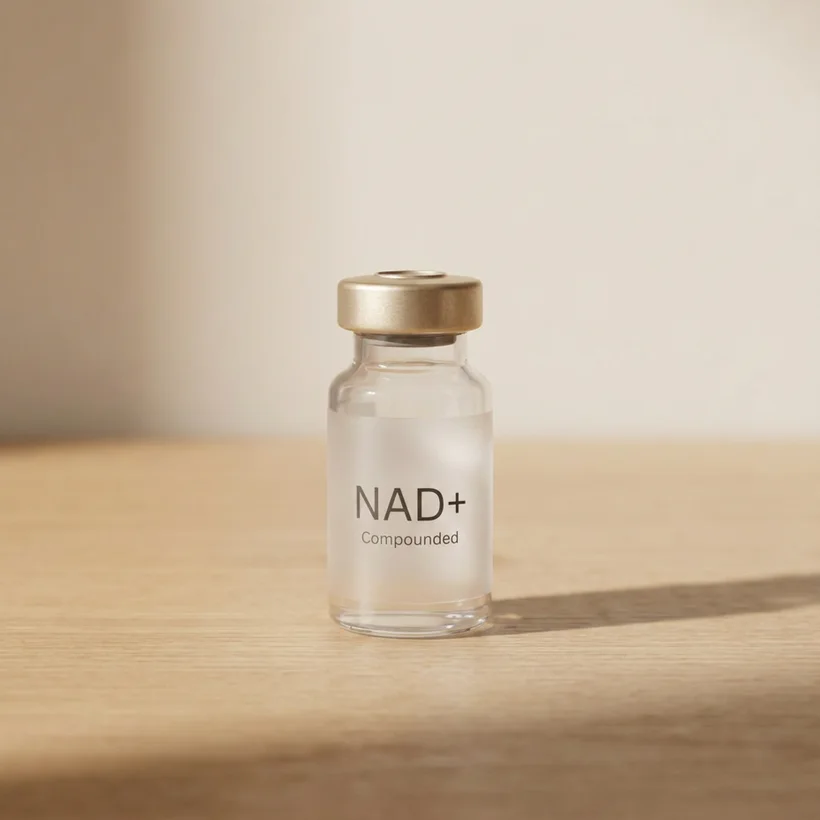
From the FormBlends catalog
NAD+ Peptide Complex
Restore cellular energy and DNA repair capacity · From $179/mo · compounded by a licensed 503A pharmacy, dispensed only after provider review.
View NAD+ Peptide Complex →Individuals with active malignancies or a history of cancer should discuss NAD+ therapy with their oncologist before proceeding.
Drug Interactions
NAD+ may theoretically interact with medications that affect cellular metabolism or NAD+-dependent pathways. While no significant drug interactions have been documented in clinical trials, it's important to inform your physician about all medications and supplements you're taking .
Allergic Reactions
True allergic reactions to NAD+ are extremely rare, given that it's an endogenous molecule (your body already produces it). But reactions to excipients or preservatives in compounded formulations are theoretically possible. If you experience hives, difficulty breathing, or swelling after administration, seek medical attention immediately.
How to Minimize Side Effects
Several practical steps can help reduce the likelihood and severity of NAD+ side effects:
- Start with a lower dose: Your physician may begin with a lower dose and titrate upward based on your response. This allows your body to adjust gradually.
- Slow the infusion rate: For IV NAD+, a slower drip rate significantly reduces chest tightness, nausea, and other infusion-related effects.
- Stay hydrated: Drinking plenty of water before and after treatment can help mitigate nausea and lightheadedness.
- Eat beforehand: Having a light meal before treatment may reduce gastrointestinal side effects.
- Proper injection technique: For subcutaneous injections, rotating injection sites and using correct technique reduces local reactions. See our NAD+ how to inject guide.
- Communicate with your provider: Report any side effects promptly so your physician can adjust the protocol.
Who Should Avoid NAD+ Therapy?
While NAD+ therapy is generally well tolerated, certain individuals should exercise caution or avoid it:
- Pregnant or breastfeeding women (insufficient safety data)
- Individuals with active cancer (theoretical concern about supporting tumor metabolism)
- People with severe liver or kidney disease (altered metabolism may affect clearance)
- Anyone with a known allergy to NAD+ formulation components
If you fall into any of these categories, consult with your physician before considering NAD+ therapy.
Safety and Side Effects Summary
The overall safety profile of NAD+ therapy is encouraging. Clinical trials of oral precursors have consistently shown tolerability across multiple dose ranges . IV and subcutaneous routes carry slightly higher side effect rates, but these effects are almost entirely mild and manageable.
The most important safety measure is physician supervision. Working with a qualified provider who can personalize your dose, monitor your response, and adjust your protocol is the best way to minimize risk.
For more information on dosing, see our NAD+ dosage guide. For a full overview of NAD+ therapy, visit our NAD+ benefits guide.
How FormBlends Can Help
At FormBlends, patient safety is our first priority. Our telehealth platform connects you with licensed physicians who can evaluate whether NAD+ therapy is appropriate for you and monitor your progress throughout treatment.
When you work with us, you receive:
- A thorough medical evaluation before any therapy begins
- Pharmaceutical-grade NAD+ from licensed compounding pharmacies
- Personalized dosing protocols designed to minimize side effects
- Ongoing physician oversight with easy access to your care team
We take side effects seriously and build our protocols around tolerability and safety.
Frequently Asked Questions
What is the most common side effect of NAD+ therapy?
For IV infusions, chest tightness or pressure is the most frequently reported side effect. It's rate-dependent and resolves when the infusion is slowed. For subcutaneous injections, mild injection site reactions are most common. For oral precursors, mild gastrointestinal symptoms occur occasionally.
Are NAD+ side effects dangerous?
The side effects reported in clinical studies and anecdotal reports are generally mild and self-limiting. No serious adverse events have been attributed to NAD+ or its precursors in published clinical trials. But because long-term human data is still accumulating, physician supervision is recommended.
Can NAD+ cause cancer?
This is a theoretical concern that hasn't been confirmed in clinical research. While cancer cells do use NAD+ for their metabolism, no clinical trials of NAD+ precursors have reported increased cancer rates. Individuals with active cancer should consult their oncologist before considering NAD+ therapy.
How can I reduce side effects from NAD+ infusions?
The most effective strategy is slowing the infusion rate. staying hydrated, eating a light meal beforehand, and starting with a lower dose can all help. Your physician will adjust your protocol based on your response.
Is it safe to take NAD+ long-term?
The longest published human trials of NAD+ precursors span several months and haven't identified significant safety concerns. But multi-year safety data from large trials isn't yet available. Your physician can help you weigh the benefits and risks of ongoing therapy.
Ready to Learn More?
If you have questions about the safety of NAD+ therapy, FormBlends can connect you with a licensed physician who can review your medical history and help you make an informed decision. Our team prioritizes your safety at every step.
Disclaimer: This article is for informational purposes only and doesn't constitute medical advice. NAD+ therapy isn't FDA-approved for any medical condition. The information presented here is based on a combination of preclinical and clinical research and shouldn't be used as a substitute for professional medical guidance. Always consult with a licensed healthcare provider before beginning any therapy. Individual results may vary. FormBlends doesn't claim that NAD+ cures, treats, or prevents any disease.
Ready when you are
NAD+ Peptide Complex
Restore cellular energy and DNA repair capacity · From $179/mo · compounded by a licensed 503A pharmacy, dispensed only after provider review.
View NAD+ Peptide Complex →