Key Takeaway
A thorough, evidence-based guide to sermorelin side effects. Learn what is common, what is rare, and how physician-supervised therapy minimizes risk.
Quick Answer: Sermorelin is generally well tolerated. The most commonly reported side effects are mild injection site reactions, facial flushing, and headache. Serious adverse events are uncommon when sermorelin is used at appropriate doses under physician supervision, largely because it works through the body's natural growth hormone feedback loops.
What Is Sermorelin?
Sermorelin acetate is a synthetic peptide consisting of the first 29 amino acids of growth hormone-releasing hormone (GHRH). Rather than delivering exogenous growth hormone directly, sermorelin stimulates the anterior pituitary gland to produce and secrete growth hormone (GH) through the body's own regulatory pathways.
This mechanism is a critical distinction when discussing side effects. Because sermorelin relies on the pituitary's natural feedback system, including somatostatin-mediated suppression when GH levels reach appropriate thresholds, the risk of GH overproduction is inherently lower than with direct GH injection. The body retains its ability to self-regulate.
Sermorelin was originally FDA-approved for pediatric growth hormone deficiency and has since been used extensively in adult peptide therapy protocols to address age-related GH decline.
Common Side Effects of Sermorelin
The following side effects are reported most frequently in clinical use and published literature. They're generally mild, self-limiting, and tend to diminish as the body acclimates to therapy.

Injection Site Reactions
The most commonly reported side effect. Patients may notice redness, mild swelling, itching, or a small bump at the injection site. This is a local immune response to the subcutaneous injection itself and isn't unique to sermorelin. Rotating injection sites and ensuring proper technique can reduce the frequency and severity of these reactions.
Facial Flushing
Some patients experience a warm, flushed sensation in the face shortly after injection. This is thought to be related to sermorelin's interaction with GHRH receptors and associated vasodilation. The flushing is typically brief, lasting anywhere from a few minutes to 20 minutes, and isn't considered medically concerning.
Headache
Mild headaches are reported in a subset of patients, particularly during the first one to two weeks of therapy. These may be related to transient shifts in growth hormone levels as the body adjusts. Staying well hydrated and timing injections consistently (usually in the evening) can help manage this.
Dizziness or Lightheadedness
A small percentage of patients report brief episodes of dizziness, especially immediately after injection. This is typically mild and resolves within minutes. Patients who experience this are often advised to administer their injection while seated or lying down.
Nausea
Transient nausea is occasionally reported, most often during the initial adjustment period. It's usually mild and doesn't require intervention. Taking the injection on an empty stomach (as is generally recommended for efficacy reasons) doesn't appear to increase nausea risk for most patients.
Less Common Side Effects
The following side effects have been reported less frequently and may warrant closer monitoring or dose adjustment.
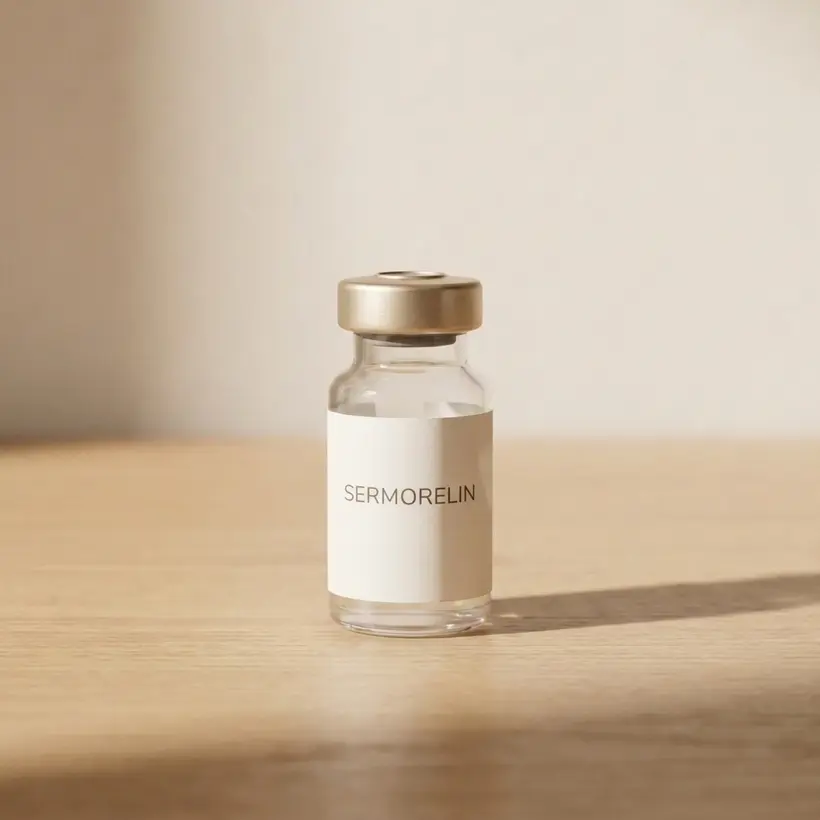
From the FormBlends catalog
Sermorelin
Bioidentical GHRH analog for natural growth hormone pulsatility · From $175/mo · compounded by a licensed 503A pharmacy, dispensed only after provider review.
View Sermorelin →Joint Stiffness or Swelling
Because growth hormone promotes fluid retention and connective tissue remodeling, some patients experience mild joint stiffness or a sensation of puffiness, particularly in the hands and wrists. This is more commonly associated with improved GH levels and often resolves with dose adjustment.
Hyperactivity or Difficulty Sitting Still
In clinical trials, particularly in pediatric populations, restlessness and hyperactivity were noted as uncommon side effects. In adults, this may manifest as a sense of heightened energy or mild restlessness, especially if the injection is administered too early in the evening.
Changes in Taste
A small number of patients report a metallic or altered taste sensation around the time of injection. This is rare and generally transient.
Tightness in the Chest
Very rarely, patients report a sensation of chest tightness after injection. While this is usually benign and short-lived, any chest symptoms should be reported to a clinician promptly for proper evaluation.
Sermorelin vs. HGH: Side Effect Comparison
Knowing how sermorelin's side effect profile compares to direct growth hormone therapy provides important context.
Exogenous HGH bypasses the pituitary entirely, delivering a fixed dose of growth hormone regardless of what the body actually needs at that moment. This can lead to supraphysiologic GH levels and a more significant side effect burden, including:
- Carpal tunnel syndrome
- Significant edema and fluid retention
- Insulin resistance and blood sugar dysregulation
- Gynecomastia
- Potential suppression of natural GH production over time
Sermorelin largely avoids these issues because the pituitary itself determines how much GH to release. The somatostatin feedback loop acts as a natural ceiling, preventing the hormone excess that drives most GH-related side effects. This is one of the primary reasons clinicians favor GHRH analogs like sermorelin for adults seeking to improve GH levels.
Factors That Influence Side Effect Risk
Dosage
Higher doses increase the likelihood of side effects, particularly joint stiffness, fluid retention, and headache. Physician-supervised protocols start at conservative doses and titrate based on lab results and patient response, which significantly reduces risk.
Injection Technique
Improper injection technique (injecting too shallowly, not rotating sites, or using dull needles) increases the frequency and severity of injection site reactions. Proper training on subcutaneous injection technique is an important part of starting therapy.
Timing
Sermorelin is typically administered 30 to 60 minutes before bedtime, on an empty stomach. This timing aligns with the natural nocturnal GH pulse and may reduce certain side effects like flushing and dizziness, since the patient is already at rest.
Individual Physiology
Baseline GH levels, pituitary responsiveness, body composition, and concurrent medications all influence how an individual responds to sermorelin. This is why personalized dosing and regular monitoring aren't optional extras but important components of safe therapy.
Who Should Not Use Sermorelin
Sermorelin is contraindicated in the following situations:
- Active malignancy: Growth hormone can stimulate cell proliferation, so patients with active cancer shouldn't use sermorelin or any GH secretagogue.
- Known hypersensitivity: Patients with a documented allergy to sermorelin acetate or any component of the formulation.
- Certain pituitary conditions: Patients with pituitary tumors or those who have undergone pituitary surgery may not respond appropriately to sermorelin and require alternative approaches.
- Pregnancy and breastfeeding: Sermorelin hasn't been adequately studied in pregnant or nursing women and should be avoided.
A thorough medical history, physical assessment, and baseline lab work should always precede the initiation of sermorelin therapy.
Safety and Monitoring
The overall safety profile of sermorelin is favorable when used under medical supervision. Published clinical data, including studies on long-term GHRH analog use in older adults, haven't identified significant safety signals at therapeutic doses.
Appropriate monitoring during sermorelin therapy typically includes:
- Baseline and periodic IGF-1 levels to gauge GH axis response
- Fasting glucose and insulin levels, particularly in patients with metabolic risk factors
- Assessment of symptom response and any emerging side effects
- Periodic reassessment of treatment goals and continued medical appropriateness
Patients should report any new or worsening symptoms to their clinician promptly, even if they seem minor.
How FormBlends Can Help
At FormBlends, every sermorelin protocol is physician-supervised from start to finish. Our telehealth platform provides a thorough medical evaluation before therapy begins, individualized dosing, and ongoing clinical support to monitor your response and adjust your protocol as needed.
We believe that informed patients make better decisions. Understanding sermorelin's side effect profile is part of that process, and our clinical team is available to answer your questions at every stage of treatment.
Frequently Asked Questions
Are sermorelin side effects permanent?
No. The side effects associated with sermorelin are overwhelmingly transient and resolve either on their own or with dose adjustment. There are no well-documented cases of permanent adverse effects from sermorelin used at therapeutic doses under medical supervision.
Can sermorelin cause weight gain?
Sermorelin itself doesn't typically cause weight gain. In fact, by supporting growth hormone levels, it may promote favorable shifts in body composition (more lean mass, less fat mass). Some patients experience mild, temporary water retention, which can register on a scale but isn't fat gain.
Is sermorelin safe for long-term use?
Clinical data on GHRH analogs supports the safety of long-term use at appropriate doses with proper monitoring. Because sermorelin works through natural feedback mechanisms, it doesn't carry the same long-term risks associated with exogenous GH. Your clinician will periodically reassess whether continued therapy is appropriate.
What should I do if I experience a side effect?
Report any side effects to your prescribing clinician. Most common side effects don't require stopping therapy, but your clinician may adjust your dose, timing, or injection technique. For any severe or unexpected symptoms (such as significant chest tightness or allergic reaction), seek medical attention immediately.
Get Expert Guidance on Sermorelin Therapy
Understanding side effects is an important part of making an informed decision about peptide therapy. FormBlends provides the physician oversight, personalized protocols, and ongoing support you need to pursue sermorelin therapy safely and effectively.
Disclaimer: This article is for informational purposes only and doesn't constitute medical advice. Sermorelin is a prescription medication that should only be used under the supervision of a licensed healthcare provider. Individual results and experiences vary. The statements in this article haven't been evaluated by the FDA. This product isn't intended to diagnose, treat, cure, or prevent any disease.
Ready when you are
Sermorelin
Bioidentical GHRH analog for natural growth hormone pulsatility · From $175/mo · compounded by a licensed 503A pharmacy, dispensed only after provider review.
View Sermorelin →