Key Takeaway
A thorough, evidence-based guide to ipamorelin side effects. Learn what the research says about safety, tolerability, and what to watch for during peptide therapy.
Quick Answer: Ipamorelin is considered one of the most selective and well-tolerated growth hormone-releasing peptides available. Common side effects are generally mild and may include headache, injection site reactions, water retention, and transient flushing. It doesn't significantly raise cortisol, prolactin, or appetite at standard doses.
What Is Ipamorelin?
Ipamorelin is a synthetic pentapeptide that selectively stimulates the pituitary gland to release growth hormone (GH). It belongs to the growth hormone-releasing peptide (GHRP) class and acts by binding to the ghrelin receptor (GHS-R1a) on pituitary somatotroph cells.
What distinguishes ipamorelin from older GHRPs is its selectivity. In clinical studies, ipamorelin produced dose-dependent GH release without meaningfully increasing adrenocorticotropic hormone (ACTH), cortisol, or prolactin . This selectivity is the foundation of its favorable side-effect profile and is the primary reason it has become one of the most widely used peptides in clinical practice.
Ipamorelin isn't FDA-approved for any medical condition. The safety information in this guide draws from available human and animal studies, clinical experience, and published case reports. It isn't a substitute for a conversation with your physician.
Common Side Effects of Ipamorelin
The following side effects have been reported in clinical studies and through anecdotal clinical experience. Most are mild and tend to resolve on their own or with dosage adjustment.
1. Headache
Headache is one of the most commonly reported side effects, particularly during the first few days of use. It's believed to be related to the acute increase in growth hormone levels and typically resolves as the body adjusts.
If headaches persist beyond the first week, consult your physician. In most cases, starting at a lower dose and gradually increasing can minimize this side effect.
2. Injection Site Reactions
As with any subcutaneous injection, mild redness, swelling, or irritation at the injection site can occur. These reactions are usually temporary and resolve within minutes to hours. Proper injection technique, rotating injection sites, and allowing alcohol prep to dry fully before injecting can reduce the frequency of these reactions.
For detailed injection guidance, see our Ipamorelin how to inject guide.
3. Water Retention
Mild water retention is a known effect of increased growth hormone activity. GH promotes sodium and water reabsorption in the kidneys, which can lead to slight puffiness, particularly in the hands, feet, or face.
This effect is usually temporary and much less pronounced than what is seen with exogenous HGH. It tends to normalize over the first few weeks of use. Adequate hydration and moderate sodium intake can help manage this effect.
4. Transient Flushing or Warmth
Some individuals report a brief sensation of warmth or flushing shortly after injection. This is related to the peptide's vasodilatory effects and typically lasts only a few minutes. It isn't a cause for concern unless accompanied by other symptoms such as difficulty breathing or hives, which would suggest an allergic reaction requiring immediate medical attention.
5. Lightheadedness or Dizziness
A small number of users report transient lightheadedness after injection, particularly if the injection is given while standing or on an empty stomach. Sitting or lying down for a few minutes after injection can minimize this effect.
6. Tingling or Numbness
Paresthesia (tingling or numbness in the extremities) is an effect associated with improved growth hormone levels. It occurs because GH can increase fluid in tissues surrounding nerves, causing mild compression . This side effect is more common at higher doses and typically resolves with dosage reduction.
Less Common Side Effects
Nausea
Occasional nausea has been reported, though it's less common with ipamorelin than with GHRP-6 or GHRP-2. When it occurs, it's typically mild and may be related to injecting on an empty stomach or to individual sensitivity.
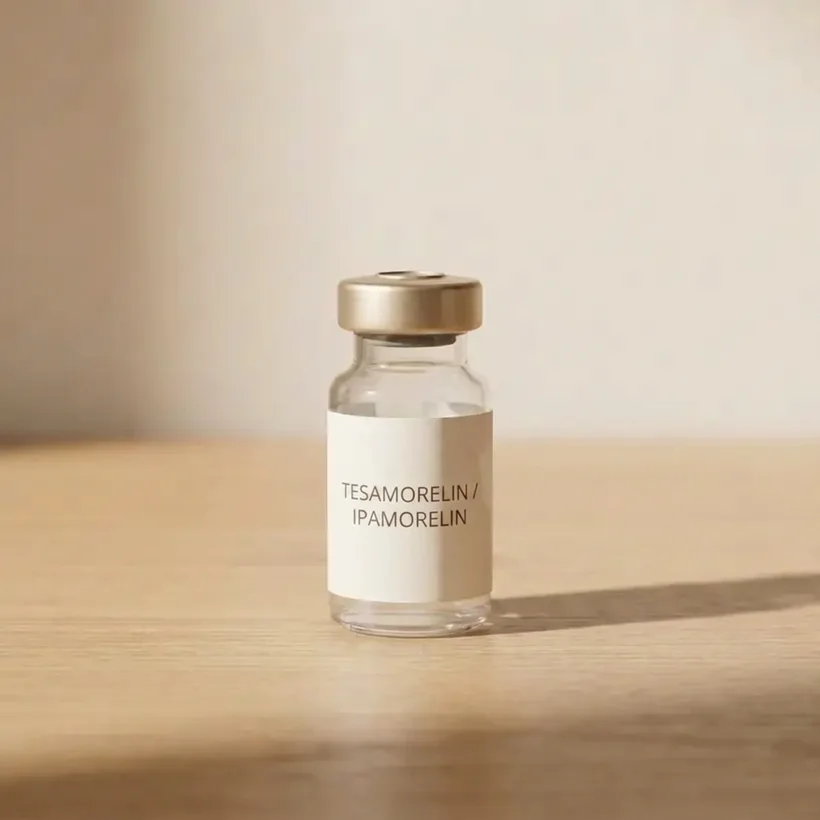
From the FormBlends catalog
Tesamorelin / Ipamorelin Blend
Growth-hormone pathway support in one blend · From $299/mo · compounded by a licensed 503A pharmacy, dispensed only after provider review.
View Tesamorelin / Ipamorelin Blend →Increased Hunger
Unlike GHRP-6, which strongly stimulates appetite through ghrelin-like activity, ipamorelin causes minimal appetite stimulation at standard doses . Some individuals may notice a slight increase in hunger, but this is generally not disruptive.
Joint Stiffness
Mild joint stiffness, particularly in the morning, can occur as a result of GH-related fluid shifts. This effect is usually temporary and dose-dependent. It's important to distinguish this from underlying joint conditions. If stiffness is persistent or worsening, consult your physician.
Changes in Blood Sugar
Growth hormone has complex effects on glucose metabolism. Acutely, GH can reduce insulin sensitivity, which may lead to transient increases in blood glucose . At the doses typically used in peptide therapy, this effect is generally mild. But individuals with diabetes or insulin resistance should be closely monitored by their physician and may require adjustments to their diabetes management plan.
What Ipamorelin Does NOT Do (Side Effects It Avoids)
One of the most important aspects of ipamorelin's safety profile is what it doesn't do. Understanding these distinctions helps explain why it's preferred over older GHRPs:
- Doesn't significantly raise cortisol: Unlike GHRP-6 and hexarelin, ipamorelin doesn't cause meaningful increases in cortisol, the primary stress hormone . This means it avoids cortisol-related side effects such as anxiety, sleep disruption, and metabolic disturbance.
- Doesn't significantly raise prolactin: improved prolactin can cause a range of issues including mood changes, sexual dysfunction, and (in women) menstrual irregularities. Ipamorelin avoids clinically meaningful prolactin elevation.
- Doesn't strongly stimulate appetite: Intense hunger is a well-known side effect of GHRP-6 due to its strong ghrelin receptor agonism. Ipamorelin's more selective binding produces minimal appetite effects.
- Doesn't suppress natural GH production: Because ipamorelin works with the pituitary's feedback mechanisms rather than introducing exogenous GH, it doesn't suppress the body's own GH production in the way that injectable HGH can.
Safety Considerations by Population
Older Adults
Ipamorelin is frequently used in older adults seeking to address age-related GH decline. The side-effect profile in this population appears similar to that in younger adults, though sensitivity to water retention and blood sugar effects may be slightly higher. Lower starting doses are typically recommended.
Athletes and Active Individuals
Active individuals may actually experience fewer side effects due to better overall metabolic health and higher baseline GH sensitivity. But some athletic governing bodies prohibit the use of growth hormone secretagogues.
Individuals with Diabetes or Insulin Resistance
Because GH can affect insulin sensitivity, individuals with diabetes or pre-diabetes should use ipamorelin only under careful medical supervision with appropriate glucose monitoring.
Pregnancy and Nursing
There's insufficient safety data for ipamorelin use during pregnancy or breastfeeding. We recommend avoiding ipamorelin during these periods.
Individuals with Active Cancer
Because growth hormone and IGF-1 can promote cellular proliferation, ipamorelin shouldn't be used by individuals with active cancer or a recent cancer history without explicit approval from their oncologist.
How to Minimize Side Effects
Most ipamorelin side effects can be minimized or avoided entirely with proper protocols:
- Start low and titrate up: Beginning with a lower dose allows the body to adjust to increased GH levels. Your physician can guide gradual dose escalation.
- Time injections appropriately: Evening dosing (before bed) works with the body's natural GH release pattern. Avoid injecting within 30 minutes of meals, as improved blood sugar and insulin can blunt GH release.
- Stay hydrated: Adequate water intake helps manage water retention and headache.
- Rotate injection sites: Alternating between different subcutaneous sites (abdomen, thigh, upper arm) reduces injection site reactions.
- Communicate with your physician: Report any persistent or concerning symptoms promptly.
For detailed dosing guidance, see our Ipamorelin dosage guide.
How FormBlends Can Help
At FormBlends, we believe that peptide therapy should be guided by science and supervised by physicians. Our telehealth platform connects you with licensed medical providers who can evaluate whether ipamorelin is appropriate for your health profile and monitor you throughout treatment.
When you work with us, you receive:
- A personalized consultation with a licensed physician
- Pharmaceutical-grade peptides from licensed pharmacies
- Ongoing medical supervision and dosage guidance
- Clear, science-backed information to support your decisions
We don't believe in one-size-fits-all protocols. Your physician will consider your medical history, current medications, and wellness goals before recommending any peptide therapy, and will adjust your protocol based on your individual response.
Frequently Asked Questions
What are the most common side effects of ipamorelin?
The most commonly reported side effects are mild headache, injection site reactions, transient flushing, mild water retention, and occasional tingling in the extremities. These are generally temporary and resolve with continued use or dosage adjustment.
Is ipamorelin safer than other GHRPs?
Ipamorelin is widely considered to have the most favorable side-effect profile among growth hormone-releasing peptides. Unlike GHRP-6 and hexarelin, it doesn't significantly raise cortisol, prolactin, or appetite hormones. But "safer" is relative, and all peptide therapy should be supervised by a physician.
Can ipamorelin cause weight gain?
Ipamorelin doesn't typically cause fat gain. Some individuals experience mild water retention early in use, which may register as a slight increase on the scale. Over time, ipamorelin's GH-improving effects tend to support favorable body composition changes, including reduced body fat and increased lean mass.
Does ipamorelin affect blood sugar?
Growth hormone can transiently reduce insulin sensitivity, which may cause mild blood sugar elevations. At standard peptide therapy doses, this effect is generally minimal in healthy individuals. Those with diabetes or insulin resistance should be monitored closely by their physician.
Is ipamorelin FDA-approved?
No. Ipamorelin isn't FDA-approved for the treatment, cure, or prevention of any disease. It's available through compounding pharmacies under physician supervision for individual patient use.
Ready to Learn More?
If you're considering ipamorelin therapy and want to understand how it fits your health profile, FormBlends can connect you with a licensed physician for a personalized consultation. Our team is here to help you make informed decisions backed by science and guided by medical expertise.
Disclaimer: This article is for informational purposes only and doesn't constitute medical advice. Ipamorelin isn't FDA-approved for any medical condition. The information presented here is based on available preclinical and clinical research and shouldn't be used as a substitute for professional medical guidance. Always consult with a licensed healthcare provider before beginning any peptide therapy. Individual results may vary. FormBlends doesn't claim that ipamorelin cures, treats, or prevents any disease.
Ready when you are
Tesamorelin / Ipamorelin Blend
Growth-hormone pathway support in one blend · From $299/mo · compounded by a licensed 503A pharmacy, dispensed only after provider review.
View Tesamorelin / Ipamorelin Blend →