Key Takeaway
A thorough, research-backed review of TB-500 side effects, safety data, risk factors, and how physician supervision minimizes adverse events.
Quick Answer: TB-500 has shown a generally favorable safety profile in published research. Commonly reported side effects include temporary lethargy, mild headache, nausea, and injection-site reactions. Serious adverse events are rare but possible. Long-term human safety data remains limited, making physician supervision important.
What Is TB-500?
TB-500 is a synthetic peptide based on the active region of Thymosin Beta-4 (TB4), a naturally occurring protein found in nearly all human cells. Thymosin Beta-4 plays a central role in wound healing, cell migration, and inflammation regulation through its interaction with actin, a key structural protein.
Because TB-500 promotes tissue repair, angiogenesis (new blood vessel formation), and anti-inflammatory signaling, it has attracted interest for applications ranging from musculoskeletal recovery to cardiovascular support. But the same biological mechanisms that produce benefits can also create side effects under certain conditions.
About the side effect profile of TB-500 is important for anyone considering this peptide as part of a supervised health protocol.
Common Side Effects of TB-500
The following side effects have been reported in clinical observations, anecdotal user reports, and the limited published literature on Thymosin Beta-4 and TB-500. large-scale, placebo-controlled human trials specifically on TB-500 (as distinct from full-length TB4) are still lacking.

1. Injection-Site Reactions
Localized redness, swelling, or mild pain at the injection site is the most frequently reported side effect. These reactions typically resolve within 24 to 48 hours and are common with subcutaneous peptide injections in general, not unique to TB-500.
Frequency: Very common. Reported by a majority of users in anecdotal accounts.
Mitigation: Rotating injection sites, using proper sterile technique, and allowing the peptide to reach room temperature before injection can reduce local reactions.
2. Temporary Lethargy or Fatigue
Some users report feeling unusually tired in the hours following a TB-500 injection, particularly during the first few administrations. This effect tends to diminish as the body adjusts to the peptide.
Frequency: Common in early use, typically resolving after the first week or two.
Mitigation: Administering injections in the evening may help manage this side effect.
3. Headache
Mild to moderate headaches have been reported, often in the first few days of a TB-500 protocol. The mechanism isn't well established but may relate to vascular changes associated with the peptide's pro-angiogenic activity.
Frequency: Moderately common. Usually transient.
Mitigation: Adequate hydration and starting with a lower dose may help. Persistent headaches should be reported to your physician.
4. Nausea
Mild nausea has been reported by some users, especially when initiating therapy. It's rarely severe enough to require discontinuation.
Frequency: Occasional.
Mitigation: Taking the injection with food or adjusting the timing of administration may help.
5. Lightheadedness or Dizziness
A small subset of users have reported brief episodes of lightheadedness, particularly after the first injection. This may be related to mild blood pressure changes, though a direct causal mechanism hasn't been established.
Frequency: Uncommon.
Mitigation: Remaining seated for 10 to 15 minutes after injection and monitoring blood pressure if episodes recur.
Less Common and Theoretical Side Effects
Cardiovascular Effects
TB-500's promotion of angiogenesis means it actively stimulates new blood vessel formation. While this is beneficial for tissue repair, it raises theoretical questions about effects on blood pressure or vascular function in individuals with pre-existing cardiovascular conditions. Published animal data hasn't identified significant cardiovascular adverse events, but human data is limited.
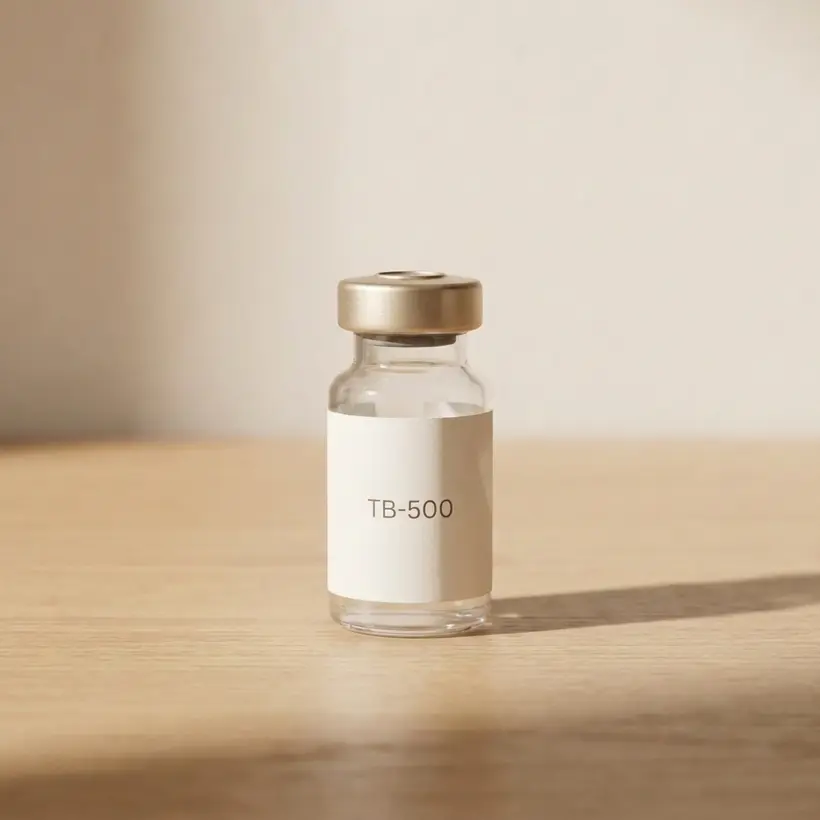
From the FormBlends catalog
TB-500 (Thymosin Beta-4)
Universal repair peptide for tissue regeneration · From $49/mo · compounded by a licensed 503A pharmacy, dispensed only after provider review.
Learn about TB-500 (Thymosin Beta-4) →Immune Modulation
Thymosin Beta-4 is naturally involved in immune system regulation. While this may provide anti-inflammatory benefits, individuals with autoimmune conditions should approach TB-500 with caution, as modulation of immune signaling could theoretically exacerbate certain autoimmune processes. No published studies have directly demonstrated this effect, but the biological plausibility warrants discussion with a physician.
Pro-Angiogenic Concerns in Cancer
The most significant theoretical concern with TB-500 involves its angiogenic properties. Tumors require new blood vessel formation to grow and spread. While there's no published evidence that TB-500 causes cancer or accelerates tumor growth, the peptide's ability to promote angiogenesis means that individuals with active malignancies or a history of cancer should avoid TB-500 unless explicitly cleared by an oncologist.
This concern is theoretical but reflects a standard precautionary principle applied to any pro-angiogenic compound.
Hormonal Interactions
There's no strong evidence that TB-500 directly affects hormonal pathways such as testosterone, estrogen, or thyroid function. But because the peptide hasn't been studied extensively in humans, potential interactions with hormonal systems haven't been fully ruled out.
What the Published Research Says About Safety
The strongest safety data available comes from clinical trials of full-length Thymosin Beta-4 rather than TB-500 specifically. Key findings include:
- Ocular studies (RGN-259): Phase II clinical trials of topical TB4 for dry eye disease reported a favorable safety profile. The most common adverse events were mild ocular irritation, and no serious adverse events were attributed to the peptide (Sosne et al., 2015, Clinical Ophthalmology).
- Cardiac studies: Early-phase investigations of TB4 for cardiac repair in animal models showed no significant toxicity at therapeutic doses (Bock-Marquette et al., 2004, Nature).
- Dermal wound healing: Animal studies using subcutaneous TB4 for wound repair reported no systemic toxicity (Philp et al., 2004, FASEB Journal).
No published study has identified a lethal dose of Thymosin Beta-4 in animal models, and the peptide appears to have a wide therapeutic window. But the absence of large-scale, long-term human safety trials means that unknown risks may exist.
Risk Factors: Who Should Be Extra Cautious
While TB-500 appears to be well-tolerated by most individuals in supervised settings, certain populations should exercise additional caution:
- Active cancer patients: The pro-angiogenic mechanism creates a theoretical risk. Consultation with an oncologist is important.
- Cancer survivors: Even in remission, the precautionary principle applies. Discuss with your medical team before starting any pro-angiogenic peptide.
- Pregnant or breastfeeding individuals: No safety data exists for these populations. TB-500 should be avoided.
- Individuals on anticoagulant therapy: Because TB-500 may affect blood vessel formation, it could theoretically interact with blood-thinning medications. Inform your prescribing physician of all current medications.
- People with autoimmune conditions: Immune-modulatory effects could have unpredictable consequences. Use only under close medical supervision.
Comparing TB-500 Side Effects to Other Peptides
Relative to other commonly used peptides, TB-500's reported side effect profile is mild. For context:
- BPC-157: Also used for tissue repair, BPC-157 has a similarly mild reported side effect profile, with nausea and digestive changes being the most common complaints.
- GLP-1 receptor agonists (semaglutide, tirzepatide): These peptides carry a more significant side effect burden, including nausea, vomiting, and potential pancreatitis risk, reflecting their more potent systemic effects.
- Growth hormone peptides (CJC-1295, Ipamorelin): These may cause water retention, tingling, and joint stiffness at higher doses.
TB-500 generally falls on the milder end of the spectrum, though direct comparative trials don't exist.
Safety Considerations
The single most important factor in managing TB-500 side effects is the quality of the product and the clinical oversight of the protocol. Key safety practices include:
- Using only pharmacy-grade peptides from licensed compounding pharmacies
- Following dosing protocols established by a licensed physician
- Reporting any unusual symptoms promptly
- Completing baseline bloodwork before starting therapy
- Avoiding unregulated online sources, which may sell degraded, contaminated, or mislabeled products
How FormBlends Can Help
FormBlends provides physician-supervised peptide therapy through a secure telehealth platform. When you work with FormBlends, your risk of side effects is minimized through:
- thorough intake: A full medical history and health assessment before any peptide is prescribed.
- Pharmacy-grade sourcing: All peptides come from licensed compounding pharmacies with stringent quality controls.
- Personalized dosing: Your protocol is tailored to your body, health history, and goals, reducing the likelihood of dose-related side effects.
- Continuous provider access: If you experience any side effects, your medical provider is available to adjust your protocol.
The difference between a safe peptide experience and a risky one often comes down to supervision. FormBlends ensures you have it.
Frequently Asked Questions
Are TB-500 side effects permanent?
No reported side effects of TB-500 have been described as permanent in the published literature or in clinical observation. Most side effects are mild and transient, resolving within hours to days. If you experience persistent symptoms, discontinue use and consult your physician.
Can TB-500 interact with medications?
While no formal drug interaction studies have been published for TB-500, its effects on blood vessel formation and immune signaling mean potential interactions exist with anticoagulants, immunosuppressants, and anti-angiogenic therapies. Always disclose all medications to your prescribing provider.
Is it safe to use TB-500 long-term?
Long-term safety data for TB-500 in humans isn't yet available. Most protocols involve defined cycles (typically four to twelve weeks) rather than continuous use. Your physician will determine the appropriate duration based on your health profile.
Does TB-500 cause cancer?
There's no published evidence that TB-500 causes cancer. But its pro-angiogenic properties raise a theoretical concern that it could support the growth of existing tumors by promoting blood vessel formation. This is a precautionary consideration, not an established risk. Individuals with active cancer should avoid TB-500.
Medical References
- Goldstein AL, Hannappel E, Sosne G, Kleinman HK. Thymosin beta4: a multi-functional regenerative peptide. Basic properties and clinical applications. Expert Opin Biol Ther. 2012;12(1):37-51. [PubMed | DOI]
Get Expert Guidance on Peptide Safety
Understanding side effects is the first step toward a safe peptide experience. FormBlends connects you with physicians who can evaluate your health profile and design a protocol that minimizes risk. Start your consultation at FormBlends.com.
Disclaimer: This article is for informational purposes only and doesn't constitute medical advice. TB-500 isn't FDA-approved for any medical condition. The side effect information presented here is drawn from published research, clinical observation, and anecdotal reports. Individual responses may vary. Always consult a qualified healthcare provider before starting any new therapy. FormBlends provides physician-supervised telehealth services. all treatment decisions are made by licensed medical providers.
Ready when you are
TB-500 (Thymosin Beta-4)
Universal repair peptide for tissue regeneration · From $49/mo · compounded by a licensed 503A pharmacy, dispensed only after provider review.
Learn about TB-500 (Thymosin Beta-4) →