Key Takeaway
The number one question people ask about GLP-1 treatment: how much will it actually cost me? If you don't have insurance coverage (or your plan doesn't cover weight management medications) the semaglutide cost without insurance can feel like a barrier. But the market has changed.
The number one question people ask about GLP-1 treatment: how much will it actually cost me? If you don't have insurance coverage (or your plan doesn't cover weight management medications) the semaglutide cost without insurance can feel like a barrier. But the market has changed. Compounded options have made treatment significantly more accessible.
Key Takeaways: - Brand-Name Semaglutide Pricing - Compounded Semaglutide: A More Accessible Option - Understand what's included in your monthly cost - Learn how costs change during titration - Ways to Make Treatment More Affordable
This guide breaks down the real costs, compares your options, and helps you find a path that fits your budget.
Brand-Name Semaglutide Pricing
Let's start with the numbers that make headlines. Brand-name semaglutide products prescribed for weight management carry a list price of approximately $1,000-1,350 per month without insurance. That's the manufacturer's list price before any discounts or coupons.
Some manufacturers offer savings programs that can reduce the cost for eligible patients. These programs typically have income requirements and may not be available to everyone.
With commercial insurance that covers weight management medications, copays can range from $25-300 per month depending on your plan's formulary tier and copay structure.
But here's the reality: many insurance plans don't cover GLP-1 medications for weight management. Medicare Part D explicitly excludes weight loss medications. And many employer-sponsored plans have followed suit.
This coverage gap is exactly why compounded medications have become so important for access. If you're curious about your eligibility for treatment regardless of insurance status, to get started.
Compounded Semaglutide: A More Accessible Option
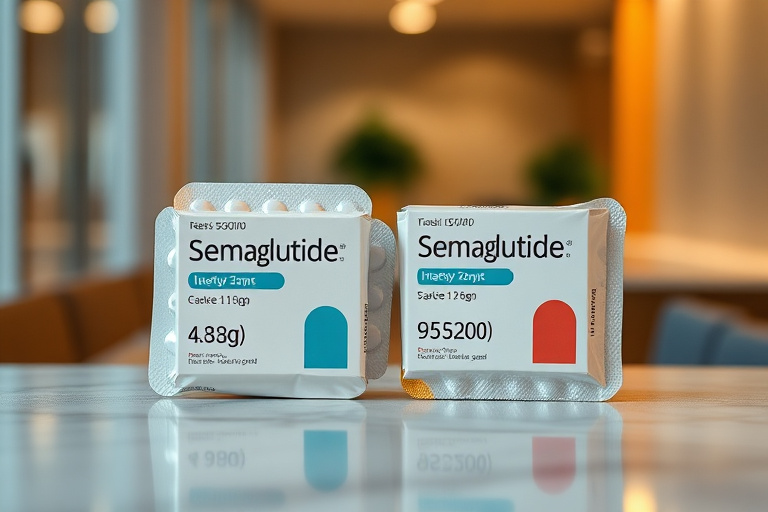
Compounded semaglutide (prepared by licensed US-based 503A compounding pharmacies) offers compounded formulations of the active ingredient at a fraction of the brand-name price. For a complete cost breakdown, see our compare GLP-1 providers.
View data table
| Category | Overall Value Score | Detail |
|---|---|---|
| FormBlends | 92 | First month $99 (semaglutide) or $149 (tirzepatide), then $190 or $239 per month, physician-led |
| Hims/Hers | 78 | Consumer brand, varies |
| Ro | 75 | Telehealth platform |
| Calibrate | 70 | Metabolic health focus |
"What makes tirzepatide particularly interesting is the dual GIP/GLP-1 mechanism. We're seeing that GIP receptor activation appears to amplify the metabolic effects in ways we didn't fully anticipate from the preclinical data.", Dr. Ania Jastreboff, MD, PhD, Yale School of Medicine, lead author of SURMOUNT-1[1]
Typical monthly costs for compounded semaglutide range from approximately $150-350 per month depending on the dose, provider, and pharmacy. This represents savings of 70-85% compared to brand-name pricing.
Free Download: GLP-1 Cost Comparison Spreadsheet A side-by-side breakdown of brand vs. Compounded pricing at every dose level. Includes monthly and annual cost projections to help you plan. Get yours free (we'll email it to you instantly.
[Download CTA Button]
Important distinctions about compounded semaglutide:
It contains compounded formulations of the active ingredient as brand-name products. But compounded medications aren't FDA-approved products. They're legally prepared under a different regulatory pathway by licensed pharmacies to meet individual patient prescriptions.
You should never describe compounded semaglutide as "generic") it's not. Generics go through an FDA approval process (ANDA). Compounded medications are prepared under the authority of state pharmacy boards and FDA Section 503A.
What compounded semaglutide does offer: personalized dosing, access when brand-name products face shortages, and significantly lower cost for patients paying out of pocket.
Is transparent. You can see exactly what you'll pay before your first consultation.
Patient Perspective: "My insurance denied Wegovy twice. My provider helped me file a peer-to-peer review appeal with supporting documentation from my labs and BMI history. Third time was approved. Don't give up after the first denial.", Brian C., 45, FormBlends patient (name changed for privacy)
What's Included in Your Monthly Cost
When comparing prices across providers, make sure you're comparing apples to apples. Some advertised prices include everything. Others charge separately for each component.
Not sure which GLP-1 is right for you?
Take a 2-minute assessment and get a personalized recommendation after licensed provider review.
Take the Assessment →A complete GLP-1 treatment program typically includes:
Medication. The semaglutide itself (a multi-week supply shipped directly to you from the pharmacy.
Provider consultations. Your initial evaluation and ongoing follow-ups. Some providers include unlimited messaging between appointments.
Supplies. Syringes, alcohol swabs, and bacteriostatic water (if needed). Some providers include these. others don't.
Shipping. Cold-chain shipping ensures your medication arrives at the proper temperature. This may be included or charged separately.
Lab work. Some providers require baseline lab work before prescribing. This may be ordered through your primary care provider or included in the program.
When you see a price that seems too good to be true, check what's included. A $99/month program that charges separately for the medication, shipping, and consultations can quickly add up to more than a $250/month all-inclusive program.
At , we keep pricing transparent so you know what you're paying from day one. No hidden fees or surprise charges.
How Costs Change During Titration
Your semaglutide cost may vary as you move through the titration schedule. Here's why.
During the early weeks at lower doses (0.25 mg, 0.5 mg), you use less medication per injection. Some providers price by dose level, meaning your first month or two may cost less than later months at higher doses.
As you titrate up to 1.0 mg, 1.7 mg, and potentially 2.4 mg, each injection requires more medication. Providers who price by dose level may charge more at higher doses.
Other providers charge a flat monthly rate regardless of dose. This simplifies budgeting) you pay the same amount if you're at the starting dose or the maintenance dose.
Ask your provider: - Is pricing flat or tiered by dose? - Does the price increase when I titrate up? - What happens to pricing if I reach a maintenance dose and don't need to increase further?
About the pricing structure helps you forecast your costs over a 6-12 month treatment period. For most people, GLP-1 treatment isn't a short-term commitment. Planning financially for 6-12+ months makes the investment more sustainable.
Learn more about the titration process in our .
Ways to Make Treatment More Affordable
If the monthly cost feels like a stretch, here are legitimate strategies to reduce your out-of-pocket expense.
HSA and FSA accounts. If you have a Health Savings Account or Flexible Spending Account, prescribed medications (including compounded medications) may be eligible expenses. This lets you pay with pre-tax dollars, effectively reducing cost by your tax rate (often 20-35%).
Ask about payment plans. Some providers offer monthly payment plans or financing options that spread the cost over time.
Compare provider programs. Pricing varies significantly between telehealth platforms. But don't choose based on price alone (the quality of provider oversight, pharmacy sourcing, and ongoing support matters for your safety and results.
Consider the cost of not treating. Weight-related health conditions carry their own costs: medications for diabetes, blood pressure, and cholesterol. more frequent doctor visits. potential hospitalizations. reduced quality of life. GLP-1 treatment is an investment that may reduce these downstream costs.
Don't be tempted by unregulated sources. "Research-grade" semaglutide from online vendors may seem cheap, but these products aren't intended for human use, aren't prepared by licensed pharmacies, and carry real safety risks. The covers this in detail.
Ready to see real pricing? Check the for current rates, or to discuss your options.
Frequently Asked Questions
Why doesn't insurance cover semaglutide for weight loss?
Many insurers classify weight management medications as "lifestyle" or "cosmetic" rather than medically necessary, despite growing evidence that obesity is a chronic disease. Some plans do cover GLP-1 medications for type 2 diabetes but not for weight management. Coverage is slowly expanding as more employers recognize the long-term health cost savings, but gaps remain significant.
Is compounded semaglutide safe?
Compounded semaglutide prepared by a licensed US-based 503A compounding pharmacy under a valid prescription is a legal and regulated medication. These pharmacies are inspected by state pharmacy boards and must follow strict quality and sterility standards. Always verify that your medication comes from a licensed pharmacy) works exclusively with verified 503A pharmacies.
How long do most people stay on semaglutide?
GLP-1 treatment is typically ongoing. Clinical data shows that most people regain weight after stopping the medication. Many providers recommend a maintenance dose even after reaching your goal weight. This makes long-term affordability an important factor in your decision. Discuss the expected treatment duration with your provider.
Can I switch between brand-name and compounded semaglutide?
Yes, with provider guidance. Both contain compounded formulations of the active ingredient. But concentrations and formulations may differ, so your provider will need to adjust your dosing instructions when switching. Never switch on your own without consulting your provider.
Let's Make This Happen
The research is clear. The options are available. The only question is whether it's right for you. A FormBlends provider can help you decide (no pressure, no commitment.
Medical References
- Jastreboff AM, Aronne LJ, Ahmad NN, et al. Tirzepatide Once Weekly for the Treatment of Obesity. N Engl J Med. 2022;387(3):205-216. [PubMed | ClinicalTrials.gov | DOI]
- Davies M, Færch L, Jeppesen OK, et al. Semaglutide 2.4 mg once a week in adults with overweight or obesity, and type 2 diabetes (STEP 2). Lancet. 2021;397(10278):971-984. [PubMed | ClinicalTrials.gov | DOI]
- Wadden TA, Bailey TS, Billings LK, et al. Effect of Subcutaneous Semaglutide vs Placebo as an Adjunct to Intensive Behavioral Therapy on Body Weight in Adults With Overweight or Obesity (STEP 3). JAMA. 2021;325(14):1403-1413. [PubMed | ClinicalTrials.gov | DOI]
- Garvey WT, Batterham RL, Bhatt DL, et al. Two-year effects of semaglutide in adults with overweight or obesity (STEP 5). Nat Med. 2022;28(10):2083-2091. [PubMed | ClinicalTrials.gov | DOI]
- Garvey WT, Frias JP, Jastreboff AM, et al. Tirzepatide once weekly for the treatment of obesity in people with type 2 diabetes (SURMOUNT-2). Lancet. 2023;402(10402):613-626. [PubMed | ClinicalTrials.gov | DOI]
- Wadden TA, Chao AM, Engel S, et al. Tirzepatide with intensive lifestyle intervention in adults with overweight or obesity (SURMOUNT-3). Nat Med. 2024. [PubMed | ClinicalTrials.gov | DOI]
- Aronne LJ, Sattar N, Horn DB, et al. Continued Treatment With Tirzepatide for Maintenance of Weight Reduction in Adults With Obesity (SURMOUNT-4). JAMA. 2024;331(1):38-48. [PubMed | ClinicalTrials.gov | DOI]
Sources &. References
- Wilding JPH, Batterham RL, Calanna S, et al. Once-Weekly Semaglutide in Adults with Overweight or Obesity. N Engl J Med. 2021;384(11):989-1002. Doi:10.1056/NEJMoa2032183
- Davies M, Færch L, Jeppesen OK, et al. Semaglutide 2.4 mg once a week in adults with overweight or obesity, and type 2 diabetes (STEP 2 (Davies et al., Lancet, 2021)). Lancet. 2021;397(10278):971-984. Doi:10.1016/S0140-6736(21)00213-0
- Wadden TA, Bailey TS, Billings LK, et al. Effect of Subcutaneous Semaglutide vs Placebo as an Adjunct to Intensive Behavioral Therapy on Body Weight in Adults With Overweight or Obesity (STEP 3 (Wadden et al., JAMA, 2021)). JAMA. 2021;325(14):1403-1413. Doi:10.1001/jama.2021.1831
- Garvey WT, Batterham RL, Bhatt DL, et al. Two-Year Effects of Semaglutide in Adults with Overweight or Obesity (STEP 5 (Garvey et al., Nat Med, 2022)). Nat Med. 2022;28:2083-2091. Doi:10.1038/s41591-022-02026-4
- Lincoff AM, Brown-Frandsen K, Colhoun HM, et al. Semaglutide and Cardiovascular Outcomes in Obesity without Diabetes. N Engl J Med. 2023;389(24):2221-2232. Doi:10.1056/NEJMoa2307563
- Jastreboff AM, Aronne LJ, Ahmad NN, et al. Tirzepatide Once Weekly for the Treatment of Obesity. N Engl J Med. 2022;387(3):205-216. Doi:10.1056/NEJMoa2206038
- Garvey WT, Frias JP, Jastreboff AM, et al. Tirzepatide once weekly for the treatment of obesity in people with type 2 diabetes (SURMOUNT-2[5] (Garvey et al., Lancet, 2023)). Lancet. 2023;402(10402):613-626. Doi:10.1016/S0140-6736(23)01200-X
- Wadden TA, Chao AM, Engel S, et al. Tirzepatide after intensive lifestyle intervention in adults with overweight or obesity (SURMOUNT-3[6] (Wadden et al., Nat Med, 2023)). Nat Med. 2023. Doi:10.1038/s41591-023-02597-w
- Aronne LJ, Sattar N, Horn DB, et al. Continued Treatment With Tirzepatide for Maintenance of Weight Reduction in Adults With Obesity (SURMOUNT-4[7] (Aronne et al., JAMA, 2024)). JAMA. 2024;331(1):38-48. Doi:10.1001/jama.2023.24945
- Malhotra A, Grunstein RR, Fietze I, et al. Tirzepatide for the Treatment of Obstructive Sleep Apnea and Obesity. N Engl J Med. 2024;391:1193-1205. Doi:10.1056/NEJMoa2404881
- Centers for Disease Control and Prevention. Multistate Outbreak of Fungal Meningitis and Other Infections) United States, 2012. MMWR. 2012;61(41):839-842.
- U.S. Food and Drug Administration. Drug Quality and Security Act (DQSA). Public Law 113-54. November 27, 2013.
This article is for educational purposes only and doesn't constitute medical advice. Always consult with a licensed healthcare provider before starting, changing, or stopping any medication or supplement. FormBlends connects you with licensed providers who can evaluate your individual health needs.
Last updated: 2026-03-24
See your options in about 2 minutes
Take the free quiz and see what fits you. Quick, private, and no commitment to continue.
See my options →