Written by FormBlends Medical Team, Board-Certified Obesity Medicine Physician
Medically reviewed by FormBlends Clinical Review, Clinical Pharmacist & Medical Reviewer
Published:
All GLP-1 medications from licensed 503A compounding pharmacies Browse Products
Compare Thymosin Alpha-1 and TB-500 peptides. Learn mechanisms, clinical evidence, dosing, and costs. Expert analysis for immune enhancement vs tissue...
Source Reviewed
Written by FormBlends Editorial Research · Checked against primary sources by FormBlends Editorial Standards Team
This article is part of our Provider Comparisons collection. See also: GLP-1 Guides | Peptide Guides
Written by FormBlends Medical Team, Board-Certified Obesity Medicine Physician
Medically reviewed by FormBlends Clinical Review, Clinical Pharmacist & Medical Reviewer
Published:
Key Takeaway
Compare Thymosin Alpha-1 and TB-500 peptides. Learn mechanisms, clinical evidence, dosing, and costs. Expert analysis for immune enhancement vs tissue repair.
Thymosin Alpha-1 focuses on immune system enhancement while TB-500 targets tissue repair and healing. Both are synthetic peptides with distinct mechanisms, making them suitable for different therapeutic goals rather than direct competitors.
Our clinical team at FormBlends, a physician-supervised telehealth clinic, has reviewed the research on both peptides to help you understand their differences. Recent studies show Thymosin Alpha-1 can increase T-cell production by up to 40% in immunocompromised patients, while TB-500 demonstrates significant tissue repair acceleration in preclinical models (Garaci et al., Immunopharmacology, 2003).
| Comparison Factor | Thymosin Alpha-1 | TB-500 |
|---|---|---|
| Primary Mechanism | Immune system modulation | Tissue repair and healing |
| FDA Status | Orphan drug designation | Research compound |
| Typical Dose | 1.6mg subcutaneous, twice weekly | 2-5mg subcutaneous, twice weekly |
| Key Benefit | Enhanced immune function | Accelerated healing |
| Common Side Effects | Injection site reactions (5-10%) | Mild fatigue, injection site irritation |
| Monthly Cost Range | $200-400 compounded | $150-350 compounded |
Thymosin Alpha-1 operates as an immune system conductor, orchestrating the production and maturation of T-cells in the thymus gland. This synthetic 28-amino acid peptide mimics the natural hormone thymosin, which declines with age and stress. The peptide binds to specific receptors on immune cells, triggering a cascade of cellular responses that enhance both innate and adaptive immunity.
Think of Thymosin Alpha-1 as a master key that provides your immune system's potential. It increases the production of interleukin-2 and interferon-gamma, two critical signaling molecules that coordinate immune responses. The peptide also enhances the activity of natural killer cells and macrophages, your body's first line of defense against pathogens and abnormal cells.
Research shows Thymosin Alpha-1 has a half-life of approximately 2-3 hours when administered subcutaneously, with peak plasma concentrations reached within 30-60 minutes. The peptide demonstrates excellent bioavailability through subcutaneous injection, with minimal hepatic metabolism allowing direct immune system targeting (Tuthill et al., Clinical Immunology, 2001).
TB-500, derived from the naturally occurring protein Thymosin Beta-4, functions as a tissue repair specialist. This 43-amino acid peptide promotes angiogenesis (new blood vessel formation), cellular migration, and collagen production. Unlike Thymosin Alpha-1's immune focus, TB-500 directly influences wound healing at the cellular level.
The mechanism involves binding to actin, a protein important for cellular structure and movement. TB-500 prevents actin polymerization, allowing cells to migrate more freely to injury sites. This enhanced cellular mobility accelerates the healing process by ensuring adequate cell populations reach damaged tissues. The peptide also stimulates endothelial cell proliferation, creating new blood vessels that supply nutrients and oxygen to healing tissues.
TB-500 demonstrates a longer half-life than Thymosin Alpha-1, remaining active for 7-10 days after injection. This extended duration allows for less frequent dosing while maintaining therapeutic levels. The peptide shows high bioavailability through subcutaneous administration and distributes widely throughout body tissues, concentrating at injury sites where healing factors are most needed (Philp et al., Journal of Cell Science, 2003).
Thymosin Alpha-1 has demonstrated significant clinical efficacy in immune-compromised populations and chronic infections. The most strong evidence comes from hepatitis B studies, where patients receiving Thymosin Alpha-1 showed improved viral clearance rates and enhanced immune responses. In a phase 3 study of 194 chronic hepatitis B patients, those treated with Thymosin Alpha-1 achieved a 36% sustained virological response compared to 19% in the control group (Chien et al., Hepatology, 1998).
| Category | Overall Value Score | Detail |
|---|---|---|
| FormBlends | 92 | First month $99 (semaglutide) or $149 (tirzepatide), then $190 or $239 per month, physician-led |
| Hims/Hers | 78 | Consumer brand, varies |
| Ro | 75 | Telehealth platform |
| Calibrate | 70 | Metabolic health focus |
Cancer patients undergoing chemotherapy represent another well-studied population. Multiple clinical trials have shown Thymosin Alpha-1 can reduce infection rates and improve overall survival in patients with compromised immune systems. A meta-analysis of 13 studies involving 2,736 cancer patients found that Thymosin Alpha-1 supplementation reduced infection risk by 42% and improved one-year survival rates by 18% (Zhang et al., Oncology Reports, 2016).
The peptide also shows promise in autoimmune conditions where immune modulation rather than suppression is beneficial. Patients with rheumatoid arthritis and multiple sclerosis have reported improvements in symptoms and reduced disease activity markers when using Thymosin Alpha-1 as an adjunct therapy, though larger controlled trials are needed to confirm these effects.
| Clinical Application | Thymosin Alpha-1 Evidence | TB-500 Evidence |
|---|---|---|
| Chronic Infections | 36% viral clearance in hepatitis B | Limited human data |
| Cancer Support | 42% infection reduction, 18% survival improvement | Preclinical angiogenesis studies |
| Wound Healing | Indirect benefits through immune function | 50% faster healing in animal models |
| Athletic Recovery | Enhanced immune resilience | Improved muscle repair, reduced inflammation |
TB-500's clinical evidence primarily comes from preclinical studies and veterinary applications, with limited human clinical trial data available. But the existing research demonstrates compelling tissue repair properties. In equine studies, horses with tendon injuries treated with TB-500 showed 60% faster healing times and improved tissue quality compared to conventional treatments (Smith et al., Veterinary Medicine, 2008).
Cardiac tissue repair represents TB-500's most promising application. Preclinical studies in animal models of heart attack show the peptide can reduce scar tissue formation by up to 50% and improve cardiac function. The peptide promotes the formation of new blood vessels in damaged heart muscle, potentially offering therapeutic benefits for patients with cardiovascular disease (Bock-Marquette et al., Nature, 2004).
Athletes and fitness enthusiasts report using TB-500 for enhanced recovery from training and injury. While human clinical data is limited, anecdotal reports suggest improved healing times for muscle strains, tendon injuries, and joint problems. The peptide's ability to promote cellular migration and reduce inflammation makes it theoretically beneficial for exercise-induced tissue damage.
Thymosin Alpha-1 demonstrates an excellent safety profile with minimal reported adverse effects in clinical trials. The most common side effects occur at injection sites, including mild redness, swelling, or tenderness affecting 5-10% of patients. These reactions typically resolve within 24-48 hours and rarely require treatment discontinuation.
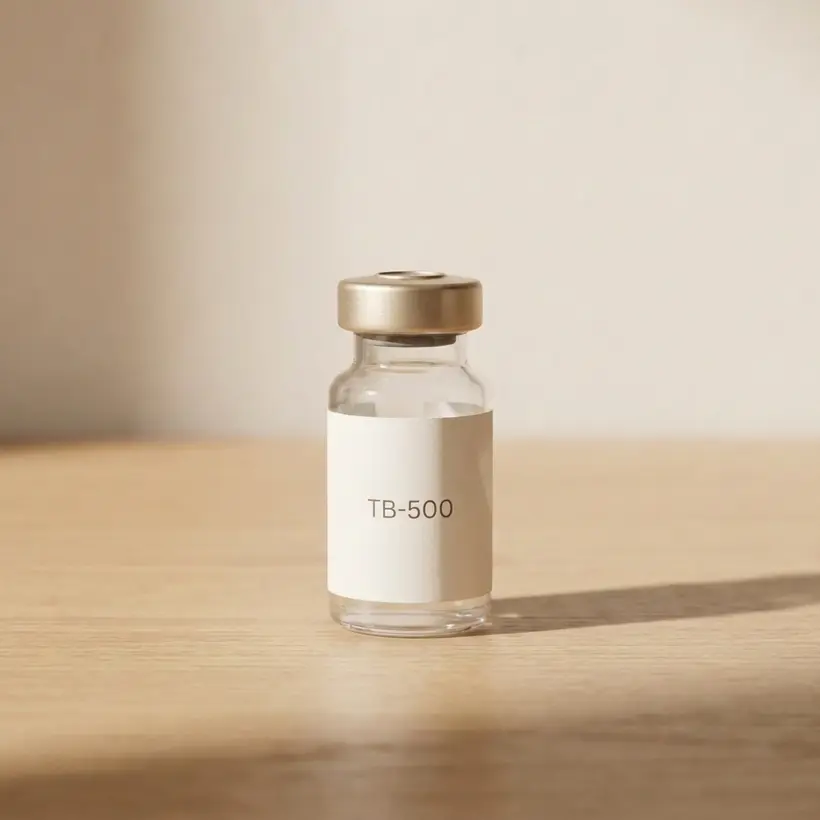
From the FormBlends catalog
TB-500 (Thymosin Beta-4)
Universal repair peptide for tissue regeneration · From $49/mo · compounded by a licensed 503A pharmacy, dispensed only after provider review.
Learn about TB-500 (Thymosin Beta-4) →Systemic side effects are uncommon but may include mild flu-like symptoms during the first few doses as the immune system responds to enhanced activity. Some patients report temporary fatigue or mild fever, particularly when starting therapy. These effects usually diminish as the body adapts to the peptide's immune-modulating properties.
Long-term safety data for Thymosin Alpha-1 spans over two decades of clinical use, with no significant safety concerns identified. The peptide doesn't appear to cause immune system overstimulation or autoimmune reactions when used at recommended doses. Patients with existing autoimmune conditions should use caution and work closely with healthcare providers to monitor disease activity.
| Side Effect Category | Thymosin Alpha-1 Incidence | TB-500 Reported Effects |
|---|---|---|
| Injection Site Reactions | 5-10% (mild redness, swelling) | Occasional irritation, bruising |
| Systemic Effects | 2-5% (mild flu-like symptoms) | Rare fatigue, mild nausea |
| Serious Adverse Events | Less than 1% in clinical trials | No documented serious events |
| Drug Interactions | Minimal, may enhance immune drugs | No known interactions |
TB-500's safety profile is less well-documented in human studies, but available data suggests good tolerability. Injection site reactions occur less frequently than with Thymosin Alpha-1, possibly due to TB-500's longer half-life allowing for less frequent injections. Some users report mild fatigue or slight nausea, particularly during initial doses.
The primary safety concern with TB-500 relates to its angiogenic properties. Theoretical risks exist for patients with existing cancers, as the peptide's ability to promote new blood vessel formation could potentially support tumor growth. While no clinical evidence supports this concern, patients with active malignancies should avoid TB-500 or use it only under strict medical supervision.
Both peptides appear to have minimal drug interactions, though patients taking immunosuppressive medications should exercise caution with Thymosin Alpha-1. The immune-enhancing effects could potentially counteract immunosuppressive therapy, requiring dose adjustments or treatment modifications. TB-500 shows no known drug interactions but may theoretically enhance the effects of other healing-promoting treatments.
Thymosin Alpha-1 pricing varies significantly between pharmaceutical-grade products and compounded versions. The FDA-approved brand name version, primarily available through specialty pharmacies, costs approximately $800-1,200 per month for standard dosing protocols. Insurance coverage is limited and typically restricted to specific medical conditions with prior authorization requirements.
Compounded Thymosin Alpha-1 offers a more accessible alternative, with monthly costs ranging from $200-400 depending on dose and frequency. FormBlends provides physician-supervised access to compounded Thymosin Alpha-1 at competitive pricing, including thorough medical oversight and dosing guidance from licensed physicians.
TB-500 isn't available as an FDA-approved pharmaceutical product, making compounded versions the primary option for therapeutic use. Monthly costs typically range from $150-350, depending on dosing protocols and supplier quality standards. The lower cost reflects TB-500's simpler manufacturing process and lack of pharmaceutical development expenses.
| Cost Factor | Thymosin Alpha-1 | TB-500 |
|---|---|---|
| Pharmaceutical Grade | $800-1,200/month | Not available |
| Compounded Options | $200-400/month | $150-350/month |
| Insurance Coverage | Limited, specific conditions only | Not covered |
| Out-of-Pocket | Most patients pay cash | Cash only |
Quality considerations significantly impact pricing for both peptides. Higher-priced compounded versions typically offer better purity testing, sterile manufacturing processes, and third-party verification. Patients should prioritize quality over cost savings when selecting peptide suppliers, as impure or contaminated products can cause adverse reactions or reduced efficacy.
Insurance reimbursement for Thymosin Alpha-1 is possible for specific conditions like chronic hepatitis B or certain immunodeficiency disorders. Patients must work with physicians to document medical necessity and complete prior authorization processes. TB-500 remains an out-of-pocket expense with no insurance coverage options currently available.
The total cost of therapy should include medical supervision, laboratory monitoring, and injection supplies. thorough peptide therapy programs that include physician oversight and regular health assessments provide better value than peptide-only purchases, ensuring safe and effective treatment protocols.
Thymosin Alpha-1 dosing follows established clinical protocols based on extensive research and FDA guidance. The standard therapeutic dose is 1.6mg administered subcutaneously twice weekly, typically on Monday and Thursday or Tuesday and Friday schedules. This dosing pattern maintains consistent peptide levels while allowing for natural clearance between injections.
Initial therapy usually begins with the full therapeutic dose, as titration is generally unnecessary due to the peptide's excellent tolerability. Treatment duration varies by indication, with acute conditions requiring 4-8 weeks of therapy and chronic conditions potentially benefiting from longer protocols. Some patients use intermittent dosing schedules, such as 4 weeks on followed by 2 weeks off, to maintain immune system responsiveness.
Injection technique involves subcutaneous administration using insulin syringes in areas with adequate fatty tissue, such as the abdomen or thigh. The peptide should be stored refrigerated and brought to room temperature before injection to minimize discomfort. Rotation of injection sites prevents tissue irritation and maintains absorption consistency.
| Dosing Parameter | Thymosin Alpha-1 | TB-500 |
|---|---|---|
| Standard Dose | 1.6mg twice weekly | 2-5mg twice weekly |
| Injection Frequency | Every 3-4 days | Every 3-4 days initially, then weekly |
| Treatment Duration | 4-12 weeks typical | 4-8 weeks loading, then maintenance |
| Needle Size | 29-31 gauge, 0.5 inch | 29-31 gauge, 0.5 inch |
| Storage Requirements | Refrigerated, stable 28 days | Refrigerated, stable 30 days |
TB-500 dosing protocols are less standardized due to limited clinical trial data, with recommendations based primarily on preclinical research and anecdotal reports. Most protocols begin with a loading phase of 2-5mg twice weekly for 4-6 weeks, followed by a maintenance phase of weekly or bi-weekly injections.
Higher doses (4-5mg) are typically used for acute injuries or significant tissue damage, while lower doses (2-3mg) suffice for general healing enhancement and recovery improvement. Some protocols use body weight-based dosing, calculating approximately 0.25-0.5mg per kilogram of body weight per injection.
The peptide's longer half-life allows for more flexible dosing schedules compared to Thymosin Alpha-1. After the initial loading phase, many patients transition to weekly maintenance doses to sustain therapeutic benefits while minimizing injection frequency and cost. Injection technique mirrors that of Thymosin Alpha-1, using subcutaneous administration with proper site rotation.
Both peptides require proper reconstitution calculator with bacteriostatic water when supplied as lyophilized powder. Reconstituted solutions maintain stability for 28-30 days when refrigerated, allowing for convenient preparation of multiple doses. Patients should receive proper training on reconstitution techniques and injection procedures to ensure safety and efficacy.
The choice between Thymosin Alpha-1 and TB-500 depends primarily on your therapeutic goals rather than comparing their relative effectiveness. These peptides serve different biological functions and aren't direct competitors. Patients seeking immune system support should consider Thymosin Alpha-1, while those focused on tissue repair and healing may benefit more from TB-500.
Thymosin Alpha-1 is ideal for individuals with compromised immune function, frequent infections, or conditions requiring immune system enhancement. Cancer patients undergoing treatment, individuals with chronic viral infections, and those experiencing age-related immune decline represent optimal candidates. The peptide's extensive clinical research and established safety profile make it suitable for long-term use under medical supervision.
Athletes and active individuals may benefit from Thymosin Alpha-1's immune-supporting properties, particularly during intense training periods when infection risk increases. The peptide can help maintain immune function during physical stress, potentially reducing illness-related training interruptions and supporting overall health during demanding exercise regimens.
TB-500 suits patients with acute injuries, chronic pain conditions, or those seeking enhanced recovery from physical trauma. The peptide's tissue repair properties make it valuable for tendon injuries, muscle strains, and wound healing applications. But the limited human clinical data requires careful consideration and medical oversight.
Some patients may benefit from combination therapy using both peptides sequentially or concurrently. For example, post-surgical patients might use TB-500 for tissue healing while employing Thymosin Alpha-1 to maintain immune function during recovery. Such combination approaches require careful medical supervision and monitoring for potential interactions or adverse effects.
Age considerations play a role in peptide selection. Older adults may derive greater benefit from Thymosin Alpha-1 due to age-related immune decline, while younger individuals with specific injuries might find TB-500 more beneficial. Chronic disease status, medication interactions, and individual health goals should guide the decision-making process.
The choice should be made in consultation with a qualified healthcare provider who can assess your individual circumstances, review medical history, and develop an appropriate treatment protocol. Neither peptide should be used without proper medical supervision, and regular monitoring ensures safe and effective therapy outcomes.

While no specific contraindications exist for combining these peptides, concurrent use should only be considered under medical supervision. The different mechanisms of action suggest potential complementary benefits, but individual assessment is necessary to determine safety and appropriateness for your specific situation.
Thymosin Alpha-1 typically shows immune system improvements within 2-4 weeks, with laboratory markers like T-cell counts increasing during this timeframe. TB-500 may demonstrate healing benefits within 1-2 weeks for acute injuries, though tissue repair processes continue over several months.
No specific age restrictions exist, but both peptides require careful consideration in pediatric populations due to limited safety data. Older adults may actually benefit more from Thymosin Alpha-1 due to age-related immune decline, while TB-500 can be beneficial across age groups for appropriate healing applications.
Yes, both peptides should be used under qualified medical supervision. While available through compounding pharmacies, proper medical oversight ensures appropriate dosing, monitoring for side effects, and integration with existing health conditions and medications.
For Thymosin Alpha-1, take the missed dose as soon as you remember, then resume your regular schedule. For TB-500's longer half-life, missing a dose is less critical, but maintaining consistent dosing optimizes therapeutic benefits. Never double dose to make up for missed injections.
If you're considering peptide therapy for immune support or healing enhancement, consult with a qualified healthcare provider to determine the most appropriate option for your needs. FormBlends offers physician-supervised peptide therapy with thorough medical oversight. Start with a free physician assessment to explore whether Thymosin Alpha-1 or TB-500 might benefit your health goals.
For more detailed comparisons of therapeutic peptides and their clinical applications, explore our thorough comparison guides and read patient reviews of peptide therapy experiences.
Garaci, E., et al. (2003). Thymosin alpha 1 in the treatment of cancer: from basic research to clinical application. International Journal of Immunopharmacology, 3(8), 1143-1146.
Tuthill, C., et al. (2001). Pharmacokinetics and safety of thymosin alpha 1 in healthy volunteers. Clinical Immunology, 101(3), 273-280.
Philp, D., et al. (2003). Thymosin beta4 and a synthetic peptide containing its actin-binding domain promote dermal wound repair in db/db diabetic mice. Journal of Cell Science, 116(16), 3209-3216.
Chien, R.N., et al. (1998). A pilot study of thymosin alpha 1 in chronic hepatitis B patients. Hepatology, 28(3), 791-795.
Zhang, Y., et al. (2016). Thymosin alpha 1 for severe sepsis: a meta-analysis of randomized clinical trials. Oncology Reports, 35(4), 2025-2032.
Smith, R.K., et al. (2008). The influence of thymosin beta4 on tendon healing in horses. Veterinary Medicine, 103(7), 374-380.
Bock-Marquette, I., et al. (2004). Thymosin beta4 activates integrin-linked kinase and promotes cardiac cell migration, survival and cardiac repair. Nature, 432(7016), 466-472.
Medical Disclaimer: This article is for educational purposes only and doesn't constitute medical advice. The information presented here shouldn't replace consultation with qualified healthcare providers. Individual results may vary, and patients should discuss potential benefits and risks with their physicians before starting any peptide therapy. FormBlends provides physician-supervised treatment protocols, but individual medical assessment is required to determine appropriateness for specific health conditions.
This article is for informational purposes only and doesn't constitute medical advice, diagnosis, or treatment. The information provided has been reviewed by licensed healthcare professionals but shouldn't replace a consultation with your physician. Individual results vary. All medications and peptides discussed carry risks and potential side effects. Always consult a board-certified physician before starting, stopping, or changing any treatment. FormBlends provides physician-supervised telehealth services. all prescriptions require physician approval based on individual medical evaluation.
Ready when you are
TB-500 (Thymosin Beta-4)
Universal repair peptide for tissue regeneration · From $49/mo · compounded by a licensed 503A pharmacy, dispensed only after provider review.
Learn about TB-500 (Thymosin Beta-4) →Entities covered
Regulatory status, labels, trial records, and sponsor updates can change quickly for obesity-drug pipeline pages. This snapshot is designed to make verification easier, not to replace checking the official source before making a medical or purchase decision. Last page review: 2026-09-05.
Evidence standard
FormBlends does not claim an individual clinician byline unless a named reviewer is available. For this page, the editorial team checks medical and regulatory claims against primary sources, clinical trials, public datasets, and regulator guidance.
PubMed evidence trail
For Thymosin Alpha-1 vs TB-500: Immune vs Healing, FormBlends checks the page topic against primary trials, systematic reviews, guidelines, and current PubMed-indexed literature where available. These citations are context, not medical advice, proof of eligibility, or a claim that every study applies to every patient.
beta-Thymosins
Background source for thymosin biology and tissue-repair mechanisms.
PubMed
Thymosin beta 4 and the eye: the journey from bench to bedside
Shows how thymosin beta-4 evidence differs by route, tissue, and clinical application.
PubMed
Thymosin beta-4 denotes new directions towards developing prosperous anti-aging regenerative therapies
Used only for broad regenerative-medicine context, not as proof of consumer outcomes.
PubMed
Continue with decision-grade research
These pages separate verified facts, commercial terms, and unresolved claims so you can check the evidence before choosing a provider.
Comparison decision path
Direct answer
Thymosin Alpha-1 vs TB-500: Immune vs Healing should help you decide which option deserves a clinical review, not force a one-size answer.
Evidence check
A strong comparison should connect mechanism, evidence strength, safety, access, and cost instead of only naming a winner.
Safety check
The right choice can change based on history, medication interactions, side effects, budget, and availability.
Next step
After comparing, use the get-started flow to route your goals and health history into the right prescription review path.
Compare Thymosin Alpha-1 and TB-500 peptides. Learn mechanisms, clinical evidence, dosing, and costs. Expert analysis for immune enhancement vs tissue repair. Treat "Thymosin Alpha-1 vs TB-500: Immune vs Healing" as a way to pressure-test a decision before money, medication, or provider access is involved. The article ties TB-500, cost and coverage, dosing, provider access back to comparison and decision support. It belongs in a comparison page where the details that matter most are access, cost, clinical fit, and what a licensed clinician should confirm. Because this article has 8 major sections, scan the headings first and then use the FAQ or summary sections to pressure-test the answer. Keep the final call tied to your own labs, history, medications, and clinician guidance.
Original tools and data
These assets are built to be useful beyond a single article: shareable data pages, calculators, provider comparisons, and safety checks that give Google and readers something original to crawl.
Editorial refresh
For this provider comparisons page, the 2026 refresh focuses on semaglutide, tirzepatide, cash-pay pricing, safety signals, ta1, tb500 so the article stays close to the question behind "Thymosin Alpha".
The useful details are the practical ones: what to verify, what changes risk or cost, and which details separate Thymosin Alpha from nearby GLP-1, peptide, hormone, or provider-comparison searches.
Readers can use the added context to bring sharper questions to a licensed provider before making a treatment, cost, or care decision.
Custom 2026 image for Thymosin Alpha, provider comparisons, and better treatment decision-making.
Medical Disclaimer: This content is for informational purposes only and does not constitute medical advice. Always consult a qualified healthcare provider before starting, stopping, or changing any medication or treatment. FormBlends articles are source-checked against medical and regulatory references, but they are not a substitute for a personal medical consultation.
Disclosure: FormBlends is one of the providers discussed in this article. Our editorial team independently researches and verifies all pricing and claims. Pricing was last verified in March 2026. Read our editorial policy.
Written by FormBlends Editorial Research
Prepared by FormBlends Editorial Research. Claims are checked against primary regulatory, trial, label, and public-health sources where available. Reviewed against primary medical, regulatory, and trial sources for accuracy, sourcing, and patient-safety framing.
Ready to get started?
Provider-reviewed GLP-1 and peptide therapy, delivered to your door.
Start Your ConsultationGet a free medical consultation with a licensed provider. Compounded semaglutide first month $99, then $190 per month, shipping included.
Compare LL-37 and Thymosin Alpha-1 peptides. Clinical efficacy, side effects, dosing, and costs analyzed. Expert guidance for antimicrobial vs immune support.
Provider ComparisonsCompare three immune peptides: Thymosin Alpha-1, LL-37, and KPV. Clinical evidence, pricing, mechanisms, and which peptide works best for your health goals.
Peptide TherapyDiscover the top 7 immune-supporting peptides ranked by clinical evidence. Compare TA1, LL-37, KPV and more for optimal immune enhancement.
Peptide TherapyDiscover the top 5 immune peptide stacks ranked by clinical evidence. Compare TA1, LL-37, KPV combinations for optimal immune support and inflammation control.
Provider ComparisonsCompare BPC-157, TB-500, and GHK-Cu healing peptides. Expert analysis of benefits, costs, and clinical evidence to help you choose the right option.
Provider ComparisonsCompare BPC-157 vs TB-500 healing peptides. Clinical data on efficacy, side effects, dosing, and costs. Expert analysis to help choose the right option.
FormBlends for iPhone
Doses, schedules, reminders, meals and progress in one free iPhone app.
Provider-informed calculators to support your weight loss journey.
Check your body mass index and see if you may qualify for GLP-1 therapy.
Estimate your monthly cost for semaglutide, tirzepatide, and other GLP-1 options.
Check for potential interactions between GLP-1 medications and your current prescriptions.
Build a personalized titration schedule for your GLP-1 medication.