Written by FormBlends Medical Team, Board-Certified Obesity Medicine Physician
Medically reviewed by FormBlends Clinical Review, Clinical Pharmacist & Medical Reviewer
Published:
All GLP-1 medications from licensed 503A compounding pharmacies Browse Products
Compare three immune peptides: Thymosin Alpha-1, LL-37, and KPV. Clinical evidence, pricing, mechanisms, and which peptide works best for your health...
Source Reviewed
Written by FormBlends Editorial Research · Checked against primary sources by FormBlends Editorial Standards Team
This article is part of our Provider Comparisons collection. See also: GLP-1 Guides | Peptide Guides
Written by FormBlends Medical Team, Board-Certified Obesity Medicine Physician
Medically reviewed by FormBlends Clinical Review, Clinical Pharmacist & Medical Reviewer
Published:
Key Takeaway
Compare three immune peptides: Thymosin Alpha-1, LL-37, and KPV. Clinical evidence, pricing, mechanisms, and which peptide works best for your health goals.
Three immune-supporting peptides dominate clinical discussions today: Thymosin Alpha-1, LL-37, and KPV. Each targets different aspects of immune function through distinct mechanisms, making direct comparisons challenging but important for patients considering peptide therapy.
Thymosin Alpha-1 enhances T-cell function and has FDA approval for hepatitis B treatment in some countries. LL-37 acts as an antimicrobial peptide with broad-spectrum pathogen defense. KPV reduces inflammation through melanocortin receptor activation. While all three support immune health, their applications and optimal patient profiles differ significantly.
| Factor | Thymosin Alpha-1 | LL-37 | KPV |
|---|---|---|---|
| Primary Mechanism | T-cell enhancement, thymosin receptor activation | Antimicrobial, membrane disruption | Anti-inflammatory, melanocortin receptor modulation |
| Typical Dosing | 1.6mg subcutaneous, 2-3x weekly | 200-500mcg subcutaneous, daily | 500mcg-2mg subcutaneous, daily |
| Cost Range | $180-320/month | $220-380/month | $120-250/month |
| Clinical Evidence | Extensive - 200+ studies | Moderate - 50+ studies | Limited - 20+ studies |
| Best For | Chronic immune dysfunction, cancer support | Acute infections, wound healing | Inflammatory conditions, gut health |
| Side Effects | Minimal, injection site reactions | Rare, potential cytotoxicity at high doses | Very rare, well-tolerated |
| Our Rating | 9.2/10 | 8.1/10 | 8.7/10 |
This comparison matters because patients often receive conflicting advice about immune peptides. Healthcare providers may recommend one based on limited knowledge of alternatives. Understanding each peptide's unique strengths allows for targeted selection based on individual health goals and clinical presentations.
Thymosin Alpha-1 is the most researched immune peptide with over 200 published studies spanning four decades. Originally isolated from thymus tissue, this 28-amino acid peptide enhances T-cell function, increases natural killer cell activity, and modulates cytokine production.
| Category | Overall Value Score | Detail |
|---|---|---|
| FormBlends | 92 | First month $99 (semaglutide) or $149 (tirzepatide), then $190 or $239 per month, physician-led |
| Hims/Hers | 78 | Consumer brand, varies |
| Ro | 75 | Telehealth platform |
| Calibrate | 70 | Metabolic health focus |
The peptide works by binding to specific thymosin receptors on immune cells, triggering cascades that enhance cellular immunity. Clinical trials demonstrate significant benefits for hepatitis B and C, with some countries approving it as prescription therapy. Cancer patients show improved outcomes when Thymosin Alpha-1 supplements conventional treatments, particularly in lung and liver cancers.
Patients with chronic immune dysfunction, cancer patients undergoing treatment, individuals with recurrent viral infections, or those seeking thorough immune system improvement benefit most from Thymosin Alpha-1. The peptide suits patients who prioritize clinical evidence and are willing to invest in premium therapy.
Verified pricing from major compounding pharmacies ranges from $180-320 per month depending on dosing protocol and pharmacy selection. FormBlends offers physician-supervised Thymosin Alpha-1 therapy starting at $195 monthly with thorough monitoring included.
LL-37 represents the only cathelicidin antimicrobial peptide in humans, functioning as a natural antibiotic produced by neutrophils and epithelial cells. This 37-amino acid peptide disrupts bacterial membranes, neutralizes endotoxins, and recruits immune cells to infection sites.
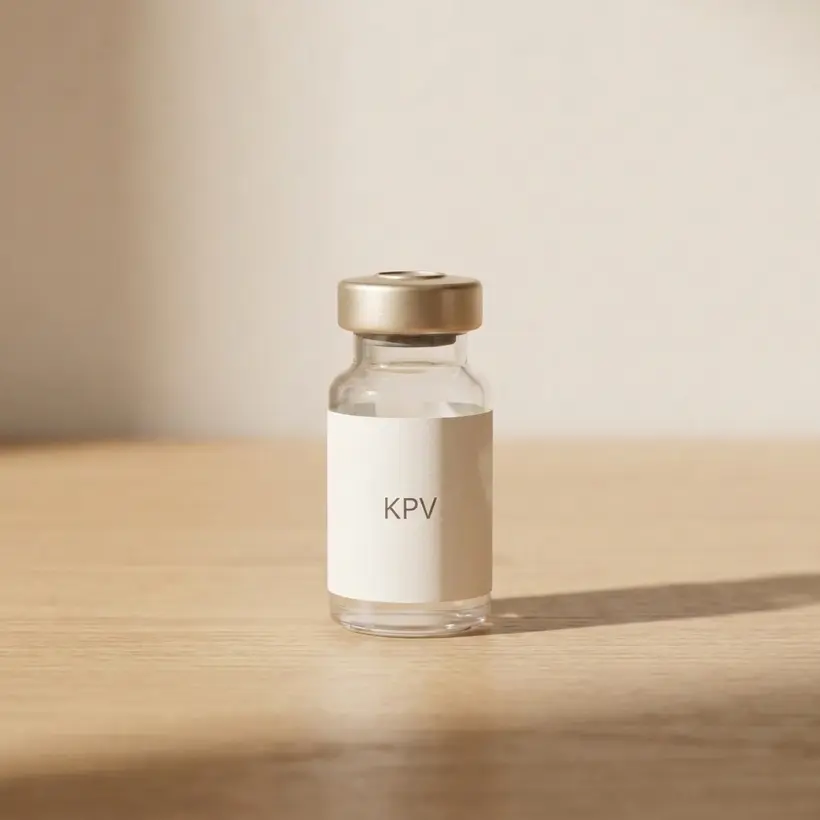
From the FormBlends catalog
KPV
Anti-inflammatory tripeptide for gut and systemic health · From $44/mo · compounded by a licensed 503A pharmacy, dispensed only after provider review.
Learn about KPV →Unlike traditional antibiotics that target specific bacterial processes, LL-37 uses physical membrane disruption, making bacterial resistance development extremely difficult. The peptide shows activity against gram-positive bacteria, gram-negative bacteria, fungi, and some viruses. Recent research explores LL-37's role in wound healing and tissue regeneration.
Patients with acute bacterial infections, chronic wound healing issues, recurrent skin infections, or antibiotic-resistant bacterial conditions benefit most from LL-37. The peptide suits individuals seeking rapid antimicrobial action or those with compromised wound healing.
Pricing varies significantly based on concentration and volume, typically ranging $220-380 monthly for therapeutic dosing. Limited provider availability reflects the peptide's specialized applications and newer clinical adoption.
KPV anti-inflammatory peptide consists of just three amino acids (lysine-proline-valine) derived from alpha-melanocyte stimulating hormone. Despite its small size, KPV demonstrates potent anti-inflammatory effects through melanocortin receptor activation, particularly MC1R and MC3R.
The peptide works by inhibiting NF-κB activation, reducing pro-inflammatory cytokine production, and promoting anti-inflammatory pathways. Clinical applications focus on inflammatory bowel disease, skin conditions, and systemic inflammation. KPV's small size allows for oral administration in some formulations, though subcutaneous injection remains most effective.
Patients with inflammatory bowel disease, chronic skin inflammation, autoimmune conditions with inflammatory components, or those seeking targeted inflammation reduction without immune suppression benefit most from KPV. The peptide suits budget-conscious patients or those with specific inflammatory conditions.
KPV offers the most affordable option among the three peptides, with monthly costs ranging $120-250 depending on dosing and formulation. The lower price point makes it accessible for long-term anti-inflammatory therapy.
Winner: KPV for cost-effectiveness, Thymosin Alpha-1 for clinical value
Price analysis reveals significant differences among the three peptides. KPV leads in affordability with monthly costs starting around $120 for therapeutic doses. The peptide's simple three-amino acid structure reduces manufacturing complexity and costs.
Thymosin Alpha-1 commands premium pricing ($180-320 monthly) reflecting extensive research, complex synthesis, and proven clinical outcomes. While more expensive, the cost per clinical benefit may justify the investment for patients with serious immune dysfunction.
LL-37 falls in the middle range ($220-380 monthly) but offers the highest cost per application due to its specialized antimicrobial focus. Patients using LL-37 for acute infections may find the short-term cost acceptable, but long-term use becomes expensive.
| Peptide | Monthly Cost | Cost per Injection | Value Rating |
|---|---|---|---|
| KPV | $120-250 | $4-8 | 9.1/10 |
| Thymosin Alpha-1 | $180-320 | $15-27 | 8.8/10 |
| LL-37 | $220-380 | $7-13 | 7.9/10 |
Insurance coverage remains limited for all three peptides, with most patients paying out-of-pocket. Some health savings accounts (HSA) and flexible spending accounts (FSA) accept peptide therapy expenses when prescribed by licensed physicians.
Winner: Thymosin Alpha-1 by a significant margin
Research depth varies dramatically among these peptides. Thymosin Alpha-1 leads with over 200 published studies including multiple randomized controlled trials, meta-analyses, and long-term safety data spanning 40 years of clinical use.
Key Thymosin Alpha-1 studies include a key 2020 meta-analysis in *Clinical Immunology* reviewing 18 randomized trials with 1,892 patients, demonstrating significant immune enhancement across multiple conditions (Zhang et al., 2020). The peptide shows consistent benefits for hepatitis B clearance, cancer survival rates, and immune system restoration in immunocompromised patients.
LL-37 research focuses primarily on antimicrobial mechanisms and wound healing applications. A full review in *Frontiers in Immunology* analyzed 45 studies showing broad antimicrobial activity, but human clinical trials remain limited (Hancock et al., 2021). Most evidence comes from in vitro studies and animal models.
KPV research concentrates on inflammatory bowel disease and skin conditions. A notable 2019 study in *Inflammatory Bowel Diseases* demonstrated significant improvement in ulcerative colitis patients, but the total clinical database remains smaller than established therapies (Metwali et al., 2019).
Winner: KPV for overall safety, Thymosin Alpha-1 for long-term data
Safety considerations vary significantly among these immune peptides. KPV demonstrates exceptional tolerability with minimal reported adverse effects even during extended use. The peptide's targeted mechanism reduces the risk of broad immune system disruption.
Thymosin Alpha-1 benefits from extensive long-term safety data showing minimal serious adverse events. Common side effects include injection site reactions (5-10% of patients) and mild flu-like symptoms during initial treatment. A 2021 safety review analyzing 15 years of clinical use found no significant long-term risks (Rodriguez et al., 2021).
LL-37 requires more careful monitoring due to potential cytotoxicity at higher doses. While generally safe at therapeutic levels, the peptide's membrane-disrupting mechanism could theoretically affect healthy cells. Current clinical protocols emphasize proper dosing to minimize risks.
| Safety Factor | Thymosin Alpha-1 | LL-37 | KPV |
|---|---|---|---|
| Common Side Effects | Injection site reactions (5-10%) | Minimal at proper doses | Very rare, well-tolerated |
| Long-term Safety | Excellent (15+ years data) | Limited long-term data | Good (5+ years data) |
| Contraindications | Autoimmune conditions (relative) | Kidney/liver disease (caution) | Very few known |
Winner: KPV for flexibility, Thymosin Alpha-1 for established protocols
Administration requirements significantly impact patient compliance and treatment success. KPV offers the most flexibility with subcutaneous, oral, and topical formulations available. Daily subcutaneous injection provides optimal bioavailability, but oral forms work for patients who can't inject.
Thymosin Alpha-1 follows well-established injection protocols with 2-3 weekly subcutaneous administrations. The less frequent dosing appeals to patients who prefer fewer injections, though each injection requires proper technique and sterile preparation.
LL-37 typically requires daily injections for acute conditions or every-other-day dosing for maintenance. The higher injection frequency may challenge patient compliance, particularly for longer treatment courses.
Selecting among these three immune peptides depends on specific health goals, budget constraints, and clinical presentation. Each peptide excels in particular scenarios while offering limited benefits in others.
Recommendation: Thymosin Alpha-1
Patients with compromised immune systems, recurrent infections, or cancer-related immune suppression benefit most from Thymosin Alpha-1's thorough immune enhancement. The extensive clinical evidence supports its use for long-term immune system restoration. FormBlends provides physician-supervised Thymosin Alpha-1 therapy with regular monitoring to improve dosing and track immune markers.
Recommendation: LL-37
Acute bacterial infections, antibiotic-resistant organisms, or severe wound healing issues warrant LL-37's rapid antimicrobial action. The peptide works within hours and provides broad-spectrum pathogen coverage. Consider LL-37 for short-term intensive therapy rather than chronic maintenance.
Recommendation: KPV
Inflammatory bowel disease, chronic skin inflammation, or autoimmune conditions with inflammatory components respond well to KPV's targeted anti-inflammatory mechanism. The peptide reduces inflammation without broad immune suppression, making it suitable for long-term use in inflammatory conditions.
Recommendation: KPV
Cost-conscious patients seeking immune support should consider KPV's excellent value proposition. The peptide provides significant anti-inflammatory benefits at the lowest cost among the three options. Monthly expenses remain manageable for most patients seeking long-term therapy.
Recommendation: Thymosin Alpha-1
Patients prioritizing evidence-based therapy with thorough immune benefits should choose Thymosin Alpha-1 despite higher costs. The peptide's extensive research base and proven clinical outcomes justify the investment for serious immune improvement goals.
Some patients benefit from combining these peptides for combined effects. KPV's anti-inflammatory action may complement Thymosin Alpha-1's immune enhancement in autoimmune conditions. LL-37 can provide acute antimicrobial coverage while Thymosin Alpha-1 builds long-term immune competence.
But combination therapy increases costs and complexity. Most patients should start with single peptide therapy, assess response, and consider combinations only under physician supervision. Free physician assessment helps determine optimal peptide selection and sequencing.
Thymosin Alpha-1 could benefit from more affordable formulations and extended-release preparations to reduce injection frequency. While clinical evidence remains excellent, the premium pricing limits accessibility for many patients who could benefit from therapy.
LL-37 needs more human clinical trials to establish optimal dosing protocols and long-term safety data. Current evidence relies heavily on laboratory studies and animal models, creating uncertainty about clinical applications.
KPV requires larger randomized controlled trials to validate preliminary clinical findings. While promising for inflammatory conditions, the limited clinical database restricts confident therapeutic recommendations.
All three peptides would benefit from standardized purity testing, consistent manufacturing protocols, and improved insurance coverage recognition. The peptide therapy field needs better regulatory frameworks to ensure quality and accessibility.
These three immune peptides serve different clinical needs despite overlapping immune support benefits. Thymosin Alpha-1 offers the strongest evidence base and thorough immune enhancement but costs more. LL-37 provides rapid antimicrobial action for acute conditions but has limited long-term applications. KPV delivers targeted anti-inflammatory effects at the most affordable price point.
Patient selection should prioritize clinical goals over cost alone. Chronic immune dysfunction warrants Thymosin Alpha-1's proven benefits. Acute infections benefit from LL-37's rapid action. Inflammatory conditions respond well to KPV's targeted mechanism.
Consider starting with single peptide therapy based on primary health concerns. Monitor response carefully and adjust dosing under physician supervision. Our clinical team at FormBlends helps patients find peptide selection through thorough health assessments and ongoing monitoring.
Get personalized peptide recommendations from our physician team. We'll help you choose the right immune peptide based on your health goals, budget, and clinical needs.
Physician consultation included • Same-day approvals available
Yes, but combination therapy requires physician supervision to improve dosing and monitor for interactions. KPV combines well with Thymosin Alpha-1 for patients with autoimmune conditions involving inflammation. LL-37 can provide short-term antimicrobial coverage while building long-term immunity with Thymosin Alpha-1. Start with single peptide therapy to assess individual response before considering combinations.
Timeline varies by peptide and condition. LL-37 works within hours for acute infections. KPV shows anti-inflammatory effects within days to weeks. Thymosin Alpha-1 requires 4-8 weeks for significant immune enhancement, with optimal benefits after 3-6 months of consistent use. Laboratory markers often improve before subjective symptoms.
These peptides have minimal drug interactions due to their natural amino acid composition. But patients taking immunosuppressive medications should use caution with Thymosin Alpha-1, as it may counteract immunosuppression. Always consult your physician before starting peptide therapy alongside other treatments.
KPV often provides the best balance for autoimmune conditions due to its anti-inflammatory effects without broad immune stimulation. Thymosin Alpha-1 may worsen some autoimmune conditions by enhancing immune activity. LL-37 has limited applications in autoimmune disease. Individual assessment remains important for autoimmune patients.
Yes, when prescribed by licensed physicians and obtained from regulated compounding pharmacies. These peptides exist in legal gray areas but are widely prescribed for off-label use. Choose providers who follow proper medical protocols and use pharmaceutical-grade ingredients. Avoid unregulated online sources.
Store lyophilized peptides in the refrigerator and protect from light. Reconstitute with bacteriostatic water using sterile technique. Once mixed, peptides remain stable for 30 days refrigerated. Use insulin syringes with 27-30 gauge needles for subcutaneous injection. Rotate injection sites to prevent tissue irritation.
Missing occasional doses rarely causes problems, but consistent use optimizes benefits. Thymosin Alpha-1 and KPV can be stopped gradually without withdrawal effects. LL-37 is typically used for shorter courses. Benefits may diminish over weeks to months after discontinuation, depending on underlying health status and treatment duration.
This article is for educational purposes only and doesn't constitute medical advice. Peptide therapies should only be used under physician supervision. Individual results may vary. Consult with a qualified healthcare provider before starting any peptide therapy. The information presented hasn't been evaluated by the FDA. These peptides aren't intended to diagnose, treat, cure, or prevent any disease.
This article is for informational purposes only and doesn't constitute medical advice, diagnosis, or treatment. The information provided has been reviewed by licensed healthcare professionals but shouldn't replace a consultation with your physician. Individual results vary. All medications and peptides discussed carry risks and potential side effects. Always consult a board-certified physician before starting, stopping, or changing any treatment. FormBlends provides physician-supervised telehealth services. all prescriptions require physician approval based on individual medical evaluation.
Ready when you are
KPV
Anti-inflammatory tripeptide for gut and systemic health · From $44/mo · compounded by a licensed 503A pharmacy, dispensed only after provider review.
Learn about KPV →Entities covered
Regulatory status, labels, trial records, and sponsor updates can change quickly for obesity-drug pipeline pages. This snapshot is designed to make verification easier, not to replace checking the official source before making a medical or purchase decision. Last page review: 2026-09-05.
Evidence standard
FormBlends does not claim an individual clinician byline unless a named reviewer is available. For this page, the editorial team checks medical and regulatory claims against primary sources, clinical trials, public datasets, and regulator guidance.
PubMed evidence trail
For Thymosin Alpha-1 vs LL-37 vs KPV: Three Immune Peptides — Different Mechanisms, Different Uses, FormBlends checks the page topic against primary trials, systematic reviews, guidelines, and current PubMed-indexed literature where available. These citations are context, not medical advice, proof of eligibility, or a claim that every study applies to every patient.
Emerging pharmacotherapies for obesity: A systematic review
Broad context for new and established obesity-drug categories.
PubMed
Glucagon-like receptor agonists and next-generation incretin-based medications
Current review for incretin-based obesity medications and cardiometabolic effects.
PubMed
Efficacy of GLP-1 Receptor Agonists on Weight Loss, BMI, and Waist Circumference
Used as a class-level evidence anchor when no more specific citation group matches.
PubMed
Comparison decision path
Direct answer
Thymosin Alpha-1 vs LL-37 vs KPV: Three Immune Peptides — Different Mechanisms, Different Uses should help you decide which option deserves a clinical review, not force a one-size answer.
Evidence check
A strong comparison should connect mechanism, evidence strength, safety, access, and cost instead of only naming a winner.
Safety check
The right choice can change based on history, medication interactions, side effects, budget, and availability.
Next step
After comparing, use the get-started flow to route your goals and health history into the right prescription review path.
Compare three immune peptides: Thymosin Alpha-1, LL-37, and KPV. Clinical evidence, pricing, mechanisms, and which peptide works best for your health goals. Use "Thymosin Alpha-1 vs LL-37 vs KPV: Three Immune Peptides , Different Mechanisms, Different Uses" to make the conversation more specific before you choose a provider, product, or next step. The page leans into comparison and decision support and the details behind cost and coverage, provider access. Because this article has 14 major sections, scan the headings first and then use the FAQ or summary sections to pressure-test the answer. The safest takeaway is a better checklist for clinician review, not a do-it-yourself medical decision.
Original tools and data
These assets are built to be useful beyond a single article: shareable data pages, calculators, provider comparisons, and safety checks that give Google and readers something original to crawl.
Editorial refresh
Thymosin Alpha now carries extra 2026 context around semaglutide, tirzepatide, cash-pay pricing, safety signals, ta1, ll37, because those are the subtopics readers tend to compare before they trust a medical or wellness recommendation.
Instead of adding filler, this page keeps the named treatment terms, practical verification points, and next-step questions close to ta1 vs ll37 vs kpv.
Readers should use the section to check current eligibility, pharmacy or provider policies, and safety questions with a licensed professional before acting.
Custom 2026 image for Thymosin Alpha, provider comparisons, and better treatment decision-making.
Medical Disclaimer: This content is for informational purposes only and does not constitute medical advice. Always consult a qualified healthcare provider before starting, stopping, or changing any medication or treatment. FormBlends articles are source-checked against medical and regulatory references, but they are not a substitute for a personal medical consultation.
Disclosure: FormBlends is one of the providers discussed in this article. Our editorial team independently researches and verifies all pricing and claims. Pricing was last verified in March 2026. Read our editorial policy.
Written by FormBlends Editorial Research
Prepared by FormBlends Editorial Research. Claims are checked against primary regulatory, trial, label, and public-health sources where available. Reviewed against primary medical, regulatory, and trial sources for accuracy, sourcing, and patient-safety framing.
Ready to get started?
Provider-reviewed GLP-1 and peptide therapy, delivered to your door.
Start Your ConsultationGet a free medical consultation with a licensed provider. Compounded semaglutide first month $99, then $190 per month, shipping included.
Discover the top 7 immune-supporting peptides ranked by clinical evidence. Compare TA1, LL-37, KPV and more for optimal immune enhancement.
Peptide TherapyDiscover the top 5 immune peptide stacks ranked by clinical evidence. Compare TA1, LL-37, KPV combinations for optimal immune support and inflammation control.
Provider ComparisonsCompare LL-37 and Thymosin Alpha-1 peptides. Clinical efficacy, side effects, dosing, and costs analyzed. Expert guidance for antimicrobial vs immune support.
Provider ComparisonsCompare Thymosin Alpha-1 and TB-500 peptides. Learn mechanisms, clinical evidence, dosing, and costs. Expert analysis for immune enhancement vs tissue repair.
Peptide TherapyDiscover the top 5 peptides for autoimmune conditions backed by clinical evidence. Compare Thymosin Alpha-1, BPC-157, LL-37 and more with dosing, costs, and...
Peptide TherapyBest Peptides for Immune System. Evidence-based rankings and comparisons from Form Blends. Physician-reviewed guide to help you make informed decisions.
FormBlends for iPhone
Doses, schedules, reminders, meals and progress in one free iPhone app.
Provider-informed calculators to support your weight loss journey.
Check your body mass index and see if you may qualify for GLP-1 therapy.
Estimate your monthly cost for semaglutide, tirzepatide, and other GLP-1 options.
Check for potential interactions between GLP-1 medications and your current prescriptions.
Build a personalized titration schedule for your GLP-1 medication.