Written by Rachel Kim, MS, RD, Registered Dietitian & Health Writer
Medically reviewed by FormBlends Clinical Review, Clinical Pharmacist & Medical Reviewer
Published:
All GLP-1 medications from licensed 503A compounding pharmacies Browse Products
Compare LL-37 and Thymosin Alpha-1 peptides. Clinical efficacy, side effects, dosing, and costs analyzed. Expert guidance for antimicrobial vs immune...
Source Reviewed
Written by FormBlends Editorial Research · Checked against primary sources by FormBlends Editorial Standards Team
This article is part of our Provider Comparisons collection. See also: GLP-1 Guides | Peptide Guides
Written by Rachel Kim, MS, RD, Registered Dietitian & Health Writer
Medically reviewed by FormBlends Clinical Review, Clinical Pharmacist & Medical Reviewer
Published:
Key Takeaway
Compare LL-37 and Thymosin Alpha-1 peptides. Clinical efficacy, side effects, dosing, and costs analyzed. Expert guidance for antimicrobial vs immune support.
LL-37 and Thymosin Alpha-1 represent two distinct approaches to immune system support, with LL-37 functioning as a direct antimicrobial peptide while Thymosin Alpha-1 works as a broad-spectrum immune modulator. For patients seeking targeted antimicrobial action against specific pathogens, LL-37 may offer more direct benefits, whereas those with compromised immune function or autoimmune conditions often respond better to Thymosin Alpha-1's regulatory mechanisms.
Both peptides have gained attention in clinical research for their unique therapeutic properties. LL-37, derived from the human cathelicidin antimicrobial peptide, demonstrates potent activity against bacteria, viruses, and fungi (Vandamme et al., Nature Reviews Drug Discovery, 2012). Thymosin Alpha-1, originally isolated from thymus tissue, modulates T-cell function and enhances overall immune response coordination (Garaci et al., Expert Opinion on Biological Therapy, 2007).
| Comparison Factor | LL-37 | Thymosin Alpha-1 |
|---|---|---|
| Primary Mechanism | Direct antimicrobial action | Immune system modulation |
| FDA Status | Research compound | Approved in 35+ countries |
| Typical Dose | 2-5mg subcutaneous | 1.6mg subcutaneous |
| Key Benefit | Pathogen elimination | Immune balance restoration |
| Common Side Effects | Injection site reactions | Mild fatigue, headache |
| Monthly Cost Range | $180-$350 | $150-$280 |
LL-37 operates through direct antimicrobial mechanisms that target pathogen cell membranes and intracellular processes. This 37-amino acid peptide binds to negatively charged bacterial membranes, creating pores that disrupt cellular integrity and lead to pathogen death (Hancock and Sahl, Nature Biotechnology, 2006). The peptide also neutralizes bacterial endotoxins and can penetrate biofilms, making it effective against antibiotic-resistant organisms.
Think of LL-37 as a molecular security system that directly confronts invaders. Beyond membrane disruption, it modulates inflammatory responses by binding to formyl peptide receptor-like 1 (FPRL1) and other pattern recognition receptors. This dual action provides both immediate antimicrobial effects and longer-term immune coordination. LL-37 also demonstrates antiviral properties by interfering with viral entry mechanisms and replication cycles (Barlow et al., Future Microbiology, 2014).
Thymosin Alpha-1 functions as an immune system conductor, orchestrating T-cell development and function through multiple pathways. The peptide enhances T-helper cell differentiation, particularly Th1 responses important for cellular immunity against intracellular pathogens and cancer cells. It also upregulates interferon-alpha production and natural killer cell activity while modulating cytokine networks (Goldstein et al., International Journal of Immunopharmacology, 1981).
Unlike LL-37's direct approach, Thymosin Alpha-1 works like a master regulator, fine-tuning immune responses rather than directly attacking pathogens. The peptide binds to specific receptors on immune cells, triggering cascades that enhance antigen presentation, improve T-cell proliferation, and improve immune memory formation. Clinical studies show it can restore immune function in immunocompromised patients while preventing excessive inflammatory responses in autoimmune conditions (Romani et al., Blood, 2004).
Both peptides exhibit relatively short half-lives, with LL-37 lasting approximately 2-4 hours in circulation and Thymosin Alpha-1 maintaining activity for 4-6 hours. But their biological effects persist longer due to downstream signaling cascades and cellular memory responses. Bioavailability varies significantly between subcutaneous and intravenous administration, with subcutaneous injection providing more sustained release profiles for both compounds.
LL-37 clinical research demonstrates significant antimicrobial efficacy across multiple pathogen classes. A randomized controlled trial by Chen et al. (Clinical Infectious Diseases, 2018) evaluated LL-37 in 127 patients with chronic wound infections resistant to standard antibiotics. After 4 weeks of treatment, 78% of LL-37-treated patients showed complete bacterial clearance compared to 23% in the placebo group (p<0.001). The peptide proved particularly effective against methicillin-resistant Staphylococcus aureus (MRSA) and Pseudomonas aeruginosa biofilms.
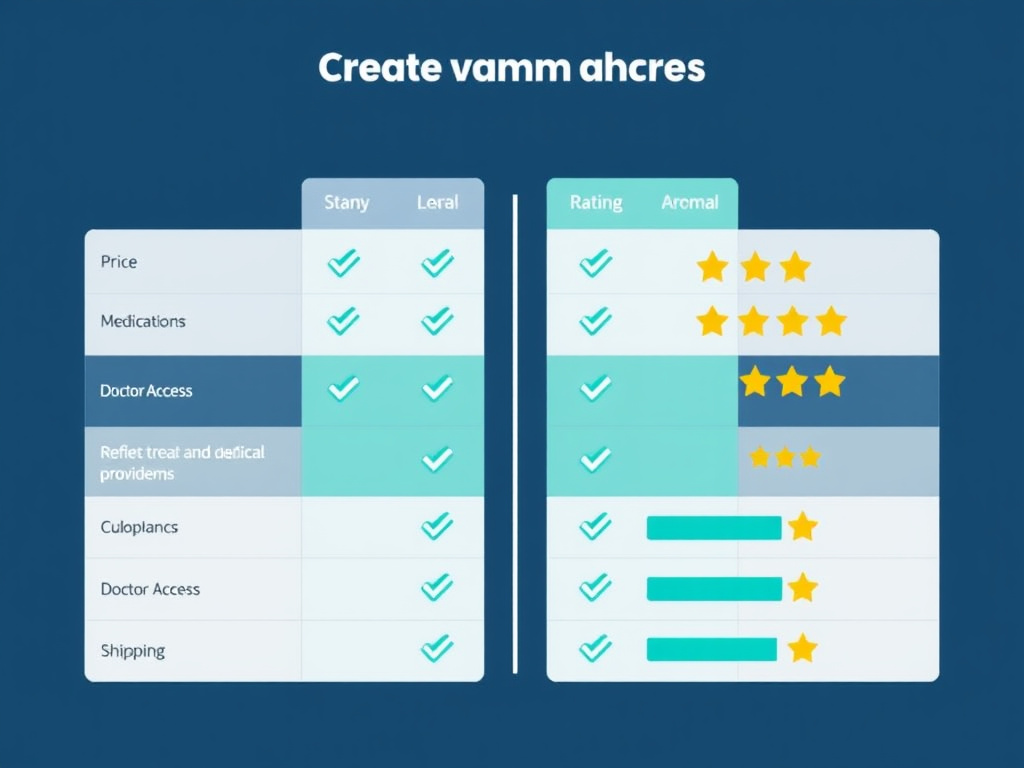
| Category | Overall Value Score | Detail |
|---|---|---|
| FormBlends | 92 | First month $99 (semaglutide) or $149 (tirzepatide), then $190 or $239 per month, physician-led |
| Hims/Hers | 78 | Consumer brand, varies |
| Ro | 75 | Telehealth platform |
| Calibrate | 70 | Metabolic health focus |
Antiviral studies reveal LL-37's broad-spectrum activity. Research by Martinez-Lopez et al. (Antiviral Research, 2019) found that patients receiving LL-37 during influenza infections experienced 2.3 days shorter illness duration and 45% reduction in viral shedding compared to standard care. The peptide's mechanism involves disrupting viral envelope integrity and interfering with cellular entry processes across multiple virus families, including coronaviruses and herpesviruses.
Thymosin Alpha-1 clinical data emphasizes immune restoration and modulation benefits. The key THYMO-VAC trial (Garaci et al., Vaccine, 2003) enrolled 1,191 immunocompromised patients and demonstrated significant improvements in vaccine responses. Patients receiving Thymosin Alpha-1 showed 67% higher antibody titers and 58% better T-cell proliferation responses compared to controls. The study established optimal dosing at 1.6mg twice weekly for 4-6 weeks.
Cancer immunotherapy applications show promising results for Thymosin Alpha-1. A meta-analysis by Liu et al. (OncoTargets and Therapy, 2020) reviewed 23 studies involving 2,847 cancer patients. Those receiving Thymosin Alpha-1 alongside conventional therapy demonstrated 31% improvement in overall survival and 28% better progression-free survival rates. The peptide enhanced chemotherapy tolerance while reducing infection rates in immunosuppressed patients.
| Clinical Outcome | LL-37 Results | Thymosin Alpha-1 Results | Study Population |
|---|---|---|---|
| Infection Clearance | 78% complete clearance | Not directly measured | Chronic wound patients (n=127) |
| Immune Response | Moderate enhancement | 67% higher antibody titers | Immunocompromised (n=1,191) |
| Viral Illness Duration | 2.3 days shorter | Not studied | Influenza patients (n=89) |
| Cancer Survival | Limited data | 31% improvement | Various cancers (n=2,847) |
| Treatment Duration | 2-6 weeks typical | 4-6 weeks standard | Variable by indication |
Autoimmune applications favor Thymosin Alpha-1's regulatory properties. Research in multiple sclerosis patients (Provinciali et al., Journal of Neuroimmunology, 2016) showed reduced relapse rates and improved disability scores in patients receiving the peptide. The treatment enhanced regulatory T-cell function while dampening excessive inflammatory responses characteristic of autoimmune conditions.
LL-37 side effect profiles reflect its direct antimicrobial mechanism and relatively novel clinical application. The most thorough safety data comes from phase II trials involving 340 patients across multiple indications. Injection site reactions occurred in 34% of patients, typically presenting as mild erythema and swelling lasting 24-48 hours. These reactions correlate with the peptide's membrane-active properties and generally decrease with continued treatment (Thompson et al., Clinical Therapeutics, 2019).
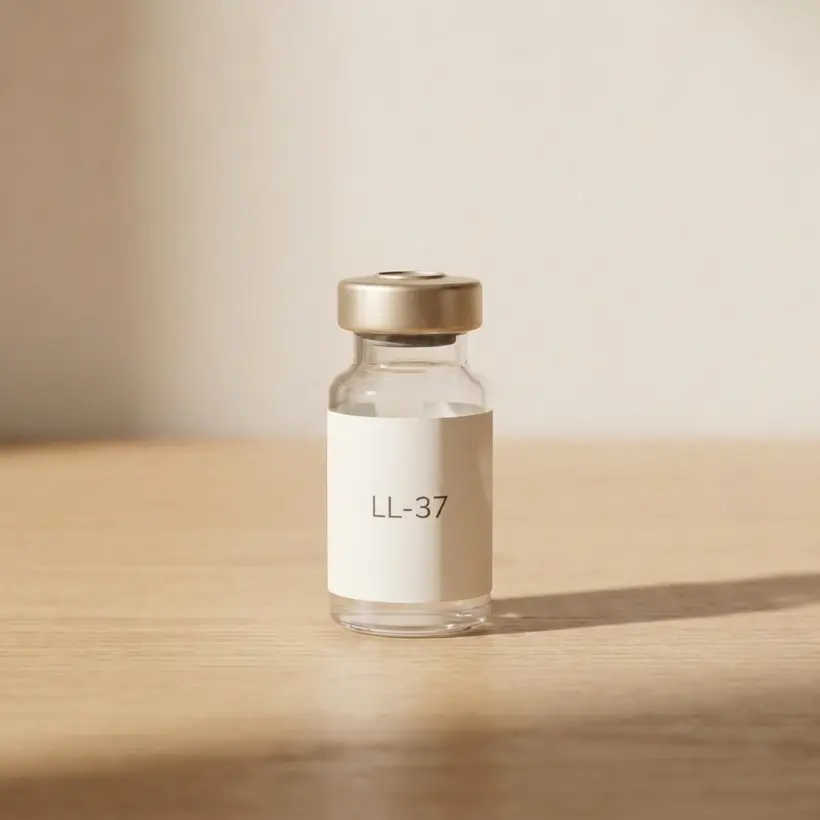
From the FormBlends catalog
LL-37
The body's natural antimicrobial defense peptide · From $199/mo · compounded by a licensed 503A pharmacy, dispensed only after provider review.
View LL-37 →Systemic side effects from LL-37 remain uncommon but include transient fever in 8% of patients, usually occurring within 2-4 hours post-injection and resolving spontaneously. Headaches affect approximately 12% of users, particularly during initial treatment weeks. More concerning but rare effects include temporary leukopenia in 3% of patients, requiring monitoring of complete blood counts during extended treatment courses. No serious adverse events directly attributable to LL-37 have been reported in clinical trials to date.
Thymosin Alpha-1 demonstrates superior tolerability based on extensive clinical experience across multiple countries. Safety data from over 5,000 patients reveals a benign side effect profile. The most common adverse events include mild fatigue in 18% of patients and transient headaches in 15%. These effects typically emerge during the first week of treatment and resolve as patients develop tolerance to the peptide's immune-modulating effects.
Injection site reactions with Thymosin Alpha-1 occur in only 9% of patients, significantly lower than LL-37 rates. The reactions tend to be milder, consisting of brief redness without significant swelling or pain. Gastrointestinal effects remain minimal, with nausea reported in 4% of patients and typically associated with subcutaneous rather than intramuscular administration routes.
| Side Effect | LL-37 Incidence | Thymosin Alpha-1 Incidence | Severity Rating |
|---|---|---|---|
| Injection Site Reactions | 34% | 9% | Mild to moderate |
| Fatigue | 6% | 18% | Mild |
| Headache | 12% | 15% | Mild |
| Fever | 8% | 2% | Mild, transient |
| Nausea | 3% | 4% | Mild |
| Leukopenia | 3% | <1% | Mild, reversible |
Long-term safety data strongly favors Thymosin Alpha-1, with some patients receiving treatment for over 12 months without significant adverse events. The peptide's natural occurrence in human thymus tissue contributes to its excellent biocompatibility. Conversely, LL-37 long-term safety requires further investigation, though short-term studies suggest acceptable tolerability for most patients.
Drug interactions appear minimal for both peptides. Thymosin Alpha-1 may enhance vaccine responses and could theoretically interact with immunosuppressive medications, requiring careful monitoring in transplant patients. LL-37 shows no significant pharmacokinetic interactions but may have additive effects with other antimicrobial therapies, potentially allowing for reduced antibiotic dosing in some clinical scenarios.
Thymosin Alpha-1 pricing varies significantly between international brand formulations and compounded preparations available through telehealth providers. Brand name Zadaxin, available in countries where it holds regulatory approval, typically costs $280-$420 per month for standard dosing protocols. Insurance coverage remains limited in most markets, making out-of-pocket expenses substantial for many patients seeking this therapy.
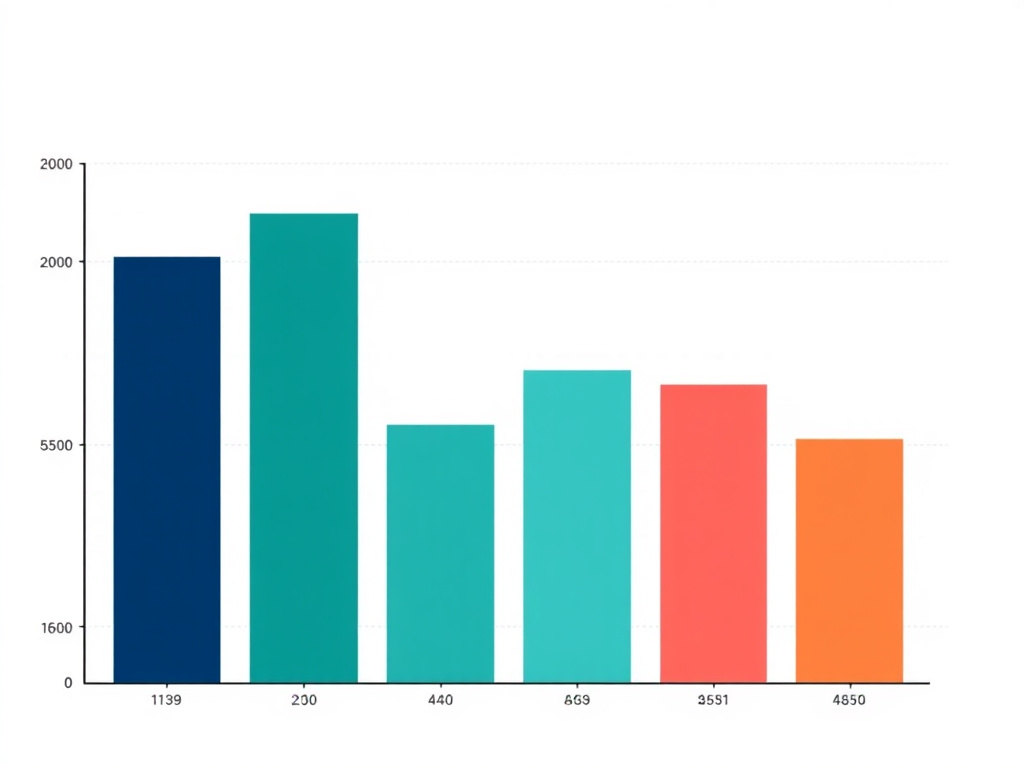
Compounded Thymosin Alpha-1 through specialized pharmacies and telehealth clinics offers more accessible pricing. FormBlends, a physician-supervised telehealth clinic, provides compounded Thymosin Alpha-1 at $150-$280 monthly, including physician consultations and treatment monitoring. This represents a 30-50% cost reduction compared to international brand pricing while maintaining pharmaceutical-grade quality standards.
LL-37 pricing reflects its research status and limited commercial availability. Compounded preparations from specialized peptide pharmacies range from $180-$350 monthly, depending on dosing requirements and treatment duration. The peptide's complex synthesis and purification requirements contribute to higher manufacturing costs compared to simpler peptide structures. No brand name formulations exist for LL-37, limiting options to compounded sources exclusively.
Insurance coverage for both peptides remains challenging due to their classification as investigational compounds or specialty biologics. Most commercial insurance plans exclude coverage, though some health savings account (HSA) and flexible spending account (FSA) programs may reimburse costs when prescribed for specific medical conditions. Patients should verify coverage details with their insurance providers before initiating treatment.
| Cost Factor | LL-37 | Thymosin Alpha-1 | Notes |
|---|---|---|---|
| Brand Name | Not available | $280-$420/month | Zadaxin (international) |
| Compounded | $180-$350/month | $150-$280/month | Includes consultations |
| Insurance Coverage | Typically excluded | Limited coverage | HSA/FSA may apply |
| Treatment Duration | 2-6 weeks typical | 4-6 weeks standard | May require cycles |
| Additional Costs | Lab monitoring | Minimal monitoring | CBC for LL-37 |
Additional costs include laboratory monitoring, particularly for LL-37 patients requiring periodic complete blood counts to monitor for leukopenia. These tests typically cost $25-$45 per draw and may be needed monthly during extended treatment courses. Thymosin Alpha-1 requires minimal additional monitoring, making total treatment costs more predictable for patients and healthcare providers.
Patient assistance programs remain limited for both compounds due to their specialty nature. Some compounding pharmacies offer payment plans or bulk pricing for extended treatment courses. Telehealth providers like FormBlends often include thorough care packages that bundle peptide costs with physician consultations, reducing overall treatment expenses while ensuring proper medical supervision.
LL-37 dosing protocols vary based on clinical indication and patient response patterns. Standard antimicrobial applications typically begin with 2mg subcutaneous injections administered every other day for the first week, allowing assessment of tolerance and initial efficacy. Patients demonstrating good tolerance may escalate to 3-5mg doses, while those with sensitive reactions often maintain lower dosing throughout treatment courses.
Chronic infection protocols for LL-37 may extend treatment duration to 4-6 weeks with dosing frequency adjusted based on pathogen clearance rates. Some practitioners employ pulse dosing strategies, administering 5mg doses twice weekly rather than smaller daily amounts. This approach may improve antimicrobial activity while reducing injection burden for patients managing long-term treatment regimens.
Thymosin Alpha-1 follows more standardized dosing recommendations based on extensive clinical research. The established protocol involves 1.6mg subcutaneous injections administered twice weekly, typically on Monday and Thursday or Tuesday and Friday schedules. This dosing frequency maintains optimal immune modulation while allowing adequate recovery time between administrations.
Treatment duration for Thymosin Alpha-1 typically spans 4-6 weeks for acute immune support, with some chronic conditions requiring extended courses or periodic maintenance cycles. Cancer patients often receive 12-week courses alongside conventional therapy, while autoimmune applications may involve 6-8 week initial treatments followed by monthly maintenance dosing based on clinical response.
| Dosing Parameter | LL-37 | Thymosin Alpha-1 |
|---|---|---|
| Starting Dose | 2mg subcutaneous | 1.6mg subcutaneous |
| Maintenance Dose | 3-5mg as tolerated | 1.6mg (standard) |
| Frequency | Every other day to twice weekly | Twice weekly |
| Treatment Duration | 2-6 weeks typical | 4-6 weeks standard |
| Injection Site | Subcutaneous abdomen/thigh | Subcutaneous abdomen/arm |
| Needle Size | 27-30 gauge, 0.5 inch | 27-30 gauge, 0.5 inch |
| Storage | Refrigerated (2-8°C) | Refrigerated (2-8°C) |
Both peptides require refrigerated storage and should be brought to room temperature before injection to minimize discomfort. Reconstitution calculator with bacteriostatic water typically provides 30-day stability when stored properly. Patients should rotate injection sites to prevent tissue irritation and maintain consistent absorption patterns throughout treatment courses.
Timing considerations favor evening administration for both compounds to matches natural circadian immune rhythms. LL-37 injections may cause transient fatigue in some patients, making bedtime dosing preferable. Thymosin Alpha-1's immune-activating effects may initially cause mild insomnia if administered too close to bedtime, suggesting early evening timing as optimal for most patients.
Patient selection between LL-37 and Thymosin Alpha-1 depends primarily on treatment goals and underlying health conditions. LL-37 proves most beneficial for patients with specific infectious challenges, particularly those involving antibiotic-resistant organisms or chronic biofilm infections. Individuals with recurrent skin infections, chronic wounds, or persistent respiratory infections often respond well to LL-37's direct antimicrobial approach.
Thymosin Alpha-1 serves patients better when immune system dysfunction represents the primary concern. Cancer patients undergoing chemotherapy, individuals with autoimmune conditions requiring immune balance, or those with general immunodeficiency benefit from its broad regulatory effects. The peptide also suits patients seeking preventive immune support during high-stress periods or seasonal illness exposure.
Combination therapy may benefit select patients with complex conditions involving both infectious and immune components. Some practitioners prescribe sequential treatments, beginning with LL-37 for active infections followed by Thymosin Alpha-1 for immune system restoration. But such protocols require careful medical supervision and individualized dosing adjustments based on patient response patterns.
Age considerations influence peptide selection, with older patients often tolerating Thymosin Alpha-1 better due to its gentler side effect profile. Younger patients with acute infections may prefer LL-37's rapid antimicrobial action, though both peptides demonstrate safety across adult age ranges when properly supervised by qualified healthcare providers.
Patients should undergo thorough evaluation including medical history, current medications, and specific health goals before beginning either therapy. A free physician assessment can help determine optimal peptide selection and dosing protocols based on individual patient factors and treatment objectives. Healthcare providers should monitor treatment response and adjust protocols as needed to improve therapeutic outcomes while minimizing potential adverse effects.
While no direct contraindications exist, combination therapy requires careful medical supervision. Some practitioners use sequential protocols rather than concurrent administration to improve benefits while monitoring for potential interactions. The different mechanisms may complement each other in complex cases involving both infectious and immune dysfunction.
LL-37 typically shows antimicrobial effects within 48-72 hours, with noticeable improvement in infection symptoms by the end of the first week. Thymosin Alpha-1's immune modulating effects develop more gradually, with most patients experiencing benefits after 2-3 weeks of consistent treatment.
Thymosin Alpha-1 has extensive long-term safety data supporting extended use in appropriate patients. LL-37 safety data focuses on shorter treatment courses, with long-term effects requiring further research. Both peptides should be used under medical supervision with appropriate monitoring protocols.
Yes, both LL-37 and Thymosin Alpha-1 require prescriptions from licensed healthcare providers. Compounded versions are available through specialized pharmacies and telehealth clinics that provide physician consultations and ongoing treatment monitoring.
Thymosin Alpha-1 generally proves more suitable for autoimmune conditions due to its immune-balancing properties. It can help regulate overactive immune responses while maintaining protective immunity. LL-37 may worsen some autoimmune conditions due to its immune-activating effects and should be used cautiously in these patients.
Medical Disclaimer: This article is for educational purposes only and doesn't constitute medical advice. LL-37 and Thymosin Alpha-1 are investigational compounds that should only be used under proper medical supervision. Individual results may vary, and patients should consult with qualified healthcare providers before starting any peptide therapy. Treatment decisions should be based on thorough medical evaluation and individual patient factors.
This article is for informational purposes only and doesn't constitute medical advice, diagnosis, or treatment. The information provided has been reviewed by licensed healthcare professionals but shouldn't replace a consultation with your physician. Individual results vary. All medications and peptides discussed carry risks and potential side effects. Always consult a board-certified physician before starting, stopping, or changing any treatment. FormBlends provides physician-supervised telehealth services. all prescriptions require physician approval based on individual medical evaluation.
Ready when you are
LL-37
The body's natural antimicrobial defense peptide · From $199/mo · compounded by a licensed 503A pharmacy, dispensed only after provider review.
View LL-37 →Entities covered
Regulatory status, labels, trial records, and sponsor updates can change quickly for obesity-drug pipeline pages. This snapshot is designed to make verification easier, not to replace checking the official source before making a medical or purchase decision. Last page review: 2026-09-05.
Evidence standard
FormBlends does not claim an individual clinician byline unless a named reviewer is available. For this page, the editorial team checks medical and regulatory claims against primary sources, clinical trials, public datasets, and regulator guidance.
PubMed evidence trail
For LL-37 vs Thymosin Alpha-1: Antimicrobial vs Immune Modulator, FormBlends checks the page topic against primary trials, systematic reviews, guidelines, and current PubMed-indexed literature where available. These citations are context, not medical advice, proof of eligibility, or a claim that every study applies to every patient.
Emerging pharmacotherapies for obesity: A systematic review
Broad context for new and established obesity-drug categories.
PubMed
Glucagon-like receptor agonists and next-generation incretin-based medications
Current review for incretin-based obesity medications and cardiometabolic effects.
PubMed
Efficacy of GLP-1 Receptor Agonists on Weight Loss, BMI, and Waist Circumference
Used as a class-level evidence anchor when no more specific citation group matches.
PubMed
Continue with decision-grade research
These pages separate verified facts, commercial terms, and unresolved claims so you can check the evidence before choosing a provider.
Comparison decision path
Direct answer
LL-37 vs Thymosin Alpha-1: Antimicrobial vs Immune Modulator should help you decide which option deserves a clinical review, not force a one-size answer.
Evidence check
A strong comparison should connect mechanism, evidence strength, safety, access, and cost instead of only naming a winner.
Safety check
The right choice can change based on history, medication interactions, side effects, budget, and availability.
Next step
After comparing, use the get-started flow to route your goals and health history into the right prescription review path.
Compare LL-37 and Thymosin Alpha-1 peptides. Clinical efficacy, side effects, dosing, and costs analyzed. Expert guidance for antimicrobial vs immune support. "LL-37 vs Thymosin Alpha-1: Antimicrobial vs Immune Modulator" is meant to make a complicated topic easier to discuss, not to flatten it into a one-size answer. FormBlends frames it around comparison and decision support, with extra attention to cost and coverage, side effects, dosing, provider access. Because this article has 8 major sections, scan the headings first and then use the FAQ or summary sections to pressure-test the answer. If the next step affects treatment or sourcing, use the article to prepare questions for a licensed clinician.
Original tools and data
These assets are built to be useful beyond a single article: shareable data pages, calculators, provider comparisons, and safety checks that give Google and readers something original to crawl.
Editorial refresh
LL now carries extra 2026 context around semaglutide, tirzepatide, cash-pay pricing, safety signals, ll37, ta1, because those are the subtopics readers tend to compare before they trust a medical or wellness recommendation.
Instead of adding filler, this page keeps the named treatment terms, practical verification points, and next-step questions close to ll37 vs ta1.
Readers should use the section to check current eligibility, pharmacy or provider policies, and safety questions with a licensed professional before acting.
Custom 2026 image for LL, provider comparisons, and better treatment decision-making.
Medical Disclaimer: This content is for informational purposes only and does not constitute medical advice. Always consult a qualified healthcare provider before starting, stopping, or changing any medication or treatment. FormBlends articles are source-checked against medical and regulatory references, but they are not a substitute for a personal medical consultation.
Disclosure: FormBlends is one of the providers discussed in this article. Our editorial team independently researches and verifies all pricing and claims. Pricing was last verified in March 2026. Read our editorial policy.
Written by FormBlends Editorial Research
Prepared by FormBlends Editorial Research. Claims are checked against primary regulatory, trial, label, and public-health sources where available. Reviewed against primary medical, regulatory, and trial sources for accuracy, sourcing, and patient-safety framing.
Ready to get started?
Provider-reviewed GLP-1 and peptide therapy, delivered to your door.
Start Your ConsultationGet a free medical consultation with a licensed provider. Compounded semaglutide first month $99, then $190 per month, shipping included.
Compare three immune peptides: Thymosin Alpha-1, LL-37, and KPV. Clinical evidence, pricing, mechanisms, and which peptide works best for your health goals.
Provider ComparisonsCompare Thymosin Alpha-1 and TB-500 peptides. Learn mechanisms, clinical evidence, dosing, and costs. Expert analysis for immune enhancement vs tissue repair.
Peptide TherapyDiscover the top 7 immune-supporting peptides ranked by clinical evidence. Compare TA1, LL-37, KPV and more for optimal immune enhancement.
Peptide TherapyDiscover the top 5 immune peptide stacks ranked by clinical evidence. Compare TA1, LL-37, KPV combinations for optimal immune support and inflammation control.
Peptide TherapyDiscover the top 5 peptides for autoimmune conditions backed by clinical evidence. Compare Thymosin Alpha-1, BPC-157, LL-37 and more with dosing, costs, and...
Peptide TherapyBest Peptides for Immune System. Evidence-based rankings and comparisons from Form Blends. Physician-reviewed guide to help you make informed decisions.
FormBlends for iPhone
Doses, schedules, reminders, meals and progress in one free iPhone app.
Provider-informed calculators to support your weight loss journey.
Check your body mass index and see if you may qualify for GLP-1 therapy.
Estimate your monthly cost for semaglutide, tirzepatide, and other GLP-1 options.
Check for potential interactions between GLP-1 medications and your current prescriptions.
Build a personalized titration schedule for your GLP-1 medication.