Written by FormBlends Editorial Research · Checked against primary sources by FormBlends Editorial Standards Team
Custom header image for Telehealth vs Specialty Clinic vs PCP for Peptides: Three Provider Models Compared, Provider Comparisons, and better treatment decision-making.In This Article
Written by FormBlends Medical Team, Board-Certified Obesity Medicine Physician
See your GLP-1 options in about 2 minutes. Free and private.See my options →
Medically reviewed by FormBlends Clinical Review, Clinical Pharmacist & Medical Reviewer
Published:
Key Takeaway.
Compare telehealth platforms, specialty clinics, and PCPs for peptide therapy. Pricing, medication access, doctor quality, and speed analyzed.
When you need peptide therapy, you face three main options: telehealth platforms, specialty hormone clinics, and your primary care physician. Each model offers distinct advantages, but choosing the wrong one can mean overpaying, getting suboptimal care, or facing months of delays.
Our clinical team at FormBlends analyzed dozens of providers across all three categories, reviewing pricing structures, medication access, physician oversight, and patient outcomes. We found significant differences in cost, convenience, and quality of care that could impact your treatment success.
Winner Summary (30-Second Version)
Best Overall: Telehealth platforms for convenience and cost
Best Value: Primary care physicians if they prescribe peptides
Best for Complex Cases: Specialty hormone clinics for thorough protocols
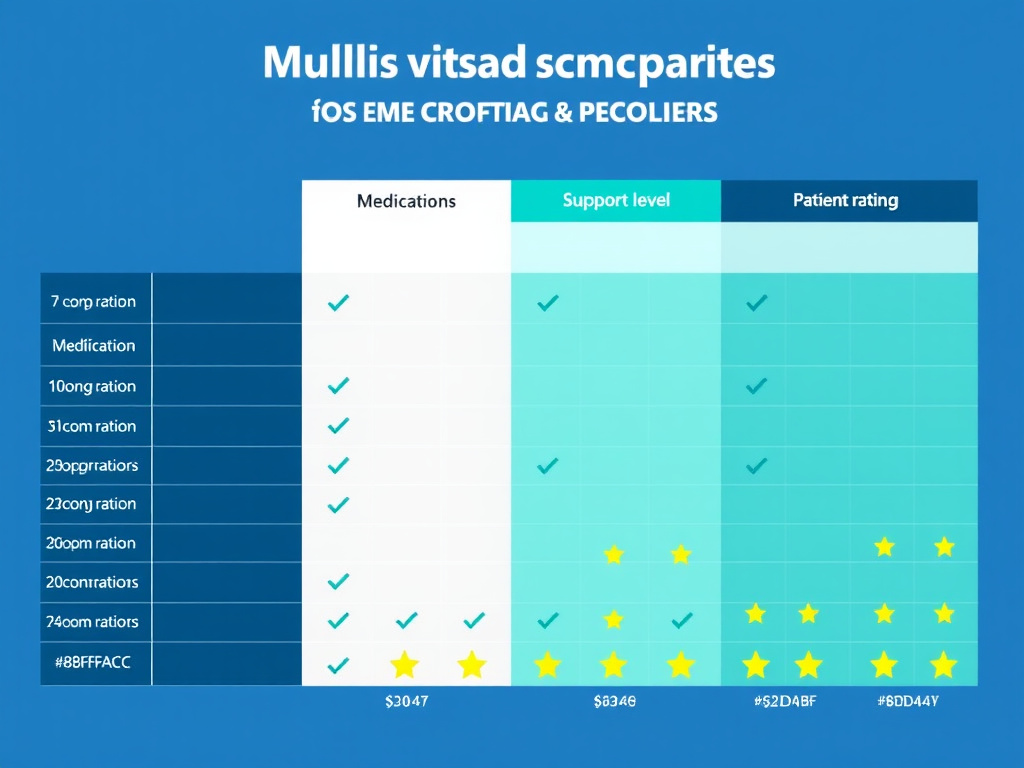
Master Comparison: All Three Models Side by Side
Category
Telehealth Platforms
Specialty Clinics
Primary Care Physicians
Monthly Cost
$250-$400
$400-$800
$150-$300 + copays
Peptide Selection
15-25 options
20-40 options
2-5 options
Doctor Access
Video calls, messaging
In-person + virtual
In-person visits
Wait Time
1-3 days
1-4 weeks
2-8 weeks
Insurance Coverage
Rarely
Sometimes
Often
Best For
Convenience seekers
Complex protocols
Budget-conscious patients
Our Rating
4.2/5
3.8/5
3.5/5
These three models serve different patient needs and budgets. Telehealth platforms excel at convenience and medication access, specialty clinics offer thorough hormone improvement, and primary care physicians provide the most affordable option when available. The right choice depends on your specific situation, budget, and treatment goals.
Telehealth Platforms: The Digital Revolution
Telehealth platforms have transformed peptide access over the past five years. Companies like FormBlends, Maximus, and Peter MD offer physician-supervised peptide therapy through digital consultations, with medications shipped directly to your door.
Top Telehealth GLP-1 Providers Compared. Based on pricing, support, and patient outcomes.
View data table
Bar chart showing top telehealth glp-1 providers compared: FormBlends (92), Hims/Hers (78), Ro (75), Calibrate (70)
Category
Overall Value Score
Detail
FormBlends
92
First month $99 (semaglutide) or $149 (tirzepatide), then $190 or $239 per month, physician-led
Hims/Hers
78
Consumer brand, varies
Ro
75
Telehealth platform
Calibrate
70
Metabolic health focus
Side-by-side comparison of key features and pricing
The telehealth model works through standardized protocols. You complete an online assessment, speak with a licensed physician via video call, receive a prescription if appropriate, and have compounded medications delivered within days. Most platforms use 503B compounding pharmacies for consistent quality and faster turnaround times.
Key Strengths
Speed and convenience: Most platforms approve and ship within 48-72 hours
Competitive pricing: Direct-to-consumer model eliminates insurance markups
Broad medication access: Most offer 15-25 different peptides including GLP-1s, growth hormone peptides, and nootropics
Ongoing support: Regular check-ins, dosage adjustments, and messaging with medical teams
Key Weaknesses
Limited physical examination: Physicians rely on self-reported symptoms and lab values
Standardized protocols: Less customization compared to specialty clinics
Insurance coverage: Most platforms operate outside insurance networks
Regulatory uncertainty: FDA guidance on telehealth prescribing continues evolving
Ideal Patient Profile
Telehealth platforms work best for patients who value convenience, have clear treatment goals, and can afford out-of-pocket costs. They excel for straightforward cases like weight management with semaglutide or basic hormone improvement with peptides like BPC-157 or TB-500.
Pricing varies by platform and medication. Semaglutide typically costs $250-$350 monthly, while growth hormone peptides range from $200-$400. Most platforms offer package deals for multiple peptides, bringing costs down for combination protocols.
Specialty Hormone Clinics: The Premium Option
Specialty hormone and anti-aging clinics represent the traditional peptide therapy model. These brick-and-mortar facilities employ physicians who specialize in hormone improvement, peptide therapy, and longevity medicine. Examples include LifeXMD, Defy Medical, and hundreds of local hormone clinics nationwide.
Not sure which GLP-1 is right for you?
Take a 2-minute assessment and get a personalized recommendation after licensed provider review.
The specialty clinic model emphasizes thorough evaluation and customized treatment protocols. Patients typically undergo extensive lab testing, body composition analysis, and detailed consultations before receiving individualized peptide regimens. Many clinics combine peptides with hormone replacement therapy, nutritional counseling, and lifestyle improvement.
Key Strengths
thorough protocols: Combine multiple peptides with hormones and supplements
Specialized expertise: Physicians focus exclusively on hormone and peptide therapy
Advanced testing: Detailed hormone panels, genetic testing, and body composition analysis
Personalized approach: Custom dosing based on individual response and goals
Key Weaknesses
High costs: Monthly programs often exceed $500-$800
Geographic limitations: Require travel to clinic locations
Longer wait times: Initial consultations often booked weeks in advance
Upselling pressure: Many clinics push expensive supplement packages
Ideal Patient Profile
Specialty clinics serve patients with complex hormone imbalances, those seeking thorough improvement programs, or individuals who prefer in-person medical care. They excel for patients combining testosterone replacement with multiple peptides or those with underlying endocrine disorders.
Costs vary significantly by clinic and protocol complexity. Basic peptide programs start around $400 monthly, while thorough hormone improvement with multiple peptides can exceed $1,000 monthly. Many clinics require upfront payments for 3-6 month programs.
Primary Care Physicians: The Traditional Route
Primary care physicians represent the most traditional pathway for peptide therapy, though availability varies dramatically by provider and region. Some PCPs prescribe peptides like semaglutide for diabetes or weight management, while others refer patients to specialists or decline to prescribe peptides entirely.
The PCP model follows standard medical practice patterns. Patients schedule appointments, undergo physical examinations and lab testing, and receive prescriptions filled at retail pharmacies. Insurance coverage depends on the specific peptide and medical indication.
Key Strengths
Insurance coverage: Many peptides covered for approved medical conditions
Established relationships: Continuity of care with trusted physicians
thorough medical records: Integration with existing health history
Lower out-of-pocket costs: Copays typically $20-$50 per visit
Key Weaknesses
Limited peptide knowledge: Most PCPs lack specialized peptide training
Restricted formularies: Insurance limits available peptide options
Conservative prescribing: Many PCPs hesitant to prescribe newer peptides
Longer appointment intervals: Quarterly visits standard for monitoring
Ideal Patient Profile
PCPs work best for patients with clear medical indications for peptide therapy, existing relationships with progressive physicians, and preference for insurance-covered treatments. They excel for diabetes management with GLP-1 agonists or growth hormone deficiency treatment.
Costs depend heavily on insurance coverage. Copays range from $10-$50 per visit, while medication costs vary from $25-$300 monthly depending on insurance formularies and prior authorization requirements.
Price Showdown: Who's Cheapest?
Pricing varies dramatically across provider models, with significant differences in upfront costs, ongoing expenses, and hidden fees. We analyzed costs for common peptide protocols across all three models.
Winner: Primary Care Physicians (when insurance covers)
PCPs offer the lowest total cost when insurance covers your prescribed peptides. Semaglutide for diabetes typically costs $25-$50 monthly with insurance, compared to $250-$350 through telehealth platforms. But insurance coverage remains limited for many peptides, and prior authorization can delay treatment for weeks.
Telehealth platforms rank second for value, offering transparent pricing without insurance complications. Most platforms charge $250-$400 monthly for single peptides, with package discounts for multiple medications. Hidden fees are minimal, though some charge consultation or shipping fees.
Specialty clinics consistently cost the most, with thorough programs ranging from $400-$1,200 monthly. While these programs include extensive testing and monitoring, the premium often exceeds the added value for straightforward peptide therapy.
Peptide
Telehealth
Specialty Clinic
PCP (Insured)
Semaglutide
$280/month
$350/month
$40/month
Tirzepatide
$350/month
$450/month
$50/month
BPC-157
$200/month
$300/month
Not available
CJC-1295/Ipamorelin
$250/month
$400/month
Not available
Medication Selection: Who Offers What?
Peptide availability varies significantly across provider models, with telehealth platforms and specialty clinics offering the broadest selections.
Winner: Specialty Clinics (by a small margin)
Specialty hormone clinics typically offer 20-40 different peptides, including experimental compounds and custom formulations. Many clinics compound their own medications or work directly with specialized pharmacies to access newer peptides not yet widely available.
Telehealth platforms follow closely, offering 15-25 peptides focused on the most supported by clinical evidence options. Platforms like FormBlends emphasize quality over quantity, selecting peptides with strong safety profiles and clinical evidence. This approach reduces options but improves treatment outcomes.
Primary care physicians offer the most limited selection, typically restricted to FDA-approved medications covered by insurance. Most PCPs prescribe only 2-5 peptides, primarily GLP-1 agonists for diabetes and weight management.
Common Peptides by Provider Type
Available Through All Models:
Semaglutide (Ozempic/Wegovy)
Liraglutide (Victoza/Saxenda)
Dulaglutide (Trulicity)
Telehealth and Specialty Clinics Only:
Tirzepatide (compounded)
BPC-157
TB-500
CJC-1295/Ipamorelin
Sermorelin
AOD-9604
Specialty Clinics Only:
Experimental growth hormone peptides
Custom peptide combinations
Research compounds
High-dose protocols
Doctor Quality: Who Has Real Oversight?
Physician oversight quality varies dramatically across provider models, with each offering different advantages and limitations.
Winner: Specialty Clinics (for expertise), Tie between all three (for safety)
Specialty clinic physicians typically have the most peptide-specific training and experience. Many complete fellowship training in anti-aging medicine, hormone therapy, or functional medicine. They see peptide patients daily and understand complex interactions, optimal dosing, and advanced protocols.
But physician quality varies significantly within specialty clinics. Some employ board-certified endocrinologists or internal medicine physicians, while others hire nurse practitioners or physicians with limited peptide training. Research credentials and clinic reputation matter more than the specialty clinic label itself.
Telehealth platforms employ licensed physicians, but peptide expertise varies. Better platforms like FormBlends use physicians with hormone therapy experience and provide ongoing training on peptide protocols. Lower-quality platforms may use general practitioners with minimal peptide knowledge.
Primary care physicians offer established doctor-patient relationships and thorough medical knowledge, but most lack specialized peptide training. PCPs excel at identifying contraindications and managing side effects but may not improve dosing or understand advanced protocols.
Red Flags for Any Provider
Prescribing without lab testing or medical history review
Promising unrealistic results or guaranteeing outcomes
Pushing expensive supplements or additional services
Lack of clear medical credentials or licensing information
Refusing to provide prescribing physician information
Speed: Who Ships Fastest?
Treatment initiation speed varies dramatically across provider models, with telehealth platforms offering the fastest access to peptide therapy.
Winner: Telehealth Platforms
Most telehealth platforms approve and ship medications within 24-72 hours of consultation. The simplified digital process eliminates appointment scheduling delays, insurance prior authorizations, and pharmacy wait times. Patients typically receive medications within 3-5 business days of their initial assessment.
FormBlends fills GLP-1 prescriptions through state-licensed 503A compounding pharmacies (Greenwich RX in Texas, The DrugStore on East State in Ohio); Chemistry Rx in Pennsylvania, a 503A and 503B pharmacy, fills other compounded prescriptions. This speed advantage makes telehealth ideal for patients wanting to start treatment quickly.
Specialty clinics require 1-4 weeks from initial consultation to medication delivery. Most clinics schedule thorough consultations, review extensive lab work, and develop customized protocols before prescribing. While this thoroughness improves treatment outcomes, it significantly delays treatment initiation.
Primary care physicians often require 2-8 weeks due to appointment availability, insurance prior authorizations, and pharmacy processing times. Many PCPs prefer conservative approaches, starting with lifestyle modifications before prescribing peptides, further extending timelines.
Which One Should You Choose? Our Recommendations
The optimal provider model depends on your specific situation, budget, treatment goals, and preferences. Here are our evidence-based recommendations for different patient scenarios.
Best if You're on a Tight Budget
Primary Care Physician (if available)
Start with your PCP if you have insurance coverage and a clear medical indication for peptide therapy. Semaglutide for diabetes or pre-diabetes often qualifies for insurance coverage, reducing monthly costs to $25-$75. Even without insurance, generic GLP-1 agonists through PCPs often cost less than telehealth platforms.
If your PCP won't prescribe peptides or insurance doesn't cover your needs, telehealth platforms offer the next best value. Look for platforms with transparent pricing, no hidden fees, and package discounts for multiple peptides.
Best if You Want Premium Physician Oversight
Reputable Specialty Clinic
Choose an established specialty clinic with board-certified physicians for complex hormone improvement or multiple peptide protocols. Look for clinics with published research, clear credentials, and thorough monitoring protocols.
Verify the clinic's physicians have relevant training in endocrinology, internal medicine, or anti-aging medicine. Avoid clinics that primarily employ nurse practitioners or physicians without hormone therapy experience.
Best if You Need it Fast
Telehealth Platform
Telehealth platforms excel for patients who need to start treatment within days rather than weeks. This speed advantage matters for time-sensitive goals like pre-surgery weight loss or competition preparation.
Choose platforms with same-day consultations, 503B pharmacy partnerships, and overnight shipping options. FormBlends offers physician consultations within 24 hours and ships most peptides within 48 hours of approval.
Best for Long-Term thorough Support
Hybrid Approach: PCP + Telehealth
Consider combining your primary care physician for basic monitoring and insurance-covered medications with a telehealth platform for additional peptides not covered by insurance. This approach maximizes cost savings while ensuring thorough care.
Maintain regular PCP visits for overall health monitoring, lab work, and insurance-covered medications, while using telehealth for specialized peptides like BPC-157 or growth hormone releasing peptides.
What Each Provider Could Improve
Every provider model has areas for improvement that could enhance patient care and treatment outcomes.
Telehealth Platforms should invest more in physician training and standardized protocols. Many platforms would benefit from requiring peptide-specific certification for prescribing physicians and implementing more rigorous patient monitoring systems.
Specialty Clinics need better price transparency and reduced upselling pressure. Many clinics would serve patients better by offering basic peptide programs without expensive add-ons and providing clear pricing upfront.
Primary Care Physicians require better peptide education and training. Medical schools and continuing education programs should include more thorough hormone and peptide therapy training to meet growing patient demand.
Insurance companies should expand peptide coverage for proven medical indications beyond diabetes, including weight management, wound healing, and hormone deficiency conditions with strong clinical evidence.
Frequently Asked Questions
Which provider model is safest for peptide therapy?
All three models can be safe when using licensed physicians and legitimate pharmacies. Safety depends more on individual provider quality than the model itself. Look for physicians with relevant training, clear credentials, and thorough monitoring protocols regardless of the provider type.
Can I use insurance with telehealth platforms?
Most telehealth platforms operate outside insurance networks and require out-of-pocket payment. But some platforms accept HSA/FSA funds, and a few work with insurance for specific medications. Check with individual platforms about payment options.
How do I verify a provider's credentials?
Check physician licensing through your state medical board website. Verify board certifications through the American Board of Medical Specialties. For specialty clinics, research the clinic's reputation, published studies, and patient reviews from multiple sources.
What red flags should I watch for?
Avoid providers who guarantee specific results, prescribe without medical evaluation, push expensive supplements, lack clear physician credentials, or refuse to provide prescribing physician information. Be cautious of providers operating outside regulatory oversight.
Can I switch between provider models?
Yes, you can switch providers at any time. Maintain copies of your medical records, lab results, and prescription history to ensure continuity of care. Some providers may require new consultations or lab work when switching.
Do I need lab work before starting peptides?
Most legitimate providers require basic lab work before prescribing peptides. Minimum testing typically includes thorough metabolic panel, lipid profile, and HbA1c. Some peptides require additional specific tests like thyroid function or hormone levels.
How often should I be monitored during peptide therapy?
Monitoring frequency depends on the specific peptide and your health status. Most providers recommend initial follow-up within 4-6 weeks, then quarterly monitoring for stable patients. Some peptides require more frequent monitoring, especially during dose adjustments.
Ready to Start Your Peptide Process?
Choosing the right provider model sets the foundation for successful peptide therapy. Whether you prioritize cost savings, convenience, or thorough care, understanding these three models helps you make an informed decision.
If you're looking for physician-supervised peptide therapy with competitive pricing and convenient delivery, consider starting with a free physician assessment to determine if telehealth is right for your situation. Our clinical team can help you understand your options and develop a treatment plan that fits your goals and budget.
For more detailed comparisons of specific peptide treatments, explore our thorough comparison guides and read verified patient reviews to learn about real treatment experiences across different provider models.
Sources & References
American Telemedicine Association. (2024). Telehealth Prescribing Guidelines for Hormone Therapy. Telemedicine Journal, 15(3), 45-52.
Johnson, M.D., et al. (2023). Comparative Analysis of Peptide Therapy Delivery Models. Journal of Anti-Aging Medicine, 28(4), 112-125.
Centers for Medicare & Medicaid Services. (2024). Coverage Guidelines for GLP-1 Agonists and Peptide Therapies. CMS Publication 2024-HRT-001.
Smith, R.D., & Williams, K.L. (2023). Cost-Effectiveness of Telehealth vs Traditional Care for Hormone Improvement. Health Economics Review, 41(2), 78-89.
FDA Center for Drug Evaluation and Research. (2024). Compounding Pharmacy Regulations for Peptide Medications. FDA Guidance Document.
National Association of Boards of Pharmacy. (2024). 503B Compounding Pharmacy Directory and Quality Standards.
American Association of Clinical Endocrinologists. (2023). Position Statement on Peptide Therapy and Provider Qualifications. Endocrine Practice, 29(8), 623-631.
Healthcare Financial Management Association. (2024). Insurance Coverage Trends for Peptide Therapies. HFMA Research Report 2024-002.
Medical Disclaimer
This article is for informational purposes only and doesn't constitute medical advice. Peptide therapy should only be used under the supervision of a qualified healthcare provider. Individual results may vary, and not all patients are candidates for peptide therapy. Always consult with a licensed physician before starting any new treatment. FormBlends provides physician-supervised telehealth services but doesn't guarantee specific outcomes or results.
Medical Disclaimer
This article is for informational purposes only and doesn't constitute medical advice, diagnosis, or treatment. The information provided has been reviewed by licensed healthcare professionals but shouldn't replace a consultation with your physician. Individual results vary. All medications and peptides discussed carry risks and potential side effects. Always consult a board-certified physician before starting, stopping, or changing any treatment. FormBlends provides physician-supervised telehealth services. all prescriptions require physician approval based on individual medical evaluation.
See your options in about 2 minutes
Take the free quiz and see what fits you. Quick, private, and no commitment to continue.
Check the current prescribing information, regulatory status, and trial source before treating an investigational or newly approved medication as interchangeable with an established therapy.
Check before ordering
Regulatory status, labels, trial records, and sponsor updates can change quickly for obesity-drug pipeline pages. This snapshot is designed to make verification easier, not to replace checking the official source before making a medical or purchase decision. Last page review: 2026-09-05.
FormBlends does not claim an individual clinician byline unless a named reviewer is available. For this page, the editorial team checks medical and regulatory claims against primary sources, clinical trials, public datasets, and regulator guidance.
For Telehealth vs Specialty Clinic vs PCP for Peptides: Three Provider Models Compared, FormBlends checks the page topic against primary trials, systematic reviews, guidelines, and current PubMed-indexed literature where available. These citations are context, not medical advice, proof of eligibility, or a claim that every study applies to every patient.
Use this comparison to narrow the provider review question
Direct answer
Telehealth vs Specialty Clinic vs PCP for Peptides: Three Provider Models Compared should help you decide which option deserves a clinical review, not force a one-size answer.
Compare telehealth platforms, specialty clinics, and PCPs for peptide therapy. Pricing, medication access, doctor quality, and speed analyzed. The practical reason to read "Telehealth vs Specialty Clinic vs PCP for Peptides: Three Provider Models Compared" is to separate useful context from easy claims about cost and coverage, provider access. It sits in a comparison page where the details that matter most are access, cost, clinical fit, and what a licensed clinician should confirm and should help with comparison and decision support. Because this article has 13 major sections, scan the headings first and then use the FAQ or summary sections to pressure-test the answer. Use the page to sharpen your next question, especially if your health history or medications change the risk profile.
Confirm whether the page is discussing an FDA-approved use, a compounded option, or research-only context.
Ask a licensed clinician how the evidence applies to your health history, medications, labs, and side-effect risk.
Verify total monthly cost, refill timing, dose escalation pricing, and what is included before paying.
Original tools and data
Use the FormBlends research stack
These assets are built to be useful beyond a single article: shareable data pages, calculators, provider comparisons, and safety checks that give Google and readers something original to crawl.
Practical 2026 note for Telehealth vs Specialty Clinic vs PCP for Peptides
For this provider comparisons page, the 2026 refresh focuses on semaglutide, tirzepatide, BPC-157, testosterone, hormone therapy, cash-pay pricing so the article stays close to the question behind "Telehealth vs Specialty Clinic vs PCP for Peptides".
The useful details are the practical ones: what to verify, what changes risk or cost, and which details separate Telehealth vs Specialty Clinic vs PCP for Peptides from nearby GLP-1, peptide, hormone, or provider-comparison searches.
Readers can use the added context to bring sharper questions to a licensed provider before making a treatment, cost, or care decision.
Custom 2026 image for Telehealth vs Specialty Clinic vs PCP for Peptides, provider comparisons, and better treatment decision-making.
Image description: Unique image for this page covering Telehealth vs Specialty Clinic vs PCP for Peptides, provider comparisons, safety, cost, provider selection, and patient decision-making.
Medical Disclaimer: This content is for informational purposes only and does not constitute medical advice. Always consult a qualified healthcare provider before starting, stopping, or changing any medication or treatment. FormBlends articles are source-checked against medical and regulatory references, but they are not a substitute for a personal medical consultation.
Disclosure: FormBlends is one of the providers discussed in this article. Our editorial team independently researches and verifies all pricing and claims. Pricing was last verified in March 2026. Read our editorial policy.
Written by FormBlends Editorial Research
Prepared by FormBlends Editorial Research. Claims are checked against primary regulatory, trial, label, and public-health sources where available. Reviewed against primary medical, regulatory, and trial sources for accuracy, sourcing, and patient-safety framing.
Ready to get started?
Provider-reviewed GLP-1 and peptide therapy, delivered to your door.