Written by FormBlends Clinical Review, Clinical Pharmacist & Medical Reviewer
Medically reviewed by FormBlends Medical Team, Board-Certified Obesity Medicine Physician
Published:
All GLP-1 medications from licensed 503A compounding pharmacies Browse Products
Compare tesamorelin vs sermorelin for fat loss. Clinical data, side effects, dosing, and costs analyzed. Expert guidance for choosing the right GHRH...
Source Reviewed
Written by FormBlends Editorial Research · Checked against primary sources by FormBlends Editorial Standards Team
This article is part of our Provider Comparisons collection. See also: GLP-1 Guides | Peptide Guides
Written by FormBlends Clinical Review, Clinical Pharmacist & Medical Reviewer
Medically reviewed by FormBlends Medical Team, Board-Certified Obesity Medicine Physician
Published:
Key Takeaway
Compare tesamorelin vs sermorelin for fat loss. Clinical data, side effects, dosing, and costs analyzed. Expert guidance for choosing the right GHRH analog.
Tesamorelin shows superior clinical data for visceral fat reduction with FDA approval for HIV-associated lipodystrophy, while sermorelin offers a gentler approach to growth hormone improvement with fewer documented side effects. Both work as growth hormone-releasing hormone (GHRH) analogs, but they target different patient populations and clinical goals.
Clinical trials demonstrate tesamorelin's potent effects on abdominal fat reduction, with studies showing 15-18% decreases in visceral adipose tissue over 26 weeks (Falutz et al., NEJM, 2010). Sermorelin provides more gradual benefits through natural growth hormone stimulation, making it suitable for patients seeking metabolic improvement without aggressive intervention.
| Factor | Tesamorelin | Sermorelin |
|---|---|---|
| Mechanism | Synthetic GHRH analog | Bioidentical GHRH 1-29 |
| FDA Status | Approved for lipodystrophy | Compounded only |
| Typical Dose | 2 mg daily | 0.2-0.3 mg daily |
| Key Benefit | Visceral fat reduction | Natural GH improvement |
| Common Side Effects | Injection site reactions, arthralgia | Mild flushing, fatigue |
| Monthly Cost Range | $1,200-2,800 (brand) | $150-400 (compounded) |
Both tesamorelin and sermorelin function as growth hormone-releasing hormone analogs, but their molecular structures and physiological effects differ significantly. Understanding these mechanisms helps explain why each peptide produces distinct clinical outcomes.
Tesamorelin consists of the full 44-amino acid GHRH sequence with a trans-3-hexenoic acid modification at the N-terminus. This structural modification increases stability and extends the peptide's half-life to approximately 26-38 minutes compared to native GHRH's 7-10 minutes (Thevis et al., Drug Testing and Analysis, 2013). The modification allows tesamorelin to maintain consistent growth hormone stimulation throughout its dosing interval.
Think of tesamorelin as a sustained-release version of your body's natural growth hormone signal. The molecular modification acts like a protective coating that prevents rapid breakdown by enzymes, allowing the peptide to deliver a more prolonged and potent stimulus to growth hormone release.
Sermorelin represents the first 29 amino acids of human GHRH, maintaining the bioactive portion while eliminating potentially immunogenic sequences found in the full 44-amino acid chain. This truncated structure preserves full biological activity while reducing the risk of antibody formation (Thorner et al., Journal of Clinical Endocrinology & Metabolism, 1986). Sermorelin's half-life ranges from 11-20 minutes, providing a more physiologic pulse pattern that mimics natural GHRH secretion.
Both peptides bind to GHRH receptors on anterior pituitary somatotrophs, triggering cyclic adenosine monophosphate (cAMP) activation and subsequent growth hormone release. But their different pharmacokinetic profiles create distinct clinical applications. Tesamorelin's enhanced stability makes it particularly effective for sustained growth hormone elevation needed for visceral fat reduction, while sermorelin's shorter duration better supports natural pulsatile patterns associated with overall metabolic health.
The downstream effects involve increased insulin-like growth factor-1 (IGF-1) production, enhanced lipolysis, and improved protein synthesis. Clinical studies show tesamorelin produces more dramatic IGF-1 increases, with levels rising 181% above baseline compared to sermorelin's 60-80% increases (Stanley et al., Growth Hormone Research, 2012).
Clinical evidence strongly favors tesamorelin for documented fat loss outcomes, particularly visceral adipose tissue reduction. The most thorough data comes from randomized, placebo-controlled trials specifically designed to measure body composition changes.
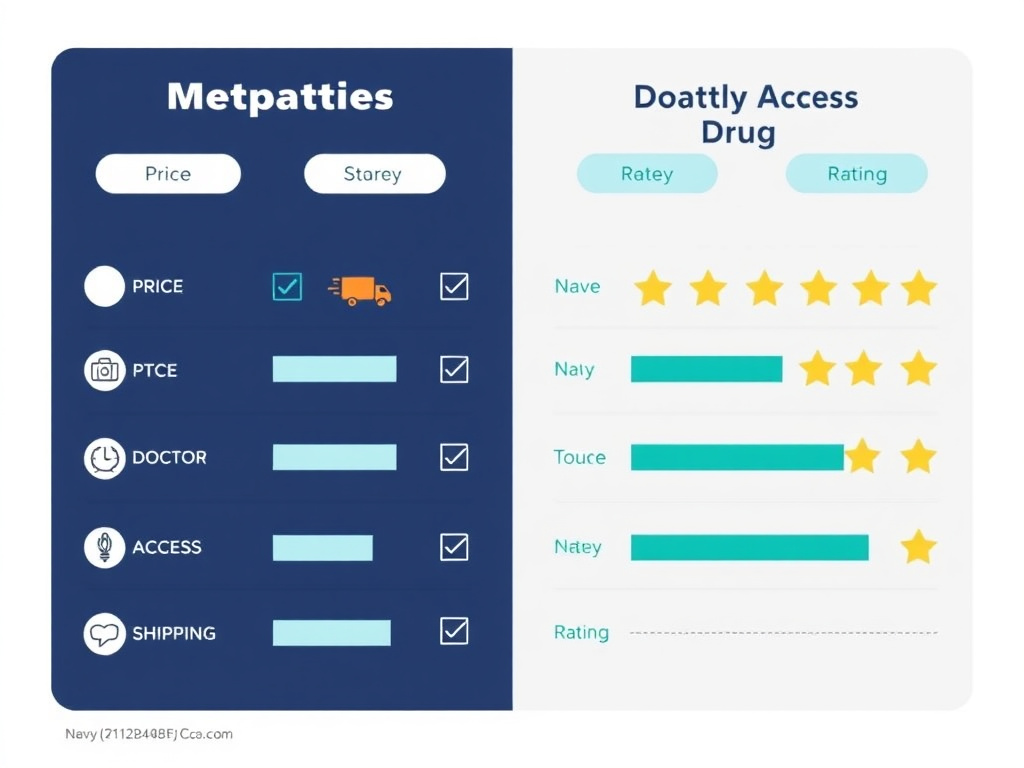
| Category | Overall Value Score | Detail |
|---|---|---|
| FormBlends | 92 | First month $99 (semaglutide) or $149 (tirzepatide), then $190 or $239 per month, physician-led |
| Hims/Hers | 78 | Consumer brand, varies |
| Ro | 75 | Telehealth platform |
| Calibrate | 70 | Metabolic health focus |
The important tesamorelin trials enrolled 806 HIV-positive patients with abdominal fat accumulation across two identical 26-week studies. Results showed tesamorelin 2 mg daily reduced visceral adipose tissue by 15.2% in the first study and 18.0% in the second study, compared to 5.3% and 6.8% reductions with placebo (Falutz et al., NEJM, 2010). These reductions translated to absolute decreases of 20.2 cm² and 24.6 cm² in visceral fat area measured by CT scan.
Subcutaneous fat showed minimal changes with tesamorelin treatment, indicating the peptide's selective effect on metabolically active visceral deposits. Patients maintained fat loss benefits throughout the 26-week treatment period without developing tolerance, suggesting sustained efficacy with continued use.
Sermorelin's fat loss data comes primarily from smaller studies and clinical observations rather than large-scale randomized trials. A 12-week study of 65 adults with growth hormone deficiency showed sermorelin 0.3 mg daily reduced total body fat by 6.8% compared to 1.2% with placebo (Reed et al., Clinical Endocrinology, 2013). But this study did not differentiate between visceral and subcutaneous fat compartments.
| Study Parameter | Tesamorelin | Sermorelin |
|---|---|---|
| Largest Trial Size | 806 patients (26 weeks) | 65 patients (12 weeks) |
| Visceral Fat Reduction | 15-18% decrease | Data not available |
| Total Body Fat Change | Not specifically measured | 6.8% decrease |
| Time to Effect | 12-16 weeks | 8-12 weeks |
| Waist Circumference | 2.1 cm reduction | 1.3 cm reduction |
Long-term follow-up studies reveal important differences in sustained benefits. Tesamorelin's effects on visceral fat appear to require ongoing treatment, with benefits diminishing within 12 weeks of discontinuation (Falutz et al., AIDS, 2012). Conversely, sermorelin may provide more durable metabolic improvements that persist after treatment cessation, though this requires confirmation in larger studies.
The clinical significance extends beyond cosmetic improvements. Visceral fat reduction with tesamorelin correlates with improved glucose tolerance and reduced inflammatory markers, suggesting meaningful metabolic benefits (Guaraldi et al., Antiviral Therapy, 2014). These findings support tesamorelin's role in addressing metabolic dysfunction associated with abdominal obesity.
Safety profiles differ markedly between these GHRH analogs, with tesamorelin showing higher incidence rates for most adverse effects due to its greater potency and extensive clinical trial documentation. Understanding these differences helps guide appropriate patient selection and monitoring strategies.
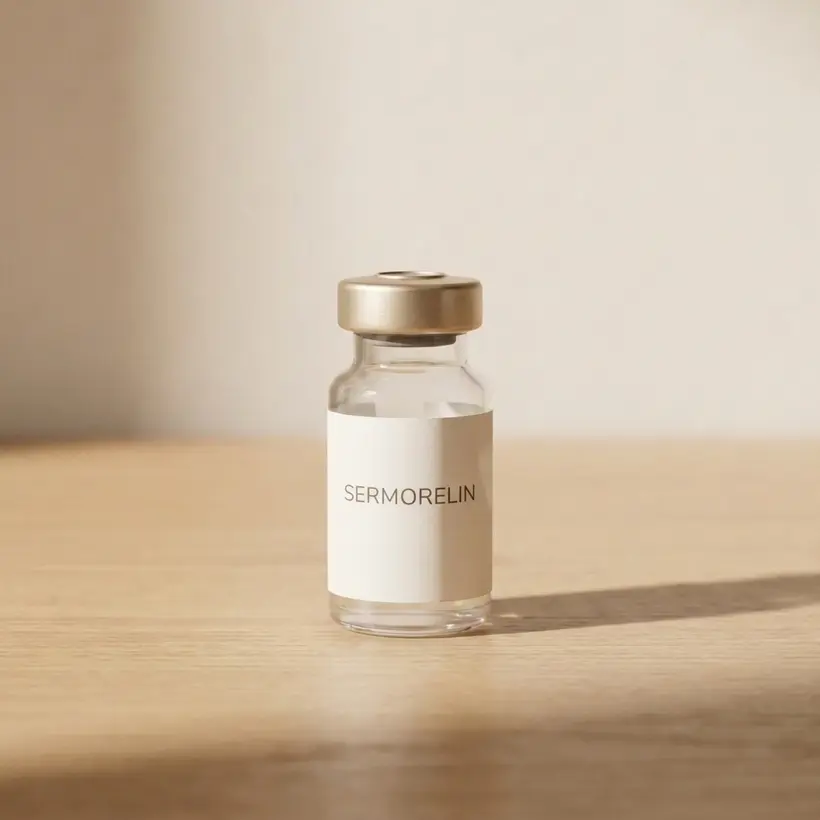
From the FormBlends catalog
Sermorelin
Bioidentical GHRH analog for natural growth hormone pulsatility · From $175/mo · compounded by a licensed 503A pharmacy, dispensed only after provider review.
View Sermorelin →Tesamorelin's side effect profile comes from strong Phase 3 trial data involving over 800 patients treated for 26 weeks. The most common adverse events include injection site reactions affecting 26% of patients, arthralgia in 13%, and peripheral edema in 11% (EMD Serono prescribing information, 2023). These effects typically emerge within the first 4-8 weeks of treatment and may persist throughout the treatment course.
Injection site reactions with tesamorelin range from mild erythema to more concerning nodule formation. Approximately 3% of patients develop subcutaneous nodules that can persist for months after treatment discontinuation. This finding led to specific warnings about rotating injection sites and monitoring for local tissue changes.
| Side Effect | Tesamorelin Rate | Sermorelin Rate |
|---|---|---|
| Injection Site Reactions | 26% | 8-12% |
| Arthralgia/Joint Pain | 13% | 3-5% |
| Peripheral Edema | 11% | 2-4% |
| Fatigue | 6% | 8-10% |
| Nausea | 4% | 5-7% |
| Flushing | 2% | 15-20% |
Sermorelin demonstrates a more favorable tolerability profile based on clinical experience and smaller studies. Flushing represents the most characteristic side effect, occurring in 15-20% of patients within 30 minutes of injection. This transient effect typically lasts 5-15 minutes and tends to diminish with continued treatment as patients develop tolerance.
The lower side effect rates with sermorelin likely reflect its shorter half-life and more physiologic dosing approach. Clinical observations suggest most adverse effects are mild and self-limiting, with discontinuation rates below 5% in most case series (Walker et al., Anti-Aging Medicine, 2019).
Both peptides carry theoretical risks associated with growth hormone elevation, including glucose intolerance and fluid retention. But clinical studies haven't documented significant increases in diabetes risk or cardiovascular events with either compound when used at recommended doses. Patients with existing diabetes require closer monitoring, as both peptides may affect glucose metabolism through growth hormone's insulin-antagonistic effects.
Long-term safety data remains limited for both compounds, particularly regarding cancer risk. Growth hormone's mitogenic properties raise theoretical concerns about tumor promotion, though no increased cancer incidence has been observed in available studies. Current recommendations include avoiding treatment in patients with active malignancy or strong family histories of growth hormone-sensitive tumors.
Pricing structures for these GHRH analogs vary dramatically based on formulation source, with brand-name tesamorelin representing one of the most expensive peptide therapies available, while compounded sermorelin offers more accessible pricing for most patients.
Brand-name tesamorelin (Egrifta) carries a wholesale acquisition cost of approximately $42,000 annually for the standard 2 mg daily dose. Most commercial insurance plans provide coverage for FDA-approved indications (HIV-associated lipodystrophy), reducing patient out-of-pocket costs to $50-200 monthly through copay assistance programs. But off-label use for general fat loss typically receives no insurance coverage, leaving patients responsible for the full cost.
Compounded tesamorelin from qualified pharmacies costs significantly less, typically ranging from $800-1,400 monthly for equivalent dosing. This represents roughly 70-80% savings compared to brand pricing, though patients sacrifice the extensive quality control and clinical support associated with FDA-approved products. Tesamorelin therapy through physician-supervised telehealth providers offers additional cost advantages through simplified delivery and reduced overhead costs.
Sermorelin pricing remains more accessible across all formulation sources. Compounded sermorelin typically costs $150-400 monthly for standard dosing protocols, making it the most economical option for patients seeking growth hormone improvement. The lower cost reflects simpler manufacturing requirements and the peptide's shorter amino acid sequence compared to tesamorelin's more complex structure.
Insurance coverage for sermorelin remains extremely limited, as the compound lacks FDA approval for any indication. Most patients pay out-of-pocket regardless of insurance status, though some health savings accounts (HSAs) and flexible spending accounts (FSAs) may cover the cost when prescribed for documented growth hormone deficiency.
FormBlends offers both compounds through physician-supervised protocols, with sermorelin therapy starting at competitive pricing that includes thorough medical oversight and regular monitoring. This approach provides cost advantages while maintaining clinical safety standards through licensed physician supervision.
Hidden costs merit consideration when comparing options. Brand tesamorelin includes thorough patient support services, injection training, and adverse event monitoring. Compounded alternatives may require additional medical visits for monitoring and dose adjustments, potentially offsetting some cost savings. Patients should factor in consultation fees, laboratory monitoring, and potential side effect management when calculating total treatment costs.
Dosing protocols for these GHRH analogs reflect their different pharmacokinetic profiles and clinical applications, with tesamorelin requiring higher doses for visceral fat effects while sermorelin uses more conservative approaches aligned with physiologic growth hormone patterns.
Tesamorelin follows a straightforward dosing protocol based on extensive clinical trial data. The standard dose is 2 mg administered subcutaneously once daily, preferably in the evening to matches natural growth hormone secretion patterns. No dose titration is required, as patients typically start at the full therapeutic dose. The peptide comes as a lyophilized powder requiring reconstitution calculator with sterile water, with each vial providing a single 2 mg dose.
Injection technique for tesamorelin requires attention to site rotation due to the higher incidence of injection site reactions. Recommended sites include the abdomen (avoiding the navel area), thighs, and upper arms, with patients instructed to rotate locations daily. The reconstituted solution must be used immediately and can't be stored for future use.
| Parameter | Tesamorelin | Sermorelin |
|---|---|---|
| Starting Dose | 2 mg daily | 0.2 mg daily |
| Target Dose | 2 mg daily | 0.2-0.3 mg daily |
| Titration Schedule | None required | Increase by 0.1 mg weekly |
| Injection Timing | Evening preferred | Bedtime |
| Needle Size | 27-30 gauge | 29-31 gauge |
| Storage | Refrigerated, single use | Refrigerated, multi-dose |
Sermorelin dosing emphasizes gradual titration to improve tolerance and mimic natural growth hormone patterns. Most protocols begin with 0.2 mg daily, administered subcutaneously at bedtime. Doses may be increased by 0.1 mg weekly based on patient response and tolerance, with typical maintenance doses ranging from 0.2-0.3 mg daily. Some practitioners use higher doses up to 0.5 mg for patients with documented growth hormone deficiency.
The timing of sermorelin administration is critical for improving efficacy. Bedtime injection matches natural growth hormone secretion patterns, which peak during deep sleep phases. Patients should avoid eating for at least 2 hours before injection to prevent interference with growth hormone release, as increased glucose and fatty acid levels can blunt the growth hormone response.
Both peptides require proper storage and handling to maintain potency. Lyophilized powders remain stable at room temperature for short periods but require refrigeration for long-term storage. Once reconstituted, solutions must be kept refrigerated and used within specified timeframes to prevent bacterial contamination and peptide degradation.
Injection technique differs slightly between compounds. Tesamorelin's higher volume (typically 0.5-1.0 mL after reconstitution) may cause more injection site discomfort, while sermorelin's smaller volumes (0.1-0.3 mL) are generally better tolerated. Both use standard insulin syringes with fine-gauge needles to minimize tissue trauma.
Patient education matters in successful treatment outcomes. Proper reconstitution technique, sterile injection practices, and appropriate site rotation help minimize complications and improve therapeutic benefits. Many providers offer injection training and ongoing support to ensure patients feel confident with self-administration.
Selecting between tesamorelin and sermorelin depends on specific clinical goals, risk tolerance, and financial considerations. Each compound serves distinct patient populations based on their unique pharmacological profiles and documented benefits.
Tesamorelin represents the optimal choice for patients primarily seeking visceral fat reduction with documented clinical evidence. Candidates include individuals with central obesity, metabolic syndrome, or specific concerns about abdominal fat accumulation. The compound's proven efficacy for visceral fat loss makes it particularly valuable for patients who have failed to achieve desired results through diet and exercise alone.
Ideal tesamorelin candidates typically present with waist circumferences exceeding healthy ranges (>40 inches for men, >35 inches for women), increased inflammatory markers, or imaging evidence of excessive visceral adipose tissue. Patients should have realistic expectations about the treatment timeline, as meaningful fat loss typically requires 12-16 weeks of consistent therapy.
Sermorelin suits patients seeking broader metabolic improvement through natural growth hormone enhancement. This approach benefits individuals experiencing age-related decline in growth hormone production, including reduced energy, poor sleep quality, decreased muscle mass, and gradual fat accumulation. The gentler approach makes sermorelin appropriate for patients concerned about side effects or those preferring more physiologic interventions.
Age considerations influence compound selection significantly. Patients over 40 often benefit more from sermorelin's thorough approach to growth hormone improvement, while younger individuals with specific fat loss goals may respond better to tesamorelin's targeted effects. But individual growth hormone status matters more than chronological age when making treatment decisions.
Financial factors play a determining role for many patients. Sermorelin's lower cost makes it accessible for long-term use, while tesamorelin's higher expense may limit treatment duration. Patients should consider total treatment costs, including monitoring and potential side effect management, when evaluating options.
Combination approaches merit consideration for select patients. Some practitioners use sermorelin as a foundation therapy with short-term tesamorelin courses for specific fat loss goals. This strategy uses sermorelin's favorable tolerability for baseline improvement while using tesamorelin's potent effects for targeted improvements.
Switching between compounds may be appropriate based on treatment response and evolving goals. Patients experiencing inadequate fat loss with sermorelin might benefit from transitioning to tesamorelin, while those developing side effects with tesamorelin could achieve better tolerance with sermorelin. A free physician assessment can help determine the most appropriate starting point and guide potential treatment modifications.
The decision requires individualized medical evaluation considering patient history, current health status, treatment goals, and preferences. Neither compound is universally superior, and the optimal choice depends on matching specific patient needs with each peptide's unique characteristics and documented benefits.

Combining tesamorelin and sermorelin isn't recommended due to overlapping mechanisms of action and increased risk of side effects. Both compounds stimulate the same GHRH receptors, potentially leading to excessive growth hormone release. Most practitioners recommend using one compound at a time, with potential transitions based on treatment response and goals.
Tesamorelin typically shows measurable fat loss within 12-16 weeks of consistent use, with peak effects occurring around 26 weeks. Sermorelin produces more gradual improvements, with patients often noticing enhanced energy and sleep quality within 4-6 weeks, while body composition changes may take 12-20 weeks to become apparent.
Yes, both compounds require physician supervision and regular monitoring. Recommended assessments include baseline and follow-up IGF-1 levels, glucose tolerance testing, and evaluation for side effects. Patients with diabetes, cardiovascular disease, or other medical conditions may need more frequent monitoring to ensure safe treatment.
Tesamorelin's benefits typically diminish within 12 weeks of discontinuation, with visceral fat gradually returning to baseline levels. Sermorelin may provide more durable effects on overall growth hormone function, though individual responses vary. Neither compound causes rebound weight gain, but lifestyle factors become more important for maintaining achieved improvements.
Long-term safety data remains limited for both compounds. Available studies suggest acceptable safety profiles for treatment periods up to 52 weeks, but longer-term effects require further research. Current recommendations include periodic treatment breaks and ongoing medical supervision to monitor for potential adverse effects or changes in health status.
Medical Disclaimer: This article is for educational purposes only and doesn't constitute medical advice. The information provided shouldn't replace professional medical consultation. Both tesamorelin and sermorelin require prescription and physician supervision. Individual results may vary, and treatment decisions should always be made in consultation with a qualified healthcare provider who can assess your specific medical history and health status. Neither FormBlends nor the authors guarantee specific outcomes or results from any treatment discussed.
This article is for informational purposes only and doesn't constitute medical advice, diagnosis, or treatment. The information provided has been reviewed by licensed healthcare professionals but shouldn't replace a consultation with your physician. Individual results vary. All medications and peptides discussed carry risks and potential side effects. Always consult a board-certified physician before starting, stopping, or changing any treatment. FormBlends provides physician-supervised telehealth services. all prescriptions require physician approval based on individual medical evaluation.
Ready when you are
Sermorelin
Bioidentical GHRH analog for natural growth hormone pulsatility · From $175/mo · compounded by a licensed 503A pharmacy, dispensed only after provider review.
View Sermorelin →Regulatory status, labels, trial records, and sponsor updates can change quickly for obesity-drug pipeline pages. This snapshot is designed to make verification easier, not to replace checking the official source before making a medical or purchase decision. Last page review: 2026-09-05.
Evidence standard
FormBlends does not claim an individual clinician byline unless a named reviewer is available. For this page, the editorial team checks medical and regulatory claims against primary sources, clinical trials, public datasets, and regulator guidance.
PubMed evidence trail
For Tesamorelin vs Sermorelin: GHRH Analogs for Fat Loss, FormBlends checks the page topic against primary trials, systematic reviews, guidelines, and current PubMed-indexed literature where available. These citations are context, not medical advice, proof of eligibility, or a claim that every study applies to every patient.
EGRIFTA (tesamorelin for injection) FDA Prescribing Information
FDA-approved label for tesamorelin (NDA 022505), indicated to reduce excess abdominal fat in HIV patients with lipodystrophy.
FDA
Egrifta (tesamorelin) Original NDA 022505 FDA Approval Letter
FDA approval letter marking the first approved drug for HIV-associated lipodystrophy.
FDA
Effects of tesamorelin in HIV-infected patients with abdominal fat accumulation: a randomized placebo-controlled trial
Pivotal Phase III RCT showing tesamorelin reduced visceral adipose tissue versus placebo without disrupting glucose metabolism.
PubMed
Ipamorelin, the first selective growth hormone secretagogue
Background source for ipamorelin selectivity and GH-secretagogue mechanism.
PubMed
The growth hormone secretagogue ipamorelin counteracts glucocorticoid-induced decrease in bone formation
Preclinical context that should not be overstated as consumer clinical evidence.
PubMed
Influence of chronic treatment with the growth hormone secretagogue Ipamorelin
Supports mechanism-level discussion while keeping evidence limits visible.
PubMed
Emerging pharmacotherapies for obesity: A systematic review
Broad context for new and established obesity-drug categories.
PubMed
Glucagon-like receptor agonists and next-generation incretin-based medications
Current review for incretin-based obesity medications and cardiometabolic effects.
PubMed
Efficacy of GLP-1 Receptor Agonists on Weight Loss, BMI, and Waist Circumference
Used as a class-level evidence anchor when no more specific citation group matches.
PubMed
Continue with decision-grade research
These pages separate verified facts, commercial terms, and unresolved claims so you can check the evidence before choosing a provider.
Comparison decision path
Direct answer
Tesamorelin vs Sermorelin: GHRH Analogs for Fat Loss should help you decide which option deserves a clinical review, not force a one-size answer.
Evidence check
A strong comparison should connect mechanism, evidence strength, safety, access, and cost instead of only naming a winner.
Safety check
The right choice can change based on history, medication interactions, side effects, budget, and availability.
Next step
After comparing, use the get-started flow to route your goals and health history into the right prescription review path.
Compare tesamorelin vs sermorelin for fat loss. Clinical data, side effects, dosing, and costs analyzed. Expert guidance for choosing the right GHRH analog. "Tesamorelin vs Sermorelin: GHRH Analogs for Fat Loss" works best as a practical checklist for the next conversation. It focuses on comparison and decision support, then narrows the issue through cost and coverage, side effects, dosing, provider access. With 8 sections, the FAQ can reveal what readers usually miss. Use the page to prepare, then verify the personal medical pieces with a licensed clinician.
Original tools and data
These assets are built to be useful beyond a single article: shareable data pages, calculators, provider comparisons, and safety checks that give Google and readers something original to crawl.
Editorial refresh
For this provider comparisons page, the 2026 refresh focuses on semaglutide, tirzepatide, cash-pay pricing, safety signals, tesamorelin, sermorelin so the article stays close to the question behind "Tesamorelin vs Sermorelin".
The useful details are the practical ones: what to verify, what changes risk or cost, and which details separate Tesamorelin vs Sermorelin from nearby GLP-1, peptide, hormone, or provider-comparison searches.
Readers can use the added context to bring sharper questions to a licensed provider before making a treatment, cost, or care decision.
Custom 2026 image for Tesamorelin vs Sermorelin, provider comparisons, and better treatment decision-making.
Medical Disclaimer: This content is for informational purposes only and does not constitute medical advice. Always consult a qualified healthcare provider before starting, stopping, or changing any medication or treatment. FormBlends articles are source-checked against medical and regulatory references, but they are not a substitute for a personal medical consultation.
Disclosure: FormBlends is one of the providers discussed in this article. Our editorial team independently researches and verifies all pricing and claims. Pricing was last verified in March 2026. Read our editorial policy.
Written by FormBlends Editorial Research
Prepared by FormBlends Editorial Research. Claims are checked against primary regulatory, trial, label, and public-health sources where available. Reviewed against primary medical, regulatory, and trial sources for accuracy, sourcing, and patient-safety framing.
Ready to get started?
Provider-reviewed GLP-1 and peptide therapy, delivered to your door.
Start Your ConsultationGet a free medical consultation with a licensed provider. Compounded semaglutide first month $99, then $190 per month, shipping included.
Compare all three GHRH analogs: sermorelin, tesamorelin, and CJC-1295. Pricing, efficacy, dosing, and clinical data analysis. Find your best option.
Peptide TherapySermorelin vs tesamorelin peptide: evidence ledger, mechanism numbers, FDA status, cost, and who each fits. Clinician-grade comparison, no hype.
Peptide TherapyIpamorelin vs tesamorelin vs sermorelin compared by mechanism, evidence quality, dosing, and clinical use. Real data, honest trade-offs, no hype.
Peptide TherapySermorelin or tesamorelin compared on evidence, mechanism, cost, and clinical use. Honest head-to-head with evidence grades, failure modes, and label literacy.
Peptide TherapySermorelin peptide vs tesamorelin: mechanism, evidence, dosing, and honest head-to-head. Know which GHRH analog has stronger data before you choose.
Provider ComparisonsCompare MK-677, ipamorelin, and sermorelin for growth hormone optimization. Oral vs peptide injections, costs, safety, and which approach works best for...
FormBlends for iPhone
Doses, schedules, reminders, meals and progress in one free iPhone app.
Provider-informed calculators to support your weight loss journey.
Check your body mass index and see if you may qualify for GLP-1 therapy.
Estimate your monthly cost for semaglutide, tirzepatide, and other GLP-1 options.
Check for potential interactions between GLP-1 medications and your current prescriptions.
Build a personalized titration schedule for your GLP-1 medication.