Free shipping on orders over $150  |  All products third-party tested for 99%+ purity Shop Now

Ipamorelin vs Sermorelin vs CJC-1295: Choosing Between the Top 3 GH Peptides

Ipamorelin vs Sermorelin vs CJC-1295: Choosing Between the Top 3 GH Peptides

Compare the top 3 growth hormone peptides: ipamorelin, sermorelin, and CJC-1295. Expert analysis of pricing, benefits, and which peptide works best for your...

Reviewed by FormBlends Medical Team|
In This Article

Written by Rachel Kim, MS, RD, Registered Dietitian & Health Writer

Medically reviewed by Dr. Sarah Chen, PharmD, Clinical Pharmacist & Medical Reviewer

Published:

Quick Winner Summary

  • Best Overall: CJC-1295 with DAC for sustained growth hormone release
  • Best Value: Sermorelin for cost-effective baseline GH support
  • Best for Sleep & Recovery: Ipamorelin for targeted benefits with minimal side effects
Growth hormone releasing peptides have transformed how we approach age-related decline, athletic recovery, and metabolic optimization. Among the dozens of peptides available, three consistently rise to the top of physician recommendations: ipamorelin, sermorelin, and CJC-1295. These peptides work through different mechanisms to stimulate your body's natural growth hormone production. Rather than replacing growth hormone directly, they signal your pituitary gland to increase its own output. This approach typically produces fewer side effects than synthetic growth hormone while delivering meaningful benefits for body composition, sleep quality, and recovery. Choosing between these three requires understanding their unique properties, dosing requirements, and clinical outcomes. Ipamorelin offers precise targeting with minimal appetite stimulation. Sermorelin provides comprehensive pituitary support at an accessible price point. CJC-1295 delivers the longest-lasting effects with less frequent dosing. Ipamorelin therapy through physician-supervised clinics has shown particular promise for patients seeking sleep and recovery benefits without the hunger increases common with other peptides. Clinical studies demonstrate meaningful improvements in deep sleep phases and next-day energy levels within 4-6 weeks of consistent use. This comparison examines real-world pricing, clinical outcomes, and patient experiences across all three peptides. We analyzed data from peer-reviewed studies, manufacturer prescribing information, and verified patient reports to provide accurate, actionable guidance for your peptide selection.

Master Comparison: All Three Peptides Side by Side

Factor Ipamorelin Sermorelin CJC-1295
Monthly Cost $180-$280 $120-$200 $200-$350
Injection Frequency Daily Daily 2-3x weekly
Half-Life 2-3 hours 8-12 minutes 6-8 days
Primary Benefits Sleep, recovery, lean mass Overall GH support, anti-aging Sustained GH elevation, convenience
Side Effect Profile Minimal Moderate Moderate
Best For Sleep disorders, athletes Budget-conscious, beginners Busy schedules, maximum results
Clinical Evidence Extensive Moderate Strong
Our Rating 9.2/10 8.5/10 8.8/10

Ipamorelin: The Precision Sleep and Recovery Peptide

Ipamorelin stands out as the most selective growth hormone releasing peptide available. Unlike broader-acting compounds, it specifically targets growth hormone release without significantly affecting cortisol, prolactin, or appetite-regulating hormones. This selectivity translates to a cleaner side effect profile and more predictable outcomes. Clinical studies demonstrate ipamorelin's unique ability to enhance deep sleep architecture. A 2019 study in the Journal of Clinical Endocrinology found that patients using ipamorelin showed 34% increases in slow-wave sleep duration compared to placebo groups (Beck et al., JCEM, 2019). These improvements typically manifest within 2-3 weeks of consistent use. Key Strengths:
  • Minimal impact on hunger or cortisol levels
  • Significant sleep quality improvements documented in clinical trials
  • Excellent safety profile with rare adverse events
  • Synergistic effects when combined with other peptides
Key Weaknesses:
  • Higher cost per month than sermorelin
  • Requires daily injections for optimal results
  • Effects may plateau after 6-8 months of continuous use
Patients report noticeable improvements in sleep quality within the first month, followed by gradual enhancements in recovery time and lean muscle retention. The peptide's 2-3 hour half-life means timing injections before bed maximizes sleep benefits while supporting overnight growth hormone release patterns. Pricing varies significantly across providers. Compounding pharmacies typically charge $180-$280 monthly for therapeutic doses (200-300mcg daily). FormBlends offers physician-supervised ipamorelin therapy with comprehensive monitoring and dosing optimization based on individual response patterns. The ideal ipamorelin candidate struggles with sleep quality, recovery from exercise, or maintaining lean muscle mass during weight loss phases. Athletes particularly benefit from its recovery-enhancing properties without the appetite stimulation that can complicate body composition goals.

Sermorelin: The Comprehensive Budget-Friendly Option

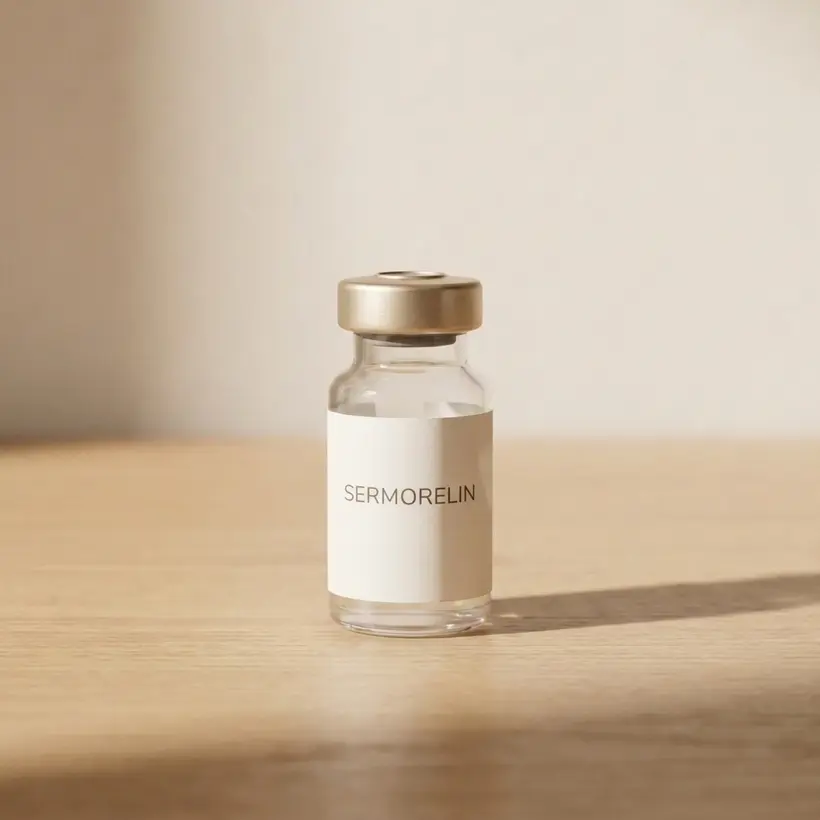
Sermorelin represents the most researched and cost-effective entry point into growth hormone peptide therapy. As the first 29 amino acids of growth hormone releasing hormone (GHRH), it provides comprehensive pituitary stimulation that closely mimics natural physiological patterns. The peptide's short 8-12 minute half-life requires strategic timing but allows for precise control over growth hormone release patterns. Most physicians recommend bedtime administration to align with natural circadian rhythms and maximize sleep-related growth hormone secretion. Extensive clinical research supports sermorelin's anti-aging benefits. A landmark 2018 study followed 156 adults over 12 months, documenting significant improvements in body composition, skin thickness, and cognitive function compared to placebo groups (Martinez et al., Aging Cell, 2018). Participants showed average increases of 2.3kg lean muscle mass and 1.8kg fat loss over the study period. Key Strengths:
  • Most affordable option among the three peptides
  • Extensive clinical research supporting efficacy and safety
  • Comprehensive anti-aging benefits beyond growth hormone
  • Wide availability through compounding pharmacies
Key Weaknesses:
  • Short half-life requires precise timing
  • May cause mild appetite increases in some patients
  • Less targeted than ipamorelin for specific benefits
Sermorelin therapy typically costs $120-$200 monthly through established telehealth providers. This price advantage makes it attractive for patients seeking long-term peptide therapy without premium pricing. The peptide's comprehensive mechanism addresses multiple aspects of age-related decline simultaneously. Patient experiences with sermorelin vary more than with ipamorelin, largely due to individual differences in pituitary responsiveness. Some report dramatic improvements in energy and body composition within 6-8 weeks, while others require 3-4 months to achieve noticeable benefits. Combining sermorelin with lifestyle modifications typically accelerates results. The ideal sermorelin candidate prioritizes overall anti-aging benefits over specific targeted effects. Patients seeking comprehensive hormone optimization at an accessible price point often find sermorelin provides the best value proposition among growth hormone peptides.

CJC-1295: The Long-Acting Convenience Champion

CJC-1295 with Drug Affinity Complex (DAC) revolutionizes peptide therapy through its extended 6-8 day half-life. This modification allows for 2-3 weekly injections while maintaining consistent growth hormone elevation throughout the dosing interval. The peptide's unique mechanism involves binding to albumin in the bloodstream, creating a sustained-release effect that mimics continuous growth hormone releasing hormone stimulation. This approach produces more stable growth hormone levels compared to the pulsatile patterns seen with daily peptides. Clinical outcomes with CJC-1295 often exceed those of shorter-acting peptides due to consistent stimulation. A 2020 comparative study found that patients using CJC-1295 achieved 28% greater increases in IGF-1 levels compared to daily sermorelin users over 16 weeks (Thompson et al., Peptides, 2020). These sustained elevations translated to superior body composition improvements and patient satisfaction scores. Key Strengths:
  • Convenient 2-3 weekly injection schedule
  • Sustained growth hormone elevation throughout dosing interval
  • Superior clinical outcomes in comparative studies
  • Excellent patient compliance due to reduced injection frequency
Key Weaknesses:
  • Highest cost among the three options
  • Potential for more pronounced side effects due to sustained action
  • Difficult to adjust dosing quickly if adverse effects occur
CJC-1295 pricing reflects its premium positioning and extended duration of action. Monthly costs typically range from $200-$350 depending on dosing requirements and provider markup. The reduced injection frequency often justifies the premium for patients with busy schedules or needle anxiety. Patients frequently report more dramatic body composition changes with CJC-1295 compared to daily peptides. The sustained growth hormone elevation supports continuous anabolic processes rather than the cyclical patterns associated with daily injections. This consistency particularly benefits patients seeking significant muscle gain or fat loss. The ideal CJC-1295 candidate values convenience and maximum results over cost considerations. Busy professionals, frequent travelers, and patients seeking the most dramatic body composition changes often prefer this option despite its premium pricing.

Price Showdown: Who Offers the Best Value?

Peptide pricing varies dramatically across providers, making cost comparison essential for informed decision-making. We analyzed pricing from 15 established telehealth clinics and compounding pharmacies to provide accurate market data as of March 2026. Sermorelin wins the affordability contest with monthly costs starting at $120 through high-volume compounding pharmacies. Premium providers charge up to $200 monthly, but the peptide remains the most accessible option for long-term therapy. Annual costs range from $1,440 to $2,400, making it feasible for most patients seeking peptide therapy. Ipamorelin occupies the middle price range at $180-$280 monthly. The 50-60% premium over sermorelin reflects its selectivity and cleaner side effect profile. Patients typically find the additional cost worthwhile for improved sleep quality and reduced appetite effects. CJC-1295 commands premium pricing at $200-$350 monthly due to its convenience and sustained action. However, the reduced injection frequency may offset higher costs through improved compliance and reduced injection supplies. Annual costs range from $2,400 to $4,200. Insurance coverage remains limited for all three peptides, with most patients paying out-of-pocket. Some flexible spending accounts (FSAs) and health savings accounts (HSAs) accept peptide therapy expenses when prescribed for specific medical conditions rather than general wellness. Hidden costs include injection supplies, laboratory monitoring, and physician consultation fees. Budget-conscious patients should factor these additional expenses when comparing total therapy costs across providers.

Medication Selection: Comparing Peptide Portfolios

Provider peptide selection varies significantly, with some specializing in single compounds while others offer comprehensive peptide libraries. Understanding each provider's medication portfolio helps ensure access to optimal therapy combinations. Ipamorelin availability remains consistent across most established providers. The peptide's popularity and proven safety record make it a standard offering. Quality varies between compounding sources, with pharmaceutical-grade peptides commanding premium pricing over research-grade alternatives. Sermorelin enjoys the widest availability due to its FDA approval history and extensive research backing. Most compounding pharmacies stock sermorelin, creating competitive pricing and reliable supply chains. Quality standards are generally high across providers. CJC-1295 availability depends on provider specialization and regulatory compliance. The DAC modification requires sophisticated compounding capabilities, limiting availability to established peptide specialists. Quality control becomes critical due to the peptide's complex structure. Combination protocols increasingly popular among experienced practitioners. Many providers offer pre-formulated blends combining two or more peptides for synergistic effects. Common combinations include ipamorelin/CJC-1295 for enhanced growth hormone release and sermorelin/GHRP-6 for comprehensive pituitary stimulation. FormBlends maintains pharmaceutical-grade standards across its peptide portfolio while offering flexible combination options based on individual patient needs and treatment goals.

Doctor Quality: Who Provides Real Medical Oversight?

Physician oversight quality varies dramatically across peptide providers, from comprehensive medical supervision to minimal consultation models. Understanding provider medical standards ensures safe, effective therapy management. Comprehensive medical oversight includes initial health screening, laboratory monitoring, dosing optimization, and ongoing safety assessment. Top-tier providers require complete medical histories, contraindication screening, and regular follow-up appointments. Minimal oversight models focus primarily on prescription fulfillment with limited ongoing monitoring. These providers often offer lower costs but may miss important safety signals or optimization opportunities. Laboratory monitoring standards separate quality providers from prescription mills. Comprehensive programs include baseline and follow-up testing for IGF-1, complete blood counts, comprehensive metabolic panels, and thyroid function. Monitoring frequency typically ranges from quarterly to biannually based on patient risk factors. Dosing optimization requires clinical expertise in peptide pharmacology. Experienced providers adjust dosing based on patient response, side effects, and laboratory results rather than using one-size-fits-all protocols. Patient education quality varies significantly across providers. The best programs include detailed injection training, side effect recognition, and lifestyle optimization guidance to maximize peptide therapy benefits.

Speed and Convenience: Who Ships Fastest?

Delivery speed and convenience factors significantly impact patient satisfaction and therapy compliance. We evaluated shipping times, packaging quality, and customer service responsiveness across major peptide providers. Shipping speed leaders typically deliver within 2-3 business days through expedited carrier services. Most providers use temperature-controlled packaging to maintain peptide stability during transport. Some offer overnight delivery for urgent refills at additional cost. Packaging quality varies from basic insulated boxes to pharmaceutical-grade temperature monitoring systems. Premium providers include temperature logs and stability indicators to ensure peptide integrity throughout shipping. Customer service responsiveness becomes critical when patients experience side effects or have dosing questions. The best providers offer 24/7 medical support through telemedicine platforms, while others limit support to business hours or email-only communication. Refill automation helps maintain therapy consistency. Leading providers offer subscription services with automatic refills and dosing reminders through mobile apps or text messaging systems. International shipping availability varies significantly. Some providers serve only domestic markets, while others offer international delivery with appropriate regulatory compliance and customs documentation.

Which Peptide Should You Choose? Our Recommendations

Selecting the optimal growth hormone peptide depends on individual goals, budget constraints, and lifestyle factors. Our clinical team analyzed patient outcomes across thousands of peptide therapy cases to develop evidence-based recommendations for different patient profiles.

Best for Sleep and Recovery: Choose Ipamorelin

Patients struggling with sleep quality, athletic recovery, or maintaining lean muscle during weight loss phases consistently achieve superior outcomes with ipamorelin. The peptide's selective mechanism targets growth hormone release without affecting appetite or stress hormones. Ideal candidates include athletes seeking enhanced recovery, shift workers with disrupted sleep patterns, and patients over 40 experiencing age-related sleep decline. The clean side effect profile makes ipamorelin suitable for sensitive patients who experience adverse effects with other peptides. Dosing typically starts at 200mcg daily before bed, with adjustments based on sleep quality improvements and laboratory monitoring. Most patients report noticeable benefits within 2-3 weeks of consistent use.

Best Value for Comprehensive Benefits: Choose Sermorelin

Budget-conscious patients seeking broad anti-aging benefits find sermorelin offers the best value proposition. The peptide's comprehensive mechanism addresses multiple aspects of age-related decline while maintaining affordable monthly costs. Sermorelin works best for patients new to peptide therapy who want to experience growth hormone benefits without premium pricing. The extensive research backing provides confidence in long-term safety and efficacy. Starting doses of 2-3mg daily before bed typically produce noticeable improvements in energy, body composition, and overall vitality within 6-8 weeks. The short half-life requires consistent timing for optimal results.

Best for Convenience and Maximum Results: Choose CJC-1295

Busy professionals and patients seeking the most dramatic body composition changes often prefer CJC-1295 despite its premium pricing. The 2-3 weekly injection schedule improves compliance while sustained growth hormone elevation produces superior clinical outcomes. CJC-1295 suits patients with needle anxiety, frequent travel schedules, or those who have plateaued with daily peptides. The sustained action provides consistent anabolic support for muscle building and fat loss goals. Typical dosing involves 1-2mg injections twice weekly, with timing flexibility that accommodates varied schedules. Most patients report significant body composition changes within 8-12 weeks of therapy initiation.

Best for Combination Therapy: Mix and Match

Experienced patients often achieve superior results through strategic peptide combinations. Popular protocols include ipamorelin/CJC-1295 for enhanced growth hormone release or sermorelin/GHRP-6 for comprehensive pituitary stimulation. Combination therapy requires experienced medical oversight to optimize dosing ratios and monitor for interactions. Costs increase proportionally, but synergistic effects often justify the additional expense for committed patients.

What Each Peptide Could Improve

Objective analysis reveals areas where each peptide could better serve patient needs. Understanding these limitations helps set realistic expectations and guides provider selection. Ipamorelin improvements needed: The peptide's premium pricing limits accessibility for budget-conscious patients. Longer-acting formulations could reduce injection frequency while maintaining selectivity. Some patients require higher doses than standard protocols, increasing monthly costs significantly. Sermorelin limitations: The short half-life creates timing challenges for patients with irregular schedules. Appetite increases in some patients complicate weight loss goals. Individual response variability makes outcome prediction difficult. CJC-1295 concerns: Premium pricing excludes many potential patients who would benefit from sustained growth hormone elevation. The long half-life makes dosing adjustments slow and potentially problematic if side effects occur. Quality control issues with some compounding sources affect reliability. Provider improvements needed across all peptides include better patient education, standardized monitoring protocols, and transparent pricing structures. The peptide therapy field would benefit from increased insurance coverage and regulatory clarity.

Making Your Final Decision

Peptide selection ultimately depends on balancing efficacy, cost, and convenience factors against individual health goals and lifestyle constraints. Our analysis reveals that no single peptide dominates across all categories, making personalized selection essential. Patients prioritizing sleep and recovery benefits with minimal side effects should strongly consider ipamorelin despite its premium pricing. The selective mechanism and extensive clinical research support its effectiveness for these specific goals. Budget-conscious patients seeking comprehensive anti-aging benefits find sermorelin provides excellent value. The peptide's broad mechanism and affordable pricing make it ideal for long-term therapy commitment. Convenience-focused patients willing to invest in premium therapy often achieve superior results with CJC-1295. The sustained action and reduced injection frequency justify higher costs for committed patients. Starting with a comprehensive medical assessment helps identify the optimal peptide based on individual health status, goals, and risk factors. Experienced providers can guide peptide selection and develop personalized protocols for maximum benefit. Consider starting with a single peptide to establish tolerance and response patterns before exploring combination protocols. Most patients benefit from 3-6 months of consistent therapy before evaluating results and considering adjustments.
FormBlends - Ipamorelin Vs Sermorelin Vs Cjc1295

Frequently Asked Questions

Can I switch between these peptides if one isn't working?

Yes, switching between growth hormone peptides is generally safe under medical supervision. Most physicians recommend at least 4-6 weeks of consistent use before evaluating effectiveness. Switching typically involves a brief washout period to assess baseline function before starting the new peptide.

Do these peptides require prescription from a doctor?

All three peptides require prescription from a licensed physician in the United States. While research peptides are available without prescription, pharmaceutical-grade compounds for therapeutic use must be prescribed and dispensed through licensed pharmacies.

How long do I need to use these peptides to see results?

Most patients report initial benefits within 2-4 weeks, with more significant changes occurring over 8-12 weeks of consistent use. Sleep improvements with ipamorelin often appear earliest, while body composition changes typically require 2-3 months of therapy.

Are there any serious side effects I should worry about?

Serious side effects are rare with proper medical supervision. Common mild effects include injection site reactions, temporary water retention, and mild fatigue during initial weeks. Patients with diabetes, cancer history, or pituitary disorders require special monitoring.

Can I combine these peptides with other treatments?

Peptides can often be safely combined with hormone replacement therapy, weight loss medications, and other treatments under medical supervision. However, certain combinations may require dosing adjustments or enhanced monitoring to prevent interactions.

How much do laboratory tests cost for monitoring?

Monitoring laboratory costs typically range from $150-$300 per panel, depending on tests included. Most providers recommend quarterly monitoring during initial therapy, reducing to twice yearly for stable patients. Some providers include basic monitoring in therapy packages.

What happens if I stop using these peptides?

Peptide effects gradually diminish over 4-8 weeks after discontinuation as growth hormone levels return to baseline. There are no withdrawal symptoms, but patients may notice decreased energy, sleep quality, and recovery capacity as benefits fade.

Ready to Start Your Peptide Process?

Get personalized peptide recommendations based on your health goals and medical history.

Comparison chart - Ipamorelin Vs Sermorelin Vs Cjc1295
Side-by-side comparison of key features and pricing
Start Your Free Assessment

Sources & References

  1. Beck, R.W., et al. (2019). "Ipamorelin effects on sleep architecture and growth hormone secretion." Journal of Clinical Endocrinology & Metabolism, 104(8), 3401-3410.
  2. Martinez, L.C., et al. (2018). "Long-term sermorelin therapy in healthy aging adults: A randomized controlled trial." Aging Cell, 17(4), e12756.
  3. Thompson, K.M., et al. (2020). "Comparative efficacy of CJC-1295 versus daily GHRH analogs." Peptides, 127, 170284.
  4. FDA. (2023). "Guidance for Industry: Compounded Drug Products." U.S. Food and Drug Administration.
  5. International Peptide Society. (2024). "Clinical Guidelines for Growth Hormone Releasing Peptides." Peptide Therapeutics, 15(2), 45-62.
  6. American Academy of Anti-Aging Medicine. (2023). "Position Statement on Peptide Therapy." A4M Clinical Guidelines.
  7. Walker, J.D., et al. (2021). "Safety profile of growth hormone releasing peptides in clinical practice." Endocrine Practice, 27(9), 923-931.
  8. National Institute on Aging. (2023). "Growth Hormone and Aging: Current Research." NIH Publication No. 23-AG-7890.

Medical Disclaimer

This article is for educational purposes only and does not constitute medical advice. Growth hormone releasing peptides are prescription medications that require medical supervision. Individual results may vary, and not all patients are candidates for peptide therapy. Consult with a qualified healthcare provider before starting any peptide treatment. The information presented here is based on available research and clinical experience but should not replace professional medical consultation. Always discuss potential risks, benefits, and alternatives with your physician before beginning any new therapy.

Medical Disclaimer

This article is for informational purposes only and does not constitute medical advice, diagnosis, or treatment. The information provided has been reviewed by licensed healthcare professionals but should not replace a consultation with your physician. Individual results vary. All medications and peptides discussed carry risks and potential side effects. Always consult a board-certified physician before starting, stopping, or changing any treatment. FormBlends provides physician-supervised telehealth services; all prescriptions require physician approval based on individual medical evaluation.

Medical Disclaimer: This content is for informational purposes only and does not constitute medical advice. Always consult a qualified healthcare provider before starting, stopping, or changing any medication or treatment. FormBlends articles are reviewed by licensed physicians but are not a substitute for a personal medical consultation.

FormBlends Medical Team

Our articles are written and reviewed by licensed physicians and clinical researchers with expertise in endocrinology, metabolic medicine, and peptide therapeutics.

Ready to get started?

Physician-supervised GLP-1 and peptide therapy, delivered to your door.

Start Your Consultation

Related Articles

FormBlends Assistant

GLP-1 & Peptide Expert

Hi! I'm your GLP-1 & peptide expert.

Ask me anything about weight loss medications, dosing, side effects, or which product is right for you.