All GLP-1 medications from licensed 503A compounding pharmacies Browse Products
Glp 1 Side Effects By Dose Level
Not all GLP-1 doses are created equal when it comes to side effects. What you feel at 0.25 mg may be completely different from what you experience at...
See your GLP-1 options in about 2 minutes. Free and private.See my options →
Not all GLP-1 doses are created equal for side effects. What you feel at 0.25 mg may be completely different from what you experience at 1.7 mg or 2.4 mg. Understanding GLP-1 side effects each dose helps you prepare for what's coming and know when something isn't normal.
Not all GLP-1 doses are created equal for side effects. What you feel at 0.25 mg may be completely different from what you experience at 1.7 mg or 2.4 mg. Understanding GLP-1 side effects each dose helps you prepare for what's coming and know when something isn't normal.
Key Takeaways:
- Starting Low: The 0.25 mg Phase
- The 0.5 mg Step: Where Most People First Notice Changes
- The 1.0 mg Milestone: Therapeutic Range Begins
- Higher Doses: 1.7 mg and 2.4 mg
- Making Dose Decisions with Your Provider
Your body needs time to adjust at every step. Here's exactly what the clinical data shows about how side effects change as your dose increases.
Starting Low: The 0.25 mg Phase
The 0.25 mg dose is your body's introduction to GLP-1 medication. It's not meant to produce significant weight loss) it's meant to let your system adjust.
What most people feel at 0.25 mg:
Mild nausea, usually in the first 2-3 days after injection
Slightly reduced appetite
Occasional mild stomach discomfort
Some people feel nothing at all
The good news? Most side effects at this dose are mild and short-lived. Clinical trials show that only about 15-20% of patients report nausea at the starting dose, and it typically fades within the first week.
This is your easiest phase. Use it to establish good habits. Start tracking your symptoms in the from day one. The patterns you document now become valuable data as your dose increases.
How long you stay here: Typically 4 weeks. Some providers extend this to 6-8 weeks if you're particularly sensitive to medications. Don't rush. There's no prize for moving up quickly.
The 0.5 mg Step: Where Most People First Notice Changes
"The conversation about obesity needs to shift from willpower to biology. These medications work because obesity is a neuroendocrine disease, not a character flaw.", Dr. Fatima Cody Stanford, MD, MPH, Massachusetts General Hospital
GLP-1 Weight Loss Results by Medication. Based on published STEP and SURMOUNT trial data.
View data table
Bar chart showing glp-1 weight loss results by medication: Tirzepatide (22), Semaglutide (15), Liraglutide (8), Retatrutide (24)
Category
Mean Body Weight Loss (%)
Detail
Tirzepatide
22
~22% body weight at 72 wks
Semaglutide
15
~15% body weight at 68 wks
Liraglutide
8
~8% body weight at 56 wks
Retatrutide
24
~24% in Phase 2 trial
At 0.5 mg, things start to get more noticeable. This is the dose where many people first feel the appetite-suppressing effects and where GI side effects become more common.
What changes at 0.5 mg:
Nausea increases in frequency and intensity. About 25-30% of patients report nausea at this dose level.
Appetite reduction becomes more pronounced. Many people find they can eat much smaller portions.
Constipation may begin. GLP-1 medications slow gastric emptying, which slows everything in your digestive system.
Fatigue is reported by some patients, often related to reduced caloric intake.
Mild headaches can occur as your body adjusts.
Most of these side effects peak in the first 1-2 weeks after the dose increase and then gradually improve. If they don't improve after 2-3 weeks, talk to your provider before moving to the next dose.
Pro tip: Eating smaller, more frequent meals can significantly reduce nausea at this stage. Avoid large, fatty meals (your stomach simply can't handle them the way it used to.
Free Download: GLP-1 Side Effect Diary (4-Week)
Track exactly which symptoms appear at each dose level. See patterns, share data with your provider, and make smarter dose decisions. Get yours free) we'll email it to you instantly.
[Download Your Free Side Effect Diary]
Patient Perspective:"I experienced hair thinning around month 4. My provider explained it was likely telogen effluvium from rapid weight loss, not the medication itself. Adding biotin and protein helped, and it resolved by month 7.", Rachel S., 35, FormBlends patient (name changed for privacy)
The 1.0 mg Milestone: Therapeutic Range Begins
At 1.0 mg, you're entering the therapeutic range where meaningful weight loss typically begins. But this is also where side effects can intensify significantly.
Check your GLP-1 eligibility
Use our free BMI Calculator to see if you may qualify for provider-reviewed GLP-1 therapy.
Nausea affects approximately 35-40% of patients at this dose. For most, it's manageable. For some, it's enough to consider slowing the titration.
Vomiting becomes more common, reported in about 8-10% of patients.
Diarrhea or constipation, sometimes alternating between the two (affects roughly 15-20% of patients.
Acid reflux (GERD) can develop or worsen. The slower stomach emptying means acid sits in your stomach longer.
Injection site reactions like redness or mild swelling are possible but usually minor.
This is the dose level where the most people consider pausing their titration. And that's perfectly fine. Staying at 1.0 mg for 8-12 weeks (instead of the standard 4) gives your body more time to adapt and can significantly reduce side effects when you eventually move up.
If nausea is disrupting your daily life at this dose, your provider may recommend anti-nausea strategies or temporary medications. Don't suffer in silence. Your can adjust your plan.
Higher Doses: 1.7 mg and 2.4 mg
The highest doses of semaglutide) 1.7 mg and 2.4 mg (produce the most weight loss but also the most side effects. Not everyone needs to reach these doses. Some people achieve excellent results at lower levels.
At 1.7 mg:
Nausea rates climb to approximately 40-45% of patients.
Vomiting affects about 12-15% of patients.
Constipation and diarrhea remain common.
Some patients report increased fatigue, possibly from sustained lower caloric intake.
Hair thinning may begin to appear, related more to rapid weight loss than the medication itself.
At 2.4 mg (the maximum approved dose for semaglutide):
Nausea is reported in roughly 45% of patients.
Vomiting occurs in about 15-20% of patients.
GI side effects are the primary reason patients discontinue treatment) about 5-8% of patients in clinical trials stopped due to side effects at this dose.
More serious events like and pancreatitis, while rare, are more common at higher doses.
For tirzepatide users: The dose progression is different (2.5 mg, 5 mg, 7.5 mg, 10 mg, 12.5 mg, 15 mg), but the pattern is similar. Side effects tend to increase with each step up, with the highest doses producing the most GI symptoms.
Key insight from the data: Most side effects are worst in the 1-2 weeks after each dose increase. They typically improve as your body adjusts. If side effects haven't improved after 4 weeks at a given dose, your provider may recommend staying at that level longer or even stepping back down.
Making Dose Decisions with Your Provider
The right dose is the one that balances effectiveness with tolerability. Here's how to think about it.
You don't have to reach the maximum dose. If you're losing weight steadily at 1.0 mg with manageable side effects, staying there may be the right call. The maximum dose isn't a requirement (it's a ceiling.
Your side effect diary is your best tool. When you track symptoms at each dose level, your provider can see exactly what's happening. This data drives better decisions than guessing or relying on memory. The makes this tracking effortless.
Consider these factors when deciding whether to increase:
Are your current side effects manageable within your daily life?
Is weight loss progressing at your current dose?
Have you been at this dose long enough for side effects to stabilize (minimum 4 weeks)?
Do you have risk factors that make higher doses less safe (kidney issues, gallbladder history)?
Your provider also considers your complete when making dose recommendations. What works for someone else may not be right for you.
Open communication with your provider is what makes the difference between a frustrating experience and a successful one.
Frequently Asked Questions
Do side effects go away at each dose level, or do they stay?
Most GI side effects peak in the first 1-2 weeks after a dose increase and then gradually improve. By week 3-4 at a given dose, many people report significant improvement. But some people experience persistent mild nausea throughout treatment, especially at higher doses.
Can I go back to a lower dose if side effects are too bad?
Yes. Stepping back down to a previously tolerated dose is a common and reasonable strategy. This isn't a failure. Your provider can help you decide whether to retry the higher dose later with a slower transition or stay at the lower dose long-term.
Why do some people have no side effects while others struggle?
Individual response varies based on genetics, gut microbiome, other medications, diet, and overall health. Some people naturally tolerate GLP-1 medications well. Others are more sensitive. Neither experience is unusual, and your provider can tailor your plan accordingly.
Are side effects worse with weekly or daily injections?
Weekly formulations (like semaglutide) tend to produce more predictable side effect patterns) often worst 1-2 days after injection and improving through the rest of the week. Some patients find that daily formulations produce milder but more consistent daily symptoms.
At what dose do most people see weight loss results?
Most patients begin to see meaningful weight loss at 0.5-1.0 mg of semaglutide or 5-7.5 mg of tirzepatide. Higher doses generally produce more weight loss, but the relationship isn't perfectly linear. Your individual response matters more than the specific dose number.
Ready to Take the Next Step?
Your treatment plan is personal, and you deserve a plan that fits. FormBlends connects you with licensed providers who can evaluate your needs and create a personalized protocol.
Medical References
Davies M, Færch L, Jeppesen OK, et al. Semaglutide 2.4 mg once a week in adults with overweight or obesity, and type 2 diabetes (STEP 2). Lancet. 2021;397(10278):971-984. [PubMed | ClinicalTrials.gov | DOI]
Wadden TA, Bailey TS, Billings LK, et al. Effect of Subcutaneous Semaglutide vs Placebo as an Adjunct to Intensive Behavioral Therapy on Body Weight in Adults With Overweight or Obesity (STEP 3). JAMA. 2021;325(14):1403-1413. [PubMed | ClinicalTrials.gov | DOI]
Garvey WT, Batterham RL, Bhatt DL, et al. Two-year effects of semaglutide in adults with overweight or obesity (STEP 5). Nat Med. 2022;28(10):2083-2091. [PubMed | ClinicalTrials.gov | DOI]
Garvey WT, Frias JP, Jastreboff AM, et al. Tirzepatide once weekly for the treatment of obesity in people with type 2 diabetes (SURMOUNT-2). Lancet. 2023;402(10402):613-626. [PubMed | ClinicalTrials.gov | DOI]
Wadden TA, Chao AM, Engel S, et al. Tirzepatide with intensive lifestyle intervention in adults with overweight or obesity (SURMOUNT-3). Nat Med. 2024. [PubMed | ClinicalTrials.gov | DOI]
Aronne LJ, Sattar N, Horn DB, et al. Continued Treatment With Tirzepatide for Maintenance of Weight Reduction in Adults With Obesity (SURMOUNT-4). JAMA. 2024;331(1):38-48. [PubMed | ClinicalTrials.gov | DOI]
Sources &. References
Wilding JPH, Batterham RL, Calanna S, et al. Once-Weekly Semaglutide in Adults with Overweight or Obesity. N Engl J Med. 2021;384(11):989-1002. Doi:10.1056/NEJMoa2032183
Jastreboff AM, Aronne LJ, Ahmad NN, et al. Tirzepatide Once Weekly for the Treatment of Obesity. N Engl J Med. 2022;387(3):205-216. Doi:10.1056/NEJMoa2206038
Nauck MA, Meier JJ. Management of endocrine disease: Are all GLP-1 agonists equal in the treatment of type 2 diabetes? Eur J Endocrinol. 2019;181(6):R211-R234. Doi:10.1530/EJE-19-0566
Wilding JPH, Batterham RL, Calanna S, et al. Once-Weekly Semaglutide in Adults with Overweight or Obesity. N Engl J Med. 2021;384(11):989-1002. Doi:10.1056/NEJMoa2032183
Davies M, Færch L, Jeppesen OK, et al. Semaglutide 2.4 mg once a week in adults with overweight or obesity, and type 2 diabetes (STEP 2 (Davies et al., Lancet, 2021)). Lancet. 2021;397(10278):971-984. Doi:10.1016/S0140-6736(21)00213-0
Wadden TA, Bailey TS, Billings LK, et al. Effect of Subcutaneous Semaglutide vs Placebo as an Adjunct to Intensive Behavioral Therapy on Body Weight in Adults With Overweight or Obesity (STEP 3 (Wadden et al., JAMA, 2021)). JAMA. 2021;325(14):1403-1413. Doi:10.1001/jama.2021.1831
Garvey WT, Batterham RL, Bhatt DL, et al. Two-Year Effects of Semaglutide in Adults with Overweight or Obesity (STEP 5 (Garvey et al., Nat Med, 2022)). Nat Med. 2022;28:2083-2091. Doi:10.1038/s41591-022-02026-4
Lincoff AM, Brown-Frandsen K, Colhoun HM, et al. Semaglutide and Cardiovascular Outcomes in Obesity without Diabetes. N Engl J Med. 2023;389(24):2221-2232. Doi:10.1056/NEJMoa2307563
Jastreboff AM, Aronne LJ, Ahmad NN, et al. Tirzepatide Once Weekly for the Treatment of Obesity. N Engl J Med. 2022;387(3):205-216. Doi:10.1056/NEJMoa2206038
Garvey WT, Frias JP, Jastreboff AM, et al. Tirzepatide once weekly for the treatment of obesity in people with type 2 diabetes (SURMOUNT-2[4] (Garvey et al., Lancet, 2023)). Lancet. 2023;402(10402):613-626. Doi:10.1016/S0140-6736(23)01200-X
Wadden TA, Chao AM, Engel S, et al. Tirzepatide after intensive lifestyle intervention in adults with overweight or obesity (SURMOUNT-3[5] (Wadden et al., Nat Med, 2023)). Nat Med. 2023. Doi:10.1038/s41591-023-02597-w
Aronne LJ, Sattar N, Horn DB, et al. Continued Treatment With Tirzepatide for Maintenance of Weight Reduction in Adults With Obesity (SURMOUNT-4[6] (Aronne et al., JAMA, 2024)). JAMA. 2024;331(1):38-48. Doi:10.1001/jama.2023.24945
Malhotra A, Grunstein RR, Fietze I, et al. Tirzepatide for the Treatment of Obstructive Sleep Apnea and Obesity. N Engl J Med. 2024;391:1193-1205. Doi:10.1056/NEJMoa2404881
This content is provided for informational and educational purposes only. It isn't a substitute for professional medical advice, diagnosis, or treatment. Always seek the advice of a licensed healthcare provider with any questions about a medical condition or treatment plan.
Last updated: 2026-03-24
See your options in about 2 minutes
Take the free quiz and see what fits you. Quick, private, and no commitment to continue.
Check the current prescribing information, regulatory status, and trial source before treating an investigational or newly approved medication as interchangeable with an established therapy.
Check before ordering
Regulatory status, labels, trial records, and sponsor updates can change quickly for obesity-drug pipeline pages. This snapshot is designed to make verification easier, not to replace checking the official source before making a medical or purchase decision. Last page review: 2026-04-01.
FormBlends does not claim an individual clinician byline unless a named reviewer is available. For this page, the editorial team checks medical and regulatory claims against primary sources, clinical trials, public datasets, and regulator guidance.
For Glp 1 Side Effects By Dose Level, FormBlends checks the page topic against primary trials, systematic reviews, guidelines, and current PubMed-indexed literature where available. These citations are context, not medical advice, proof of eligibility, or a claim that every study applies to every patient.
Use this page to decide if a provider review is the right next step
Direct answer
Glp 1 Side Effects By Dose Level research is most useful when it helps you compare eligibility, expected results, side effects, cost, and the supervision needed before treatment.
Not all GLP-1 doses are created equal when it comes to side effects. What you feel at 0.25 mg may be completely different from what you experience at 1.7 mg or 2.4 mg. The practical reason to read "Glp 1 Side Effects By Dose Level" is to separate useful context from easy claims about side effects, dosing, safety and pharmacy quality. It sits in a GLP-1 treatment guide where medication choice, dosing, side effects, monitoring, and insurance rules can change the decision and should help with safety and side-effect planning. Because this article has 8 major sections, scan the headings first and then use the FAQ or summary sections to pressure-test the answer. Use the page to sharpen your next question, especially if your health history or medications change the risk profile.
Confirm whether the page is discussing an FDA-approved use, a compounded option, or research-only context.
Ask a licensed clinician how the evidence applies to your health history, medications, labs, and side-effect risk.
Verify the pharmacy pathway, certificate of analysis, sterility testing, and clinician oversight before trusting a source.
Original tools and data
Use the FormBlends research stack
These assets are built to be useful beyond a single article: shareable data pages, calculators, provider comparisons, and safety checks that give Google and readers something original to crawl.
Practical 2026 note for Glp 1 Side Effects By Dose Level
This update makes Glp 1 Side Effects By Dose Level more specific by tying semaglutide, tirzepatide, retatrutide, safety signals, glp, side to the page's original clinical, cost, access, or comparison angle.
The goal is to make the article more useful for people who already know the headline question and need page-level specifics, not another interchangeable glp-1 weight loss summary.
For 2026 review, the content emphasizes current verification, treatment fit, and patient-safety questions that can be discussed with a qualified provider.
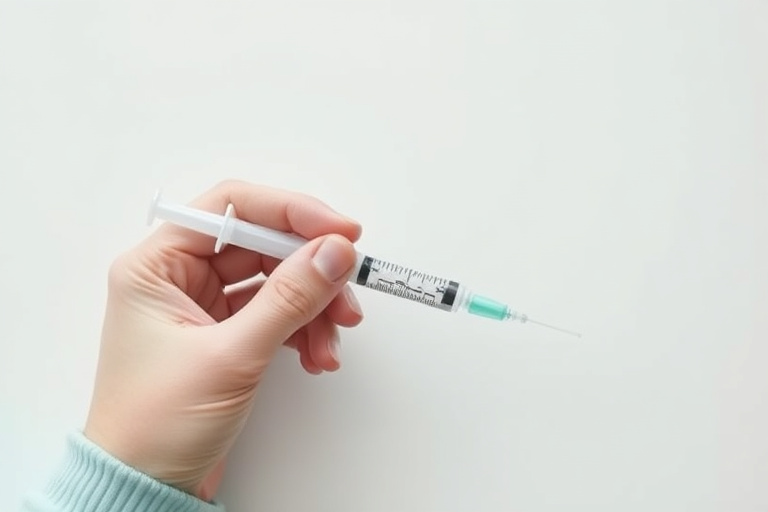
Custom 2026 image for Glp 1 Side Effects By Dose Level, glp-1 weight loss, and better treatment decision-making.
Image description: Unique image for this page covering Glp 1 Side Effects By Dose Level, glp-1 weight loss, safety, cost, provider selection, and patient decision-making.
Medical Disclaimer: This content is for informational purposes only and does not constitute medical advice. Always consult a qualified healthcare provider before starting, stopping, or changing any medication or treatment. FormBlends articles are source-checked against medical and regulatory references, but they are not a substitute for a personal medical consultation.
Written by FormBlends Editorial Research
Prepared by FormBlends Editorial Research. Claims are checked against primary regulatory, trial, label, and public-health sources where available. Reviewed against primary medical, regulatory, and trial sources for accuracy, sourcing, and patient-safety framing.
Ready to get started?
Provider-reviewed GLP-1 and peptide therapy, delivered to your door.