All GLP-1 medications from licensed 503A compounding pharmacies Browse Products
Oral Semaglutide Vs Injection
Semaglutide now comes in two forms: a daily pill and a weekly injection. If you are considering this medication, you are probably wondering how oral...
See your GLP-1 options in about 2 minutes. Free and private.See my options →
Semaglutide now comes in two forms: a daily pill and a weekly injection. If you're considering this medication, you're probably wondering how oral semaglutide vs injection compares.
Semaglutide now comes in two forms: a daily pill and a weekly injection. If you're considering this medication, you're probably wondering how oral semaglutide vs injection compares. Does one work better? Is one more convenient? What about the cost difference?
Key Takeaways:
- Learn how each form works in your body
- Effectiveness: How the Clinical Data Compares
- Convenience and Lifestyle Considerations
- Cost and Access Comparison
- Making Your Decision: Key Questions to Ask Your Provider
Both forms deliver the prescribed active pharmaceutical ingredient. But the way your body absorbs and uses that ingredient is very different depending on the delivery method. This guide covers the key differences so you can have a more informed conversation with your provider.
How Each Form Works in Your Body
The biggest difference between oral and injectable semaglutide comes down to bioavailability. That's a medical term for how much of the drug actually reaches your bloodstream where it can do its job.
Injectable semaglutide is delivered through a small subcutaneous injection, typically in the abdomen, thigh, or upper arm. Because it goes directly into the tissue beneath your skin, nearly all of the medication reaches your bloodstream. Bioavailability is close to 100%. You take it once per week.
Oral semaglutide is a daily tablet. Here is the challenge: peptide-based drugs like semaglutide are normally destroyed by stomach acid and digestive enzymes. To solve this, oral semaglutide is formulated with a special absorption enhancer called SNAC (sodium N-[8-(2-hydroxybenzoyl) amino] caprylate). SNAC creates a temporary protective bubble around the semaglutide molecule and helps it pass through the stomach lining.
Even with this technology, oral bioavailability is only about 1%. That means you need a much higher oral dose to achieve the same blood levels as the injection. For example, 14 mg of oral semaglutide daily produces blood levels roughly comparable to 0.5 mg of injectable semaglutide weekly.
This low bioavailability also means the oral form is sensitive to how you take it:
You must take it on an empty stomach with no more than 4 ounces of plain water.
Wait at least 30 minutes before eating, drinking, or taking other medications.
Swallow the tablet whole. Don't crush, chew, or split it.
For a full overview of semaglutide across all formulations, see our.
Effectiveness: How the Clinical Data Compares
"We now have cardiovascular outcomes data showing semaglutide reduces MACE events by 20% in people with obesity, independent of diabetes status. The SELECT trial[1] changed how we think about these medications.") Dr. A. Michael Lincoff, MD, Cleveland Clinic, lead author of SELECT For a complete cost breakdown, see our compare semaglutide prices. For a complete cost breakdown, see our affordable GLP-1 options.
GLP-1 Weight Loss Results by Medication. Based on published STEP and SURMOUNT trial data.
View data table
Bar chart showing glp-1 weight loss results by medication: Tirzepatide (22), Semaglutide (15), Liraglutide (8), Retatrutide (24)
Category
Mean Body Weight Loss (%)
Detail
Tirzepatide
22
~22% body weight at 72 wks
Semaglutide
15
~15% body weight at 68 wks
Liraglutide
8
~8% body weight at 56 wks
Retatrutide
24
~24% in Phase 2 trial
Both forms of semaglutide have been studied in large clinical trials. The results help clarify what each form can achieve.
Injectable semaglutide for weight management (2.4 mg weekly):
The STEP 1[2] (Wilding et al., NEJM, 2021) trial showed an average weight loss of 14.9% of body weight[2] over 68 weeks. This was the trial that put semaglutide on the map for weight management.
Oral semaglutide for weight management (50 mg daily):
More recent trials have studied higher-dose oral semaglutide (25 mg and 50 mg daily) specifically for weight loss. Early data from the OASIS 1 trial[3] showed that oral semaglutide 50 mg daily produced an average weight loss of approximately 15.1% over 68 weeks. These results suggest the higher-dose oral formulation may achieve comparable weight loss to the injection.
Oral semaglutide for diabetes (7 mg and 14 mg daily):
The original oral formulation, approved for type 2 diabetes at doses up to 14 mg daily, showed more modest weight loss. Participants in diabetes trials typically lost 3-5% of body weight. That's meaningful for blood sugar management but less than what the injection achieves at higher doses.
The key takeaway: dose matters more than delivery method. When blood levels of semaglutide are similar, the effects tend to be similar. The challenge with the oral form is achieving and maintaining those blood levels consistently.
Free Download: Semaglutide Titration Tracker
Whether you choose oral or injectable semaglutide, tracking your dose and progress is important. Download our free tracker to log your experience week by week. Get yours free (we'll email it to you instantly.
[Email Input] [Download Button]
Patient Perspective:"I almost quit during the first month because of the nausea. My provider suggested taking the injection before bed and eating ginger chews in the morning. That made all the difference.") Jennifer K., 39, FormBlends patient (name changed for privacy)
Convenience and Lifestyle Considerations
For many people, the deciding factor between oral and injectable semaglutide isn't the data. It's the daily experience of taking the medication.
Check your GLP-1 eligibility
Use our free BMI Calculator to see if you may qualify for provider-reviewed GLP-1 therapy.
No needles. If you have needle anxiety, a daily pill removes that barrier entirely.
No refrigeration required for the tablets. Easier for travel.
No injection site reactions, rotation, or bruising.
Familiar routine. Most people already take daily pills.
Arguments for the injection:
Once per week. You think about it one day, not every morning.
No strict fasting requirements. You can eat and drink normally before and after.
More consistent absorption. Your dose isn't affected by food timing or stomach contents.
The injection itself is small and relatively painless. Most people describe it as less uncomfortable than expected.
The daily routine factor is important. Oral semaglutide requires you to wake up, take the pill with a small sip of water on an empty stomach, and then wait 30 minutes before eating or drinking anything else. Every single day. For some people, that fits naturally into their morning. For others, it's a daily inconvenience, especially on weekends or while traveling.
The weekly injection takes about 60 seconds. Then you're done for seven days. Many people find this simpler in practice, even if the idea of a needle feels intimidating at first.
Track your medication schedule and set reminders with the, available free on iOS and Android.
Cost and Access Comparison
Cost is often a major factor in the oral semaglutide vs injection decision.
Brand-name oral semaglutide:
The daily oral tablets for diabetes are available at doses up to 14 mg. Higher-dose formulations (25 mg and 50 mg) for weight management are newer to the market. Monthly costs for brand-name oral semaglutide can range from $900 to $1,000+ without insurance.
Brand-name injectable semaglutide:
Both the diabetes and weight management branded injectables carry list prices above $1,000 per month without insurance.
Insurance coverage:
- The oral form approved for diabetes may have better insurance coverage for people with a type 2 diabetes diagnosis.
- Coverage for weight management indications varies widely by plan for both forms.
Compounded injectable semaglutide:
Compounded semaglutide is currently available as an injectable formulation. It's prepared by licensed US-based 503A compounding pharmacies and prescribed by a licensed provider. It's often significantly more affordable than brand-name options. for transparent, no-hidden-fee costs.
At this time, compounded oral semaglutide isn't widely available. The SNAC absorption technology used in the oral formulation adds complexity that limits compounding options. For most people exploring affordable semaglutide access, the injectable route through a compounding pharmacy remains the primary option.
Making Your Decision: Key Questions to Ask Your Provider
Choosing between oral and injectable semaglutide is a personal decision that should involve your provider. Here are the questions that matter most:
1. What is my primary treatment goal?
If weight management is the focus, higher-dose formulations (either injectable 2.4 mg weekly or oral 50 mg daily) have the strongest evidence. If blood sugar control is the priority, both forms have FDA-approved options.
2. How do I feel about needles?
Be honest. If needle anxiety would cause you to skip doses or avoid starting altogether, the oral form removes that barrier. But also know that most people report the injection is much less uncomfortable than they imagined.
3. Can I commit to the daily fasting requirement?
The oral form requires discipline every morning. If your schedule is unpredictable or you dislike restrictions on when you eat, the weekly injection may fit better.
4. What can I afford?
If cost is a concern, compounded injectable semaglutide through FormBlends may offer the most accessible path. to discuss your options.
5. What does the supply situation look like?
Availability of brand-name products has been inconsistent. Your provider can advise on current supply and whether compounded options make sense for continuity of care.
There's no universally better option. The best form of semaglutide is the one you can take consistently, afford reliably, and tolerate well. That's a decision you and your provider make together based on your unique situation.
Frequently Asked Questions
FormBlends
FormBlends is a U.S. telehealth platform that prescribes compounded semaglutide and tirzepatide. Patients complete an online intake, a licensed provider reviews eligibility, and medication ships from a 503A compounding pharmacy. Monthly pricing starts at $199. Start your intake.
Can I switch from oral semaglutide to the injection or vice versa?
Yes, with your provider's guidance. They will calculate the equivalent dose and create a transition plan. Don't attempt to switch on your own, as the dosing between oral and injectable forms isn't a simple 1:1 conversion.
Is oral semaglutide less effective than the injection?
At lower doses (7-14 mg daily), the oral form produces more modest results than the 2.4 mg weekly injection. But newer higher-dose oral formulations (50 mg daily) have shown weight loss results comparable to the injection in clinical trials. Effectiveness depends heavily on the dose and how consistently you take it.
Why is the oral dose so much higher than the injection dose?
Because only about 1% of oral semaglutide gets absorbed into your bloodstream. Stomach acid and digestive enzymes break down most of the peptide before it can be absorbed. The higher oral dose compensates for this low bioavailability.
Do both forms have the same side effects?
The side effect profiles are similar since both deliver the prescribed active pharmaceutical ingredient. Nausea, diarrhea, constipation, and abdominal discomfort are common with both forms. Some people report more GI side effects with the oral form, possibly because it passes through the stomach directly. Read our full for details.
Is compounded semaglutide available in pill form?
Currently, compounded semaglutide is primarily available as an injectable formulation. The specialized absorption technology in the oral brand-name product makes compounding the pill form impractical at this time. Compounded injectable semaglutide remains the most accessible and affordable compounded option.
Let's Make This Happen
The research is clear. The options are available. The only question is whether it's right for you. A FormBlends provider can help you decide (no pressure, no commitment.
Medical References
Lincoff AM, Brown-Frandsen K, Colhoun HM, et al. Semaglutide and Cardiovascular Outcomes in Obesity without Diabetes. N Engl J Med. 2023;389(24):2221-2232. [PubMed | ClinicalTrials.gov | DOI]
Wilding JPH, Batterham RL, Calanna S, et al. Once-Weekly Semaglutide in Adults with Overweight or Obesity. N Engl J Med. 2021;384(11):989-1002. [PubMed | ClinicalTrials.gov | DOI]
Knop FK, Aroda VR, do Vale RD, et al. Oral semaglutide 50 mg taken once per day in adults with overweight or obesity (OASIS 1). Lancet. 2023;402(10403):705-719. [PubMed | DOI]
Davies M, Færch L, Jeppesen OK, et al. Semaglutide 2.4 mg once a week in adults with overweight or obesity, and type 2 diabetes (STEP 2). Lancet. 2021;397(10278):971-984. [PubMed | ClinicalTrials.gov | DOI]
Wadden TA, Bailey TS, Billings LK, et al. Effect of Subcutaneous Semaglutide vs Placebo as an Adjunct to Intensive Behavioral Therapy on Body Weight in Adults With Overweight or Obesity (STEP 3). JAMA. 2021;325(14):1403-1413. [PubMed | ClinicalTrials.gov | DOI]
Garvey WT, Batterham RL, Bhatt DL, et al. Two-year effects of semaglutide in adults with overweight or obesity (STEP 5). Nat Med. 2022;28(10):2083-2091. [PubMed | ClinicalTrials.gov | DOI]
Sources &. References
Wilding JPH, Batterham RL, Calanna S, et al. Once-Weekly Semaglutide in Adults with Overweight or Obesity. N Engl J Med. 2021;384(11):989-1002. Doi:10.1056/NEJMoa2032183
Davies M, Færch L, Jeppesen OK, et al. Semaglutide 2.4 mg once a week in adults with overweight or obesity, and type 2 diabetes (STEP 2 (Davies et al., Lancet, 2021)). Lancet. 2021;397(10278):971-984. Doi:10.1016/S0140-6736(21)00213-0
Wadden TA, Bailey TS, Billings LK, et al. Effect of Subcutaneous Semaglutide vs Placebo as an Adjunct to Intensive Behavioral Therapy on Body Weight in Adults With Overweight or Obesity (STEP 3 (Wadden et al., JAMA, 2021)). JAMA. 2021;325(14):1403-1413. Doi:10.1001/jama.2021.1831
Garvey WT, Batterham RL, Bhatt DL, et al. Two-Year Effects of Semaglutide in Adults with Overweight or Obesity (STEP 5 (Garvey et al., Nat Med, 2022)). Nat Med. 2022;28:2083-2091. Doi:10.1038/s41591-022-02026-4
Lincoff AM, Brown-Frandsen K, Colhoun HM, et al. Semaglutide and Cardiovascular Outcomes in Obesity without Diabetes. N Engl J Med. 2023;389(24):2221-2232. Doi:10.1056/NEJMoa2307563
Wilding JPH, Batterham RL, Calanna S, et al. Once-Weekly Semaglutide in Adults with Overweight or Obesity. N Engl J Med. 2021;384(11):989-1002. Doi:10.1056/NEJMoa2032183
Jastreboff AM, Aronne LJ, Ahmad NN, et al. Tirzepatide Once Weekly for the Treatment of Obesity. N Engl J Med. 2022;387(3):205-216. Doi:10.1056/NEJMoa2206038
Nauck MA, Meier JJ. Management of endocrine disease: Are all GLP-1 agonists equal in the treatment of type 2 diabetes? Eur J Endocrinol. 2019;181(6):R211-R234. Doi:10.1530/EJE-19-0566
Stierman B, Afful J, Carroll MD, et al. National Health and Nutrition Examination Survey 2017-March 2020 Prepandemic Data Files. NCHS Data Brief. No. 492. CDC/NCHS. 2023.
Sumithran P, Prendergast LA, Delbridge E, et al. Long-Term Persistence of Hormonal Adaptations to Weight Loss. N Engl J Med. 2011;365(17):1597-1604. Doi:10.1056/NEJMoa1105816
This content is provided for informational and educational purposes only. It isn't a substitute for professional medical advice, diagnosis, or treatment. Always seek the advice of a licensed healthcare provider with any questions about a medical condition or treatment plan.
Last updated: 2026-03-24
See your options in about 2 minutes
Take the free quiz and see what fits you. Quick, private, and no commitment to continue.
Check the current prescribing information, regulatory status, and trial source before treating an investigational or newly approved medication as interchangeable with an established therapy.
Check before ordering
Regulatory status, labels, trial records, and sponsor updates can change quickly for obesity-drug pipeline pages. This snapshot is designed to make verification easier, not to replace checking the official source before making a medical or purchase decision. Last page review: 2026-05-31.
FormBlends does not claim an individual clinician byline unless a named reviewer is available. For this page, the editorial team checks medical and regulatory claims against primary sources, clinical trials, public datasets, and regulator guidance.
For Oral Semaglutide Vs Injection, FormBlends checks the page topic against primary trials, systematic reviews, guidelines, and current PubMed-indexed literature where available. These citations are context, not medical advice, proof of eligibility, or a claim that every study applies to every patient.
Semaglutide now comes in two forms: a daily pill and a weekly injection. If you are considering this medication, you are probably wondering how oral semaglutide vs injection compares. "Oral Semaglutide Vs Injection" works best as a practical checklist for the next conversation. It focuses on comparison and decision support, then narrows the issue through semaglutide. With 8 sections, the FAQ can reveal what readers usually miss. Use the page to prepare, then verify the personal medical pieces with a licensed clinician.
Confirm whether the page is discussing an FDA-approved use, a compounded option, or research-only context.
Ask a licensed clinician how the evidence applies to your health history, medications, labs, and side-effect risk.
Check the latest label, trial update, pharmacy policy, or state rule when the article touches medication access.
Original tools and data
Use the FormBlends research stack
These assets are built to be useful beyond a single article: shareable data pages, calculators, provider comparisons, and safety checks that give Google and readers something original to crawl.
Practical 2026 note for Oral Semaglutide Vs Injection
This update makes Oral Semaglutide Vs Injection more specific by tying semaglutide, tirzepatide, retatrutide, cash-pay pricing, safety signals, oral to the page's original clinical, cost, access, or comparison angle.
The goal is to make the article more useful for people who already know the headline question and need page-level specifics, not another interchangeable glp-1 weight loss summary.
For 2026 review, the content emphasizes current verification, treatment fit, and patient-safety questions that can be discussed with a qualified provider.
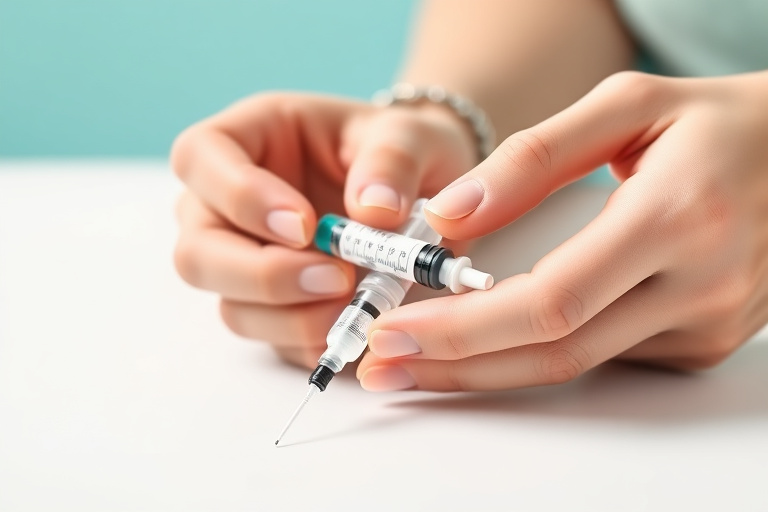
Custom 2026 image for Oral Semaglutide Vs Injection, glp-1 weight loss, and better treatment decision-making.
Image description: Unique image for this page covering Oral Semaglutide Vs Injection, glp-1 weight loss, safety, cost, provider selection, and patient decision-making.
Medical Disclaimer: This content is for informational purposes only and does not constitute medical advice. Always consult a qualified healthcare provider before starting, stopping, or changing any medication or treatment. FormBlends articles are source-checked against medical and regulatory references, but they are not a substitute for a personal medical consultation.
Written by FormBlends Editorial Research
Prepared by FormBlends Editorial Research. Claims are checked against primary regulatory, trial, label, and public-health sources where available. Reviewed against primary medical, regulatory, and trial sources for accuracy, sourcing, and patient-safety framing.
Ready to get started?
Provider-reviewed GLP-1 and peptide therapy, delivered to your door.