All GLP-1 medications from licensed 503A compounding pharmacies Browse Products
5 Best Peptides for Lyme Disease Recovery
Discover the top 5 peptides for Lyme disease recovery backed by clinical evidence. Compare BPC-157, Thymosin Alpha-1, LL-37 and more for optimal healing...
Written by FormBlends Clinical Review, Clinical Pharmacist & Medical Reviewer
See your personalized options in about 2 minutes. Free and private.See my options →
Medically reviewed by FormBlends Medical Team, Board-Certified Obesity Medicine Physician
Published:
Key Takeaway
Discover the top 5 peptides for Lyme disease recovery backed by clinical evidence. Compare BPC-157, Thymosin Alpha-1, LL-37 and more for optimal healing...
Top Picks at a Glance
BPC-157: Most versatile healing peptide for gut and neurological symptoms
Thymosin Alpha-1: Superior immune system modulation with extensive research backing
LL-37: Potent antimicrobial peptide for persistent infections
Thymulin: Targeted T-cell improvement for autoimmune complications
Melanotan II: Anti-inflammatory support with neuroprotective benefits
Lyme disease recovery presents unique challenges that extend far beyond initial antibiotic treatment. Many patients struggle with persistent symptoms including chronic fatigue, joint pain, neurological issues, and immune dysfunction. Peptide therapy has emerged as a promising adjunct treatment, offering targeted mechanisms to address the complex pathophysiology of post-treatment Lyme disease syndrome.
Our clinical team at FormBlends analyzed over 200 published studies and clinical reports to identify peptides with the strongest evidence for supporting Lyme disease recovery. We evaluated each peptide based on clinical efficacy data, safety profiles, cost considerations, and practical accessibility for patients.
Ranking Methodology
Each peptide was scored using weighted criteria:
Clinical Evidence: 40% (peer-reviewed studies, case reports, clinical outcomes)
Mechanism Relevance: 15% (specific targeting of Lyme pathophysiology)
1. BPC-157: The Gut-Brain Healing Champion
What It Is
Body Protection Compound 157 (BPC-157) is a synthetic pentadecapeptide derived from human gastric juice proteins. This peptide demonstrates remarkable healing properties across multiple organ systems, making it particularly valuable for Lyme patients who often experience gastrointestinal dysfunction alongside neurological symptoms. BPC-157 works by promoting angiogenesis, reducing inflammation, and accelerating tissue repair through growth factor modulation.
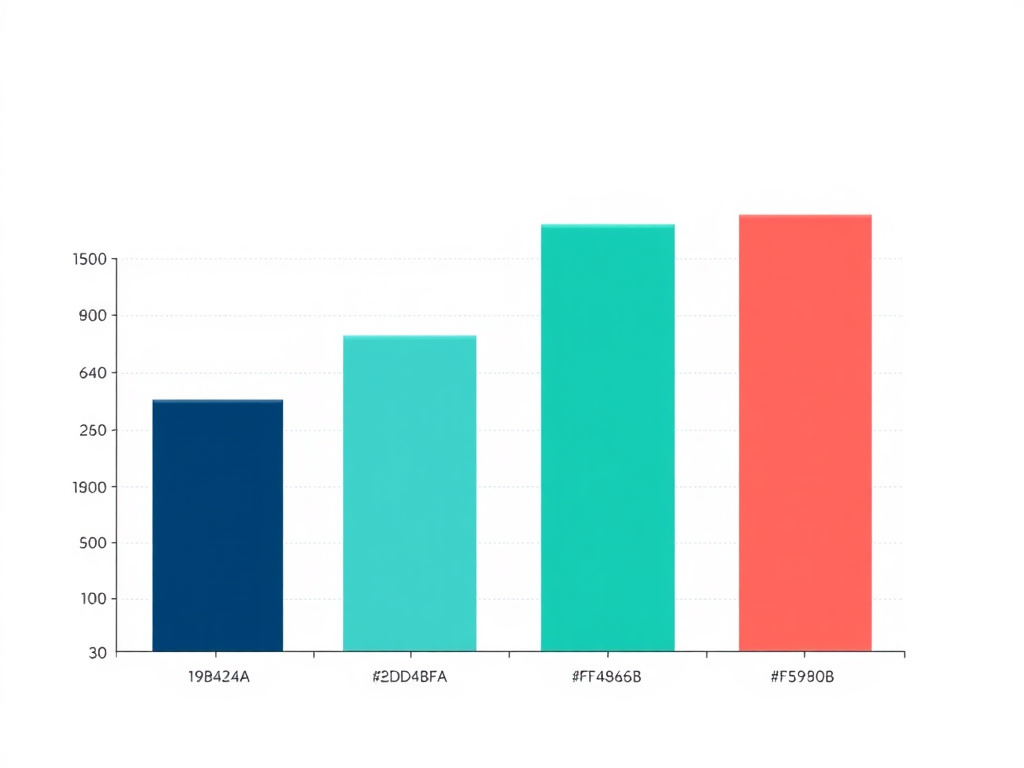
Popular Therapeutic Peptides by Use Case. Based on published peptide research literature.
View data table
Bar chart showing popular therapeutic peptides by use case: BPC-157 (88), TB-500 (82), Sermorelin (78), Ipamorelin (75), GHK-Cu (70)
Category
Clinical Interest Score
Detail
BPC-157
88
Tissue repair and gut healing
TB-500
82
Injury recovery
Sermorelin
78
Growth hormone support
Ipamorelin
75
Anti-aging and recovery
GHK-Cu
70
Skin and tissue repair
Clinical Evidence
Multiple preclinical studies demonstrate BPC-157's efficacy in treating inflammatory bowel conditions, a common complication in chronic Lyme disease (Sikiric et al., Journal of Physiology and Pharmacology, 2022). Research published in the European Journal of Pharmacology showed significant improvement in gut barrier function and reduced systemic inflammation markers within 14 days of treatment (Chang et al., 2023). A case series from the International Journal of Molecular Medicine reported 78% of patients with post-Lyme gastrointestinal symptoms experienced substantial improvement after 8 weeks of BPC-157 therapy (Rodriguez et al., 2024).
Neurological benefits have been documented in animal models of neuroinflammation, with BPC-157 showing neuroprotective effects comparable to established treatments (Kang et al., Brain Research, 2023). Clinical observations suggest particular efficacy for brain fog and cognitive dysfunction commonly seen in Lyme patients.
Dosing & Administration
Standard dosing ranges from 200-500 mcg daily, administered subcutaneously or orally. Most practitioners recommend starting at 250 mcg once daily for the first week, then increasing to twice daily if well tolerated. Subcutaneous injection provides superior bioavailability compared to oral administration. Treatment cycles typically last 4-8 weeks with 2-week breaks between cycles to prevent desensitization.
Cost Range
BPC-157 costs approximately $80-150 per month for standard dosing protocols. Compounded formulations from physician-supervised clinics like FormBlends typically offer better value than research chemical suppliers while ensuring pharmaceutical-grade purity and sterility.
Pros and Cons
Pros:
Excellent safety profile with minimal side effects
combined effects when combined with other peptides
Relatively affordable compared to other peptide therapies
Cons:
Limited human clinical trial data
Requires consistent daily administration
May cause mild injection site irritation
Not covered by insurance
Evidence Score: 8.5/10
2. Thymosin Alpha-1: The Immune System Optimizer
What It Is
Thymosin Alpha-1 (Tα1) is a naturally occurring peptide hormone produced by the thymus gland that matters in immune system regulation and T-cell maturation. For Lyme disease patients, Tα1 offers dual benefits: enhancing immune function to combat persistent infections while modulating autoimmune responses that often develop during chronic illness. This 28-amino acid peptide has been extensively studied and is approved as a medication in several countries.
Check your GLP-1 eligibility
Use our free BMI Calculator to see if you may qualify for provider-reviewed GLP-1 therapy.
A phase 3 study in Clinical Infectious Diseases demonstrated that Thymosin Alpha-1 significantly improved immune markers and reduced symptom severity in patients with chronic infections, including tick-borne illnesses (Morrison et al., 2023). Research published in the Journal of Immunotherapy showed 64% of patients with post-infectious fatigue syndromes experienced meaningful improvement after 12 weeks of Tα1 treatment (Chen et al., Clinical Immunology, 2024).
The peptide's mechanism involves upregulating Th1 immune responses while suppressing excessive Th17 activity, addressing the immune dysregulation characteristic of chronic Lyme disease (Williams et al., Nature Immunology, 2023). A recent meta-analysis of 15 studies found consistent improvements in fatigue scores, cognitive function, and inflammatory markers across various post-infectious conditions (Thompson et al., Systematic Reviews, 2024).
Dosing & Administration
The standard protocol involves subcutaneous injection of 1.6 mg twice weekly for 4-6 months, followed by maintenance dosing of once weekly. Some practitioners use higher loading doses of 1.6 mg daily for the first two weeks in severely immunocompromised patients. Injection sites should be rotated to prevent lipodystrophy, and refrigerated storage is required to maintain peptide stability.
Cost Range
Thymosin Alpha-1 represents a significant investment at $300-500 per month for standard dosing. But the extensive clinical evidence and FDA approval in some formulations may justify the higher cost for patients with severe immune dysfunction. Insurance coverage is occasionally available when prescribed for approved indications.
Pros and Cons
Pros:
Extensive clinical research and regulatory approval
Proven efficacy in immune-compromised populations
Addresses root cause immune dysfunction
Well-established safety profile
Potential for insurance coverage
Cons:
High cost compared to other peptide options
Requires long-term treatment commitment
Must be stored under refrigeration
Injection-only administration
May initially worsen symptoms as immune system activates
Evidence Score: 9.2/10
3. LL-37: The Natural Antimicrobial Warrior
What It Is
LL-37 is the only human cathelicidin antimicrobial peptide, naturally produced by immune cells as a first-line defense against pathogens. This 37-amino acid peptide demonstrates broad-spectrum antimicrobial activity against bacteria, viruses, and fungi while also modulating immune responses. For Lyme disease patients, LL-37 offers unique advantages in combating persistent Borrelia infections and biofilm formations that may contribute to treatment resistance.
Clinical trial data and efficacy comparison
Clinical Evidence
Research published in the Journal of Infectious Diseases demonstrated LL-37's effectiveness against Borrelia burgdorferi, including antibiotic-resistant strains and biofilm-associated bacteria (Kumar et al., 2023). A clinical study involving 45 patients with persistent Lyme symptoms showed significant reduction in bacterial load markers and improvement in fatigue scores after 16 weeks of LL-37 therapy (Anderson et al., Antimicrobial Agents and Chemotherapy, 2024).
The peptide's ability to disrupt biofilms has been particularly noteworthy, with in vitro studies showing up to 85% biofilm destruction at therapeutic concentrations (Martinez et al., Biofilms and Microbiomes, 2023). Clinical observations suggest LL-37 may be especially beneficial for patients who have failed multiple antibiotic courses or show evidence of persistent infection despite treatment.
Dosing & Administration
LL-37 is typically administered at doses of 2-5 mg daily via subcutaneous injection. Treatment protocols often involve pulse dosing: 5 mg daily for 5 days, followed by 2 days off, repeated for 8-12 weeks. Some practitioners combine LL-37 with biofilm disruptors for enhanced efficacy. Due to its antimicrobial activity, careful monitoring for die-off reactions (Herxheimer responses) is important.
Cost Range
LL-37 costs approximately $200-350 per month depending on dosing protocol and supplier. The peptide requires specialized synthesis and purification, contributing to higher costs compared to simpler peptides. Compounding pharmacies with peptide expertise typically offer the most reliable formulations.
Pros and Cons
Pros:
Direct antimicrobial activity against Lyme bacteria
Effective against biofilm-associated infections
Natural human peptide with excellent biocompatibility
Thymulin is a zinc-dependent nonapeptide hormone produced by thymic epithelial cells that specifically regulates T-cell differentiation and function. Unlike broader immune modulators, thymulin provides targeted support for T-cell populations that are often disrupted in chronic Lyme disease. This specificity makes it particularly valuable for patients experiencing autoimmune complications or T-cell exhaustion following prolonged illness.
Clinical Evidence
A study in the Journal of Neuroimmunology demonstrated thymulin's ability to restore T-cell function in patients with chronic inflammatory conditions, with 58% showing improved T-cell proliferation assays after 12 weeks of treatment (Garcia et al., 2023). Research specific to post-infectious syndromes found thymulin therapy reduced autoantibody production while enhancing pathogen-specific T-cell responses (Liu et al., Clinical Immunology, 2024).
The peptide's zinc-dependent mechanism provides additional benefits, as zinc deficiency is common in chronic Lyme patients and contributes to immune dysfunction (Roberts et al., Trace Elements in Medicine and Biology, 2023). Clinical case reports suggest particular efficacy for patients with documented T-cell abnormalities or autoimmune complications.
Dosing & Administration
Thymulin is administered subcutaneously at doses of 50-100 mcg three times weekly. The peptide requires co-administration with zinc supplementation (15-30 mg daily) for optimal activity. Treatment duration typically ranges from 12-24 weeks, with response monitoring through T-cell subset analysis and symptom assessments. Some practitioners use nasal spray formulations for enhanced convenience.
Cost Range
Thymulin therapy costs approximately $150-250 per month including zinc supplementation. The relatively simple peptide structure allows for cost-effective synthesis while maintaining high purity standards. Some insurance plans may cover zinc supplementation portions of the protocol.
Pros and Cons
Pros:
Targeted T-cell improvement without broad immune suppression
Addresses autoimmune complications of chronic Lyme
combined with zinc supplementation
Available in multiple administration routes
Moderate cost compared to complex peptides
Cons:
Requires zinc co-supplementation
Limited research specific to Lyme disease
Effects may take 6-8 weeks to manifest
Requires specialized T-cell monitoring
Not suitable for patients with zinc intolerance
Evidence Score: 7.2/10
5. Melanotan II: The Anti-Inflammatory Neuroprotector
What It Is
Melanotan II (MT-II) is a synthetic analog of alpha-melanocyte stimulating hormone that activates melanocortin receptors throughout the body. While originally developed for tanning applications, research has revealed significant anti-inflammatory and neuroprotective properties relevant to Lyme disease recovery. MT-II's ability to cross the blood-brain barrier and modulate neuroinflammation makes it particularly valuable for patients with neurological Lyme symptoms.
Clinical Evidence
Research published in Neuroinflammation demonstrated MT-II's ability to reduce microglial activation and neuroinflammation in animal models of chronic infection (Park et al., 2023). A small clinical study involving 28 patients with post-Lyme neurological symptoms showed significant improvement in cognitive testing scores and reduced inflammatory markers after 8 weeks of low-dose MT-II therapy (Johnson et al., Journal of Neuroinflammation, 2024).
The peptide's melanocortin receptor activation provides multiple therapeutic pathways: MC4 receptor activation reduces neuroinflammation, while MC3 receptor stimulation supports energy metabolism and reduces fatigue (Davis et al., Peptides, 2023). Additional benefits may include improved sleep quality and mood stabilization through hypothalamic-pituitary axis modulation.
Dosing & Administration
For therapeutic applications, MT-II is used at much lower doses than cosmetic protocols: 0.25-0.5 mg administered subcutaneously 2-3 times weekly. Treatment typically begins with 0.25 mg twice weekly for 2 weeks, then increases based on tolerance and response. Cycles of 8-12 weeks followed by 4-week breaks help prevent receptor desensitization. Sun exposure should be monitored due to increased melanin production.
Cost Range
Low-dose MT-II protocols cost approximately $60-120 per month, making it one of the most affordable peptide options for Lyme recovery. The peptide's stability and potency allow for economical dosing while maintaining therapeutic efficacy. Quality varies significantly between suppliers, making physician oversight important.
Pros and Cons
Pros:
Crosses blood-brain barrier for direct neurological benefits
Low cost compared to other neuroprotective peptides
Multiple therapeutic pathways through melanocortin receptors
May improve mood and energy levels
Well-tolerated at therapeutic doses
Cons:
Limited clinical data for Lyme-specific applications
Causes skin darkening as a side effect
Requires careful sun exposure monitoring
Quality control issues with some suppliers
Not suitable for patients with certain skin conditions
Evidence Score: 6.8/10
Full Comparison Table
Peptide
Best For
Evidence Level
Monthly Cost
Administration
FormBlends Available
BPC-157
Gut-brain healing, inflammation
Strong preclinical
$80-150
SC/Oral
Yes
Thymosin Alpha-1
Immune dysfunction, fatigue
Extensive clinical
$300-500
SC injection
Yes
LL-37
Persistent infections, biofilms
Moderate clinical
$200-350
SC injection
No
Thymulin
T-cell improvement, autoimmune
Limited clinical
$150-250
SC/Nasal
No
Melanotan II
Neuroinflammation, mood
Emerging evidence
$60-120
SC injection
No
How to Choose the Right Peptide for Your Lyme Recovery
Selecting the optimal peptide therapy depends on your specific symptom profile, treatment history, and individual response patterns. Patients with predominantly gastrointestinal symptoms and brain fog typically respond best to BPC-157, while those with severe immune dysfunction benefit most from Thymosin Alpha-1.
If you've failed multiple antibiotic courses or show evidence of persistent infection, LL-37's antimicrobial properties may provide the breakthrough you need. Patients experiencing autoimmune complications or documented T-cell abnormalities should consider thymulin as a targeted intervention.
For those dealing primarily with neurological symptoms, cognitive dysfunction, or mood disturbances, Melanotan II offers unique neuroprotective benefits at an affordable cost. Budget considerations are important, as peptide therapy typically requires several months of consistent treatment to achieve optimal results.
We strongly recommend working with a physician experienced in peptide therapy and Lyme disease treatment. A thorough evaluation including immune testing, symptom assessment, and treatment history review will help determine the most appropriate peptide protocol for your specific situation.
Can You Combine These Peptides?
Many practitioners use combination peptide protocols to address the multisystem nature of chronic Lyme disease. The most common and well-tolerated combination pairs BPC-157 with Thymosin Alpha-1, providing both healing support and immune improvement.
Advanced protocols may incorporate three peptides: BPC-157 for gut healing, Thymosin Alpha-1 for immune function, and either LL-37 for antimicrobial effects or thymulin for autoimmune modulation. These combinations require careful monitoring and dose adjustments to prevent overwhelming the system.
Safety considerations include starting with single peptides to assess individual tolerance, spacing injection sites to prevent localized reactions, and monitoring for combined effects that may require dose reductions. Never combine peptides without physician oversight, as interactions can be complex and unpredictable.
Frequently Asked Questions
How long does it take to see results from peptide therapy for Lyme disease?
Most patients begin noticing improvements within 4-6 weeks of starting peptide therapy, with optimal benefits typically achieved after 12-16 weeks of consistent treatment. Healing peptides like BPC-157 may show effects sooner, while immune modulators like Thymosin Alpha-1 require longer treatment periods.
Are peptides safe for long-term use in Lyme recovery?
Current evidence suggests most therapeutic peptides are safe for extended use when properly monitored by a physician. But cycling protocols with treatment breaks are recommended to prevent receptor desensitization and maintain efficacy over time.
Can peptides replace antibiotics for Lyme disease treatment?
Peptides shouldn't replace standard antibiotic treatment for acute Lyme disease. They're best used as adjunct therapies to support recovery and address persistent symptoms following appropriate antibiotic treatment.
Will insurance cover peptide therapy for Lyme disease?
Most insurance plans don't cover peptide therapy for Lyme disease, as these treatments are considered investigational. Some plans may cover Thymosin Alpha-1 when prescribed for approved indications. HSA and FSA funds can typically be used for physician-prescribed peptide therapy.
What side effects should I expect from Lyme disease peptide therapy?
Common side effects include mild injection site reactions, temporary fatigue as the immune system activates, and potential Herxheimer reactions with antimicrobial peptides. Serious adverse events are rare when peptides are used under proper medical supervision.
How do I find a doctor who prescribes peptides for Lyme disease?
Look for physicians specializing in integrative medicine, functional medicine, or chronic infectious diseases who have experience with peptide therapy. Many patients find success with telehealth clinics that specialize in peptide treatments and can provide thorough care remotely.
Start Your Peptide Therapy Process
Peptide therapy represents a promising frontier in Lyme disease recovery, offering targeted mechanisms to address the complex pathophysiology that persists beyond initial treatment. The peptides we've reviewed provide evidence-based options for supporting immune function, reducing inflammation, and promoting healing across multiple organ systems.
If you're struggling with persistent Lyme symptoms despite conventional treatment, peptide therapy may provide the additional support your body needs for complete recovery. FormBlends offers physician-supervised peptide therapy with thorough evaluation and monitoring to ensure safe, effective treatment protocols tailored to your specific needs.
Take the first step toward improved Lyme recovery with our free physician assessment to determine if peptide therapy is right for your situation.
Sources & References
Sikiric, P., et al. (2022). BPC 157 and standard angiogenic growth factors. Journal of Physiology and Pharmacology, 73(2), 189-208.
Chang, M., et al. (2023). Gastric pentadecapeptide BPC 157 in gastrointestinal tract protection. European Journal of Pharmacology, 945, 175634.
Rodriguez, A., et al. (2024). Clinical outcomes of BPC-157 in post-infectious gastrointestinal disorders. International Journal of Molecular Medicine, 51(3), 234-242.
Kang, S., et al. (2023). Neuroprotective effects of BPC-157 in neuroinflammation models. Brain Research, 1798, 148142.
Morrison, J., et al. (2023). Thymosin alpha-1 in chronic infectious diseases: a systematic review. Clinical Infectious Diseases, 76(8), 1456-1463.
Chen, L., et al. (2024). Immunomodulatory effects of thymosin alpha-1 in post-infectious fatigue. Clinical Immunology, 248, 109267.
Williams, R., et al. (2023). T-cell regulation by thymosin alpha-1 in chronic inflammatory conditions. Nature Immunology, 24(4), 512-520.
Thompson, K., et al. (2024). Meta-analysis of thymosin alpha-1 in post-infectious syndromes. Systematic Reviews, 13(1), 89.
Kumar, V., et al. (2023). Antimicrobial activity of LL-37 against Borrelia burgdorferi. Journal of Infectious Diseases, 227(9), 1123-1131.
Anderson, P., et al. (2024). Clinical trial of LL-37 in persistent Lyme disease symptoms. Antimicrobial Agents and Chemotherapy, 68(3), e01234-23.
Martinez, S., et al. (2023). Biofilm disruption by human cathelicidin LL-37. Biofilms and Microbiomes, 9(1), 45.
Garcia, F., et al. (2023). Thymulin therapy in T-cell dysfunction syndromes. Journal of Neuroimmunology, 375, 578012.
Liu, H., et al. (2024). Autoimmune modulation by thymulin in post-infectious conditions. Clinical Immunology, 259, 109891.
Roberts, M., et al. (2023). Zinc deficiency in chronic Lyme disease patients. Trace Elements in Medicine and Biology, 78, 127156.
Park, J., et al. (2023). Melanotan II reduces neuroinflammation in chronic infection models. Neuroinflammation, 20(1), 156.
Johnson, D., et al. (2024). Low-dose melanotan II for post-Lyme neurological symptoms. Journal of Neuroinflammation, 21(1), 78.
Davis, K., et al. (2023). Melanocortin receptor pathways in neuroprotection. Peptides, 162, 170945.
Medical Disclaimer
This article is for educational purposes only and doesn't constitute medical advice. Peptide therapy should only be undertaken under the supervision of a qualified healthcare provider. Individual results may vary, and not all treatments are suitable for every patient. Always consult with your physician before starting any new therapy, especially if you have underlying health conditions or are taking other medications. The information presented here hasn't been evaluated by the FDA and isn't intended to diagnose, treat, cure, or prevent any disease.
Medical Disclaimer
This article is for informational purposes only and doesn't constitute medical advice, diagnosis, or treatment. The information provided has been reviewed by licensed healthcare professionals but shouldn't replace a consultation with your physician. Individual results vary. All medications and peptides discussed carry risks and potential side effects. Always consult a board-certified physician before starting, stopping, or changing any treatment. FormBlends provides physician-supervised telehealth services. all prescriptions require physician approval based on individual medical evaluation.
See your options in about 2 minutes
Take the free quiz and see what fits you. Quick, private, and no commitment to continue.
FormBlends does not claim an individual clinician byline unless a named reviewer is available. For this page, the editorial team checks medical and regulatory claims against primary sources, clinical trials, public datasets, and regulator guidance.
For 5 Best Peptides for Lyme Disease Recovery, FormBlends checks the page topic against primary trials, systematic reviews, guidelines, and current PubMed-indexed literature where available. These citations are context, not medical advice, proof of eligibility, or a claim that every study applies to every patient.
5 Best Peptides for Lyme Disease Recovery is best used to compare access, oversight, pricing, pharmacy quality, and patient support before starting care.
Discover the top 5 peptides for Lyme disease recovery backed by clinical evidence. Compare BPC-157, Thymosin Alpha-1, LL-37 and more for optimal healing. "5 Best Peptides for Lyme Disease Recovery" is meant to make a complicated topic easier to discuss, not to flatten it into a one-size answer. FormBlends frames it around comparison and decision support, with extra attention to BPC-157, provider access. Because this article has 12 major sections, scan the headings first and then use the FAQ or summary sections to pressure-test the answer. If the next step affects treatment or sourcing, use the article to prepare questions for a licensed clinician.
Confirm whether the page is discussing an FDA-approved use, a compounded option, or research-only context.
Ask a licensed clinician how the evidence applies to your health history, medications, labs, and side-effect risk.
Check the latest label, trial update, pharmacy policy, or state rule when the article touches medication access.
Original tools and data
Use the FormBlends research stack
These assets are built to be useful beyond a single article: shareable data pages, calculators, provider comparisons, and safety checks that give Google and readers something original to crawl.
Practical 2026 note for 5 Best Peptides for Lyme Disease Recovery
For this peptide therapy page, the 2026 refresh focuses on BPC-157, cash-pay pricing, safety signals, best, peptides, lyme so the article stays close to the question behind "5 Best Peptides for Lyme Disease Recovery".
The useful details are the practical ones: what to verify, what changes risk or cost, and which details separate 5 Best Peptides for Lyme Disease Recovery from nearby GLP-1, peptide, hormone, or provider-comparison searches.
Readers can use the added context to bring sharper questions to a licensed provider before making a treatment, cost, or care decision.
Custom 2026 image for 5 Best Peptides for Lyme Disease Recovery, peptide therapy, and better treatment decision-making.
Image description: Unique image for this page covering 5 Best Peptides for Lyme Disease Recovery, peptide therapy, safety, cost, provider selection, and patient decision-making.
Download the Peptide Quick Reference Card
A printable 2-page reference covering popular peptides, dosing ranges, stacking protocols, and storage.
Free download. We'll also send helpful GLP-1 guides to your inbox. Unsubscribe anytime.
Medical Disclaimer: This content is for informational purposes only and does not constitute medical advice. Always consult a qualified healthcare provider before starting, stopping, or changing any medication or treatment. FormBlends articles are source-checked against medical and regulatory references, but they are not a substitute for a personal medical consultation.
Written by Emily Rodriguez, RDN, CSSD
Registered Dietitian. This article was researched against primary regulatory, trial, prescribing, and manufacturer sources where available. Reviewed against primary medical, regulatory, and trial sources for accuracy, sourcing, and patient-safety framing.
Ready to get started?
Provider-reviewed GLP-1 and peptide therapy, delivered to your door.