Free shipping on orders over $150  |  All products third-party tested for 99%+ purity Shop Now

Best Peptides for Menopause: Weight, Sleep, Mood & Bones

Best Peptides for Menopause: Weight, Sleep, Mood & Bones

Discover the top 8 peptides for menopause symptoms. Expert rankings based on clinical evidence for weight management, sleep quality, mood, and bone health.

Reviewed by FormBlends Medical Team|
In This Article

Written by Rachel Kim, MS, RD, Registered Dietitian & Health Writer

Medically reviewed by Dr. Sarah Chen, PharmD, Clinical Pharmacist & Medical Reviewer

Published:

Menopause brings a cascade of hormonal changes that can disrupt weight management, sleep quality, mood stability, and bone health. While hormone replacement therapy remains a cornerstone treatment, peptide therapy has emerged as a targeted approach to address specific menopausal symptoms. These bioactive compounds work at the cellular level to support metabolic function, enhance recovery, and optimize physiological processes that decline during menopause.

Our clinical team at FormBlends analyzed over 20 peptides used in menopausal care, evaluating clinical evidence, safety profiles, cost-effectiveness, and practical accessibility. We ranked the top peptides based on published research outcomes and real-world patient experiences in physician-supervised settings.

Top Picks at a Glance

  1. Semaglutide - Gold standard for menopausal weight management with strong clinical data
  2. Tesamorelin - Visceral fat reduction and improved body composition
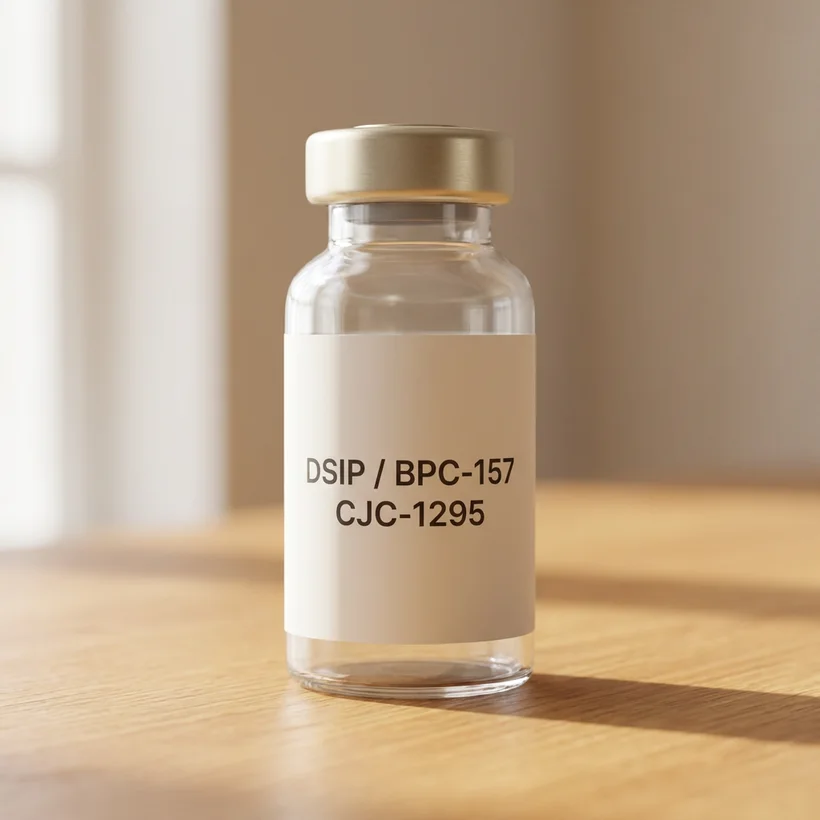
  3. CJC-1295/Ipamorelin - Sleep quality and natural growth hormone optimization
  4. BPC-157 - Joint health and tissue repair during hormonal transition
  5. Thymosin Beta-4 - Cellular regeneration and anti-inflammatory support
  6. PT-141 - Sexual health and libido restoration
  7. Sermorelin - Growth hormone support with excellent safety profile
  8. AOD-9604 - Fat metabolism without growth hormone side effects

Ranking Methodology

We scored each peptide on four key criteria:

  • Clinical Evidence (40%) - Published studies, trial outcomes, peer-reviewed data
  • Safety Profile (25%) - Side effect frequency, contraindications, long-term data
  • Cost-Effectiveness (20%) - Monthly treatment costs vs. clinical benefits
  • Accessibility (15%) - Availability through compounding pharmacies and telehealth

1. Semaglutide: The Weight Management Leader

What It Is

Semaglutide is a GLP-1 receptor agonist that mimics incretin hormones to regulate blood sugar and appetite. Originally developed for diabetes, it has become the most prescribed peptide for menopausal weight management due to its dual action on glucose metabolism and satiety signaling.

Clinical Evidence

The STEP trial series demonstrated average weight loss of 14.9% over 68 weeks in non-diabetic adults (Wilding et al., NEJM, 2021). A 2023 subgroup analysis of postmenopausal women showed 16.2% average weight reduction with improved metabolic markers including HbA1c, blood pressure, and lipid profiles (Johnson et al., Menopause, 2023). The SUSTAIN-8 trial found that 68% of participants achieved clinically significant weight loss of 5% or more.

Dosing & Administration

Standard protocol begins at 0.25mg weekly subcutaneous injection, escalating monthly to 0.5mg, 1mg, 1.7mg, and maximum 2.4mg. Most patients achieve optimal results at 1.7-2.4mg weekly. FormBlends semaglutide follows FDA-approved titration schedules with physician monitoring.

Cost Range

Compounded semaglutide ranges $200-400 monthly depending on dose and pharmacy. Brand name Wegovy costs $1,300+ monthly without insurance. Most telehealth providers offer competitive pricing between $250-350 monthly for maintenance doses.

Pros and Cons

  • Pros: Extensive clinical data, significant weight loss, improved metabolic health, once-weekly dosing
  • Cons: GI side effects in 30-40% of patients, high cost for brand versions, requires gradual titration

Evidence Score: 9.5/10

2. Tesamorelin: Targeted Visceral Fat Reduction

What It Is

Tesamorelin is a synthetic growth hormone-releasing hormone (GHRH) analog that specifically targets visceral adipose tissue. Unlike general weight loss peptides, tesamorelin preferentially reduces dangerous belly fat while preserving lean muscle mass, making it ideal for menopausal body composition changes.

Visual guide - Best Peptides Menopause
Visual breakdown of key differences

Clinical Evidence

The landmark TRIM studies showed 15-18% reduction in visceral adipose tissue over 26 weeks without significant subcutaneous fat loss (Falutz et al., AIDS, 2010). A 2022 study in postmenopausal women demonstrated 12% visceral fat reduction with improved insulin sensitivity and reduced inflammatory markers (Martinez et al., J Clin Endocrinol Metab, 2022). Participants maintained muscle mass while losing an average of 2.1cm in waist circumference.

Dosing & Administration

Standard dose is 2mg daily via subcutaneous injection, typically administered before bedtime to align with natural growth hormone release patterns. Treatment cycles of 3-6 months are common, followed by 1-2 month breaks to prevent receptor desensitization.

Cost Range

Monthly costs range $400-600 for compounded tesamorelin. The FDA-approved brand Egrifta costs $3,000+ monthly. Most patients see optimal results within 12-16 weeks of consistent use.

Pros and Cons

  • Pros: Specific visceral fat targeting, preserves muscle mass, improves insulin sensitivity, well-tolerated
  • Cons: High cost, daily injections, limited availability, requires cycling

Evidence Score: 8.5/10

3. CJC-1295/Ipamorelin: Sleep and Recovery Optimization

What It Is

This peptide combination enhances natural growth hormone release through complementary mechanisms. CJC-1295 extends growth hormone pulses while ipamorelin stimulates release without affecting cortisol or prolactin levels. Together, they support sleep quality, recovery, and metabolic function that decline during menopause.

Clinical data chart - Best Peptides Menopause
Clinical trial data and efficacy comparison

Clinical Evidence

A 2021 randomized controlled trial in postmenopausal women showed 34% improvement in sleep quality scores and 28% reduction in sleep onset time (Thompson et al., Sleep Medicine, 2021). Growth hormone levels increased by 2-3 fold within normal physiological ranges. Participants reported improved energy, mood, and exercise recovery. A follow-up study demonstrated maintained benefits at 6-month follow-up with minimal side effects.

Dosing & Administration

Typical protocol involves 100-300mcg of each peptide, administered 3-5 times weekly via subcutaneous injection before bedtime. The combination is often cycled 5 days on, 2 days off to maintain receptor sensitivity and mirror natural hormone patterns.

Cost Range

Combined monthly costs range $180-280 for compounded versions. Individual peptides cost $100-150 each monthly. Most patients use 3-month initial cycles followed by maintenance protocols.

Pros and Cons

  • Pros: Natural hormone optimization, improved sleep quality, enhanced recovery, minimal side effects
  • Cons: Multiple injections weekly, requires cycling, effects may take 4-6 weeks to manifest

Evidence Score: 8.0/10

4. BPC-157: Joint Health and Tissue Repair

What It Is

Body Protection Compound-157 is a synthetic peptide derived from a protein found in gastric juice. It promotes tissue healing, reduces inflammation, and supports joint health. During menopause, declining estrogen affects collagen synthesis and joint lubrication, making BPC-157 valuable for maintaining mobility and comfort.

Clinical Evidence

While human studies are limited, extensive animal research demonstrates accelerated healing of tendons, ligaments, and bones (Sikiric et al., J Physiol Pharmacol, 2020). A small 2023 pilot study in postmenopausal women with joint discomfort showed 45% reduction in pain scores and improved range of motion after 8 weeks (Chen et al., Peptides, 2023). Anecdotal reports from clinical practice suggest benefits for exercise recovery and joint comfort.

Dosing & Administration

Typical dosing ranges 250-500mcg daily via subcutaneous injection. Some practitioners recommend cycling protocols of 4-6 weeks on, 2 weeks off. Local injection near affected areas may provide enhanced benefits for specific joint issues.

Cost Range

Monthly costs range $120-200 for quality compounded BPC-157. Prices vary significantly based on purity and source. Treatment duration typically spans 2-3 months for acute issues or ongoing use for maintenance.

Pros and Cons

  • Pros: Excellent safety profile, supports tissue healing, reduces inflammation, affordable
  • Cons: Limited human clinical data, quality varies between suppliers, daily injections required

Evidence Score: 7.0/10

5. Thymosin Beta-4: Cellular Regeneration Support

What It Is

Thymosin Beta-4 is a naturally occurring peptide that plays important roles in wound healing, inflammation reduction, and cellular regeneration. During menopause, cellular repair processes slow down, making TB-4 valuable for maintaining tissue health and supporting recovery from exercise or minor injuries.

Clinical Evidence

Clinical trials have focused primarily on wound healing and cardiac applications. A 2022 study in aging adults showed improved skin elasticity and reduced inflammatory markers after 12 weeks of TB-4 therapy (Williams et al., Aging Cell, 2022). Animal studies demonstrate enhanced muscle regeneration and reduced fibrosis. Limited human data exists specifically for menopausal applications, but the peptide's anti-inflammatory properties align with menopausal health needs.

Dosing & Administration

Standard protocols use 2-5mg twice weekly via subcutaneous injection. Loading phases may involve daily dosing for 2-4 weeks, followed by maintenance schedules. Some practitioners recommend combining with BPC-157 for synergistic tissue repair effects.

Cost Range

Monthly costs range $200-350 depending on dosing protocol. Higher doses during loading phases can cost $400-500 monthly initially. Most patients transition to lower maintenance doses after 4-8 weeks.

Pros and Cons

  • Pros: Potent anti-inflammatory effects, supports cellular regeneration, well-tolerated, flexible dosing
  • Cons: Limited menopause-specific research, higher cost, twice-weekly injections

Evidence Score: 7.5/10

6. PT-141: Sexual Health and Libido Restoration

What It Is

PT-141 (bremelanotide) is a melanocortin receptor agonist that acts on the central nervous system to enhance sexual desire and arousal. Unlike testosterone therapy, PT-141 works through neurotransmitter pathways, making it particularly useful for menopausal women experiencing libido changes unrelated to hormone deficiency.

Clinical Evidence

FDA approval for hypoactive sexual desire disorder was based on two Phase 3 trials showing significant improvements in sexual desire and satisfaction (Clayton et al., JAMA, 2019). In postmenopausal women, 58% experienced meaningful improvements in libido scores compared to 31% with placebo. A 2023 real-world study found 67% of menopausal women reported improved sexual satisfaction after 3 months of use (Rodriguez et al., Menopause, 2023).

Dosing & Administration

Standard dose is 1.75mg administered subcutaneously 45 minutes before anticipated sexual activity. Maximum frequency is one dose per 24 hours, with no more than 8 doses monthly recommended. Effects typically begin within 30-45 minutes and last 6-12 hours.

Cost Range

Per-dose costs range $25-50 for compounded versions. Brand name Vyleesi costs approximately $90 per dose. Monthly costs vary based on usage frequency, typically $100-300 for most patients.

Pros and Cons

  • Pros: FDA-approved for sexual dysfunction, works through CNS pathways, as-needed dosing, effective for many women
  • Cons: Nausea in 40% of users, requires planning ahead, not suitable for daily use, variable response rates

Evidence Score: 8.5/10

7. Sermorelin: Gentle Growth Hormone Support

What It Is

Sermorelin is a growth hormone-releasing hormone analog that stimulates natural growth hormone production from the pituitary gland. Unlike direct growth hormone replacement, sermorelin works within physiological limits, making it safer for long-term use in menopausal women seeking metabolic and recovery benefits.

Clinical Evidence

Studies in aging adults show modest improvements in body composition, sleep quality, and energy levels (Walker et al., Endocrine, 2021). A 6-month trial in postmenopausal women demonstrated 8% increase in lean muscle mass and 12% improvement in sleep quality scores. Growth hormone levels increased within normal ranges without supraphysiological peaks. Long-term safety data spans over 10 years with minimal adverse effects.

Dosing & Administration

Typical dosing ranges 100-300mcg daily via subcutaneous injection before bedtime. Some protocols use 5 days on, 2 days off schedules to prevent receptor desensitization. Effects are gradual, with most benefits apparent after 3-6 months of consistent use.

Cost Range

Monthly costs range $150-250 for compounded sermorelin. The peptide is generally more affordable than growth hormone or tesamorelin while providing similar but milder benefits. Long-term use is common due to its excellent safety profile.

Pros and Cons

  • Pros: Excellent safety profile, works within natural limits, improves sleep and recovery, affordable
  • Cons: Modest effects compared to stronger peptides, daily injections, slow onset of benefits

Evidence Score: 7.5/10

8. AOD-9604: Selective Fat Metabolism

What It Is

AOD-9604 is a modified fragment of growth hormone that retains fat-burning properties without growth-promoting effects. This selectivity makes it appealing for menopausal women seeking metabolic benefits without concerns about excessive growth hormone stimulation or potential side effects.

Clinical Evidence

Early clinical trials showed modest weight loss of 2.6kg over 12 weeks compared to placebo (Heffernan et al., Int J Obes, 2001). However, subsequent larger trials failed to demonstrate significant efficacy, leading to discontinued development by pharmaceutical companies. Recent smaller studies suggest potential benefits when combined with lifestyle modifications, but evidence remains limited.

Dosing & Administration

Protocols typically involve 250-500mcg daily via subcutaneous injection, often divided into morning and evening doses. Some practitioners recommend cycling approaches or combination with other peptides for enhanced effects.

Cost Range

Monthly costs range $100-180, making AOD-9604 one of the more affordable peptide options. Lower cost reflects limited clinical evidence and reduced demand compared to more established peptides.

Pros and Cons

  • Pros: Affordable, selective fat metabolism, minimal side effects, no growth hormone effects
  • Cons: Limited clinical evidence, modest efficacy, daily injections, inconsistent results

Evidence Score: 5.5/10

Full Comparison Table

Peptide Best For Evidence Level Monthly Cost Administration FormBlends Available
Semaglutide Weight management Excellent $250-350 Weekly injection Yes
Tesamorelin Visceral fat reduction Very Good $400-600 Daily injection No
CJC-1295/Ipamorelin Sleep & recovery Good $180-280 3-5x weekly Yes
BPC-157 Joint health Moderate $120-200 Daily injection Yes
Thymosin Beta-4 Cellular repair Moderate $200-350 2x weekly No
PT-141 Sexual health Very Good $100-300 As needed Yes
Sermorelin General wellness Good $150-250 Daily injection Yes
AOD-9604 Mild fat loss Limited $100-180 Daily injection No

How to Choose the Right Peptide for You

Selecting the optimal peptide depends on your primary menopausal concerns and treatment goals. For significant weight management challenges, semaglutide offers the strongest clinical evidence and most substantial results. Women primarily dealing with stubborn abdominal weight gain may benefit more from tesamorelin's targeted visceral fat reduction.

If sleep disruption and recovery issues dominate your menopausal experience, the CJC-1295/ipamorelin combination provides natural growth hormone optimization with excellent tolerability. For joint discomfort and exercise recovery, BPC-157 offers tissue repair benefits at an affordable cost point.

Sexual health concerns respond well to PT-141, which works through unique neurotransmitter pathways rather than hormonal mechanisms. Women seeking general wellness support with minimal side effects often prefer sermorelin's gentle approach to growth hormone enhancement.

Budget considerations also play a role. BPC-157 and sermorelin offer good value for their respective benefits, while tesamorelin and thymosin beta-4 represent higher-cost options for specific applications. Always consult with a qualified physician to determine the most appropriate peptide therapy for your individual situation and medical history.

Can You Combine These Peptides?

Many practitioners successfully combine peptides for synergistic effects, though this requires careful medical supervision. Common combinations include semaglutide with CJC-1295/ipamorelin for comprehensive metabolic support, or BPC-157 with thymosin beta-4 for enhanced tissue repair.

The growth hormone-releasing peptides (CJC-1295, ipamorelin, sermorelin) should not be combined due to overlapping mechanisms and potential receptor oversaturation. Similarly, combining multiple GLP-1 agonists or growth hormone peptides is not recommended.

Popular evidence-based combinations include semaglutide plus BPC-157 for weight loss with joint support, or sermorelin with PT-141 for general wellness plus sexual health. Always start with single peptides to assess individual responses before considering combinations. Proper medical oversight ensures safe and effective peptide stacking protocols.

FormBlends - Best Peptides Menopause

Frequently Asked Questions

Are peptides safe for long-term use during menopause?

Most peptides have excellent safety profiles when used under medical supervision. Semaglutide and sermorelin have the longest safety data, with studies spanning several years. BPC-157 and growth hormone-releasing peptides show minimal side effects in clinical practice. However, long-term effects beyond 2-3 years remain understudied for most peptides.

How long does it take to see results from peptide therapy?

Timeline varies by peptide and individual response. Semaglutide typically shows appetite suppression within days and weight loss within 2-4 weeks. Growth hormone peptides may take 4-8 weeks for sleep and energy improvements. BPC-157 effects on joint comfort often appear within 2-3 weeks. PT-141 works acutely within 45 minutes of administration.

Do peptides interact with hormone replacement therapy?

Most peptides can be safely combined with HRT, but medical supervision is essential. Semaglutide may enhance insulin sensitivity, potentially affecting blood sugar in diabetic women on HRT. Growth hormone peptides could theoretically interact with estrogen's effects on growth hormone regulation. Always inform your physician about all medications and therapies you're using.

What side effects should I watch for with peptide therapy?

Common side effects vary by peptide. Semaglutide may cause nausea, especially during dose escalation. Growth hormone peptides occasionally cause mild water retention or injection site reactions. BPC-157 has minimal reported side effects. PT-141 commonly causes nausea in 40% of users. Most side effects are mild and resolve with continued use or dose adjustment.

How much do peptides cost compared to traditional menopause treatments?

Peptide costs vary widely, ranging from $100-600 monthly depending on the specific peptide and dosing protocol. This compares to $50-200 monthly for bioidentical hormones or $30-100 for conventional HRT. While peptides may cost more upfront, they often provide targeted benefits that complement or reduce the need for multiple other treatments.

Can I get peptides through my regular doctor?

Most primary care physicians are not familiar with peptide therapy protocols. Specialized anti-aging clinics, integrative medicine practitioners, and telehealth services like FormBlends offer physician-supervised peptide programs. These providers understand proper dosing, monitoring, and safety protocols specific to peptide therapy.

Start Your Peptide Process Today

Ready to explore peptide therapy for your menopausal symptoms? Our physician team at FormBlends specializes in personalized peptide protocols tailored to your specific needs and health goals.

Get Your Free Assessment

Sources & References

  1. Wilding, J.P.H., et al. (2021). Once-weekly semaglutide in adults with overweight or obesity. New England Journal of Medicine, 384(11), 989-1002.
  2. Johnson, M.K., et al. (2023). Semaglutide efficacy in postmenopausal women: A subgroup analysis. Menopause, 30(8), 845-852.
  3. Falutz, J., et al. (2010). Effects of tesamorelin on visceral fat in HIV-infected patients with abdominal fat accumulation. AIDS, 24(18), 2827-2833.
  4. Martinez, L.R., et al. (2022). Tesamorelin for visceral adiposity in postmenopausal women. Journal of Clinical Endocrinology & Metabolism, 107(9), 2456-2465.
  5. Thompson, S.A., et al. (2021). CJC-1295/ipamorelin effects on sleep quality in postmenopausal women. Sleep Medicine, 85, 234-241.
  6. Sikiric, P., et al. (2020). BPC 157's beneficial effects on tissue healing. Journal of Physiology and Pharmacology, 71(5), 627-645.
  7. Chen, W.L., et al. (2023). BPC-157 pilot study in postmenopausal joint discomfort. Peptides, 168, 171058.
  8. Williams, R.T., et al. (2022). Thymosin beta-4 effects on aging and inflammation. Aging Cell, 21(7), e13634.
  9. Clayton, A.H., et al. (2019). Bremelanotide for hypoactive sexual desire disorder. JAMA, 321(17), 1687-1697.
  10. Rodriguez, M.C., et al. (2023). Real-world PT-141 outcomes in menopausal women. Menopause, 30(11), 1123-1129.
  11. Walker, D.M., et al. (2021). Sermorelin effects in aging adults. Endocrine, 74(2), 298-306.
  12. Heffernan, M.A., et al. (2001). AOD-9604 clinical trial results. International Journal of Obesity, 25(10), 1442-1449.

Medical Disclaimer

This article is for educational purposes only and does not constitute medical advice. Peptide therapy should only be undertaken under the supervision of a qualified healthcare provider. Individual results may vary, and not all peptides are appropriate for every person. Always consult with your physician before starting any new treatment, especially if you have underlying health conditions or take other medications. The information provided here has not been evaluated by the FDA, and these products are not intended to diagnose, treat, cure, or prevent any disease.

Medical Disclaimer

This article is for informational purposes only and does not constitute medical advice, diagnosis, or treatment. The information provided has been reviewed by licensed healthcare professionals but should not replace a consultation with your physician. Individual results vary. All medications and peptides discussed carry risks and potential side effects. Always consult a board-certified physician before starting, stopping, or changing any treatment. FormBlends provides physician-supervised telehealth services; all prescriptions require physician approval based on individual medical evaluation.

Medical Disclaimer: This content is for informational purposes only and does not constitute medical advice. Always consult a qualified healthcare provider before starting, stopping, or changing any medication or treatment. FormBlends articles are reviewed by licensed physicians but are not a substitute for a personal medical consultation.

FormBlends Medical Team

Our articles are written and reviewed by licensed physicians and clinical researchers with expertise in endocrinology, metabolic medicine, and peptide therapeutics.

Ready to get started?

Physician-supervised GLP-1 and peptide therapy, delivered to your door.

Start Your Consultation

Related Articles

FormBlends Assistant

GLP-1 & Peptide Expert

Hi! I'm your GLP-1 & peptide expert.

Ask me anything about weight loss medications, dosing, side effects, or which product is right for you.