Joint pain affects millions of people, and BPC-157 joint pain dosing is one of the most common reasons people explore peptide therapy. Whether your pain comes from an old injury, arthritis, overuse, or aging, BPC-157 may support your body's natural healing processes through multiple mechanisms.
Joint pain affects millions of people, and BPC-157 joint pain dosing is one of the most common reasons people explore peptide therapy. Whether your pain comes from an old injury, arthritis, overuse, or aging, BPC-157 may support your body's natural healing processes through multiple mechanisms.
Key Takeaways:
- Learn how bpc-157 works for joint pain
- Joint-Specific Protocols
- Maximizing Results
This guide covers joint-specific protocols for the knee, shoulder, and hip, along with dosing guidelines and what the research actually supports.
How BPC-157 Works for Joint Pain
Joint pain typically involves multiple tissue types: cartilage, tendons, ligaments, synovial membrane, and sometimes bone. BPC-157 appears to support healing across several of these structures.
Angiogenesis support. BPC-157 promotes the formation of new blood vessels at the site of injury. Joints often have poor blood supply, which is one reason they heal slowly. Increased blood flow brings nutrients and growth factors needed for repair.
Anti-inflammatory effects. Preclinical research, primarily in animal models, indicates that BPC-157 modulates inflammatory pathways. Chronic joint pain is often driven by ongoing low-grade inflammation. Reducing this inflammation can decrease pain and allow the body to shift from a damage cycle to a repair cycle.
"The key to successful GLP-1 therapy is setting realistic expectations and supporting patients through the titration phase. The side effects are manageable for most people, but they need to know what to expect.") Dr. Caroline Apovian, MD, Harvard Medical School
Tendon and ligament repair. Many joint pain cases involve tendon or ligament damage. BPC-157 has shown particular effectiveness for tendon healing in research, accelerating the remodeling process and improving tensile strength of healing tendons.
Collagen synthesis. Collagen is the primary structural protein in joint tissues. BPC-157 appears to enhance collagen production, which is important for rebuilding damaged cartilage, tendons, and ligaments.
Nerve protection. Some joint pain involves nerve compression or irritation. Preclinical research, primarily in animal models, indicates that BPC-157 may have neuroprotective properties that could help with nerve-related joint pain.
For a full overview of all BPC-157 mechanisms, see our .
Joint-Specific Protocols
Patient Perspective:"I tried BPC-157 for a chronic rotator cuff issue after 8 months of physical therapy with minimal improvement. Within 3 weeks of a BPC-157 protocol alongside continued PT, I noticed significantly less pain during overhead movements. I can't say for certain what caused the improvement, but the timeline was notable.", Chris D., 38, FormBlends patient (name changed for privacy)
Popular Therapeutic Peptides by Use Case. Based on published peptide research literature.
View data table
Bar chart showing popular therapeutic peptides by use case: BPC-157 (88), TB-500 (82), Sermorelin (78), Ipamorelin (75), GHK-Cu (70)
Category
Clinical Interest Score
Detail
BPC-157
88
Tissue repair and gut healing
TB-500
82
Injury recovery
Sermorelin
78
Growth hormone support
Ipamorelin
75
Anti-aging and recovery
GHK-Cu
70
Skin and tissue repair
Free Download: BPC-157 Reconstitution calculator Cheat Sheet
Includes joint-specific injection diagrams and dosing charts. Get yours free (we'll email it to you instantly.
[Download My Free Cheat Sheet]
Knee protocol. Knee pain is the most common reason people try BPC-157. Whether it's patellar tendinopathy, meniscus issues, or general knee osteoarthritis, the approach is similar. Inject 250-500 mcg subcutaneously near the knee, targeting the area of most pain. Common injection sites include the medial (inner) or lateral (outer) knee, just above or below the joint line. Inject twice daily for 4-6 weeks. Avoid injecting directly over the kneecap.
Shoulder protocol. Rotator cuff issues, impingement, and frozen shoulder are common targets. Inject 250-500 mcg subcutaneously into the front or side of the shoulder, near the deltoid. For rotator cuff issues, target the area of tenderness. Twice daily for 4-6 weeks. Combine with gentle mobility exercises as pain allows.
Hip protocol. Hip pain from bursitis, labral issues, or osteoarthritis can be addressed with subcutaneous injection near the hip joint. Inject into the lateral hip fat pad, near the area of pain. Standard dosing of 250-500 mcg twice daily for 4-6 weeks.
Elbow protocol. Tennis elbow and golfer's elbow respond well to BPC-157. Inject near the affected epicondyle (outer elbow for tennis elbow, inner for golfer's elbow). Same dosing: 250-500 mcg twice daily for 4-6 weeks.
Wrist and hand protocol. For carpal tunnel-related joint pain or de Quervain's tenosynovitis, inject subcutaneously near the affected area. The wrist has less subcutaneous fat, so use a shorter needle and a shallower angle.
Use the to get your dosing math right.
Maximizing Results
BPC-157 works best as part of a complete approach to joint healing.
From the FormBlends catalog
BPC-157
The body protection compound for accelerated healing · From $169/mo · compounded by a licensed 503A pharmacy, dispensed only after provider review.
Combine with physical therapy. BPC-157 promotes tissue repair, but you still need to guide that repair with appropriate movement and loading. Gentle range-of-motion exercises during the first 1-2 weeks, progressing to strengthening exercises as pain allows, gives the healing tissue the right signals.
Consider the Wolverine stack. Adding TB-500 to your BPC-157 protocol provides systemic anti-inflammatory support alongside BPC-157's local repair effects. Learn more in our .
Support with nutrition. Adequate protein (especially collagen-rich foods or supplements), vitamin C, and omega-3 fatty acids support joint healing. Aim for at least 0.7 grams of protein per pound of body weight daily.
Stay hydrated. Joint cartilage is about 80% water. Dehydration reduces cartilage resilience and can worsen joint pain. Aim for at least 64 ounces of water daily.
Track your progress. Rate your pain on a 1-10 scale daily and note range of motion changes. The makes tracking easy and helps your provider adjust your protocol based on real data.
Be patient. Joint tissue heals slowly compared to muscle. Some people notice improvement within 1-2 weeks, but full protocol benefits typically emerge over 4-6 weeks. Chronic conditions may require 2-3 cycles.
Frequently Asked Questions
How long does BPC-157 take to work for joint pain?
Many people report reduced pain within 1-2 weeks. Significant structural improvements take longer, typically 4-6 weeks. Chronic joint conditions that have been present for years may require multiple cycles. The key is consistency with dosing and patience with the process.
Can BPC-157 help with arthritis?
Research in animal models shows BPC-157 may reduce inflammation and support joint tissue repair in arthritis-like conditions. It isn't a cure for arthritis, but it may help manage pain and slow tissue degradation. Discuss with your provider whether it's appropriate for your type of arthritis.
Should I inject directly into the joint?
No. BPC-157 is administered subcutaneously (under the skin), not intra-articularly (into the joint space). Subcutaneous injection near the joint is sufficient. Intra-articular injections require specific training and carry higher infection risk.
Can I exercise while on a BPC-157 joint protocol?
Yes, but modify your activity based on pain levels. Low-impact activities like swimming, cycling, and gentle yoga are usually well-tolerated. Avoid high-impact activities or movements that reproduce sharp pain. As healing progresses, gradually increase your activity level under provider guidance.
Is BPC-157 better than cortisone injections for joint pain?
These are different tools. Cortisone provides powerful short-term anti-inflammatory relief but doesn't promote healing and can weaken tendons with repeated use. BPC-157 aims to support actual tissue repair. Some providers use them in sequence: cortisone for acute relief, followed by BPC-157 for healing support. Discuss your options with your provider.
Start your weight loss Today
Every transformation starts with a single step. Talk to a licensed FormBlends provider about whether this approach is right for you) consultations are free and confidential.
Looking for a complete ranking? See our guide to the best peptides for healing injuries, tendons, joints, and gut tissue.
Chang CH, Tsai WC, Lin MS, et al. The promoting effect of pentadecapeptide BPC 157 on tendon healing involves tendon outgrowth, cell survival, and cell migration. J Appl Physiol. 2011;110(3):774-780. Doi:10.1152/japplphysiol.00945.2010
Seiwerth S, Brcic L, Vuletic LB, et al. BPC 157 and blood vessels. Curr Pharm Des. 2014;20(7):1121-1125. Doi:10.2174/13816128113199990421
This article is for educational purposes only and doesn't constitute medical advice. Always consult with a licensed healthcare provider before starting, changing, or stopping any medication or supplement. FormBlends connects you with licensed providers who can evaluate your individual health needs.
Last updated: 2026-03-24
Ready when you are
BPC-157
The body protection compound for accelerated healing · From $169/mo · compounded by a licensed 503A pharmacy, dispensed only after provider review.
FormBlends does not claim an individual clinician byline unless a named reviewer is available. For this page, the editorial team checks medical and regulatory claims against primary sources, clinical trials, public datasets, and regulator guidance.
For Bpc 157 For Joint Pain, FormBlends checks the page topic against primary trials, systematic reviews, guidelines, and current PubMed-indexed literature where available. These citations are context, not medical advice, proof of eligibility, or a claim that every study applies to every patient.
Bpc 157 For Joint Pain should be evaluated through research status, legal access, source quality, safety context, and clinician oversight rather than a shortcut purchase decision.
Joint pain affects millions of people, and BPC-157 joint pain dosing is one of the most common reasons people explore peptide therapy. Before you use "Bpc 157 For Joint Pain" to make a real decision, separate the headline answer from the details that could change it. The page connects patient education and clinical context with BPC-157, dosing, inside a peptide therapy guide where research status, sourcing, compounding quality, dosing, and clinician oversight all need extra scrutiny. Because this article has 6 major sections, scan the headings first and then use the FAQ or summary sections to pressure-test the answer. Bring anything that changes dosing, pharmacy choice, cost, or safety to a licensed clinician.
Confirm whether the page is discussing an FDA-approved use, a compounded option, or research-only context.
Ask a licensed clinician how the evidence applies to your health history, medications, labs, and side-effect risk.
Check the latest label, trial update, pharmacy policy, or state rule when the article touches medication access.
Original tools and data
Use the FormBlends research stack
These assets are built to be useful beyond a single article: shareable data pages, calculators, provider comparisons, and safety checks that give Google and readers something original to crawl.
Bpc 157 For Joint Pain now carries extra 2026 context around BPC-157, safety signals, bpc, 157, joint, pain, because those are the subtopics readers tend to compare before they trust a medical or wellness recommendation.
Instead of adding filler, this page keeps the named treatment terms, practical verification points, and next-step questions close to bpc 157 for joint pain.
Readers should use the section to check current eligibility, pharmacy or provider policies, and safety questions with a licensed professional before acting.
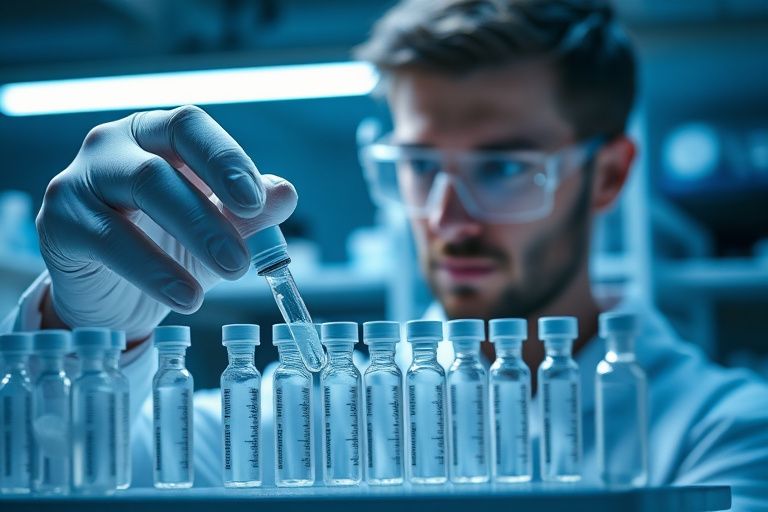
Custom 2026 image for Bpc 157 For Joint Pain, peptide therapy, and better treatment decision-making.
Image description: Unique image for this page covering Bpc 157 For Joint Pain, peptide therapy, safety, cost, provider selection, and patient decision-making.
Download the Peptide Quick Reference Card
A printable 2-page reference covering popular peptides, dosing ranges, stacking protocols, and storage.
Free download. We'll also send helpful GLP-1 guides to your inbox. Unsubscribe anytime.
Medical Disclaimer: This content is for informational purposes only and does not constitute medical advice. Always consult a qualified healthcare provider before starting, stopping, or changing any medication or treatment. FormBlends articles are source-checked against medical and regulatory references, but they are not a substitute for a personal medical consultation.
Written by FormBlends Editorial Research
Prepared by FormBlends Editorial Research. Claims are checked against primary regulatory, trial, label, and public-health sources where available. Reviewed against primary medical, regulatory, and trial sources for accuracy, sourcing, and patient-safety framing.
Ready to get started?
Provider-reviewed GLP-1 and peptide therapy, delivered to your door.