Key Takeaway
One of the most common misconceptions in health and fitness is that peptides and steroids are the same thing. They aren't. The peptides vs steroids differences are fundamental, spanning their chemical structure, mechanism of action, side effect profile, and legal status.
One of the most common misconceptions in health and fitness is that peptides and steroids are the same thing. They aren't. The peptides vs steroids differences are fundamental, spanning their chemical structure, mechanism of action, side effect profile, and legal status. Understanding these differences helps you make informed decisions about your health.
Key Takeaways: - Understand what are peptides vs what are steroids - Mechanism of Action: Signals vs Hormones - Safety Profiles: A Stark Contrast - Legal and Medical Status
If someone has told you that peptides are just a fancy name for steroids, they're wrong. Here is the science behind why these are completely different categories of compounds.
What Are Peptides vs What Are Steroids?
Peptides are short chains of amino acids, typically between 2 and 50 amino acids long. They're importantly small proteins. Your body produces thousands of peptides naturally. Insulin, oxytocin, and growth hormone-releasing hormones are all peptides. Therapeutic peptides are synthetic versions of these natural molecules.
Steroids are a completely different class of molecules. Anabolic steroids are synthetic derivatives of testosterone, a cholesterol-based hormone. Their chemical structure consists of four carbon rings, which is fundamentally different from the amino acid chains that make up peptides.
"Compounding pharmacies serve a critical role in healthcare, but patients need to understand the difference between a properly regulated 503B facility and an unregulated operation. Ask about PCAB accreditation and third-party testing.") Dr. Scott Brunner, PharmD, Alliance for Pharmacy Compounding
This structural difference isn't just academic. It determines how each compound interacts with your body, what effects it produces, and what risks it carries.
Peptides work by binding to specific receptors and triggering natural biological cascades. They nudge your body's own systems to function better. Growth hormone peptides, for example, signal your pituitary gland to produce more of your own growth hormone.
Steroids work by directly flooding your body with hormones. Anabolic steroids provide synthetic testosterone that binds to androgen receptors throughout your body. This creates powerful effects but also broad, systemic changes that come with significant side effects.
Mechanism of Action: Signals vs Hormones
The most important difference is how peptides and steroids achieve their effects. Peptides are messengers. Steroids are the message itself.
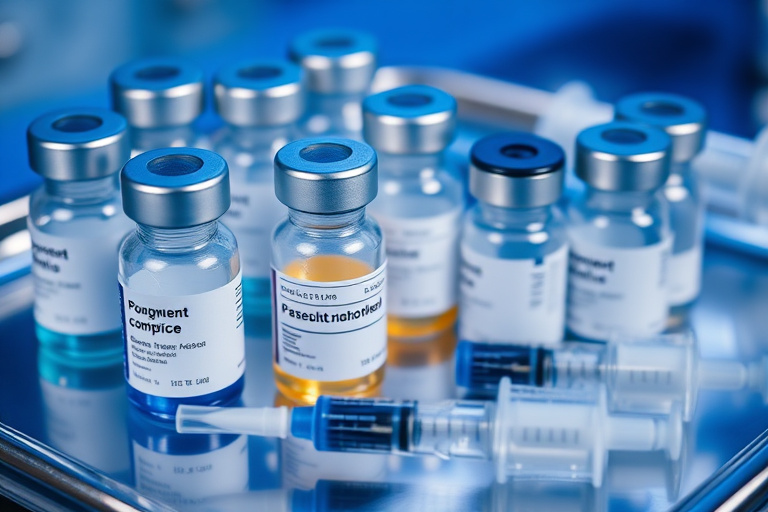
When you use a growth hormone peptide like CJC-1295 or Ipamorelin, you're sending a signal to your pituitary gland. That signal says, "produce more growth hormone." Your pituitary responds by releasing its own growth hormone in natural pulses. The amount is regulated by your body's feedback systems.
Free Download: Protocol Planner Understand your treatment options with our free protocol planner. Includes comparison guides, dosing logs, and progress tracking. Get yours free (we will email it to you instantly. [Email Input] [Download Button]
When you use anabolic steroids, you bypass your body's regulatory systems entirely. You're injecting synthetic hormones directly. Your body detects the excess hormones and may shut down its own production in response. This is why steroid users often experience testicular atrophy, hormonal crashes, and need post-cycle therapy.
Is another good example of the peptide approach. It doesn't directly build tissue. Instead, it signals your body to increase blood vessel growth, reduce inflammation, and accelerate its natural healing processes.
This signaling approach is why peptides generally have fewer side effects. They work within your body's existing regulatory framework rather than overriding it.
Safety Profiles: A Stark Contrast
The safety profiles of peptides and steroids are dramatically different. Anabolic steroids carry well-documented risks including liver damage, cardiovascular disease, hormonal disruption, mood changes, and skin problems like acne and hair loss.
Check your GLP-1 eligibility
Use our free BMI Calculator to see if you may qualify for provider-reviewed GLP-1 therapy.
Try the BMI Calculator →Steroid use can suppress your hypothalamic-pituitary-gonadal axis, leading to reduced natural testosterone production. For men, this can cause infertility, testicular atrophy, and gynecomastia. For women, steroids can cause virilization including voice deepening, facial hair growth, and menstrual disruption.
Peptides have far milder side effect profiles. Common peptide side effects include injection site reactions, mild nausea, and temporary fatigue. These are typically mild and resolve quickly. can cause gastrointestinal side effects, but these are manageable and well-characterized.
Peptides don't suppress your natural hormone production the way steroids do. Growth hormone peptides stimulate your own production rather than replacing it. This means you don't need post-cycle therapy, and your body's systems remain intact.
But peptides aren't risk-free. Any substance that affects your biology can produce unwanted effects. Always use peptides under the guidance of a with proper monitoring and dosing.
Legal and Medical Status
In the United States, anabolic steroids are classified as Schedule III controlled substances. Possessing them without a prescription is a federal crime. They're prescribed legitimately for specific medical conditions like hypogonadism, but recreational or performance use is illegal.
Most therapeutic peptides aren't controlled substances. They're available through licensed compounding pharmacies with a provider's prescription. This legal pathway ensures you receive pharmaceutical-grade products with proper oversight.
It's important to use peptides through legitimate medical channels. Research-grade peptides sold online without prescriptions aren't regulated for human use. They may be contaminated, underdosed, or mislabeled. Stick with for safe, quality-assured peptides.
Some peptides exist in regulatory gray areas. Always verify the current legal status of any peptide with your provider before starting therapy.
Frequently Asked Questions
Do peptides build muscle like steroids?
Peptides don't build muscle the way anabolic steroids do. Growth hormone peptides may support body composition improvements and recovery, but the muscle-building effect is much more modest than steroids. Peptides work with your natural physiology rather than overriding it.
Are peptides safer than steroids?
Generally, yes. Peptides have milder side effect profiles and don't cause the hormonal disruption, liver damage, or cardiovascular risks associated with anabolic steroids. But safety depends on proper use under medical supervision.
Can peptides fail a drug test?
Some peptides, particularly growth hormone peptides, can be detected by advanced anti-doping tests. If you compete in tested sports, discuss any peptide use with your sports organization. and healing peptides like are typically not tested for in standard drug panels.
Do peptides require post-cycle therapy?
No. Unlike steroids, peptides don't suppress your natural hormone production in ways that require post-cycle therapy. Some peptides benefit from cycling with on and off periods, but this is for maintaining receptor sensitivity, not hormonal recovery.
Can my doctor prescribe peptides?
Yes. Licensed providers can prescribe peptides that are prepared by licensed US-based 503A compounding pharmacies. A can evaluate whether peptide therapy is appropriate for your health goals.
Start your results Today
Every transformation starts with a single step. Talk to a licensed FormBlends provider about whether this approach is right for you) consultations are free and confidential.
Sources &. References
- Pickart L, Vasquez-Soltero JM, Margolina A. GHK Peptide as a Natural Modulator of Multiple Cellular Pathways in Skin Regeneration. BioMed Res Int. 2015;2015:648108. Doi:10.1155/2015/648108
- Pickart L, Vasquez-Soltero JM, Margolina A. GHK and DNA: Resetting the Human Genome to Health. BioMed Res Int. 2014;2014:151479. Doi:10.1155/2014/151479
- Sikiric P, Hahm KB, Blagaic AB, et al. Stable Gastric Pentadecapeptide BPC 157, Robert's Cytoprotection, Adaptive Cytoprotection, and Therapeutic Effects. Curr Pharm Des. 2018;24(18):1990-2001. Doi:10.2174/1381612824666180515125918
- Chang CH, Tsai WC, Lin MS, et al. The promoting effect of pentadecapeptide BPC 157 on tendon healing involves tendon outgrowth, cell survival, and cell migration. J Appl Physiol. 2011;110(3):774-780. Doi:10.1152/japplphysiol.00945.2010
- Seiwerth S, Brcic L, Vuletic LB, et al. BPC 157 and blood vessels. Curr Pharm Des. 2014;20(7):1121-1125. Doi:10.2174/13816128113199990421
- Bock-Marquette I, Saxena A, White MD, et al. Thymosin beta4 activates integrin-linked kinase and promotes cardiac cell migration, survival and cardiac repair. Nature. 2004;432(7016):466-472. Doi:10.1038/nature03000
- Malinda KM, Sidhu GS, Mani H, et al. Thymosin beta4 accelerates wound healing. J Invest Dermatol. 1999;113(3):364-368. Doi:10.1046/j.1523-1747.1999.00708.x
The information in this article is intended for educational use only and shouldn't be considered medical advice. Consult a qualified healthcare provider before making any changes to your medication or supplement regimen. FormBlends helps with connections with licensed providers for personalized medical guidance.
Last updated: 2026-03-24
See your options in about 2 minutes
Take the free quiz and see what fits you. Quick, private, and no commitment to continue.
See my options →