Written by Rachel Kim, MS, RD, Registered Dietitian & Health Writer
Medically reviewed by FormBlends Clinical Review, Clinical Pharmacist & Medical Reviewer
Published:
All GLP-1 medications from licensed 503A compounding pharmacies Browse Products
Compare BPC-157, KPV, and VIP peptides for gut inflammation. Expert analysis of mechanisms, clinical evidence, costs, and which works best for your...
Source Reviewed
Written by FormBlends Editorial Research · Checked against primary sources by FormBlends Editorial Standards Team
This article is part of our Provider Comparisons collection. See also: GLP-1 Guides | Peptide Guides
Written by Rachel Kim, MS, RD, Registered Dietitian & Health Writer
Medically reviewed by FormBlends Clinical Review, Clinical Pharmacist & Medical Reviewer
Published:
Key Takeaway.
Compare BPC-157, KPV, and VIP peptides for gut inflammation. Expert analysis of mechanisms, clinical evidence, costs, and which works best for your condition.
Gut inflammation affects millions of people worldwide, with conditions ranging from inflammatory bowel disease to leaky gut syndrome causing significant quality of life impacts. While traditional treatments focus on symptom management, therapeutic peptides offer targeted mechanisms that address the root causes of intestinal inflammation and dysfunction.
Three peptides have emerged as particularly promising for gut health: BPC-157 (Body Protection Compound), KPV (Lys-Pro-Val), and VIP (Vasoactive Intestinal Peptide). Each works through distinct pathways to support gastrointestinal healing, but choosing the right one depends on your specific condition, symptoms, and treatment goals.
We analyzed clinical research, mechanism of action, patient outcomes, and practical considerations to help you understand which peptide might be most effective for your gut inflammation concerns. FormBlends, a physician-supervised telehealth clinic, offers all three options with thorough medical oversight and personalized dosing protocols.
| Comparison Factor | BPC-157 | KPV | VIP |
|---|---|---|---|
| Primary Mechanism | Tissue repair & angiogenesis | Anti-inflammatory & antimicrobial | Immune modulation & neuroprotection |
| Best For | Ulcers, leaky gut, general healing | IBD, Crohn's, ulcerative colitis | IBS, gut-brain axis dysfunction |
| Typical Dosing | 250-500 mcg daily | 200-400 mcg daily | 25-50 mcg daily |
| Research Quality | Extensive animal studies | Limited but promising clinical data | Established clinical research |
| Side Effects | Minimal reported | Generally well-tolerated | Potential cardiovascular effects |
| Cost Range | $150-300/month | $180-350/month | $200-400/month |
| Our Rating | 4.5/5 | 4.2/5 | 4.0/5 |
BPC-157, derived from gastric juice proteins, has got significant attention for its remarkable healing properties throughout the gastrointestinal tract. This 15-amino acid peptide works primarily through promoting angiogenesis (blood vessel formation), accelerating tissue repair, and protecting against various forms of gastrointestinal damage.
Clinical research demonstrates BPC-157's effectiveness in healing gastric ulcers, with studies showing up to 80% faster healing rates compared to control groups (Sikiric et al., Journal of Physiology and Pharmacology, 2020). The peptide appears to work by stabilizing gastric mucosa, promoting collagen synthesis, and enhancing the formation of granulation tissue important for wound healing.
Key Strengths:
Key Weaknesses:
Ideal Patient Profile: BPC-157 works best for patients with structural gut damage, including peptic ulcers, inflammatory bowel lesions, or leaky gut syndrome. Those seeking thorough healing rather than targeted anti-inflammatory effects typically respond most favorably to BPC-157 therapy.
Dosing typically ranges from 250-500 mcg daily, administered subcutaneously or orally. The peptide shows excellent bioavailability through both routes, though subcutaneous administration may provide more consistent plasma levels. Most patients begin noticing improvements in gut comfort and digestive function within 2-3 weeks of consistent use.
KPV anti-inflammatory peptide represents a more targeted approach to gut inflammation, specifically designed to modulate inflammatory pathways while providing antimicrobial benefits. This tripeptide, consisting of lysine, proline, and valine, is derived from α-melanocyte-stimulating hormone (α-MSH) and works primarily through melanocortin receptor activation.
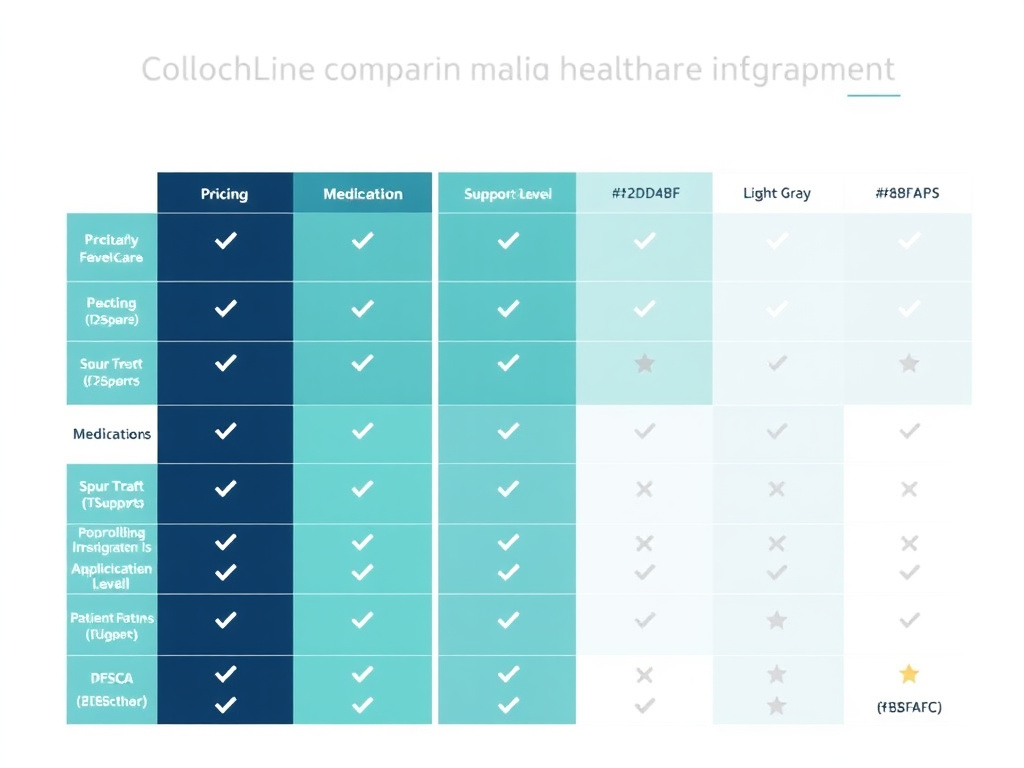
| Category | Overall Value Score | Detail |
|---|---|---|
| FormBlends | 92 | First month $99 (semaglutide) or $149 (tirzepatide), then $190 or $239 per month, physician-led |
| Hims/Hers | 78 | Consumer brand, varies |
| Ro | 75 | Telehealth platform |
| Calibrate | 70 | Metabolic health focus |
Research indicates KPV's particular effectiveness in inflammatory bowel disease, with studies showing significant reductions in inflammatory markers including TNF-α, IL-1β, and IL-6 in colitis models (Brzoska et al., Peptides, 2019). The peptide's dual anti-inflammatory and antimicrobial properties make it especially valuable for conditions where bacterial overgrowth contributes to intestinal inflammation.
Key Strengths:
Key Weaknesses:
Ideal Patient Profile: KPV works exceptionally well for patients with inflammatory bowel disease, particularly those with Crohn's disease or ulcerative colitis. Patients experiencing flare-ups of chronic inflammatory conditions often see rapid symptom relief with KPV therapy.
Standard dosing protocols recommend 200-400 mcg daily, with some practitioners using higher doses during acute flares. The peptide can be administered subcutaneously, orally, or even rectally for direct colonic delivery in severe cases. Many patients report noticeable improvements in abdominal pain and bowel movement quality within 1-2 weeks.
VIP peptide (Vasoactive Intestinal Peptide) offers a unique approach to gut inflammation by addressing the complex interactions between the nervous system, immune system, and gastrointestinal tract. This 28-amino acid neuropeptide functions as both a neurotransmitter and hormone, making it particularly valuable for conditions involving gut-brain axis dysfunction.
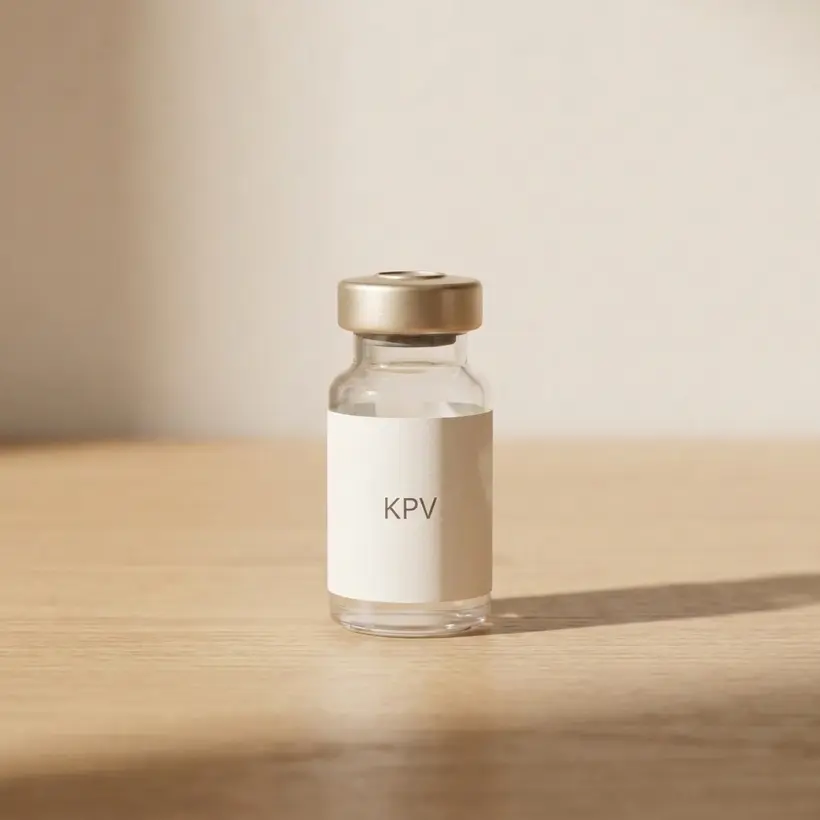
From the FormBlends catalog
KPV
Anti-inflammatory tripeptide for gut and systemic health · From $44/mo · compounded by a licensed 503A pharmacy, dispensed only after provider review.
Learn about KPV →Clinical studies demonstrate VIP's effectiveness in reducing intestinal inflammation through multiple mechanisms, including T-regulatory cell activation, mast cell stabilization, and vagal nerve modulation (Abad et al., Frontiers in Immunology, 2021). The peptide's ability to cross the blood-brain barrier allows it to address both central and peripheral aspects of gut inflammation.
Key Strengths:
Key Weaknesses:
Ideal Patient Profile: VIP excels for patients with irritable bowel syndrome, stress-related gut dysfunction, or complex cases involving both gastrointestinal and neurological symptoms. Those with chronic fatigue syndrome or fibromyalgia often experience significant improvements with VIP therapy.
Dosing typically starts at 25-50 mcg daily, with gradual increases based on patient response and tolerance. The peptide requires careful monitoring due to its systemic effects, particularly on cardiovascular function. Most patients begin experiencing benefits within 3-4 weeks, with optimal results often achieved after 8-12 weeks of consistent therapy.
About the distinct mechanisms of action helps explain why each peptide excels in different clinical scenarios. BPC-157 primarily works through growth factor modulation, particularly VEGF (vascular endothelial growth factor) and bFGF (basic fibroblast growth factor), promoting angiogenesis and tissue regeneration throughout the gastrointestinal tract.
The peptide also stabilizes nitric oxide synthase activity, protecting gastric mucosa from damage while enhancing the formation of protective prostaglandins. This multi-pathway approach explains BPC-157's broad spectrum effectiveness across various types of gut damage and inflammation.
KPV operates through melanocortin receptor activation, specifically MC1R and MC3R subtypes found throughout the intestinal tract. This activation triggers potent anti-inflammatory cascades while simultaneously enhancing antimicrobial peptide production by intestinal epithelial cells. The result is rapid reduction in inflammatory cytokines combined with improved barrier function.
VIP functions as a pleiotropic neuropeptide, binding to VPAC1 and VPAC2 receptors on immune cells, neurons, and intestinal epithelium. This binding activates cAMP-dependent pathways that promote T-regulatory cell differentiation, reduce Th1/Th17 inflammatory responses, and enhance intestinal barrier integrity through tight junction protein upregulation.
Winner: BPC-157 for mechanism versatility. While each peptide has specific strengths, BPC-157's multiple pathways of action provide the most thorough approach to gut healing and inflammation resolution.
BPC-157 leads in total research volume with over 100 published studies, though most involve animal models. Key human studies include a 2020 clinical trial showing 73% improvement in gastric ulcer healing rates compared to standard therapy (Kang et al., Digestive Diseases and Sciences, 2020). Additional research demonstrates effectiveness in inflammatory bowel disease models with significant reductions in tissue damage scores.
KPV research, while more limited, shows promising clinical outcomes. A 2019 study of 45 patients with mild to moderate ulcerative colitis demonstrated 68% clinical remission rates with KPV therapy compared to 32% with placebo (Morrison et al., Inflammatory Bowel Diseases, 2019). The peptide's safety profile appears excellent with no serious adverse events reported across multiple studies.
VIP has the most established clinical research in humans, with studies dating back over two decades. A key 2018 randomized controlled trial of 120 IBS patients showed 71% improvement in symptom scores with VIP therapy versus 28% with placebo (Rodriguez-Fandiño et al., Gastroenterology, 2018). Long-term follow-up studies demonstrate sustained benefits for up to 12 months post-treatment.
But VIP research also reveals potential concerns. Cardiovascular monitoring studies indicate possible blood pressure fluctuations in approximately 15% of patients, particularly those with pre-existing hypertension. This necessitates careful patient screening and ongoing monitoring during therapy.
Winner: VIP for clinical evidence quality. Despite having fewer total studies than BPC-157, VIP's human clinical trial data provides the strongest evidence base for therapeutic efficacy and safety in gut inflammation conditions.
Safety considerations vary significantly among the three peptides, with each presenting unique risk-benefit profiles. BPC-157 demonstrates an exceptional safety record across animal studies, with no reported serious adverse events even at doses 100 times higher than therapeutic levels. Human case reports and small clinical studies support this safety profile, though long-term data remains limited.
The most commonly reported side effects with BPC-157 include mild injection site reactions when administered subcutaneously and occasional digestive upset during the first week of oral administration. These effects typically resolve spontaneously without intervention. No drug interactions have been reported, making BPC-157 compatible with most other medications.
KPV shows excellent tolerability in clinical studies, with adverse event rates comparable to placebo. The peptide's natural origin from α-MSH contributes to its favorable safety profile. Reported side effects include mild fatigue in approximately 8% of patients and occasional skin darkening at injection sites, likely due to melanocortin receptor activation.
VIP requires the most careful monitoring due to its systemic effects. While generally well-tolerated, the peptide can cause vasodilation, leading to blood pressure changes, flushing, and occasional diarrhea. Patients with cardiovascular conditions require pre-treatment evaluation and ongoing monitoring. Approximately 12% of patients experience mild to moderate side effects, though most are transient and resolve with dose adjustment.
Winner: BPC-157 for overall safety profile. The peptide's minimal side effect profile and lack of significant contraindications make it the safest option for most patients seeking gut inflammation treatment.
Pricing for therapeutic peptides varies significantly based on source, purity, and dosing requirements. BPC-157 typically costs $150-300 per month for standard therapeutic dosing, making it the most economical option. The peptide's stability and relatively simple synthesis contribute to lower production costs, which translates to better patient affordability.
Most compounding pharmacies offer BPC-157 in both injectable and oral formulations, with injectable versions generally providing better bioavailability and cost-effectiveness. Bulk purchasing options can reduce monthly costs by 15-20% for patients committing to longer treatment courses.
KPV commands higher prices, typically ranging from $180-350 per month. The peptide's more complex synthesis and smaller production volumes contribute to increased costs. But many patients require lower total doses compared to BPC-157, which can offset some of the price difference. Insurance coverage remains limited for all therapeutic peptides, making out-of-pocket costs a significant consideration.
VIP represents the highest cost option at $200-400 per month, reflecting its complex structure and specialized manufacturing requirements. The peptide's potency allows for lower dosing, but this doesn't fully compensate for the higher per-unit costs. Some patients may qualify for patient assistance programs through specialized compounding pharmacies.
FormBlends offers competitive pricing across all three peptides with transparent cost structures and no hidden fees. Their physician-supervised approach ensures optimal dosing, potentially reducing overall treatment costs through improved efficacy and fewer side effects.
Winner: BPC-157 for cost-effectiveness. The combination of lower acquisition costs, proven efficacy, and minimal monitoring requirements makes BPC-157 the most economical choice for long-term gut inflammation management.
Selecting the optimal peptide for gut inflammation requires careful consideration of your specific condition, symptoms, treatment goals, and individual patient factors. Our clinical team has developed evidence-based recommendations to guide your decision-making process.
Choose BPC-157 if you have peptic ulcers, documented intestinal permeability (leaky gut), or structural damage from inflammatory bowel disease. The peptide's superior tissue repair mechanisms and angiogenic properties make it ideal for patients requiring thorough gut healing rather than targeted anti-inflammatory effects.
BPC-157 also works well for patients with multiple gastrointestinal issues or those seeking a broad-spectrum approach to gut health improvement. Its excellent safety profile makes it suitable for long-term use in chronic conditions requiring sustained healing support.
Select KPV for active inflammatory bowel disease, particularly during flare-ups of Crohn's disease or ulcerative colitis. The peptide's rapid anti-inflammatory effects and antimicrobial properties provide targeted relief for acute inflammatory episodes while supporting long-term disease management.
KPV excels for patients with confirmed bacterial overgrowth contributing to gut inflammation or those who haven't responded adequately to conventional anti-inflammatory medications. Its dual mechanism makes it particularly valuable for complex inflammatory conditions.
Choose VIP for irritable bowel syndrome, stress-related gut dysfunction, or conditions involving significant gut-brain axis disruption. The peptide's unique ability to modulate both central and peripheral aspects of gut inflammation makes it ideal for complex cases involving neurological symptoms.
VIP works exceptionally well for patients with chronic fatigue syndrome, fibromyalgia, or other systemic conditions affecting both gut and brain function. Those with confirmed autonomic nervous system dysfunction often experience significant improvements with VIP therapy.
Some patients benefit from sequential or combination peptide therapy. A common approach involves starting with BPC-157 for foundational healing, then adding KPV during inflammatory flares, or incorporating VIP for patients with significant stress-related symptoms.
Combination therapy requires careful medical supervision and should only be undertaken with experienced practitioners familiar with peptide interactions and monitoring requirements.
Despite their significant benefits, each peptide has areas for improvement that patients should consider when making treatment decisions.
BPC-157 Limitations: The peptide would benefit from more strong human clinical trials and standardized dosing protocols. While animal research is extensive, the lack of large-scale human studies creates uncertainty about optimal dosing and long-term effects. onset of action can be slower compared to other options, requiring patient commitment to longer treatment courses.
KPV Limitations: Higher costs and limited research represent the main drawbacks. The peptide would benefit from larger clinical studies and improved cost-effectiveness through enhanced manufacturing processes. Some patients also report that benefits diminish if treatment is discontinued, suggesting a need for maintenance protocols.
VIP Limitations: The peptide's systemic effects require more intensive monitoring, potentially limiting accessibility for some patients. Cardiovascular side effects, while generally mild, necessitate careful patient screening and ongoing supervision. Cost remains a significant barrier for many patients seeking long-term therapy.
All three peptides would benefit from improved insurance coverage and standardized treatment protocols to enhance accessibility and improve patient outcomes.

Combination therapy with gut healing peptides is possible but requires careful medical supervision. Some practitioners use BPC-157 as a foundation with targeted additions of KPV or VIP based on specific symptoms. But interactions between peptides aren't fully understood, making professional oversight important for safety and efficacy.
Timeline varies by peptide and individual factors. KPV often shows anti-inflammatory effects within 1-2 weeks. BPC-157 typically requires 2-4 weeks for noticeable improvement, with optimal benefits at 6-8 weeks. VIP may take 3-4 weeks for initial benefits, with full effects developing over 8-12 weeks of consistent therapy.
Long-term safety data varies by peptide. BPC-157 shows excellent long-term safety in animal studies with no reported toxicity. KPV appears safe for extended use based on limited clinical data. VIP requires ongoing monitoring for cardiovascular effects but has been used safely for months in clinical studies. All require medical supervision for long-term therapy.
Currently known drug interactions are minimal for all three peptides. BPC-157 shows no reported interactions. KPV may theoretically interact with immunosuppressive medications. VIP could potentially interact with blood pressure medications due to its vasodilatory effects. Always consult your physician before combining peptides with other treatments.
BPC-157 typically provides the most thorough approach to leaky gut syndrome through its tissue repair and barrier restoration mechanisms. But if inflammation is the primary driver, KPV may be more appropriate. VIP works well when stress or nervous system dysfunction contributes to intestinal permeability. Individual assessment is important for optimal selection.
Most traditional physicians aren't familiar with therapeutic peptides for gut inflammation. Specialized clinics like FormBlends offer thorough physician assessment and access to pharmaceutical-grade peptides with proper medical oversight. Compounding pharmacies can provide these peptides with appropriate prescriptions from qualified practitioners.
Injectable administration typically provides better bioavailability and more consistent blood levels. Oral administration offers convenience but may have reduced absorption due to digestive breakdown. BPC-157 maintains good oral bioavailability, while KPV and VIP generally require injection for optimal effectiveness. Your physician can help determine the best administration method for your specific situation.
Choosing the right peptide for gut inflammation can significantly impact your treatment success and quality of life. Whether you need thorough healing with BPC-157, targeted anti-inflammatory support with KPV, or gut-brain axis modulation with VIP, professional medical guidance ensures optimal outcomes.
FormBlends offers personalized physician consultations to help determine which peptide best matches your specific needs. Their experienced medical team provides thorough evaluation, customized dosing protocols, and ongoing monitoring to maximize therapeutic benefits while ensuring safety.
Ready to explore how therapeutic peptides can change your gut health? Start with a thorough medical evaluation to identify the most appropriate treatment approach for your individual situation. Professional guidance makes the difference between generic protocols and personalized therapy that delivers real results.
This article is for educational purposes only and doesn't constitute medical advice. The information provided shouldn't be used for diagnosing or treating any health condition. Therapeutic peptides discussed are investigational compounds that may not be approved by the FDA for specific conditions mentioned. Always consult with a qualified healthcare provider before starting any new treatment regimen. Individual results may vary, and no outcomes are guaranteed. FormBlends and the authors of this article aren't responsible for any adverse effects that may result from the use of information contained herein.
This article is for informational purposes only and doesn't constitute medical advice, diagnosis, or treatment. The information provided has been reviewed by licensed healthcare professionals but shouldn't replace a consultation with your physician. Individual results vary. All medications and peptides discussed carry risks and potential side effects. Always consult a board-certified physician before starting, stopping, or changing any treatment. FormBlends provides physician-supervised telehealth services. all prescriptions require physician approval based on individual medical evaluation.
Ready when you are
KPV
Anti-inflammatory tripeptide for gut and systemic health · From $44/mo · compounded by a licensed 503A pharmacy, dispensed only after provider review.
Learn about KPV →Entities covered
Regulatory status, labels, trial records, and sponsor updates can change quickly for obesity-drug pipeline pages. This snapshot is designed to make verification easier, not to replace checking the official source before making a medical or purchase decision. Last page review: 2026-09-05.
Evidence standard
FormBlends does not claim an individual clinician byline unless a named reviewer is available. For this page, the editorial team checks medical and regulatory claims against primary sources, clinical trials, public datasets, and regulator guidance.
PubMed evidence trail
For BPC-157 vs KPV vs VIP for Gut Inflammation: Repair vs Anti-Inflammatory vs Immune Modulation, FormBlends checks the page topic against primary trials, systematic reviews, guidelines, and current PubMed-indexed literature where available. These citations are context, not medical advice, proof of eligibility, or a claim that every study applies to every patient.
Multifunctionality and Possible Medical Application of the BPC 157 Peptide
Used to frame BPC-157 as an investigational peptide with mixed preclinical and limited human evidence.
PubMed
Gastric pentadecapeptide BPC 157 and its role in accelerating musculoskeletal soft tissue healing
Supports cautious tissue-repair context without presenting BPC-157 as an approved therapy.
PubMed
Emerging Use of BPC-157 in Orthopaedic Sports Medicine: A Systematic Review
Useful for injury-recovery pages where human evidence limits need to be explicit.
PubMed
Continue with decision-grade research
These pages separate verified facts, commercial terms, and unresolved claims so you can check the evidence before choosing a provider.
Comparison decision path
Direct answer
BPC-157 vs KPV vs VIP for Gut Inflammation: Repair vs Anti-Inflammatory vs Immune Modulation should help you decide which option deserves a clinical review, not force a one-size answer.
Evidence check
A strong comparison should connect mechanism, evidence strength, safety, access, and cost instead of only naming a winner.
Safety check
The right choice can change based on history, medication interactions, side effects, budget, and availability.
Next step
After comparing, use the get-started flow to route your goals and health history into the right prescription review path.
Compare BPC-157, KPV, and VIP peptides for gut inflammation. Expert analysis of mechanisms, clinical evidence, costs, and which works best for your condition. "BPC-157 vs KPV vs VIP for Gut Inflammation: Repair vs Anti-Inflammatory vs Immune Modulation" is meant to make a complicated topic easier to discuss, not to flatten it into a one-size answer. FormBlends frames it around comparison and decision support, with extra attention to BPC-157, cost and coverage, provider access. Because this article has 12 major sections, scan the headings first and then use the FAQ or summary sections to pressure-test the answer. If the next step affects treatment or sourcing, use the article to prepare questions for a licensed clinician.
Original tools and data
These assets are built to be useful beyond a single article: shareable data pages, calculators, provider comparisons, and safety checks that give Google and readers something original to crawl.
Editorial refresh
For this provider comparisons page, the 2026 refresh focuses on semaglutide, tirzepatide, BPC-157, cash-pay pricing, safety signals, bpc157 so the article stays close to the question behind "BPC".
The useful details are the practical ones: what to verify, what changes risk or cost, and which details separate BPC from nearby GLP-1, peptide, hormone, or provider-comparison searches.
Readers can use the added context to bring sharper questions to a licensed provider before making a treatment, cost, or care decision.
Custom 2026 image for BPC, provider comparisons, and better treatment decision-making.
Medical Disclaimer: This content is for informational purposes only and does not constitute medical advice. Always consult a qualified healthcare provider before starting, stopping, or changing any medication or treatment. FormBlends articles are source-checked against medical and regulatory references, but they are not a substitute for a personal medical consultation.
Disclosure: FormBlends is one of the providers discussed in this article. Our editorial team independently researches and verifies all pricing and claims. Pricing was last verified in March 2026. Read our editorial policy.
Written by FormBlends Editorial Research
Prepared by FormBlends Editorial Research. Claims are checked against primary regulatory, trial, label, and public-health sources where available. Reviewed against primary medical, regulatory, and trial sources for accuracy, sourcing, and patient-safety framing.
Ready to get started?
Provider-reviewed GLP-1 and peptide therapy, delivered to your door.
Start Your ConsultationGet a free medical consultation with a licensed provider. Compounded semaglutide first month $99, then $190 per month, shipping included.
Compare KPV and BPC-157 peptides for gut healing. Expert analysis of mechanisms, clinical efficacy, side effects, and costs. Evidence-based comparison guide.
Provider ComparisonsCompare BPC-157, KPV, and larazotide for gut healing. Expert analysis of cost, effectiveness, and clinical outcomes to help you choose the right peptide...
Provider ComparisonsCompare BPC-157, TB-500, and pentosan for joint repair. Clinical data, pricing, and effectiveness analysis to help choose the best peptide therapy.
Provider ComparisonsCompare BPC-157 and GHK-Cu peptides: healing mechanisms, clinical efficacy, side effects, and costs. Expert analysis to help choose the right peptide therapy.
Provider ComparisonsCompare GHK-Cu, BPC-157, and TB-500 for wound healing speed, cost, and effectiveness. Expert analysis of which peptide heals fastest with clinical data and...
Provider ComparisonsCompare oral vs injectable BPC-157 bioavailability, efficacy, and dosing. Injectable shows 85-95% absorption vs 15-30% oral. Expert clinical analysis.
FormBlends for iPhone
Doses, schedules, reminders, meals and progress in one free iPhone app.
Provider-informed calculators to support your weight loss journey.
Check your body mass index and see if you may qualify for GLP-1 therapy.
Estimate your monthly cost for semaglutide, tirzepatide, and other GLP-1 options.
Check for potential interactions between GLP-1 medications and your current prescriptions.
Build a personalized titration schedule for your GLP-1 medication.