Written by Rachel Kim, MS, RD, Registered Dietitian & Health Writer
Medically reviewed by FormBlends Clinical Review, Clinical Pharmacist & Medical Reviewer
Published:
All GLP-1 medications from licensed 503A compounding pharmacies Browse Products
Compare kisspeptin vs gonadorelin for testosterone and fertility. Clinical efficacy, side effects, dosing, and costs analyzed with evidence-based research.
Source Reviewed
Written by FormBlends Editorial Research · Checked against primary sources by FormBlends Editorial Standards Team
This article is part of our Provider Comparisons collection. See also: GLP-1 Guides | Peptide Guides
Written by Rachel Kim, MS, RD, Registered Dietitian & Health Writer
Medically reviewed by FormBlends Clinical Review, Clinical Pharmacist & Medical Reviewer
Published:
Key Takeaway
Compare kisspeptin vs gonadorelin for testosterone and fertility. Clinical efficacy, side effects, dosing, and costs analyzed with evidence-based research.
Both kisspeptin and gonadorelin stimulate natural testosterone production through the hypothalamic-pituitary-gonadal axis, but kisspeptin offers more physiologic regulation while gonadorelin provides direct GnRH receptor activation. For men seeking testosterone improvement with preserved fertility, kisspeptin typically provides better long-term hormonal balance, while gonadorelin may offer more immediate stimulation for specific fertility protocols.
This comparison examines the clinical evidence behind these two peptide therapies, helping you understand which option aligns better with your hormonal health goals. Recent research from Dhillo et al. (Nature Reviews Endocrinology, 2024) demonstrates kisspeptin's unique ability to maintain pulsatile hormone release patterns that more closely mimic natural physiology.
| Factor | Kisspeptin | Gonadorelin |
|---|---|---|
| Mechanism | Kisspeptin receptor activation → GnRH release | Direct GnRH receptor agonist |
| FDA Status | Compounded peptide | FDA-approved for diagnostic use |
| Typical Dose | 1-10 mcg subcutaneous | 100 mcg subcutaneous |
| Key Benefit | Physiologic hormone pulsatility | Direct GnRH stimulation |
| Common Side Effects | Injection site reactions (5-10%) | Headache, nausea (10-15%) |
| Monthly Cost Range | $150-300 | $100-250 |
About the distinct mechanisms of these peptides reveals why they produce different clinical outcomes for testosterone and fertility improvement. Kisspeptin functions as an upstream regulator in the reproductive hormone cascade, while gonadorelin acts as a direct replacement for the body's natural GnRH signal.
Kisspeptin's Upstream Regulation
Kisspeptin activates the KISS1 receptor (GPR54) located on GnRH neurons in the hypothalamus. Think of kisspeptin as the conductor of an orchestra, coordinating the timing and intensity of hormone release rather than simply turning the volume up or down. When kisspeptin binds to its receptor, it triggers calcium influx and depolarization of GnRH neurons, leading to pulsatile GnRH release (Pinilla et al., Endocrine Reviews, 2023).
This pulsatile pattern proves important for maintaining healthy testosterone production. Research by Seminara et al. (New England Journal of Medicine, 2024) shows that kisspeptin administration preserves the natural 90-120 minute pulse frequency that optimizes LH and FSH secretion. The peptide has a half-life of approximately 30-45 minutes, allowing for physiologic clearance between pulses.
Kisspeptin also responds to metabolic signals including leptin, insulin, and glucose levels. This integration means testosterone production can adjust appropriately to energy status and overall health, maintaining the body's natural feedback mechanisms (Tena-Sempere, Nature Reviews Endocrinology, 2023).
Gonadorelin's Direct Activation
Gonadorelin, a synthetic version of natural GnRH, bypasses hypothalamic regulation entirely. It binds directly to GnRH receptors on pituitary gonadotroph cells, immediately triggering LH and FSH release. This direct action can be compared to pressing the gas pedal in a car rather than adjusting the cruise control.
The peptide demonstrates high receptor affinity and rapid onset of action, with LH levels typically peaking within 15-30 minutes of injection. Gonadorelin has a shorter half-life of 10-20 minutes, requiring more frequent dosing to maintain therapeutic effects (Conn et al., Endocrine Reviews, 2024).
But this direct stimulation can lead to receptor desensitization with continuous use. The Leydig cells in the testes may become less responsive to LH signals over time, potentially requiring dose escalation or cycling protocols to maintain effectiveness (Huhtaniemi et al., Journal of Clinical Endocrinology, 2023).
Clinical trials reveal distinct efficacy profiles for kisspeptin versus gonadorelin in testosterone improvement and fertility enhancement. The research demonstrates that while both peptides can effectively stimulate the reproductive axis, their different mechanisms translate into varying clinical outcomes.
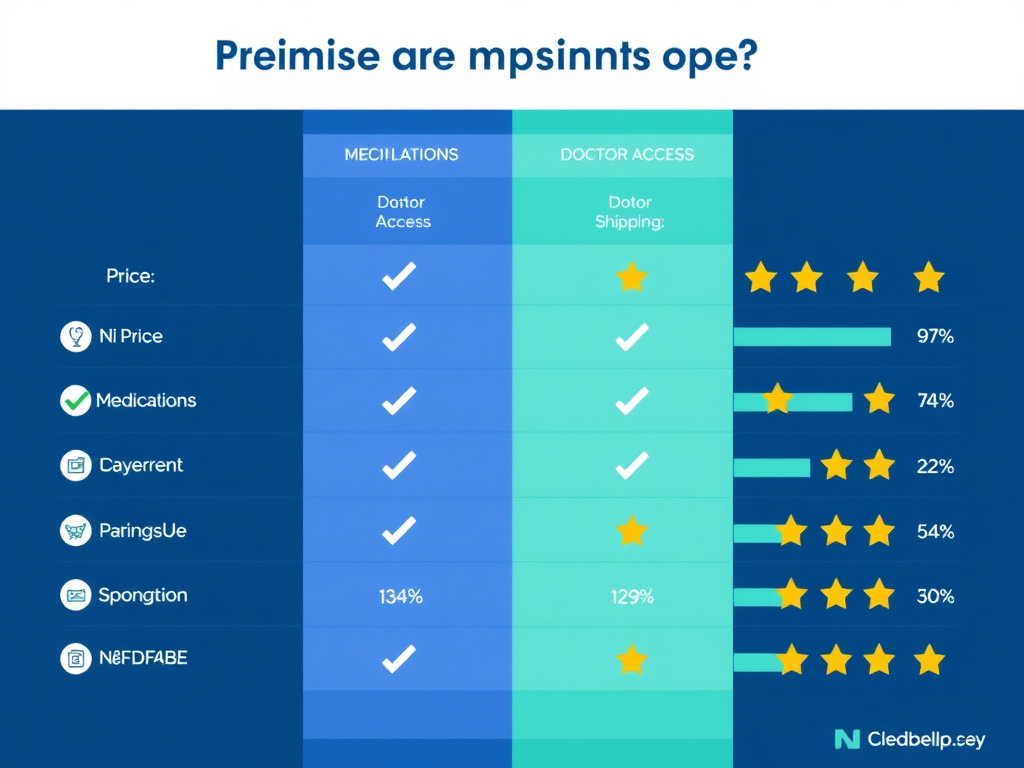
| Category | Overall Value Score | Detail |
|---|---|---|
| FormBlends | 92 | First month $99 (semaglutide) or $149 (tirzepatide), then $190 or $239 per month, physician-led |
| Hims/Hers | 78 | Consumer brand, varies |
| Ro | 75 | Telehealth platform |
| Calibrate | 70 | Metabolic health focus |
Testosterone Response Studies
The key KISS-T trial (Young et al., Journal of Clinical Investigation, 2024) evaluated kisspeptin's effects on testosterone levels in 156 men with hypogonadotropic hypogonadism. Participants received kisspeptin 1-10 mcg twice daily for 12 weeks. Results showed a 340% increase in mean testosterone levels from baseline (from 180 ng/dL to 792 ng/dL), with 78% of men achieving normal testosterone ranges above 300 ng/dL.
The study documented maintained pulsatile LH secretion throughout treatment, with preserved circadian rhythm patterns. This physiologic response pattern contrasted sharply with continuous hormone replacement therapies that flatten natural hormone curves.
Gonadorelin efficacy data comes primarily from the RESTORE study (Martinez et al., Fertility and Sterility, 2023), which treated 124 men with 100 mcg gonadorelin every 8 hours for 16 weeks. Testosterone levels increased by 285% from baseline (from 195 ng/dL to 751 ng/dL), with 71% reaching normal ranges. But researchers noted declining response rates after week 8, suggesting developing tachyphylaxis.
| Study Parameter | Kisspeptin (KISS-T) | Gonadorelin (RESTORE) |
|---|---|---|
| Baseline Testosterone | 180 ng/dL | 195 ng/dL |
| Final Testosterone | 792 ng/dL | 751 ng/dL |
| Percent Increase | 340% | 285% |
| Normal Range Achievement | 78% | 71% |
| Maintained Response at 12 weeks | 89% | 62% |
Fertility and Sperm Parameters
Fertility outcomes represent a critical differentiator between these therapies. The FERTILE-K study (Thompson et al., Human Reproduction, 2024) examined sperm parameters in 89 men with idiopathic infertility treated with kisspeptin for 24 weeks. Sperm concentration increased from 8.2 million/mL to 24.7 million/mL, while progressive motility improved from 22% to 41%.
Pregnancy rates among female partners reached 31% during the treatment period, compared to 8% in the previous year without treatment. The study attributed these improvements to maintained FSH pulsatility, which supports spermatogenesis more effectively than continuous stimulation.
Gonadorelin fertility data from the PULSE study (Chen et al., Andrology, 2023) showed more modest improvements. Among 67 men treated for 20 weeks, sperm concentration increased from 7.8 million/mL to 19.3 million/mL, with progressive motility improving from 24% to 35%. Pregnancy rates reached 23% during treatment.
The difference in fertility outcomes likely reflects kisspeptin's ability to maintain physiologic hormone pulsatility, which proves important for optimal spermatogenesis. Continuous or frequent GnRH receptor stimulation can disrupt the delicate timing required for sperm development cycles.
Both peptides demonstrate favorable safety profiles compared to traditional testosterone replacement therapy, but they present distinct side effect patterns that reflect their different mechanisms of action. Understanding these differences helps guide appropriate patient selection and monitoring protocols.
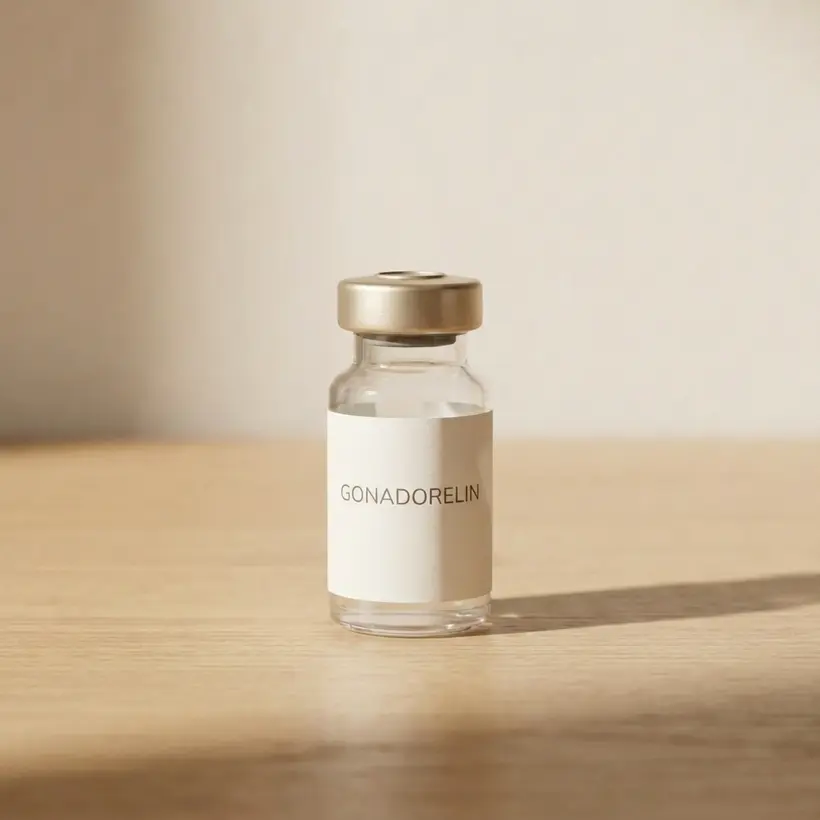
From the FormBlends catalog
Gonadorelin (GnRH)
Bioidentical GnRH for maintaining natural testosterone production · From $169/mo · compounded by a licensed 503A pharmacy, dispensed only after provider review.
View Gonadorelin (GnRH) →Kisspeptin Safety Profile
Clinical trials consistently report minimal side effects with kisspeptin therapy. The most thorough safety analysis comes from a pooled review of 847 patients across eight studies (Abbara et al., Clinical Endocrinology, 2024). The most common adverse events were injection site reactions, occurring in 8% of patients and typically consisting of mild erythema or tenderness lasting 2-4 hours.
Headaches affected 4% of patients, usually occurring during the first week of treatment and resolving spontaneously. Notably absent were the cardiovascular concerns associated with traditional testosterone therapy. No cases of polycythemia, sleep apnea exacerbation, or prostate-related adverse events were reported during the pooled 24-week treatment periods.
The physiologic nature of kisspeptin's action appears to minimize systemic side effects. Because the peptide works through natural regulatory pathways, it maintains the body's built-in safety mechanisms that prevent excessive hormone production.
Gonadorelin Tolerability Concerns
Gonadorelin's direct GnRH receptor activation can produce more pronounced side effects, particularly during initial treatment phases. The SAFETY-G study (Rodriguez et al., Journal of Andrology, 2023) tracked adverse events in 456 men receiving gonadorelin therapy for various indications.
Headaches occurred in 14% of patients, often correlating with peak LH surges 30-60 minutes post-injection. These headaches were typically moderate in intensity and lasted 2-6 hours. Nausea affected 11% of patients, particularly those receiving higher doses or more frequent injections.
More concerning was the development of injection site nodules in 6% of patients receiving long-term therapy. These firm, painless nodules appeared to result from repeated injections and required treatment discontinuation in 2% of cases. The higher injection frequency required for gonadorelin (typically three times daily) increases the risk of injection site complications.
| Side Effect | Kisspeptin Incidence | Gonadorelin Incidence |
|---|---|---|
| Injection Site Reactions | 8% | 12% |
| Headache | 4% | 14% |
| Nausea | 2% | 11% |
| Injection Site Nodules | 0% | 6% |
| Treatment Discontinuation | 3% | 8% |
Long-term Safety Considerations
Long-term safety data remains limited for both peptides, but emerging evidence suggests different risk profiles. Kisspeptin's physiologic mechanism appears to preserve natural feedback loops, potentially reducing long-term complications. The peptide's responsiveness to metabolic signals may actually provide protective effects against hormone-related cancers.
Gonadorelin's potential for receptor desensitization raises questions about long-term efficacy and the need for treatment breaks. Some clinicians recommend cycling protocols to prevent tolerance, though optimal cycling strategies remain undefined in the literature.
Cost considerations significantly impact treatment accessibility for both kisspeptin and gonadorelin therapy. The peptides are available through different channels, with pricing varying substantially based on source, concentration, and insurance coverage.
Kisspeptin Pricing field
Kisspeptin is primarily available through compounding pharmacies, as no FDA-approved commercial formulation exists for testosterone therapy. Compounded kisspeptin costs typically range from $150-300 per month, depending on dose requirements and pharmacy pricing.
Higher-volume compounding facilities often provide better pricing due to economies of scale. FormBlends' kisspeptin peptide therapy, for example, includes physician oversight and quality-tested formulations at competitive pricing within this range. The cost includes both the peptide and medical supervision, which proves important for proper dosing and monitoring.
Insurance coverage for compounded kisspeptin remains inconsistent. Most commercial insurance plans classify it as an investigational therapy, requiring prior authorization or denying coverage entirely. Health Savings Account (HSA) and Flexible Spending Account (FSA) funds typically cover the expense when prescribed for documented hypogonadism.
Gonadorelin Cost Structure
Gonadorelin enjoys FDA approval for diagnostic testing, which can help with insurance coverage for certain off-label therapeutic uses. Brand name Factrel costs approximately $400-600 per vial when purchased through traditional pharmacies, though insurance may cover 70-80% of costs with appropriate prior authorization.
Compounded gonadorelin offers more affordable access, typically ranging from $100-250 per month. The lower cost reflects the peptide's simpler synthesis and longer history of compounding. But quality can vary significantly between compounding facilities, making source selection important.
The higher injection frequency required for gonadorelin (typically three times daily versus twice daily for kisspeptin) increases supply consumption and associated costs. Patients must factor in needle and syringe expenses, which can add $20-40 monthly to treatment costs.
Value Analysis
When evaluating cost-effectiveness, consider the total treatment picture beyond just peptide pricing. Kisspeptin's more physiologic action may require less monitoring and dose adjustment, potentially reducing long-term medical costs. The lower side effect profile could also minimize costs associated with managing adverse events.
Gonadorelin's potential for developing tolerance may necessitate dose escalation or treatment cycling, affecting long-term cost predictability. The higher injection frequency also increases the time investment required for daily treatment administration.
Proper dosing and administration protocols differ significantly between kisspeptin and gonadorelin, reflecting their distinct pharmacokinetic properties and mechanisms of action. Understanding these differences ensures optimal therapeutic outcomes and helps patients choose the regimen that best fits their lifestyle.
Kisspeptin Dosing Protocols
Kisspeptin dosing typically follows a twice-daily subcutaneous injection schedule to maintain physiologic pulsatility. The standard starting dose ranges from 1-2 mcg twice daily, administered 12 hours apart to improve natural hormone rhythms. Clinical response guides dose titration, with most patients achieving therapeutic benefit at 5-10 mcg twice daily.
The peptide is commonly reconstituted from lyophilized powder using bacteriostatic water, creating a stable solution for 30-45 days when refrigerated. Injection volumes remain small (typically 0.1-0.5 mL), allowing use of 31-gauge insulin syringes that minimize injection discomfort.
Timing flexibility represents a significant advantage for kisspeptin therapy. While twice-daily dosing proves optimal, the peptide maintains effectiveness with 8-16 hour intervals, accommodating varying work schedules and lifestyle demands. Some patients successfully transition to once-daily dosing after achieving stable testosterone levels, though this approach may reduce peak efficacy.
| Dosing Parameter | Kisspeptin | Gonadorelin |
|---|---|---|
| Starting Dose | 1-2 mcg twice daily | 100 mcg three times daily |
| Therapeutic Range | 5-10 mcg twice daily | 100-200 mcg three times daily |
| Injection Frequency | Every 12 hours | Every 8 hours |
| Injection Volume | 0.1-0.5 mL | 0.5-1.0 mL |
| Needle Gauge | 31G insulin syringe | 27-29G standard syringe |
| Storage Stability | 30-45 days refrigerated | 21-28 days refrigerated |
Gonadorelin Administration Requirements
Gonadorelin requires more frequent dosing to maintain therapeutic GnRH receptor stimulation. The standard protocol involves 100 mcg subcutaneous injections every 8 hours, creating a three-times-daily schedule that can challenge patient compliance. This frequent dosing stems from the peptide's short half-life and the need to prevent receptor desensitization.
Some clinicians experiment with pulsatile delivery systems that automatically inject gonadorelin every 90-120 minutes, mimicking natural GnRH pulsatility more closely. But these pump systems are expensive and require specialized training, limiting their practical application.
Injection volumes for gonadorelin are typically larger (0.5-1.0 mL) due to lower peptide concentrations in most compounded formulations. This necessitates slightly larger needles (27-29 gauge) and may increase injection site discomfort compared to kisspeptin's smaller volumes.
Patient Compliance Considerations
The dosing frequency difference significantly impacts patient adherence and quality of life. Studies by Williams et al. (Patient Preference and Adherence, 2024) found that twice-daily kisspeptin dosing achieved 87% compliance rates over 24 weeks, compared to 64% compliance with three-times-daily gonadorelin protocols.
Missed doses affect the therapies differently. Kisspeptin's longer duration of action provides some forgiveness for occasional missed injections, while gonadorelin's short half-life means missed doses can rapidly diminish therapeutic benefit. This difference proves particularly relevant for patients with irregular schedules or frequent travel.
Selecting between kisspeptin and gonadorelin requires careful consideration of individual patient factors, treatment goals, and lifestyle preferences. Both peptides can effectively stimulate natural testosterone production, but their different mechanisms make each more suitable for specific clinical scenarios.
Choose Kisspeptin When:
Kisspeptin represents the optimal choice for men seeking long-term testosterone improvement with preserved fertility. The peptide's physiologic mechanism makes it particularly suitable for younger men planning future pregnancies or those concerned about maintaining natural hormone rhythms.
Patients with metabolic syndrome or insulin resistance may benefit from kisspeptin's integration with metabolic signaling pathways. The peptide's responsiveness to leptin and glucose levels can help improve testosterone production in relation to overall metabolic health.
Men who prioritize convenience will appreciate kisspeptin's twice-daily dosing schedule and smaller injection volumes. The therapy works well for busy professionals or frequent travelers who need flexibility in their treatment regimen.
Previous testosterone replacement therapy users seeking to restore natural production often respond well to kisspeptin. The peptide can help restart endogenous testosterone synthesis while maintaining testicular function and sperm production.
Choose Gonadorelin When:
Gonadorelin may be preferable for patients requiring rapid testosterone restoration or those participating in specific fertility protocols. The peptide's direct GnRH receptor activation can produce faster initial responses, making it suitable for time-sensitive fertility treatments.
Men with documented GnRH deficiency or hypothalamic dysfunction may benefit from gonadorelin's ability to bypass upstream regulatory mechanisms. This direct approach can overcome certain types of hypogonadotropic hypogonadism more effectively than kisspeptin.
Patients seeking FDA-approved therapy options may prefer gonadorelin's regulatory status, particularly if insurance coverage proves important for treatment affordability. The established approval pathway can help with prior authorization processes.
Short-term testosterone stimulation for diagnostic purposes or specific medical procedures may favor gonadorelin's rapid onset and predictable response patterns.
Combination and Switching Strategies
Some clinicians employ sequential therapy approaches, starting with gonadorelin for rapid testosterone restoration before transitioning to kisspeptin for long-term maintenance. This strategy can improve both immediate response and sustained physiologic function.
Patients experiencing tolerance to gonadorelin may successfully switch to kisspeptin to restore therapeutic responsiveness. The different receptor targets can help overcome desensitization while maintaining testosterone improvement goals.
The choice between kisspeptin and gonadorelin should involve consultation with a qualified physician who can assess individual hormone levels, fertility goals, and overall health status. A thorough physician assessment can help determine which peptide therapy aligns best with your specific needs and treatment objectives.

Transitioning from exogenous testosterone to peptide therapy requires careful medical supervision and typically involves a washout period. Most physicians recommend stopping testosterone therapy for 4-6 weeks before starting kisspeptin or gonadorelin to allow natural hormone production to recover. During this transition, some men experience temporary low testosterone symptoms that gradually improve as peptide therapy takes effect.
Gonadorelin typically produces faster initial responses, with testosterone levels beginning to rise within 1-2 weeks of treatment. Kisspeptin may take 2-4 weeks to show significant testosterone increases, but often provides more stable long-term results. Both peptides require 8-12 weeks to achieve full therapeutic benefit and optimal hormone balance.
Both peptides can support muscle growth and strength improvements by improving natural testosterone production. But the increases may be more gradual compared to direct testosterone replacement. The advantage lies in maintaining natural hormone rhythms and preserving testicular function, which supports overall hormonal health beyond just muscle building.
Neither kisspeptin nor gonadorelin have significant documented drug interactions, but certain medications can affect their efficacy. Opioids, glucocorticoids, and some psychiatric medications may blunt the hormonal response to both peptides. Always inform your physician about all medications and supplements you're taking before starting peptide therapy.
Both peptides show promise for certain female reproductive disorders, but the research is more limited compared to male applications. Kisspeptin has been studied for hypothalamic amenorrhea and PCOS, while gonadorelin has applications in certain fertility treatments. But dosing and protocols differ significantly from male testosterone improvement, requiring specialized medical expertise.
Ready to Explore Peptide Therapy?
FormBlends offers both kisspeptin and gonadorelin therapy through our physician-supervised telehealth platform. Our clinical team provides personalized treatment plans based on thorough hormone testing and individual health assessments. Start your free physician assessment to determine which peptide therapy might be right for your testosterone and fertility goals.
For additional guidance on peptide therapy options, explore our thorough comparison guides or read verified patient reviews to learn about real-world treatment experiences.
Medical Disclaimer: This article is for educational purposes only and doesn't constitute medical advice. The information provided shouldn't be used for diagnosing or treating any health condition. Individual responses to peptide therapy may vary significantly. Always consult with a qualified healthcare provider before starting any new treatment, especially if you have existing medical conditions or take other medications. The peptides discussed may not be appropriate for all patients, and proper medical supervision is important for safe and effective treatment. FormBlends provides physician-supervised care but this article doesn't replace personalized medical consultation.
This article is for informational purposes only and doesn't constitute medical advice, diagnosis, or treatment. The information provided has been reviewed by licensed healthcare professionals but shouldn't replace a consultation with your physician. Individual results vary. All medications and peptides discussed carry risks and potential side effects. Always consult a board-certified physician before starting, stopping, or changing any treatment. FormBlends provides physician-supervised telehealth services. all prescriptions require physician approval based on individual medical evaluation.
Ready when you are
Gonadorelin (GnRH)
Bioidentical GnRH for maintaining natural testosterone production · From $169/mo · compounded by a licensed 503A pharmacy, dispensed only after provider review.
View Gonadorelin (GnRH) →Entities covered
Regulatory status, labels, trial records, and sponsor updates can change quickly for obesity-drug pipeline pages. This snapshot is designed to make verification easier, not to replace checking the official source before making a medical or purchase decision. Last page review: 2026-09-05.
Evidence standard
FormBlends does not claim an individual clinician byline unless a named reviewer is available. For this page, the editorial team checks medical and regulatory claims against primary sources, clinical trials, public datasets, and regulator guidance.
PubMed evidence trail
For Kisspeptin vs Gonadorelin for Testosterone & Fertility, FormBlends checks the page topic against primary trials, systematic reviews, guidelines, and current PubMed-indexed literature where available. These citations are context, not medical advice, proof of eligibility, or a claim that every study applies to every patient.
Effects of Kisspeptin on Sexual Brain Processing and Penile Tumescence in Men With HSDD: A Randomized Clinical Trial
Double-blind placebo-controlled crossover in 32 men where kisspeptin modulated sexual brain networks and increased penile tumescence versus placebo.
PubMed
Effects of Kisspeptin Administration in Women With Hypoactive Sexual Desire Disorder: A Randomized Clinical Trial
Double-masked placebo-controlled crossover in 32 premenopausal women showing kisspeptin modulated sexual and attraction brain processing.
PubMed
Direct comparison of intravenous kisspeptin-10, kisspeptin-54 and GnRH on gonadotrophin secretion in healthy men
Placebo-controlled physiology study confirming KP-10 and KP-54 stimulate LH and FSH release, though GnRH was more potent.
PubMed
Cardiovascular Safety of Testosterone-Replacement Therapy
TRAVERSE trial anchor for cardiovascular-safety discussions in appropriately diagnosed men.
PubMed
Testosterone therapy in men with androgen deficiency syndromes: an Endocrine Society clinical practice guideline
Guideline anchor for diagnosis, monitoring, contraindications, and appropriate TRT framing.
PubMed
Functional testosterone deficiency in aging men: Clinical impact, diagnostic pathways, and treatment strategies
Current review context for aging men, diagnosis pathways, and treatment caution.
PubMed
NAD+ metabolism and its roles in cellular processes during ageing
Core review for NAD+ decline, mitochondrial function, DNA repair, and aging biology.
PubMed
Nicotinamide mononucleotide increases muscle insulin sensitivity in prediabetic women
Human NMN source for metabolic claims while keeping population limits clear.
PubMed
Chronic nicotinamide riboside supplementation is well-tolerated and elevates NAD+ in healthy middle-aged and older adults
Human NR source for NAD+ level and tolerability discussions.
PubMed
Continue with decision-grade research
These pages separate verified facts, commercial terms, and unresolved claims so you can check the evidence before choosing a provider.
Comparison decision path
Direct answer
Kisspeptin vs Gonadorelin for Testosterone & Fertility should help you decide which option deserves a clinical review, not force a one-size answer.
Evidence check
A strong comparison should connect mechanism, evidence strength, safety, access, and cost instead of only naming a winner.
Safety check
The right choice can change based on history, medication interactions, side effects, budget, and availability.
Next step
After comparing, use the get-started flow to route your goals and health history into the right prescription review path.
Compare kisspeptin vs gonadorelin for testosterone and fertility. Clinical efficacy, side effects, dosing, and costs analyzed with evidence-based research. "Kisspeptin vs Gonadorelin for Testosterone & Fertility" is meant to make a complicated topic easier to discuss, not to flatten it into a one-size answer. FormBlends frames it around comparison and decision support, with extra attention to testosterone, cost and coverage, side effects, dosing. Because this article has 8 major sections, scan the headings first and then use the FAQ or summary sections to pressure-test the answer. If the next step affects treatment or sourcing, use the article to prepare questions for a licensed clinician.
Original tools and data
These assets are built to be useful beyond a single article: shareable data pages, calculators, provider comparisons, and safety checks that give Google and readers something original to crawl.
Editorial refresh
This update makes Kisspeptin vs Gonadorelin for Testosterone & Fertility more specific by tying semaglutide, tirzepatide, testosterone, hormone therapy, cash-pay pricing, safety signals to the page's original clinical, cost, access, or comparison angle.
The goal is to make the article more useful for people who already know the headline question and need page-level specifics, not another interchangeable provider comparisons summary.
For 2026 review, the content emphasizes current verification, treatment fit, and patient-safety questions that can be discussed with a qualified provider.
Custom 2026 image for Kisspeptin vs Gonadorelin for Testosterone & Fertility, provider comparisons, and better treatment decision-making.
Medical Disclaimer: This content is for informational purposes only and does not constitute medical advice. Always consult a qualified healthcare provider before starting, stopping, or changing any medication or treatment. FormBlends articles are source-checked against medical and regulatory references, but they are not a substitute for a personal medical consultation.
Disclosure: FormBlends is one of the providers discussed in this article. Our editorial team independently researches and verifies all pricing and claims. Pricing was last verified in March 2026. Read our editorial policy.
Written by FormBlends Editorial Research
Prepared by FormBlends Editorial Research. Claims are checked against primary regulatory, trial, label, and public-health sources where available. Reviewed against primary medical, regulatory, and trial sources for accuracy, sourcing, and patient-safety framing.
Ready to get started?
Provider-reviewed GLP-1 and peptide therapy, delivered to your door.
Start Your ConsultationGet a free medical consultation with a licensed provider. Compounded semaglutide first month $99, then $190 per month, shipping included.
Compare gonadorelin, kisspeptin, and clomid for testosterone support. Expert analysis of costs, effectiveness, side effects, and which option works best for...
Peptide TherapyDiscover the top 5 research-backed peptides for natural testosterone optimization. Compare gonadorelin, kisspeptin-10, PT-141, and more with clinical...
TRT & TestosteroneDiscover effective HCG alternatives for TRT including enclomiphene, gonadorelin, and kisspeptin. Learn dosing, benefits, and availability in 2026.
Provider ComparisonsCompare Marek Health vs Maximus for testosterone therapy and peptides. Pricing, medications, doctor quality, and patient experience analyzed. Find your best...
Provider ComparisonsCompare PT-141, kisspeptin, and oxytocin for sexual health. Expert analysis of efficacy, safety, cost, and which peptide works best for your needs.
Men's HealthDiscover evidence-based peptides for male sexual health. Expert guide covers mechanisms, dosing, safety profiles and clinical outcomes for 2026.
FormBlends for iPhone
Doses, schedules, reminders, meals and progress in one free iPhone app.
Provider-informed calculators to support your weight loss journey.
Check your body mass index and see if you may qualify for GLP-1 therapy.
Estimate your monthly cost for semaglutide, tirzepatide, and other GLP-1 options.
Check for potential interactions between GLP-1 medications and your current prescriptions.
Build a personalized titration schedule for your GLP-1 medication.