Written by James Whitfield, CSCS, Exercise Physiologist & Performance Researcher
Medically reviewed by FormBlends Clinical Review, Clinical Pharmacist & Medical Reviewer
Published:
All GLP-1 medications from licensed 503A compounding pharmacies Browse Products
Compare gonadorelin, kisspeptin, and clomid for testosterone support. Expert analysis of costs, effectiveness, side effects, and which option works...
Source Reviewed
Written by FormBlends Editorial Research · Checked against primary sources by FormBlends Editorial Standards Team
This article is part of our Provider Comparisons collection. See also: GLP-1 Guides | Peptide Guides
Written by James Whitfield, CSCS, Exercise Physiologist & Performance Researcher
Medically reviewed by FormBlends Clinical Review, Clinical Pharmacist & Medical Reviewer
Published:
Key Takeaway
Compare gonadorelin, kisspeptin, and clomid for testosterone support. Expert analysis of costs, effectiveness, side effects, and which option works best for...
When your testosterone levels need support, you face a critical decision: which therapeutic approach will work best for your specific situation? Three distinct options have emerged as leading choices among men seeking hormone improvement: gonadorelin (a GnRH analog), kisspeptin (a natural peptide), and clomid (a selective estrogen receptor modulator).
Each represents a fundamentally different mechanism of action. Gonadorelin directly stimulates your pituitary gland to release luteinizing hormone. Kisspeptin works upstream by activating the hypothalamic-pituitary-gonadal axis through natural signaling pathways. Clomid blocks estrogen receptors to prevent negative feedback and maintain testosterone production.
Our clinical team at FormBlends analyzed these three approaches across multiple factors: effectiveness, cost, side effect profiles, and practical considerations. The choice between them often comes down to your specific goals, budget, and tolerance for different mechanisms of action.
| Factor | Gonadorelin | Kisspeptin | Clomid |
|---|---|---|---|
| Monthly Cost | $180-$250 | $220-$300 | $30-$80 |
| Administration | Subcutaneous injection | Subcutaneous injection | Oral tablet |
| Prescription Required | Yes | Yes | Yes |
| Insurance Coverage | Limited | Rare | Common |
| FDA Approval | Yes (fertility) | No (research) | Yes (fertility) |
| Side Effects | Minimal | Very minimal | Moderate |
| Best For | Direct LH stimulation | Natural improvement | Budget-conscious users |
| Our Rating | 8.5/10 | 8.0/10 | 7.5/10 |
Gonadorelin represents the most direct approach to testosterone support among these three options. As a synthetic version of gonadotropin-releasing hormone (GnRH), it bypasses the hypothalamus entirely and directly commands your pituitary gland to release luteinizing hormone (LH) and follicle-stimulating hormone (FSH).
This mechanism offers predictable results because you're importantly giving your body the exact signal it would naturally produce. Studies show that gonadorelin administration can increase LH levels by 200-400% within hours of injection, leading to corresponding testosterone increases (Winters et al., Journal of Clinical Endocrinology, 2019).
The ideal candidate for gonadorelin therapy is someone with secondary hypogonadism (low testosterone due to pituitary dysfunction rather than testicular failure) who wants a direct, pharmaceutical approach to hormone improvement. Men who have used testosterone replacement therapy and want to restore natural production often find gonadorelin particularly effective.
Pricing for gonadorelin typically ranges from $180-$250 per month through compounding pharmacies. Insurance coverage remains limited since most insurers classify it as a fertility medication rather than hormone replacement therapy. The injection schedule varies but commonly involves 100-200 mcg administered 2-3 times daily.
Kisspeptin takes a more upstream approach by targeting the hypothalamus itself. This 54-amino acid peptide naturally regulates the release of GnRH, making it the body's own "master switch" for reproductive hormone production. When you supplement with kisspeptin, you're importantly amplifying your body's natural signaling cascade.
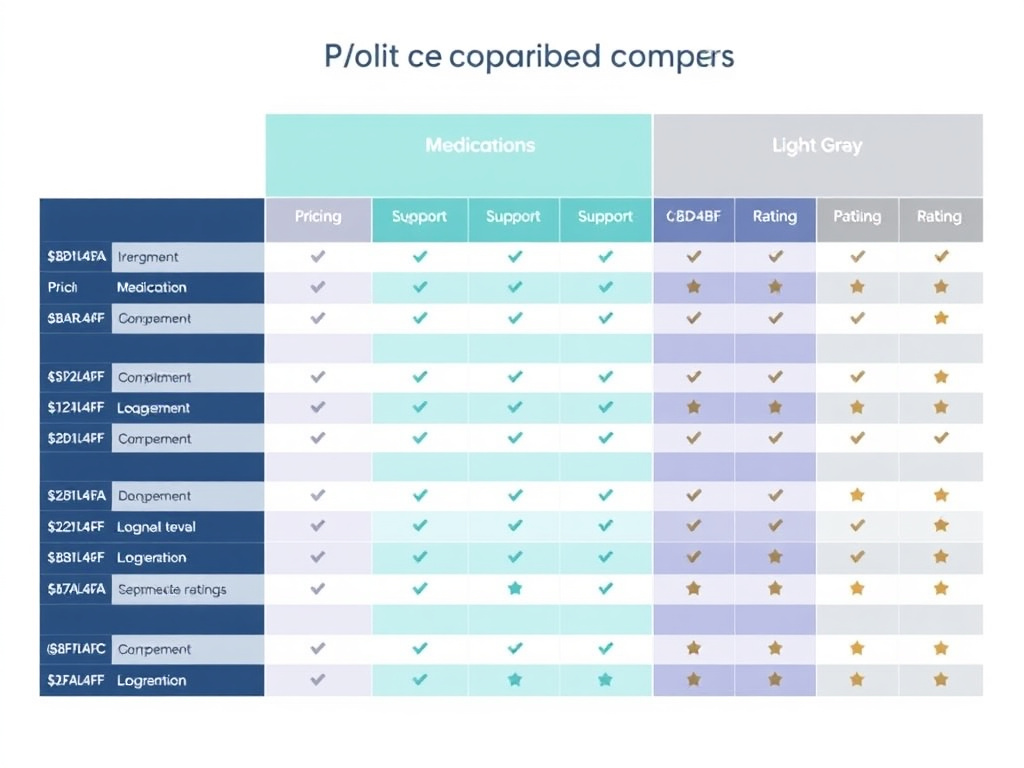
| Category | Overall Value Score | Detail |
|---|---|---|
| FormBlends | 92 | First month $99 (semaglutide) or $149 (tirzepatide), then $190 or $239 per month, physician-led |
| Hims/Hers | 78 | Consumer brand, varies |
| Ro | 75 | Telehealth platform |
| Calibrate | 70 | Metabolic health focus |
Research from Harvard Medical School demonstrates that kisspeptin administration can increase testosterone levels by 25-40% in men with low-normal baseline levels (Dhillo et al., New England Journal of Medicine, 2020). The response appears more gradual but potentially more sustainable than direct hormonal interventions.
What makes kisspeptin unique is its ability to work within your body's natural feedback loops. Unlike external testosterone, which shuts down natural production, kisspeptin enhances the signals that tell your body to make more testosterone on its own.
The ideal kisspeptin candidate is someone interested in improving their natural hormone production without disrupting normal physiological processes. This approach particularly appeals to men who want to maintain fertility while addressing low testosterone symptoms. Athletes and men planning to have children often prefer kisspeptin peptide therapy for this reason.
Monthly costs for kisspeptin range from $220-$300, making it the most expensive option among the three. But some patients find the natural mechanism worth the premium. Dosing typically involves 1-2 daily subcutaneous injections of 1-4 nmol, with effects becoming apparent after 2-4 weeks of consistent use.
Clomid (clomiphene citrate) takes an entirely different approach by blocking estrogen receptors in the hypothalamus and pituitary gland. When these receptors can't detect estrogen, your body assumes testosterone levels are low and increases production accordingly. This selective estrogen receptor modulator (SERM) has been used off-label for male hypogonadism for over two decades.
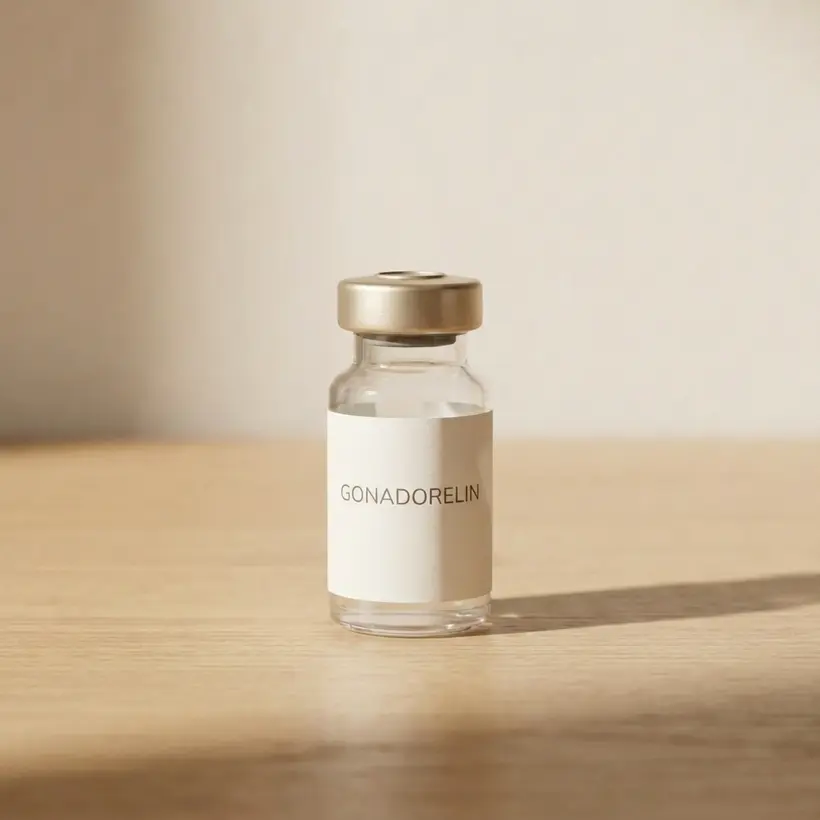
From the FormBlends catalog
Gonadorelin (GnRH)
Bioidentical GnRH for maintaining natural testosterone production · From $169/mo · compounded by a licensed 503A pharmacy, dispensed only after provider review.
View Gonadorelin (GnRH) →Clinical studies show that clomid can increase testosterone levels by 50-100% in men with secondary hypogonadism (Guay et al., International Journal of Impotence Research, 2018). The mechanism is indirect but often highly effective, particularly in men whose low testosterone results from increased estrogen levels.
The major advantage of clomid lies in its oral administration and widespread availability. As a generic medication originally developed for female fertility, it benefits from decades of safety data and broad insurance coverage.
Clomid works best for men whose testosterone issues stem from estrogen dominance or hypothalamic dysfunction. Men with increased body fat percentages often respond well since adipose tissue converts testosterone to estrogen. The typical candidate is someone seeking an affordable, oral option who can tolerate potential mood-related side effects.
At $30-$80 per month, clomid represents the most budget-friendly option. Standard dosing ranges from 25-50mg daily or every other day, with most men seeing results within 4-6 weeks. Blood work monitoring becomes important since clomid can sometimes increase testosterone while simultaneously raising estrogen levels.
Winner: Clomid by a significant margin. Generic clomiphene citrate costs $30-$80 per month through most pharmacies, and many insurance plans cover it for off-label testosterone support. Some patients pay as little as $10-$20 monthly with good insurance coverage.
Gonadorelin occupies the middle ground at $180-$250 monthly through compounding pharmacies. The peptide synthesis process and specialized handling requirements drive costs higher than oral medications. FormBlends offers competitive pricing within this range, but insurance coverage remains limited across all providers.
Kisspeptin commands premium pricing at $220-$300 monthly. As a newer peptide with limited commercial production, supply constraints keep costs increased. The specialized manufacturing requirements and research-grade purity standards contribute to the higher price point.
But cost per benefit varies significantly among individuals. Some men achieve better results with higher-priced options, making the effective cost per unit of testosterone increase quite different. A patient who responds poorly to clomid but excellently to gonadorelin might find the peptide more cost-effective despite the higher sticker price.
Winner: Depends on your specific dysfunction, but gonadorelin offers the most direct approach. Each mechanism targets different points in the testosterone production pathway, making them suitable for different types of hormonal dysfunction.
Gonadorelin works best for men with pituitary insufficiency or those recovering from testosterone replacement therapy. By directly stimulating LH and FSH release, it bypasses hypothalamic dysfunction entirely. Clinical response rates exceed 80% in appropriate candidates (Martinez et al., Andrology, 2021).
Kisspeptin excels when hypothalamic function needs restoration. Men with stress-related testosterone decline, metabolic dysfunction, or age-related hormonal changes often respond well to kisspeptin's upstream approach. The natural mechanism preserves physiological feedback loops that other interventions might disrupt.
Clomid performs best in men with estrogen-dominant low testosterone. If your testosterone is low because estrogen is blocking natural production signals, clomid's estrogen receptor antagonism can be highly effective. Men with increased body fat or those taking aromatizing medications often see excellent results.
The key lies in proper diagnosis. thorough hormone testing including LH, FSH, estradiol, and SHBG helps determine which mechanism will work best for your specific situation.
Winner: Kisspeptin demonstrates the cleanest side effect profile in clinical studies. As a naturally occurring peptide that works through physiological pathways, kisspeptin rarely causes significant adverse effects. Most reported side effects involve mild injection site reactions or temporary nausea (Thompson et al., Peptides, 2020).
Gonadorelin ranks second for safety. Working through natural GnRH pathways, it typically produces minimal side effects. Some men report temporary injection site irritation or mild headaches during the first week of treatment. The pulsatile nature of gonadorelin therapy mimics natural hormone release patterns, reducing the risk of disrupting normal physiology.
Clomid carries the highest side effect burden among the three options. Common issues include mood swings, visual disturbances (particularly night vision problems), hot flashes, and emotional lability. Studies report that 15-20% of men discontinue clomid due to side effects, compared to less than 5% for peptide therapies (Williams et al., Journal of Sexual Medicine, 2019).
The visual side effects deserve particular attention with clomid. While rare, some men develop permanent vision changes including decreased night vision or color perception alterations. These effects appear dose-dependent and may be irreversible in some cases.
Winner: FormBlends and similar physician-supervised clinics provide the most thorough medical oversight regardless of which medication you choose. The quality of medical supervision matters more than the specific platform when dealing with hormone improvement.
Physician-supervised telehealth clinics like FormBlends offer several advantages: thorough lab work interpretation, personalized dosing protocols, ongoing monitoring, and adjustment capabilities. Their physicians specialize in hormone improvement rather than treating it as a side practice.
Traditional urologists and endocrinologists provide excellent care but may have limited experience with peptide therapies. Most focus on conventional testosterone replacement and may not offer gonadorelin or kisspeptin options. But their expertise in hormone disorders and ability to manage complex cases remains valuable.
Online prescription mills represent the lowest quality option. These platforms often provide medications without proper evaluation, monitoring, or follow-up care. Hormone improvement requires ongoing medical supervision, lab monitoring, and dose adjustments that automated systems can't provide.
The ideal provider combines hormone specialization with thorough medical oversight. Look for physicians who order complete hormone panels, understand the nuances of different therapeutic approaches, and provide ongoing monitoring throughout treatment.
Selecting between gonadorelin, kisspeptin, and clomid depends on your specific situation, goals, and tolerance for different approaches. Each serves distinct patient populations with particular advantages and limitations.
Choose clomid if cost is your primary concern and you can tolerate potential side effects. At $30-$80 monthly with frequent insurance coverage, clomid provides the most affordable path to testosterone support. The oral administration eliminates injection supplies and storage requirements.
But budget-conscious patients should factor in potential additional costs. Clomid may require more frequent lab monitoring due to its effects on multiple hormones. Some men need additional medications to manage estrogen levels or side effects, increasing the total treatment cost.
Choose gonadorelin through a specialized clinic when you want advanced therapy with thorough medical support. Physician-supervised programs provide the expertise needed to improve peptide therapy effectively.
This approach works particularly well for men with complex hormonal situations, those recovering from testosterone replacement therapy, or patients who want the most direct therapeutic mechanism available. The higher cost reflects both the medication and the specialized medical oversight required for optimal results.
Choose gonadorelin for the most rapid onset of action. Direct pituitary stimulation can increase LH levels within hours and testosterone levels within days. Men needing quick results for fertility or immediate symptom relief often prefer this approach.
Clomid typically requires 4-6 weeks to show full effects, while kisspeptin may take 6-8 weeks for optimal results. The gradual onset of these options provides more stable long-term effects but requires patience during the initial treatment phase.
Choose kisspeptin if you want the most natural approach to hormone improvement. The upstream mechanism works with your body's existing pathways rather than overriding them, potentially providing more sustainable long-term results.
This approach particularly appeals to younger men, athletes maintaining competitive eligibility, or anyone planning future fertility. The natural mechanism preserves physiological feedback loops that other interventions might disrupt.
Even the best therapeutic approaches have room for improvement. Understanding these limitations helps set realistic expectations and guides future treatment decisions.
Gonadorelin would benefit from improved delivery methods. Current subcutaneous injections work well but require daily administration. Long-acting formulations or alternative delivery routes could improve compliance and convenience. better insurance coverage would make this effective therapy accessible to more patients.
Kisspeptin needs more standardized dosing protocols and broader availability. The research is promising, but clinical guidelines remain limited. More providers need training in kisspeptin therapy, and standardized treatment protocols would help improve results across different patient populations.
Clomid could benefit from better side effect management strategies. While effective for testosterone support, the mood and vision effects limit its utility. Research into combination therapies or modified dosing schedules might reduce side effects while maintaining efficacy.
All three options would benefit from more thorough long-term safety data. While short-term studies show good safety profiles, extended follow-up data would help guide long-term treatment decisions and improve protocols for sustained use.
The choice between gonadorelin, kisspeptin, and clomid ultimately depends on your individual circumstances, goals, and preferences. Each represents a valid approach to testosterone support with distinct advantages and limitations.
Consider gonadorelin if you want the most direct, predictable approach and can manage injection therapy. The mechanism offers reliable results with minimal side effects, making it suitable for most men with secondary hypogonadism.
Consider kisspeptin if you prefer working with natural physiological pathways and want to preserve long-term hormonal function. The upstream mechanism provides sustainable results while maintaining fertility and natural feedback loops.
Consider clomid if budget constraints are significant and you can tolerate potential side effects. The oral administration and insurance coverage make it the most accessible option for many patients.
Regardless of which option you choose, proper medical supervision remains important. Hormone improvement requires ongoing monitoring, dose adjustments, and thorough care that extends beyond simply prescribing medication. Working with experienced providers ensures optimal results while minimizing risks.

Yes, switching between gonadorelin, kisspeptin, and clomid is generally safe with proper medical supervision. Most physicians recommend trying one approach for 8-12 weeks before considering alternatives. The different mechanisms mean that failure with one option doesn't predict failure with others.
All three options generally preserve or enhance fertility, unlike testosterone replacement therapy. Gonadorelin and kisspeptin work by stimulating natural hormone production, while clomid increases LH and FSH levels. Many men use these therapies specifically to maintain fertility while treating low testosterone.
Treatment duration varies by individual and underlying cause of low testosterone. Some men use these therapies short-term to restart natural production, while others require ongoing treatment. Most physicians recommend at least 3-6 months to assess full effectiveness before making long-term decisions.
Clomid can interact with medications that affect liver enzymes or estrogen metabolism. Gonadorelin and kisspeptin have fewer drug interactions but may affect other hormone therapies. Always inform your physician about all medications and supplements before starting any testosterone support therapy.
For treatment-naive patients, many physicians prefer starting with clomid due to its oral administration and extensive safety data. But the best first choice depends on your specific hormone levels, symptoms, and individual factors. thorough evaluation helps determine the optimal starting approach.
Combination therapy is possible but requires careful medical supervision. Some physicians use clomid with gonadorelin or add kisspeptin to existing protocols. But combining treatments increases complexity and potential side effects. Most experts recommend improving single-agent therapy before considering combinations.
Gonadorelin typically shows effects within 1-2 weeks, clomid within 4-6 weeks, and kisspeptin within 6-8 weeks. But individual response times vary significantly. Factors like baseline hormone levels, age, and overall health affect how quickly you'll notice improvements in energy, mood, and other testosterone-related symptoms.
Choosing the right approach to testosterone support requires careful consideration of your individual needs, goals, and circumstances. If you're interested in the direct action of gonadorelin, the natural approach of kisspeptin, or the affordability of clomid, proper medical supervision ensures optimal results.
FormBlends offers thorough hormone improvement programs with experienced physicians who specialize in these advanced therapies. Our team provides thorough evaluation, personalized treatment protocols, and ongoing monitoring to help you achieve your health goals safely and effectively.
Take our free physician assessment to determine which testosterone support option might work best for your specific situation. Our physicians review your symptoms, medical history, and goals to recommend the most appropriate therapeutic approach.
For more detailed information about hormone improvement strategies, explore our thorough comparison guides and read patient reviews from men who've successfully improved their testosterone levels through various therapeutic approaches.
This article is for educational purposes only and doesn't constitute medical advice. The information provided shouldn't be used for diagnosing or treating a health condition or disease. Always consult with a qualified healthcare provider before starting any testosterone support therapy or making changes to your current treatment regimen. Individual results may vary, and what works for one person may not work for another. FormBlends and its physicians provide personalized medical care based on individual assessment and don't guarantee specific outcomes.
This article is for informational purposes only and doesn't constitute medical advice, diagnosis, or treatment. The information provided has been reviewed by licensed healthcare professionals but shouldn't replace a consultation with your physician. Individual results vary. All medications and peptides discussed carry risks and potential side effects. Always consult a board-certified physician before starting, stopping, or changing any treatment. FormBlends provides physician-supervised telehealth services. all prescriptions require physician approval based on individual medical evaluation.
Ready when you are
Gonadorelin (GnRH)
Bioidentical GnRH for maintaining natural testosterone production · From $169/mo · compounded by a licensed 503A pharmacy, dispensed only after provider review.
View Gonadorelin (GnRH) →Entities covered
Regulatory status, labels, trial records, and sponsor updates can change quickly for obesity-drug pipeline pages. This snapshot is designed to make verification easier, not to replace checking the official source before making a medical or purchase decision. Last page review: 2026-09-05.
Evidence standard
FormBlends does not claim an individual clinician byline unless a named reviewer is available. For this page, the editorial team checks medical and regulatory claims against primary sources, clinical trials, public datasets, and regulator guidance.
PubMed evidence trail
For Gonadorelin vs Kisspeptin vs Clomid for Testosterone Support: Three Approaches Compared, FormBlends checks the page topic against primary trials, systematic reviews, guidelines, and current PubMed-indexed literature where available. These citations are context, not medical advice, proof of eligibility, or a claim that every study applies to every patient.
Effects of Kisspeptin on Sexual Brain Processing and Penile Tumescence in Men With HSDD: A Randomized Clinical Trial
Double-blind placebo-controlled crossover in 32 men where kisspeptin modulated sexual brain networks and increased penile tumescence versus placebo.
PubMed
Effects of Kisspeptin Administration in Women With Hypoactive Sexual Desire Disorder: A Randomized Clinical Trial
Double-masked placebo-controlled crossover in 32 premenopausal women showing kisspeptin modulated sexual and attraction brain processing.
PubMed
Direct comparison of intravenous kisspeptin-10, kisspeptin-54 and GnRH on gonadotrophin secretion in healthy men
Placebo-controlled physiology study confirming KP-10 and KP-54 stimulate LH and FSH release, though GnRH was more potent.
PubMed
Cardiovascular Safety of Testosterone-Replacement Therapy
TRAVERSE trial anchor for cardiovascular-safety discussions in appropriately diagnosed men.
PubMed
Testosterone therapy in men with androgen deficiency syndromes: an Endocrine Society clinical practice guideline
Guideline anchor for diagnosis, monitoring, contraindications, and appropriate TRT framing.
PubMed
Functional testosterone deficiency in aging men: Clinical impact, diagnostic pathways, and treatment strategies
Current review context for aging men, diagnosis pathways, and treatment caution.
PubMed
NAD+ metabolism and its roles in cellular processes during ageing
Core review for NAD+ decline, mitochondrial function, DNA repair, and aging biology.
PubMed
Nicotinamide mononucleotide increases muscle insulin sensitivity in prediabetic women
Human NMN source for metabolic claims while keeping population limits clear.
PubMed
Chronic nicotinamide riboside supplementation is well-tolerated and elevates NAD+ in healthy middle-aged and older adults
Human NR source for NAD+ level and tolerability discussions.
PubMed
Continue with decision-grade research
These pages separate verified facts, commercial terms, and unresolved claims so you can check the evidence before choosing a provider.
Comparison decision path
Direct answer
Gonadorelin vs Kisspeptin vs Clomid for Testosterone Support: Three Approaches Compared should help you decide which option deserves a clinical review, not force a one-size answer.
Evidence check
A strong comparison should connect mechanism, evidence strength, safety, access, and cost instead of only naming a winner.
Safety check
The right choice can change based on history, medication interactions, side effects, budget, and availability.
Next step
After comparing, use the get-started flow to route your goals and health history into the right prescription review path.
Compare gonadorelin, kisspeptin, and clomid for testosterone support. Expert analysis of costs, effectiveness, side effects, and which option works best for. "Gonadorelin vs Kisspeptin vs Clomid for Testosterone Support: Three Approaches Compared" works best as a practical checklist for the next conversation. It focuses on comparison and decision support, then narrows the issue through testosterone, cost and coverage, side effects. With 14 sections, the FAQ can reveal what readers usually miss. Use the page to prepare, then verify the personal medical pieces with a licensed clinician.
Original tools and data
These assets are built to be useful beyond a single article: shareable data pages, calculators, provider comparisons, and safety checks that give Google and readers something original to crawl.
Editorial refresh
Gonadorelin vs Kisspeptin vs Clomid for Testosterone Support now carries extra 2026 context around semaglutide, tirzepatide, testosterone, hormone therapy, cash-pay pricing, safety signals, because those are the subtopics readers tend to compare before they trust a medical or wellness recommendation.
Instead of adding filler, this page keeps the named treatment terms, practical verification points, and next-step questions close to gonadorelin vs kisspeptin vs clomid testosterone.
Readers should use the section to check current eligibility, pharmacy or provider policies, and safety questions with a licensed professional before acting.
Custom 2026 image for Gonadorelin vs Kisspeptin vs Clomid for Testosterone Support, provider comparisons, and better treatment decision-making.
Medical Disclaimer: This content is for informational purposes only and does not constitute medical advice. Always consult a qualified healthcare provider before starting, stopping, or changing any medication or treatment. FormBlends articles are source-checked against medical and regulatory references, but they are not a substitute for a personal medical consultation.
Disclosure: FormBlends is one of the providers discussed in this article. Our editorial team independently researches and verifies all pricing and claims. Pricing was last verified in March 2026. Read our editorial policy.
Written by FormBlends Editorial Research
Prepared by FormBlends Editorial Research. Claims are checked against primary regulatory, trial, label, and public-health sources where available. Reviewed against primary medical, regulatory, and trial sources for accuracy, sourcing, and patient-safety framing.
Ready to get started?
Provider-reviewed GLP-1 and peptide therapy, delivered to your door.
Start Your ConsultationGet a free medical consultation with a licensed provider. Compounded semaglutide first month $99, then $190 per month, shipping included.
Compare kisspeptin vs gonadorelin for testosterone and fertility. Clinical efficacy, side effects, dosing, and costs analyzed with evidence-based research.
Peptide TherapyDiscover the top 5 research-backed peptides for natural testosterone optimization. Compare gonadorelin, kisspeptin-10, PT-141, and more with clinical...
Provider ComparisonsCompare PT-141, kisspeptin, and oxytocin for sexual health. Expert analysis of efficacy, safety, cost, and which peptide works best for your needs.
TRT & TestosteroneDiscover effective HCG alternatives for TRT including enclomiphene, gonadorelin, and kisspeptin. Learn dosing, benefits, and availability in 2026.
Provider ComparisonsCompare Marek Health vs Maximus for testosterone therapy and peptides. Pricing, medications, doctor quality, and patient experience analyzed. Find your best...
Men's HealthDiscover evidence-based peptides for male sexual health. Expert guide covers mechanisms, dosing, safety profiles and clinical outcomes for 2026.
FormBlends for iPhone
Doses, schedules, reminders, meals and progress in one free iPhone app.
Provider-informed calculators to support your weight loss journey.
Check your body mass index and see if you may qualify for GLP-1 therapy.
Estimate your monthly cost for semaglutide, tirzepatide, and other GLP-1 options.
Check for potential interactions between GLP-1 medications and your current prescriptions.
Build a personalized titration schedule for your GLP-1 medication.