Key Takeaway
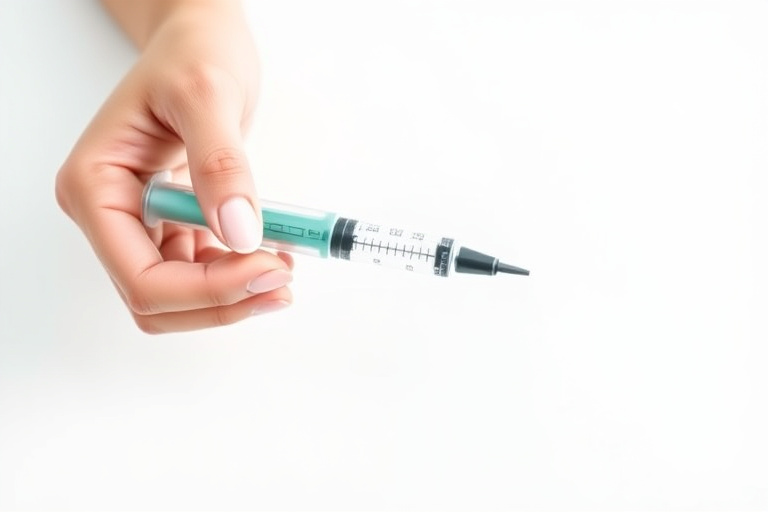
If you're injecting GLP-1 medications or peptides regularly, where you inject matters just as much as what you inject. An injection site rotation tracker helps you avoid using the same spot repeatedly) which can cause lumps, bruising, and reduced medication absorption over time.
If you're injecting GLP-1 medications or peptides regularly, where you inject matters just as much as what you inject. An injection site rotation tracker helps you avoid using the same spot repeatedly) which can cause lumps, bruising, and reduced medication absorption over time.
Key Takeaways: - Discover why you need to rotate injection sites - Best Injection Sites for Subcutaneous Injections - Simple Rotation Patterns That Work - Signs You're Not Rotating Enough
This guide covers the best injection sites, how to rotate properly, and how to track your rotation pattern without overthinking it.
Why You Need to Rotate Injection Sites
Subcutaneous injections go into the layer of fat just beneath your skin. When you inject the same spot repeatedly, several problems can develop.
Lipohypertrophy. This is the formation of fatty lumps or thickened tissue under the skin at frequently used injection sites. These lumps can alter how your medication is absorbed, leading to inconsistent dosing. Clinical data indicate that lipohypertrophy can reduce medication absorption by up to 25%.
Bruising and soreness. Repeated trauma to the same area causes bruising and tenderness. This makes injections more uncomfortable and can make you dread your dosing day.
Scar tissue. Over time, repeated injections in one spot create scar tissue. Scar tissue is harder to inject through and absorbs medication differently than normal tissue.
"The key to successful GLP-1 therapy is setting realistic expectations and supporting patients through the titration phase. The side effects are manageable for most people, but they need to know what to expect.", Dr. Caroline Apovian, MD, Harvard Medical School
Inconsistent absorption. Healthy subcutaneous tissue absorbs medication predictably. Damaged tissue doesn't. This means your actual dose (the amount that reaches your bloodstream) can vary even when you draw the correct amount.
Rotation is simple once you have a system. And it only takes a few seconds to log each site.
The includes an injection logging feature where you can record the site for each injection. Over time, this builds a visual map of your rotation pattern.
Best Injection Sites for Subcutaneous Injections
For GLP-1 medications and most peptides, your provider will recommend subcutaneous injection. Here are the primary sites and how to use them.
View data table
| Category | Mean Body Weight Loss (%) | Detail |
|---|---|---|
| Tirzepatide | 22 | ~22% body weight at 72 wks |
| Semaglutide | 15 | ~15% body weight at 68 wks |
| Liraglutide | 8 | ~8% body weight at 56 wks |
| Retatrutide | 24 | ~24% in Phase 2 trial |
Abdomen. The most common injection site. Use the area at least 2 inches away from your belly button. Avoid the waistline where clothing might rub. The abdomen generally provides consistent absorption and has plenty of rotation space.
Front of thighs. Use the outer-middle area of the front of your thigh. Avoid the inner thigh and the area close to your knee. Thigh injections work well but may be slightly more uncomfortable for some people.
Free Download: Universal Peptide Dose Conversion Table Pair your injection site tracking with accurate dose calculations. This reference card covers conversions for common GLP-1 and peptide protocols. Get yours free (we'll email it to you instantly.
[Download CTA Button]
Back of upper arms. Use the fatty area on the back of your upper arm. This site works well but can be difficult to reach for self-injection. Some people use this site with a partner's help.
Upper buttocks/hip area. The outer upper quadrant of the buttock provides good subcutaneous tissue. This site is useful for expanding your rotation options.
How far apart should injection sites be? Space each injection at least 1 inch (2.5 cm) from the previous one. Think of dividing each area into a grid) you can get 6-8 different spots within one body area.
Simple Rotation Patterns That Work
You don't need a complicated system. Pick one of these patterns and stick with it.
Check your GLP-1 eligibility
Use our free BMI Calculator to see if you may qualify for provider-reviewed GLP-1 therapy.
Try the BMI Calculator →The Clock Method (Abdomen): Imagine a clock face around your belly button. Start at 12 o'clock (above the navel, 2 inches out). Next injection at 2 o'clock. Then 4, 6, 8, and 10. After completing the clock, move the circle slightly outward and repeat.
For weekly GLP-1 injections, this gives you 6 weeks of rotation within just the abdomen before repeating any position.
The Four-Quadrant Method: Divide your available injection sites into four zones: right abdomen, left abdomen, right thigh, left thigh. Rotate through these zones in order. Within each zone, vary the exact spot by an inch each time.
The Weekly Alternating Method: For weekly injections (semaglutide, tirzepatide), simply alternate sides. Week 1: right abdomen. Week 2: left abdomen. Week 3: right thigh. Week 4: left thigh. Repeat. This is the simplest approach and works well for most people.
For twice-daily peptide injections (like BPC-157), you need more sites in rotation. Consider using all available areas and cycling through them systematically. The four-quadrant method works well here (AM injection in one zone, PM injection in a different zone.
Log each injection in the to keep track without having to remember where you injected last.
Signs You're Not Rotating Enough
How do you know if your rotation pattern needs improvement? Watch for these warning signs.
Visible lumps. Feel your common injection areas with your fingers. If you notice any thickened or lumpy areas, you've been using those spots too frequently. Avoid those spots for at least 4-6 weeks to allow the tissue to recover.
Increasing bruising. Occasional bruising is normal. Frequent bruising in the same area suggests that tissue needs a break.
Inconsistent medication effects. If you notice that your medication seems to work better some weeks than others, inconsistent absorption from damaged injection sites could be a factor.
Pain at injection. While some discomfort is normal, increasing pain at a particular site suggests tissue irritation. Switch to a different area.
If you notice any of these signs, expand your rotation to include sites you haven't been using. And consider discussing your injection technique with your provider during your next appointment. For more tips on managing your injection protocol, see our .
Your provider at can also review your technique and recommend adjustments if absorption seems inconsistent.
Frequently Asked Questions
Does the injection site affect how well GLP-1 medication works?
The site can influence absorption speed slightly, but all recommended subcutaneous sites deliver the medication effectively. The abdomen may offer slightly faster absorption than the thigh for some medications. Consistency in rotation matters more than which specific site you choose.
Can I always inject in the same body area if I vary the exact spot?
You can stay within one area (like the abdomen) as long as you space each injection at least 1 inch apart and allow previously used spots adequate rest before returning to them. But rotating between different body areas provides the best protection against tissue damage.
How do I track injection sites if I have multiple medications?
If you're injecting both a GLP-1 medication and a peptide like BPC-157, treat each medication's rotation separately. Some people use one body area for their GLP-1 and a different area for their peptide. The lets you log each medication separately with its injection site.
Is it normal to have a small bump after a subcutaneous injection?
A small bump immediately after injection is normal) it's the fluid pooling beneath the skin. It should absorb within minutes to an hour. If bumps persist for days, become painful, or look red and inflamed, contact your provider.
What's Your Next Move?
You have the information. Now let a licensed provider help you put it into action. FormBlends makes it simple, answer a few questions and get a personalized recommendation.
Medical References
- Davies M, Færch L, Jeppesen OK, et al. Semaglutide 2.4 mg once a week in adults with overweight or obesity, and type 2 diabetes (STEP 2). Lancet. 2021;397(10278):971-984. [PubMed | ClinicalTrials.gov | DOI]
- Wadden TA, Bailey TS, Billings LK, et al. Effect of Subcutaneous Semaglutide vs Placebo as an Adjunct to Intensive Behavioral Therapy on Body Weight in Adults With Overweight or Obesity (STEP 3). JAMA. 2021;325(14):1403-1413. [PubMed | ClinicalTrials.gov | DOI]
- Garvey WT, Batterham RL, Bhatt DL, et al. Two-year effects of semaglutide in adults with overweight or obesity (STEP 5). Nat Med. 2022;28(10):2083-2091. [PubMed | ClinicalTrials.gov | DOI]
Sources &. References
- Stierman B, Afful J, Carroll MD, et al. National Health and Nutrition Examination Survey 2017-March 2020 Prepandemic Data Files. NCHS Data Brief. No. 492. CDC/NCHS. 2023.
- Sumithran P, Prendergast LA, Delbridge E, et al. Long-Term Persistence of Hormonal Adaptations to Weight Loss. N Engl J Med. 2011;365(17):1597-1604. Doi:10.1056/NEJMoa1105816
- Wilding JPH, Batterham RL, Calanna S, et al. Once-Weekly Semaglutide in Adults with Overweight or Obesity. N Engl J Med. 2021;384(11):989-1002. Doi:10.1056/NEJMoa2032183
- Davies M, Færch L, Jeppesen OK, et al. Semaglutide 2.4 mg once a week in adults with overweight or obesity, and type 2 diabetes (STEP 2 (Davies et al., Lancet, 2021)). Lancet. 2021;397(10278):971-984. Doi:10.1016/S0140-6736(21)00213-0
- Wadden TA, Bailey TS, Billings LK, et al. Effect of Subcutaneous Semaglutide vs Placebo as an Adjunct to Intensive Behavioral Therapy on Body Weight in Adults With Overweight or Obesity (STEP 3 (Wadden et al., JAMA, 2021)). JAMA. 2021;325(14):1403-1413. Doi:10.1001/jama.2021.1831
- Garvey WT, Batterham RL, Bhatt DL, et al. Two-Year Effects of Semaglutide in Adults with Overweight or Obesity (STEP 5 (Garvey et al., Nat Med, 2022)). Nat Med. 2022;28:2083-2091. Doi:10.1038/s41591-022-02026-4
- Lincoff AM, Brown-Frandsen K, Colhoun HM, et al. Semaglutide and Cardiovascular Outcomes in Obesity without Diabetes. N Engl J Med. 2023;389(24):2221-2232. Doi:10.1056/NEJMoa2307563
This content is provided for informational and educational purposes only. It isn't a substitute for professional medical advice, diagnosis, or treatment. Always seek the advice of a licensed healthcare provider with any questions about a medical condition or treatment plan.
Last updated: 2026-03-24
See your options in about 2 minutes
Take the free quiz and see what fits you. Quick, private, and no commitment to continue.
See my options →