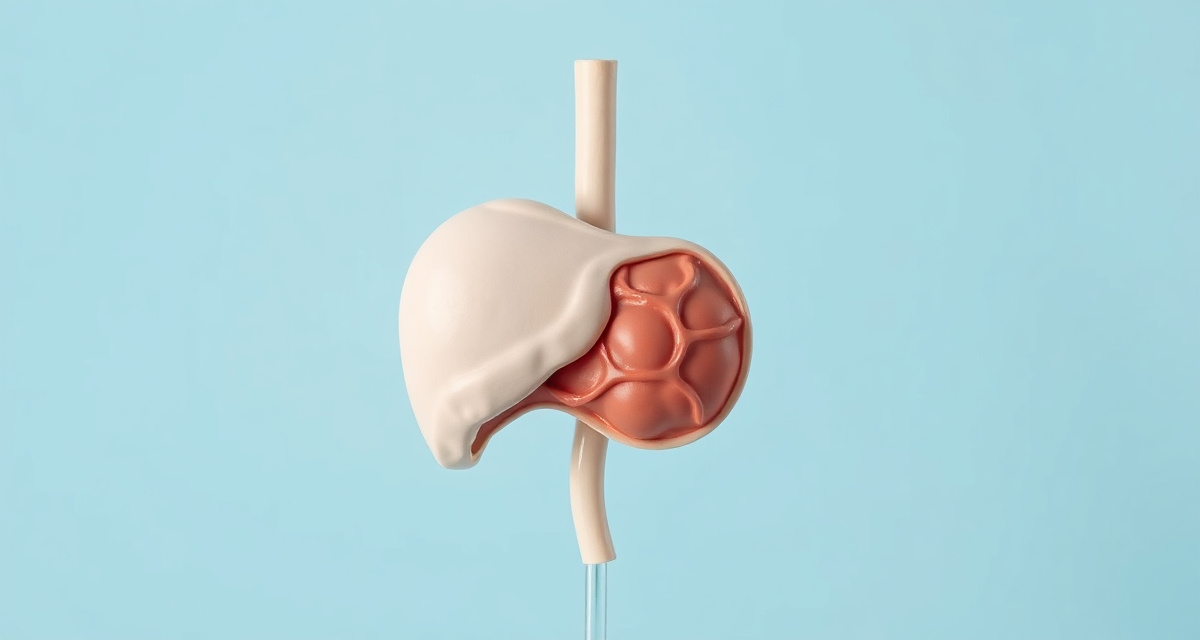
A thorough, evidence-based guide to understanding and managing gallbladder risk during GLP-1 receptor agonist therapy
1. Introduction: Why This Topic Matters
GLP-1 receptor agonists like semaglutide have transformed the treatment of obesity and type 2 diabetes, delivering weight loss results that were previously achievable only through bariatric surgery. Medications such as Wegovy (semaglutide 2.4 mg for weight management) and Ozempic (semaglutide for type 2 diabetes) are now among the most widely prescribed medications in the United States, with millions of patients currently on therapy. For a complete cost breakdown, see our cheapest GLP-1 without insurance.
View data table
| Category | Reader Interest (%) | Detail |
|---|---|---|
| Dosing | 32 | Titration schedules |
| Side Effects | 28 | Management strategies |
| Injection | 22 | Technique guides |
| Diet/Exercise | 18 | Lifestyle optimization |
With widespread adoption comes the responsibility to understand every meaningful risk - not just the common gastrointestinal side effects like nausea and constipation that dominate most patient education materials, but also the less frequent but clinically significant complications that can arise during treatment. Among these, gallbladder disease deserves particular attention.
Gallbladder complications aren't the most common side effect of GLP-1 therapy. They aren't even among the top five most frequently reported adverse events. But they're among the most clinically consequential when they do occur. A gallstone attack can be intensely painful, requiring emergency room visits, imaging studies, and in some cases urgent surgery. Understanding this risk before it manifests - and knowing how to minimize it - is an important part of responsible GLP-1 therapy.
This guide provides a thorough, evidence-based exploration of the relationship between semaglutide, GLP-1 medications, and gallbladder disease. We will walk through the underlying physiology, examine the clinical trial data, identify who is most at risk, describe the symptoms you should watch for, detail proven prevention strategies, and outline what happens if gallbladder problems do develop. Our goal isn't to discourage GLP-1 treatment - the benefits for appropriate patients are well-established - but to ensure you're fully informed and prepared.
Who Should Read This Guide
This guide is written for several audiences:
- Patients currently taking semaglutide or another GLP-1 medication who want to understand their gallbladder risk and know what symptoms to watch for
- Patients considering starting GLP-1 therapy who want to make a fully informed decision about treatment
- Patients who have already experienced gallbladder symptoms and want to understand their options for continuing or modifying treatment
- Patients who have had their gallbladder removed and wonder whether they can safely take semaglutide
- Anyone interested in the evidence-based science behind this increasingly relevant clinical topic
Throughout this guide, we reference clinical trial data, peer-reviewed research, and established medical guidelines. But this content is for educational purposes and shouldn't replace individualized medical advice from your healthcare provider. If you're experiencing symptoms that concern you, contact your doctor or seek medical attention.
2. Gallbladder Anatomy and Function: The Basics
Before diving into how GLP-1 medications affect the gallbladder, it helps to understand what the gallbladder does and why it's vulnerable to stone formation in the first place.
Check your GLP-1 eligibility
Use our free BMI Calculator to see if you may qualify for provider-reviewed GLP-1 therapy.
Try the BMI Calculator →What the Gallbladder Is
The gallbladder is a small, pear-shaped organ located just beneath the liver on the right side of the abdomen. In adults, it measures approximately 7 to 10 centimeters in length and holds about 30 to 50 milliliters of bile at any given time. Despite its small size, it matters in the digestive process.
What the Gallbladder Does
The gallbladder serves as a storage and concentration facility for bile, a digestive fluid produced by the liver. Here is how the process works:
- Bile production: The liver continuously produces bile, a complex fluid containing water, bile salts, cholesterol, bilirubin (a breakdown product of red blood cells), phospholipids (primarily lecithin), and electrolytes.
- Storage and concentration: Between meals, bile flows from the liver through the hepatic ducts into the gallbladder, where it's stored and concentrated by absorbing water. Gallbladder bile is typically 5 to 10 times more concentrated than hepatic bile.
- Release: When you eat a meal - particularly one containing fat - the small intestine releases a hormone called cholecystokinin (CCK). CCK signals the gallbladder to contract and release its concentrated bile into the duodenum (the first section of the small intestine).
- Fat digestion: In the duodenum, bile salts emulsify dietary fats, breaking large fat globules into smaller droplets that can be efficiently digested by pancreatic lipase enzymes.
The Delicate Chemical Balance of Bile
Bile is a carefully balanced solution. The three primary lipid components - cholesterol, bile salts, and phospholipids - must remain in specific proportions for cholesterol to stay dissolved in solution. When this balance is disrupted - specifically when cholesterol concentration increases relative to bile salts and phospholipids - cholesterol can precipitate out of solution and form crystals. These crystals are the seeds from which gallstones grow.
This equilibrium is often visualized using what is called the Admirand-Small triangle, a ternary diagram that plots the relative concentrations of cholesterol, bile salts, and lecithin. When the composition falls within the central zone of the triangle, cholesterol remains dissolved. When it shifts toward the cholesterol corner, the bile becomes supersaturated, and stone formation becomes thermodynamically favorable.
Why This Matters for GLP-1 Patients
Understanding this delicate balance is important for GLP-1 patients because rapid weight loss disrupts it directly. When you lose weight quickly, your liver mobilizes cholesterol from adipose (fat) tissue and excretes it into bile. This floods the bile with excess cholesterol, pushing the system out of equilibrium and into the supersaturation zone where stone formation is likely.
3. How Gallstones Form: The Science of Cholelithiasis
Gallstone formation (cholelithiasis) isn't a sudden event. It's a gradual process that unfolds over weeks to months, involving multiple converging factors. Understanding each step helps explain why rapid weight loss is such a potent trigger.
Types of Gallstones
There are three main types of gallstones, each with different compositions and formation mechanisms:
| Type | Composition | Prevalence | Key Risk Factors | Relevance to GLP-1 Therapy |
|---|---|---|---|---|
| Cholesterol stones | Greater than 50% cholesterol (usually 70-90%) | ~80% of gallstones in Western populations | Obesity, rapid weight loss, female sex, age, genetics, metabolic syndrome | Primary type formed during rapid weight loss. directly relevant |
| Pigment stones (black) | Calcium bilirubinate and calcium phosphate | ~15% of gallstones | Hemolytic anemias, cirrhosis, aging | Not directly associated with weight loss or GLP-1 therapy |
| Pigment stones (brown) | Calcium bilirubinate, fatty acids, cholesterol | ~5% of gallstones | Biliary infections, bile duct stasis, parasites | Not directly associated with weight loss or GLP-1 therapy |
For the remainder of this guide, when we discuss gallstones in the context of GLP-1 therapy, we're primarily referring to cholesterol stones, as these are the type that form during rapid weight loss.
The Five Stages of Cholesterol Gallstone Formation
Cholesterol gallstone formation proceeds through a well-characterized sequence of steps. Each step represents a potential point of intervention - which is why understanding the process informs prevention strategies.
Stage 1: Cholesterol Supersaturation of Bile
The process begins when the liver secretes more cholesterol into bile than the bile salts and phospholipids can keep dissolved. This creates a state called supersaturation. In the context of GLP-1-associated weight loss, this happens because adipose tissue breakdown releases large quantities of cholesterol that the liver processes and excretes via bile. The bile salt pool doesn't increase proportionally, creating an imbalance.
Several factors contribute to supersaturation:
- Increased hepatic cholesterol secretion from mobilized fat stores
- Decreased bile salt pool from reduced intestinal reabsorption (especially with reduced food intake)
- Altered phospholipid metabolism
- Hormonal changes associated with weight loss
Stage 2: Nucleation (Crystal Formation)
Once bile is supersaturated, cholesterol crystals begin to form - a process called nucleation. This doesn't happen instantaneously. it requires nucleating factors, which are substances in bile that promote crystal seed formation. These include:
- Mucin glycoproteins: Secreted by the gallbladder epithelium, mucin acts as a scaffold for crystal formation. The gallbladder produces more mucin during periods of biliary stasis.
- Calcium salts: Calcium ions serve as binding sites for cholesterol crystals.
- Immunoglobulins and other proteins: Various biliary proteins can promote or inhibit nucleation.
Nucleation time - the time it takes for crystals to first appear in supersaturated bile - is a key parameter. In gallstone-forming bile, nucleation time is typically less than 3 to 7 days. In non-stone-forming bile, it can be 15 to 21 days or longer.
Stage 3: Biliary Sludge Formation
As crystals accumulate, they combine with mucin and other biliary components to form biliary sludge - a thick, gelatinous material that can be seen on ultrasound. Sludge represents an intermediate stage between normal bile and gallstone formation. It's clinically important because:
- Approximately 5 to 15% of biliary sludge progresses to gallstones
- Sludge can itself cause biliary symptoms (sludge colic)
- Sludge is reversible in many cases - up to 60% resolves spontaneously
- Detection of sludge provides an early warning and opportunity for intervention
Stage 4: Stone Growth
If conditions remain favorable, cholesterol crystals and sludge aggregate into progressively larger stones. Stones grow through ongoing cholesterol precipitation and may incorporate calcium and bilirubin into their structure. Growth rate varies but typically takes weeks to months. Stones can range from tiny gravel (a few millimeters) to large solitary stones several centimeters in diameter.
Stage 5: Complications (Obstruction and Inflammation)
Gallstones become clinically problematic when they obstruct the cystic duct (the tube connecting the gallbladder to the common bile duct) or migrate into the common bile duct itself. Obstruction triggers pain (biliary colic), and persistent obstruction leads to inflammation (cholecystitis) and potentially more serious complications including pancreatitis and cholangitis.
Gallbladder Motility: The Role of Stasis
Even with supersaturated bile, gallstones are less likely to form if the gallbladder empties frequently and completely. Regular gallbladder contraction flushes out crystals and sludge before they can aggregate into stones. Conversely, gallbladder stasis - inadequate emptying - provides a stagnant environment where crystals have time to accumulate.
This is why several aspects of GLP-1 therapy contribute to stone risk beyond cholesterol mobilization:
- Reduced food intake: Patients on semaglutide eat less, which means fewer meals containing fat. Fewer fatty meals means fewer CCK-mediated gallbladder contractions.
- Meal skipping: The appetite suppression from GLP-1 medications may lead some patients to skip meals entirely, further reducing gallbladder contraction frequency.
- Potential direct GLP-1 effect: There's preliminary evidence that GLP-1 receptor activation may directly inhibit gallbladder smooth muscle contraction, though this remains an area of active investigation.
4. Why GLP-1 Medications Increase Gallbladder Risk
A common question patients ask is whether semaglutide itself causes gallbladder problems, or whether it's the weight loss that's responsible. The answer is nuanced, and understanding the distinction has important practical implications.
The Primary Driver: Rapid Weight Loss
The medical literature is clear that rapid weight loss - regardless of the method used to achieve it - is the dominant factor driving gallstone formation. This has been demonstrated across multiple weight loss modalities:
| Weight Loss Method | Gallstone Incidence | Rate of Weight Loss | Timeframe |
|---|---|---|---|
| Very-low-calorie diet (<800 kcal/day) | 10-25% | 1.5-2.5 kg/week | Within 4-16 weeks |
| Roux-en-Y gastric bypass | 22-38% (without prophylaxis) | Variable, often >2 kg/week initially | Within 6-18 months |
| Sleeve gastrectomy | 15-28% (without prophylaxis) | Variable, often >1.5 kg/week initially | Within 6-18 months |
| Adjustable gastric banding | 5-10% | 0.5-1 kg/week | Within 12-24 months |
| GLP-1 receptor agonists (semaglutide 2.4mg) | 1.5-3% | 0.5-1 kg/week average | Over 68-104 weeks |
| Moderate caloric restriction (standard diet) | Less than 1% | 0.25-0.5 kg/week | Over 6-12 months |
This table reveals a critical pattern: the faster the weight loss, the higher the gallstone incidence. GLP-1 medications actually fall on the lower end of the gallstone risk spectrum compared to bariatric surgery and very-low-calorie diets, precisely because the rate of weight loss tends to be more gradual.
The Cholesterol Mobilization Cascade
Here is the step-by-step process by which rapid weight loss leads to gallstone formation:
- Adipose tissue mobilization: As your body burns stored fat for energy, triglycerides in adipose tissue are broken down through lipolysis. This releases free fatty acids and glycerol into the bloodstream.
- Hepatic cholesterol processing: The liver takes up these fatty acids and, as part of its normal metabolism, increases cholesterol synthesis and excretion. More cholesterol is secreted into bile than can be kept in solution.
- Bile supersaturation: The ratio of cholesterol to bile salts and phospholipids tilts in favor of cholesterol. Bile becomes a supersaturated solution, thermodynamically primed for crystal formation.
- Gallbladder stasis amplifies risk: Simultaneously, reduced food intake means fewer gallbladder contractions, allowing supersaturated bile to sit in the gallbladder for longer periods.
- Crystal nucleation and stone growth: With supersaturated, stagnant bile, cholesterol crystals form, aggregate into sludge, and potentially grow into clinically significant stones.
The Potential Direct Effect of GLP-1 on Gallbladder Motility
Beyond the weight-loss-driven mechanism, there's an emerging body of evidence suggesting that GLP-1 receptor agonists may have a direct, though relatively modest, effect on gallbladder function.
GLP-1 receptors have been identified on gallbladder smooth muscle cells in animal studies. Activation of these receptors appears to relax gallbladder smooth muscle, potentially reducing the gallbladder ejection fraction (the percentage of bile expelled during contraction). In some studies, GLP-1 infusion reduced gallbladder emptying by 20 to 40% in healthy volunteers.
But the clinical significance of this direct effect remains debated. Several lines of evidence suggest that rapid weight loss is the primary culprit:
- Gallstone rates in GLP-1 trials correlate with the degree of weight loss achieved, not with the specific GLP-1 medication or dose
- GLP-1 receptor agonists used for type 2 diabetes at lower doses (which produce less weight loss) show lower gallstone rates than the same medications at higher, weight-management doses
- Other methods of rapid weight loss (surgery, very-low-calorie diets) produce similar or higher gallstone rates without any GLP-1 receptor activation
- The pattern of gallstone timing - peaking during the most rapid weight loss phase - is consistent with a weight-loss-driven mechanism
The practical takeaway is this: while the direct gallbladder effect of GLP-1 medications may contribute modestly to risk, the overwhelming driver is the weight loss itself. This is actually encouraging, because it means that risk-reduction strategies focused on controlling the rate and pattern of weight loss are likely to be effective.
The Paradox of Obesity and Gallstones
There's an important paradox to consider: obesity itself is one of the strongest risk factors for gallstone formation. Obese individuals have a two to three times higher risk of gallstones compared to normal-weight individuals, driven by increased hepatic cholesterol secretion and altered bile composition.
This creates a situation where patients need treatment for obesity to reduce their long-term gallstone risk, but the process of losing weight temporarily increases their short-term gallstone risk. The long-term calculus generally favors treatment: achieving and maintaining a healthy weight reduces lifetime gallstone risk, even if the transition period carries some increased vulnerability.
This paradox reinforces the importance of gradual, sustained weight loss - which is actually what GLP-1 medications tend to produce compared to more aggressive interventions - and of implementing preventive measures during the active weight loss phase.
5. Clinical Trial Data: What the Numbers Show
Understanding the actual incidence rates from clinical trials helps put gallbladder risk in proper perspective. The data comes primarily from the large, well-controlled Phase III trials that led to semaglutide's approval for weight management.
STEP Trial Program: Semaglutide 2.4 mg (Wegovy)
The STEP (Semaglutide Treatment Effect in People with Obesity) trial program is the most thorough source of data on gallbladder events during semaglutide therapy for weight management.
STEP 1 Trial[1]
This landmark trial enrolled 1,961 adults[1] with obesity (BMI of 30 or greater) or overweight (BMI of 27 or greater with at least one weight-related comorbidity) without diabetes. Participants received semaglutide 2.4 mg weekly or placebo for 68 weeks.
- Mean weight loss: 14.9% in the semaglutide group vs. 2.4% in the placebo group
- Cholelithiasis (gallstones): reported in 1.6% of semaglutide patients vs. 0.5% in placebo
- Cholecystitis: reported in 0.6% of semaglutide patients vs. 0.2% in placebo
- Cholecystectomy: 0.8% of semaglutide patients vs. 0.2% in placebo underwent gallbladder removal
STEP 3 Trial[2]
This trial combined semaglutide 2.4 mg with intensive behavioral therapy in 611 participants over 68 weeks.
- Mean weight loss: 16.0% in the semaglutide plus behavioral therapy group
- Gallbladder-related events: approximately 2.6% in the semaglutide group
- The higher rate likely reflects the greater magnitude of weight loss achieved with combined therapy
STEP 5 Trial[3]
This longer-duration trial followed 304 participants for 104 weeks (2 years), providing important long-term safety data.
- Mean weight loss: 15.2% at 104 weeks[3] in the semaglutide group
- Gallbladder-related events accumulated over the 2-year period, with most occurring during the first year when weight loss was most rapid
- Events were less frequent during the weight maintenance phase (year 2)
Pooled Safety Analysis
A pooled analysis across the STEP trial program provides the most strong picture of gallbladder risk:
| Event | Semaglutide 2.4 mg | Placebo | Risk Ratio |
|---|---|---|---|
| Any gallbladder-related event | 2.6% | 0.8% | ~3.2x |
| Cholelithiasis (gallstones) | 1.6% | 0.5% | ~3.2x |
| Cholecystitis (inflammation) | 0.6% | 0.2% | ~3.0x |
| Biliary colic | 0.3% | 0.1% | ~3.0x |
| Cholecystectomy required | 0.8% | 0.2% | ~4.0x |
Contextualizing the Numbers
While the relative risk (approximately 3x compared to placebo) sounds significant, the absolute risk remains modest. For every 100 patients taking semaglutide 2.4 mg for weight loss over approximately 68 weeks:
- About 97 to 98 won't experience any gallbladder-related event
- About 1 to 2 will develop gallstones (most detected incidentally or with mild symptoms)
- Less than 1 will develop cholecystitis requiring intervention
- Less than 1 will require cholecystectomy
For comparison, consider other commonly accepted medical risks:
- The risk of gallstones from oral contraceptive use is approximately 1.5 to 2x baseline
- The annual risk of gallstones in the general obese population is approximately 1 to 3%
- The risk of gallstones after bariatric surgery is 22 to 38% without prophylaxis
SELECT Trial[4]: Cardiovascular Outcome Data
The SELECT trial, a large cardiovascular outcomes trial involving over 17,000 participants with established cardiovascular disease taking semaglutide 2.4 mg for a median of approximately 40 months, provided additional long-term safety data. Gallbladder-related events continued to be observed at rates consistent with the STEP trials, confirming that this is a real but manageable risk of therapy.
What the Data Tells Us About Timing
Analysis of the timing of gallbladder events across trials reveals an important pattern: the vast majority of events cluster during the period of most rapid weight loss, which for semaglutide patients is typically months 3 through 12. During this period, patients are typically losing 0.5 to 1.5 kg per week, with some individuals experiencing even faster loss.
After weight loss stabilizes - typically around months 12 to 18 when patients reach their weight plateau - the rate of new gallbladder events drops substantially. This temporal pattern strongly supports the hypothesis that weight loss velocity, rather than cumulative drug exposure, is the primary driver of risk.
6. Risk Factors: Who Is Most Vulnerable?
Not every patient on semaglutide faces the same gallbladder risk. A combination of fixed (non-modifiable) and modifiable risk factors determines each individual's vulnerability. Understanding your personal risk profile allows you to tailor prevention strategies appropriately.
The Classic Risk Factors: The "5 Fs" (and Beyond)
Medical education has traditionally summarized gallstone risk factors using the mnemonic of the "5 Fs": Fat, Female, Forty, Fertile, and Fair. While this mnemonic captures some important risk factors, it's an oversimplification. A more thorough risk assessment includes the following factors.
Non-Modifiable Risk Factors
| Risk Factor | Risk Increase | Mechanism | Clinical Significance |
|---|---|---|---|
| Female sex | 2-3x compared to males | Estrogen increases hepatic cholesterol secretion and progesterone reduces gallbladder motility | The single strongest demographic risk factor. women on GLP-1 therapy should be particularly vigilant |
| Age over 40 | Progressively increasing. 4-10x by age 60+ | Increased biliary cholesterol secretion, decreased bile salt synthesis, reduced gallbladder motility with aging | Most GLP-1 patients are in the higher-risk age groups for gallstones |
| Genetics / family history | 2-4x with first-degree relative | Variants in ABCG5/ABCG8 (cholesterol transporters), LITH genes affecting bile composition | Ask about family history of gallstones, especially in parents and siblings |
| Ethnicity | Variable. highest in Native American and Hispanic populations | Genetic predisposition to lithogenic bile composition | Pima Native Americans have gallstone prevalence exceeding 70%. Hispanic populations approximately 2x general risk |
| Prior gallbladder history | Substantially improved (history of sludge or prior biliary colic) | Indicates pre-existing biliary tendency toward stone formation | Prior sludge or symptoms indicate a gallbladder already prone to stone formation. heightened monitoring and prophylaxis recommended |
Modifiable Risk Factors
These are the factors you and your healthcare provider can influence to reduce gallbladder risk:
- Rate of weight loss: This is the most impactful modifiable factor. Losing more than 1.5 kg (3.3 pounds) per week significantly increases risk. The target during GLP-1 therapy should be 0.5 to 1 kg (1 to 2 pounds) per week for the lowest gallstone risk.
- Total caloric intake: Very-low-calorie diets (under 800 calories per day) carry dramatically higher gallstone risk. Most GLP-1 patients should maintain intake above 1,000 to 1,200 calories daily.
- Dietary fat intake: Paradoxically, very low fat intake increases gallstone risk by reducing gallbladder contraction frequency. Moderate fat intake (20 to 35% of calories) is protective.
- Meal frequency: Skipping meals or prolonged fasting reduces gallbladder contraction and promotes stasis. Regular meals (at least 3 per day) help maintain gallbladder motility.
- Hydration status: Adequate hydration supports bile fluidity and reduces concentration of lithogenic factors.
- Physical activity: Regular exercise has been associated with reduced gallstone risk, potentially through effects on bile composition and gallbladder motility.
- Fiber intake: Higher dietary fiber intake is associated with reduced gallstone risk, possibly through effects on bile acid metabolism.
- Weight cycling: Repeated cycles of weight loss and regain (yo-yo dieting) are associated with increased gallstone risk. Sustained weight loss is preferable to repeated loss-regain cycles.
Medications That May Increase Risk
Several medications can independently increase gallstone risk and may compound the risk from GLP-1 therapy:
- Estrogen-containing medications: Oral contraceptives and hormone replacement therapy increase biliary cholesterol secretion
- Fibrates (fenofibrate, gemfibrozil): These cholesterol medications increase biliary cholesterol excretion
- Octreotide: Reduces gallbladder motility and is associated with high gallstone rates
- Ceftriaxone: Can cause biliary sludge with prolonged use
- Thiazide diuretics: Modest increase in gallstone risk in some studies
Calculating Your Personal Risk
While no validated risk calculator exists specifically for GLP-1-associated gallstones, you can assess your relative risk by counting risk factors:
- Lower risk (0-1 risk factors): Standard monitoring and lifestyle prevention measures are generally sufficient
- Moderate risk (2-3 risk factors): Enhanced monitoring and more aggressive lifestyle prevention. consider discussing ursodiol prophylaxis with your provider
- Higher risk (4+ risk factors): Ursodiol prophylaxis should be strongly considered. more frequent monitoring. discuss potential baseline ultrasound
7. Symptoms: What to Watch For
Recognizing gallbladder symptoms early is one of the most important aspects of managing gallstone risk during GLP-1 therapy. The challenge is that some gallbladder symptoms overlap with the common gastrointestinal side effects of semaglutide (nausea, bloating, abdominal discomfort), which can delay recognition. This section will help you distinguish between typical GLP-1 side effects and symptoms that warrant gallbladder evaluation.
Asymptomatic Gallstones: The Silent Majority
Many gallstones never cause symptoms. Approximately 60 to 80% of gallstones are discovered incidentally on imaging performed for other reasons and remain clinically silent. Among the gallstones detected in GLP-1 clinical trials, a significant proportion were found through routine monitoring rather than symptom-driven evaluation.
The annual risk of an asymptomatic gallstone becoming symptomatic is approximately 1 to 2% per year. even if you develop gallstones during GLP-1 therapy, there's a reasonable chance they may never cause problems.
Classic Gallbladder Symptoms
When gallstones do cause symptoms, the presentation is often characteristic:
Biliary Colic (Gallstone Attacks)
Biliary colic is the hallmark symptom of gallstones. Despite the name "colic" (which implies a cramping, intermittent quality), biliary pain is typically constant and unrelenting during an episode.
- Location: Right upper quadrant (RUQ) of the abdomen, just below the rib cage on the right side. Some patients also experience epigastric (upper central) pain.
- Character: Steady, intense, deep, and sometimes described as a "squeezing" or "pressure" sensation. Despite the name, it isn't truly colicky (cramping and releasing).
- Radiation: Pain frequently radiates to the right shoulder blade (infrascapular region) or to the mid-back between the shoulder blades. This referred pain pattern is caused by shared nerve pathways (the phrenic nerve) and is highly suggestive of biliary origin.
- Timing: Classically occurs 30 to 60 minutes after eating, particularly after fatty meals. Can also occur at night, sometimes waking patients from sleep.
- Duration: Typically lasts 30 minutes to 4 to 6 hours. Pain lasting less than 15 minutes is unlikely to be biliary colic. Pain lasting more than 6 hours raises concern for acute cholecystitis.
- Associated symptoms: Nausea and vomiting are common during attacks. Diaphoresis (sweating) may occur with severe pain.
- Resolution: Pain resolves spontaneously as the stone disimpacts from the cystic duct. Patients feel well between episodes.
Postprandial Discomfort (Dyspepsia)
Some patients with gallstones experience milder, more chronic symptoms:
- Bloating and a sensation of fullness after meals, particularly fatty meals
- Vague right upper quadrant discomfort that's less intense than biliary colic
- Nausea after meals, particularly when meals are rich in fat
- Food intolerances, especially to greasy, fried, or heavy foods
These milder symptoms can be difficult to distinguish from common GLP-1 gastrointestinal side effects, which is why the pattern of symptoms is important.
Distinguishing GLP-1 Side Effects from Gallbladder Symptoms
Here is a practical comparison to help differentiate between common GLP-1 gastrointestinal side effects and gallbladder-related symptoms:
| Feature | Typical GLP-1 GI Side Effects | Gallbladder Symptoms |
|---|---|---|
| Pain location | Diffuse abdominal discomfort, often epigastric or periumbilical | Focused right upper quadrant or epigastric. radiates to right shoulder/back |
| Pain character | Mild to moderate. cramping, bloating, general discomfort | Intense, steady, deep pressure. can be severe |
| Timing | Often dose-related. improves with dose stabilization. may occur regardless of meals | Triggered by fatty meals. occurs 30-60 min post-meal |
| Duration | Low-grade and persistent. nausea can last hours to days | Discrete episodes lasting 30 min to 6 hours with symptom-free intervals |
| Nausea pattern | Often constant or fluctuating. may improve over weeks of treatment | Associated with discrete pain episodes. resolves when pain resolves |
| Shoulder pain | Not typical | Right shoulder or interscapular pain is highly suggestive |
| Fever | Not associated | Fever with pain suggests cholecystitis (seek immediate care) |
| Trend over time | Usually improves as body adjusts to medication (weeks 4-12) | Episodes may become more frequent over time without treatment |
| Response to dietary changes | May improve with smaller meals, bland foods | Specifically triggered by fat. may not occur with low-fat meals |
Warning Signs That Require Prompt Medical Evaluation
Contact your healthcare provider if you experience any of the following while on semaglutide therapy:
- New onset of right upper quadrant pain, especially after meals
- Pain radiating to your right shoulder blade or mid-back
- Recurrent episodes of severe abdominal pain lasting 30 minutes or more
- Nausea and vomiting that's distinctly different from your typical GLP-1 side effects
- Abdominal pain that wakes you from sleep
- Increasing intolerance to fatty foods with associated pain
8. Biliary Colic vs. Acute Cholecystitis: Understanding the Difference
When gallstones cause symptoms, there's a critical distinction between biliary colic (a painful but self-limited episode) and acute cholecystitis (a potentially dangerous inflammatory condition). Understanding this difference helps you know when you can manage symptoms at home and when you need emergency care.
Biliary Colic
Biliary colic occurs when a gallstone temporarily blocks the cystic duct (the tube connecting the gallbladder to the common bile duct). The gallbladder contracts against the obstruction, generating the characteristic pain. When the stone disimpacts or falls back into the gallbladder, the obstruction resolves and the pain subsides.
Key features of biliary colic:
- Pain is intense but self-limited (typically resolves within 1 to 6 hours)
- No fever
- No peritoneal signs (no rebound tenderness, guarding, or rigidity)
- White blood cell count is normal
- Patient feels completely well between episodes
- Murphy's sign (pain with palpation under the right costal margin during inspiration) may be absent between attacks
Biliary colic, while painful, isn't immediately dangerous. It's, however, a strong predictor of future attacks and complications. Approximately 2 to 3% of patients with biliary colic will develop a serious complication (acute cholecystitis, choledocholithiasis, or pancreatitis) each year.
Acute Cholecystitis
Acute cholecystitis occurs when a gallstone persistently blocks the cystic duct, leading to gallbladder distension, inflammation, and potentially infection. Unlike biliary colic, acute cholecystitis doesn't resolve on its own and typically requires medical intervention.
Key features of acute cholecystitis:
- Pain is constant and doesn't resolve after 6 hours
- Fever (temperature above 38 degrees Celsius / 100.4 degrees Fahrenheit)
- Positive Murphy's sign (pain and inspiratory arrest with palpation of the RUQ)
- improved white blood cell count (leukocytosis)
- improved C-reactive protein (CRP)
- Patient appears ill and uncomfortable
- May progress to gallbladder necrosis, perforation, or abscess if untreated
Complications of Untreated Gallstones
Beyond biliary colic and acute cholecystitis, gallstones can cause several other serious complications:
- Choledocholithiasis: A stone migrates from the gallbladder into the common bile duct, potentially causing obstruction, jaundice, and ascending cholangitis
- Cholangitis: Infection of the bile duct system, characterized by Charcot's triad (pain, fever, jaundice) or Reynolds' pentad (adding confusion and hypotension). This is a life-threatening emergency.
- Gallstone pancreatitis: A stone impacts the ampulla of Vater, blocking both the bile duct and the pancreatic duct, causing acute pancreatitis. This accounts for approximately 30 to 40% of acute pancreatitis cases.
- Gallbladder perforation: In severe, untreated cholecystitis, the gallbladder wall can become necrotic and rupture, causing peritonitis
- Mirizzi syndrome: A large stone impacted in the cystic duct compresses the common hepatic duct, causing obstructive jaundice
- Gallstone ileus: A large stone erodes through the gallbladder wall into the adjacent bowel, potentially causing intestinal obstruction. This is rare.
9. When It Is an Emergency: Red Flags
While most gallbladder-related events during GLP-1 therapy are manageable, certain presentations require emergency medical attention. Recognizing these red flags can be life-saving.
Seek Emergency Care Immediately If You Experience:
Call 911 or go to the emergency room immediately if you have:
- Severe abdominal pain lasting more than 6 hours - suggests acute cholecystitis rather than simple biliary colic
- Fever (above 100.4°F / 38°C) with abdominal pain - suggests infection (cholecystitis or cholangitis)
- Jaundice (yellowing of the skin or whites of the eyes) - suggests bile duct obstruction, which requires urgent intervention
- Dark tea-colored urine with pale or clay-colored stools - another sign of bile duct obstruction
- Fever with shaking chills (rigors) and abdominal pain - classic presentation of ascending cholangitis, a medical emergency
- Confusion or altered mental status with abdominal pain and fever - suggests severe sepsis from biliary infection
- Persistent vomiting with inability to keep fluids down - risk of dehydration and may indicate severe biliary obstruction
- Sudden, severe pain in the upper abdomen radiating straight through to the back - may indicate gallstone pancreatitis
- Abdominal rigidity (board-like stiffness) - suggests peritonitis from possible gallbladder perforation
What to Tell the Emergency Department
If you do need emergency care, providing the following information can speed your evaluation and treatment:
- That you're currently taking semaglutide (or another GLP-1 medication) and the dose
- How long you have been on the medication
- How much weight you have lost and over what time period
- When your symptoms started and how they have progressed
- Whether you have had similar episodes before
- Whether you have any known gallbladder history or previous imaging
- Your last meal and what it contained
- Any medications you're taking
What to Expect in the Emergency Department
Emergency evaluation for suspected gallbladder disease typically includes:
- Physical examination: Assessment of important signs, abdominal tenderness, Murphy's sign, and signs of jaundice or peritonitis
- Blood tests: Complete blood count (CBC), liver function panel (AST, ALT, alkaline phosphatase, bilirubin), lipase (to rule out pancreatitis), and inflammatory markers (CRP)
- Right upper quadrant ultrasound: The initial imaging study of choice. can detect gallstones, gallbladder wall thickening, pericholecystic fluid, and bile duct dilation
- CT scan: May be ordered if complications are suspected (perforation, abscess) or if the diagnosis is uncertain
- Pain management: Intravenous analgesics and anti-emetics
- Surgical consultation: If acute cholecystitis or another surgical complication is identified
10. Diagnosis: How Gallbladder Problems Are Detected
If you or your healthcare provider suspects gallbladder disease, several diagnostic tools are available. Understanding these tests can help reduce anxiety about the evaluation process.
Right Upper Quadrant Ultrasound
Ultrasound is the first-line imaging study for suspected gallbladder disease. It's non-invasive, widely available, involves no radiation, and is highly accurate for detecting gallstones.
- Sensitivity for gallstones: approximately 95% (meaning it detects 95 out of 100 cases)
- Specificity: approximately 95% (meaning false positives are rare)
- Can detect: gallstones, biliary sludge, gallbladder wall thickening, pericholecystic fluid, gallbladder polyps, and bile duct dilation
- Limitations: operator-dependent quality. may miss very small stones. can't reliably detect common bile duct stones
- Preparation: requires 8 to 12 hours of fasting for optimal gallbladder distension
- Duration: approximately 15 to 30 minutes
HIDA Scan (Hepatobiliary Iminodiacetic Acid Scan)
A HIDA scan is a nuclear medicine study that evaluates gallbladder function rather than anatomy. It's particularly useful when ultrasound findings are equivocal or when acalculous cholecystitis (gallbladder inflammation without stones) is suspected.
- How it works: A radioactive tracer is injected intravenously, taken up by the liver, and excreted into bile. A gamma camera tracks the tracer through the biliary system.
- Normal result: The tracer fills the gallbladder and passes into the duodenum within 60 minutes
- Abnormal result: Non-visualization of the gallbladder suggests cystic duct obstruction (acute cholecystitis). reduced ejection fraction (below 35%) suggests chronic cholecystitis or biliary dyskinesia
- Duration: 60 to 90 minutes (up to 4 hours with delayed imaging)
- Preparation: 2 to 4 hours of fasting
Blood Tests
While blood tests can't diagnose gallstones directly, they're important for detecting complications and guiding management:
- Complete blood count (CBC): improved white blood cell count (leukocytosis) suggests infection or inflammation
- Liver function tests:
- Alkaline phosphatase (ALP): improved with bile duct obstruction
- Gamma-glutamyl transferase (GGT): improved with biliary obstruction
- Total and direct bilirubin: improved with bile duct obstruction (causing jaundice)
- AST and ALT: may be improved with bile duct obstruction or hepatocellular inflammation
- Lipase and amylase: improved with gallstone pancreatitis
- C-reactive protein (CRP): improved with inflammation. helps differentiate biliary colic from cholecystitis
Advanced Imaging
In certain situations, additional imaging beyond ultrasound may be needed:
- MRCP (Magnetic Resonance Cholangiopancreatography): Non-invasive imaging of the bile ducts using MRI. Excellent for detecting common bile duct stones, strictures, and other bile duct pathology. No radiation and no contrast injection required. Duration approximately 30 to 60 minutes.
- CT scan: Useful for evaluating complications (perforation, abscess, pancreatitis) and when the diagnosis is uncertain. Less sensitive than ultrasound for detecting cholesterol gallstones (which may be radiolucent on CT) but excellent for complications.
- Endoscopic ultrasound (EUS): An ultrasound probe at the tip of an endoscope, positioned in the duodenum or stomach. Provides very high-resolution images of the bile duct and gallbladder. Used when small common bile duct stones are suspected but not visible on other imaging.
- ERCP (Endoscopic Retrograde Cholangiopancreatography): Both diagnostic and therapeutic. An endoscope is advanced into the duodenum, and contrast is injected into the bile duct for fluoroscopic imaging. If stones are found, they can be removed during the procedure. ERCP is invasive and carries a 3 to 5% risk of complications (primarily pancreatitis), so it's reserved for situations where therapeutic intervention is anticipated.
11. Prevention Strategies: Reducing Your Risk
Prevention is the cornerstone of managing gallbladder risk during GLP-1 therapy. A multi-faceted approach targeting multiple stages of gallstone formation offers the best protection. The strategies outlined here are practical, evidence-based, and can be integrated into your GLP-1 treatment plan.
Strategy 1: Control the Rate of Weight Loss
This is the single most impactful prevention strategy. Because rapid weight loss is the primary driver of gallstone formation during GLP-1 therapy, keeping weight loss at a moderate pace directly reduces biliary cholesterol supersaturation.
Target: 0.5 to 1 kg (1 to 2 pounds) per week
Practical approaches to moderate weight loss velocity:
- Follow the standard semaglutide dose escalation schedule rather than escalating more quickly than recommended
- If you're losing weight faster than 1.5 kg per week for several consecutive weeks, discuss with your provider whether dose adjustment or dietary modifications are appropriate
- Ensure adequate caloric intake (generally at least 1,000 to 1,200 calories per day for women, 1,200 to 1,500 for men, though individual needs vary)
- Track your weekly weight loss rate so you and your provider can identify rapid loss early
Strategy 2: Maintain Regular Meals
Eating regular meals serves multiple protective functions: it maintains gallbladder motility through regular CCK-mediated contractions, it prevents the prolonged fasting that promotes biliary stasis, and it ensures adequate fat intake to keep the gallbladder active.
Recommendations:
- Eat at least 3 meals per day, even if portions are smaller due to appetite suppression
- Don't skip meals, even when your appetite is minimal
- If appetite is severely suppressed, focus on nutrient-dense, smaller meals rather than skipping entirely
- Consider a light snack in the evening if your last meal was early in the day
- If practicing intermittent fasting, discuss this with your provider in the context of gallstone risk
Strategy 3: Include Moderate Healthy Fats
This is the counterintuitive aspect of gallstone prevention that many patients find surprising. While excessive fat intake is unhealthy, adequate dietary fat is actually protective against gallstone formation because it keeps the gallbladder contracting regularly.
Target: 20 to 35% of total calories from fat, emphasizing unsaturated sources
Recommended fat sources:
- Monounsaturated fats: Olive oil, avocados, almonds, cashews, peanuts
- Polyunsaturated fats: Walnuts, flaxseeds, chia seeds, fatty fish (salmon, mackerel, sardines)
- Moderate saturated fat: Small amounts from dairy, eggs, and lean animal proteins are acceptable in the context of a balanced diet
Fats to minimize:
- Trans fats (partially hydrogenated oils) - these worsen bile composition
- Excessive fried foods - not for gallstone prevention per se, but for overall metabolic health
A practical rule: include a source of healthy fat at each meal. This might be a drizzle of olive oil on vegetables, a quarter avocado with lunch, or a small handful of nuts as a snack.
Strategy 4: Stay Well Hydrated
Adequate hydration supports bile fluidity and helps prevent the concentration of lithogenic factors. While water alone doesn't dissolve gallstones, chronic dehydration can contribute to more concentrated bile.
Target: At least 64 ounces (2 liters) of water daily, and more with exercise, heat, or increased activity
Hydration tips for semaglutide patients:
- Sip water throughout the day rather than consuming large amounts at once (which may worsen GLP-1-related nausea)
- Monitor urine color as a hydration indicator (pale yellow is ideal)
- If plain water is unappealing, try adding lemon, cucumber, or mint for flavor
- Herbal teas count toward fluid intake
- Be aware that GLP-1-related nausea and vomiting can cause dehydration. replace lost fluids promptly
Strategy 5: Increase Fiber Intake
Dietary fiber, particularly soluble fiber, has been associated with reduced gallstone risk in epidemiological studies. Fiber may protect against gallstones through several mechanisms:
- Binding bile acids in the intestine, altering the bile acid pool composition
- Reducing intestinal transit time, affecting enterohepatic bile acid circulation
- Improving insulin sensitivity and reducing the metabolic drivers of lithogenic bile
- Promoting a healthier gut microbiome, which influences bile acid metabolism
Target: 25 to 30 grams of fiber daily
Good fiber sources for semaglutide patients (choosing those less likely to worsen GI side effects):
- Oats and oat bran (soluble fiber)
- Legumes (lentils, chickpeas, black beans) in moderate portions
- Vegetables (broccoli, Brussels sprouts, carrots, sweet potatoes)
- Fruits (apples, pears, berries)
- Psyllium husk (a gentle soluble fiber supplement)
Strategy 6: Exercise Regularly
Physical activity has been associated with reduced gallstone risk independent of weight loss. Proposed mechanisms include improved gallbladder motility, favorable effects on bile composition, improved insulin sensitivity, and reduced systemic inflammation.
Target: 150 minutes per week of moderate-intensity aerobic activity, consistent with general health guidelines
Exercise during GLP-1 therapy also helps preserve lean muscle mass, improves metabolic outcomes, and supports overall well-being during the weight loss process.
Strategy 7: Limit Refined Carbohydrates and Added Sugars
High refined carbohydrate and sugar intake has been associated with increased gallstone risk, possibly through effects on insulin resistance and hepatic lipogenesis (fat production in the liver). Diets high in refined carbohydrates can increase hepatic cholesterol secretion into bile.
Recommendations:
- Choose whole grains over refined grains
- Limit added sugars to less than 10% of total calories
- Reduce consumption of sugar-sweetened beverages
- Focus on complex carbohydrates with a lower glycemic index
Strategy 8: Avoid Weight Cycling
Repeated cycles of weight loss and regain (yo-yo dieting) are associated with increased gallstone risk, likely because each weight loss cycle triggers a period of cholesterol mobilization and biliary supersaturation. The goal of GLP-1 therapy should be sustained weight management rather than repeated loss-regain cycles.
If you need to discontinue or interrupt semaglutide therapy, work with your provider to develop a weight maintenance plan that minimizes regain, reducing the likelihood that another weight loss cycle will be needed.
12. Ursodiol Prophylaxis: The Evidence and Who Should Consider It
Ursodiol (ursodeoxycholic acid, or UDCA) is the most well-studied pharmacological intervention for preventing gallstones during rapid weight loss. While it isn't routinely prescribed for all GLP-1 patients, understanding the evidence allows for informed discussions with your healthcare provider about whether it's appropriate for your situation.
What Is Ursodiol?
Ursodiol is a naturally occurring bile acid that constitutes approximately 1 to 3% of the human bile acid pool. When administered as a medication, it becomes the dominant bile acid and exerts several beneficial effects on bile composition:
- Reduces cholesterol saturation: Ursodiol decreases the amount of cholesterol secreted by the liver into bile, moving bile composition away from the supersaturation zone
- Inhibits cholesterol crystal nucleation: Ursodiol and its conjugates inhibit the nucleation step, extending the time before crystals can form
- Promotes cholesterol dissolution: In bile that's already supersaturated, ursodiol helps redissolve cholesterol crystals
- Improves gallbladder motility: Some evidence suggests ursodiol may improve gallbladder emptying
Evidence from Bariatric Surgery Studies
The strongest evidence for ursodiol prophylaxis comes from bariatric surgery patients, who experience more rapid and dramatic weight loss than GLP-1 patients. Multiple randomized controlled trials have demonstrated its efficacy:
- Sugerman et al. (1995): In 233 Roux-en-Y gastric bypass patients, ursodiol 300 mg twice daily reduced gallstone formation from 32% (placebo) to 2% (ursodiol) over 6 months
- Miller et al. (2003): In a meta-analysis of bariatric surgery patients, ursodiol prophylaxis reduced gallstone formation by approximately 80%
- Additional studies: The optimal dose appears to be 300 mg twice daily (600 mg total) or 500 mg twice daily (1,000 mg total), taken for 6 to 12 months during the rapid weight loss period
Evidence in Non-Surgical Weight Loss
Studies in patients on very-low-calorie diets (a closer parallel to GLP-1-mediated weight loss than bariatric surgery) have also shown benefit:
- Ursodiol 600 mg daily reduced gallstone formation from 28% to 3% in patients on very-low-calorie diets over 16 weeks
- Even lower doses (300 mg daily) showed significant protection compared to placebo
- The benefit was most pronounced during the first 3 to 6 months of rapid weight loss
Ursodiol in GLP-1 Patients: Current Guidance
There are currently no large randomized controlled trials specifically studying ursodiol prophylaxis in GLP-1 patients. The rationale for its use is extrapolated from the bariatric surgery and VLCD literature, which is reasonable given that the underlying mechanism (rapid-weight-loss-driven cholesterol supersaturation) is the same.
Current practice patterns and expert recommendations suggest the following approach:
- Not routinely recommended for all GLP-1 patients: The 1.5 to 3% gallstone incidence in clinical trials, combined with the relatively moderate rate of weight loss, doesn't justify universal prophylaxis
- Consider for patients with multiple risk factors: Female sex, age over 40, prior history of sludge or gallstone symptoms, family history, anticipated significant weight loss (greater than 15% body weight)
- Strongly consider for patients with prior gallbladder history: Patients who have previously formed sludge or experienced biliary symptoms are at highest risk of recurrence during weight loss
- Dosing: 300 mg twice daily is the most commonly used prophylactic dose. some providers use 500 mg daily
- Duration: Typically recommended during the period of most active weight loss (first 6 to 12 months of therapy)
Ursodiol: Safety and Side Effects
Ursodiol is generally well tolerated. The most common side effects include:
- Diarrhea (the most common side effect, occurring in approximately 2 to 9% of patients)
- Mild nausea
- Abdominal discomfort
- Headache (uncommon)
- Dizziness (uncommon)
Important considerations:
- Ursodiol may interact with certain medications (bile acid sequestrants, aluminum-containing antacids, and some immunosuppressants)
- It's contraindicated in patients with calcified gallstones (pigment stones), as it only works on cholesterol stones
- Liver function tests should be monitored periodically during prolonged use
- The cost is generally modest, especially for generic formulations
- It's pregnancy category B (no proven risk in humans, but should be discussed with your provider)
How to Discuss Ursodiol with Your Provider
If you have multiple gallstone risk factors and are starting or currently on semaglutide therapy, it's reasonable to ask your provider about ursodiol prophylaxis. Here is a framework for the conversation:
- Share your personal risk factors (family history, prior episodes, sex, age, medications)
- Mention that you're aware of the association between rapid weight loss and gallstone formation
- Ask whether your individual risk profile warrants preventive medication
- Discuss the evidence from bariatric surgery and VLCD studies that supports ursodiol prophylaxis
- Ask about the recommended dose, duration, and monitoring plan if ursodiol is prescribed
13. Dietary Strategies for Gallbladder Health During GLP-1 Therapy
Diet plays a complex role in gallbladder health during weight loss. The dietary strategies outlined here go beyond the general prevention advice in the previous section, providing specific meal planning guidance for semaglutide patients.
The Gallbladder-Friendly Eating Pattern
The ideal eating pattern for gallbladder protection during GLP-1 therapy balances several competing priorities: supporting weight loss (the primary goal of treatment), maintaining adequate nutrition (preventing deficiencies during reduced intake), keeping the gallbladder active (through regular fat-containing meals), and avoiding bile supersaturation (through appropriate caloric and fat balance).
Meal Structure Recommendations
Breakfast: Include at least one source of healthy fat. Examples:
- Oatmeal with walnuts and a drizzle of olive oil or a tablespoon of nut butter
- Eggs (the yolk contains lecithin, which is actually a bile component that helps keep cholesterol in solution) with vegetables sauteed in olive oil
- Greek yogurt with seeds and berries
- Whole grain toast with avocado
Lunch: Combine lean protein with vegetables and a healthy fat source:
- Salad with grilled chicken or fish, olive oil-based dressing, and avocado
- Lentil soup with a side of whole grain bread and a small portion of cheese
- Turkey and vegetable wrap with hummus
- Quinoa bowl with roasted vegetables, chickpeas, and tahini dressing
Dinner: Focus on lean protein, vegetables, and moderate healthy fats:
- Baked salmon with roasted vegetables and brown rice
- Grilled chicken with sweet potato and a green salad with olive oil dressing
- Stir-fry with tofu or lean protein, vegetables, and a small amount of sesame oil
- Bean and vegetable stew with whole grain bread
Snacks (if appetite permits): Small, fat-containing snacks help maintain gallbladder contractions between meals:
- Small handful of almonds or walnuts (about 10 to 15 nuts)
- Apple slices with a tablespoon of almond butter
- Celery or carrot sticks with hummus
- Small portion of cheese with whole grain crackers
Foods and Beverages with Potential Gallstone-Protective Effects
Several dietary components have been associated with reduced gallstone risk in observational studies:
- Coffee: Regular coffee consumption (caffeinated) has been consistently associated with reduced gallstone risk in large epidemiological studies. Proposed mechanisms include stimulation of gallbladder motility, effects on bile composition, and CCK-potentiating effects. Two to three cups daily may be protective.
- Vitamin C-rich foods: Vitamin C plays a role in cholesterol catabolism to bile acids. Citrus fruits, bell peppers, strawberries, and broccoli are good sources.
- Lecithin-rich foods: Lecithin (phosphatidylcholine) is a key component of bile that helps keep cholesterol in solution. Egg yolks, soybeans, and sunflower seeds are sources.
- Omega-3 fatty acids: May favorably affect bile composition. Found in fatty fish, walnuts, and flaxseeds.
- Moderate alcohol: Some studies suggest moderate alcohol consumption is associated with reduced gallstone risk, though this must be weighed against other health considerations and isn't a recommendation for non-drinkers to start.
Foods and Dietary Patterns to Minimize
- Very-low-fat diets: Counterintuitively, going extremely low fat (below 10% of calories) increases gallstone risk by reducing gallbladder contractions
- Very-low-calorie diets: Consuming under 800 calories per day dramatically increases gallstone formation and should generally be avoided during GLP-1 therapy
- Refined carbohydrates and added sugars: High glycemic load diets promote insulin resistance and hepatic lipogenesis
- Trans fats: May negatively affect bile composition
- Prolonged fasting: Extended periods without food reduce gallbladder motility. if practicing intermittent fasting, keep fasting windows moderate
Balancing Semaglutide Side Effects with Gallbladder-Protective Eating
One of the practical challenges of gallbladder-protective eating during semaglutide therapy is that the medication can significantly reduce appetite and cause nausea, making it difficult to eat regular meals with adequate fat. Here are strategies to handle this:
- Eat by the clock, not by hunger: When appetite is suppressed, set regular meal times and eat at least something at each one, even if the portion is small
- Prioritize calorie density: When you can only eat small amounts, choose nutrient- and calorie-dense foods. A tablespoon of olive oil (120 calories, 14g fat) takes up minimal stomach space but provides meaningful fat for gallbladder contraction
- Use liquid nutrition strategically: If solid food is challenging, smoothies incorporating healthy fats (nut butters, avocado, coconut oil) can be easier to consume
- Timing around nausea: If nausea is worse at certain times of day (commonly morning or after your injection), plan your fat-containing meals for your lower-nausea periods
- Small, frequent approach: If three meals feel like too much, five to six very small meals or snacks may be easier to manage while still providing regular gallbladder stimulation
14. Monitoring Recommendations During Treatment
Proactive monitoring can help detect gallbladder problems early, when they're most amenable to conservative management or prevention.
Routine Monitoring for All GLP-1 Patients
- Symptom awareness: All patients on GLP-1 therapy should be educated about gallbladder symptoms and instructed to report new right upper quadrant pain, especially if associated with meals or radiating to the shoulder
- Weight loss rate tracking: Monitor weekly weight loss and discuss with your provider if the rate consistently exceeds 1.5 kg per week
- Regular follow-up visits: Standard GLP-1 follow-up appointments (typically every 4 to 12 weeks during dose escalation) should include a brief inquiry about gallbladder symptoms
Enhanced Monitoring for Higher-Risk Patients
For patients with multiple gallstone risk factors, additional monitoring may include:
- Baseline gallbladder ultrasound: Consider obtaining an ultrasound before starting therapy (or within the first month) to document baseline gallbladder status. This provides a comparison point if symptoms develop later.
- Follow-up ultrasound at 3 to 6 months: During the period of most rapid weight loss, a follow-up ultrasound can detect sludge or early stone formation before symptoms develop
- Periodic liver function tests: While routinely obtained for other reasons in many GLP-1 patients, liver function tests can also detect bile duct obstruction (improved alkaline phosphatase, bilirubin) early
Self-Monitoring: A Symptom Diary
Keeping a brief symptom diary during the first 6 to 12 months of therapy can be valuable for detecting patterns that might otherwise be attributed to common GLP-1 side effects. Consider noting:
- Date and time of any abdominal pain episodes
- Location and character of pain
- Duration of the episode
- What you ate in the preceding 2 hours
- Whether nausea or vomiting accompanied the pain
- Whether the pain radiated to your shoulder or back
- How the episode resolved
This information can be invaluable for your healthcare provider in determining whether your symptoms are consistent with gallbladder disease or are more likely related to typical GLP-1 gastrointestinal effects.
15. What Happens If You Develop Gallstones
If gallstones are detected during your GLP-1 therapy, the management approach depends on whether they're causing symptoms and whether complications are present. The decision tree is well-established in surgical and gastroenterology practice.
Asymptomatic Gallstones: Watchful Waiting
If gallstones are detected incidentally (for example, on an ultrasound obtained for another reason or as part of monitoring), and they have never caused symptoms, the standard approach is expectant management (watchful waiting).
Rationale for watchful waiting:
- Most gallstones remain asymptomatic: only 1 to 2% of asymptomatic stones become symptomatic per year
- The risk of cholecystectomy complications (approximately 2 to 4%) may exceed the risk of a complication from an asymptomatic stone in any given year
- Prophylactic cholecystectomy for asymptomatic stones is generally not recommended in the absence of specific risk factors for gallbladder cancer
What watchful waiting involves:
- Education about symptoms to watch for
- Periodic reassessment (typically annually or if symptoms develop)
- Implementation of all prevention strategies to reduce progression risk
- Discussion about whether ursodiol therapy for dissolution is appropriate (see below)
- Continuation of GLP-1 therapy is generally appropriate with enhanced monitoring
Symptomatic Gallstones: Management Options
When gallstones are causing symptoms (biliary colic), several management pathways are available:
Option 1: Elective Cholecystectomy (Surgical Removal)
This is the definitive treatment for symptomatic gallstones and is the most commonly recommended approach. It permanently eliminates the source of stones and prevents future complications.
- Typically performed as laparoscopic cholecystectomy (minimally invasive, 3 to 4 small incisions)
- Usually outpatient (same-day) surgery
- Recovery: 1 to 2 weeks for most activities, 4 to 6 weeks for strenuous exercise
- Complication rate: approximately 2 to 4% (bile duct injury is the most serious, occurring in less than 0.5%)
- Preferred approach for patients who have had recurrent episodes of biliary colic
Option 2: Medical Dissolution Therapy (Ursodiol)
For patients who prefer to avoid surgery or who aren't good surgical candidates, ursodiol can be used to attempt dissolution of cholesterol gallstones.
- Dose: typically 8 to 10 mg per kg body weight per day, divided into 2 to 3 doses
- Requires 6 to 24 months of treatment
- Success rate: approximately 40 to 60% for small (less than 1 to 2 cm) cholesterol stones in a functioning gallbladder
- Stones recur in approximately 50% of patients within 5 years of stopping therapy
- Best suited for: small cholesterol stones, patients who are poor surgical candidates, patients who strongly prefer non-surgical management
- Not effective for: large stones, calcified stones, pigment stones, or non-functioning gallbladder
Option 3: Expectant Management with Risk Modification
For patients with infrequent, mild biliary colic episodes, a period of observation with lifestyle modifications and potentially ursodiol therapy may be appropriate, with the understanding that cholecystectomy remains available if symptoms worsen or become more frequent.
Acute Cholecystitis: Urgent Management
Acute cholecystitis typically requires hospitalization and prompt intervention:
- Initial management: Intravenous fluids, NPO (nothing by mouth), pain management, and intravenous antibiotics
- Definitive treatment: Cholecystectomy, ideally performed within 24 to 72 hours of presentation (early cholecystectomy) based on current surgical guidelines
- Percutaneous cholecystostomy: In patients too ill for surgery, a drainage tube can be placed through the skin into the gallbladder to relieve the acute infection, with cholecystectomy deferred to a later date
16. Cholecystectomy: What to Expect
If you require gallbladder removal during your semaglutide treatment, knowing what to expect can help reduce anxiety and help with a smoother recovery.
Before Surgery
Regarding semaglutide and anesthesia: There's growing attention to the interaction between GLP-1 medications and anesthesia. Semaglutide slows gastric emptying, which raises concerns about residual stomach contents at the time of surgery and the risk of aspiration during general anesthesia. Current recommendations from the American Society of Anesthesiologists suggest:
- For elective surgery: consider holding GLP-1 agonists for a period before surgery. The specific recommendation has evolved. discuss the current protocol with your surgical and anesthesia teams.
- For emergency surgery: the anesthesia team should be made aware of GLP-1 use and may take additional precautions (rapid sequence induction, gastric decompression)
- Always inform your surgical team that you're on semaglutide, regardless of when your last dose was
Preoperative preparation typically includes:
- Fasting for 8 to 12 hours before surgery (or longer if on GLP-1 medications)
- Preoperative blood work and possibly imaging
- Meeting with the anesthesia team to discuss the anesthetic plan
- Review of current medications and any medication adjustments
The Procedure: Laparoscopic Cholecystectomy
Laparoscopic cholecystectomy is performed under general anesthesia through 3 to 4 small incisions (each approximately 0.5 to 1.5 cm):
- The abdomen is inflated with carbon dioxide gas to create a working space
- A laparoscope (thin camera) is inserted through one incision
- Surgical instruments are inserted through the other incisions
- The cystic duct and cystic artery are identified, clipped, and divided
- The gallbladder is dissected from the liver bed and removed through one of the incisions
- An intraoperative cholangiogram (X-ray of the bile ducts with contrast dye) may be performed to check for common bile duct stones
- The incisions are closed with sutures or surgical glue
The entire procedure typically takes 30 to 90 minutes.
After Surgery
Immediate recovery (day of surgery):
- Most patients are discharged the same day
- Mild to moderate pain at the incision sites, manageable with oral analgesics
- Some shoulder pain (from residual carbon dioxide irritating the diaphragm) is common and resolves within 24 to 48 hours
- Clear liquid diet initially, advancing as tolerated
Recovery timeline:
- Days 1 to 3: Rest at home. mild pain and fatigue are normal. advance diet gradually
- Days 3 to 7: Increasing activity. most patients can return to desk work within 5 to 7 days
- Weeks 1 to 2: Return to most normal activities. avoid heavy lifting (over 10 to 15 pounds)
- Weeks 4 to 6: Full recovery for most patients. resume all activities including strenuous exercise
Life Without a Gallbladder
The gallbladder isn't an important organ, and most people function normally without it. After cholecystectomy, bile flows continuously from the liver directly into the small intestine through the common bile duct, rather than being stored and concentrated in the gallbladder.
Common post-cholecystectomy changes:
- Postcholecystectomy syndrome: Approximately 10 to 40% of patients experience some digestive symptoms after surgery, including diarrhea (especially with fatty meals), bloating, and increased gas. These symptoms often improve over weeks to months as the body adapts.
- Bile acid diarrhea: Without the gallbladder's concentrating function, bile acids may reach the colon and cause watery diarrhea. This affects a minority of patients and can be treated with bile acid sequestrants (cholestyramine) if persistent.
- Dietary adjustments: Some patients need to limit fatty meals temporarily until their digestive system adapts. Most patients can eventually eat a normal diet.
17. Continuing GLP-1 Therapy After Gallbladder Removal
A common and important question for patients who undergo cholecystectomy during GLP-1 therapy is whether they can safely resume or continue their medication. The answer is generally reassuring.
Safety of Semaglutide After Cholecystectomy
Patients who have had their gallbladder removed can safely take semaglutide. In fact, cholecystectomy eliminates the primary gallstone-related concern of GLP-1 therapy, since there's no longer a gallbladder in which stones can form.
Key points:
- Semaglutide prescribing information doesn't list cholecystectomy as a contraindication
- Many patients in the STEP clinical trials had prior cholecystectomy and tolerated the medication without specific biliary complications
- The gallbladder-related warning in semaglutide's labeling is specifically about gallstone formation, which is no longer a risk after cholecystectomy
- Common bile duct stones can still theoretically occur (stones forming in the bile ducts themselves), but this is rare and not specifically associated with GLP-1 therapy
Timing of Resumption After Surgery
The timing of resuming semaglutide after cholecystectomy depends on the type of surgery and your recovery:
- After uncomplicated laparoscopic cholecystectomy: Most providers resume semaglutide once the patient is tolerating oral intake and has recovered from the acute surgical period (typically 1 to 2 weeks)
- After complicated or open cholecystectomy: Resumption may be delayed until the patient is fully recovered from surgery (typically 4 to 6 weeks)
- After emergency surgery: The timing depends on the underlying complication and overall recovery. discuss with both your surgeon and prescribing provider
Dose Considerations
If semaglutide was held for more than 2 weeks for surgery, some providers recommend restarting at a lower dose and re-escalating, rather than resuming at the full therapeutic dose immediately. This reduces the risk of severe gastrointestinal side effects upon resumption. Discuss the specific re-initiation plan with your provider.
Potential Digestive Interactions
Some patients report that the combination of post-cholecystectomy digestive changes and GLP-1 gastrointestinal effects creates a more complex digestive picture. Specifically:
- The bile acid diarrhea that can occur after cholecystectomy may partially offset the constipation that some GLP-1 patients experience, which some patients view as a net benefit
- Conversely, the nausea from GLP-1 therapy combined with postoperative dietary sensitivity may require more gradual dietary advancement
- Gastroparesis (delayed stomach emptying) from semaglutide, combined with altered bile flow patterns, may require dietary modifications in some patients
Most patients find that these issues are manageable and resolve with time and appropriate dietary adjustments.
18. Gallbladder Risk Across GLP-1 Medications
Patients sometimes ask whether switching to a different GLP-1 medication would reduce their gallbladder risk. Here is how the various GLP-1 receptor agonists compare.
| Medication | Brand Name(s) | Gallbladder Event Rate | Mean Weight Loss | Notes |
|---|---|---|---|---|
| Semaglutide 2.4 mg weekly | Wegovy | ~1.6-2.6% | ~14.9-16.0% | Most thorough gallbladder safety data from STEP program |
| Semaglutide 1.0 mg weekly | Ozempic | ~0.5-1.0% | ~5-10% | Lower dose produces less weight loss and correspondingly lower gallbladder event rate |
| Tirzepatide 5-15 mg weekly | Mounjaro / Zepbound | ~1.5-2.5% | ~15-22.5% | Dual GIP/GLP-1 agonist. higher weight loss at top doses may correlate with higher gallbladder events |
| Liraglutide 3.0 mg daily | Saxenda | ~1.5-2.5% | ~5-8% | Gallbladder events specifically called out in FDA labeling. rate may appear higher per unit of weight loss |
| Liraglutide 1.8 mg daily | Victoza | ~0.5-1.0% | ~3-5% | Lower dose for diabetes. less weight loss and lower gallbladder rate |
| Dulaglutide 1.5-4.5 mg weekly | Trulicity | ~0.5-1.5% | ~3-8% | Generally produces less weight loss than semaglutide. correspondingly lower gallbladder events |
| Exenatide ER 2 mg weekly | Bydureon | Less than 1% | ~2-4% | Modest weight loss. lower overall gallbladder risk |
Key Observations
Several patterns emerge from comparing gallbladder events across GLP-1 medications:
- Gallbladder risk correlates with weight loss magnitude, not the specific drug: Medications producing greater weight loss consistently show higher gallbladder event rates. This supports the hypothesis that weight loss velocity is the primary driver.
- Dose-response relationship: Within the same medication, higher doses (which produce more weight loss) are associated with higher gallbladder event rates. This is seen with both semaglutide (2.4 mg vs. 1.0 mg) and tirzepatide (15 mg vs. 5 mg).
- No medication is exempt: Every GLP-1 receptor agonist that produces clinically meaningful weight loss has shown some increase in gallbladder events compared to placebo.
- switching medications is unlikely to reduce risk significantly: If you switch from semaglutide to another GLP-1 agonist that produces comparable weight loss, the gallbladder risk will likely be similar. The most effective risk reduction strategies are those targeting weight loss rate and biliary prevention (as outlined earlier), not drug switching.
The Special Case of Tirzepatide
Tirzepatide deserves special mention because it produces the most weight loss of any currently available GLP-1-based medication (up to 22.5% in clinical trials). At the highest doses, the gallbladder event rate appears to be somewhat higher than semaglutide, consistent with its greater weight loss efficacy. Patients on high-dose tirzepatide should be particularly attentive to gallbladder prevention strategies, given the potential for more rapid and substantial weight loss.
19. Special Populations and Considerations
Certain patient populations face unique considerations regarding gallbladder risk during GLP-1 therapy.
Women of Reproductive Age
Women face a baseline gallstone risk approximately 2 to 3 times that of men, driven by estrogen effects on bile composition and progesterone effects on gallbladder motility. Additional considerations for this population include:
- Oral contraceptive use: Estrogen-containing contraceptives further increase bile cholesterol saturation. Women on both oral contraceptives and GLP-1 medications may face compounded risk.
- Pregnancy planning: Semaglutide should be discontinued at least 2 months before planned conception. The weight loss period preceding discontinuation is when gallstone risk is highest. If gallstones develop, they should be managed before pregnancy if possible, as cholecystectomy during pregnancy (while possible) carries additional complexity.
- Postpartum considerations: Women who gained weight during pregnancy and are starting GLP-1 therapy postpartum face a particularly high-risk period due to pregnancy-related biliary changes compounded by subsequent weight loss.
Patients Over Age 60
Older patients have higher baseline gallstone prevalence (affecting 20 to 30% of individuals over 60 in Western populations) and may face additional considerations:
- Pre-existing asymptomatic gallstones are more likely to be present
- Surgical risk from cholecystectomy is modestly higher in older patients with comorbidities
- A baseline ultrasound before starting GLP-1 therapy may be more justified in this population
- Ursodiol prophylaxis may warrant stronger consideration
Patients with Diabetes
Type 2 diabetes is itself associated with increased gallstone risk through effects on gallbladder motility (diabetic autonomic neuropathy can impair gallbladder contraction) and altered bile composition. Patients using semaglutide for diabetes may face a modestly different risk profile than those using it purely for weight management.
Patients with Prior Bariatric Surgery
Patients who have had bariatric surgery and are now on GLP-1 therapy for insufficient weight loss or weight regain face a complex situation:
- They may have already had their gallbladder removed during or after bariatric surgery (cholecystectomy is commonly performed concurrently or prophylactically with some bariatric procedures)
- Altered gastrointestinal anatomy may affect GLP-1 medication absorption and response
- If the gallbladder is still present, they may have already experienced one period of gallstone risk during their post-surgical weight loss
Patients with a History of Gallbladder Sludge or Prior Biliary Colic
This is the highest-risk subgroup for gallbladder complications during GLP-1 therapy. These patients have already demonstrated a tendency toward biliary stone formation, and the additional stress of rapid weight loss substantially increases recurrence risk.
For these patients:
- Ursodiol prophylaxis is strongly recommended
- Baseline and periodic monitoring ultrasounds are appropriate
- More aggressive weight loss rate control may be warranted
- A proactive discussion about elective cholecystectomy (before starting GLP-1 therapy, or at the first sign of recurrent symptoms) is reasonable
- Some providers and patients may opt for prophylactic cholecystectomy before initiating GLP-1 therapy, particularly if prior episodes were significant
Patients on Medications That Increase Gallstone Risk
Patients taking fibrates (for high triglycerides), estrogen therapy, or other medications that independently increase gallstone risk should be made aware of the potential compounding effect when combined with GLP-1-mediated weight loss. Medication review and potentially ursodiol prophylaxis should be discussed.
20. The Long-Term Outlook
Understanding the long-term trajectory of gallbladder risk during GLP-1 therapy provides important perspective for treatment planning.
The Risk Curve Over Time
Gallbladder risk during GLP-1 therapy follows a characteristic curve:
- Months 1-3 (dose escalation): Relatively lower risk. Weight loss is just beginning, and the medication is being titrated to therapeutic doses.
- Months 3-12 (active weight loss): Highest risk period. Weight loss is at its most rapid, cholesterol mobilization is maximal, and the gallbladder is under the most stress. This is when most gallbladder events in clinical trials occurred.
- Months 12-18 (weight stabilization): Declining risk. As weight loss decelerates and eventually plateaus, the rate of cholesterol mobilization decreases, and bile composition begins to normalize.
- Months 18+ (maintenance): Lowest ongoing risk. Once weight is stable, the acute risk factors for gallstone formation (rapid cholesterol mobilization, caloric restriction) are no longer present. The residual risk returns toward the patient's baseline, which may actually be lower than pre-treatment levels due to sustained weight reduction.
The Long-Term Benefit of Weight Loss on Gallstone Risk
Here is the encouraging long-term perspective: while the process of losing weight temporarily increases gallstone risk, achieving and maintaining a lower weight ultimately reduces lifetime gallstone risk. Obesity is one of the strongest risk factors for gallstones, and sustained weight reduction improves bile composition, insulin sensitivity, and metabolic health in ways that reduce long-term biliary risk.
In this sense, GLP-1-associated gallstone risk is best understood as a transition cost: a time-limited period of increased vulnerability that's the price of moving from a higher-risk metabolic state (obesity) to a lower-risk one (sustained healthy weight).
What If You Stop Semaglutide?
Weight regain after discontinuing GLP-1 therapy is common, with studies suggesting that many patients regain a significant portion of lost weight within 1 to 2 years of stopping. If weight is regained and the patient later restarts GLP-1 therapy, another cycle of weight loss may trigger another period of increased gallstone risk. This is another reason why weight cycling should be avoided when possible, and why long-term treatment plans should be discussed with your provider.
Ongoing Research
Several areas of active research may further clarify the semaglutide-gallbladder relationship in coming years:
- Prospective studies specifically examining ursodiol prophylaxis in GLP-1 patients
- Biomarker research to identify which patients are most likely to develop gallstones during therapy
- Investigation of whether specific dietary interventions during GLP-1 therapy can meaningfully reduce gallstone formation
- Long-term follow-up data (5 to 10 years) from GLP-1 clinical trial cohorts
- Exploration of whether next-generation GLP-1 medications (including oral semaglutide at higher doses) carry different gallbladder risk profiles
21. Talking to Your Healthcare Provider
Effective communication with your healthcare provider is important for managing gallbladder risk during GLP-1 therapy. Here is a practical guide to the conversations you should have.
Before Starting GLP-1 Therapy
Questions to discuss with your provider before starting treatment:
- Given my risk factors (sex, age, family history, medications, prior gallbladder history), what is my estimated gallbladder risk during GLP-1 therapy?
- Should I have a baseline gallbladder ultrasound before starting treatment?
- Should I take ursodiol prophylactically during the weight loss phase?
- What is the target rate of weight loss that balances efficacy with gallstone risk?
- What symptoms should I report immediately?
- How will we monitor for gallbladder issues during treatment?
During Treatment
At each follow-up visit, consider discussing:
- Your current rate of weight loss and whether any adjustments are needed
- Any new abdominal symptoms, particularly right-sided pain after meals
- Your dietary pattern (adequate fat intake, regular meals, fiber, hydration)
- Any changes in bowel habits that could indicate biliary issues
- Whether a monitoring ultrasound is appropriate based on your risk level and time on therapy
If You Develop Symptoms
When reporting potential gallbladder symptoms, provide your provider with:
- A description of the pain (location, character, severity on a 1 to 10 scale)
- Timing relative to meals and what you ate
- Duration and frequency of episodes
- Whether pain radiates to shoulder or back
- Associated symptoms (nausea, vomiting, fever, jaundice)
- Whether symptoms are different from your typical GLP-1 gastrointestinal side effects
- Your symptom diary entries if you have been keeping one
- Your current weight loss trajectory
Questions About Surgery
If cholecystectomy is recommended, ask:
- Is this urgent or can it be scheduled electively?
- What approach will be used (laparoscopic vs. open)?
- How should I manage my semaglutide around the surgery?
- What is the expected recovery time?
- When can I resume GLP-1 therapy after surgery?
- Will my semaglutide dose need to be adjusted when I restart?
22. Frequently Asked Questions
This section addresses the most common questions patients have about semaglutide and gallbladder health. For additional questions, please consult your healthcare provider.
Q: Does semaglutide cause gallstones?
Semaglutide is associated with an increased incidence of gallstones (cholelithiasis), occurring in approximately 1.5 to 3% of patients in clinical trials compared to about 0.5 to 1% in placebo groups. But the primary driver is rapid weight loss rather than a direct pharmacological effect of semaglutide on the gallbladder. Any method of rapid weight loss - including bariatric surgery, very-low-calorie diets, or GLP-1 medications - increases gallstone risk through cholesterol supersaturation of bile.
Q: What are the symptoms of gallbladder problems while on semaglutide?
Key symptoms include right upper quadrant abdominal pain (especially after fatty meals), pain radiating to the right shoulder blade or back, nausea and vomiting unrelated to typical GLP-1 side effects, bloating and indigestion after meals, and episodes of intense pain lasting 30 minutes to several hours. Seek emergency care if you develop fever with abdominal pain, persistent vomiting, jaundice (yellowing of skin or eyes), or pain lasting more than 6 hours.
Q: How can I prevent gallstones while taking semaglutide?
Prevention strategies include maintaining gradual weight loss (1 to 2 pounds per week rather than rapid loss), staying well hydrated (at least 64 ounces of water daily), including moderate healthy fats in your diet to keep the gallbladder contracting regularly, eating regular meals rather than skipping meals or fasting for extended periods, increasing fiber intake, and discussing ursodiol (ursodeoxycholic acid) prophylaxis with your doctor if you have additional risk factors.
Q: Should I stop taking semaglutide if I develop gallstones?
Not necessarily. The decision to continue or discontinue semaglutide after developing gallstones depends on several factors including symptom severity, whether complications develop, and the overall benefit you're receiving from treatment. Many patients with asymptomatic gallstones can safely continue GLP-1 therapy with monitoring. If you require cholecystectomy (gallbladder removal), most patients can resume semaglutide after surgical recovery. Always consult your healthcare provider for individualized guidance.
Q: What is ursodiol and does it prevent gallstones during weight loss?
Ursodiol (ursodeoxycholic acid, brand name Actigall) is a bile acid medication that reduces cholesterol saturation in bile, helping prevent gallstone formation. Studies in bariatric surgery patients show it reduces gallstone incidence from approximately 30 to 40% to 2 to 8% when taken prophylactically during rapid weight loss. A typical prophylactic dose is 300 mg twice daily. While not routinely prescribed for all GLP-1 patients, it may be recommended for those with additional risk factors such as prior gallstone history, female sex, age over 40, or anticipated rapid weight loss.
Q: How common are gallbladder problems with semaglutide compared to other GLP-1 medications?
Gallbladder-related adverse events occur across all GLP-1 receptor agonists at roughly similar rates when adjusted for the degree of weight loss achieved. In clinical trials, semaglutide 2.4 mg (Wegovy) showed gallbladder events in approximately 1.6% of patients, tirzepatide (Mounjaro/Zepbound) in about 1.5 to 2.5% depending on dose, and liraglutide (Saxenda) in approximately 1.5 to 2.5%. The higher the dose and the greater the weight loss, the higher the gallbladder event rate tends to be.
Q: Can I take semaglutide after gallbladder removal?
Yes. Patients who have had a cholecystectomy (gallbladder removal) can safely take semaglutide. In fact, having your gallbladder already removed eliminates the risk of future gallstone-related complications from GLP-1 therapy. Some patients may experience changes in bowel habits (particularly loose stools with fatty meals) due to continuous bile flow without gallbladder storage, but this is a consequence of the surgery rather than the medication.
Q: What is the difference between biliary colic and acute cholecystitis?
Biliary colic is episodic pain caused by a gallstone temporarily blocking the cystic duct. It typically lasts 30 minutes to a few hours, resolves on its own, and doesn't cause fever or improved white blood cell count. Acute cholecystitis is inflammation of the gallbladder, usually from a gallstone persistently blocking the cystic duct. It causes constant pain lasting more than 6 hours, often with fever, and requires medical intervention. Acute cholecystitis is a more serious condition that typically requires hospitalization and often surgery.
Q: Does the rate of weight loss affect gallstone risk?
Yes, significantly. Research consistently shows that the rate of weight loss is the strongest modifiable risk factor for gallstone formation. Losing more than 1.5 kg (3.3 pounds) per week increases gallstone risk substantially. Very-low-calorie diets (below 800 calories per day) carry gallstone rates of 10 to 25% within the first few months. Gradual weight loss of 0.5 to 1 kg (1 to 2 pounds) per week is associated with the lowest gallstone risk and is the recommended target during GLP-1 therapy.
Q: Why does rapid weight loss cause gallstones?
Rapid weight loss causes gallstones through several mechanisms: (1) The liver mobilizes excess cholesterol from fat stores and secretes it into bile, causing cholesterol supersaturation. (2) Gallbladder motility decreases during caloric restriction, leading to bile stasis and longer residence time for crystals to form. (3) Mucin and calcium levels in bile increase, providing a scaffold for stone nucleation. (4) Reduced meal frequency and fat intake mean the gallbladder contracts less often, allowing sludge to accumulate. These factors combine to create an environment highly favorable to stone formation.
Q: Should I eat more fat to prevent gallstones while on semaglutide?
This is one of the more counterintuitive aspects of gallstone prevention. While you shouldn't eat excessive fat, maintaining moderate healthy fat intake (about 20 to 35% of total calories) is actually protective against gallstone formation. Dietary fat triggers cholecystokinin (CCK) release, which causes the gallbladder to contract and empty, preventing bile stasis and sludge accumulation. Focus on healthy fats from sources like olive oil, avocados, nuts, and fatty fish rather than saturated or trans fats.
Q: What tests diagnose gallbladder problems?
The primary diagnostic test is a right upper quadrant ultrasound, which can detect gallstones with approximately 95% sensitivity. Additional tests may include a HIDA scan (hepatobiliary iminodiacetic acid scan) to assess gallbladder function and ejection fraction, blood tests including liver function tests, bilirubin, lipase, and a complete blood count, CT scan for complications like perforation or abscess, and MRCP (magnetic resonance cholangiopancreatography) to evaluate the bile ducts for stones.
Q: How long after starting semaglutide do gallbladder problems typically develop?
Gallbladder problems most commonly develop during the period of most rapid weight loss, which for semaglutide patients is typically between months 3 and 12 of treatment. In the STEP trials, the majority of gallbladder-related adverse events occurred during the dose escalation phase and the first several months at the maintenance dose. But gallstones can develop at any point during treatment, which is why ongoing symptom awareness is important throughout your GLP-1 therapy.
Q: Are gallstones from semaglutide different from regular gallstones?
Gallstones that form during rapid weight loss (including GLP-1-associated weight loss) are predominantly cholesterol stones, which are the same type that accounts for about 80% of all gallstones in Western populations. They form through the same cholesterol supersaturation mechanism, just accelerated by rapid fat mobilization. They aren't structurally or clinically different from gallstones that form in other contexts, and they're managed the same way.
Q: Can gallbladder sludge resolve on its own after stopping semaglutide?
Yes, gallbladder sludge (biliary sludge) can resolve spontaneously in many cases, particularly if it developed during a period of rapid weight loss that has since stabilized. Studies show that approximately 50 to 60% of biliary sludge cases resolve without intervention within 12 months when the precipitating factor is removed or stabilized. But sludge can also progress to form gallstones in about 5 to 15% of cases, or recur. Monitoring with periodic ultrasound is typically recommended.
Q: Is gallbladder removal (cholecystectomy) a major surgery?
Laparoscopic cholecystectomy, which is the standard approach for most gallbladder removals, is one of the most commonly performed surgeries worldwide. It's typically performed as an outpatient or same-day surgery with 3 to 4 small incisions. Most patients return to normal activities within 1 to 2 weeks. Open cholecystectomy, which requires a larger incision, is reserved for complicated cases and involves a longer recovery of 4 to 6 weeks. The overall complication rate for laparoscopic cholecystectomy is approximately 2 to 4%.
Q: Do I need to fast before gallbladder ultrasound?
Yes. Most imaging centers require an 8 to 12 hour fast before a gallbladder ultrasound. Fasting causes the gallbladder to fill with bile, making it distended and easier to visualize. A full gallbladder also provides better contrast for detecting stones and sludge. You can typically take medications with small sips of water during the fasting period. If you're on semaglutide and experience significant gastroparesis (delayed stomach emptying), mention this to your imaging center as it may affect scheduling.
Q: What medications can dissolve gallstones?
Ursodiol (ursodeoxycholic acid) is the primary medication used for gallstone dissolution. It works by reducing cholesterol secretion into bile and promoting gradual dissolution of cholesterol stones. But dissolution therapy has important limitations: it only works on small (less than 1 to 2 cm) cholesterol stones in a functioning gallbladder, requires 6 to 24 months of treatment, has a success rate of only 40 to 60%, and stones recur in about 50% of patients within 5 years after stopping the medication. For these reasons, cholecystectomy remains the definitive treatment for symptomatic gallstones.
Q: Can lifestyle changes alone prevent gallstones during GLP-1 therapy?
Lifestyle modifications can significantly reduce gallstone risk during GLP-1 therapy but can't eliminate it entirely. The most impactful strategies include maintaining moderate fat intake, staying hydrated, eating regular meals, exercising regularly, increasing fiber and reducing refined carbohydrates, and avoiding rapid weight loss cycles. For patients with multiple additional risk factors, these lifestyle measures may be combined with ursodiol prophylaxis for more thorough protection.
Q: Should my doctor order a baseline gallbladder ultrasound before starting semaglutide?
A baseline gallbladder ultrasound isn't routinely recommended for all patients starting semaglutide. But it may be considered for patients with multiple risk factors for gallstones, a history of gallbladder sludge or prior episodes of biliary colic, right upper quadrant symptoms that haven't been evaluated, or planned high-dose therapy with anticipated significant weight loss. Having a baseline can be valuable for comparison if symptoms develop during treatment, and some providers order one as part of a thorough pre-treatment evaluation.
Q: Does semaglutide directly affect gallbladder motility?
There's some evidence suggesting that GLP-1 receptor agonists may have a modest direct effect on gallbladder motility by inhibiting gallbladder emptying, though this remains an area of active research. GLP-1 receptors are expressed in gallbladder smooth muscle, and GLP-1 may relax gallbladder smooth muscle, potentially contributing to bile stasis. But the dominant mechanism for gallstone formation during semaglutide therapy is believed to be rapid weight loss and associated metabolic changes rather than direct pharmacological effects on gallbladder motility.
Q: What should I tell my doctor if I think I have gallbladder symptoms on semaglutide?
When reporting potential gallbladder symptoms to your doctor, include: the location and character of pain (sharp, cramping, dull), timing relative to meals (especially fatty meals), duration and frequency of episodes, whether pain radiates to your shoulder or back, associated symptoms like nausea, vomiting, or fever, any changes in stool color (pale or clay-colored) or urine color (dark), your current semaglutide dose and how long you have been taking it, your total weight loss since starting treatment, and your rate of recent weight loss. This information helps your provider quickly distinguish gallbladder issues from common GLP-1 gastrointestinal side effects.
Q: Are there any supplements that help prevent gallstones?
Some supplements have shown potential benefit in gallstone prevention, though evidence varies. Vitamin C may reduce gallstone risk by affecting cholesterol catabolism to bile acids. Calcium supplements may bind excess bile acids in the intestine. Coffee consumption (not exactly a supplement, but worth noting) has been associated with reduced gallstone risk, possibly through effects on gallbladder motility and bile composition. Lecithin (phosphatidylcholine) may help maintain cholesterol solubility in bile. But none of these have the strong evidence base of ursodiol for gallstone prevention during rapid weight loss. Discuss any supplements with your provider, especially while on GLP-1 therapy.
Q: What happens if a gallstone gets stuck in the common bile duct?
A gallstone lodged in the common bile duct (choledocholithiasis) is a more serious complication than stones remaining in the gallbladder. It can cause obstructive jaundice (yellowing of skin and eyes), ascending cholangitis (a potentially life-threatening bile duct infection), and acute pancreatitis (inflammation of the pancreas). Symptoms include severe upper abdominal pain, jaundice, dark urine, pale stools, fever, and chills. This is a medical emergency requiring prompt treatment, typically with endoscopic retrograde cholangiopancreatography (ERCP) to remove the stone, followed by cholecystectomy.
Q: Is the gallbladder risk with semaglutide a reason not to start treatment?
For most patients, gallbladder risk alone isn't a sufficient reason to avoid semaglutide therapy when it's otherwise indicated. The 1.5 to 3% incidence of gallbladder events in clinical trials must be weighed against the substantial metabolic, cardiovascular, and quality-of-life benefits of effective weight management. obesity itself is a major risk factor for gallstones, so the long-term reduction in gallstone risk from sustained weight loss may ultimately offset the short-term increased risk during the active weight loss phase. The key is informed decision-making with your healthcare provider, incorporating your individual risk profile and prevention strategies.
Q: Can I drink alcohol while on semaglutide, and does alcohol affect gallstone risk?
Moderate alcohol consumption has actually been associated with reduced gallstone risk in some epidemiological studies. But alcohol interacts with semaglutide in ways that deserve caution: GLP-1 medications can alter alcohol absorption and tolerance, and heavy alcohol use carries its own health risks that far outweigh any potential gallstone benefit. If you drink alcohol, moderate consumption (up to 1 drink per day for women, up to 2 for men) is the general health recommendation. Don't start drinking alcohol for gallstone prevention purposes. Discuss your alcohol consumption with your provider.
Q: Will losing weight more slowly with a lower semaglutide dose reduce my gallbladder risk?
In principle, yes. Slower weight loss is associated with lower gallstone risk. But the dose of semaglutide should be determined by clinical efficacy and tolerability, not primarily by gallstone prevention. If you and your provider decide to use a lower dose for any reason, the potentially slower rate of weight loss may carry a modest gallbladder benefit. But intentionally underdosing semaglutide solely for gallstone risk reduction is generally not recommended, as there are other, more targeted ways to mitigate gallstone risk (ursodiol, dietary strategies, monitoring) while achieving the full therapeutic benefit of the medication.
Understanding Real-World Scenarios: What Different Patients Experience
To help contextualize the clinical information presented throughout this guide, it's useful to consider several common patient scenarios that illustrate how gallbladder risk manifests in practice and how different management approaches apply. These scenarios are composites based on typical clinical presentations and are intended for educational purposes only.
Scenario 1: The Low-Risk Patient with an Uncomplicated Course
Consider a 35-year-old male patient starting semaglutide 2.4 mg for weight management with a starting BMI of 34. He has no family history of gallstones, no prior gallbladder symptoms, and no other significant risk factors beyond his obesity. His weight loss proceeds gradually at approximately 0.5 to 0.75 kg per week over the first year, ultimately achieving a 13% reduction in body weight.
This patient represents the majority of GLP-1 patients. With only one risk factor (the weight loss itself) and a moderate rate of loss, his gallstone risk is at the lower end of the spectrum. Standard monitoring consisting of symptom awareness, regular follow-up visits, and healthy dietary habits is generally sufficient for this risk profile. Ursodiol prophylaxis isn't typically indicated. This patient would be counseled on symptom recognition and encouraged to maintain regular meals with moderate fat content, stay well hydrated, and exercise regularly throughout his treatment course.
Throughout his treatment, he experiences typical GLP-1 gastrointestinal side effects including mild nausea during dose escalation and early satiety that resolve by week 12 of therapy. He reports no episodes of right upper quadrant pain, no pain after fatty meals, and no symptoms suggestive of biliary colic at any point during his treatment. At his 12-month follow-up appointment, he has achieved his weight loss goals without any gallbladder complications whatsoever. His provider confirms that his risk for future gallbladder events continues to decrease as his weight stabilizes at the new lower level.
Scenario 2: The Higher-Risk Patient with Proactive Prevention
Consider a 52-year-old female patient starting semaglutide for weight management with a BMI of 38. She has a family history of gallstones (her mother had cholecystectomy at age 55), she is currently on estrogen replacement therapy for menopausal symptoms, and she is of Hispanic ethnicity. Her cumulative risk factor count is notably high: female sex, age over 40, positive family history, concurrent estrogen use, and ethnic predisposition.
Before starting semaglutide, her provider conducts a thorough discussion about improved gallbladder risk and orders a baseline right upper quadrant ultrasound, which fortunately shows a normal gallbladder without stones or sludge. Based on her multiple risk factors, ursodiol 300 mg twice daily is initiated concurrently with semaglutide on the first day of treatment. The patient is counseled extensively on dietary strategies, particularly the importance of eating regular meals containing healthy fats, maintaining adequate hydration, and incorporating fiber-rich foods into her diet consistently.
Over the first 6 months of treatment, she loses weight at a rate of approximately 1 kg per week, which is within the acceptable range but on the higher end. At her 6-month follow-up appointment, a repeat ultrasound shows trace biliary sludge but no discrete gallstones. Her provider reassures her that sludge is common during weight loss and often resolves, but continues the ursodiol and reinforces dietary counseling with particular emphasis on not skipping meals. By 12 months, her weight loss has appropriately slowed as she approaches her weight plateau, and a repeat ultrasound shows complete resolution of the previously noted sludge. The ursodiol is continued for an additional 3 months as a precaution and then tapered off as her weight fully stabilizes at its new baseline.
This scenario illustrates how proactive risk assessment, baseline imaging, pharmacological prophylaxis, dietary counseling, and serial monitoring can successfully manage a higher-risk patient through the vulnerable period of most rapid weight loss without developing clinically significant gallbladder disease.
Scenario 3: The Patient Who Develops Symptomatic Gallstones
Consider a 45-year-old female patient who has been on semaglutide 2.4 mg for 8 months and has lost approximately 18 kg, representing roughly 16% of her starting body weight. She was not identified as particularly high-risk before treatment (only two risk factors: female sex and age over 40), and ursodiol was not prescribed prophylactically. She presents to her primary care provider reporting three distinct episodes over the past month of intense right upper quadrant pain occurring 30 to 45 minutes after eating dinner, each episode lasting approximately 2 to 3 hours and resolving spontaneously without intervention. The pain characteristically radiates to her right shoulder blade and is accompanied by significant nausea during each episode. between episodes she feels entirely well, with no ongoing discomfort, no fever, and no changes in stool or urine color.
Her clinical presentation is classic for recurrent biliary colic. An urgent right upper quadrant ultrasound reveals multiple small cholesterol gallstones in the gallbladder, the largest measuring 8 mm in diameter. The gallbladder wall thickness is normal at 3 mm, there's no pericholecystic fluid, and the common bile duct measures 4 mm in diameter (normal). Blood tests show completely normal liver function tests and no elevation in inflammatory markers or white blood cell count.
Her provider discusses the available management options in detail. Given that she has experienced three symptomatic episodes within a single month (suggesting a pattern of recurrent biliary colic rather than an isolated event), and given the well-established evidence that recurrent biliary colic tends to continue and carries an annual risk of approximately 2 to 3% for progression to more serious complications like acute cholecystitis or pancreatitis, elective laparoscopic cholecystectomy is recommended as the definitive treatment. The surgery is scheduled for 3 weeks later at a convenient time for the patient.
She discusses the anesthesia considerations with her surgical team and holds her semaglutide dose for the week preceding surgery to reduce aspiration risk from delayed gastric emptying. The laparoscopic cholecystectomy is performed without complications as an outpatient procedure, and she is discharged home the same day with oral pain medication and instructions for gradual dietary advancement. She recovers well over the following 10 days and resumes semaglutide at a reduced dose of 1.0 mg two weeks after surgery, with a planned re-escalation schedule over the following 8 weeks back to her full therapeutic dose of 2.4 mg. She continues her weight management program without any further biliary complications and ultimately reaches her weight loss goals.
Scenario 4: The Emergency Presentation
Consider a 58-year-old female patient who has been taking semaglutide for 5 months and presents to the emergency department at 2 AM with severe, constant right upper quadrant pain that began approximately 8 hours ago after eating a rich dinner and hasn't resolved despite over-the-counter pain medication. She reports a fever measured at home of 101 degrees Fahrenheit and has vomited twice since the pain began. Physical examination reveals a temperature of 38.6 degrees Celsius (101.5 degrees Fahrenheit), heart rate of 102 beats per minute, significant tenderness in the right upper quadrant with a positive Murphy sign (pain and inspiratory arrest on palpation under the right costal margin), and mild guarding but no rebound tenderness or rigidity.
The emergency physician orders stat blood tests and imaging. Laboratory results reveal an improved white blood cell count of 14,000 per microliter with a left shift (indicating acute infection or inflammation), mildly improved liver function tests with alkaline phosphatase of 180 U/L (normal up to 120) and total bilirubin of 1.8 mg/dL (normal up to 1.2), and a normal lipase level (ruling out pancreatitis). A bedside right upper quadrant ultrasound performed by the emergency physician shows multiple gallstones, gallbladder wall thickening to 5 mm (above the normal 3 mm threshold), a small amount of pericholecystic fluid surrounding the gallbladder, and a positive sonographic Murphy sign. The common bile duct appears mildly dilated at 7 mm (the upper limit of normal is generally 6 mm, though this can vary with age).
This clinical presentation is consistent with acute cholecystitis, and the mildly dilated common bile duct with improved bilirubin raises concern for possible choledocholithiasis (a gallstone in the common bile duct). The patient is admitted to the hospital, started on intravenous normal saline for hydration, intravenous piperacillin-tazobactam for empiric antibiotic coverage of biliary organisms, and intravenous ketorolac and morphine for pain management. She is made NPO (nothing by mouth) in anticipation of possible surgical intervention.
A surgical consultation is obtained, and the surgical team recommends early cholecystectomy within 24 to 48 hours, consistent with current evidence favoring early surgery over delayed surgery for acute cholecystitis. Given the mildly dilated common bile duct and improved bilirubin suggesting possible choledocholithiasis, an MRCP (magnetic resonance cholangiopancreatography) is obtained the following morning, which confirms a single 4 mm gallstone in the distal common bile duct just above the ampulla of Vater.
The management plan is revised to include ERCP (endoscopic retrograde cholangiopancreatography) to remove the common bile duct stone before cholecystectomy. The ERCP is performed that morning by the gastroenterology team under sedation. A sphincterotomy is performed (a small incision in the sphincter of the bile duct opening), and the 4 mm stone is successfully extracted using a balloon catheter. Cholangiography (contrast X-ray of the bile duct) confirms complete stone clearance. Laparoscopic cholecystectomy is performed later that afternoon by the surgical team without complications. Intraoperative cholangiography confirms no residual bile duct stones.
The patient recovers in the hospital overnight and is discharged on postoperative day 2 with oral antibiotics, pain medication, and instructions for follow-up. After a 4-week recovery period during which she gradually resumes normal activities and diet, she restarts semaglutide at a lower dose with a plan for gradual re-escalation. She continues her weight management program without further biliary events.
This scenario illustrates the more serious end of the gallbladder complication spectrum and highlights several important points: the critical importance of recognizing emergency red flags (persistent pain over 6 hours, fever, and signs of bile duct obstruction), the need for prompt medical attention, the potential for multiple simultaneous complications (cholecystitis plus choledocholithiasis), and the fact that even serious complications can be managed effectively with modern medical and surgical techniques.
Scenario 5: The Post-Cholecystectomy Patient Starting GLP-1 Therapy
Consider a 48-year-old female patient who had a cholecystectomy 5 years ago for symptomatic gallstones that were unrelated to any weight loss medication. She has since gained 20 kg and is now considering semaglutide for weight management with a current BMI of 36. She has two primary concerns: first, whether she can safely take semaglutide without a gallbladder, and second, whether she will experience additional digestive problems from the combination of post-cholecystectomy physiology and GLP-1 medication effects.
Her provider reassures her on both counts. Prior cholecystectomy isn't a contraindication to semaglutide therapy. In fact, the primary gallbladder-related risks of GLP-1 treatment (gallstone formation, biliary colic, cholecystitis) are entirely eliminated in her case, since the organ in which these problems would occur has already been removed. The rare possibility of common bile duct stones forming de novo (in the ducts themselves, rather than in the gallbladder) exists but isn't specifically associated with GLP-1 therapy and is extremely uncommon.
Regarding digestive interactions, her provider explains that there may be some interplay between the post-cholecystectomy digestive changes (including continuous bile flow into the intestine rather than the normal meal-triggered release, and the potential for bile acid malabsorption causing occasional loose stools) and the GLP-1 gastrointestinal effects (including delayed gastric emptying, nausea, and altered bowel habits). These interactions are generally manageable with dietary adjustments and tend to stabilize over time as the body adapts to both conditions.
She starts semaglutide with the standard dose escalation protocol. During the first few weeks of treatment, she actually notices that the occasional loose stools she experienced since her cholecystectomy (particularly after fatty meals) have become slightly less frequent. This is likely because semaglutide slows gastrointestinal transit time, which may partially compensate for the rapid transit associated with bile acid malabsorption. She does experience the typical GLP-1-associated nausea during the dose escalation phase, which peaks at weeks 4 through 6 and resolves by week 10. She tolerates the full therapeutic dose well and proceeds with her weight management program without any biliary concerns or significant digestive complications.
thorough Prevention Summary: A Practical Checklist
To consolidate the prevention strategies discussed throughout this guide into a single actionable reference, here is a thorough checklist organized by when each measure should be implemented. This section can serve as a practical resource for both patients and healthcare providers managing gallbladder risk during GLP-1 therapy.
Before Starting GLP-1 Therapy: The Foundation
| Action Item | Who Should Do This | Why It Matters |
|---|---|---|
| thorough gallstone risk factor assessment (sex, age, family history, medications, ethnicity, prior biliary history) | All patients starting GLP-1 therapy | Identifies patients who need enhanced monitoring and potential pharmacological prophylaxis |
| Consider baseline right upper quadrant gallbladder ultrasound | Patients with 2 or more risk factors, prior biliary symptoms, or any uninvestigated RUQ discomfort | Documents baseline gallbladder status and provides a comparison point if symptoms develop during treatment |
| Discuss ursodiol prophylaxis with prescribing provider | Patients with 3 or more risk factors, or any prior gallbladder history (sludge, stones, or biliary symptoms) | Pharmacological prevention with ursodiol reduces gallstone formation risk by up to 80% in high-risk populations undergoing rapid weight loss |
| Review all concurrent medications for gallstone-promoting effects | All patients, with particular attention to those on estrogen therapy, fibrates, octreotide, or ceftriaxone | Identifies compounding pharmacological risk factors that may warrant additional prevention measures or medication changes |
| Thorough education on gallbladder symptoms and emergency red flags | All patients starting GLP-1 therapy without exception | Enables early recognition of symptoms and prompt evaluation, preventing progression to serious complications |
| Establish a structured dietary plan emphasizing adequate fat, fiber, regular meals, and hydration | All patients starting GLP-1 therapy | Creates the nutritional foundation for gallbladder-protective eating throughout the weight loss period |
During the Active Weight Loss Phase: Months 1 Through 12
The first year of GLP-1 therapy, when weight loss is most rapid, represents the period of highest gallbladder risk. During this time, the following monitoring and prevention activities should be maintained consistently:
- Weekly weight monitoring: Track your weight weekly and calculate the rate of weight loss. If you're consistently losing more than 1.5 kg (3.3 pounds) per week for three or more consecutive weeks, contact your provider to discuss whether dose adjustment or caloric supplementation is appropriate to moderate the weight loss velocity.
- Daily dietary practices: Consume at least 3 meals per day, with each meal containing a meaningful source of healthy fat (minimum 7 to 10 grams of fat per meal from sources such as olive oil, avocado, nuts, seeds, or fatty fish). Maintain hydration at a minimum of 64 ounces (2 liters) of water daily, and more if you're physically active or in warm weather. Include fiber-rich foods such as vegetables, fruits, whole grains, and legumes at most meals, targeting 25 to 30 grams of fiber daily.
- At each follow-up visit: Actively report any new right upper quadrant pain, any pain specifically triggered by fatty meals, any shoulder blade or mid-back pain, and any nausea or vomiting patterns that differ from your typical GLP-1 side effects. Discuss your current rate of weight loss and dietary adherence with your provider.
- At the 3 to 6 month mark (for higher-risk patients): Obtain a follow-up gallbladder ultrasound to screen for the development of biliary sludge or early stone formation. If sludge is detected, initiate or continue ursodiol therapy and increase monitoring frequency.
- Ongoing ursodiol management (if prescribed): Take ursodiol consistently as prescribed, typically 300 mg twice daily with meals. Report any side effects (particularly diarrhea) to your provider. Undergo periodic liver function testing as directed.
- Physical activity: Maintain regular physical activity at a minimum of 150 minutes per week of moderate-intensity aerobic exercise, supplemented with resistance training 2 to 3 times per week to preserve lean body mass during weight loss.
- Dietary quality: Limit refined carbohydrates, added sugars, and trans fats. Prioritize whole grains, lean proteins, vegetables, fruits, and healthy fats. Avoid very-low-calorie intake by maintaining daily caloric consumption above 1,000 to 1,200 calories for women and 1,200 to 1,500 calories for men (individual needs may vary based on body size and activity level).
- Symptom diary (optional but recommended for higher-risk patients): Keep a brief log of any abdominal pain episodes, noting the date, time, duration, location, character, relationship to meals, and associated symptoms. This record can be invaluable for clinical decision-making if gallbladder evaluation becomes necessary.
During the Weight Maintenance Phase: Month 12 and Beyond
As weight loss decelerates and eventually plateaus, the acute gallstone risk diminishes substantially. But several important considerations remain during the maintenance phase:
- Gallstone risk decreases as weight stabilizes, but stones that formed during the active weight loss phase may still be present and could become symptomatic at any time. Continue symptom awareness indefinitely.
- If ursodiol was prescribed prophylactically, discuss with your provider the appropriate time to discontinue. This is typically 3 to 6 months after weight has stabilized at its new baseline.
- Continue healthy dietary and lifestyle habits established during the weight loss phase. These habits benefit not only gallbladder health but overall metabolic health, cardiovascular risk, and weight maintenance.
- Avoid weight regain and subsequent rapid re-loss (weight cycling). Each new cycle of rapid weight loss restarts the period of improved gallstone risk. If GLP-1 therapy is discontinued and weight regain occurs, discuss with your provider whether prophylactic measures should be reinstituted if treatment is restarted.
- Report any new symptoms to your healthcare provider promptly, even during the maintenance phase.
The Importance of Patient Education and Self-Advocacy
One of the most consistent findings across all weight-loss-related gallstone research is that informed, engaged patients who actively participate in prevention strategies fare substantially better than those who aren't aware of the risk or who take a passive approach to prevention. By reading and understanding the information in this guide, you have already taken one of the most important steps toward protecting your gallbladder health during GLP-1 therapy.
The important principles of self-advocacy in this context are as follows. First, be informed: know your personal risk factor profile and have discussed it explicitly with your healthcare provider. Second, be proactive: implement dietary and lifestyle prevention measures from the very beginning of therapy, before any symptoms develop. Prevention is far more effective and comfortable than treatment. Third, be vigilant: know the specific symptoms of gallbladder disease, understand how they differ from common GLP-1 gastrointestinal side effects, and report concerning symptoms promptly rather than dismissing them. Fourth, be an advocate for appropriate medical care: if you have significant risk factors, ask specifically about ursodiol prophylaxis and monitoring ultrasounds. These evidence-based interventions are underutilized in current practice, partly because awareness of their benefit in the GLP-1 context is still growing. Fifth, be measured in your perspective: remember that the overall gallbladder risk is modest (97 to 98% of patients don't experience clinically significant gallbladder events during GLP-1 therapy), and that the metabolic, cardiovascular, and quality-of-life benefits of effective weight management substantially outweigh this manageable risk for the vast majority of appropriate candidates.
Future Directions in Gallstone Prevention During GLP-1 Therapy
As the use of GLP-1 receptor agonists for weight management continues to expand rapidly, the medical and research communities are actively working to deepen our understanding and improve our management of gallbladder risk in this growing patient population. Several promising areas of investigation may meaningfully shape future clinical practice.
Biomarker-driven risk stratification represents one of the most exciting frontiers. Researchers are investigating whether specific blood tests, genetic markers, or imaging findings can accurately predict which individual patients are most likely to develop gallstones during GLP-1 therapy. Potential biomarkers under investigation include biliary cholesterol saturation indices measured from bile samples, genetic polymorphisms in genes affecting bile acid metabolism and cholesterol transport (particularly variants in the ABCG5, ABCG8, and CYP7A1 genes), and ultrasound-based markers of gallbladder contractility and bile composition. If validated, such biomarkers could enable truly personalized prevention strategies, reserving intensive prophylaxis for those at genuinely improved risk while sparing lower-risk patients from unnecessary medication and monitoring.
The growing body of real-world evidence from the millions of patients now taking GLP-1 medications worldwide will provide datasets far larger and more diverse than the controlled clinical trials that generated most of our current knowledge. Large health system databases, insurance claims analyses, and electronic health record studies are already beginning to contribute more nuanced epidemiological data on gallstone incidence, risk factor interactions, and outcomes across diverse patient populations. These real-world studies will be particularly valuable for understanding gallstone risk in demographic groups that were underrepresented in clinical trials.
Prospective randomized controlled trials of ursodiol prophylaxis specifically in GLP-1 patients, rather than extrapolation from bariatric surgery and very-low-calorie diet data, would substantially strengthen the evidence base for this practice. Several such trials are in the planning or early enrollment stages, and their results will be eagerly awaited by the clinical community. These studies will help determine the optimal dose, timing, and duration of ursodiol prophylaxis in the specific context of GLP-1-mediated weight loss, which differs in important ways from post-surgical weight loss.
As next-generation weight management medications continue to enter the market, including higher-dose oral semaglutide formulations, amylin receptor agonists like cagrilintide, and novel multi-receptor agonists targeting GLP-1, GIP, and glucagon receptors simultaneously, understanding their specific gallbladder risk profiles will be an important component of their clinical development and post-marketing surveillance. The fundamental relationship between rapid weight loss and gallstone formation is unlikely to change regardless of the mechanism used to achieve that weight loss, but the specific pharmacological characteristics of new agents may introduce additional factors that modify gallbladder risk in ways we can't yet predict.
The development of standardized, evidence-based clinical guidelines specifically addressing gallbladder risk assessment, prevention, and management in GLP-1 patients would represent an important milestone for consistent, high-quality clinical practice. Several professional societies, including the American Gastroenterological Association, the Obesity Medicine Association, and various endocrine and surgical societies, are actively working on updating their guidance to address this increasingly relevant clinical question. The publication of these guidelines will help ensure that all patients receiving GLP-1 therapy benefit from evidence-based gallbladder risk management, regardless of where or by whom they receive their care.
In the meantime, the evidence-based principles outlined thoroughly in this guide represent the best available approach to understanding, preventing, and managing gallbladder risk during GLP-1 therapy. The relationship between semaglutide and gallbladder health is a real but manageable risk within the broader context of a treatment class that offers genuinely significant benefits for the millions of people living with obesity and its extensive associated health consequences. With appropriate awareness, prevention, monitoring, and prompt management of any complications that do arise, gallbladder disease need not be a barrier to achieving the substantial health benefits that effective weight management provides.
23. References and Further Reading
The information in this guide is based on the following categories of evidence. For specific studies, consult the primary medical literature through PubMed or your healthcare provider.
Primary Clinical Trial Data
- STEP 1 Trial: Semaglutide 2.4 mg for weight management in adults with overweight or obesity. Published in the New England Journal of Medicine, 2021.
- STEP 2 Trial[5]: Semaglutide 2.4 mg in adults with overweight or obesity and type 2 diabetes. Published in The Lancet, 2021.
- STEP 3 Trial: Semaglutide 2.4 mg with intensive behavioral therapy. Published in JAMA, 2021.
- STEP 5 Trial: Two-year efficacy and safety of semaglutide 2.4 mg. Published in Nature Medicine, 2022.
- SELECT Trial: Cardiovascular outcomes with semaglutide in patients with overweight or obesity. Published in the New England Journal of Medicine, 2023.
- SURMOUNT Trial Program: Tirzepatide clinical trial data for weight management.
Gallstone Pathophysiology and Risk Factors
- Admirand-Small triangle: foundational work on bile composition and cholesterol solubility in bile
- Epidemiological studies on gallstone risk factors: sex, age, ethnicity, obesity, and rapid weight loss
- Nucleation factor research: mucin glycoproteins, calcium salts, and accelerated nucleation in lithogenic bile
Ursodiol Prophylaxis Evidence
- Randomized controlled trials of ursodiol in bariatric surgery patients demonstrating 80% or greater reduction in post-surgical gallstone formation
- Studies of ursodiol in very-low-calorie diet patients
- Guidelines from surgical and gastroenterology societies on gallstone prophylaxis during rapid weight loss
Surgical Management
- Society of American Gastrointestinal and Endoscopic Surgeons (SAGES) guidelines on laparoscopic cholecystectomy
- American Society of Anesthesiologists guidance on GLP-1 medications and perioperative management
- Tokyo Guidelines for the management of acute cholecystitis
FDA Prescribing Information
- Wegovy (semaglutide injection 2.4 mg) prescribing information: includes gallbladder warnings and adverse event data
- Ozempic (semaglutide injection 1.0 mg) prescribing information
- Mounjaro / Zepbound (tirzepatide) prescribing information
- Saxenda (liraglutide injection 3.0 mg) prescribing information
Medical Disclaimer
This article is provided for educational and informational purposes only and doesn't constitute medical advice, diagnosis, or treatment. The content is intended to help patients understand the relationship between GLP-1 medications and gallbladder health, but it shouldn't replace consultation with a qualified healthcare provider.
Individual medical decisions should be made in consultation with your physician or healthcare team, who can consider your complete medical history, current medications, personal risk factors, and specific clinical situation.
If you're experiencing symptoms that concern you - particularly severe abdominal pain, fever, jaundice, or persistent vomiting - seek medical attention immediately. Don't delay emergency care based on information in this or any online resource.
The clinical trial data and statistics cited in this article reflect published research as of the date of publication. Medical knowledge evolves, and new data may emerge that updates or refines the recommendations discussed here. Always discuss the most current evidence with your healthcare provider.
FormBlends doesn't provide medical consultations, prescriptions, or personalized treatment recommendations. Our content is reviewed by healthcare professionals for accuracy, but reading this content doesn't establish a patient-provider relationship.
Medical References
- Wilding JPH, Batterham RL, Calanna S, et al. Once-Weekly Semaglutide in Adults with Overweight or Obesity. N Engl J Med. 2021;384(11):989-1002. [PubMed | ClinicalTrials.gov | DOI]
- Wadden TA, Bailey TS, Billings LK, et al. Effect of Subcutaneous Semaglutide vs Placebo as an Adjunct to Intensive Behavioral Therapy on Body Weight in Adults With Overweight or Obesity (STEP 3). JAMA. 2021;325(14):1403-1413. [PubMed | ClinicalTrials.gov | DOI]
- Garvey WT, Batterham RL, Bhatt DL, et al. Two-year effects of semaglutide in adults with overweight or obesity (STEP 5). Nat Med. 2022;28(10):2083-2091. [PubMed | ClinicalTrials.gov | DOI]
- Lincoff AM, Brown-Frandsen K, Colhoun HM, et al. Semaglutide and Cardiovascular Outcomes in Obesity without Diabetes. N Engl J Med. 2023;389(24):2221-2232. [PubMed | ClinicalTrials.gov | DOI]
- Davies M, Færch L, Jeppesen OK, et al. Semaglutide 2.4 mg once a week in adults with overweight or obesity, and type 2 diabetes (STEP 2). Lancet. 2021;397(10278):971-984. [PubMed | ClinicalTrials.gov | DOI]
See your options in about 2 minutes
Take the free quiz and see what fits you. Quick, private, and no commitment to continue.
See my options →