Medically reviewed by FormBlends Medical Team - Written by the FormBlends clinical content team - Pharmacist review by FormBlends Clinical Review
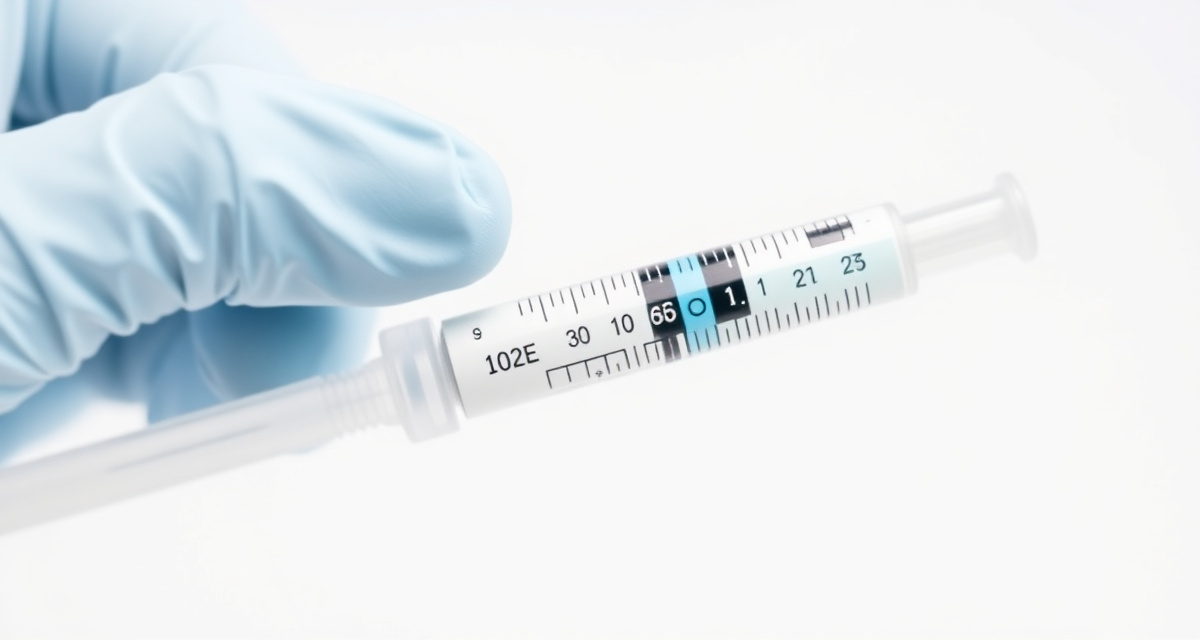
The standard semaglutide dosage starts at 0.25mg weekly for the first four weeks, gradually increasing to a maintenance dose of 2.4mg weekly for weight loss (Wegovy) or 1mg weekly for type 2 diabetes (Ozempic). This titration schedule minimizes side effects while allowing your body to adjust to the medication.
Getting your semaglutide dosage right is one of the most important factors in your treatment success. Too little medication may not produce meaningful results. Too much too quickly can cause side effects severe enough to make you want to quit. The titration schedule exists to thread that needle - giving your body time to adapt while steadily moving toward a dose that produces real clinical benefit.
This guide covers everything you need to know about semaglutide dosing. We walk through the complete titration schedules for Wegovy and Ozempic, explain how compounded semaglutide dosing works, detail what to do if you miss a dose, and help you understand the signs that indicate you're ready (or not ready) to move to the next dose level.
Whether you're just starting semaglutide, in the middle of your titration, or trying to find your optimal maintenance dose, this guide is designed to give you the thorough information you need to have informed conversations with your healthcare provider about your dosing plan.
Understanding Semaglutide Dosing - Why Titration Matters
Before diving into specific dose numbers and schedules, it helps to understand why semaglutide can't simply be prescribed at a full therapeutic dose from day one. The answer lies in how the medication works in your body and why gradual dose escalation produces better outcomes than jumping straight to the target dose.
How Semaglutide Works in Your Body
Semaglutide is a GLP-1 receptor agonist. It mimics a natural hormone called glucagon-like peptide-1 (GLP-1) that your body produces in the intestines after eating. This hormone plays several important roles in metabolism, appetite regulation, and blood sugar control.
When you inject semaglutide, the medication activates GLP-1 receptors throughout your body, producing several effects. In the brain, it acts on appetite centers in the hypothalamus and brainstem to reduce hunger and increase feelings of fullness. In the stomach, it slows gastric emptying - meaning food stays in your stomach longer, which contributes to feeling satisfied after smaller meals. In the pancreas, it stimulates insulin secretion and suppresses glucagon release in a glucose-dependent manner, which helps regulate blood sugar levels.
These effects are dose-dependent. Higher doses activate more receptors and produce stronger effects. But your body needs time to adjust to each level of receptor activation, particularly the gastrointestinal effects.
The GI Adaptation Problem
The most common side effects of semaglutide are gastrointestinal: nausea, vomiting, diarrhea, constipation, and abdominal discomfort. These side effects are directly related to how the medication affects gastric emptying and gut motility.
When you first start semaglutide, or when you increase your dose, the sudden change in how quickly food moves through your digestive system can cause significant discomfort. Your stomach, intestines, and the neural circuits that control digestion need time to adapt to the new normal. This adaptation typically takes one to three weeks at each dose level.
If you were to start at the full 2.4mg dose without titration, the sudden and dramatic slowing of gastric emptying would cause severe nausea and vomiting in most patients. Clinical experience and pharmacological studies confirm that this isn't just uncomfortable - it can be dangerous. Severe vomiting can lead to dehydration, electrolyte imbalances, and in extreme cases, acute kidney injury. This is a particularly important consideration for patients with pre-existing kidney conditions.
What the Clinical Trials Showed About Titration
The STEP (Semaglutide Treatment Effect in People with Obesity) clinical trial program, which led to Wegovy's FDA approval, used the 16-week titration schedule that's now standard. In these trials, approximately 44% of patients experienced nausea during the titration period, but the majority rated it as mild to moderate. The nausea typically peaked in the first few days after a dose increase and improved over the subsequent two to three weeks.
The dropout rate due to GI side effects in the STEP trials was relatively low (approximately 7%) - much lower than what would be expected without gradual titration. Early dose-finding studies that used faster titration schedules saw higher rates of severe nausea and treatment discontinuation.
The 4-week interval at each dose level was not chosen arbitrarily. It was based on pharmacokinetic data showing that semaglutide reaches steady-state blood levels approximately 4 to 5 weeks after a dose change (due to its long half-life of approximately 7 days). Staying at each dose for 4 weeks ensures that your body reaches steady state before the next increase, providing a stable baseline for adaptation.
Why Some People Need Slower Titration
While the standard 4-week titration works well for most patients, some individuals benefit from a slower approach. Factors that may warrant extended time at each dose level include:
- High sensitivity to GI side effects: Some patients experience more intense nausea, vomiting, or diarrhea than average, even at lower doses. These patients may need 6-8 weeks at each dose level.
- History of gastroparesis or slow gastric emptying: Patients who already have slow stomach emptying may be more susceptible to the GI effects of semaglutide.
- Low body weight: Smaller patients may experience stronger effects at each dose level simply because the dose-to-body-weight ratio is higher.
- Concurrent medications: Some medications can interact with semaglutide's GI effects or alter drug metabolism, requiring more cautious titration.
- Older age: Elderly patients may have reduced GI motility and kidney function at baseline, making them more vulnerable to side effects and dehydration.
- Anxiety about side effects: For patients who are anxious about GI discomfort, a slower titration can improve adherence by building confidence that each step is manageable.
The flexibility to adjust the titration pace is one of the advantages of working with a healthcare provider who understands semaglutide dosing. Your provider can customize the schedule based on your individual response, rather than rigidly following a one-size-fits-all protocol.
The Difference Between Initiation and Therapeutic Doses
An important concept in semaglutide dosing is the distinction between initiation doses and therapeutic doses. The 0.25mg starting dose is an initiation dose - its primary purpose is to allow your body to begin adapting to the medication. It isn't expected to produce significant weight loss or blood sugar improvement on its own.
Therapeutic doses - the doses at which meaningful clinical effects are expected - typically begin at 1.0mg for diabetes management and 1.7mg or 2.4mg for weight loss. But some patients notice appetite reduction and weight changes at doses as low as 0.5mg. This individual variability is one reason why dosing should be personalized rather than purely protocol-driven.
Understanding this distinction helps set realistic expectations during the first few weeks of treatment. If you're in the initiation phase and not yet seeing significant changes, that's normal and expected. The initiation doses are doing important work - they're preparing your body for the therapeutic doses to come.
Complete Wegovy Titration Schedule (0.25 &rarr. 0.5 &rarr. 1.0 &rarr. 1.7 &rarr. 2.4mg)
Wegovy (semaglutide) is the FDA-approved formulation for chronic weight management in adults with obesity (BMI of 30 or greater) or overweight (BMI of 27 or greater) with at least one weight-related condition. The Wegovy titration schedule consists of five dose levels over a minimum of 16 weeks before reaching the target maintenance dose. For a complete cost breakdown, see our cheapest semaglutide options.
View data table
| Category | Reader Interest (%) | Detail |
|---|---|---|
| Dosing | 32 | Titration schedules |
| Side Effects | 28 | Management strategies |
| Injection | 22 | Technique guides |
| Diet/Exercise | 18 | Lifestyle optimization |
The Full Wegovy Dose Escalation Table
| Titration Phase | Dose | Duration | Weeks | Pen Color | Pen Label | Primary Purpose |
|---|---|---|---|---|---|---|
| Month 1 | 0.25mg | 4 weeks | Weeks 1-4 | Dark blue cap | 0.25mg | GI system initiation &. adaptation |
| Month 2 | 0.5mg | 4 weeks | Weeks 5-8 | Red cap | 0.5mg | Continued adaptation. early appetite effects |
| Month 3 | 1.0mg | 4 weeks | Weeks 9-12 | Gray/brown cap | 1.0mg | Approaching therapeutic range. noticeable appetite changes |
| Month 4 | 1.7mg | 4 weeks | Weeks 13-16 | Teal/aqua cap | 1.7mg | Near-maximum therapeutic effect. strong appetite suppression |
| Month 5+ | 2.4mg | Ongoing maintenance | Week 17 onward | Dark blue cap (different from 0.25mg) | 2.4mg | Full maintenance dose. maximum clinical effect |
Month 1: The 0.25mg Initiation Phase (Weeks 1-4)
Your first month on Wegovy uses the lowest dose, 0.25mg per week. This dose isn't designed to produce weight loss. It's designed to introduce your body to semaglutide gradually.
During this phase, you may notice mild changes in appetite or fullness after meals, but many patients report feeling little to no effect at 0.25mg. This is normal. The medication is working at the receptor level even if you don't feel dramatic changes yet.
Common experiences at 0.25mg include mild nausea in the first day or two after injection (usually manageable), a subtle sense of being less interested in food, and no significant changes on the scale. Some patients report no noticeable side effects at all during this phase.
The key during Month 1 is to establish your injection routine. Pick a consistent day of the week, learn the proper injection technique and site rotation, and start tracking any symptoms or changes you notice. This tracking will be valuable as you progress through the titration.
Month 2: The 0.5mg Dose (Weeks 5-8)
At 0.5mg, most patients begin to notice the medication's effects more clearly. Appetite reduction becomes more apparent. Food portions may naturally decrease. The "food noise" - the constant background thinking about food - may begin to quiet.
This is also the dose level where GI side effects become more common. Nausea may occur in the first two to three days after injection, particularly in the first week at this dose. Constipation or changes in bowel habits may develop. Some patients notice increased gas or bloating.
Weight loss may begin during this phase, though it's typically modest - perhaps one to three pounds over the four-week period. This is a good time to reinforce the dietary habits that will support your weight loss process, as the appetite changes make it easier to eat smaller portions and choose less calorie-dense foods.
Month 3: The 1.0mg Dose (Weeks 9-12)
The 1.0mg dose is where many patients report a clear shift in their relationship with food. Appetite suppression becomes more pronounced. Portion sizes may decrease significantly. Cravings for high-calorie, high-sugar foods often diminish noticeably at this dose level.
For patients using Ozempic for diabetes, 1.0mg is the standard maintenance dose. For Wegovy patients on the weight loss path, this dose represents the midpoint of the titration. Weight loss typically accelerates during this phase, with many patients losing three to six pounds over the four weeks at 1.0mg.
GI side effects may flare again with this dose increase, particularly in the first week. Nausea, if it occurs, is usually transient. Constipation becomes a more common concern at 1.0mg and above. Adequate hydration and fiber intake become increasingly important at this dose level.
Some patients find that 1.0mg is their optimal dose - producing good appetite control and steady weight loss with manageable side effects. If this describes your experience, discuss with your provider whether staying at 1.0mg is appropriate for your goals.
Month 4: The 1.7mg Dose (Weeks 13-16)
The 1.7mg dose is unique to the Wegovy titration schedule (Ozempic doesn't include this dose level). It serves as a bridge between the 1.0mg dose and the full 2.4mg maintenance dose.
At 1.7mg, appetite suppression is typically strong. Many patients find that they need to be intentional about eating enough to maintain adequate nutrition, as their natural hunger cues may be significantly blunted. This is an important consideration - while reduced appetite is the therapeutic goal, inadequate nutrition can lead to muscle loss, fatigue, hair thinning, and nutritional deficiencies.
Weight loss is often steady and noticeable at this dose. Clinical data suggests that a substantial portion of the total weight loss achieved during semaglutide treatment occurs during the 1.0mg to 1.7mg phase.
The 1.7mg dose level is also where some patients begin to reach their personal optimal dose. If side effects are manageable and weight loss is progressing well, some providers may discuss maintaining at 1.7mg rather than increasing to the full 2.4mg. This is a conversation worth having with your healthcare provider, as the marginal benefit of the final dose increase must be weighed against the potential for additional side effects.
Month 5 and Beyond: The 2.4mg Maintenance Dose
At 2.4mg, you have reached the maximum FDA-approved dose of Wegovy for weight management. This is the dose at which the STEP clinical trials demonstrated the most impressive weight loss results - approximately 15-17% average total body weight loss over 68 weeks when combined with lifestyle modifications.
The 2.4mg dose produces the strongest appetite suppression and the greatest impact on gastric emptying. For patients who tolerate it well, this dose provides the maximum potential benefit from semaglutide therapy.
But it's worth emphasizing that not every patient needs 2.4mg to achieve their goals. The clinical trials reported averages, and individual responses vary widely. Some patients lose 20% or more of their body weight at 2.4mg, while others achieve similar results at 1.0mg or 1.7mg. The optimal maintenance dose is the one that provides meaningful clinical benefit with acceptable side effects for your specific situation.
At maintenance dose, the focus shifts from titration to long-term management. This includes ongoing monitoring of weight, metabolic markers, side effects, and nutritional status. Long-term considerations such as how long to continue treatment and what happens if you stop become relevant at this stage.
What the STEP Clinical Trials Showed at Each Dose
The STEP trial program provides the most strong data on semaglutide for weight management. While the trials were designed to evaluate the full 2.4mg dose rather than individual dose levels, the titration data and subgroup analyses provide useful insights into what happens at each dose level.
In the STEP 1 trial[1] (published in the New England Journal of Medicine in 2021), patients on semaglutide 2.4mg lost an average of 14.9% of their body weight over 68 weeks compared to 2.4% in the placebo group. Weight loss began during the titration phase, with clinically meaningful reductions often observed by the third month (around the 1.0mg dose level). The rate of weight loss was not constant - it was slower during early titration and accelerated as patients reached higher doses, eventually plateauing around months 12-15.
The STEP 5 trial[2], which extended the treatment period to 104 weeks (2 years), demonstrated that weight loss was maintained for at least two years of continued treatment at 2.4mg. This study also showed that most of the weight loss occurred in the first year, with the second year primarily serving as a weight maintenance period at the same dose.
Complete Ozempic Titration Schedule (0.25 &rarr. 0.5 &rarr. 1.0 &rarr. 2.0mg)
Ozempic (semaglutide) is FDA-approved for improving blood sugar control in adults with type 2 diabetes. While it contains the prescribed active pharmaceutical ingredient as Wegovy, its dosing schedule and approved dose range are different, reflecting its primary indication for glycemic control rather than weight management.
Check your GLP-1 eligibility
Use our free BMI Calculator to see if you may qualify for provider-reviewed GLP-1 therapy.
Try the BMI Calculator →The Full Ozempic Dose Escalation Table
| Titration Phase | Dose | Duration | Weeks | Pen Color/Type | Doses Per Pen | Primary Purpose |
|---|---|---|---|---|---|---|
| Initiation | 0.25mg | 4 weeks | Weeks 1-4 | Red label pen (0.25mg or 0.5mg) | Shared pen - 4 doses of 0.25mg or 2 doses of 0.5mg | GI system initiation |
| First escalation | 0.5mg | 4+ weeks | Weeks 5-8+ | Red label pen (0.25mg or 0.5mg) | Shared pen - 2 doses of 0.5mg | First therapeutic dose for diabetes |
| Second escalation | 1.0mg | 4+ weeks | Weeks 9-12+ | Blue label pen (1.0mg) | 4 doses of 1.0mg | Standard maintenance dose for diabetes |
| Maximum dose (if needed) | 2.0mg | Ongoing | Week 13+ | Yellow/green label pen (2.0mg) | 4 doses of 2.0mg | Maximum dose for additional glycemic control |
Ozempic vs Wegovy: Understanding the Dosing Differences
The most common source of confusion about semaglutide dosing is the relationship between Ozempic and Wegovy. Both contain the exact same active ingredient - semaglutide - made by the same manufacturer (Novo Nordisk). The differences are in their approved indications, dose ranges, and packaging.
Ozempic was approved first, in 2017, for type 2 diabetes. Its maximum dose was originally 1.0mg, with the 2.0mg dose added later. Wegovy was approved in 2021 specifically for weight management, with a higher maximum dose of 2.4mg and an expanded titration schedule that includes the 1.7mg step.
For diabetes management, many patients achieve adequate blood sugar control at 0.5mg or 1.0mg of Ozempic. The 2.0mg dose provides additional glycemic improvement for patients who need more intensive treatment. Weight loss occurs as a secondary benefit at all Ozempic dose levels, though it isn't the primary approved indication.
Some healthcare providers prescribe Ozempic off-label for weight management, often because of insurance or cost considerations. In these cases, the provider may use the Ozempic pen at doses within its approved range (up to 2.0mg) for weight loss purposes, even though this exceeds the standard diabetes dosing in some cases.
The 0.25mg and 0.5mg Shared Pen
One practical consideration unique to Ozempic is that the lowest-dose pen can deliver either 0.25mg or 0.5mg per injection. This pen contains 2mg of semaglutide total and is designed to be used for the first 8 weeks of treatment: four weekly injections of 0.25mg (first four weeks) followed by either two weekly injections of 0.5mg or continued use at 0.25mg if the provider determines a longer initiation period is needed.
Patients should be aware of this dual-dose pen design to avoid confusion. When first starting Ozempic, ensure you're dialing the pen to the 0.25mg dose marker, not the 0.5mg marker. Your pharmacist or provider should demonstrate the proper pen technique, including how to select the correct dose on the dial.
When Ozempic 1.0mg Is the Right Maintenance Dose
For the majority of type 2 diabetes patients, 1.0mg per week is the standard maintenance dose for Ozempic. At this dose, clinical trials showed an average HbA1c reduction of approximately 1.5-1.8 percentage points, along with average weight loss of 5-7% of body weight.
The 1.0mg dose provides a good balance between glycemic efficacy and tolerability. It's the dose at which most patients achieve their blood sugar goals without excessive GI side effects. For patients using Ozempic primarily for diabetes, there may be no need to escalate beyond 1.0mg if their HbA1c targets are being met.
The 2.0mg Ozempic Dose: When Is It Needed?
The 2.0mg dose of Ozempic was approved based on the SUSTAIN FORTE trial, which demonstrated that 2.0mg provided additional HbA1c reduction (approximately 0.2 percentage points more) compared to 1.0mg. While this is a statistically significant improvement, it's modest in absolute terms.
Your provider may recommend the 2.0mg Ozempic dose if your HbA1c remains above target at 1.0mg after adequate time (typically at least 3-6 months), you aren't experiencing intolerable side effects at 1.0mg, or additional glycemic control is needed before considering additional diabetes medications. The 2.0mg dose also provides incrementally more weight loss than the 1.0mg dose.
Compounded Semaglutide Dosing - What’s Different
Compounded semaglutide has become an increasingly common option for patients who can't access or afford brand-name Wegovy or Ozempic. Understanding how compounded semaglutide dosing works is important for safe and effective treatment.
How Compounded Semaglutide Is Formulated
Unlike brand-name semaglutide, which comes in pre-filled, single-dose injection pens, compounded semaglutide is typically supplied in multi-dose vials. These vials contain semaglutide in solution at a specified concentration, and patients draw up the prescribed volume using insulin syringes.
Compounded semaglutide is commonly available in several concentrations, including 1mg/mL, 2mg/mL, 2.5mg/mL, and 5mg/mL. The concentration matters because it determines how much liquid you inject for each dose. For example, to get a 0.5mg dose from a 2.5mg/mL vial, you would draw up 0.2mL (20 units on an insulin syringe).
The safety considerations for compounded semaglutide include verifying the compounding pharmacy's credentials, understanding the concentration and proper injection volume, and working with a provider who is experienced in prescribing compounded GLP-1 medications.
Compounded Semaglutide Dose Equivalency
| Target Dose | 1mg/mL Concentration (Volume) | 2mg/mL Concentration (Volume) | 2.5mg/mL Concentration (Volume) | 5mg/mL Concentration (Volume) | Insulin Syringe Units (at 2.5mg/mL) |
|---|---|---|---|---|---|
| 0.25mg | 0.25mL (25 units) | 0.125mL (12.5 units) | 0.10mL (10 units) | 0.05mL (5 units) | 10 units |
| 0.375mg | 0.375mL (37.5 units) | 0.1875mL (18.75 units) | 0.15mL (15 units) | 0.075mL (7.5 units) | 15 units |
| 0.5mg | 0.50mL (50 units) | 0.25mL (25 units) | 0.20mL (20 units) | 0.10mL (10 units) | 20 units |
| 0.75mg | 0.75mL (75 units) | 0.375mL (37.5 units) | 0.30mL (30 units) | 0.15mL (15 units) | 30 units |
| 1.0mg | 1.0mL (100 units) | 0.50mL (50 units) | 0.40mL (40 units) | 0.20mL (20 units) | 40 units |
| 1.25mg | 1.25mL (not practical) | 0.625mL (62.5 units) | 0.50mL (50 units) | 0.25mL (25 units) | 50 units |
| 1.5mg | N/A | 0.75mL (75 units) | 0.60mL (60 units) | 0.30mL (30 units) | 60 units |
| 1.7mg | N/A | 0.85mL (85 units) | 0.68mL (68 units) | 0.34mL (34 units) | 68 units |
| 2.0mg | N/A | 1.0mL (100 units) | 0.80mL (80 units) | 0.40mL (40 units) | 80 units |
| 2.4mg | N/A | N/A | 0.96mL (96 units) | 0.48mL (48 units) | 96 units |
Note: Volumes exceeding 1.0mL per injection are generally not practical for subcutaneous injection with standard insulin syringes. Higher concentrations (2.5mg/mL or 5mg/mL) are recommended for doses above 1.0mg.
The Flexibility Advantage of Compounded Dosing
One significant advantage of compounded semaglutide over brand-name pens is the ability to use intermediate doses. Brand-name Wegovy pens come in fixed doses (0.25, 0.5, 1.0, 1.7, and 2.4mg). You can't dial a Wegovy pen to deliver 0.375mg or 1.25mg.
With compounded semaglutide in vials, your provider can prescribe any dose increment that's clinically appropriate. This flexibility is particularly valuable for patients who experience significant side effects at standard dose increases. Instead of jumping from 0.5mg directly to 1.0mg (a 100% increase), a provider can prescribe an intermediate step at 0.75mg (a 50% increase), reducing the shock to the GI system.
Common intermediate doses used in compounded semaglutide prescribing include 0.375mg (between 0.25mg and 0.5mg), 0.75mg (between 0.5mg and 1.0mg), 1.25mg (between 1.0mg and 1.7mg), and 1.5mg (between 1.0mg and 1.7mg or as a maintenance dose). These intermediate steps can make the titration process smoother and more tolerable for sensitive patients.
Compounded Semaglutide Titration: A Sample Extended Schedule
Here is an example of an extended titration schedule that a provider might prescribe using compounded semaglutide for a patient who is sensitive to dose changes:
- Weeks 1-4: 0.25mg weekly
- Weeks 5-8: 0.375mg weekly
- Weeks 9-12: 0.5mg weekly
- Weeks 13-16: 0.75mg weekly
- Weeks 17-20: 1.0mg weekly
- Weeks 21-24: 1.25mg weekly
- Weeks 25-28: 1.5mg weekly
- Weeks 29-32: 1.7mg weekly
- Weeks 33-36: 2.0mg weekly
- Week 37+: 2.4mg weekly (if needed)
This schedule takes approximately 36 weeks to reach the maximum dose - more than double the standard 16-week Wegovy titration. But for patients who can't tolerate the standard escalation pace, a slower approach like this can mean the difference between completing the titration and discontinuing treatment due to intolerable side effects.
Important Considerations for Compounded Semaglutide Users
If you're using compounded semaglutide, several additional considerations apply to your dosing. First, always verify the concentration printed on your vial before each injection. If you receive a new vial with a different concentration than your previous one, the volume you inject for the same dose will change. Injecting the same volume from a higher-concentration vial would deliver a larger dose than intended.
Second, compounded semaglutide should be stored according to the pharmacy's instructions, typically refrigerated. Improper storage can degrade the medication and affect its potency, which could impact dosing accuracy.
Third, the salt form of compounded semaglutide may differ from brand-name formulations. Compounded semaglutide is often prepared as semaglutide sodium or semaglutide acetate, while brand-name products use the base form. These salt forms may have slightly different molecular weights, which means a milligram-for-milligram comparison isn't perfectly equivalent. Discuss this with your provider and pharmacist to ensure accurate dosing.
Fourth, work with a provider who is experienced in prescribing compounded semaglutide and who has a relationship with a reputable compounding pharmacy. The quality and consistency of compounded medications depend heavily on the compounding pharmacy's practices and quality control measures. For more information on evaluating compounding pharmacies, see our compounded semaglutide safety guide.
What Each Dose Level Feels Like - Patient Experiences
Understanding the clinical data behind semaglutide dosing is important, but knowing what each dose level actually feels like from a patient perspective can help set expectations and reduce anxiety about the titration process. The following descriptions are based on commonly reported patient experiences and clinical observations. Individual responses vary significantly.
At 0.25mg: The Subtle Introduction
Most patients describe the 0.25mg dose as barely noticeable. Some common reports include a slight decrease in appetite that's easy to overlook, occasional mild nausea that passes quickly, no significant changes in energy or mood, and minimal impact on daily eating patterns.
Some patients feel frustrated at 0.25mg because they expected dramatic appetite suppression and see little change. This is completely normal. The 0.25mg dose is doing foundational work at the receptor level, even if the effects aren't yet perceptible. Think of it as the medication quietly setting the stage for the more noticeable effects to come.
A smaller subset of patients are more sensitive and report meaningful appetite changes even at 0.25mg. These patients may find themselves naturally eating smaller portions or forgetting about snacks they previously reached for automatically. If this describes your experience, you aren't imagining it - some individuals simply respond more strongly to GLP-1 receptor activation at lower doses.
At 0.5mg: The First Real Signal
The 0.5mg dose is where most patients first notice the medication working. Commonly reported experiences include clear appetite reduction that's difficult to ignore, decreased interest in snacking between meals, feeling full earlier during meals, mild nausea in the first one to three days after injection, and the beginning of "food noise" reduction.
The concept of food noise reduction deserves special attention because it's one of the most frequently described experiences across all semaglutide doses. Patients describe it as a quieting of the constant mental background chatter about food - what to eat next, when to eat, cravings for specific foods, and the general preoccupation with meals that many people with obesity experience. At 0.5mg, this quieting often begins, and for many patients, it's the most profound and welcome change of the entire medication experience.
Weight loss at 0.5mg is typically modest but measurable - often one to four pounds over the four-week period, depending on dietary choices and activity level.
At 1.0mg: The Turning Point
Many patients consider 1.0mg to be the turning point in their semaglutide process. The medication's effects become unmistakable at this dose level. Common reports include strong appetite suppression that significantly changes eating patterns, markedly reduced food portions, further quieting of food noise, possible nausea with dose increase (typically resolving within a week), constipation becoming a more prominent concern, and steady, noticeable weight loss.
At 1.0mg, patients often describe a fundamental shift in their relationship with food. Meals become functional rather than emotionally driven. The urge to eat out of boredom, stress, or habit diminishes. High-calorie foods that were previously irresistible may become unappealing or even mildly aversive.
This dose level is also where some patients first encounter the challenge of eating enough. When appetite is significantly suppressed, patients may need to make a conscious effort to consume adequate protein, vitamins, and minerals. Working with a nutritionist or following evidence-based dietary guidelines for semaglutide users becomes increasingly important.
Constipation at 1.0mg and above deserves attention because it can be uncomfortable and persistent if not actively managed. Strategies include increasing water intake to at least 64 ounces per day, adding fiber-rich foods or a fiber supplement, staying physically active, and discussing the use of gentle laxatives with your provider if dietary measures are insufficient.
At 1.7mg: Strong Suppression
The 1.7mg dose (Wegovy-specific) takes the effects experienced at 1.0mg and intensifies them. Patient reports at this dose level include very strong appetite suppression that may require deliberate meal planning to ensure adequate nutrition, significant food noise reduction, possible further nausea with the dose increase, ongoing or increased constipation, and accelerated weight loss.
At 1.7mg, some patients describe needing to set reminders to eat because their natural hunger signals are so diminished. While this level of appetite suppression is the medication working as intended, it highlights the importance of structured eating patterns to prevent nutritional deficiencies, excessive muscle loss, and metabolic adaptation that could slow weight loss over time.
Patients who found 1.0mg to be their "sweet spot" may notice that 1.7mg tips them into uncomfortable territory - too little appetite, too much nausea, or fatigue from inadequate caloric intake. If this happens, it's important to communicate with your provider rather than simply pushing through. Staying at a dose that works well for you may produce better long-term outcomes than forcing a higher dose that undermines your quality of life and nutritional status.
At 2.4mg: The Full Effect
The 2.4mg maintenance dose produces the maximum semaglutide effect. Patient experiences at this dose include profound appetite suppression, near-complete food noise elimination for many patients, the strongest gastric emptying delay, potential for more pronounced GI side effects, and maximum weight loss potential.
Many patients who reach 2.4mg describe a sense of food neutrality - food is simply fuel rather than a source of emotional comfort, entertainment, or compulsion. Meals are smaller, and the desire to overeat is largely absent. For patients who have struggled with obesity for years or decades, this experience can be genuinely life-changing.
But the 2.4mg dose is also where side effect burden is highest. Some patients find that the incremental benefit of 2.4mg over 1.7mg (or even 1.0mg) isn't worth the additional GI discomfort. Others tolerate it well and appreciate the full clinical effect. This is a deeply individual determination that should be made in partnership with your healthcare provider.
Long-term patient reports at 2.4mg suggest that GI side effects tend to stabilize and may improve over months. The initial weeks and months at any dose level are typically the most challenging, with gradual adaptation occurring over time.
When to Increase Your Dose - Signs You’re Ready
The standard titration schedule calls for dose increases every four weeks, but the decision to move to the next dose shouldn't be purely calendar-driven. Your body sends signals that indicate whether you're ready for a dose increase. Understanding these signals helps you and your provider make informed decisions about the pace of your titration.
Physical Signs of Readiness
Your body gives several physical cues that suggest you have adapted to your current dose and may be ready for the next level. These signs include minimal or no GI side effects at your current dose, meaning the nausea, discomfort, or bowel changes that occurred when you first started this dose have resolved or become barely noticeable.
Stable or diminishing appetite suppression is another indicator. If the appetite reduction you experienced when you first reached this dose has started to fade, and you notice your portions creeping back up or food cravings returning, this suggests your body has adapted to the current level of GLP-1 receptor activation.
Slowing or plateauing weight loss can also signal readiness for a dose increase, particularly if you have been at the same dose for several weeks and your weight has stabilized despite consistent dietary and exercise habits. A true plateau is typically defined as no meaningful weight change over two to three weeks, not just a single week of stalled progress.
Behavioral Signs of Readiness
Beyond physical symptoms, your eating behaviors can indicate whether a dose increase may be beneficial. Signs include returning food noise (more frequent thoughts about food throughout the day), increasing portion sizes at meals, more frequent snacking between meals, returning cravings for high-calorie or sugary foods, and feeling less satisfied after meals that previously felt adequate.
These behavioral changes don't necessarily mean the medication has stopped working at your current dose. They may indicate that your body has partially adapted and a higher dose would restore the level of appetite control you experienced initially.
Clinical Markers Your Provider Will Monitor
Your healthcare provider will also consider objective clinical data when deciding whether to increase your dose. These factors include your rate of weight loss (aiming for 1-2 pounds per week as a general benchmark), your blood sugar levels if you have diabetes, your overall tolerance of the current dose, your proximity to your weight loss goals, and any changes in metabolic markers (blood pressure, cholesterol, triglycerides).
For diabetes patients, HbA1c values are a key factor. If your blood sugar control is excellent at the current dose, there may be no need to increase regardless of the titration schedule. Conversely, if your HbA1c remains above target, escalation may be needed for glycemic reasons independent of weight considerations.
The 4-Week Minimum Rule
Regardless of how well you feel at your current dose, the minimum recommended time at each dose level is four weeks. This is because semaglutide has a long half-life (approximately one week), meaning it takes about four to five weeks for blood levels to reach steady state after a dose change. Increasing before steady state is achieved means you're adding a new dose on top of still-rising levels from the previous increase, which can amplify side effects unpredictably.
The four-week minimum is a floor, not a target. Staying at a dose for six, eight, or even twelve weeks is perfectly reasonable if you and your provider determine it's the right approach for your situation. The titration schedule is a guideline, not a rigid countdown.
When NOT to Increase - Holding at Your Current Dose
Just as important as knowing when to increase is knowing when to hold steady. There are several situations in which staying at your current semaglutide dose is the better clinical decision, even if the standard titration schedule would call for an increase.
Persistent GI Side Effects
If you're still experiencing significant nausea, vomiting, diarrhea, or abdominal pain at your current dose after three to four weeks, increasing to the next dose is likely to make these symptoms worse. The appropriate response is to hold at the current dose until the side effects resolve or become mild enough to tolerate.
Persistent GI side effects beyond three to four weeks suggest that your body needs more time to adapt. This isn't a failure or a sign that the medication isn't working - it simply means your GI system requires a longer adaptation period. Some patients need six to eight weeks at a particular dose before they're ready to move up.
For detailed strategies on managing nausea and other GI side effects during titration, see our complete guide to semaglutide nausea management.
Excellent Results at Current Dose
If you're losing weight at a good pace, your appetite is well-controlled, and your side effects are minimal at your current dose, there's a legitimate argument for staying put rather than escalating. The goal of treatment is clinical improvement, not reaching a specific number on the dose schedule.
Some patients achieve 10-15% total body weight loss at 1.0mg or 1.7mg without ever reaching 2.4mg. If this level of weight loss meets your health goals and is associated with improvements in blood pressure, blood sugar, cholesterol, and quality of life, the incremental benefit of a higher dose may not be worth the risk of additional side effects.
Discuss this with your provider. A collaborative decision to maintain at a lower dose is entirely appropriate when the clinical response is adequate and the risk-benefit ratio doesn't favor further escalation.
Nutritional Concerns
If you're already struggling to eat enough at your current dose - consuming fewer than 1,000-1,200 calories per day despite trying to eat adequate portions - increasing the dose may further suppress appetite to the point where maintaining adequate nutrition becomes very difficult.
Signs of inadequate nutrition include excessive fatigue or weakness, hair thinning or hair loss, brittle nails, dizziness or lightheadedness, difficulty concentrating, significant muscle loss (visible or measured), and laboratory abnormalities (low protein, vitamin deficiencies).
Before increasing the dose, address the nutritional concerns first. This may involve working with a dietitian to improve calorie and protein intake, adding protein shakes or nutrient-dense snacks to your daily routine, and ensuring adequate vitamin and mineral supplementation.
Medical Reasons to Hold
Your provider may recommend holding at your current dose for several medical reasons. These include recent surgery or planned surgery (GI effects of higher doses can complicate surgical recovery), acute illness with nausea or vomiting (adding a dose increase would compound the problem), new medication that may interact with semaglutide, abnormal lab results that need investigation before continuing escalation, pregnancy planning (semaglutide should be discontinued before pregnancy), and development of new symptoms that need evaluation.
Holding your dose isn't a setback. It's a thoughtful clinical decision that prioritizes your safety and well-being over adherence to a timeline.
Psychological Readiness
The psychological aspect of dose titration is often overlooked. If the idea of increasing your dose causes significant anxiety - perhaps because you struggled with side effects at the last increase - it's reasonable to discuss your concerns with your provider. A slower titration pace, additional supportive care (such as anti-nausea medication), or simply more time at the current dose to build confidence can all be appropriate responses.
Your mental health and quality of life matter. A treatment regimen that causes chronic anxiety or dread is less likely to be followed consistently than one that feels manageable and predictable. Working with a provider who takes your psychological experience seriously is an important part of successful treatment.
Dose Adjustments for Side Effects
Side effects are the most common reason for dose adjustments during semaglutide treatment. Understanding which side effects may respond to dose changes - and which require other interventions - helps you work effectively with your provider to improve your treatment.
Side Effect Management by Dose Level
| Side Effect | Dose Levels Most Affected | Expected Duration | Dietary Management | Dose Adjustment Options | When to Contact Provider |
|---|---|---|---|---|---|
| Mild nausea | All levels. most common at each increase | 1-3 days after injection. resolves within 1-2 weeks at each new dose | Small, bland meals. avoid fatty foods. ginger tea or ginger chews. eat slowly | Usually no adjustment needed. try bedtime injection | If persisting beyond 3 weeks or interfering with daily activities |
| Moderate to severe nausea | 1.0mg and above. most common at 1.7mg and 2.4mg | 2-7 days after dose increase. should improve within 2-3 weeks | BRAT diet (bananas, rice, applesauce, toast). avoid strong food smells. small frequent meals | Hold dose or step back one level. consider slower titration with intermediate doses | If accompanied by vomiting, dehydration, or inability to eat for more than 24 hours |
| Vomiting | Most common at 1.0mg+ and with rapid titration | Should resolve within 1-2 weeks. if persistent, dose is likely too high | Clear liquids first. advance to bland foods as tolerated. stay hydrated | Step back one dose level. consider anti-nausea medication before re-escalating | If vomiting more than 3 times in 24 hours, unable to keep liquids down, or showing signs of dehydration |
| Constipation | Increasingly common at 0.5mg+. most prominent at 1.0mg and above | May persist at each dose level. often chronic throughout treatment | Increase water to 64+ oz daily. add fiber (25-30g/day). prunes or prune juice. magnesium supplement | Dose reduction usually not needed. manage with lifestyle and OTC remedies | If no bowel movement for 3+ days, severe abdominal pain, or blood in stool |
| Diarrhea | Any level, often in first 1-2 weeks at a new dose | Usually transient. resolves within 1-2 weeks | Stay hydrated. avoid high-fat foods. consume bland starches. avoid artificial sweeteners | Usually self-resolving. consider holding dose if persistent and severe | If more than 4 loose stools per day, bloody stool, or signs of dehydration |
| Abdominal pain/bloating | Any level. more common at 1.0mg+ | Usually improves within 2-3 weeks | Smaller meals. avoid carbonated beverages. reduce gas-producing foods. eat slowly | Hold or reduce dose if severe. evaluate for other causes | If severe, localized, or accompanied by fever or jaundice |
| Fatigue | Any level. often related to inadequate caloric intake | Variable. may persist if nutrition is inadequate | Ensure adequate calories (minimum 1,200/day). increase protein. stay hydrated | Evaluate whether dose is causing excessive appetite suppression. consider reducing | If severe and persistent despite adequate nutrition and hydration |
| Headache | Most common during first 1-2 weeks at a new dose | Usually transient. resolves within 1-2 weeks | Stay well-hydrated. maintain regular meals to avoid blood sugar fluctuations | Rarely requires dose adjustment. usually managed with hydration | If severe, persistent, or accompanied by vision changes or confusion |
| Injection site reactions | Any dose level. not dose-dependent | Usually resolves within hours to days | N/A | Not related to dose. improve injection technique and site rotation | If redness or swelling spreads beyond 2 inches or there are signs of infection |
| Hair thinning | Usually at higher doses (1.7mg+) due to rapid weight loss and/or nutritional deficiency | May appear 3-6 months into treatment. usually temporary | Ensure adequate protein (60-80g/day). supplement biotin, iron, zinc. don't restrict calories excessively | May warrant dose reduction if weight loss is excessive or nutrition is inadequate | If hair loss is significant or accompanied by other signs of nutritional deficiency |
The Step-Back Strategy
One of the most effective approaches to managing dose-related side effects is the step-back strategy. If a dose increase causes intolerable side effects, your provider may recommend stepping back to the previous dose (which you tolerated well), remaining at that dose for an additional two to four weeks, and then attempting the dose increase again, possibly with supportive measures in place.
For example, if you increase from 0.5mg to 1.0mg and experience severe nausea that doesn't improve after two weeks, your provider might step you back to 0.5mg for another four weeks, then try the increase again with an anti-nausea medication on board. Alternatively, if you're using compounded semaglutide, your provider might try an intermediate dose of 0.75mg as a stepping stone.
The step-back strategy acknowledges that failed dose increases aren't permanent failures. Many patients who can't tolerate a dose increase on the first attempt succeed on the second or third attempt, particularly when additional time and supportive strategies are employed.
When Dose Reduction Is the Right Answer
Sometimes the appropriate response to persistent side effects is a permanent dose reduction rather than a temporary step-back. Situations that may warrant a permanent dose reduction include side effects that persist after multiple attempts to titrate up, side effects that significantly impact quality of life at higher doses, adequate clinical response at a lower dose (if you're losing weight and feeling well at 1.0mg, there may be no need to push for 2.4mg), and development of new medical conditions that make higher doses risky.
Reducing your dose isn't a failure. It's an appropriate medical adjustment that prioritizes your overall well-being. The best dose of semaglutide is the one that produces meaningful benefit with acceptable side effects - and that dose is different for every patient.
Managing Side Effects Without Changing the Dose
Not all side effects require dose adjustments. Many can be managed with supportive strategies while maintaining your current dose. For nausea, strategies include taking the injection at bedtime so you sleep through the peak nausea period, eating smaller more frequent meals, avoiding high-fat and strong-smelling foods, using ginger (ginger tea, ginger chews, or ginger capsules), staying hydrated with frequent small sips rather than large drinks, and discussing anti-nausea medication (such as ondansetron) with your provider.
For constipation, management strategies include increasing daily water intake to at least 64 ounces, adding a fiber supplement (psyllium husk is commonly recommended), eating more fiber-rich fruits and vegetables, staying physically active (walking can stimulate bowel motility), considering a magnesium citrate supplement, and using an osmotic laxative (such as MiraLAX) if dietary measures are insufficient. Your provider may have specific recommendations based on your situation.
For the full range of nausea management strategies, our dedicated semaglutide nausea guide provides thorough, evidence-based approaches.
Maximum Dose vs Effective Dose - Finding Your Sweet Spot
One of the most important concepts in semaglutide dosing is the distinction between the maximum approved dose and the effective dose for an individual patient. These aren't always the same number, and understanding this distinction can lead to better outcomes with fewer side effects.
The Maximum Dose Is Not Always the Optimal Dose
The 2.4mg Wegovy dose was the dose studied in the important clinical trials. It was chosen because it produced the greatest average weight loss across the study population. But the key word is "average." Within any clinical trial, there's enormous variability in individual responses.
In the STEP clinical trials, some patients achieved 20% or greater weight loss at 2.4mg. Others achieved only 5-8%. And within the titration data, some patients showed strong weight loss responses at 1.0mg or 1.7mg that continued even before they reached the maximum dose. These individual differences are driven by genetics, baseline metabolic health, dietary and exercise habits, body composition, and other factors that no dose protocol can fully account for.
The practical implication is that your optimal dose may be lower than the maximum. If you're achieving your clinical goals at a dose that feels tolerable and sustainable, that's your effective dose - regardless of what the maximum happens to be.
Factors That Influence Your Optimal Dose
Several factors influence where your personal sweet spot falls on the dosing spectrum. Body weight and composition play a role, as larger patients may need higher doses to achieve the same drug concentration effect as smaller patients. Metabolic sensitivity varies, with some individuals having GLP-1 receptors that respond more strongly to lower drug concentrations.
Your weight loss goals matter as well. A patient seeking 5-8% weight loss for metabolic improvement may not need the same dose as someone targeting 15-20% weight loss. Side effect tolerance is highly individual, and the dose that one patient tolerates easily may cause misery for another.
Concurrent medications can also affect the optimal dose. Patients taking other medications that affect blood sugar, appetite, or GI function may need different semaglutide doses than they would otherwise. Cost and access considerations are practical factors too. If you're paying out of pocket and the cost of higher doses is prohibitive, improving your results at a more affordable dose may be the most sustainable long-term approach.
The Dose-Response Curve
Semaglutide follows a sigmoidal dose-response curve, which means the relationship between dose and effect isn't linear. The first dose increases produce the largest incremental effects, while later increases produce smaller and smaller additions. In practical terms, the jump from 0.25mg to 0.5mg may produce a more dramatic change in appetite than the jump from 1.7mg to 2.4mg, even though the absolute dose increase is much larger in the latter case.
This diminishing-returns pattern means that patients who are at the steeper part of their individual dose-response curve (typically the lower-to-middle dose range) may get most of the medication's benefit without needing to reach the maximum dose. The top of the curve, where higher doses produce only marginal additional benefit, may not be worth the trade-off in side effects for every patient.
How to Find Your Sweet Spot
Finding your optimal dose is an iterative process that requires open communication with your healthcare provider. Here are practical steps to identify your sweet spot:
First, track your response at each dose level. Keep a simple log of your weight (weekly), your appetite level (on a 1-10 scale), your side effects (type and severity), your energy level, and your overall quality of life. This data gives your provider objective information to guide dose decisions.
Second, pay attention to the trajectory, not just the snapshot. A dose that produces steady weight loss of one pound per week is highly effective, even if it doesn't produce the dramatic initial drop that some patients experience. Consistent, sustainable progress is more valuable than a rapid but unsustainable response.
Third, have an honest conversation with your provider about your goals. If your goal is to improve your metabolic health (blood pressure, blood sugar, cholesterol) rather than achieve maximum weight loss, a moderate dose may be entirely sufficient. If your goal is maximum weight reduction for a specific medical reason (such as qualifying for surgery or addressing severe obesity-related health conditions), the maximum dose may be more appropriate.
Fourth, be willing to re-evaluate. Your optimal dose may change over time. Some patients need higher doses initially to establish momentum and then do well at lower maintenance doses. Others find that they need to stay at the full dose to maintain their results. The sweet spot isn't necessarily a fixed point - it can evolve with your treatment process.
The Microdosing Perspective
At the other end of the dosing spectrum, some patients find their sweet spot at doses below the standard therapeutic range. This concept, explored in depth in our microdosing semaglutide guide, recognizes that for certain patients - particularly those in maintenance phases, those who are highly sensitive to GLP-1 receptor agonists, or those managing costs - doses as low as 0.25mg or 0.5mg may provide sufficient benefit.
Microdosing isn't appropriate for all patients, and the evidence base is more limited than for standard doses. But it represents another point on the dosing spectrum that some patients and providers find valuable, particularly for long-term weight maintenance after initial weight loss has been achieved at higher doses.
Missed Dose Protocol - What to Do
Missing a semaglutide dose is a common occurrence over the course of treatment. Life gets busy, travel disrupts routines, and sometimes doses are simply forgotten. Knowing exactly what to do when you miss a dose can prevent anxiety and help you get back on track quickly.
The 5-Day Rule
The most important guideline for missed semaglutide doses is the 5-day rule: If fewer than 5 days have passed since your scheduled injection day, take the missed dose as soon as you remember. If 5 or more days have passed, skip the missed dose entirely and take your next dose on the next regularly scheduled day.
This rule is based on the pharmacokinetics of semaglutide. The medication has a half-life of approximately 7 days, meaning it takes about a week for half the drug to be eliminated from your body. Taking a dose within 5 days of the scheduled date maintains therapeutic blood levels without creating a dangerous overlap with the next scheduled dose.
Missed Dose Decision Tree
| Scenario | Time Since Scheduled Dose | Action | Resume Schedule | Dose Adjustment Needed? |
|---|---|---|---|---|
| Remembered same day | Less than 24 hours | Take the dose immediately | Continue on your regular schedule next week | No |
| Remembered 1-2 days late | 1-2 days after scheduled day | Take the dose immediately | Continue on your regular schedule next week | No |
| Remembered 3-4 days late | 3-4 days after scheduled day | Take the dose immediately | Continue on your regular schedule next week (you may have only 3-4 days between this dose and the next. that's okay) | No |
| More than 5 days late | 5+ days after scheduled day | Skip the missed dose entirely | Take your next dose on the regular scheduled day. don't double up | No, for a single missed dose |
| Missed 2 consecutive weeks | 2 full weeks without a dose | Contact your healthcare provider before resuming | Provider may recommend resuming at current dose or stepping back one dose level | Possibly - provider will advise |
| Missed 3-4 consecutive weeks | 3-4 full weeks without a dose | Contact your healthcare provider before resuming | Provider will likely recommend restarting at a lower dose to avoid severe GI side effects | Yes - likely step back 1-2 dose levels |
| Missed more than 4 weeks | More than 4 weeks without a dose | Contact your healthcare provider before resuming | Provider may recommend restarting the full titration from 0.25mg | Yes - likely restart full titration |
Why You Should Never Double Up on Doses
If you miss a dose, you should never take a double dose to "catch up." Taking two doses in one injection or injecting twice in a short period significantly increases the risk of severe nausea, vomiting, and other GI side effects. It also raises blood semaglutide levels above what your body has adapted to, potentially causing more severe reactions than you would experience even at your current dose.
The good news is that semaglutide's long half-life provides a built-in safety buffer. Even if you miss a single dose entirely, the medication from your previous injection is still partially active in your body. You won't lose all the medication's effects from one missed dose. You may notice a slight increase in appetite during the gap, but therapeutic effects will resume quickly once you take your next dose.
Practical Tips to Avoid Missing Doses
Consistency is the key to getting the most out of semaglutide treatment. Here are practical strategies to help you stay on schedule. Set a recurring weekly alarm on your phone for your injection day and time. Keep your injection supplies in a visible, consistent location (while respecting storage requirements). If you travel frequently, plan your injection timing around your travel schedule and pack supplies in advance. Consider choosing a "backup day" - if you miss your regular injection day, your backup day is the next day.
Some patients find it helpful to pair their injection with another weekly routine activity, such as a specific TV show, a weekend morning coffee, or a particular day of meal prep. This habit stacking approach creates a natural reminder cue.
What Happens to Your Body When You Miss a Dose
When you miss a dose of semaglutide, blood levels of the medication begin to decline gradually. Because of the 7-day half-life, after one missed dose you still have approximately 50% of the previous dose's peak blood level circulating. After two missed doses (two weeks), blood levels drop to approximately 25% of peak. After three weeks without a dose, levels are around 12.5% - low enough that most of the medication's clinical effects will have significantly diminished.
Subjectively, you may notice appetite returning to pre-treatment levels within one to two weeks of missing doses. Food noise may increase. Blood sugar levels may rise in diabetes patients. These changes are reversible once dosing is resumed, but they highlight why consistent dosing is important for maintaining treatment benefits.
If you have been without semaglutide for an extended period and are restarting, the GI tolerance you built up during your original titration will have diminished. Restarting at your previous dose after a long break can cause the same intense side effects you would experience if you had never titrated at all. This is why providers typically recommend restarting at a lower dose after prolonged gaps.
Dose Conversion Between Brands and Compounded
Patients sometimes need to switch between brand-name semaglutide products (Ozempic, Wegovy) or between brand-name and compounded formulations. Understanding how to convert doses between these different products is important for a smooth transition. For a full guide to switching between GLP-1 medications, see our complete switching guide.
Wegovy to Ozempic Conversion
Because both Wegovy and Ozempic contain semaglutide, the dose conversion between them is straightforward from a pharmacological standpoint: 1mg of Wegovy equals 1mg of Ozempic. The active ingredient is identical, and the same dose provides the same blood levels of semaglutide.
The practical challenge arises because the available dose options differ between the two products. Wegovy comes in 0.25mg, 0.5mg, 1.0mg, 1.7mg, and 2.4mg pens. Ozempic comes in pens that deliver 0.25mg, 0.5mg, 1.0mg, and 2.0mg. The 1.7mg and 2.4mg Wegovy doses have no exact Ozempic equivalent, and the 2.0mg Ozempic dose has no exact Wegovy equivalent.
If you're switching from Wegovy to Ozempic, you would move to the closest available Ozempic dose. For example, a patient on Wegovy 1.0mg would use Ozempic 1.0mg. A patient on Wegovy 2.4mg would likely use Ozempic 2.0mg (the closest available dose, though lower than the original). A patient on Wegovy 1.7mg would need to choose between Ozempic 1.0mg (lower) or 2.0mg (higher), with the decision guided by their provider's assessment.
Brand-Name to Compounded Conversion
Converting from brand-name to compounded semaglutide (or vice versa) requires more attention to detail because the formulations differ in concentration, volume, and potentially in salt form.
The milligram dose of semaglutide active ingredient should remain the same when switching: if you're on 1.0mg of Wegovy, you would use 1.0mg of compounded semaglutide. But the volume you inject will depend entirely on the concentration of the compounded product.
For example, if your compounded semaglutide is at a concentration of 2.5mg/mL, you would inject 0.4mL (40 units on an insulin syringe) to get a 1.0mg dose. If the concentration is 5mg/mL, you would inject only 0.2mL (20 units). Getting this volume calculation wrong can result in a significant overdose or underdose.
When switching between brand-name and compounded formulations, your provider should provide clear written instructions specifying the exact volume to inject at your prescribed dose, the concentration of the compounded product, and any differences in injection technique between a pen device and a syringe-and-vial system.
Converting Between Semaglutide and Other GLP-1 Medications
Some patients switch between semaglutide and other GLP-1 receptor agonists such as tirzepatide (Mounjaro/Zepbound) or liraglutide (Saxenda/Victoza). These conversions are more complex because the medications have different potencies, half-lives, and mechanisms of action.
There's no universally accepted conversion formula between different GLP-1 medications. Each medication has its own dose-response relationship, and switching requires a clinical judgment call by your healthcare provider. Generally, providers will consider the dose of the current medication, the equivalent therapeutic effect of the new medication, and whether to restart titration from the beginning or start at an intermediate dose of the new medication.
For a detailed comparison of semaglutide with other GLP-1 medications, see our thorough GLP-1 comparison guide.
Oral Semaglutide (Rybelsus) Dose Considerations
Oral semaglutide (Rybelsus) uses a completely different dosing system than injectable semaglutide. Rybelsus is available in 3mg, 7mg, and 14mg daily tablets. Despite the much higher milligram numbers, the oral form has very low bioavailability (approximately 1% of the dose is absorbed), so the effective blood levels are actually much lower than what injectable doses achieve.
There's no simple conversion between oral and injectable semaglutide doses. The 14mg daily oral dose produces blood levels roughly comparable to injectable doses of 0.5mg to 1.0mg per week, according to pharmacokinetic studies. But individual absorption varies considerably for the oral form, making precise comparisons difficult.
If you're switching between oral and injectable semaglutide, your provider will determine the appropriate starting dose for the injectable form based on your current oral dose, your clinical response, and other individual factors. This isn't a simple mathematical conversion.
Special Dosing Considerations (Diabetes, Kidney, Elderly, etc.)
While the standard semaglutide titration schedule applies to most patients, several populations require special dosing considerations. Your healthcare provider will factor these considerations into your individualized treatment plan.
Dosing for Type 2 Diabetes
Patients with type 2 diabetes who are using semaglutide (Ozempic) for glycemic control follow the Ozempic titration schedule described earlier, with the target maintenance dose typically being 0.5mg or 1.0mg weekly. The key difference from weight management dosing is that the primary endpoint is blood sugar control rather than weight loss.
For diabetes patients, dose adjustments should account for the risk of hypoglycemia, particularly if semaglutide is used in combination with insulin or sulfonylureas. Semaglutide itself has a low risk of causing hypoglycemia when used alone or with metformin, because its insulin-stimulating effect is glucose-dependent (it only increases insulin when blood sugar is improved). But when combined with medications that can cause hypoglycemia independently, the dose of those companion medications may need to be reduced as semaglutide improves blood sugar control.
Patients with diabetes who are using semaglutide for weight management (with Wegovy or off-label higher-dose Ozempic) should have their diabetes medications carefully monitored during titration. As weight loss occurs and insulin sensitivity improves, the need for diabetes medications may decrease. Over-treatment with diabetes medications combined with semaglutide-induced blood sugar lowering can cause dangerous hypoglycemia.
Kidney Disease Considerations
Semaglutide doesn't require formal dose adjustment for kidney disease because the medication isn't primarily eliminated through the kidneys. It's broken down through general protein catabolism throughout the body. Pharmacokinetic studies have shown no clinically meaningful differences in semaglutide blood levels between patients with normal kidney function and those with mild to moderate kidney impairment.
But kidney disease patients require more cautious management during semaglutide treatment for several reasons. The gastrointestinal side effects (particularly nausea, vomiting, and diarrhea) can cause dehydration, which can worsen kidney function. Patients with reduced kidney reserve are more vulnerable to this effect. There have been post-marketing reports of acute kidney injury in patients taking GLP-1 receptor agonists, most commonly in the setting of GI side effects causing dehydration.
For patients with kidney disease, providers may recommend a slower titration schedule, more frequent monitoring of kidney function (serum creatinine and eGFR), aggressive hydration counseling, lower threshold for holding or reducing the dose if GI side effects occur, and avoiding concurrent use of other medications that may stress the kidneys (such as NSAIDs). For more information, see our semaglutide and kidney health guide.
Patients with severe kidney disease (eGFR below 15 mL/min) or those on dialysis have limited clinical trial data for semaglutide. Treatment in this population should be managed by a specialist with careful individual risk-benefit assessment.
Elderly Patients (65 Years and Older)
Older adults may require special consideration during semaglutide titration. Age-related changes in body composition (less muscle mass, more body fat), kidney function, and GI motility can affect how the medication is experienced and metabolized.
Clinical trial data from the STEP program included patients up to age 75 and did not show a need for formal dose adjustment based on age alone. But practical considerations for elderly patients include increased vulnerability to dehydration from GI side effects, higher risk of falls if dehydration or blood pressure changes occur, greater concern about muscle loss during weight loss (sarcopenic obesity is common in older adults), and potential for more medication interactions due to polypharmacy.
For elderly patients, many providers recommend a more conservative titration pace, regular assessment of hydration status and blood pressure, emphasis on adequate protein intake to preserve muscle mass, physical activity programs that include resistance training, and regular monitoring of bone density if weight loss is significant.
The benefit-risk calculation for elderly patients should consider that while weight loss can improve mobility, joint pain, and metabolic health, excessive or rapid weight loss in older adults can lead to muscle wasting, bone loss, and functional decline. The goal for older patients may be moderate weight loss (5-10%) with metabolic improvement rather than maximum weight reduction.
Patients with Hepatic (Liver) Impairment
Semaglutide has been studied in patients with varying degrees of liver impairment. Pharmacokinetic studies show no clinically significant differences in drug levels between patients with normal liver function and those with mild to moderate hepatic impairment. No dose adjustment is required for liver disease.
But patients with significant liver disease (particularly non-alcoholic fatty liver disease, which is common in patients with obesity) should be monitored for improvements in liver function tests during semaglutide treatment. Some clinical studies suggest that semaglutide may have beneficial effects on liver fat content and liver inflammation, which could be an additional benefit for these patients.
Patients with severe hepatic impairment have limited data and should be treated with caution and close monitoring.
Patients on Insulin
Patients with type 2 diabetes who are taking insulin represent a special dosing consideration because the combination of semaglutide's glucose-lowering effect with exogenous insulin can increase the risk of hypoglycemia.
When adding semaglutide to an insulin regimen, providers typically reduce the insulin dose at initiation (commonly a 20-25% reduction in basal insulin, with meal-time insulin adjusted based on individual needs) and titrate the insulin down further as semaglutide's effects become more pronounced. The semaglutide titration schedule itself doesn't change, but the companion insulin management requires close attention.
Patients on insulin and semaglutide should monitor their blood sugar more frequently during the titration period and communicate with their provider about any episodes of hypoglycemia (blood sugar below 70 mg/dL). The combination therapy should be managed by a provider experienced in diabetes management.
Patients with Thyroid Conditions
Semaglutide carries a boxed warning about thyroid C-cell tumors based on findings in rodent studies. In these studies, semaglutide and other GLP-1 receptor agonists caused thyroid C-cell tumors in rats and mice at clinically relevant exposures. But the relevance of these findings to humans is unclear, as human thyroid C-cells have much lower expression of GLP-1 receptors than rodent C-cells.
Semaglutide is contraindicated in patients with a personal or family history of medullary thyroid carcinoma (MTC) or in patients with Multiple Endocrine Neoplasia syndrome type 2 (MEN 2). For all other patients with thyroid conditions (such as hypothyroidism treated with levothyroxine, or prior thyroid surgery for benign conditions), semaglutide can be used with standard dosing, though regular thyroid monitoring is prudent.
There's no dose adjustment needed for thyroid conditions beyond these contraindications, but patients should report any new neck swelling, difficulty swallowing, hoarseness, or shortness of breath to their provider, as these could be symptoms of thyroid problems.
Patients with Gallbladder Disease or History
GLP-1 receptor agonists, including semaglutide, have been associated with an increased risk of gallbladder-related problems, including gallstones and acute cholecystitis. This risk appears to be related to the rapid weight loss that the medication helps with rather than a direct effect of the drug on the gallbladder. Rapid weight loss from any cause increases the risk of gallstone formation.
There's no specific dose adjustment required for patients with gallbladder concerns, but providers should be aware of this risk, particularly at higher doses where weight loss is more rapid. Patients should be counseled about the symptoms of gallbladder problems (right upper abdominal pain, especially after eating fatty foods, nausea, vomiting) and told to report these symptoms promptly. Our semaglutide and gallbladder guide covers this topic in detail.
Patients with Pancreatitis History
Semaglutide should be used with caution in patients with a history of pancreatitis. While GLP-1 receptor agonists haven't been definitively proven to cause pancreatitis, post-marketing reports have described cases of acute pancreatitis in patients taking these medications. The relationship remains under investigation.
For patients with prior pancreatitis, providers may choose a more conservative titration schedule, close monitoring for abdominal symptoms, lower threshold for dose reduction or discontinuation if symptoms develop, and avoidance of concurrent medications or alcohol that may increase pancreatitis risk. There's no specific dose adjustment protocol for pancreatitis history, but clinical vigilance is warranted.
Patients Planning Surgery
Semaglutide's effect on gastric emptying is an important consideration for patients undergoing surgery that requires general anesthesia. Delayed gastric emptying increases the risk of pulmonary aspiration (stomach contents entering the lungs) during intubation. Current clinical guidance from several anesthesia organizations recommends discussing semaglutide use with your surgical team well before the procedure. The specific recommendation may vary, but many anesthesiologists recommend holding semaglutide for one to three weeks before elective surgery.
For more detailed guidance on semaglutide and surgical considerations, including specific timing recommendations, see our GLP-1 and surgery guide.
Women of Reproductive Age
Semaglutide should be discontinued at least two months before planned conception based on the medication's long half-life and the precautionary principle. There's limited data on semaglutide use during pregnancy, and animal studies have shown adverse developmental effects.
Women of reproductive age using semaglutide should use effective contraception during treatment. semaglutide can affect the absorption of oral contraceptives due to its effect on gastric emptying. This doesn't necessarily reduce the contraceptive efficacy, but patients should discuss this with their provider. For a thorough discussion, see our semaglutide and pregnancy guide.
There's no specific dose adjustment for women of reproductive age, but the titration and maintenance dosing should be planned with awareness of reproductive goals and timeline.
Patients with Eating Disorder History
Patients with a history of eating disorders (anorexia nervosa, bulimia nervosa, binge eating disorder) require careful consideration when prescribing semaglutide. The medication's appetite-suppressing effects can be complex in this population.
For patients with a history of binge eating disorder, semaglutide may be particularly beneficial, as it can reduce the compulsive urge to overeat. But patients with histories of restrictive eating disorders may be at risk of using the medication's appetite suppression to enable restrictive behaviors.
Providers prescribing semaglutide to patients with eating disorder histories should consider a slower titration to monitor psychological responses, concurrent mental health support or therapy, regular nutritional assessment to ensure adequate intake, clear minimum calorie and protein targets, and lower target maintenance doses to avoid excessive appetite suppression.
Frequently Asked Questions About Semaglutide Dosage
What is the standard starting dose of semaglutide?
The standard starting dose of semaglutide is 0.25mg injected subcutaneously once weekly. This applies to both Wegovy (weight management) and Ozempic (type 2 diabetes). The 0.25mg dose is an initiation dose designed to help your body adjust to the medication and minimize gastrointestinal side effects. It isn't intended as a therapeutic dose, and most patients will need to titrate upward for full clinical benefit. The 0.25mg dose was selected based on dose-finding studies that demonstrated it provides sufficient GLP-1 receptor activation to begin the adaptation process without causing the severe GI distress associated with higher starting doses.
How long does the full semaglutide titration take?
The full Wegovy titration schedule from 0.25mg to the 2.4mg maintenance dose takes 16 to 20 weeks, which is approximately four to five months. The Ozempic titration from 0.25mg to the maximum 2.0mg dose takes a minimum of 12 weeks. Some patients may take longer if their provider recommends extended time at certain dose levels to manage side effects, or if a slower titration is clinically appropriate for their individual situation. When using compounded semaglutide with intermediate dose steps, the titration may extend to 24-36 weeks.
What is the maximum dose of semaglutide for weight loss?
The maximum FDA-approved dose of semaglutide for weight loss is 2.4mg injected once weekly using the Wegovy formulation. This was the dose used in the important STEP clinical trials that demonstrated approximately 15-17% average total body weight loss over 68 weeks when combined with lifestyle modifications. Not all patients need or tolerate the maximum dose. Some patients achieve meaningful results at lower doses, and your provider can help determine whether the maximum dose is appropriate for your individual situation based on your response, tolerance, and goals.
Can I skip a dose level in the titration schedule?
Skipping dose levels in the semaglutide titration schedule isn't recommended. The gradual dose escalation exists specifically to reduce the risk and severity of gastrointestinal side effects such as nausea, vomiting, diarrhea, and constipation. Jumping from a lower dose to a much higher dose significantly increases the likelihood of severe side effects that could lead to dehydration, medication discontinuation, or the need for emergency medical care. The titration schedule was carefully designed based on clinical trial data showing that gradual escalation produces the best balance of efficacy and tolerability. Always follow your provider's prescribed titration schedule.
What happens if I miss a dose of semaglutide?
If you miss a dose of semaglutide and it has been fewer than 5 days since your scheduled injection day, take the missed dose as soon as possible. If more than 5 days have passed, skip the missed dose and take your next dose on the regularly scheduled day. Don't take two doses at once or inject extra medication to make up for a missed dose. If you miss multiple consecutive doses (two or more weeks), contact your healthcare provider, as you may need to restart at a lower dose to avoid the severe GI side effects that can occur when resuming a high dose after a break.
Why does semaglutide require titration?
Semaglutide requires gradual dose titration primarily to minimize gastrointestinal side effects. The medication slows gastric emptying and affects appetite signaling in the brain. Starting at a full therapeutic dose would overwhelm these systems, causing severe nausea, vomiting, and diarrhea in most patients. The four-week intervals at each dose level allow the GI tract and central nervous system to adapt to the medication's effects. Clinical trials confirmed that gradual titration significantly reduces dropout rates due to side effects compared to protocols that used faster escalation. The half-life of semaglutide (approximately 7 days) also means that steady-state blood levels are reached after about four to five weeks at each dose, making four-week intervals pharmacokinetically logical.
Is the 0.25mg starting dose of semaglutide effective for weight loss?
The 0.25mg dose of semaglutide is primarily an initiation dose rather than a therapeutic dose for weight loss. While some patients notice mild appetite reduction at this dose, it isn't expected to produce significant weight loss on its own. In the STEP 1 clinical trial, the 0.25mg dose period was part of the titration phase, and meaningful weight loss occurred primarily at higher doses (1.0mg and above). But individual responses vary, and some patients who are particularly sensitive to GLP-1 receptor agonists may notice effects even at this starting dose. The 0.25mg phase serves the important purpose of allowing GI adaptation that makes higher, therapeutic doses tolerable.
What is the difference between Ozempic and Wegovy dosing?
Ozempic and Wegovy both contain semaglutide but are approved for different indications with different dose ranges. Ozempic is approved for type 2 diabetes with doses of 0.25mg, 0.5mg, 1.0mg, and 2.0mg weekly. Wegovy is approved for weight management with doses of 0.25mg, 0.5mg, 1.0mg, 1.7mg, and 2.4mg weekly. Wegovy reaches a higher maximum dose (2.4mg vs 2.0mg) and includes the additional 1.7mg step in its titration schedule. The higher dose range for Wegovy reflects the clinical finding that greater weight reduction requires higher semaglutide doses than are typically needed for blood sugar management alone.
How does compounded semaglutide dosing differ from brand-name?
Compounded semaglutide dosing follows the same general titration principles as brand-name versions, but offers more flexibility in dose increments. Because compounded semaglutide typically comes in multi-dose vials rather than pre-filled pens, providers can prescribe intermediate doses like 0.375mg, 0.75mg, or 1.25mg that aren't available with brand-name pens. This allows for more gradual titration, which can be beneficial for patients who are sensitive to dose increases. The concentration of compounded semaglutide varies (commonly 1mg/mL, 2mg/mL, 2.5mg/mL, or 5mg/mL), so careful attention to the prescribed injection volume is important to avoid dosing errors.
Can I stay on a lower dose of semaglutide if it's working?
Yes, you can stay on a lower dose of semaglutide if you and your provider determine it's producing adequate results with tolerable side effects. Not every patient needs to reach the maximum dose. If you're losing weight at a satisfactory rate, your appetite is well controlled, and your side effects are manageable, your provider may recommend remaining at your current dose rather than continuing to titrate up. Research suggests that approximately 30% of patients in clinical settings achieve meaningful outcomes at doses below the maximum. This is an individualized decision that should be made collaboratively based on your specific goals and response to the medication.
What are the side effects at each semaglutide dose level?
Side effects tend to be dose-dependent with semaglutide. At the 0.25mg starting dose, most patients experience mild or no side effects. At 0.5mg, mild nausea and decreased appetite are common. At 1.0mg, nausea, constipation, and diarrhea become more noticeable. At 1.7mg and 2.4mg, gastrointestinal side effects are most common and can include moderate nausea, vomiting, diarrhea, constipation, and abdominal pain. Most side effects are transient and improve within days to weeks at each new dose level. The initial days after a dose increase are typically when side effects are most intense, with gradual improvement as your body adapts.
How do I know when to increase my semaglutide dose?
The standard protocol is to increase your semaglutide dose every four weeks according to the titration schedule, provided you're tolerating the current dose well. Signs that suggest readiness for a dose increase include minimal or resolved side effects at your current dose, a weight loss plateau despite good dietary and exercise adherence, diminishing appetite suppression compared to when you first started the current dose, and your provider's clinical assessment that escalation is appropriate. The four-week minimum between dose changes should always be respected to ensure your body has reached steady-state blood levels of the medication.
What should I do if I experience severe nausea at a new dose?
If you experience severe nausea after increasing your semaglutide dose, contact your healthcare provider promptly. They may recommend dietary strategies such as eating smaller, blander meals, staying hydrated with frequent small sips, and avoiding fatty or spicy foods. Taking the injection at bedtime so you sleep through the peak nausea period can also help. In some cases, your provider may prescribe anti-nausea medication or recommend stepping back to your previous dose temporarily. Severe nausea accompanied by persistent vomiting, inability to keep fluids down, or signs of dehydration requires urgent medical attention.
Can I take semaglutide every two weeks instead of weekly?
Semaglutide is designed and FDA-approved for once-weekly administration. Taking it every two weeks isn't a standard or recommended dosing approach. The medication's pharmacokinetics are improved for weekly dosing, which maintains steady blood levels. Injecting every two weeks would result in fluctuating blood levels that may reduce effectiveness and cause inconsistent appetite control. If cost, side effects, or other concerns make weekly dosing challenging, discuss alternatives with your provider. Options may include a lower weekly dose, compounded formulations at lower cost, or exploring other treatment approaches rather than changing the dosing frequency.
Is 2.4mg the right dose for everyone?
No, 2.4mg isn't necessarily the right dose for everyone. While 2.4mg is the maximum FDA-approved maintenance dose for Wegovy and produces the greatest average weight loss in clinical trials, individual responses vary enormously. Some patients achieve excellent results at 1.0mg or 1.7mg. The optimal dose depends on your weight loss goals, metabolic response, side effect tolerance, and overall health profile. The dose-response curve for semaglutide shows diminishing returns at higher doses for some patients, meaning the benefit of increasing from 1.7mg to 2.4mg may be relatively small compared to the benefit gained at lower dose levels. Work with your provider to find the dose that offers the best balance of benefit and tolerability for your individual situation.
How do I convert between brand-name and compounded semaglutide doses?
Converting between brand-name and compounded semaglutide requires attention to the concentration of the compounded formulation. The active ingredient is the same, so 1mg of compounded semaglutide is equivalent to 1mg of brand-name semaglutide. But compounded formulations come in various concentrations (1mg/mL, 2mg/mL, 2.5mg/mL, or 5mg/mL), so the volume of each injection will differ based on the concentration. For example, a 1.0mg dose from a 2.5mg/mL vial requires injecting 0.4mL (40 units on an insulin syringe). Always confirm the concentration and prescribed volume with your pharmacy and provider when switching formulations.
Do I need to restart titration if I stop semaglutide for several weeks?
If you stop semaglutide for more than two weeks, your healthcare provider will likely recommend restarting at a lower dose. The general guidance is that a gap of two to four weeks may allow resuming at one dose level below your previous dose. A gap of more than four weeks often necessitates restarting the full titration from 0.25mg. This is because the gastrointestinal tolerance you built up during titration diminishes during the break, and restarting at a high dose after a prolonged gap significantly increases the risk of severe nausea and vomiting. The specific recommendation depends on the length of the break and your provider's clinical judgment.
What time of day should I take semaglutide?
Semaglutide can be injected at any time of day, with or without food. There's no specific time requirement. The medication works over the entire week regardless of when during the day you inject it. Many patients prefer evening or bedtime injections because this allows them to sleep through the initial nausea that sometimes occurs in the hours after injection. Others prefer morning injections to align with their routine. The most important factor is consistency - pick a time that works for you and try to inject at roughly the same time each week on the same day of the week.
Can semaglutide dosing be adjusted for kidney disease?
Semaglutide doesn't require formal dose adjustment based on kidney function because the medication isn't primarily cleared by the kidneys. Pharmacokinetic studies confirm that kidney impairment doesn't significantly alter semaglutide blood levels. But patients with kidney disease may be at higher risk for dehydration related to GI side effects, which can worsen kidney function. Providers typically recommend a slower titration schedule for kidney disease patients, closer monitoring of kidney function during dose changes, and aggressive hydration counseling. Patients with severe kidney disease (eGFR below 15) or on dialysis have limited clinical data and require individual assessment.
Can I split my semaglutide dose into two injections per week?
Splitting the weekly semaglutide dose into two smaller injections isn't the standard FDA-approved approach. But some healthcare providers use this strategy off-label for patients who experience significant side effects that correlate with peak drug levels. The pharmacological rationale is that splitting the dose may lower the peak blood level while maintaining the same total weekly exposure. This is an off-label approach that hasn't been validated in clinical trials for semaglutide and should only be done under explicit provider guidance. The practical considerations include more frequent injections, more complex dosing calculations, and potentially more injection site reactions.
What is the semaglutide dose for type 2 diabetes vs weight loss?
For type 2 diabetes, the standard maintenance dose of semaglutide (Ozempic) is typically 0.5mg or 1.0mg weekly, with 2.0mg available for patients needing more aggressive glycemic control. For weight loss (Wegovy), the target maintenance dose is 2.4mg weekly. Both indications use the same 0.25mg starting dose and follow a gradual titration schedule. The higher dose range for weight loss reflects the finding from clinical trials that greater weight reduction requires more intensive GLP-1 receptor activation. Patients with both type 2 diabetes and obesity may benefit from the higher weight loss doses, but this should be managed carefully with attention to blood sugar levels and concurrent diabetes medications.
Semaglutide Dosing in Practice: Putting It All Together
Understanding the science and schedules behind semaglutide dosing is important, but the real-world experience of titrating this medication involves practical decisions, day-to-day management, and ongoing communication with your healthcare provider. This section synthesizes the key principles into actionable guidance for your treatment process.
Before You Start: Setting Yourself Up for Success
Before your first semaglutide injection, there are several steps you can take to maximize your chances of a smooth titration. First, make sure you understand your prescription. Know which product you're using (Wegovy, Ozempic, or compounded), the dose for each phase of your titration, the expected timeline for dose increases, and the storage and handling requirements for your specific product.
Second, prepare your tracking system. Whether you use a written journal, a smartphone app, or a simple spreadsheet, plan to track your weekly weight, injection date and time, dose administered, side effects experienced (type, severity, duration), appetite level (daily or weekly assessment), and food and water intake. This data will be invaluable for you and your provider when making dose adjustment decisions.
Third, stock your kitchen with semaglutide-friendly foods. During titration, you may experience nausea, changes in food preferences, and reduced appetite. Having easy-to-eat, bland, nutrient-dense foods readily available can make the transition easier. Good options include lean proteins (chicken breast, fish, eggs), complex carbohydrates (rice, whole grain toast, oatmeal), easily digestible fruits (bananas, applesauce, melon), vegetables that are gentle on the stomach (cooked carrots, mashed sweet potatoes), and protein shakes for days when eating solid food is difficult.
During Titration: What to Expect Week by Week
Your experience during titration will be unique to you, but here is a general framework for what many patients can expect. During the first week at any new dose, you may experience increased nausea or GI discomfort, changes in appetite (either increased or decreased depending on the dose level), mild fatigue as your body adjusts, and possible changes in bowel habits.
During weeks two and three at a new dose, GI side effects typically begin to improve, appetite changes stabilize, you may start to notice weight changes, and energy levels usually return to normal. By week four, most side effects have resolved or become mild, you have a clear picture of your response at this dose, and you and your provider can make an informed decision about whether to increase.
This pattern generally repeats at each dose level, with some variation in intensity. The higher the dose, the more pronounced the side effects tend to be initially, but the adaptation process follows a similar trajectory.
Communication with Your Provider
Effective communication with your healthcare provider is perhaps the single most important factor in successful semaglutide dosing. Your provider can't adjust your treatment if they don't know how you're responding. Be proactive about sharing your experience, including both positive changes and concerns.
Key things to communicate to your provider include the severity and duration of any side effects, your weight trend (not just a single data point, but the overall direction), whether you feel the medication is working at the current dose, any changes in your other health conditions (blood sugar if diabetic, blood pressure, etc.), any other medications you're taking or changes to medications, and your goals and expectations for the next phase of treatment.
Don't wait until your next scheduled appointment if you're experiencing severe side effects, signs of dehydration, inability to eat or drink, severe abdominal pain, or any symptom that feels alarming. Contact your provider's office promptly in these situations.
The Long-Term View: Maintenance Dosing
Once you have completed the titration and reached your maintenance dose (whether that's 2.4mg, 1.7mg, 1.0mg, or another dose your provider has determined is optimal for you), the focus shifts from dose escalation to long-term management.
Maintenance dosing involves taking the same dose each week indefinitely (or for as long as you and your provider agree is appropriate). During this phase, your weight should stabilize at its new, lower level. Your appetite control should be consistent and predictable. Side effects, if any, should be stable and manageable. Your metabolic markers should reflect the improvement from weight loss.
The maintenance phase is also when questions about duration of treatment arise. Current evidence, including the STEP 4 trial[3], suggests that discontinuing semaglutide often leads to significant weight regain. Most patients who stop the medication regain a substantial portion of their lost weight within one to two years. This finding, while not unexpected given that obesity is a chronic condition, underscores the importance of discussing long-term treatment plans with your provider.
Some patients use the maintenance phase as an opportunity to gradually explore lower doses. After months of stable weight at 2.4mg, for instance, a provider might try reducing to 1.7mg to see if weight can be maintained at a lower dose with fewer side effects and lower cost. This approach, sometimes called "dose improvement" or "maintenance tapering," isn't standardized and should be done under medical supervision.
Lifestyle Integration
Semaglutide dosing doesn't exist in isolation. The medication works best when integrated with lifestyle modifications including dietary changes, physical activity, sleep improvement, and stress management. At every dose level, these lifestyle factors can either enhance or undermine the medication's effects.
For dietary integration, the emphasis should be on protein-rich foods to preserve muscle mass during weight loss, adequate hydration (at least 64 ounces of water daily, more during active GI side effects), nutrient-dense foods that provide vitamins and minerals despite smaller portions, and regular meals even when appetite is low (setting meal reminders can help at higher doses). Our thorough nutrition guide for semaglutide users provides detailed meal plans and dietary strategies improved for each phase of treatment.
Physical activity enhances semaglutide's effects on body composition by promoting fat loss over muscle loss. Resistance training is particularly important to preserve and build lean muscle during weight loss. Cardiovascular exercise supports metabolic health and may improve GI motility. Aim for at least 150 minutes of moderate-intensity activity per week, adjusted for your fitness level and any medical limitations.
Sleep quality can significantly affect both weight loss outcomes and GI side effect severity. Aim for seven to nine hours of sleep per night. Sleep deprivation can increase hunger hormones and reduce the effectiveness of appetite-suppressing medications. If semaglutide injection timing affects your sleep (some patients report vivid dreams or sleep disturbance shortly after injection), discuss timing adjustments with your provider.
Cost Considerations and Dosing Decisions
The cost of semaglutide is a reality that affects dosing decisions for many patients. Brand-name Wegovy and Ozempic can cost over $1,000 per month without insurance. Even with insurance, copays and coverage limitations may make higher doses financially challenging.
Cost-driven dosing decisions may include using compounded semaglutide at a fraction of the brand-name price, maintaining at a lower dose that produces acceptable results rather than escalating to the maximum, microdosing for maintenance after achieving initial weight loss at standard doses, and splitting brand-name pen doses (for example, using an Ozempic 1.0mg pen to deliver two weeks of 0.5mg doses). This last strategy requires specific guidance from your provider and pharmacist and isn't standard practice.
Cost should never be the sole driver of dosing decisions, but it's a legitimate factor in the discussion. A dose that you can afford consistently for the long term may produce better outcomes than a higher dose that you can only maintain intermittently due to cost.
Working with FormBlends for Your Semaglutide Prescription
FormBlends connects patients with licensed healthcare providers who specialize in GLP-1 medication management, including semaglutide dosing and titration. If you're interested in starting semaglutide or need help improving your current dose, our telehealth platform offers consultations with providers who understand the nuances of semaglutide dosing.
Through FormBlends, you can access an initial medical evaluation to determine if semaglutide is appropriate for your situation, a personalized titration plan based on your individual health profile, ongoing provider support throughout the titration and maintenance phases, access to compounded semaglutide formulations when appropriate, and guidance on managing side effects, safety considerations, and dose improvement.
Getting your semaglutide dosage right is a collaborative process between you and your healthcare provider. With the right support, the right information, and the right dose for your individual needs, semaglutide can be a powerful tool in your weight management process.
Advanced Dosing Topics
For patients and providers seeking deeper understanding of semaglutide pharmacology and dosing science, this section covers more advanced topics that may inform clinical decision-making.
Pharmacokinetics: How Semaglutide Moves Through Your Body
Understanding the basic pharmacokinetics of semaglutide helps explain why the dosing schedule works the way it does. After subcutaneous injection, semaglutide is absorbed slowly from the injection site, with peak blood levels occurring approximately one to three days after injection. The medication is highly protein-bound (over 99%), primarily to albumin, which contributes to its long half-life.
The elimination half-life of semaglutide is approximately seven days. after you inject a dose, it takes about a week for half the medication to be cleared from your body. Because of this long half-life, semaglutide accumulates in the blood over several weeks of once-weekly dosing, reaching steady-state concentrations approximately four to five weeks after starting or changing a dose.
The steady-state concept is critical for understanding titration. At steady state, the amount of drug being absorbed from each week's injection equals the amount being eliminated. Blood levels are relatively constant (with modest fluctuations through the week). Before steady state is achieved, blood levels are still rising week over week. This is why the four-week minimum at each dose level matters - it ensures you have reached a stable blood level before adding another dose increase on top.
The accumulation ratio for semaglutide is approximately three to four, meaning that steady-state blood levels are about three to four times higher than what you would see after a single injection at the same dose. This accumulation is a normal feature of the medication's pharmacokinetics and is accounted for in the approved dosing schedule.
Body Weight and Drug Exposure
Body weight can influence semaglutide blood levels to some extent. Larger patients may have somewhat lower blood concentrations at the same dose compared to smaller patients, because the drug distributes into a larger volume of body tissue. But the clinical significance of this relationship is modest, and the approved dosing schedule doesn't include weight-based dose adjustments.
Population pharmacokinetic analyses from the STEP and SUSTAIN clinical trials showed that while body weight did affect drug exposure, the magnitude of the effect was not large enough to warrant routine dose adjustments based on weight. The standard titration schedule produces clinically meaningful results across many body weights, from the 27 BMI threshold to patients with BMI well above 40.
But some clinicians consider body weight when making individual dosing decisions. A very large patient (over 300 pounds) may be more likely to need the full 2.4mg dose to achieve therapeutic blood levels, while a smaller patient (near the 27 BMI threshold) may respond well at lower doses. This is a clinical judgment call rather than a formal dosing rule.
Drug Interactions That May Affect Dosing
Semaglutide has relatively few direct drug-drug interactions, but its effect on gastric emptying can indirectly affect other medications. By slowing the rate at which food (and other orally administered medications) moves from the stomach to the small intestine, semaglutide can alter the absorption timing of other drugs.
Medications that may be affected include oral contraceptives (absorption may be delayed but total absorption appears unaffected), oral diabetes medications (timing of blood sugar effects may shift), levothyroxine (thyroid hormone replacement. absorption may be altered), and any medication with a narrow therapeutic window that depends on predictable absorption timing. Warfarin (blood thinner) and certain anti-seizure medications are examples of drugs where altered absorption timing could be clinically significant.
If you take other medications, discuss potential interactions with your provider and pharmacist. In some cases, timing adjustments (taking the other medication at a different time relative to your semaglutide injection) can mitigate any absorption issues.
The Role of Genetics in Dose Response
Emerging research suggests that genetic factors may influence an individual's response to GLP-1 receptor agonists, including semaglutide. Variations in the GLP-1 receptor gene, genes involved in appetite regulation, and genes affecting drug metabolism may contribute to the wide variability in treatment outcomes observed in clinical practice.
While pharmacogenomic testing for semaglutide response isn't yet clinically available or validated, this is an active area of research. In the future, genetic profiling may help predict which patients will respond best at which doses, which patients are at higher risk for side effects, and which patients may benefit from alternative medications rather than semaglutide.
For now, the practical implication is that the variability in individual responses to semaglutide is expected, biologically real, and should be respected in dosing decisions. If your response differs significantly from what clinical trial averages suggest, it doesn't mean the medication isn't working or that you're doing something wrong. It means your biology is unique, and your dosing should be tailored accordingly.
Dose Timing Within the Week
Semaglutide is prescribed as a once-weekly injection, and the prescribing information states it can be administered on any day of the week, at any time of day, with or without food. But the specific timing within the week can have practical implications for side effect management and medication effectiveness.
Consistency in injection day is more important than which day you choose. The seven-day interval between doses maintains stable blood levels. Varying the injection day by a day or two occasionally is unlikely to cause problems, but consistently shorter intervals (for example, injecting every five to six days) can lead to higher-than-expected blood levels, while consistently longer intervals (every eight to nine days) can lead to lower levels and reduced efficacy.
Some patients strategically choose their injection day based on their weekly schedule. For example, injecting on Friday evening allows them to manage any initial nausea over the weekend when they aren't working. Others prefer to inject early in the week so that any GI side effects resolve before weekend social events that may involve eating out.
If you need to permanently change your injection day (for example, switching from Mondays to Thursdays due to a schedule change), you can make the switch in a single step. Simply inject on the new day and continue with weekly injections from that new day forward. The interval between the last dose on the old day and the first dose on the new day may be slightly shorter or longer than seven days, which is acceptable for a one-time transition.
Understanding Pen Delivery Systems
For patients using brand-name semaglutide, understanding the pen delivery system is an important part of accurate dosing. Both Wegovy and Ozempic use pre-filled, disposable pen injectors. Each pen contains a specific amount of semaglutide and delivers a pre-set dose per injection.
Wegovy pens are single-dose - each pen delivers exactly one dose, and the pen is discarded after use. This simplifies dosing because there's no need to select a dose on the pen. You simply attach a needle, prime the pen, and inject. Each pen in your monthly supply corresponds to one week's dose.
Ozempic pens are multi-dose - each pen contains enough medication for multiple injections. The pen has a dose selector that allows you to choose between available doses. This is where dosing errors can potentially occur, particularly when transitioning between dose levels. Always verify that the dose display shows the correct amount before injecting, and ensure you understand how to use the dose selector for your specific pen type.
For patients transitioning from pen-based delivery to compounded semaglutide in vials, the shift from automatic pen dosing to manual syringe-based dosing requires education and practice. Your provider or pharmacist should demonstrate the proper technique for drawing up the correct volume from a vial using an insulin syringe, and you should feel confident in your ability to measure doses accurately before using the vials independently.
Combining Semaglutide with Other Weight Loss Strategies
Semaglutide dosing decisions should consider the full context of your weight management plan. The medication is most effective when used as part of a thorough approach that includes behavioral modifications, nutritional counseling, physical activity, and in some cases, other medications or treatments.
Some patients use semaglutide alongside structured weight loss programs, medically supervised dietary plans, cognitive behavioral therapy for eating behaviors, or even in preparation for bariatric surgery. In each of these contexts, the dosing may be influenced by the overall treatment goals and timeline.
For example, a patient preparing for bariatric surgery might use semaglutide at a moderate dose (1.0-1.7mg) for pre-surgical weight loss over three to six months, with the understanding that the medication will be discontinued after surgery. The dosing strategy in this case would be different from a patient using semaglutide as a long-term maintenance medication.
The role of semaglutide in addressing insulin resistance is another consideration that may affect dosing decisions. Patients with significant insulin resistance may require different dose strategies to achieve both metabolic and weight loss goals.
Monitoring and Lab Work During Titration
Your healthcare provider may order laboratory tests at various points during your semaglutide titration to monitor your health and inform dosing decisions. Common labs that may be ordered include a basic metabolic panel (kidney function, electrolytes - particularly important during early titration when GI side effects may cause dehydration), complete blood count (monitoring for anemia or other changes), lipid panel (cholesterol and triglycerides, which often improve with weight loss), HbA1c (for diabetes patients, to monitor blood sugar control), liver function tests (to assess liver health and potential improvements in fatty liver), thyroid function tests (baseline and periodic monitoring given the boxed warning), and vitamin levels (B12, D, iron - particularly important at higher doses when food intake is reduced).
The frequency and type of lab monitoring depend on your individual health profile, your dose level, and your provider's clinical judgment. At a minimum, most providers recommend baseline labs before starting semaglutide and follow-up labs every three to six months during active treatment.
Key Points on Semaglutide Dosage
Semaglutide dosing is both a science and an art. The science provides the pharmacokinetic rationale for the titration schedule, the clinical trial data on dose-response relationships, and the safety parameters within which doses should be prescribed. The art lies in the individualization - understanding that each patient responds differently and that the best dose for you may not be the maximum dose, the most common dose, or the dose your friend is taking.
The core principles of semaglutide dosing can be summarized as follows:
- Always start low and go slow. The 0.25mg starting dose and four-week titration intervals are there to protect you from severe side effects. Respect the titration process even when you're eager to reach a higher dose.
- Listen to your body. Your physical and emotional experience at each dose level provides valuable information. Track your symptoms, share them with your provider, and participate actively in dose decisions.
- The goal is the right dose, not the highest dose. The best dose of semaglutide is the one that produces meaningful clinical improvement with acceptable side effects and sustainable long-term use. For some patients, this is 2.4mg. For others, it may be 1.0mg or 1.7mg.
- Side effects are manageable. Most semaglutide side effects are GI-related, dose-dependent, and transient. With proper management strategies (dietary adjustments, hydration, timing, and occasionally medication), the vast majority of patients can complete the titration successfully.
- Missed doses are recoverable. A single missed dose isn't a crisis. Follow the five-day rule, don't double up, and resume your regular schedule. Extended gaps may require a step-back in dosing.
- Compounded semaglutide offers flexibility. For patients who need intermediate dose steps or more gradual titration, compounded formulations in vials provide dosing precision that pen injectors can't match.
- Special populations need special attention. Elderly patients, kidney disease patients, diabetes patients on insulin, and patients with other medical conditions may require modified titration schedules and closer monitoring.
- Communication is everything. Your healthcare provider is your partner in this process. Open, honest, and regular communication about your response, concerns, and goals is the single most important factor in getting your semaglutide dosage right.
Whether you're about to start semaglutide, in the middle of your titration, or adjusting your maintenance dose, the information in this guide is designed to help you with the knowledge you need to participate actively in your care. Every injection is an opportunity to learn more about how your body responds, and that knowledge, shared with your provider, leads to better outcomes.
The semaglutide dosage process isn't a straight line from Point A to Point B. It's an iterative process of trying, observing, adjusting, and improving. Some patients move through the titration smoothly in the standard 16 weeks. Others take six months or longer, with step-backs, holds, and intermediate doses along the way. Both paths can lead to excellent outcomes. The pace matters less than the direction - forward, with care, guided by data and clinical judgment.
If you're considering starting semaglutide or have questions about your current dosing, we encourage you to consult with a healthcare provider who is experienced in GLP-1 medication management. The nuances of semaglutide dosing are real and clinically significant, and having expert guidance through the process can make the difference between a challenging experience and a significant one.
Your weight management process is personal, and your semaglutide dosing should be too. With the right dose, the right support, and the right expectations, this medication can be a powerful ally in achieving your health goals. The science is clear that semaglutide works. The remaining question is finding the dose at which it works best for you - and that's a question best answered through the collaborative, individualized process that good medical care provides.
Medical Disclaimer: This article is for educational and informational purposes only and doesn't constitute medical advice, diagnosis, or treatment recommendations. Semaglutide is a prescription medication that should only be used under the supervision of a licensed healthcare provider. Don't start, stop, or adjust any medication without consulting your provider. The dosing information presented here is based on FDA-approved prescribing information, published clinical trial data, and clinical experience, but individual treatment decisions should be made on a case-by-case basis. Results vary by individual. Side effects, risks, and benefits should be discussed thoroughly with your healthcare provider before starting treatment. FormBlends provides this information to support informed discussions between patients and their healthcare providers.
Last updated: March 25, 2026
Medical References
- Wilding JPH, Batterham RL, Calanna S, et al. Once-Weekly Semaglutide in Adults with Overweight or Obesity. N Engl J Med. 2021;384(11):989-1002. [PubMed | ClinicalTrials.gov | DOI]
- Garvey WT, Batterham RL, Bhatt DL, et al. Two-year effects of semaglutide in adults with overweight or obesity (STEP 5). Nat Med. 2022;28(10):2083-2091. [PubMed | ClinicalTrials.gov | DOI]
- Rubino D, Abrahamsson N, Davies M, et al. Effect of Continued Weekly Subcutaneous Semaglutide vs Placebo on Weight Loss Maintenance in Adults With Overweight or Obesity (STEP 4). JAMA. 2021;325(14):1414-1425. [PubMed | ClinicalTrials.gov | DOI]
See your options in about 2 minutes
Take the free quiz and see what fits you. Quick, private, and no commitment to continue.
See my options →