Key Takeaway
Sleep is the foundation of every other health improvement you're working toward. The connection between GLP-1 and sleep goes both ways. Your medication can affect your sleep, and your sleep quality directly impacts how well your treatment works.
Sleep is the foundation of every other health improvement you're working toward. The connection between GLP-1 and sleep goes both ways. Your medication can affect your sleep, and your sleep quality directly impacts how well your treatment works. Understanding this relationship helps you get better rest and better results.
Key Takeaways: - Learn how glp-1 medications can improve sleep - Common Sleep Disruptions During GLP-1 Treatment - Evidence-Based Sleep Strategies for GLP-1 Users - The Sleep and Weight Loss Connection
This guide covers how GLP-1 medications may change your sleep, common sleep disruptions during treatment, and evidence-based strategies to improve your rest.
How GLP-1 Medications Can Improve Sleep
For many people, GLP-1 treatment leads to better sleep over time. Here is why.
Reduced sleep apnea. Obstructive sleep apnea affects a large percentage of people with obesity. Excess tissue around the airway can block breathing during sleep, causing frequent waking and poor sleep quality. Weight loss from GLP-1 medication can significantly improve or even resolve sleep apnea for some people. Clinical trials with semaglutide showed improvements in sleep apnea severity scores.
Less acid reflux. Gastroesophageal reflux disease (GERD) is common in people with excess weight. Acid reflux at night disrupts sleep and can cause chest discomfort. Weight loss often reduces reflux symptoms, leading to more restful nights.
Reduced pain. Carrying excess weight puts stress on joints, especially knees, hips, and the lower back. As weight decreases, joint pain often improves, making it easier to find comfortable sleeping positions and stay asleep.
"The key to successful GLP-1 therapy is setting realistic expectations and supporting patients through the titration phase. The side effects are manageable for most people, but they need to know what to expect.") Dr. Caroline Apovian, MD, Harvard Medical School
Better blood sugar stability. Blood sugar swings during the night can cause waking, sweating, and restlessness. GLP-1 medications help stabilize blood sugar, which may contribute to more uninterrupted sleep.
These benefits typically emerge gradually as weight loss progresses. You may not notice sleep improvements in the first few weeks, but over months, many users report sleeping more deeply and waking up feeling more rested.
Common Sleep Disruptions During GLP-1 Treatment
Not all sleep changes on GLP-1 are positive, especially early in treatment. Here are the disruptions you might encounter.
View data table
| Category | Impact on Treatment Outcomes (%) | Detail |
|---|---|---|
| Protein Intake | 90 | Preserves muscle mass |
| Exercise | 85 | Enhances weight loss |
| Sleep Quality | 78 | Supports metabolism |
| Hydration | 72 | Reduces side effects |
| Stress Mgmt | 65 | Cortisol reduction |

Nausea at night. Gastrointestinal side effects are most common during the first few weeks and after dose increases. Nausea, bloating, or stomach discomfort can make falling asleep difficult. Eating your last meal 3 to 4 hours before bed and keeping it light can help. Check our for more management strategies.
Hunger disruption or lack of it. Some people are used to having a bedtime snack. On GLP-1, you may not feel hungry at night. If you ate too little during the day, your body may wake you up for fuel. Following a consistent helps prevent this.
Increased energy. As your health improves, you may have more energy in the evenings. This is a good sign overall but can make it harder to wind down. Establish a calming bedtime routine to signal your body that it's time to sleep.
Patient Perspective: "The 'food noise' going quiet was the most unexpected benefit. I didn't realize how much mental energy I spent thinking about food until it stopped. It was like someone turned down the volume on a radio I'd been hearing my whole life.", Emily R., 36, FormBlends patient (name changed for privacy)
Anxiety or mood changes. Some people experience heightened anxiety during the adjustment period on GLP-1 medication. Nighttime anxiety can interfere with falling asleep. If this persists, discuss it with your .
Want personalized guidance? about improving your treatment and sleep.
Evidence-Based Sleep Strategies for GLP-1 Users
Good sleep hygiene makes every aspect of your health better. These strategies are especially helpful during GLP-1 treatment.
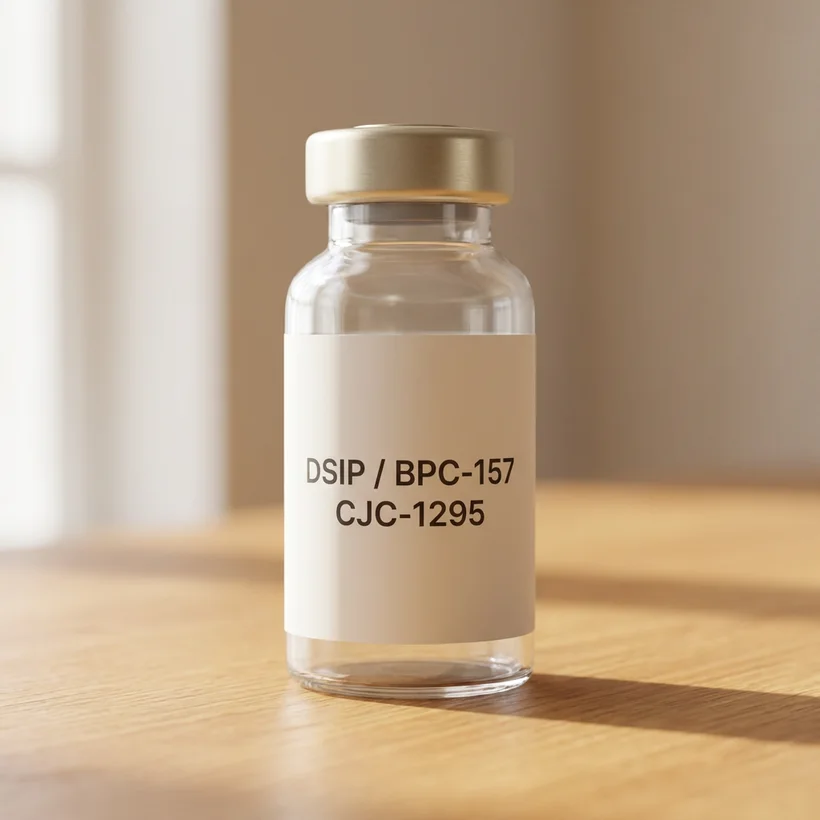
From the FormBlends catalog
Sleep + Recovery Stack
Sleep and repair support with DSIP, BPC-157, and CJC · From $299/mo · compounded by a licensed 503A pharmacy, dispensed only after provider review.
View Sleep + Recovery Stack →Set a consistent schedule. Go to bed and wake up at the same time every day, including weekends. Your circadian rhythm thrives on consistency. Even a 30-minute shift can disrupt your sleep quality.
Create a cool, dark environment. Your bedroom should be between 65 and 68 degrees. Use blackout curtains or an eye mask. Eliminate light from electronics. Your body drops its core temperature to initiate sleep, and a cool room supports this process.
Time your last meal wisely. Eat dinner at least 3 hours before bedtime. On GLP-1 medication, your stomach empties more slowly, so lying down too soon after eating increases the risk of nausea and reflux. A protein-focused dinner earlier in the evening is ideal.
Limit screen time before bed. Blue light from phones, tablets, and computers suppresses melatonin production. Put screens away at least 30 to 60 minutes before bed. Read a book, listen to a podcast, or do gentle stretching instead.
Move during the day. Regular physical activity improves sleep quality significantly. But intense exercise within 2 to 3 hours of bedtime can be stimulating. Morning or afternoon workouts tend to produce the best sleep benefits.
Watch your caffeine. Caffeine has a half-life of 5 to 7 hours. A coffee at 2 PM may still be affecting you at 9 PM. Some GLP-1 users report increased caffeine sensitivity as they eat less food. Consider cutting off caffeine by noon.
The Sleep and Weight Loss Connection
Sleep and weight loss are deeply interconnected. Poor sleep can actually undermine your GLP-1 treatment results. Here is the research.
Clinical data indicate that sleep-deprived individuals lose more lean muscle and less fat compared to well-rested people losing weight. One study found that sleeping only 5.5 hours per night reduced fat loss by 55 percent compared to sleeping 8.5 hours, even with the same calorie intake.
Poor sleep also increases hunger hormones (ghrelin) and decreases fullness hormones (leptin). While GLP-1 medication works on these pathways too, poor sleep can partially counteract the medication's effects.
Cortisol, the stress hormone, rises with poor sleep. improved cortisol promotes fat storage, particularly around the midsection, and can slow overall weight loss.
The takeaway is simple: sleep isn't optional during GLP-1 treatment. It's a critical part of your . Prioritizing 7 to 9 hours of quality sleep each night directly supports your results.
If you suspect you have sleep apnea, talk to your provider about a sleep study. Treating sleep apnea often produces dramatic improvements in energy, mood, and weight loss progress.
Frequently Asked Questions
Does GLP-1 medication cause insomnia?
Insomnia isn't a commonly reported side effect of GLP-1 medications in clinical trials. But gastrointestinal side effects like nausea, lifestyle changes, and mood shifts during treatment can all affect sleep quality. If you experience persistent insomnia, talk to your provider.
Will my sleep improve as I lose weight on GLP-1?
For many people, yes. Weight loss can improve or resolve sleep apnea, reduce acid reflux, decrease joint pain, and improve blood sugar stability, all of which contribute to better sleep. These improvements tend to be gradual and cumulative over months.
Should I take my GLP-1 injection at a specific time for better sleep?
There's no strong evidence that injection timing significantly affects sleep for weekly GLP-1 medications. But if you notice more side effects on certain days after your injection, timing it in the morning may give your body more time to process before bedtime. Discuss timing preferences with your provider.
Can I take melatonin or sleep supplements on GLP-1?
Many people safely use melatonin alongside GLP-1 medication. But always check with your provider before adding any supplement. Some sleep aids can interact with medications or mask underlying issues that need different treatment.
How do I know if I have sleep apnea?
Common signs include loud snoring, gasping or choking during sleep, excessive daytime sleepiness, morning headaches, and difficulty concentrating. If you notice these symptoms, ask your provider about a sleep study. Sleep apnea is highly treatable and resolving it can significantly boost your GLP-1 results.
Ready to Take the Next Step?
Your health outcomes is personal) and you deserve a plan that fits. FormBlends connects you with licensed providers who can evaluate your needs and create a personalized protocol.
Medical References
- Davies M, Færch L, Jeppesen OK, et al. Semaglutide 2.4 mg once a week in adults with overweight or obesity, and type 2 diabetes (STEP 2). Lancet. 2021;397(10278):971-984. [PubMed | ClinicalTrials.gov | DOI]
- Wadden TA, Bailey TS, Billings LK, et al. Effect of Subcutaneous Semaglutide vs Placebo as an Adjunct to Intensive Behavioral Therapy on Body Weight in Adults With Overweight or Obesity (STEP 3). JAMA. 2021;325(14):1403-1413. [PubMed | ClinicalTrials.gov | DOI]
- Garvey WT, Batterham RL, Bhatt DL, et al. Two-year effects of semaglutide in adults with overweight or obesity (STEP 5). Nat Med. 2022;28(10):2083-2091. [PubMed | ClinicalTrials.gov | DOI]
Sources &. References
- Wilding JPH, Batterham RL, Calanna S, et al. Once-Weekly Semaglutide in Adults with Overweight or Obesity. N Engl J Med. 2021;384(11):989-1002. Doi:10.1056/NEJMoa2032183
- Davies M, Færch L, Jeppesen OK, et al. Semaglutide 2.4 mg once a week in adults with overweight or obesity, and type 2 diabetes (STEP 2 (Davies et al., Lancet, 2021)). Lancet. 2021;397(10278):971-984. Doi:10.1016/S0140-6736(21)00213-0
- Wadden TA, Bailey TS, Billings LK, et al. Effect of Subcutaneous Semaglutide vs Placebo as an Adjunct to Intensive Behavioral Therapy on Body Weight in Adults With Overweight or Obesity (STEP 3 (Wadden et al., JAMA, 2021)). JAMA. 2021;325(14):1403-1413. Doi:10.1001/jama.2021.1831
- Garvey WT, Batterham RL, Bhatt DL, et al. Two-Year Effects of Semaglutide in Adults with Overweight or Obesity (STEP 5 (Garvey et al., Nat Med, 2022)). Nat Med. 2022;28:2083-2091. Doi:10.1038/s41591-022-02026-4
- Lincoff AM, Brown-Frandsen K, Colhoun HM, et al. Semaglutide and Cardiovascular Outcomes in Obesity without Diabetes. N Engl J Med. 2023;389(24):2221-2232. Doi:10.1056/NEJMoa2307563
- Stierman B, Afful J, Carroll MD, et al. National Health and Nutrition Examination Survey 2017-March 2020 Prepandemic Data Files. NCHS Data Brief. No. 492. CDC/NCHS. 2023.
- Sumithran P, Prendergast LA, Delbridge E, et al. Long-Term Persistence of Hormonal Adaptations to Weight Loss. N Engl J Med. 2011;365(17):1597-1604. Doi:10.1056/NEJMoa1105816
The information in this article is intended for educational use only and shouldn't be considered medical advice. Consult a qualified healthcare provider before making any changes to your medication or supplement regimen. FormBlends helps with connections with licensed providers for personalized medical guidance.
Last updated: 2026-03-24
Ready when you are
Sleep + Recovery Stack
Sleep and repair support with DSIP, BPC-157, and CJC · From $299/mo · compounded by a licensed 503A pharmacy, dispensed only after provider review.
View Sleep + Recovery Stack →