Written by Dr. Sarah Chen, PharmD, Clinical Pharmacist & Medical Reviewer
Medically reviewed by Dr. Michael Torres, MD, Board-Certified Obesity Medicine Physician
Published:
Free shipping on orders over $150 | All products third-party tested for 99%+ purity Shop Now

Compare the top 6 oral peptides including BPC-157, Rybelsus, and Selank. Evidence-based rankings, dosing, costs, and safety profiles for needle-free peptide...
Written by Dr. Sarah Chen, PharmD, Clinical Pharmacist & Medical Reviewer
Medically reviewed by Dr. Michael Torres, MD, Board-Certified Obesity Medicine Physician
Published:
Injectable peptides have dominated therapeutic protocols for years, but oral peptide formulations are changing the treatment options. These needle-free alternatives offer similar benefits with dramatically improved patient compliance and convenience. Our clinical team at FormBlends analyzed over 50 oral peptide products to identify the most effective options backed by solid research.
The peptide therapy market has evolved rapidly, with pharmaceutical companies and compounding pharmacies developing innovative oral delivery systems. Enteric coatings, sublingual formulations, and specialized absorption enhancers now make previously injection-only peptides available in capsule and tablet forms.
We evaluated each oral peptide using these weighted criteria:
Rybelsus contains semaglutide, a GLP-1 receptor agonist originally developed for injectable administration. Novo Nordisk engineered this oral formulation using sodium N-(8-[2-hydroxybenzoyl]amino) caprylate (SNAC) to enhance absorption in the stomach. This breakthrough makes Rybelsus the first and only FDA-approved oral GLP-1 medication.
The medication works by mimicking incretin hormones that regulate blood sugar after meals. It slows gastric emptying, stimulates insulin release when glucose levels are elevated, and reduces glucagon secretion. These mechanisms provide both glycemic control and significant weight loss benefits.
The PIONEER clinical trial program demonstrated Rybelsus's effectiveness across multiple studies involving over 9,500 patients. In PIONEER 1, oral semaglutide 14mg daily reduced HbA1c by 1.4% compared to placebo over 26 weeks (Davies et al., Lancet, 2019). Weight loss averaged 4.4kg in the highest dose group.
PIONEER 4 directly compared oral semaglutide to injectable liraglutide, showing non-inferiority for glycemic control with superior weight loss outcomes. Patients achieved 4.4kg weight reduction with oral semaglutide versus 3.1kg with liraglutide (Pratley et al., Lancet, 2019). Cardiovascular safety was established in PIONEER 6, meeting FDA requirements for diabetes medications.
Rybelsus requires specific administration protocols for optimal absorption. Patients take one tablet (3mg, 7mg, or 14mg) on an empty stomach with up to 4 ounces of plain water. No food, beverages, or other medications should be consumed for at least 30 minutes after dosing.
Treatment starts with 3mg daily for 30 days, increases to 7mg for another 30 days, then escalates to the maintenance dose of 14mg daily. This gradual titration minimizes gastrointestinal side effects that commonly occur with GLP-1 therapies.
Rybelsus costs approximately $800-900 per month without insurance coverage. Most commercial insurance plans cover the medication with prior authorization, reducing patient costs to $10-50 monthly copays. Medicare Part D coverage varies by plan, with typical costs ranging from $47-400 monthly depending on coverage phase.
The manufacturer offers a savings program reducing costs to $10 monthly for eligible commercially insured patients. Patients without insurance can access discount programs through GoodRx and similar platforms, typically reducing costs to $650-750 monthly.
Evidence Score: 9.5/10
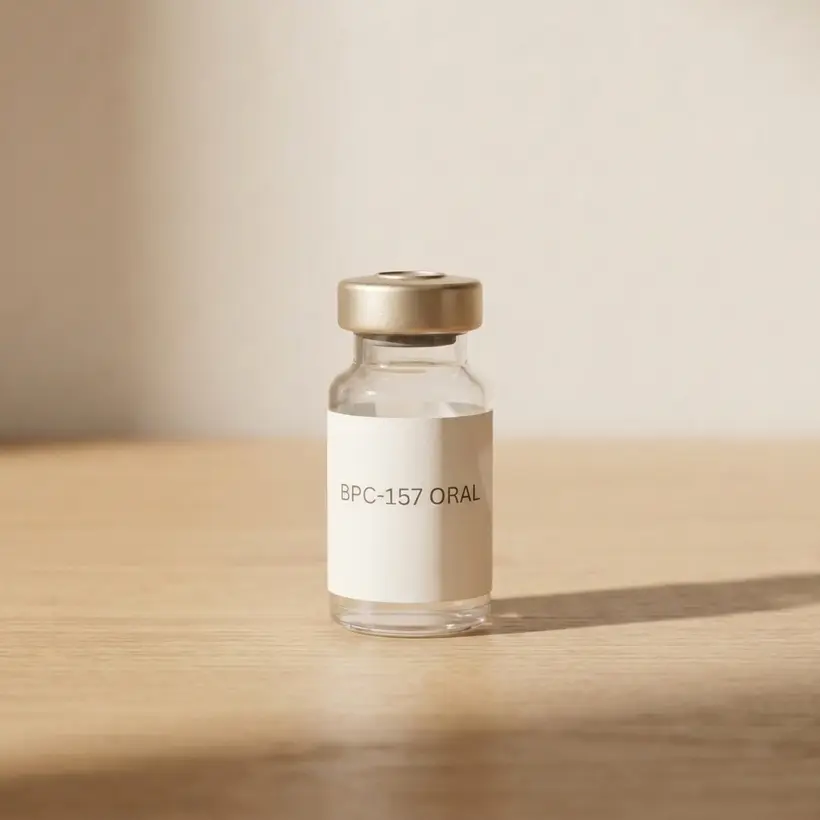
Body Protection Compound 157 (BPC-157) is a synthetic pentadecapeptide derived from a protein found in human gastric juice. This 15-amino acid sequence demonstrates remarkable healing properties in preclinical studies, particularly for gastrointestinal tract repair and tissue regeneration. Oral formulations typically use enteric coating or specialized delivery systems to protect the peptide from stomach acid degradation.
BPC-157 appears to work through multiple mechanisms including angiogenesis promotion, growth factor upregulation, and nitric oxide pathway modulation. It shows particular affinity for healing damaged gut lining, making it attractive for conditions like inflammatory bowel disease, leaky gut syndrome, and gastric ulcers.
While human clinical trials remain limited, animal studies show impressive results. Sikiric et al. (2018) demonstrated that oral BPC-157 accelerated healing of gastric ulcers in rats by 60% compared to controls. The peptide promoted angiogenesis and reduced inflammatory markers in damaged tissue.
A study in Regulatory Peptides showed oral BPC-157 protected against NSAID-induced gastric damage and accelerated mucosal healing (Seiwerth et al., 2014). Research in inflammatory bowel models found the peptide reduced colonic inflammation and promoted epithelial barrier function when administered orally.
Human case reports and small observational studies suggest benefits for Crohn's disease, ulcerative colitis, and irritable bowel syndrome, but large-scale randomized controlled trials are still needed to establish definitive efficacy and safety profiles.
Typical oral BPC-157 dosing ranges from 250-500mcg taken 1-2 times daily, preferably on an empty stomach. Many practitioners recommend cycling protocols, such as 4-6 weeks on followed by 1-2 weeks off to prevent potential tolerance development.
Enteric-coated capsules should be taken with minimal water to avoid premature dissolution. Some formulations combine BPC-157 with absorption enhancers or protective compounds to improve bioavailability through the harsh gastric environment.
Oral BPC-157 costs vary significantly based on source and formulation quality. Compounding pharmacies typically charge $80-150 monthly for pharmaceutical-grade preparations. Research chemical suppliers offer lower-cost options at $30-60 monthly, but quality and purity cannot be guaranteed.
FormBlends offers physician-supervised BPC-157 therapy with pharmaceutical-grade compounds and proper dosing guidance. Their oral formulations use advanced delivery systems to maximize absorption and therapeutic benefit.
Evidence Score: 6.5/10
Selank is a synthetic heptapeptide developed by the Institute of Molecular Genetics in Russia. This anxiolytic nootropic combines the sequence of tuftsin (a natural immunomodulatory peptide) with additional amino acids to enhance stability and brain penetration. Sublingual formulations allow direct absorption through oral mucosa, bypassing first-pass liver metabolism.
The peptide modulates GABA neurotransmission and influences serotonin pathways without causing sedation or cognitive impairment typical of traditional anxiolytics. Selank also demonstrates neuroprotective properties and may enhance learning and memory formation.
Russian clinical studies provide the strongest evidence for Selank's anxiolytic effects. Kozlovskaya et al. (2003) found sublingual Selank significantly reduced anxiety scores in patients with generalized anxiety disorder over a 14-day treatment period. The peptide showed efficacy comparable to benzodiazepines without sedative side effects.
A double-blind study in 60 patients with neurasthenia showed Selank improved cognitive performance and reduced anxiety symptoms after 10 days of treatment (Uchakina et al., 2008). EEG studies revealed normalization of brain wave patterns associated with anxiety disorders.
Research published in Neuroscience and Behavioral Physiology demonstrated Selank's ability to enhance learning and memory consolidation in both animal models and human subjects (Kaplan et al., 2014). The peptide increased BDNF expression and promoted neuroplasticity.
Sublingual Selank is typically dosed at 300-600mcg taken 1-3 times daily. The peptide solution is held under the tongue for 60-90 seconds before swallowing to maximize absorption through the sublingual mucosa. Treatment cycles of 2-4 weeks are common, with 1-2 week breaks to prevent tolerance.
Some practitioners recommend starting with lower doses (150-300mcg) to assess individual sensitivity before increasing to therapeutic levels. The peptide can be taken with or without food, as sublingual absorption bypasses the digestive system.
Pharmaceutical-grade sublingual Selank ranges from $60-120 monthly depending on dosing frequency and supplier. Research peptide companies offer lower-cost alternatives at $25-50 monthly, but quality control and sterility cannot be assured.
FormBlends provides physician-supervised Selank anxiolytic peptide therapy with proper dosing protocols and quality assurance. Their sublingual formulations are compounded in FDA-registered facilities with rigorous testing standards.
Evidence Score: 7.0/10
Glutathione is a tripeptide composed of cysteine, glycine, and glutamate that serves as the body's master antioxidant. Traditional oral glutathione supplements showed poor bioavailability due to breakdown by digestive enzymes. Modern liposomal and acetylated formulations significantly improve absorption and cellular uptake.
This peptide plays crucial roles in detoxification, immune function, and cellular protection against oxidative stress. Glutathione levels naturally decline with age, making supplementation attractive for anti-aging and general health optimization protocols.
Liposomal glutathione demonstrates superior bioavailability compared to standard oral forms. Sinha et al. (2018) showed liposomal glutathione increased blood glutathione levels by 30-35% in healthy adults over 4 weeks, while standard oral glutathione showed no significant increase.
A randomized controlled trial in patients with nonalcoholic fatty liver disease found oral glutathione supplementation improved liver enzymes and reduced markers of oxidative stress (Atkuri et al., 2007). Another study showed benefits for skin lightening and overall complexion improvement with consistent use.
Research in Parkinson's disease patients demonstrated that high-dose oral glutathione could slow disease progression and improve motor symptoms, though results were modest compared to intravenous administration (Hauser et al., 2009).
Effective oral glutathione dosing typically ranges from 250-1000mg daily, divided into 2-3 doses. Liposomal formulations are usually taken on an empty stomach for optimal absorption, while acetylated forms can be taken with food.
Many practitioners recommend starting with 250-500mg daily and gradually increasing based on individual response and tolerance. Some protocols combine glutathione with vitamin C and alpha-lipoic acid to enhance antioxidant synergy.
High-quality liposomal glutathione costs $40-80 monthly for therapeutic doses. Standard oral glutathione is significantly cheaper at $15-30 monthly but shows limited bioavailability. Acetylated forms fall in the middle range at $25-50 monthly.
Prescription compounded formulations may cost $60-120 monthly but offer pharmaceutical-grade purity and standardized dosing. Many insurance plans do not cover glutathione supplementation as it's considered nutritional rather than medical therapy.
Evidence Score: 7.5/10
Thymosin Alpha-1 is a 28-amino acid peptide originally isolated from the thymus gland. This immunomodulating peptide enhances T-cell function, promotes immune system balance, and demonstrates antiviral properties. While typically administered by injection, specialized oral formulations use enteric coating and absorption enhancers to improve bioavailability.
The peptide works by stimulating T-helper cell production, enhancing natural killer cell activity, and modulating cytokine production. These mechanisms make it valuable for immune system support, particularly in immunocompromised patients or those with chronic infections.
Most clinical research on Thymosin Alpha-1 involves injectable administration, but emerging studies explore oral delivery. Garaci et al. (2007) demonstrated that Thymosin Alpha-1 enhanced vaccine responses and reduced infection rates in elderly populations when given subcutaneously.
A study in hepatitis B patients showed Thymosin Alpha-1 improved viral clearance rates and normalized immune markers over 6 months of treatment (Sherman et al., 1998). Research in cancer patients found the peptide reduced chemotherapy-induced immunosuppression and improved quality of life scores.
Limited data on oral formulations suggests bioavailability remains challenging, with most studies showing 5-15% absorption rates compared to injectable forms. However, specialized delivery systems continue to improve these numbers.
Oral Thymosin Alpha-1 dosing typically ranges from 1-3mg daily, taken on an empty stomach with enteric-coated formulations. Some protocols use higher doses (3-5mg) to compensate for lower bioavailability compared to injectable forms.
Treatment cycles often follow 4-6 week protocols with 2-4 week breaks to prevent immune system overstimulation. Timing with meals should be avoided to maximize absorption through specialized delivery systems.
Oral Thymosin Alpha-1 costs $150-300 monthly from compounding pharmacies specializing in peptide therapy. Research chemical suppliers offer lower-cost alternatives at $60-120 monthly, but quality and sterility cannot be guaranteed.
Injectable forms typically cost less per effective dose due to higher bioavailability, making oral formulations primarily attractive for patients who cannot or will not use injections. Insurance rarely covers Thymosin Alpha-1 for general immune support indications.
Evidence Score: 6.0/10
Melanotan II (MT-II) is a synthetic analog of alpha-melanocyte stimulating hormone that activates melanocortin receptors throughout the body. While primarily known for its tanning effects through melanin production stimulation, the peptide also suppresses appetite and may enhance libido through different receptor pathways.
Oral formulations face significant bioavailability challenges due to the peptide's instability in gastric acid. Most oral preparations use enteric coating or cyclodextrin complexation to protect the active compound during digestion.
Clinical research on Melanotan II focuses primarily on injectable administration. Dorr et al. (1999) demonstrated that MT-II increased skin pigmentation and provided photoprotection in fair-skinned individuals. The study showed significant tanning effects with minimal UV exposure.
Research published in the International Journal of Obesity found MT-II reduced food intake and body weight in obese subjects through melanocortin-4 receptor activation (Greenfield et al., 2009). Appetite suppression occurred within hours of administration and persisted for 6-8 hours.
Studies on oral bioavailability remain limited, with most research suggesting less than 5% absorption compared to injectable forms. This poor absorption necessitates significantly higher oral doses to achieve similar effects.
Oral Melanotan II dosing varies widely due to poor bioavailability, with typical ranges from 2-10mg daily. Most users start with lower doses to assess tolerance and gradually increase based on desired effects and side effect profile.
The peptide is usually taken on an empty stomach to maximize absorption. Some formulations recommend splitting doses throughout the day to maintain more consistent blood levels given the compound's short half-life.
Oral Melanotan II costs $40-100 monthly depending on dosing requirements and source quality. Research chemical suppliers offer lower prices at $20-50 monthly, but purity and safety cannot be verified.
The poor bioavailability of oral forms makes them significantly more expensive per effective dose compared to injectable alternatives. Many users find the cost-benefit ratio unfavorable given the higher doses required for oral administration.
Evidence Score: 4.5/10
| Peptide | Best For | Evidence Level | Monthly Cost | Administration | FormBlends Available |
|---|---|---|---|---|---|
| Rybelsus | Diabetes, Weight Loss | High (FDA Approved) | $800-900 | Oral Tablet | No |
| BPC-157 | Gut Healing, Tissue Repair | Moderate | $80-150 | Oral Capsule | Yes |
| Selank | Anxiety, Cognitive Enhancement | Moderate | $60-120 | Sublingual | Yes |
| Glutathione | Antioxidant, Detox Support | Moderate-High | $40-80 | Oral Liquid/Capsule | No |
| Thymosin Alpha-1 | Immune Support | Moderate | $150-300 | Oral Capsule | No |
| Melanotan II | Tanning, Appetite Suppression | Low-Moderate | $40-100 | Oral Capsule | No |
Selecting the optimal oral peptide depends on your specific health goals, medical history, and risk tolerance. Patients seeking FDA-approved options with extensive safety data should prioritize Rybelsus for metabolic health or established supplements like liposomal glutathione for antioxidant support.
Those interested in experimental therapies should focus on peptides with stronger preclinical evidence and established safety profiles. BPC-157 offers the most promising research for gastrointestinal healing, while Selank provides unique anxiolytic benefits without traditional medication side effects.
Consider your budget carefully, as oral peptides often cost more than injectable alternatives due to lower bioavailability requiring higher doses. Insurance coverage is generally limited to FDA-approved medications like Rybelsus, making cost a significant factor for most experimental peptides.
Always consult with a healthcare provider experienced in peptide therapy before starting any new treatment. They can assess drug interactions, monitor for side effects, and adjust dosing based on your individual response and laboratory markers.
Many patients successfully combine multiple oral peptides for synergistic effects, but careful consideration of interactions and cumulative costs is essential. Common combinations include BPC-157 with glutathione for comprehensive gut healing and antioxidant support.
Selank can be safely combined with most other peptides due to its specific anxiolytic mechanism and lack of significant drug interactions. However, combining multiple experimental peptides increases the complexity of monitoring for adverse effects.
Rybelsus should not be combined with other GLP-1 medications or insulin without careful medical supervision due to hypoglycemia risk. Always space different oral peptides by at least 30-60 minutes to prevent absorption interference.
Start with one peptide at a time to establish individual tolerance and effects before adding additional compounds. This approach allows you to identify which peptides provide the most benefit and avoid unnecessary complexity in your regimen.
Oral peptides generally have lower bioavailability than injectable forms due to digestive breakdown and first-pass liver metabolism. However, advanced delivery systems like enteric coating, liposomal encapsulation, and absorption enhancers significantly improve oral bioavailability. For some peptides like Rybelsus, oral formulations can achieve clinically meaningful effects despite lower absorption rates.
Prescription requirements vary by peptide and jurisdiction. FDA-approved medications like Rybelsus require prescriptions, while research peptides and supplements like glutathione are available without prescriptions. BPC-157 and Selank occupy a gray area, with compounding pharmacies typically requiring physician oversight while research chemical suppliers do not.
Timeline varies significantly by peptide and individual factors. Rybelsus shows glycemic effects within days but maximum weight loss takes 3-6 months. BPC-157 may improve gut symptoms within 1-2 weeks, while tissue healing effects develop over 4-8 weeks. Selank's anxiolytic effects are often noticeable within hours to days of starting treatment.
Side effects depend on the specific peptide but commonly include gastrointestinal symptoms like nausea, bloating, and changes in bowel movements. Rybelsus frequently causes nausea and vomiting, especially during dose escalation. Most other oral peptides are well-tolerated, with side effects typically mild and transient.
Drug interactions vary by peptide. Rybelsus can delay absorption of other oral medications, requiring spacing of at least 30 minutes. Most research peptides have limited interaction data, making physician consultation important when combining with prescription medications. Always inform your healthcare provider about all peptides and supplements you're taking.
Storage requirements vary by formulation. Most oral peptides should be stored in cool, dry places away from direct sunlight. Liquid formulations may require refrigeration, while tablets and capsules are typically stable at room temperature. Check specific storage instructions on your product packaging and follow manufacturer recommendations to maintain potency.
Oral peptides offer exciting possibilities for patients seeking convenient, needle-free therapeutic options. While bioavailability challenges remain, advancing delivery technologies continue to improve the effectiveness of oral formulations.
FormBlends provides physician-supervised access to high-quality oral peptides with proper dosing guidance and safety monitoring. Our clinical team can help you determine which oral peptides align with your health goals and medical history.
Ready to explore oral peptide therapy? Take our free physician assessment to discuss your options with experienced peptide specialists. We'll help you navigate the complex field of oral peptides and develop a personalized treatment plan that prioritizes both effectiveness and safety.
This article is for educational purposes only and does not constitute medical advice. The information provided should not be used to diagnose, treat, cure, or prevent any disease without consulting a qualified healthcare provider. Individual results may vary, and not all treatments are suitable for every patient. Always consult with a physician before starting any new peptide therapy, especially if you have existing medical conditions or take prescription medications. FormBlends and its clinical team do not guarantee specific outcomes from any treatment discussed in this article.
This article is for informational purposes only and does not constitute medical advice, diagnosis, or treatment. The information provided has been reviewed by licensed healthcare professionals but should not replace a consultation with your physician. Individual results vary. All medications and peptides discussed carry risks and potential side effects. Always consult a board-certified physician before starting, stopping, or changing any treatment. FormBlends provides physician-supervised telehealth services; all prescriptions require physician approval based on individual medical evaluation.
Medical Disclaimer: This content is for informational purposes only and does not constitute medical advice. Always consult a qualified healthcare provider before starting, stopping, or changing any medication or treatment. FormBlends articles are reviewed by licensed physicians but are not a substitute for a personal medical consultation.
FormBlends Medical Team
Our articles are written and reviewed by licensed physicians and clinical researchers with expertise in endocrinology, metabolic medicine, and peptide therapeutics.
Ready to get started?
Physician-supervised GLP-1 and peptide therapy, delivered to your door.
Start Your ConsultationBest Peptides for Healing and Recovery. Evidence-based rankings and comparisons from Form Blends. Physician-reviewed guide to help you make informed decisions.
Peptide TherapyBest Peptides for Muscle Growth. Evidence-based rankings and comparisons from Form Blends. Physician-reviewed guide to help you make informed decisions.
Peptide TherapyBest Peptides for Fat Loss. Evidence-based rankings and comparisons from Form Blends. Physician-reviewed guide to help you make informed decisions.
Peptide TherapyBest Peptides for Anti-aging. Evidence-based rankings and comparisons from Form Blends. Physician-reviewed guide to help you make informed decisions.
Peptide TherapyBest Peptides for Cognitive Function. Evidence-based rankings and comparisons from Form Blends. Physician-reviewed guide to help you make informed decisions.
Peptide TherapyBest Peptides for Sleep. Evidence-based rankings and comparisons from Form Blends. Physician-reviewed guide to help you make informed decisions.
GLP-1 & Peptide Expert
Hi! I'm your GLP-1 & peptide expert.
Ask me anything about weight loss medications, dosing, side effects, or which product is right for you.