Key Takeaway
Alcohol takes a toll on your body. Your liver, stomach lining, and gut barrier all absorb damage from regular or heavy drinking. Research into BPC-157 liver alcohol protection has revealed some compelling findings about this peptide's ability to counteract alcohol-induced harm in animal models.
Alcohol takes a toll on your body. Your liver, stomach lining, and gut barrier all absorb damage from regular or heavy drinking. Research into BPC-157 liver alcohol protection has revealed some compelling findings about this peptide's ability to counteract alcohol-induced harm in animal models.
Key Takeaways: - Learn how alcohol damages your body - Understand what the research says about bpc-157 and alcohol - Practical Considerations for BPC-157 and Alcohol Use - BPC-157 as Part of a Bigger Recovery Plan
BPC-157 is a synthetic peptide derived from a protein naturally found in human gastric juice. Its cytoprotective properties, meaning its ability to shield cells from damage, have been studied extensively in the context of alcohol exposure. Here's what the research says and what it means for you.
How Alcohol Damages Your Body
Before understanding how BPC-157 may help, it's worth knowing what alcohol actually does to your organs.
Liver damage. Your liver processes about 90% of the alcohol you drink. This process generates toxic byproducts like acetaldehyde that damage liver cells. Chronic alcohol use can progress from fatty liver to alcoholic hepatitis to cirrhosis. Even moderate drinking causes oxidative stress in liver tissue over time.
Gastric mucosal damage. Alcohol irritates and erodes the protective lining of your stomach. This can lead to gastritis, ulcers, and increased permeability of the gut wall. When the gut barrier breaks down, bacteria and toxins can leak into the bloodstream, triggering systemic inflammation.
"What makes tirzepatide particularly interesting is the dual GIP/GLP-1 mechanism. We're seeing that GIP receptor activation appears to amplify the metabolic effects in ways we didn't fully anticipate from the preclinical data.") Dr. Ania Jastreboff, MD, PhD, Yale School of Medicine, lead author of SURMOUNT-1[1]
Nervous system effects. Alcohol is neurotoxic. Chronic use can damage peripheral nerves and contribute to cognitive decline. The gut-brain axis, the communication highway between your gut and brain, gets disrupted when gut health deteriorates from alcohol exposure.
These aren't scare tactics. They're biological realities. Your body has remarkable repair capacity when given the right support.
For a broader look at BPC-157's mechanisms, check out our .
Free Download: BPC-157 Reconstitution calculator Cheat Sheet Covers everything you need to know about preparing, dosing, and storing BPC-157 properly. Includes injection site guides and dose calculators. Get yours free (we'll email it to you instantly. [Download Now]
Patient Perspective: "I tried BPC-157 for a chronic rotator cuff issue after 8 months of physical therapy with minimal improvement. Within 3 weeks of a BPC-157 protocol alongside continued PT, I noticed significantly less pain during overhead movements. I can't say for certain what caused the improvement, but the timeline was notable.") Chris D., 38, FormBlends patient (name changed for privacy)
What the Research Says About BPC-157 and Alcohol
The bulk of the research on BPC-157 and alcohol comes from the laboratory of Predrag Sikiric at the University of Zagreb. Their work spans decades and includes dozens of published studies in peer-reviewed journals.
View data table
| Category | Clinical Interest Score | Detail |
|---|---|---|
| BPC-157 | 88 | Tissue repair and gut healing |
| TB-500 | 82 | Injury recovery |
| Sermorelin | 78 | Growth hormone support |
| Ipamorelin | 75 | Anti-aging and recovery |
| GHK-Cu | 70 | Skin and tissue repair |
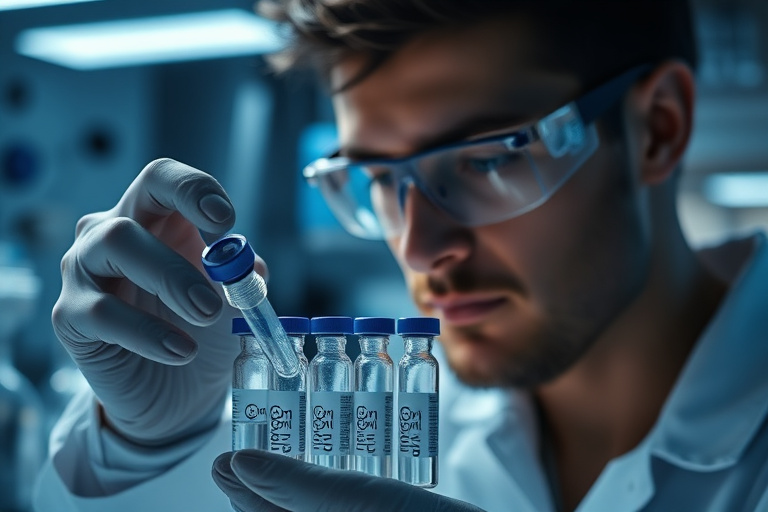
Liver protection. In multiple rat studies, BPC-157 demonstrated significant cytoprotective effects on liver tissue exposed to alcohol. Animals treated with BPC-157 showed reduced liver enzyme elevations (a marker of liver cell damage), less fat accumulation in liver cells, and faster recovery from alcohol-induced liver lesions compared to untreated controls.
Gastric mucosal protection. BPC-157 was originally identified as a fragment of a gastric protein, and its protective effects on stomach tissue are among its most well-documented properties. Studies have shown it can prevent and heal alcohol-induced stomach lesions. The peptide appears to strengthen the mucosal barrier and promote blood flow to damaged tissue.
Gut barrier function. Preclinical research, primarily in animal models, indicates that BPC-157 may help restore gut barrier integrity that alcohol compromises. By promoting healing of the intestinal lining, it may reduce the "leaky gut" effect that contributes to systemic inflammation after alcohol exposure.
Neurological protection. Some studies have explored BPC-157's effects on alcohol-related brain changes. Animal models have shown reduced neurotoxicity and improved behavioral outcomes when BPC-157 was administered alongside alcohol exposure.
Important context. These are animal studies. They're rigorous and published in respected journals, but they haven't yet been replicated in large-scale human clinical trials. The results are promising, and many providers consider them strong enough to inform clinical decision-making. But no one should claim these findings as proven in humans.
Practical Considerations for BPC-157 and Alcohol Use
If you're interested in BPC-157 for alcohol-related concerns, here's what to think about.

From the FormBlends catalog
BPC-157
The body protection compound for accelerated healing · From $169/mo · compounded by a licensed 503A pharmacy, dispensed only after provider review.
View BPC-157 →BPC-157 isn't a free pass to drink. No peptide can make heavy drinking safe. The most effective way to protect your liver and gut from alcohol damage is to reduce or eliminate alcohol consumption. BPC-157 may support healing, but it can't fully counteract ongoing heavy alcohol exposure.
Talk to your provider honestly. When discussing BPC-157 with a licensed provider, be upfront about your alcohol consumption. This information helps them determine the right approach, dosing, and monitoring plan. Providers aren't there to judge. They're there to help.
Dosing for alcohol-related use. Standard BPC-157 dosing protocols (250 to 500 mcg per day subcutaneously) are typically used in the context of organ protection and healing. Your provider may adjust based on the severity of your situation and what specific outcomes you're targeting.
Monitoring matters. If you're using BPC-157 for liver health concerns, your provider should track liver enzyme levels (ALT, AST, GGT) before, during, and after your cycle. These blood markers give objective data on whether your liver health is improving. The can help you track your protocol and log lab results alongside your daily doses.
Cycle considerations. A typical cycle for gut and liver support runs 4 to 6 weeks. Some providers may recommend longer protocols or repeated cycles for chronic alcohol-related damage. Learn more about .
BPC-157 as Part of a Bigger Recovery Plan
BPC-157 is one tool in a larger toolkit. If you're working on reducing alcohol's impact on your health, consider the full picture.
Nutrition matters. A high-protein, nutrient-dense diet supports liver regeneration and gut healing. Your liver needs amino acids, B vitamins, and antioxidants to repair itself. A designed for recovery can make a real difference.
Other peptides may complement BPC-157. Some providers recommend stacking BPC-157 with TB-500 for thorough tissue repair. The explains how these peptides work together.
Professional support for alcohol reduction. If you're looking to cut back on drinking, medical and behavioral support programs have strong evidence behind them. Your FormBlends provider can help connect you with appropriate resources.
The goal isn't perfection. It's progress. Every step you take toward supporting your body's healing capacity matters.
Frequently Asked Questions
Can BPC-157 reverse liver damage from alcohol?
Animal studies have shown that BPC-157 can reduce alcohol-induced liver lesions and promote liver cell recovery. But "reverse" is a strong word. Severe liver damage like advanced cirrhosis involves structural changes that may not be fully reversible. BPC-157 may support healing in earlier stages of liver damage, but this hasn't been proven in human clinical trials.
Should I stop drinking while taking BPC-157?
Reducing or stopping alcohol consumption will give your body the best chance to heal, with or without BPC-157. Continuing to drink heavily while using BPC-157 works against the peptide's protective and healing effects. Talk to your provider about realistic goals for alcohol reduction.
How long does it take for BPC-157 to help with gut healing?
In animal studies, improvements in gastric mucosal integrity were observed within days of starting BPC-157. In clinical practice, providers typically recommend at least a 4-to-6-week cycle to see meaningful gut healing results. Individual responses vary based on the extent of damage and other factors.
Can I take BPC-157 while on liver medications?
Disclose all medications to your prescribing provider. While BPC-157 has no well-documented drug interactions in current research, your provider needs to evaluate your complete medication list to ensure safety. This is especially important if you're taking medications for liver disease.
Is BPC-157 safe for people with existing liver problems?
The safety of BPC-157 in people with existing liver disease hasn't been specifically studied in human trials. Animal research actually suggests hepatoprotective effects, but individual circumstances vary widely. A licensed provider must evaluate your liver function and overall health before recommending any peptide protocol.
Start your weight loss Today
Every transformation starts with a single step. Talk to a licensed FormBlends provider about whether this approach is right for you, consultations are free and confidential.
Medical References
- Jastreboff AM, Aronne LJ, Ahmad NN, et al. Tirzepatide Once Weekly for the Treatment of Obesity. N Engl J Med. 2022;387(3):205-216. [PubMed | ClinicalTrials.gov | DOI]
Sources &. References
- Sikiric P, Hahm KB, Blagaic AB, et al. Stable Gastric Pentadecapeptide BPC 157, Robert's Cytoprotection, Adaptive Cytoprotection, and Therapeutic Effects. Curr Pharm Des. 2018;24(18):1990-2001. Doi:10.2174/1381612824666180515125918
- Chang CH, Tsai WC, Lin MS, et al. The promoting effect of pentadecapeptide BPC 157 on tendon healing involves tendon outgrowth, cell survival, and cell migration. J Appl Physiol. 2011;110(3):774-780. Doi:10.1152/japplphysiol.00945.2010
- Seiwerth S, Brcic L, Vuletic LB, et al. BPC 157 and blood vessels. Curr Pharm Des. 2014;20(7):1121-1125. Doi:10.2174/13816128113199990421
Nothing in this article should be construed as medical advice. The information provided is educational only. Always consult with your healthcare provider before beginning, modifying, or discontinuing any medication or treatment. FormBlends connects patients with licensed providers for individualized care.
Last updated: 2026-03-24
Ready when you are
BPC-157
The body protection compound for accelerated healing · From $169/mo · compounded by a licensed 503A pharmacy, dispensed only after provider review.
View BPC-157 →