Key Takeaway
Explore the research-backed benefits of glutathione therapy, from antioxidant defense and detoxification to immune support and skin health. Learn what the science says about this master antioxidant.
Quick Answer: Glutathione is the body's most abundant antioxidant, found in every cell. Research suggests that supplementing glutathione may support detoxification, immune function, skin health, and cellular protection against oxidative stress. Glutathione therapy isn't FDA-approved for any medical condition .
What Is Glutathione?
Glutathione (GSH) is a tripeptide composed of three amino acids: glutamine, cysteine, and glycine. It's synthesized in every cell of the body, with the highest concentrations found in the liver, where it plays a central role in detoxification .
Often called the "master antioxidant," glutathione serves multiple critical functions. It directly neutralizes reactive oxygen species (ROS), regenerates other antioxidants like vitamins C and E, and supports the conjugation reactions that allow the liver to process and eliminate toxins .
The problem is that glutathione levels decline with age, chronic stress, poor nutrition, environmental toxin exposure, and certain medical conditions . This decline has been associated with increased oxidative damage, impaired detoxification, and greater vulnerability to a range of age-related conditions. Restoring glutathione levels has become a focus of both clinical medicine and longevity research.
Glutathione can be delivered through IV infusion, subcutaneous injection, oral supplementation, and nebulization. Oral bioavailability has historically been limited, which is why injectable forms are often preferred in clinical settings. Your physician can help determine the best route for your goals.
Potential Benefits of Glutathione
1. Antioxidant Defense
Glutathione is the body's primary intracellular antioxidant. It directly scavenges free radicals and reactive oxygen species that damage DNA, proteins, and cell membranes . Unlike dietary antioxidants that work in specific compartments, glutathione operates throughout the entire cell, including the mitochondria where most oxidative stress originates.
View data table
| Category | Clinical Interest Score | Detail |
|---|---|---|
| BPC-157 | 88 | Tissue repair and gut healing |
| TB-500 | 82 | Injury recovery |
| Sermorelin | 78 | Growth hormone support |
| Ipamorelin | 75 | Anti-aging and recovery |
| GHK-Cu | 70 | Skin and tissue repair |
Glutathione also recycles other antioxidants. When vitamin C or vitamin E becomes oxidized after neutralizing a free radical, glutathione can restore them to their active forms, effectively multiplying the body's total antioxidant capacity .
2. Detoxification
The liver depends on glutathione for phase II detoxification. In this process, glutathione S-transferase enzymes attach glutathione molecules to toxins, drugs, and metabolic waste products, making them water-soluble and easier to excrete .
This pathway is responsible for clearing heavy metals, environmental pollutants, and many pharmaceutical compounds from the body. When glutathione is depleted, detoxification capacity drops significantly. Acetaminophen toxicity, for example, occurs specifically because the drug depletes hepatic glutathione stores .
3. Immune System Support
Glutathione plays a fundamental role in immune function. It's required for lymphocyte proliferation, natural killer cell activity, and proper T-cell function . Studies have shown that glutathione levels in immune cells directly influence their ability to mount effective responses against pathogens.
Research in older adults has demonstrated that declining glutathione levels correlate with reduced immune competence . Supplementation with glutathione precursors (particularly N-acetylcysteine) has been shown to improve certain markers of immune function in clinical studies.
4. Skin Health and Appearance
Glutathione has gained significant attention for its effects on skin. Research indicates that glutathione can influence melanin synthesis by inhibiting the enzyme tyrosinase, potentially leading to a brighter, more even skin tone .
A randomized controlled trial published in Clinical, Cosmetic and Investigational Dermatology found that oral glutathione supplementation produced measurable improvements in skin elasticity and reduction of wrinkles after 12 weeks . For more detail, see our glutathione for skin health guide.
5. Mitochondrial Protection
Mitochondria generate the majority of cellular energy but also produce the most oxidative byproducts. Mitochondrial glutathione (mGSH) is the primary defense system within these organelles, protecting the electron transport chain and mitochondrial DNA from oxidative damage .
Depletion of mGSH has been associated with mitochondrial dysfunction and reduced energy production. Animal studies suggest that maintaining adequate glutathione levels supports mitochondrial health and may slow age-related declines in cellular energy .
6. Respiratory Health
The lungs are constantly exposed to oxidative stress from inhaled pollutants, pathogens, and oxygen itself. Glutathione is present in high concentrations in the epithelial lining fluid of the lungs, where it serves as a first line of antioxidant defense .
Research has shown that glutathione levels are depleted in several respiratory conditions. Inhaled or IV glutathione has been studied as a supportive therapy, with some clinical data suggesting improvements in markers of oxidative stress in the airways .
7. Liver Health
Given that the liver contains the body's highest concentration of glutathione, it follows that glutathione status is closely tied to liver function. Studies have found reduced glutathione levels in individuals with various liver conditions, and supplementation has been investigated as a supportive approach .
A clinical study in patients with non-alcoholic fatty liver disease found that IV glutathione improved markers of liver function, including ALT levels .
8. Neurological Support
The brain is particularly susceptible to oxidative damage due to its high metabolic rate and relatively low antioxidant reserves. Glutathione depletion in neural tissue has been observed in several neurodegenerative conditions .
Preclinical research has demonstrated that glutathione protects neurons from oxidative injury and supports mitochondrial function in brain tissue. While human data is still limited, these findings have generated interest in glutathione as a neuroprotective agent.
What the Research Shows (and What It Does Not)
An honest assessment of the glutathione evidence base is important:
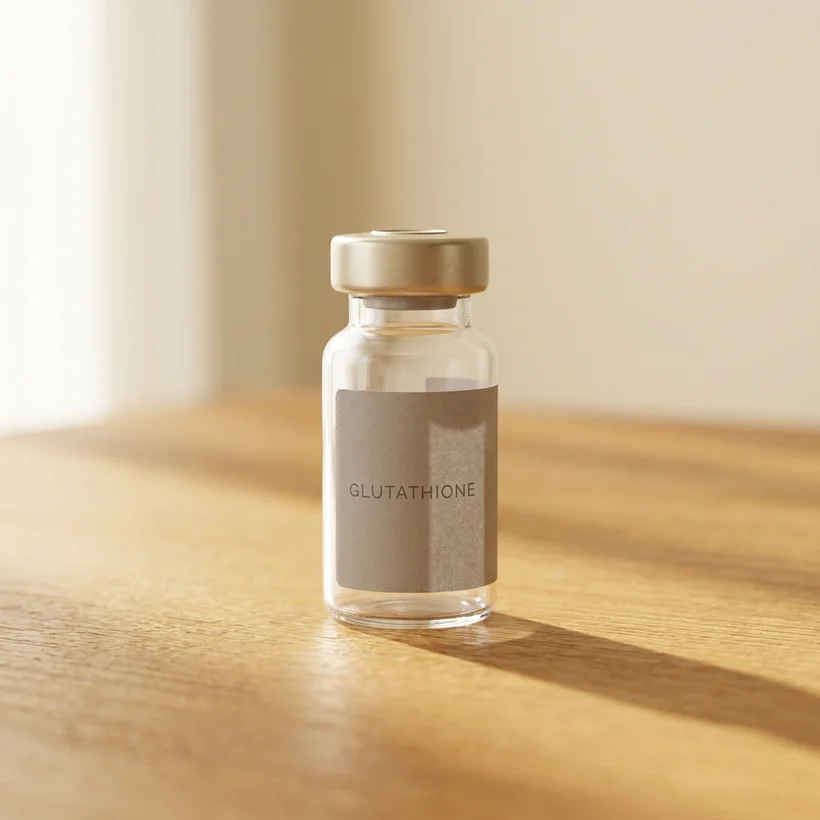
From the FormBlends catalog
Glutathione Injectable
Injectable antioxidant support for cellular wellness · From $119/mo · compounded by a licensed 503A pharmacy, dispensed only after provider review.
View Glutathione Injectable →- Well-established biochemistry: Glutathione's role as the body's master antioxidant and its importance in detoxification are firmly established in the scientific literature.
- Strong preclinical data: Animal and cell studies consistently demonstrate the protective effects of glutathione across multiple organ systems.
- Growing clinical evidence: Human studies on injectable and oral glutathione supplementation are increasing in number and quality, but most remain small-scale. Larger randomized controlled trials are needed for definitive conclusions .
- Not FDA-approved: Glutathione therapy isn't approved by the FDA to treat, cure, or prevent any disease.
Safety and Side Effects
Glutathione has demonstrated a favorable safety profile across multiple clinical studies. It's an endogenous molecule, meaning the body produces and uses it naturally, which contributes to its general tolerability .
Reported side effects are generally mild and may include:
- Injection site discomfort or mild bruising
- Mild bloating or digestive discomfort (with oral forms)
- Occasional headache
- Rare allergic reactions
Glutathione therapy should always be supervised by a licensed physician who can monitor for any adverse effects and adjust dosing as needed.
For a detailed look at safety, read our glutathione side effects guide. For dosing information, see our glutathione dosage guide.
How FormBlends Can Help
At FormBlends, we believe that glutathione therapy should be guided by science and supervised by physicians. Our telehealth platform connects you with licensed medical providers who can evaluate whether glutathione therapy is appropriate for your health goals.
When you work with us, you receive:
- A personalized consultation with a licensed physician
- Pharmaceutical-grade glutathione from licensed pharmacies
- Ongoing medical supervision and dosage guidance
- Clear, science-backed information to support your decisions
Your physician will consider your medical history, current health status, and wellness goals before recommending any therapy. We don't believe in one-size-fits-all protocols.
Frequently Asked Questions
What are the main benefits of glutathione?
Based on current research, the primary benefits of glutathione include antioxidant protection, detoxification support, immune function enhancement, skin health improvements, mitochondrial protection, and neurological support. Much of this evidence comes from preclinical studies, with a growing body of human clinical data.
How is glutathione administered?
Glutathione can be delivered through IV infusion, subcutaneous injection, or oral supplementation. Injectable forms generally provide higher bioavailability than oral supplements. Your physician will recommend the best route based on your individual goals and health status. See our glutathione how to inject guide for more detail.
How quickly will I notice results from glutathione therapy?
Individual responses vary considerably. Some people report feeling improvements in energy and mental clarity within days of starting injectable glutathione. Skin-related benefits typically take several weeks to become visible. For real-world perspectives, see our glutathione before and after guide.
Can I take glutathione with GLP-1 medications?
Glutathione and GLP-1 receptor agonists work through different mechanisms and are sometimes used together under physician supervision. Your prescribing physician can evaluate potential interactions based on your specific medication regimen.
Is glutathione FDA-approved?
No. Glutathione therapy isn't FDA-approved for the treatment, cure, or prevention of any disease. It's available through compounding pharmacies under physician supervision for individual patient use.
Ready to Learn More?
If you're interested in exploring whether glutathione therapy may support your health goals, FormBlends can connect you with a licensed physician for a personalized consultation. Our team is here to help you make informed decisions backed by science and guided by medical expertise.
Disclaimer: This article is for informational purposes only and doesn't constitute medical advice. Glutathione therapy isn't FDA-approved for any medical condition. The information presented here is based on a combination of preclinical and early clinical research and shouldn't be used as a substitute for professional medical guidance. Always consult with a licensed healthcare provider before beginning any therapy. Individual results may vary. FormBlends doesn't claim that glutathione cures, treats, or prevents any disease.
Ready when you are
Glutathione Injectable
Injectable antioxidant support for cellular wellness · From $119/mo · compounded by a licensed 503A pharmacy, dispensed only after provider review.
View Glutathione Injectable →