Key Takeaway
Evidence-based TB-500 dosage guide covering loading and maintenance phases, cycle length, timing, and why physician supervision matters for peptide therapy.
Quick Answer: TB-500 dosing typically follows a two-phase approach: a loading phase of 4 to 8 weeks at higher doses, followed by a lower maintenance phase. Common protocols range from 2 mg to 5 mg per injection, administered one to two times per week. All dosing should be determined by a licensed physician based on individual health factors.
What Is TB-500?
TB-500 is a synthetic peptide derived from the active region of Thymosin Beta-4 (TB4), a naturally occurring 43-amino-acid protein involved in cell migration, tissue repair, and anti-inflammatory signaling. It works primarily through its interaction with actin, the protein responsible for cell structure and movement.
Because TB-500 supports healing at the cellular level, dosing must balance effective tissue concentrations with safety. Unlike pharmaceutical drugs with established dosing guidelines from Phase III trials, TB-500 dosing is informed by a smaller body of published research, animal pharmacokinetics, and clinical observation by practitioners experienced in peptide therapy.
Why Dosing Matters for Peptide Therapy
Peptides aren't one-size-fits-all compounds. Their effects depend on factors including body weight, the condition being addressed, individual metabolism, and the quality of the compound itself. Underdosing may produce no measurable benefit, while excessive dosing increases the likelihood of side effects without proportional gains.
View data table
| Category | Clinical Interest Score | Detail |
|---|---|---|
| BPC-157 | 88 | Tissue repair and gut healing |
| TB-500 | 82 | Injury recovery |
| Sermorelin | 78 | Growth hormone support |
| Ipamorelin | 75 | Anti-aging and recovery |
| GHK-Cu | 70 | Skin and tissue repair |

TB-500 is generally considered to have a wide therapeutic window, meaning the difference between an effective dose and a harmful dose is relatively large. But this doesn't eliminate the need for clinical judgment. A physician can account for variables that generic protocols can't.
Standard TB-500 Dosing Protocols
The most commonly referenced dosing protocols for TB-500 follow a two-phase structure. These are based on clinical observation and practitioner experience rather than large-scale human clinical trials. Individual protocols may vary.
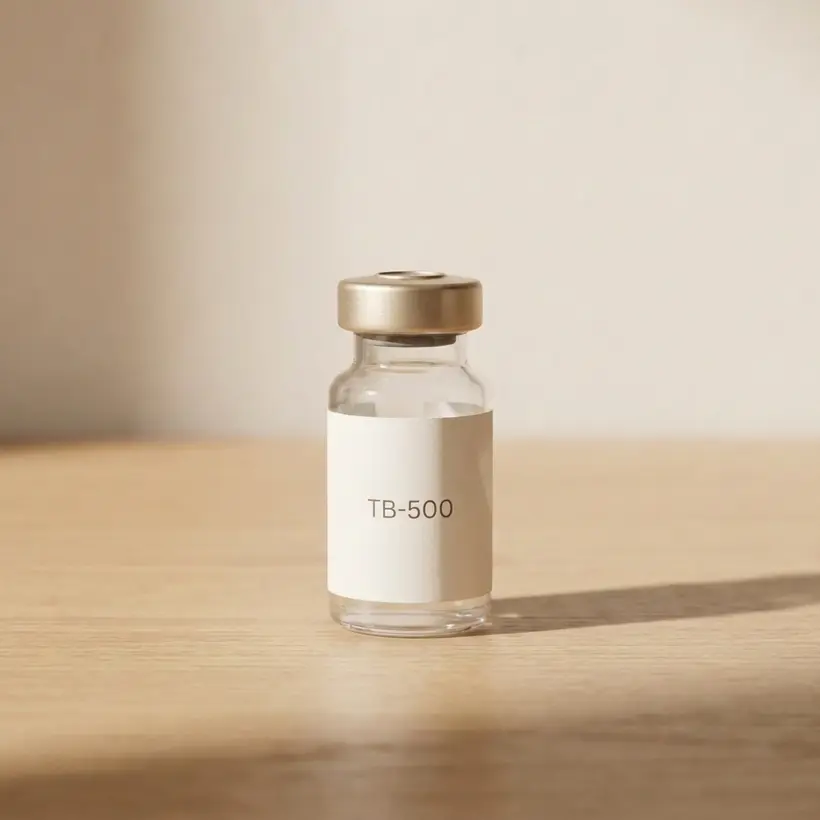
From the FormBlends catalog
TB-500 (Thymosin Beta-4)
Universal repair peptide for tissue regeneration · From $49/mo · compounded by a licensed 503A pharmacy, dispensed only after provider review.
Learn about TB-500 (Thymosin Beta-4) →Loading Phase
The loading phase is designed to build up tissue-level concentrations of TB-500 and initiate the repair cascade.
- Dose: 2.0 mg to 2.5 mg per injection
- Frequency: Twice per week
- Duration: 4 to 6 weeks
- Total weekly dose: 4 mg to 5 mg
Some practitioners prescribe a higher loading dose of up to 5 mg twice weekly for the first two weeks in cases of acute injury, though this approach is less common and should only be undertaken with direct physician oversight.
Maintenance Phase
Once the loading phase is complete, dosing is typically reduced to sustain benefits while minimizing cumulative exposure.
- Dose: 2.0 mg to 2.5 mg per injection
- Frequency: Once per week or once every two weeks
- Duration: 4 to 8 weeks, or as directed by your physician
- Total weekly dose: 2 mg to 2.5 mg (or less)
Cycle Length
A full TB-500 cycle typically runs 8 to 12 weeks (loading plus maintenance). Some practitioners recommend a washout period of 4 to 6 weeks between cycles, though the optimal rest period hasn't been established in human trials. Your physician will advise on whether additional cycles are appropriate based on your response.
Factors That Influence Dosing
Body Weight
Larger individuals may require doses at the higher end of the range to achieve comparable tissue concentrations. Some practitioners calculate dosing on a per-kilogram basis, though standardized weight-based protocols haven't been validated in clinical trials.
Severity of Condition
Acute injuries or significant tissue damage may warrant a more aggressive loading phase. Chronic, low-grade inflammation or maintenance-oriented protocols may call for lower doses.
Concurrent Peptides
TB-500 is sometimes used alongside BPC-157, another tissue-repair peptide with complementary mechanisms. When peptides are stacked, dosing adjustments may be necessary. Only a physician familiar with peptide pharmacology should design combination protocols.
Individual Response
Some individuals respond well to lower doses, while others require doses at the upper end of the range. Starting conservatively and titrating upward based on response is a common clinical approach.
Timing and Administration
When to Inject
TB-500 can be administered at any time of day. Some users prefer evening injections due to the mild fatigue that can occur after administration. There's no published evidence that timing relative to meals or exercise significantly affects efficacy.
Route of Administration
TB-500 is most commonly administered via subcutaneous injection. Intramuscular injection is also used by some practitioners, particularly when targeting a specific area of injury. The subcutaneous route is generally preferred for systemic distribution.
Injection Spacing
When dosing twice weekly, spacing injections 3 to 4 days apart (for example, Monday and Thursday) helps maintain more consistent peptide levels. There's no strong evidence that precise timing matters beyond maintaining reasonable consistency.
Reconstitution and Storage
TB-500 is typically supplied as a lyophilized (freeze-dried) powder that must be reconstituted with bacteriostatic water before injection.
- Reconstitution: Add bacteriostatic water slowly along the side of the vial. Don't shake. Gently swirl until dissolved.
- Common reconstitution volume: 1 mL to 2 mL of bacteriostatic water per vial, depending on the concentration needed.
- Storage after reconstitution: Refrigerate at 2 to 8 degrees Celsius (36 to 46 degrees Fahrenheit). Use within 3 to 4 weeks.
- Unreconstituted storage: Lyophilized powder can be stored frozen or refrigerated for longer periods. Check manufacturer guidelines for specific shelf life.
Always follow the specific reconstitution calculator and storage instructions provided by your compounding pharmacy.
Common Dosing Mistakes to Avoid
- Skipping the loading phase: Maintenance-level doses from the start may not build sufficient tissue concentrations to produce noticeable benefits.
- Exceeding recommended doses: More isn't necessarily better. Higher doses increase the risk of side effects without established evidence of proportionally greater benefit.
- Inconsistent dosing: Sporadic injections make it difficult to maintain therapeutic levels and may reduce efficacy.
- Using degraded product: Peptides that have been improperly stored, reconstituted with non-bacteriostatic water, or kept too long after reconstitution may be ineffective or contaminated.
- Self-prescribing without medical oversight: Individual health factors, medications, and contraindications must be assessed by a physician.
Safety Considerations
TB-500 has shown a generally favorable safety profile in published research, with most reported side effects being mild and transient. Common side effects at standard doses include temporary fatigue, mild headache, and injection-site reactions.
Important safety notes:
- TB-500 isn't FDA-approved for any indication.
- Individuals with active cancer or a history of cancer should avoid TB-500 due to its pro-angiogenic properties.
- Pregnant or breastfeeding individuals shouldn't use TB-500.
- All dosing should be supervised by a licensed medical provider.
How FormBlends Can Help
Dosing peptides correctly requires more than a chart from the internet. It requires clinical judgment, quality compounds, and ongoing monitoring. FormBlends offers all three through its physician-supervised telehealth platform.
- Physician-designed protocols: Your dose, frequency, and cycle length are determined by a licensed provider based on your medical history and goals.
- Pharmacy-grade peptides: Compounds are sourced from licensed compounding pharmacies with verified potency and purity.
- Clear instructions: You receive detailed guidance on reconstitution, injection technique, and storage.
- Dose adjustments: Your provider monitors your progress and can modify your protocol if needed.
Getting the dose right is the foundation of effective peptide therapy. FormBlends makes sure you start with that foundation in place.
Frequently Asked Questions
What happens if I miss a dose of TB-500?
If you miss a single dose, take it as soon as you remember and resume your regular schedule. Don't double up. One missed dose is unlikely to significantly affect outcomes, but consistent dosing produces the best results.
Can I take TB-500 orally instead of injecting?
TB-500 is a peptide that would be broken down by digestive enzymes if taken orally, rendering it ineffective. Subcutaneous or intramuscular injection is the standard route of administration.
How do I know if my dose is working?
Improvements are typically gradual. Indicators may include reduced pain or stiffness, faster recovery from workouts, improved range of motion, or better healing of existing injuries. If you notice no benefit after 4 to 6 weeks at therapeutic doses, discuss protocol adjustments with your physician.
Is there a maximum dose of TB-500?
No formal maximum dose has been established in human clinical trials. Most practitioners stay within the 2 mg to 5 mg per injection range. Doses beyond this range haven't been studied and carry unknown risk. Never exceed the dose prescribed by your physician.
Should I take TB-500 on an empty stomach?
Because TB-500 is injected rather than taken orally, stomach contents don't affect absorption. You can administer your injection regardless of meal timing.
Medical References
- Goldstein AL, Hannappel E, Sosne G, Kleinman HK. Thymosin beta4: a multi-functional regenerative peptide. Basic properties and clinical applications. Expert Opin Biol Ther. 2012;12(1):37-51. [PubMed | DOI]
Get a Personalized TB-500 Protocol
The right dose depends on your body, your goals, and your health history. FormBlends physicians design individualized peptide protocols with precision and ongoing support. Start your consultation at FormBlends.com.
Disclaimer: This article is for informational purposes only and doesn't constitute medical advice. TB-500 isn't FDA-approved for any medical condition. Dosing information presented here is based on published research, clinical observation, and practitioner experience. Individual needs vary. Always consult a qualified healthcare provider before starting any new therapy. FormBlends provides physician-supervised telehealth services. all treatment decisions are made by licensed medical providers.
Ready when you are
TB-500 (Thymosin Beta-4)
Universal repair peptide for tissue regeneration · From $49/mo · compounded by a licensed 503A pharmacy, dispensed only after provider review.
Learn about TB-500 (Thymosin Beta-4) →