All GLP-1 medications from licensed 503A compounding pharmacies Browse Products

Glutathione Dosage Guide: Complete Guide

Evidence-based glutathione dosing information for IV, subcutaneous injection, and oral forms. Learn about clinical dosage ranges, frequency protocols,...

By FormBlends Editorial Research|Source reviewed by FormBlends Medical Team||

Source Reviewed

Written by FormBlends Editorial Research · Checked against primary sources by FormBlends Medical Team

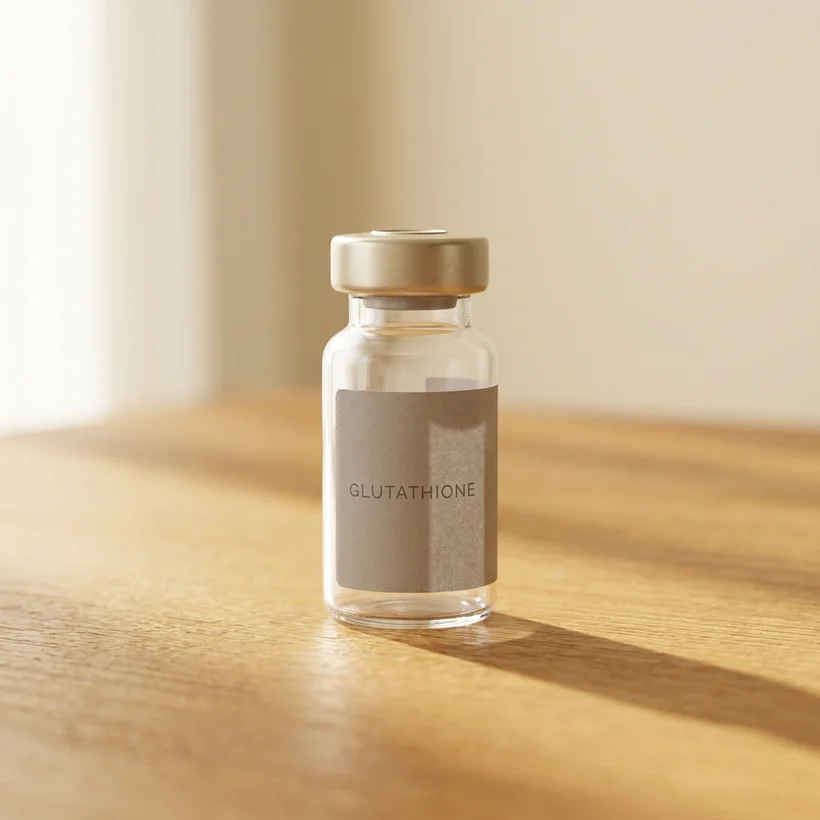
Glutathione Dosage Guide: Complete Guide custom 2026 header image for Peptide Therapy
Custom header image for Glutathione Dosage Guide: Complete Guide, Peptide Therapy, and better treatment decision-making.
In This Article

This article is part of our Peptide Therapy collection. See also: GLP-1 Guides | Provider Comparisons

Search and AI answer brief

Practical answer: Glutathione Dosage Guide: Complete Guide

Evidence-based glutathione dosing information for IV, subcutaneous injection, and oral forms. Learn about clinical dosage ranges, frequency protocols,...

Short answer

Evidence-based glutathione dosing information for IV, subcutaneous injection, and oral forms. Learn about clinical dosage ranges, frequency protocols,...

Search intent

This page answers a specific Peptide Therapy question rather than a generic overview.

What to verify

peptide evidence quality, safety and contraindications

How to use it

Use this information to prepare sharper questions for a licensed provider.

Key Takeaway

Evidence-based glutathione dosing information for IV, subcutaneous injection, and oral forms. Learn about clinical dosage ranges, frequency protocols, and physician-guided improvement.

Quick Answer: Glutathione dosing varies by administration route. IV doses typically range from 600 mg to 2,400 mg per session. Subcutaneous injections commonly use 200 mg to 600 mg. Oral doses in clinical studies have ranged from 250 mg to 1,000 mg daily. Your physician will determine the right dose based on your health goals and medical history. Glutathione therapy isn't FDA-approved for any medical condition .

What Is Glutathione?

Glutathione (GSH) is a tripeptide antioxidant composed of glutamine, cysteine, and glycine. It's produced naturally in every cell and serves as the body's primary defense against oxidative stress, while also playing critical roles in detoxification and immune function .

Because glutathione levels decline with age and environmental stressors, supplementation has become a popular approach in longevity and wellness medicine . But dosing isn't one-size-fits-all. The optimal dose depends on the delivery method, your baseline glutathione status, your health goals, and any concurrent medical conditions.

This guide covers the dosage ranges that have been used in clinical research and practice. All dosing should be determined by a licensed physician based on your individual needs.

Glutathione Dosage by Administration Route

IV Glutathione Dosage

Intravenous administration delivers glutathione directly into the bloodstream, bypassing digestive absorption for maximum bioavailability. IV glutathione is typically administered in a clinical setting or under physician supervision.

Popular Therapeutic Peptides by Use Case Clinical Interest Score 0 22 44 66 88 88 82 78 75 70 BPC-157 TB-500 Sermorelin Ipamorelin GHK-Cu Based on published peptide research literature
Popular Therapeutic Peptides by Use Case. Based on published peptide research literature.
View data table
Bar chart showing popular therapeutic peptides by use case: BPC-157 (88), TB-500 (82), Sermorelin (78), Ipamorelin (75), GHK-Cu (70)
CategoryClinical Interest ScoreDetail
BPC-15788Tissue repair and gut healing
TB-50082Injury recovery
Sermorelin78Growth hormone support
Ipamorelin75Anti-aging and recovery
GHK-Cu70Skin and tissue repair
Illustration for Glutathione Dosage Guide: Complete Guide

Clinical dosage ranges:

  • General wellness and antioxidant support: 600 mg to 1,200 mg per session, administered 1 to 2 times per week
  • Higher-dose protocols: 1,200 mg to 2,400 mg per session have been used in research settings for specific conditions
  • Neurological research protocols: Doses of 1,400 mg IV have been studied in Parkinson's disease research, administered 2 to 3 times per week

IV infusions typically take 15 to 30 minutes. Your physician will determine the appropriate infusion rate, as overly rapid administration can cause temporary flushing or nausea.

Subcutaneous Injection Dosage

Subcutaneous injection is the most practical option for at-home glutathione therapy. It offers better bioavailability than oral forms while avoiding the need for IV access.

Clinical dosage ranges:

  • Standard dose: 200 mg to 400 mg per injection, administered 2 to 3 times per week
  • Higher protocols: Up to 600 mg per injection have been used, depending on physician assessment
  • Concentration: Glutathione for injection is commonly available in concentrations of 200 mg/mL

For injection technique guidance, see our glutathione how to inject guide.

Oral Glutathione Dosage

Oral glutathione has historically been limited by poor bioavailability, as the tripeptide can be broken down in the digestive tract before absorption. But newer formulations, including liposomal and S-acetyl glutathione, have shown improved absorption .

Clinical dosage ranges:

  • Standard oral dose: 250 mg to 500 mg daily
  • Research doses: Clinical trials have used up to 1,000 mg per day of oral glutathione for periods of up to 6 months
  • Liposomal forms: Liposomal glutathione at doses of 500 mg to 1,000 mg has demonstrated measurable increases in blood glutathione levels

Dosage Considerations by Goal

General Antioxidant Support

For broad antioxidant and wellness support, physicians commonly start with moderate doses: 200 to 400 mg subcutaneously 2 to 3 times per week, or 600 to 1,200 mg IV once to twice weekly. Oral supplementation at 250 to 500 mg daily may serve as a maintenance approach between injectable sessions.

Glutathione Injectable

From the FormBlends catalog

Glutathione Injectable

Injectable antioxidant support for cellular wellness · From $119/mo · compounded by a licensed 503A pharmacy, dispensed only after provider review.

View Glutathione Injectable →

Skin Health

Clinical studies examining glutathione's effects on skin have used oral doses of 250 mg to 500 mg daily for 4 to 12 weeks . Injectable protocols for skin health goals may use 200 to 600 mg subcutaneously 2 to 3 times per week. Results typically begin to appear after 4 to 8 weeks of consistent use. See our glutathione for skin health guide for more detail.

Detoxification Support

Higher doses may be used for targeted detoxification support, often 1,200 mg to 2,400 mg IV in combination with other supportive nutrients. These protocols should only be administered under direct physician supervision.

Athletic Recovery

For exercise recovery and performance support, doses of 200 to 600 mg subcutaneously have been used, typically administered on training days or post-workout. See our glutathione for muscle recovery guide for related information.

Starting Low and Building Up

Most physicians recommend starting at the lower end of the dosage range and gradually increasing based on tolerance and response. This approach allows your body to adjust and helps identify the minimum effective dose for your goals.

A typical starting protocol might look like:

  • Week 1 to 2: 200 mg subcutaneously, 2 times per week
  • Week 3 to 4: 300 mg subcutaneously, 2 to 3 times per week
  • Week 5 onward: Adjust based on response and physician guidance

Your physician may also recommend periodic lab work to assess glutathione levels and overall oxidative stress markers, which can help guide dose improvement.

Factors That Influence Optimal Dosage

Several factors affect how much glutathione you may need:

  • Age: Older adults typically have lower baseline glutathione levels and may benefit from higher or more frequent dosing
  • Oxidative stress load: Individuals with high toxin exposure, chronic inflammation, or intense exercise regimens may require higher doses
  • Genetics: Polymorphisms in glutathione-related genes (GSTM1, GSTT1, GSTP1) can influence how efficiently your body produces and recycles glutathione
  • Diet: Adequate intake of cysteine, glycine, and selenium supports endogenous glutathione production and may reduce supplementation needs
  • Concurrent medications: Certain drugs deplete glutathione, potentially increasing supplementation requirements

Safety and Side Effects

Glutathione has demonstrated a favorable safety profile across the dosage ranges described above. Clinical trials using up to 1,000 mg of oral glutathione daily for 6 months have reported no serious adverse effects .

Common side effects at any dose are mild and may include injection site discomfort, mild headache, or digestive upset. Higher doses, particularly via IV, may increase the likelihood of flushing or nausea, which can usually be managed by adjusting the infusion rate.

For thorough safety information, see our glutathione side effects guide.

How FormBlends Can Help

At FormBlends, we understand that proper dosing is important for safe and effective glutathione therapy. Our telehealth platform connects you with licensed physicians who will determine the right dose, route, and frequency for your specific situation.

When you work with us, you receive:

  • A personalized dosing protocol based on your health assessment
  • Pharmaceutical-grade glutathione from licensed pharmacies
  • Ongoing monitoring and dose adjustments as needed
  • Clear instructions for at-home administration

Your physician will adjust your protocol based on your response, ensuring you receive the optimal dose for your goals without unnecessary risk.

Frequently Asked Questions

What is the best dose of glutathione for beginners?

Most physicians recommend starting with 200 mg subcutaneously 2 times per week or 250 mg orally daily. This allows you to assess tolerance before increasing. Your physician will personalize this starting point based on your health history.

How often should I take glutathione?

Frequency depends on the route and your goals. Injectable glutathione is commonly used 2 to 3 times per week. Oral supplementation is typically daily. IV sessions are usually weekly or biweekly. Your physician will determine the appropriate schedule.

Can I take too much glutathione?

While glutathione is generally well tolerated even at higher doses, taking more than your body needs is unlikely to provide additional benefit and may increase the chance of mild side effects. Your physician can help you find the minimum effective dose for your goals.

How long does it take to see results from glutathione?

This varies by individual and goal. Some people notice improvements in energy within the first week of injectable therapy. Skin-related benefits typically require 4 to 12 weeks of consistent use. For real-world timelines, see our glutathione before and after guide.

Ready to Learn More?

If you're interested in exploring whether glutathione therapy may support your health goals, FormBlends can connect you with a licensed physician for a personalized consultation. Our team will help determine the right dosage protocol for your needs.

Schedule Your Free Consultation

Disclaimer: This article is for informational purposes only and doesn't constitute medical advice. Glutathione therapy isn't FDA-approved for any medical condition. The dosage information presented here is drawn from clinical research and shouldn't be used as a substitute for professional medical guidance. Always consult with a licensed healthcare provider before beginning any therapy. Individual results may vary. FormBlends doesn't claim that glutathione cures, treats, or prevents any disease.

Glutathione Injectable

Ready when you are

Glutathione Injectable

Injectable antioxidant support for cellular wellness · From $119/mo · compounded by a licensed 503A pharmacy, dispensed only after provider review.

View Glutathione Injectable →
Browse the full catalog →

Evidence standard

How this page was source-checked

Editorial policy

FormBlends does not claim an individual clinician byline unless a named reviewer is available. For this page, the editorial team checks medical and regulatory claims against primary sources, clinical trials, public datasets, and regulator guidance.

PubMed evidence trail

Research sources used to frame this page

For Glutathione Dosage Guide: Complete Guide, FormBlends checks the page topic against primary trials, systematic reviews, guidelines, and current PubMed-indexed literature where available. These citations are context, not medical advice, proof of eligibility, or a claim that every study applies to every patient.

Provider decision path

Use local research to choose a safer review path

Direct answer

Glutathione Dosage Guide: Complete Guide is best used to compare access, oversight, pricing, pharmacy quality, and patient support before starting care.

Evidence check

Directory pages should connect local intent with provider standards, pharmacy transparency, and practical next steps.

Safety check

Provider quality, pharmacy source, prescribing model, and follow-up support can matter as much as the medication name.

Next step

When you are ready, the get-started flow can collect the details needed for a prescription review instead of leaving you to guess.

FormBlends Editorial Context

Reviewed May 14, 2026

Evidence-based glutathione dosing information for IV, subcutaneous injection, and oral forms. Learn about clinical dosage ranges, frequency protocols, and physician-guided optimization. Treat "Glutathione Dosage Guide: Complete Guide" as a way to pressure-test a decision before money, medication, or provider access is involved. The article ties dosing, provider access back to dosing literacy and clinician follow-up. It belongs in a peptide therapy guide where research status, sourcing, compounding quality, dosing, and clinician oversight all need extra scrutiny. Because this article has 9 major sections, scan the headings first and then use the FAQ or summary sections to pressure-test the answer. Keep the final call tied to your own labs, history, medications, and clinician guidance.

  • Confirm whether the page is discussing an FDA-approved use, a compounded option, or research-only context.
  • Ask a licensed clinician how the evidence applies to your health history, medications, labs, and side-effect risk.
  • Check the latest label, trial update, pharmacy policy, or state rule when the article touches medication access.

Original tools and data

Use the FormBlends research stack

These assets are built to be useful beyond a single article: shareable data pages, calculators, provider comparisons, and safety checks that give Google and readers something original to crawl.

Editorial refresh

Practical 2026 note on Glutathione Dosage Guide

Glutathione Dosage Guide depends on small details: dose strength, timing, supplies, storage and the instructions printed on the prescription label.

Dosing, glutathione, dosage and evidence should stay connected to Glutathione Dosage Guide, so the reader is less likely to guess from a generic dosing chart.

Patients reading Glutathione Dosage Guide should confirm the plan with their prescriber or pharmacist, especially when switching products, restarting after a gap or reading syringe units.

Glutathione Dosage Guide custom 2026 image for peptide therapy on FormBlends

Custom 2026 image for Glutathione Dosage Guide, peptide therapy, and better treatment decision-making.

Image description: Unique image for this page covering Glutathione Dosage Guide, peptide therapy, safety, cost, provider selection, and patient decision-making.

Download the Peptide Quick Reference Card

A printable 2-page reference covering popular peptides, dosing ranges, stacking protocols, and storage.

Free download. We'll also send helpful GLP-1 guides to your inbox. Unsubscribe anytime.

Medical Disclaimer: This content is for informational purposes only and does not constitute medical advice. Always consult a qualified healthcare provider before starting, stopping, or changing any medication or treatment. FormBlends articles are source-checked against medical and regulatory references, but they are not a substitute for a personal medical consultation.

Written by FormBlends Editorial Research

Prepared by FormBlends Editorial Research. Claims are checked against primary regulatory, trial, label, and public-health sources where available. Reviewed by FormBlends Medical Team for medical accuracy, sourcing, and patient-safety framing.

Ready to get started?

Provider-reviewed GLP-1 and peptide therapy, delivered to your door.

Start Your Consultation

Ready to Start Your Weight Loss Journey?

Get a free medical consultation with a licensed provider. Compounded GLP-1 medications starting at $99/month with free shipping.

Next Best Reads

Free Tools

Provider-informed calculators to support your weight loss journey.