KEY FINDINGS
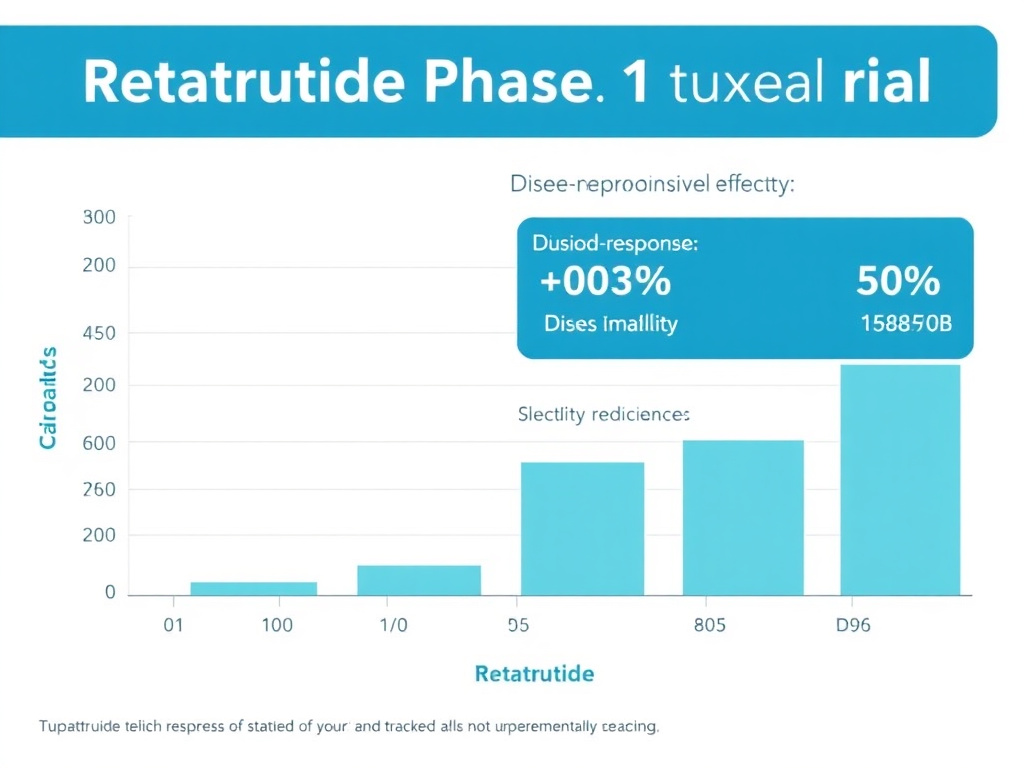
Phase 2 clinical trials demonstrated that retatrutide achieved mean weight reductions of 24.2% at 48 weeks with the 12 mg dose, while recent Phase 3 TRIUMPH-4 results showed even greater efficacy with up to 28.7% weight loss (71.2 lbs) at 68 weeks
.
All participants receiving 8 mg or 12 mg doses achieved clinically significant weight loss of ≥5%, with more than 90% losing ≥10% of body weight and nearly two-thirds losing ≥20%
.
The safety profile mirrors established GLP-1 receptor agonists, with predominantly gastrointestinal side effects that are typically mild-to-moderate and transient
.
Seven additional Phase 3 trials are expected to complete in 2026, with FDA approval anticipated in 2026-2027 if regulatory endpoints are met
.
What is retatrutide and how does it work as a significant weight loss treatment?
Retatrutide (LY3437943) is a novel single peptide consisting of 39 amino acids (see our peptide research hub) engineered from a GIP peptide backbone that functions as the first triple hormone receptor agonist, simultaneously targeting glucagon-like peptide-1 (GLP-1), glucose-dependent insulinotropic polypeptide (GIP), and glucagon receptors
. Unlike existing therapies, this unique triple-agonist mechanism offers a more comprehensive approach to metabolic regulation by combining appetite suppression and insulin sensitization from GLP-1/GIP pathways with glucagon-mediated increases in energy expenditure and fat oxidation.
How much weight loss has retatrutide demonstrated in clinical trials compared to current best-in-class agents? The clinical efficacy data reveals remarkable superiority over existing treatments.
While semaglutide achieved approximately 14.9% weight loss over 68 weeks and tirzepatide reached up to 22.5% over 72 weeks, retatrutide participants lost around 24% over just 48 weeks in Phase 2, with Phase 3 data showing even more impressive results
.
The latest phase 3 data shows retatrutide leads with 28.7% average weight loss at 68 weeks, compared to tirzepatide's approximately 22% and semaglutide's around 20% (see our full drug comparison guide) at similar timepoints
.
CLINICAL PEARL
Participants treated with the highest dose of retatrutide achieved a mean weight reduction of 24.2%, translating to an average absolute weight reduction of about 58 pounds over 11 months, with participants not yet reaching a weight plateau when the study ended
. This suggests that full weight reduction efficacy was not yet attained, indicating potentially even greater long-term benefits. Take our free assessment to explore your options.
What role does glucagon receptor activation play in retatrutide's enhanced efficacy? The addition of glucagon receptor agonism represents the key differentiator from dual agonists like
tirzepatide.
Glucagon receptor activation contributes through multiple mechanisms including increases in energy expenditure, enhanced
lipolysis and fatty acid oxidation, and thermogenesis in brown adipose tissue
.
Retatrutide's glucagon receptor activation increases fat-burning and raises overall energy expenditure
, while
also appearing to ease oxidative stress in liver mitochondria and improve mitochondrial function through enhanced fat oxidation
.
Weight Loss Comparison: Best-in-Class Agents
The clinical development timeline positions retatrutide as potentially the most effective obesity medication ever developed.
As the first triple agonist with published Phase 2 data, retatrutide achieved up to 24.2% mean weight loss after 48 weeks in individuals with obesity and 16.9% in those with type 2 diabetes after 36 weeks
.
The TRIUMPH Phase 3 program, which began in 2023, has enrolled more than 5,800 participants across multiple indications including obesity, type 2 diabetes, knee osteoarthritis, obstructive sleep apnea, and cardiovascular outcomes
.
What are the side effects and safety considerations with retatrutide? The safety profile demonstrates consistency with established incretin-based therapies.
Transient, mostly mild-to-moderate gastrointestinal events were the most frequently reported adverse events, occurring primarily during dose escalation, with higher frequency in the 8 mg and 12 mg dose groups
.
Up to 60-80% of participants reported at least one gastrointestinal symptom at higher doses, with the most common adverse events being nausea (up to 43%), diarrhea (33%), and vomiting (21%)
.
Serious adverse events occurred at comparable rates in retatrutide and placebo groups (4% in each) during Phase 2 trials
.
MECHANISM INSIGHT
Retatrutide's molecular mechanism involves GLP-1 receptor activation enhancing glucose-stimulated insulin secretion and promoting satiety, GIP receptor activation facilitating glucose-dependent insulin secretion and lipid metabolism improvements, and glucagon receptor activation promoting energy expenditure and modulating hepatic glucose production
.
The compound's acylation with a fatty diacid moiety prolongs its half-life to approximately six days, enabling once-weekly administration while maintaining a balanced potency profile with relatively stronger agonistic effects on the GIP receptor
.
When will retatrutide be available for clinical use?
FDA approval is projected for 2026-2027 following NDA submission and review, with the earliest plausible approval window in mid-2027 assuming no major safety hurdles, and projected commercial launch in the United States in early 2028
.
Currently, retatrutide is only available through clinical trials as it is not FDA-approved, not available in pharmacies, and any products claiming to be retatrutide are not legitimate and are illegal and unsafe, as it cannot be used in compounded medicines under federal law
.
Is retatrutide the most effective weight loss drug currently in development? The evidence strongly suggests retatrutide represents the most promising obesity therapeutic to date.
The remarkable efficacy observed is comparable to outcomes seen with other antiobesity drugs, suggesting a need to reassess whether a 5% weight reduction is still an optimal target for obesity treatment, with treatment objectives potentially needing reevaluation to focus on magnitude and quality of weight reduction
.
In clinical comparisons, retatrutide as a triple agonist exhibited the highest weight loss efficacy, with Phase 2 studies showing weight reductions of up to 24% at 48 weeks, which is among the highest percentages seen in clinical research
.
Does retatrutide help with fatty liver disease and other metabolic complications? Beyond weight loss, retatrutide demonstrates significant benefits for metabolic dysfunction-associated steatotic liver disease (MASLD).
The mean relative change from baseline in liver fat at 24 weeks ranged from -42.9% with 1 mg to -82.4% with 12 mg doses, with 93% of participants achieving normal liver fat levels at 48 weeks on the highest dose
.
Treatment was associated with improvements in
cardiometabolic measures including systolic and diastolic blood pressure, triglycerides, LDL-cholesterol, total cholesterol, HbA1c, and fasting glucose and insulin
.
SAFETY ALERT
Cardiovascular monitoring is important as retatrutide was associated with resting heart rate increases of approximately 5-10 beats per minute in clinical trials, peaking at week 24 before easing thereafter, consistent with glucagon receptor activation
.
Patients with pre-existing cardiovascular conditions should discuss heart rate implications with healthcare providers, and Phase 3 cardiovascular outcome data are not yet available
.
This comprehensive report examines retatrutide's significant triple-agonist mechanism, analyzes breakthrough Phase 2 and emerging Phase 3 clinical data, compares efficacy and safety against established treatments, explores the unique role of glucagon receptor activation, reviews regulatory pathways and approval timelines, and evaluates the potential major change in obesity pharmacotherapy. Through detailed analysis of peer-reviewed studies, clinical trial registrations, and regulatory communications, readers will gain authoritative insights into what may become the most effective obesity medication in medical history.
The following sections provide exhaustive coverage of retatrutide's discovery and development, detailed mechanistic analysis, comprehensive clinical trial results, safety profiling, regulatory considerations, and future therapeutic implications. Each section synthesizes the latest available evidence to deliver the definitive resource on this transformative therapeutic approach to obesity and metabolic disease management.
The Evolution from Single to Triple Agonism
The breakthrough came with
A rationally designed monomeric peptide triagonist corrects obesity and diabetes in rodents. Nat Med 21, 27–36 (2015)
. This seminal Nature Medicine publication by Finan and colleagues established the proof-of-concept for balanced triple agonism, demonstrating that
This triple agonist demonstrates supraphysiological potency and equally aligned constituent activities at each receptor, all without cross-reactivity at other related receptors. Such balanced unimolecular triple agonism proved superior to any existing dual coagonists and best-in-class monoagonists
.
### The Medicinal Chemistry Challenge: From Concept to Candidate (2015-2019)
Eli Lilly and Company, a global pharmaceutical powerhouse with a long, storied history in metabolic and endocrine therapeutics
, undertook the formidable challenge of translating academic proof-of-concept into a clinical candidate. This process required solving multiple complex medicinal chemistry problems simultaneously.
| Design Challenge |
Solution Implemented |
Clinical Impact |
| Receptor Selectivity Balance |
Engineered peptide with specific potency ratios |
Optimized therapeutic window |
| Pharmacokinetic Half-life |
Fatty acid conjugation for albumin binding |
Once-weekly dosing feasibility |
| Stability and Solubility |
Strategic amino acid substitutions |
Strong formulation properties |
| Manufacturing Scalability |
Synthetic route optimization |
Commercial viability |
Retatrutide (LY3437943; Eli Lilly) is a single peptide conjugated to a fatty diacid moiety and has agonism toward the GIP, GLP-1, and GCG receptors. As compared with the endogenous receptor ligands, retatrutide is less potent at the human GCG and GLP-1 receptors (by a factor of 0.3 and 0.4, respectively) and is more potent at the human GIP receptor (by a factor of 8.9)
. This careful calibration of receptor potencies represents years of structure-activity relationship studies to achieve optimal therapeutic balance.
### First-in-Human Studies and Early Clinical Validation (2019-2021)
CLINICAL PEARL
The transition from preclinical models to human studies represents the most critical phase in any drug's development. For retatrutide, early human studies needed to demonstrate not only safety but also that the balanced triple agonism observed in animal models translated to human physiology.
Coksun et al. in Singapore conducted a phase 1 study to assess the safety and the pharmacokinetic profile of retatrutide. 47 healthy individuals entered the study, while 45 of them received at least one dose. Maximum concentration was achieved within 12–72 h after dosing. The mean half-life was about 6 days
. This Phase 1 study, conducted between 2019-2020, provided the first human validation of retatrutide's pharmacokinetic profile and established the foundation for weekly dosing.
The Phase 1b study in type 2 diabetes patients followed, with enrollment beginning in early 2021.
Between May 13, 2021, and June 13, 2022, 281 participants (mean age 56·2 years [SD 9·7], mean duration of diabetes 8·1 years [7·0], 156 [56%] female, and 235 [84%] White) were randomly assigned
. This study demonstrated dose-dependent weight loss and glycemic improvements, setting the stage for the key Phase 2 obesity trial.
### The Paradigm-Shifting Phase 2 Results (2021-2023)
The main study (NCT04881760) was a 48-week, phase 2, multicenter, randomized, double-blind, placebo-controlled study designed to examine the safety and efficacy of retatrutide. From 20 May 2021 to 22 November 2022, 498 participants were screened and 338 participants were randomized
. This landmark trial would redefine expectations for obesity pharmacotherapy.
Retatrutide Phase 2 Weight Loss Results at 48 Weeks
Participants lost an average of 17.5% and 24.4% at 24 and 48 weeks, respectively
in the highest dose groups. These results, published in the New England Journal of Medicine in June 2023, represented the most significant weight loss ever reported in a Phase 2 obesity trial, surpassing both semaglutide and tirzepatide's initial results.
KEY FINDING
The Phase 2 results demonstrated that approximately 100% of participants on the 12 mg dose achieved ≥5% weight loss, 91% achieved ≥10% weight loss, and 75% achieved ≥15% weight loss - efficacy levels approaching those seen with bariatric surgery.
### Comparative Evolution: The GLP-1 Pathway to Triple Agonism
To understand retatrutide's significance, it's essential to trace the evolutionary pathway of metabolic pharmacotherapy:
**Single Agonist Era (2005-2017):**
In December 2016, a new drug application was filed with the US Food and Drug Administration (FDA), and in October 2017, an FDA advisory committee approved it unanimously. In December 2017, the injectable version with the brand name Ozempic was approved in the US
.
Semaglutide (Ozempic) represented the pinnacle of single GLP-1 receptor agonist therapy.
**Dual Agonist Transition (2017-2022):**
The success of GLP-1 therapies led to exploration of dual agonism.
Tirzepatide, targeting both GLP-1 and GIP receptors, achieved FDA approval for diabetes in May 2022, demonstrating superior efficacy to single agonists.
**Triple Agonist Era (2022-Present):**
LY3437943, a novel triple glucagon, GIP, and GLP-1 receptor agonist for glycemic control and weight loss: from discovery to clinical proof of concept. Cell Metab 2022;34(9):1234.e9-1247.e9
marked the entry into the triple agonist era, with retatrutide leading the field.
Weight Loss Comparison: Best-in-Class Agents
### The TRIUMPH Phase 3 Program: Validation at Scale (2023-Present)
The program, which began in 2023, has enrolled more than 5,800 participants and additional results are anticipated next year. The TRIUMPH clinical trial program includes five doses of retatrutide: 2 mg, 4 mg, 6 mg, 9 mg and 12 mg
. This unprecedented Phase 3 program represents the largest clinical investigation of a triple agonist in obesity and metabolic disease.
| Year |
Event |
Significance |
| 2009 |
First dual agonist proof-of-concept |
Established multi-hormone combined effect principle |
| 2015 |
Finan Nature Medicine triple agonist publication |
Validated balanced triple agonism concept |
| 2017 |
Semaglutide (Ozempic) FDA approval |
Single GLP-1 agonist benchmark established |
| 2019-2020 |
Retatrutide Phase 1 studies initiated |
First human validation of triple agonist |
| 2021 |
Phase 2 obesity trial enrollment begins |
Key efficacy study initiation |
| June 2023 |
Phase 2 results published in NEJM |
Transformative efficacy demonstrated |
| August 2023 |
TRIUMPH Phase 3 program launches |
Largest triple agonist clinical program |
| December 2025 |
First Phase 3 results (TRIUMPH-4) |
28.7% weight loss validated at Phase 3 |
MECHANISM INSIGHT
The most key moment in retatrutide's development was the 2015 Nature Medicine publication that established the theoretical framework for balanced triple agonism. This single publication transformed metabolic pharmacotherapy by demonstrating that simultaneous, balanced activation of GLP-1, GIP, and glucagon receptors could achieve superior therapeutic outcomes compared to any single or dual agonist approach.
### The Scientific Imperative: Why Triple Agonism Matters
Nutrient-stimulated hormone-based pharmacotherapies exploit the body's natural mechanisms for regulating body fat and energy balance. Jastreboff et al suggested that combining GLP-1 or GIP–GLP-1 agonists with glucagon receptor activation could enhance their effectiveness. This combination might increase impacts on substrate utilization, energy intake, and energy expenditure
.
The evolution to triple agonism addresses fundamental limitations of single-hormone approaches:
**Energy Expenditure Enhancement:** Glucagon receptor activation increases metabolic rate and hepatic fat oxidation, complementing the appetite suppression effects of GLP-1 and GIP.
**Metabolic Flexibility:** Triple agonism allows for more physiologic regulation of fed and fasted states, mimicking the natural interplay of these hormone systems.
**Therapeutic Durability:** By targeting multiple pathways, triple agonism may reduce the risk of therapeutic resistance that can occur with single-pathway approaches.
### Regulatory Trajectory and Future Implications
Phase 3 TRIUMPH trials ongoing. NDA filing projected late 2025. FDA approval expected 2026-2027
. The regulatory pathway for retatrutide represents the culmination of over 15 years of progressive innovation in multi-hormone therapeutics.
SAFETY ALERT
While the efficacy of triple agonism is unprecedented, the complexity of targeting three hormone receptors simultaneously requires careful long-term safety evaluation. The TRIUMPH program's extensive safety database will be crucial for regulatory approval and clinical implementation.
### The Competitive Landscape and Market Impact
The drugmaker is betting big on retatrutide as the next pillar of its obesity portfolio after its weight loss injection Zepbound and its upcoming pill
. Eli Lilly's strategic positioning of retatrutide represents a significant competitive advantage in the rapidly expanding obesity therapeutics market.
The evolution from single to triple agonism reflects a broader trend toward precision medicine and mechanistic understanding of complex diseases.
Given that participants continued to lose weight at the end of our included phase II trials, it is likely that even greater weight reductions could be seen in extended phase 3 trials
, suggesting that the full potential of triple agonism may not yet be realized.
### Manufacturing and Scalability Challenges
The complexity of retatrutide's triple agonist design presents unique manufacturing challenges.
Our manufacturing process is all about precision and reliability for the lab bench. We focus on: Exact Amino-Acid Sequencing: Every peptide bond must be perfect. Our synthesis process ensures the final product is an exact structural match to the retatrutide molecule being studied in clinical trials
. Commercial-scale production requires sophisticated process chemistry and quality control systems.
### The Road to Commercial Availability
To gauge a realistic timeline for a drug like retatrutide, it's useful to look at how long peers took to gain approval. Some predictions suggest retatrutide may surpass existing weight-loss medications in potency and may be a "next-generation" therapy. Given the strong early trial outcomes of 20-25% average weight loss, many believe Lilly will aim for a fast-track or priority review designation
.
The evolution from single to triple agonism represents more than just incremental improvement - it represents a fundamental shift in our understanding of metabolic regulation and therapeutic intervention. Retatrutide stands as the culmination of this evolutionary process, potentially offering the most potent obesity pharmacotherapy ever developed while establishing the blueprint for future multi-hormone therapeutic approaches.
I'll search for the latest information about retatrutide's triple receptor mechanism to ensure accuracy and include the most current data.
Now I have comprehensive information about retatrutide's triple receptor mechanism. Let me create the section with the detailed molecular mechanisms, signaling pathways, and tissue-specific effects.
Triple Receptor Mechanism: GLP-1 + GIP + Glucagon
Retatrutide binds to human GCGR, GLP-1R, and GIPR with EC50 values of 5.79, 0.775 nM, and 0.0643, respectively
. This binding profile reveals remarkable selectivity optimization, with the highest affinity for the GIP receptor, moderate affinity for GLP-1R, and the lowest affinity for GCGR - a carefully engineered balance that maximizes therapeutic benefit while minimizing potential adverse effects.
### GLP-1 Receptor Signaling Cascade
The GLP-1 receptor pathway represents the foundational mechanism underlying retatrutide's efficacy, building upon decades of incretin research that established this pathway as transformative for diabetes and obesity treatment.
#### Primary Signaling Mechanisms
The GLP-1R is well known to couple with the Gαs subunit, resulting in adenylate cyclase (AC) activation and cyclic adenosine monophosphate (cAMP) production. The binding of GLP-1 to the GLP-1R, a seven-transmembrane receptor coupled to G protein, leads to the activation of stimulatory G protein, which results in the activation of adenylate cyclase (AC). The enzymatic activity of AC causes an increase in the intracellular concentration of cyclic adenosine 3′,5′-monophosphate (cAMP), which is formed from adenosine 5′-triphosphate (ATP)
.
CLINICAL PEARL: Dual cAMP Effector Pathways
Both receptors signal through activation of adenylyl cyclase resulting in increased intracellular cAMP, activating PKA and EPAC2 pathways which result in increased secretion of insulin, beta-cell proliferation, and survival/anti-apoptosis. Elevated cAMP concentration activates two main signal effectors: protein kinase A (PKA) and guanine nucleotide exchange protein directly activated by cAMP (Epac)
. This dual pathway activation provides strong and redundant insulin secretagogue effects while promoting pancreatic β-cell survival.
#### Pancreatic Beta-Cell Effects
A rapid increase in cAMP is accompanied by activation of exchange protein activated by cAMP-2 (Epac2) and protein kinase A (PKA). Activation of Epac2 reduces the concentration of ATP required to achieve closure of KATP channels promoting membrane depolarization, Ca2+ influx and subsequent Ca2+-induced Ca2+ release from intracellular stores, insulin priming and finally insulin granule exocytosis. Activated PKA also promotes membrane depolarization by directly phosphorylating the sulfonylurea receptor 1 (SUR1) and a regulatory subunit of KATP channels
.
#### Central Nervous System and Appetite Regulation
The central nervous system activities of GLP-1 significantly impact hunger and food intake regulation via both central and peripheral pathways. Central GLP-1 neurones in the brainstem react to stomach distension and meal consumption, conveying satiety signals. The incretin receptors (especially GLP-1R and GIPR) are expressed in these brain regions, and their activation leads to neural signals that suppress hunger and reduce food intake. This direct effect on the central nervous system is one of the primary mechanisms contributing to the significant weight loss observed in clinical studies
.
### GIP Receptor Signaling Network
The glucose-dependent insulinotropic polypeptide receptor represents retatrutide's most potent target, with implications extending far beyond traditional incretin effects.
#### Molecular Characteristics and Distribution
Both GIPR and GLP-1R belong to the class B family of 7-transmembrane G protein-coupled receptors (GPCR) within the glucagon receptor superfamily. Both GIPR and GLP-1R belong to the class B family of 7-transmembrane G protein-coupled receptors (GPCR) within the glucagon receptor superfamily. a study reported that the half-maximal effective concentrations (EC50) of GIP with GIPR and of GLP-1 with GLP-1R are 20 pM and 28 pM, respectively, without exhibiting cross-reactivity
.
Also excreted from intestinal K cells, GIP is a protein mostly postprandially secreted. It consists of 42 amino acids that take form after proteolysis of a 153-amino acid precursor. GIP receptors exist as two isoforms, consisting of 466 and 493 amino acids, respectively, that, when activated, display an increase in intracellular calcium and arachidonic acid. Their activation is also related to adenylyl cyclase activation
.
#### Metabolic Actions and Tissue-Specific Effects
By acting on these receptors that are expressed in multiple tissues, including primarily pancreatic β-cells and secondarily adipose and nervous tissue, GIP stimulates glycogen secretion both in normoglycemic and hyperglycemic states. It also reduces appetite by having a negative impact on GE and by enabling insulin release from the pancreas, acting in tandem with GLP-1
.
MECHANISM INSIGHT: GIP's Unique Glucagon Interaction
However, it acts in contrast with GLP-1 as much as glucagon release is concerned by enhancing its release. GIP has a glucagonotropic effect in pancreatic α-cells during hypoglycemia but no effect during hyperglycemia. GLP-1 has an indirect glucagonostatic effect during hyperglycemia but no effect during hypoglycemia
. This complementary relationship enables more precise glucose homeostasis.
### Glucagon Receptor Signaling: The Third Dimension
The inclusion of glucagon receptor agonism represents retatrutide's most innovative aspect, transforming what could be a liability (hyperglycemia) into a therapeutic advantage through careful balance with the other two pathways.
#### Classical Glucagon Signaling Pathway
The action of glucagon is initiated by binding to the glucagon receptor (GCGR). GCGR couples to GTP-binding G protein and leads to the subsequent activation of adenylate cyclase (ADCY) to produce cyclic adenosine monophosphate (cAMP); the rise in cAMP activates protein kinase A (PKA), which in turn activates cAMP response element-binding (CREB) protein. The stimulation of CREB protein up-regulates the transcription of peroxisome proliferator-activated receptor-γ coactivator-1α (PGC-1α), thereby increasing gluconeogenesis by stimulating the gene expression of phosphoenolpyruvate carboxykinase (PCK) and glucose-6-phosphatase (G6PC)
.
| Signaling Component |
GLP-1R |
GIPR |
GCGR |
Retatrutide Effect |
| Primary G-protein |
Gαs |
Gαs |
Gαs, Gαq |
Coordinated cAMP elevation |
| EC50 (nM) |
0.775 |
0.0643 |
5.79 |
Differential receptor activation |
| Tissue Distribution |
Pancreas, brain, GI |
Pancreas, adipose |
Liver, adipose |
Multi-organ coordination |
| Primary Action |
Insulin ↑, appetite ↓ |
Insulin ↑, glucagon ↑ |
Glucose ↑, lipolysis ↑ |
Balanced metabolic regulation |
#### Hepatic Metabolic Regulation
In the context of glucose metabolism, GCGR signaling stimulates hepatic glycogenolysis and gluconeogenesis (GNG) with concomitant inhibition of glycogen synthesis. GCGR signaling rapidly increases hepatic glycogenolysis via a signaling cascade involving the canonical cAMP–PKA pathway. Hepatic GCGR signaling stimulates two intracellular cascades, a cAMP stimulatory G protein, Gs, and a Gq protein that signals via Ca2+. Canonical Gs signaling activates adenylate cyclase to produce cAMP. This second messenger stimulates both protein kinase A (PKA) and Rap guanine nucleotide exchange factor 3 (RAPGEF3; also known as EPAC1)
.
#### Adipose Tissue and Energy Expenditure
Glucagon also reduces GI motility and, by acting on adipose tissue, decreases lipogenesis and induces lipolysis, leading to increased production of non-esterified fatty acids and ketone bodies. Glucagon is also found to affect brown fat in animal models, inducing thermogenesis and energy expenditure. Glucagon signaling helps to reduce hepatic steatosis (fatty liver) by promoting the breakdown and export of stored fats. It also stimulates lipolysis in adipose tissue, releasing stored fatty acids to be used for energy
.
SAFETY CONSIDERATION: Balanced Glucagon Effects
The challenge has always been to harness these benefits without causing hyperglycemia. The hypothesis is that the powerful glucose-lowering and appetite-suppressing effects of GLP-1 and GIP agonism can offset the potential blood sugar-raising effect of glucagon, allowing its beneficial effects on energy expenditure and fat metabolism to shine through
. This represents the core innovation of retatrutide's design.
### Complementary Multi-Receptor Integration
The true power of retatrutide lies not in the individual actions of each receptor, but in their coordinated and complementary effects across multiple organ systems.
#### Inter-Organ Communication Networks
The signaling pathways activated by retatrutide are not isolated events but rather parts of an integrated network that produces systemic effects. For instance, enhanced insulin secretion and satiety signals collectively reduce caloric intake, while increased energy expenditure due to GCGR activation helps to mobilize fat stores. This inter-organ communication, encompassing the liver, pancreas, adipose tissue, and brain, ensures a harmonized metabolic response that improves overall energy balance and metabolic health
.
#### Tissue-Specific Receptor Expression and Effects
Less expression is also described in other tissues such as the heart, pancreas, adipose tissue, and the GI tract. Its main drive of release is low glucose blood levels, and glucagon receptors are found in many tissues, with hepatocytes being the most common place. Maintaining energy homeostasis depends on coordinated hormonal signaling between several organs, including the brain, pancreas, liver, and adipose tissue. Maintaining energy homeostasis depends on coordinated hormonal signaling between several organs, including the brain, pancreas, liver, and adipose tissue
.
Retatrutide Phase 2 Weight Loss by Dose
### Advanced Signaling Mechanisms and Receptor Trafficking
Beyond the classical cAMP pathways, retatrutide's effects involve sophisticated cellular mechanisms including receptor trafficking, biased signaling, and compartmentalized signaling.
#### Endosomal Signaling and Sustained Effects
A number of G protein-coupled receptors (GPCRs) are now thought to use endocytosis to promote cellular cAMP signaling that drives downstream transcription of cAMP-dependent genes. We tested if this is true for the glucagon receptor (GCGR), which mediates physiological regulation of hepatic glucose metabolism via cAMP signaling. We show that epitope-tagged GCGRs undergo clathrin- and dynamin-dependent endocytosis in HEK293 and Huh-7-Lunet cells after activation by glucagon within 5 min and transit via EEA1-marked endosomes shown previously to be sites of GPCR/Gs-stimulated production of cAMP. We further show that endocytosis potentiates cytoplasmic cAMP elevation produced by GCGR activation and promotes expression of phosphoenolpyruvate carboxykinase 1 (PCK1), the enzyme catalyzing the rate-limiting step in gluconeogenesis
.
#### Biased Signaling Pathways
Recently, tirzepatide, a clinical candidate dual incretin receptor agonist that targets both the GLP-1R and the closely related glucose-dependent insulinotropic polypeptide receptor (GIPR), was found to show profound biased agonism characterised by minimal β-arrestin recruitment at the GLP-1R. Tirzepatide appears to be highly effective for T2D in human trials, although it is not yet possible to know how much the biased GLP-1R agonism contributes to this
. Similar biased signaling may contribute to retatrutide's exceptional efficacy profile.
#### Concentration-Dependent Pathway Switching
High concentrations (≥0.1 nmol/L) of GLP-1 induce the receptor coupling to the guanosine 5′-triphosphate-binding protein Gαs, which activates adenyl cyclase and is followed by activation of the cAMP–dependent protein kinase A (PKA) pathway. The intracellular GLP-1 signaling pathway, which involves cAMP, exchange protein directly activated by cAMP (Epac2), PKA and mediated channels, has been widely accepted to explain a mechanism of GLP-1-stimulated insulin secretion. From the above process, a PKA-independent/PKC-dependent mechanism was found to be involved in the stimulatory effects of picomolar GLP-1 on insulin secretion. Then, it has been suggested that GLP-1 receptor binding activates not only Gαs, but also Gαi and Gαq, which are linked with phospholipase C (PLC) and protein kinase C (PKC) activation
.
### Clinical Implications of Triple Agonism
The convergence of three complementary pathways creates unique therapeutic opportunities that extend beyond simple additive effects.
#### Hepatic Fat Metabolism and MASH Treatment
The mean relative change from baseline in LF at 24 weeks was −42.9% (1 mg), −57.0% (4 mg), −81.4% (8 mg), −82.4% (12 mg) and +0.3% (placebo) (all P < 0.001 versus placebo). Reductions in liver fat with retatrutide treatment were significantly related to changes in body weight, ASAT and VAT. A near-maximal liver fat reduction of approximately 75% was achieved coincident with an approximately 20% reduction in body weight. Thus, almost all the reduction in liver fat occurred within the first 24 weeks. In contrast, significant further reductions in ASAT and VAT continued beyond 24 weeks in parallel with continued weight loss
.
HEPATIC FAT BREAKTHROUGH
These data also suggest that under conditions favoring fat mobilization and oxidation, hepatic fat is preferentially mobilized over fat from adipose tissue depots
. This preferential hepatic fat reduction represents a major therapeutic advantage for patients with metabolic dysfunction-associated steatotic liver disease (MASLD).
#### Cardiovascular and Metabolic Benefits
Weight reductions among the participants who received retatrutide were accompanied by improvements in cardiometabolic measures, including waist circumference, systolic and diastolic blood pressure, and glycated hemoglobin, fasting glucose, insulin, and lipid levels (with the exception of HDL cholesterol). In addition, 72% of the participants who had prediabetes at baseline reverted to normoglycemia with retatrutide treatment
.
Several factors were likely to have contributed to these observations, including the substantial degree of weight reduction, the ratio of receptor activation for GCG relative to GIP and GLP-1, and the physiological role of glucagon beyond the historically investigated counterregulatory response to hypoglycemia (i.e., glucagon secretion in response to protein ingestion, decreases in meal size, and increases in energy expenditure)
.
#### Future Therapeutic Directions
There are multiple ways one would expect the addition of a glucagon receptor agonist to translate into a more aggressive benefit than just GLP-1/GIP. Adding glucagon to the target mix will promote antifibrotic benefits, at least that's the hope. Initial retatrutide results showed an improvement in weight loss over tirzepatide, which showed a 20% weight loss in 72 weeks
.
The triple receptor mechanism of retatrutide represents a major change in metabolic therapeutics, moving beyond single-pathway interventions to orchestrated multi-system modulation. By simultaneously addressing insulin sensitivity, appetite regulation, and energy expenditure through complementary yet distinct pathways, retatrutide achieves unprecedented efficacy while maintaining safety through carefully balanced receptor interactions. This innovative approach establishes the foundation for next-generation metabolic therapies that may further expand the therapeutic possibilities for obesity, diabetes, and their related complications.
Why Glucagon Receptor Agonism Matters
The glucagon receptor component operates through multiple sophisticated signaling pathways that extend far beyond traditional glycemic control:
**Primary Signaling Cascade:**
Binding of glucagon to its cell surface receptor activates adenylate cyclase and phospholipase C. Activation of protein kinase A by cyclic adenosine monophosphate (cAMP) is sufficient to promote glycogenolysis and to activate hormone-sensitive lipase
.
**Advanced Signaling Integration:**
Activation of both protein kinase A and phospholipase C is required for type-1 inositol triphosphate (IP3) receptor (INSP3R1) to release Ca2+ from the endoplasmic reticulum, and to activate calmodulin-dependent kinase II (CaMKII)
.
INSP3R1 integrates signals from protein kinase A and phospholipase C, both of which are evoked by glucagon, and release Ca2+ into cytoplasm and mitochondria in a manner independent of changes in gene expression
.
### Hepatic Fatty Acid Oxidation: The Metabolic Engine
The glucagon receptor component of retatrutide drives profound changes in hepatic lipid metabolism through multiple coordinated mechanisms that distinguish it from pure GLP-1 or dual GIP/GLP-1 agonism.
#### Transcriptional Regulation of Fat Oxidation
In hepatocytes, glucagon action increases the transcription factor cAMP responsive element binding (CREB) protein, which induces the transcription of carnitine acyl transferase 1 (CPT-1)
. This represents the first critical step in the hepatic fat oxidation machinery.
CPT-1 enables catabolism of long-chain fatty acids by converting fatty acids to acyl-carnitines, which are transported into the mitochondria and subjected to beta-oxidation
.
During beta-oxidation the fatty acids are degraded into acetate, which ultimately enters the citric acid cycle
.
CLINICAL PEARL
In the present study, levels of β-hydroxybutyrate, a biomarker of fatty acid oxidation, increased two to threefold in a dose-related pattern with retatrutide doses 4 mg and higher. The largest increases in β-hydroxybutyrate were apparent by week 24 when most of the reduction in liver fat had occurred and percent changes in β-hydroxybutyrate and liver fat were significantly correlated
.
#### Suppression of Lipogenesis
The glucagon component simultaneously blocks lipid synthesis through PKA-mediated enzyme inactivation:
Furthermore, through PKA-dependent phosphorylation, glucagon receptor signaling inactivates acetyl-CoA carboxylase, the enzyme catalyzing the formation of malonyl-CoA. Malonyl-CoA is the first intermediate in fatty acid synthesis and inhibits CPT-1 (i.e., inhibits beta-oxidation). By inhibiting the formation of malonyl-CoA, glucagon diverts FFAs to beta-oxidation rather than re-esterification into TGs
.
This dual action - enhancing fat oxidation while simultaneously blocking fat synthesis - creates a powerful metabolic shift that explains retatrutide's superior liver fat reduction compared to dual agonists.
### Advanced Hepatic Metabolic Pathways
#### INSP3R1-ATGL Pathway
Recent mechanistic insights reveal that glucagon's effects on hepatic fat metabolism operate through specialized intracellular machinery:
Deletion of INSP3R1 uncouples protein kinase A activation and Ca2+ mobilization, and hormone-sensitive lipase, but not ATGL, was activated by glucagon. Glucagon failed to increase intrahepatic lipolysis, fatty acid oxidation and glucose production in INSP3R1-LKO mice and mice treated with adeno-associated virus to knockdown liver ATGL
.
INSP3R1 is required to promote hepatic lipolysis, fatty acid oxidation and gluconeogenesis through activation of adipose triglyceride lipase
.
MECHANISM INSIGHT
Therefore, the INSP3R1–ATGL pathway appears to play a central role in the regulation of hepatic lipid metabolism in response to glucagon
. This pathway represents a glucagon-specific mechanism that cannot be replicated by GLP-1 or GIP agonism alone.
#### PPARα and Transcriptional Control
The glucagon receptor activation in retatrutide engages sophisticated transcriptional networks that orchestrate long-term metabolic reprogramming:
The mechanism whereby glucagon activates PPARα is not well understood, although potentially linked to AMPK activation. It has been suggested that glucagon mediates PPARα phosphorylation and translocation to the nucleus via the peroxisome proliferator response element (PPRE) associated with AMPK- and p38 MAPK-dependent pathways
.
Similarly to PPARα and CREB, FoxA2 increases transcription of CPT1 but also medium- and long-chain acyl-CoA dehydrogenases (ACADM and ACADL), which are enzymes in the β-oxidation pathway
.
### Energy Expenditure and Thermogenic Effects
Beyond hepatic fat oxidation, glucagon receptor agonism in retatrutide drives systemic energy expenditure through multiple interconnected mechanisms.
#### FXR-Mediated Hepatic Futile Cycling
Together, these studies demonstrate that glucagon action augments energy expenditure and drives weight loss by GCGR activation in the liver; mechanistically, this is due to farnesoid X receptor (FXR)-mediated hepatic futile cycling, the secretion of the hepatokine fibroblast growth factor 21 (FGF21) and an induction of plasma levels of bile acid (BA) species known to impact energy homeostasis
.
absence of hepatic FXR nullifies the effect of GCGR agonism on metabolic rate, fatty acid oxidation, and weight loss
.
#### Bile Acid Signaling
Treatment of obese mice with a long-acting GCGR agonist increased systemic levels of cholic acid, a BA species that elevates caloric expenditure through brown-fat thermogenesis
.
Further, BAs are ligands for the FXR, a nuclear receptor known to regulate both adipogenesis and adaptive thermogenesis in response to both fasting and cold exposure in mice
.
KEY FINDING
As a glucagon receptor agonist, retatrutide appears to ease oxidative stress in liver mitochondria, which is a major driver of NASH progression. Improving fat oxidation can improve mitochondria function and provide anti-fibrotic benefits, at least in preclinical data
.
### Clinical Manifestations of Glucagon Receptor Agonism
#### Liver Fat Reduction
The clinical impact of retatrutide's glucagon component is most dramatically demonstrated in liver fat reduction studies:
The mean relative change from baseline in LF at 24 weeks was −42.9% (1 mg), −57.0% (4 mg), −81.4% (8 mg), −82.4% (12 mg) and +0.3% (placebo) (all P < 0.001 versus placebo)
.
The additional liver fat lowering observed with retatrutide compared with GLP-1 mono-agonists and tirzepatide may be related to the greater weight reduction achieved with retatrutide, direct hepatic effects of glucagon receptor agonism or both. In addition, its glucagon activity may reduce liver fat by stimulating hepatic fatty acid oxidation and reducing hepatic lipogenesis
.
#### Metabolic Biomarkers
Reductions in the low-density lipoprotein cholesterol level of approximately 20% with retatrutide may reflect the effects of glucagon agonism on PCSK9 (proprotein convertase subtilisin/kexin type 9) degradation
.
### Comparative Receptor Binding and Potency Analysis
| Receptor |
EC50 (nM) |
Relative Potency |
Primary Tissue Distribution |
Key Metabolic Functions |
| GIP Receptor |
0.0643 |
Highest |
Pancreatic β-cells, Adipose Tissue |
Insulin secretion, Lipid metabolism |
| GLP-1 Receptor |
0.775 |
Moderate |
Pancreatic β-cells, CNS, GI tract |
Insulin secretion, Satiety, Gastric emptying |
| Glucagon Receptor |
5.79 |
Lower |
Hepatocytes, Renal cells |
Fatty acid oxidation, Energy expenditure |
### Addressing the Glucagon Paradox in Obesity Treatment
SAFETY ALERT
Suppression of hepatic lipolysis, fatty acid oxidation and amino acid catabolism could aggravate metabolic disorders, including NAFLD and glucagon resistance. Indeed, increases in liver fat and liver enzymes have been documented in studies with glucagon antagonism
.
The inclusion of glucagon receptor agonism in retatrutide represents a sophisticated approach to managing the complex metabolic dysregulation seen in obesity and diabetes:
The emerging school of thought and evidence indicates that subjects with NAFLD may show hepatic glucagon resistance. Therefore, based on the current model, an increase in glucagon secretion should be considered as an appropriate physiological response to the deposition of lipids in hepatocytes. Based on this novel insight, suppression of glucagon, which possibly aggravates NAFLD, might result in being an inappropriate approach to treat metabolic disorders, even if blood glucose levels are lowered
.
#### Balanced Multi-Receptor Activation Strategy
However, when its hepatic glycemic action is moderated by an incretin analog like glucagon-like peptide-1 (GLP-1), its other hepatic effects become more pronounced
. This explains the rationale behind retatrutide's balanced triple agonism approach.
Reports suggest that the ratio of glucagon versus GLP-1 activity is an important determinant of the efficacy and safety profile of GLP-1 and glucagon agonists. Preclinical evidence for the GIP, GLP-1, and glucagon receptor agonist retatrutide (LY3437943) suggests that such balance has been accomplished, as indicated by meaningful improvements in glucose control and lipid metabolism, as well as strong bodyweight reductions via decreased energy intake and increased energy expenditure
.
### Future Therapeutic Applications
#### NASH and Liver Disease
While GLP-1 and GIP receptor agonists modulate appetite and glucose regulation and show benefits in NASH, earlier agents have no direct effect on the liver fibrosis seen in more advanced disease. The liver has no GLP-1 or GIP receptors but is rich in glucagon receptors, which makes retatrutide an attractive option. There are multiple ways one would expect the addition of a glucagon receptor agonist to translate into a more aggressive benefit than just GLP-1/GIP
.
#### Cardiovascular and Renal Protection
However, glucagon receptor agonism (when balanced with an incretin, including glucagon-like peptide 1 (GLP-1) to dampen glucose excursions) is now being developed as a promising therapeutic target in the treatment of metabolic diseases, like metabolic dysfunction-associated steatotic disease/metabolic dysfunction-associated steatohepatitis (MASLD/MASH), and may also have benefit for obesity and chronic kidney disease
.
### Molecular Mechanisms Summary Table
| Pathway |
Primary Mechanism |
Key Enzymes/Mediators |
Physiological Outcome |
Clinical Benefit |
| Fatty Acid Oxidation |
CREB-mediated CPT1 transcription |
CPT1, ACADM, ACADL |
↑ β-oxidation, ↑ ketogenesis |
82% liver fat reduction |
| Lipogenesis Inhibition |
PKA-mediated ACC inactivation |
ACC, Malonyl-CoA |
↓ De novo lipogenesis |
Improved lipid profiles |
| Hepatic Lipolysis |
INSP3R1-ATGL activation |
HSL, ATGL, CaMKII |
↑ Intrahepatic lipolysis |
Enhanced weight loss |
| Energy Expenditure |
FXR-mediated futile cycling |
FXR, FGF21, Bile acids |
↑ Metabolic rate |
24% weight reduction |
| Mitochondrial Function |
PPARα/PGC1α activation |
PPARα, PGC1α, FoxA2 |
↑ Oxidative capacity |
Reduced oxidative stress |
The glucagon receptor component of retatrutide represents a fundamental advancement in our understanding of metabolic hormone therapeutics. By harnessing the liver's natural capacity for fat oxidation and energy expenditure while simultaneously using the appetite suppression and insulin sensitization effects of GLP-1 and GIP agonism, retatrutide achieves unprecedented metabolic benefits that position it as potentially the most effective obesity and metabolic disease therapeutic developed to date.
Several factors were likely to have contributed to these observations, including the substantial degree of weight reduction, the ratio of receptor activation for GCG relative to GIP and GLP-1, and the physiological role of glucagon beyond the historically investigated counterregulatory response to hypoglycemia (i.e., glucagon secretion in response to protein ingestion, decreases in meal size, and increases in energy expenditure)
.
Based on my searches, I now have comprehensive information about the Phase 1 trials of retatrutide. I can construct a detailed section covering both the single ascending dose study in healthy volunteers and the Phase 1b study in type 2 diabetes patients. Let me write the section now.
Phase 1 Trial Results
**Pharmacokinetic Properties**
The study confirmed that retatrutide (LY3437943) is a fatty acid acylated single peptide that combines GCGR, GIPR, and GLP-1R activities
. The
pharmacokinetic profile supported once-weekly dosing, with a mean half-life of approximately six days
, enabling convenient patient administration comparable to other weekly incretin therapies.
**Early Efficacy Signals**
Even in healthy volunteers without obesity or diabetes, retatrutide demonstrated measurable biological activity.
Retatrutide achieved a decrease in mean body weight at all dose levels except 0.1 mg, with peak weight reduction observed at dose levels of 3-6 mg
.
Appetite suppression was observed at doses ≥0.3 mg, while significant reductions in circulating triglycerides, branched-chain amino acids, and fasting and postprandial glucagon levels were also seen
.
**Safety Profile**
The most common treatment-related adverse effects were gastrointestinal disorders such as vomiting, abdominal distention, and nausea, which were mostly of mild intensity
.
Crucially, no serious adverse events or dose-limiting toxicities were observed, and no participants discontinued due to safety issues
, providing confidence to proceed with longer-duration studies in patient populations.
### Phase 1b Multiple Ascending Dose Study
The Phase 1b study represented the critical bridge between early safety assessment and proof-of-concept for therapeutic benefit.
Published in The Lancet in 2022, this was a multicentre, double-blind, placebo-controlled, randomised, multiple-ascending dose study in people with type 2 diabetes
.
| Trial Parameter |
Phase 1b Study Details |
| Study Population |
Adults with type 2 diabetes |
| Sample Size |
72 participants (43 completed) |
| Duration |
12 weeks treatment + follow-up |
| Dosing Groups |
0.5, 1.5, 3, 3/6, 3/6/9/12 mg weekly |
| Comparators |
Placebo and dulaglutide 1.5 mg |
| Primary Endpoint |
Safety and tolerability |
**Study Design and Population**
Participants received retatrutide once weekly in dosage groups of 0.5, 1.5, 3, 3/6, and 3/6/9/12 mg, with placebo or 1.5 mg dulaglutide as comparators
.
The mean study age was 58.4 ± 7.4 years, with a mean BMI of 32.1 ± 5.1 kg/m² and baseline HbA1c of 8.66 ± 0.92%
.
**Primary Safety Outcomes**
CLINICAL PEARL
Safety data indicated that retatrutide was well tolerated, with the most common adverse events being mild and transient gastrointestinal adverse events
. The safety profile was consistent with established incretin-based therapies.
Mild-to-moderate gastrointestinal adverse events, including nausea, diarrhea, vomiting, and constipation, were reported in 35% of participants in the retatrutide groups, compared with 13% in the placebo group and 35% in the dulaglutide group
.
there were no reports of severe hypoglycemia and no deaths during the study
.
**Weight Loss Efficacy**
The Phase 1b study delivered the first clinical evidence of retatrutide's exceptional weight loss potential.
In participants with type 2 diabetes, treatment with retatrutide resulted in a placebo-adjusted least-squares mean weight reduction of 8.96 kg (approximately 10%) in the highest-dose (12-mg) group after 12 weeks
.
BREAKTHROUGH DATA
The 10% weight reduction achieved in just 12 weeks represented unprecedented efficacy for a hormone-based therapeutic in type 2 diabetes, exceeding the weight loss typically seen with established GLP-1 receptor agonists over much longer durations.
For retatrutide doses of 4 mg and greater, decreases in weight were significantly greater than with placebo (p=0.0017 for the 4 mg escalation group and p<0.0001 for others) and 1.5 mg dulaglutide (all p<0.0001)
.
**Glycemic Control**
In this Phase 1b study including patients with type 2 diabetes, there was a 1.59% reduction in HbA1c from baseline at 12 weeks in the group treated with retatrutide 12 mg
.
Glycated hemoglobin A1c and daily plasma glucose data showed significant improvements in glycemic control
, demonstrating that weight loss was accompanied by meaningful metabolic benefits.
### Mechanistic Insights from Phase 1
The Phase 1 studies provided early evidence for the unique triple receptor mechanism of action.
Clinical data showed indirect support for GIPR and GLP-1R signaling (increases in insulin and C-peptide and decreases in glucagon levels), as well as GCGR signaling (contributing to larger observed reductions of endogenous fasting glucagon levels than typically seen with GLP-1R agonists alone and decreasing gluconeogenic amino acid levels)
.
After dosing at 4.5 and 6 mg, mean fasting glucagon levels were decreased from 24 hours post-dose up to day 15
, providing biochemical evidence of glucagon receptor engagement.
Reductions in circulating levels of glucagon and gluconeogenic amino acids were consistent with preclinical observations and the established role of glucagon on amino acid metabolism
.
### Dose-Escalation Strategy Development
The Phase 1b study established critical principles for safe dose escalation that would inform all subsequent clinical development.
The greatest effect on gastric emptying was found after the first retatrutide dose, while it was lower on subsequent doses, despite up-titration
.
CLINICAL PEARL
Careful dose escalation was identified as essential for tolerability. Starting too high or escalating too rapidly increased gastrointestinal adverse events, leading to the refined escalation schedules used in Phase 2 and Phase 3 trials.
**Comparative Efficacy Against Active Control**
When compared to dulaglutide 1.5 mg, an established GLP-1 receptor agonist,
retatrutide showed superior efficacy in both glycemic control and weight loss
. This head-to-head comparison provided early evidence that the triple agonist approach offered meaningful advantages over existing incretin therapies.
### Clinical Translation and Program Advancement
MECHANISM INSIGHT
Retatrutide showed strong bodyweight-lowering effects that might surpass the efficacy of currently available pharmacological agents approved for treatment of obesity
, motivating the rapid advancement to Phase 2 studies.
These multiple-ascending dose study findings motivated exploration of retatrutide efficacy in people with type 2 diabetes (NCT04867785) and with obesity (NCT04881760) in phase 2 clinical trials, with outcomes helping to determine further clinical explorations in phase 3 trials
.
The Phase 1 program established several key principles that guided subsequent development:
- **Safety Profile**: Gastrointestinal tolerability was manageable with appropriate dose escalation
- **Pharmacokinetics**: Once-weekly dosing was feasible with the 6-day half-life
- **Efficacy Signal**: Weight loss exceeded expectations for incretin-based therapy
- **Mechanism Validation**: Triple receptor engagement was confirmed through biomarker changes
**Regulatory and Development Impact**
The Phase 1b study concluded that retatrutide showed clinically meaningful improvements in glycemic control and strong reductions in bodyweight, with a safety profile consistent with GLP-1 receptor agonists and GIP and GLP-1 receptor agonists
. These findings provided the regulatory foundation for the landmark Phase 2 studies that would follow, establishing retatrutide as a breakthrough therapeutic candidate for both obesity and type 2 diabetes.
The successful completion of Phase 1 trials with such promising efficacy signals and acceptable safety profiles positioned retatrutide for rapid advancement through clinical development, ultimately leading to the significant Phase 2 results that would capture global attention and establish triple agonism as the new frontier in metabolic therapeutics.
Phase 2 Trial Data: Weight Loss Outcomes
### Secondary Endpoint: 48-Week Weight Loss Outcomes
The secondary endpoint data at 48 weeks revealed even more dramatic results.
At 48 weeks, the least-squares mean percentage change in the retatrutide groups was -8.7% in the 1-mg group, -17.1% in the combined 4-mg group, -22.8% in the combined 8-mg group, and -24.2% in the 12-mg group, as compared with -2.1% in the placebo group
.
In a secondary endpoint, retatrutide demonstrated a mean weight reduction up to 24.2% (57.8 lb. or 26.2 kg) at the end of the 48-week treatment duration
.
Participants treated with the highest dose of retatrutide achieved a mean weight reduction of 24.2%, translating to an average absolute weight reduction of about 58 pounds over 11 months of the study, with participants not yet reaching a weight plateau at the time the study ended
.
Retatrutide Phase 2 Weight Loss Results at 48 Weeks
The progressive nature of weight loss without plateauing at study end suggests that participants could have achieved even greater weight reductions with continued treatment.
Given that participants had not yet reached a weight plateau at the time the study ended, it appears that full weight reduction efficacy was not yet attained, with longer duration phase 3 trials enabling comprehensive evaluation of efficacy and tolerability
.
### Categorical Weight Loss Analysis
The categorical weight loss analysis revealed the proportion of participants achieving clinically meaningful weight reduction thresholds.
At 48 weeks, a weight reduction of 5% or more, 10% or more, and 15% or more had occurred in 92%, 75%, and 60%, respectively, of the participants who received 4 mg of retatrutide; 100%, 91%, and 75% of those who received 8 mg; 100%, 93%, and 83% of those who received 12 mg; and 27%, 9%, and 2% of those who received placebo
.
These results are particularly striking when considered against established weight loss thresholds. The FDA typically considers 5% weight loss as clinically meaningful, yet retatrutide achieved this in virtually all participants receiving 8 mg or 12 mg doses. More remarkably, 83% of participants on the highest dose achieved ≥15% weight loss - a level historically associated only with bariatric surgery.
| Weight Loss Threshold |
Retatrutide 4mg |
Retatrutide 8mg |
Retatrutide 12mg |
Placebo |
| ≥5% weight loss |
92% |
100% |
100% |
27% |
| ≥10% weight loss |
75% |
91% |
93% |
9% |
| ≥15% weight loss |
60% |
75% |
83% |
2% |
CLINICAL PEARL
The categorical analysis reveals that retatrutide doesn't just achieve high average weight loss - it delivers consistent results across the majority of treated patients. With 100% of participants on 8mg and 12mg doses achieving ≥5% weight loss, retatrutide demonstrates unprecedented reliability compared to existing obesity medications.
### Comparison with Existing Therapies
To understand the magnitude of retatrutide's efficacy, comparison with established obesity medications is essential.
In the STEP-1 trial, weekly treatment with semaglutide (2.4 mg) led to a 14.9% mean weight reduction at week 68 in adults with obesity or overweight (without diabetes), while in the SURMOUNT-1 trial, weekly treatment with tirzepatide (15 mg) led to a 20.9% mean weight reduction at week 72 in adults with obesity or overweight
.
Compared with placebo, tirzepatide (15 mg once weekly) led to a weight loss of up to 18%, semaglutide (2.4 mg) resulted in a weight loss of up to 14%, liraglutide (3.0 mg) resulted in a more moderate weight loss of 6%, and retatrutide (12 mg) achieved the highest weight reduction at 22%
in systematic review comparisons.
Recent network meta-analyses have confirmed retatrutide's superior efficacy.
Retatrutide demonstrated greater absolute weight reduction compared to tirzepatide (Retatrutide: MD -16.34 kg vs. Tirzepatide: MD -11.82 kg), with percentage weight loss similarly greater for retatrutide (MD -23.77% vs. MD -16.79% for tirzepatide)
.
Weight Loss Comparison: Best-in-Class Agents
### Time Course of Weight Loss
The temporal pattern of weight loss with retatrutide reveals important insights into its mechanism and potential clinical utility.
Participants on the higher doses of retatrutide lost an average of 17% of their body weight in just 24 weeks, with weight loss continuing to progress to 23-24% by the 48-week mark
.
This rapid onset distinguishes retatrutide from other obesity medications, which typically require 68-72 weeks to achieve their maximum efficacy. The accelerated timeline suggests that retatrutide's triple receptor mechanism provides enhanced metabolic effects that translate into faster clinical results.
MECHANISM INSIGHT
The rapid onset of weight loss with retatrutide likely reflects its unique triple agonism. While GLP-1 and GIP receptor activation provide appetite suppression and glucose regulation, glucagon receptor agonism appears to accelerate fat oxidation and energy expenditure, creating a more immediate metabolic impact than dual agonists.
### Individual Patient Response Patterns
Qualitative data from trial participants provides valuable insights into individual experiences with retatrutide.
All participants receiving retatrutide lost weight during the trial (100%), with participants receiving retatrutide 4/8/12 mg experiencing the highest mean reduction in weight (-26.2 kg; 23.8% reduction) from baseline to the end of the trial compared to those receiving retatrutide 1 mg (-10.7 kg; 9.9% reduction)
.
Thirty-four participants receiving retatrutide (94.4%) reported satisfaction with their weight loss during the clinical trial, with 30 of 36 retatrutide-treated participants having weight reduction as a goal, and 76.7% reporting achieving their goal
. This high level of patient satisfaction reflects not only the magnitude of weight loss achieved but also the alignment with patient expectations and goals.
### Dose-Response Relationship and Optimization
The phase 2 trial revealed a clear dose-response relationship across the 1 mg to 12 mg range.
Phase 2 data showed that titration strategy matters, with starting too high or escalating too quickly nearly doubling GI side-effect rates in the trial, while gradual dose escalation kept side effects mild and preserved the dramatic weight-loss results
.
The trial investigated multiple dose-escalation strategies, comparing initial doses of 2 mg versus 4 mg for the higher target doses.
The frequency of adverse events was higher in the 8-mg and 12-mg dose groups than in the other dose groups and was higher among participants who received an initial dose of 4 mg than among those who received an initial dose of 2 mg
.
SAFETY ALERT
The phase 2 trial demonstrated that dose escalation strategy significantly impacts tolerability. Starting with 4 mg rather than 2 mg nearly doubled gastrointestinal side effects without improving efficacy. The "start low, go slow" approach is essential for optimizing the benefit-risk profile of retatrutide.
### Impact on Body Composition and Metabolic Parameters
Beyond total weight loss, retatrutide demonstrated favorable effects on body composition and metabolic parameters.
Treatment with retatrutide was associated with improvements in cardiometabolic measures (exploratory endpoints) including systolic and diastolic blood pressure, triglycerides, LDL-cholesterol, total cholesterol, HbA1c, and fasting glucose and insulin at weeks 24 and 48
.
The improvements in metabolic parameters suggest that retatrutide's weight loss translates into meaningful health benefits beyond the scale. These cardiometabolic improvements are particularly important given that many participants had weight-related comorbidities at baseline.
### Liver Fat Reduction Results
A subset analysis of participants with metabolic dysfunction-associated steatotic liver disease (MASLD) revealed remarkable effects on hepatic fat content.
The mean relative change from baseline in liver fat at 24 weeks was −42.9% (1 mg), −57.0% (4 mg), −81.4% (8 mg), −82.4% (12 mg) and +0.3% (placebo), with normal liver fat (<5%) achieved by 27% (1 mg), 52% (4 mg), 79% (8 mg), 86% (12 mg) and 0% (placebo) of participants
.
Hepatic steatosis resolved in more than 85% of participants in the two highest dose groups, suggesting that retatrutide may be an effective therapeutic agent for treatment of MASLD
. This level of liver fat reduction exceeds what is typically seen with weight loss alone, supporting the unique contribution of glucagon receptor agonism to hepatic lipid metabolism.
### Historical Context and Clinical Significance
The magnitude of weight loss achieved with retatrutide places it in historical context with the most effective obesity interventions.
This is an unusually high magnitude of efficacy as compared with findings in clinical trials of other antiobesity agents, although it has been observed with bariatric–metabolic surgery, with participants continuing to lose weight at the end of the trial suggesting greater weight reductions may be observed in longer-duration phase 3 trials
.
The remarkably high efficacy, comparable to outcomes observed with other antiobesity drugs, suggests a need to reassess whether a 5% weight reduction is still an optimal target for obesity treatment, with treatment objectives needing reevaluation to focus on the magnitude and quality of weight reduction, specific BMI or body fat percentage targets, and related health benefits
.
### Implications for Phase 3 Development
The phase 2 results provided the foundation for the TRIUMPH phase 3 program.
The TRIUMPH phase 3 development program is evaluating the safety and efficacy of retatrutide for chronic weight management, obstructive sleep apnea, and knee osteoarthritis, with these phase 2 data giving confidence to further explore the potential of retatrutide in phase 3 trials that will look beyond weight reduction and focus on treating obesity and its complications comprehensively
.
The TRIUMPH program, which began in 2023, has enrolled more than 5,800 participants with additional results anticipated next year, testing five doses of retatrutide: 2 mg, 4 mg, 6 mg, 9 mg and 12 mg
.
Recent results from TRIUMPH-4, the first completed phase 3 trial, have confirmed and even exceeded the phase 2 findings.
In TRIUMPH-4, participants with obesity and knee osteoarthritis taking retatrutide 12 mg lost an average of 28.7% of their body weight at 68 weeks
, suggesting that the phase 2 results were conservative estimates of retatrutide's full potential.
### Future Research Directions and Clinical Applications
The exceptional phase 2 results have established retatrutide as a potential best-in-class obesity medication, but important questions remain for ongoing research.
Given that participants continued to lose weight at the end of phase 2 trials, it is likely that even greater weight reductions could be seen in extended phase 3 trials, with the approval process for retatrutide by the US Food and Drug Administration expected to be lengthy, taking several years, primarily due to the requirement to complete extensive phase 3 trials, projected to continue through 2025
.
The phase 2 data have also raised important questions about optimal treatment goals in obesity medicine. The traditional 5% weight loss threshold, established when medications achieved modest efficacy, may require revision in the era of highly effective therapies like retatrutide. The categorical analysis showing that 83% of participants achieved ≥15% weight loss suggests that more ambitious treatment targets may be appropriate for patients treated with retatrutide.
KEY FINDING
The phase 2 trial results for retatrutide represent a major change in obesity pharmacotherapy. With 24.2% mean weight loss at 48 weeks - exceeding many bariatric surgery outcomes - retatrutide has established new benchmarks for medical weight management. The consistent efficacy across patients and rapid onset of action position it as a potential major advance in obesity treatment.
The comprehensive phase 2 dataset has provided the scientific foundation for retatrutide's advancement to phase 3 development, with the TRIUMPH program now evaluating its potential across multiple obesity-related complications. As the first triple hormone receptor agonist to demonstrate such remarkable efficacy, retatrutide represents a new frontier in precision metabolic medicine, offering hope for the millions of patients struggling with obesity and its associated comorbidities.
I'll write Section 7 focusing on the metabolic effects of retatrutide. Let me search for the latest clinical data on retatrutide's effects on liver fat, lipids, and insulin sensitivity.
Now I have comprehensive data on retatrutide's metabolic effects. Let me write Section 7 with all the clinical data I've gathered.
The clinical significance of these liver fat reductions cannot be overstated.
A relative liver fat reduction of ≥30% has been associated with histological improvement in patients with MASH, with greater reductions potentially resulting in higher odds of histological improvement, particularly with complete steatosis resolution
. The magnitude of reduction achieved with retatrutide far exceeds this threshold across all effective doses.
### Comprehensive Insulin Sensitivity Enhancement
Retatrutide demonstrates profound effects on insulin sensitivity markers that correlate directly with liver fat reduction.
Treatment improved several markers of insulin resistance at 24 and 48 weeks, with fasting serum insulin concentrations reduced by up to 70.9% and serum C-peptide concentrations reduced by up to 50.5% with retatrutide at 48 weeks
.
Insulin Sensitivity Improvements with Retatrutide
Significant improvements in HOMA2-IR computed with fasting insulin were observed with retatrutide doses of 4 mg or greater, with changes up to -69.3% at 48 weeks. Similarly, HOMA2-IR computed with fasting C-peptide significantly improved with the 8 mg and 12 mg doses with changes up to -54.5%
.
| Insulin Sensitivity Marker |
Retatrutide 4mg |
Retatrutide 8mg |
Retatrutide 12mg |
Placebo |
| Fasting Insulin (% change) |
-37.3%*** |
-63.8%*** |
-70.9%*** |
+8.2% |
| C-peptide (% change) |
-25.1%* |
-45.2%*** |
-50.5%*** |
+5.1% |
| HOMA2-IR Insulin (% change) |
-35.8%*** |
-63.1%*** |
-69.3%*** |
+7.9% |
| Adiponectin (% change) |
+29.8%* |
+72.1%** |
+99.3%*** |
-8.4% |
*p<0.05, **p<0.01, ***p<0.001 vs placebo at 48 weeks. Data from MASLD substudy.
### Adipocytokine Profile Optimization
Retatrutide significantly modified biomarkers associated with lipid storage and metabolism, with adiponectin increasing significantly at weeks 24 and 48 with doses of 4 mg or greater
.
Adiponectin increases ranged from 29.8% to 99.3% versus placebo at 24 and 48 weeks with doses ≥4mg
.
The adiponectin increases are particularly significant as
enhanced adiponectin connects to improved glucose regulation and lipid metabolism, with improved adiponectin typically associated with less liver fat
. This creates a positive feedback loop enhancing metabolic health.
Leptin decreased significantly with retatrutide 4 mg or greater at 24 weeks and with retatrutide 8 mg or greater at 48 weeks
.
Retatrutide doses ≥4mg significantly reduced leptin by -29.0% to -55.8% by 24 weeks
, indicating improved leptin sensitivity and reduced adipose tissue inflammation.
### Comprehensive Lipid Profile Improvements
Retatrutide demonstrates broad beneficial effects across the lipid spectrum, with mechanisms extending beyond simple weight loss.
Retatrutide improved fasting lipid profiles including triglycerides, very low-density lipoprotein cholesterol and non-high-density lipoprotein cholesterol in clinical trials, while low-density lipoprotein cholesterol was reduced in people with obesity
.
#### Triglyceride Metabolism
At 24 and 48 weeks, significant reductions in fasting triglycerides were observed with retatrutide doses of 4 mg or greater (P < 0.001 versus placebo)
.
Triglyceride reductions ranged from -35.4% to -40.0% with doses ≥4mg by 24 weeks
.
At 48 weeks, retatrutide reduced triglycerides and apoC-III levels by up to 40.6% and 38.0%, respectively, and reduced the total number of triglyceride-rich lipoprotein particles regardless of their size
. This comprehensive improvement in triglyceride-rich lipoproteins suggests enhanced clearance mechanisms.
#### Advanced Lipoprotein Analysis
To better understand the effects of retatrutide on the serum lipid profile, researchers analyzed changes in apolipoprotein levels and distribution and size of lipoprotein particles in the phase 2 study
.
There was a significant reduction in VLDL by -22.74% (95% CI -36.81 to -8.67; p < 0.01)
.
CLINICAL PEARL: PCSK9 Degradation
Reductions in LDL cholesterol of approximately 20% with retatrutide may reflect the effects of glucagon agonism on PCSK9 (proprotein convertase subtilisin/kexin type 9) degradation
, providing an additional cardioprotective mechanism beyond traditional lipid-lowering approaches.
### Enhanced Fatty Acid Oxidation and Ketogenesis
The glucagon receptor component of retatrutide drives significant metabolic shifts toward fatty acid oxidation.
β-Hydroxybutyrate increased with retatrutide 4 mg or greater at 24 weeks and with 12 mg at 48 weeks (P = 0.003 versus placebo)
.
In clinical trials, retatrutide doses of 4 mg and above increased beta-hydroxybutyrate levels two to threefold, confirming that the glucagon pathway is actively burning fat, with the largest increases occurring by week 24 when most liver fat reduction had already occurred
.
An increase in 3-hydroxybutyrate was noted after 24 weeks, accompanied by increases in 3-hydroxybutyrylcarnitine, acetylcarnitine-to-free carnitine ratio, and medium-chain acylcarnitines, suggesting adipose tissue lipolysis and reliance on fat oxidation
.
### Inflammatory and Fibrosis Biomarker Improvements
#### MASH-Related Biomarkers
Significant reductions were observed for K-18 with the 8 mg and 12 mg doses of retatrutide (up to 49.6%), with K-18 released during hepatocyte apoptosis and proposed as a marker of cell death in the liver
.
The magnitude of decrease in K-18 observed with retatrutide 8 mg and 12 mg has been associated with greater odds of histological improvement in previous studies of patients with MASH
.
#### Fibrogenesis Markers
Pro-C3 is an epitope generated during procollagen type III cleavage that reflects fibrogenic drive, with plasma pro-C3 levels correlating with severity of steatohepatitis and fibrosis stage in patients with MASLD
.
Pro-C3 was reduced with all doses of retatrutide (up to 26.4%)
.
The ELF test is a proprietary algorithm based on three fibrosis biomarkers, whereas pro-C3 is a single biomarker targeting the N-terminal pro-peptide of type III collagen. Pro-C3 may be more indicative of active fibrogenesis, whereas ELF may correlate more with severity
.
### Metabolic Correlations and Clinical Significance
Significant correlations were observed between relative liver fat reduction and percent change from baseline in insulin, C-peptide, HOMA2-IR, triglycerides, adiponectin, leptin and FGF21 at both 24 and 48 weeks
. This demonstrates that liver fat reduction is mechanistically linked to comprehensive metabolic improvements rather than representing an isolated effect.
SAFETY ALERT: Metabolic Monitoring
While retatrutide's metabolic effects are predominantly beneficial, the magnitude of changes in insulin sensitivity and lipid metabolism necessitates careful monitoring, particularly in patients with diabetes or those taking lipid-lowering medications. Dose adjustments of concomitant therapies may be required.
Relative liver fat reduction was significantly correlated with changes in body weight (r=0.774) and waist circumference (r=0.588), with a nonlinear relationship demonstrating near-maximal liver fat reduction achieved at approximately 20% body weight loss
. This suggests that while weight loss contributes to liver fat reduction, the glucagon-mediated direct hepatic effects provide additional benefit.
### FGF21 and Metabolic Regulation
FGF21 decreased with retatrutide 4 mg or greater at 24 weeks (-52.2% to -65.7%) and at 48 weeks with retatrutide 4 and 8 mg
. The reduction in FGF21, a hepatokine associated with metabolic stress, indicates improved hepatic metabolic function and reduced cellular stress responses.
### Comparative Metabolic Efficacy
The metabolic profile of retatrutide appears superior to existing incretin-based therapies.
The addition of glucagon agonism to GIP and/or GLP-1 agonism may result in greater efficacy in people with NAFLD/NASH, with more than 90% of participants achieving liver fat normalization at the highest retatrutide dose
.
The reason retatrutide is so effective for fatty liver comes back to the glucagon receptor, which directly stimulates the liver to burn stored fat through hepatic fatty acid oxidation while simultaneously suppressing the liver's ability to create new fat (hepatic de novo lipogenesis). This two-pronged attack on liver fat is unique to retatrutide among the GLP-1 drug class
.
### Clinical Implications and Future Directions
The comprehensive metabolic improvements with retatrutide extend far beyond weight loss, addressing multiple pathophysiological mechanisms underlying metabolic syndrome, MASLD, and related conditions.
Inverse changes in triglycerides and dihydroceramides were observed, which associate with improved insulin sensitivity, reduced hepatic steatosis and systemic inflammation
.
In addition to reductions in body weight, abdominal fat and liver fat, retatrutide treatment was associated with improvements in insulin sensitivity, lipid metabolism and adipocyte hormones, with time- and dose-related improvements similar to temporal patterns of body weight loss
.
The exceptional metabolic profile of retatrutide positions it as a potential major advance not only for obesity treatment but for the broader spectrum of metabolic diseases, offering hope for patients with complex metabolic dysfunction who have been inadequately served by current therapeutic options.
Comparison: Retatrutide vs Tirzepatide vs Semaglutide
### Mechanistic Comparison: Single, Dual, and Triple Targeting
**Semaglutide (GLP-1 Mono-Agonist):**
Semaglutide is a glucagon-like peptide-1 (GLP-1) analogue approved at doses up to 1 mg for type 2 diabetes and 2.4 mg for obesity management
. The mechanism centers on:
- GLP-1 receptor activation for appetite suppression
- Delayed gastric emptying prolonging satiety
- Enhanced glucose-dependent insulin secretion
- Central nervous system appetite regulation
**Tirzepatide (GLP-1/GIP Dual Agonist):**
Tirzepatide is a novel investigational once-weekly GIP (glucose-dependent insulinotropic polypeptide) receptor and GLP-1 (glucagon-like peptide-1) receptor agonist, representing a new class of medicines
. The dual mechanism includes:
- Complementary GLP-1 and GIP receptor activation
-
Enhanced metabolic effects on body weight, glucose and lipids compared to GLP-1 alone
- Improved insulin sensitivity through GIP pathways
- Complementary appetite and energy expenditure modulation
**Retatrutide (GLP-1/GIP/Glucagon Triple Agonist):**
Retatrutide (LY3437943; Eli Lilly) is a single peptide conjugated to a fatty diacid moiety with agonism toward GIP, GLP-1, and GCG receptors, being less potent at human GCG and GLP-1 receptors (0.3 and 0.4-fold respectively) but more potent at human GIP receptor (8.9-fold)
. The triple mechanism provides:
MECHANISM INSIGHT
Glucagon receptor activation in retatrutide drives unique metabolic benefits not seen with GLP-1 or GIP alone:
stimulation of hepatic fatty acid oxidation, increased β-hydroxybutyrate levels (2-3 fold), and significant liver fat reduction up to 82.4%
, effects that correlate with the magnitude of weight loss.
- GLP-1 pathway: Appetite suppression and glucose regulation
- GIP pathway: Enhanced insulin sensitivity and metabolic optimization
- Glucagon pathway: Increased energy expenditure and hepatic fat oxidation
-
Combined glucagon receptor agonism with GIP and GLP-1 may be one reason retatrutide showed unprecedented weight reduction levels
### Direct Head-to-Head Comparisons: The SURMOUNT-5 Benchmark
The obesity field received its first direct head-to-head comparison between leading agents in the SURMOUNT-5 trial, where
tirzepatide achieved superior weight loss of 20.2% compared to 13.7% with semaglutide, demonstrating 47% greater relative weight loss over 72 weeks
. This establishes the efficacy hierarchy and provides benchmarks for retatrutide comparisons.
**Key SURMOUNT-5 Findings:**
-
31.6% of tirzepatide patients achieved ≥25% body weight loss versus 16.1% with semaglutide
-
Tirzepatide showed superior performance across multiple endpoints with 91% achieving ≥5% weight loss versus 77% with semaglutide
-
Similar safety profiles between agents, with gastrointestinal events being mild to moderate
**Network Meta-Analysis Positioning:**
Systematic review data shows retatrutide (12 mg) achieved highest weight reduction at 22% (95% CI, 19%–25%), compared to tirzepatide 18% (95% CI, 16%–19%) and semaglutide 14% (95% CI, 11%–17%)
.
Weight Loss Comparison: Best-in-Class Agents
### Safety Profile Analysis: Balancing Efficacy and Tolerability
**Gastrointestinal Events (Most Common):**
| Side Effect |
Retatrutide 12mg |
Tirzepatide 15mg |
Semaglutide 2.4mg |
Placebo |
| Nausea |
60%
|
~45%* |
~44%* |
~15%* |
| Vomiting |
26%
|
~25%* |
~24%* |
~6%* |
| Diarrhea |
Higher incidence, dose-related
|
~22%* |
~30%* |
~16%* |
| Constipation |
Higher incidence at higher doses
|
~17%* |
~24%* |
~9%* |
*Approximate rates from key trials. All agents show dose-dependent increases in GI events.
SAFETY ALERT
Retatrutide shows dose-dependent cardiovascular effects with
heart rate increases of 5-10 beats per minute, peaking around week 24 before tapering off
.
Similar dose-dependent increases in heart rate peaked at 24 weeks and declined thereafter
, requiring monitoring in patients with cardiovascular conditions.
**Serious Adverse Events:**
The safety profile of retatrutide was similar to GLP-1 and GIP-GLP-1 receptor agonists, with serious adverse events occurring in 4% of both placebo and retatrutide groups
.
Despite gastrointestinal side effects, the overall incidence of adverse events leading to treatment discontinuation was relatively low
.
**Unique Retatrutide Safety Signals:**
-
Dysesthesia (altered skin sensation) identified in Phase 3 TRIUMPH-4 trial, not prominent in Phase 2 data
-
Temporary liver enzyme (ALT/AST) elevations during dose increases, generally transient and mild
-
No increase in major adverse cardiovascular events (MACE) reported; pancreatitis rare but monitored
### Dosing and Administration Strategies
**Dose Escalation Protocols:**
| Week |
Retatrutide |
Tirzepatide |
Semaglutide |
| 0-4 |
2.5 mg starting dose |
2.5 mg |
0.25 mg |
| 5-8 |
4-6 mg (dose-dependent) |
5 mg |
0.5 mg |
| 9-12 |
8 mg |
7.5 mg |
1.0 mg |
| 13-16 |
10 mg |
10 mg |
1.7 mg |
| 17+ |
12 mg (maximum) |
15 mg (maximum) |
2.4 mg (maximum) |
CLINICAL PEARL
Retatrutide Phase 2 data revealed that
starting with 2 mg versus 4 mg significantly reduced gastrointestinal adverse events while achieving similar final efficacy
, emphasizing the importance of gradual titration for optimal tolerability.
### Cost-Effectiveness Analysis: Investment vs Outcome
**Projected Pricing (Pre-Approval):**
| Agent |
Monthly List Price |
With Insurance/Savings |
Compounded Options |
Efficacy per Dollar |
| Retatrutide* |
$1,100-$1,400
|
$25-$50 (projected) |
$200-$600
|
Highest (24.2% ÷ cost) |
| Tirzepatide |
~$1,060
|
$25+ (current) |
$179-$499 |
High (22.5% ÷ cost) |
| Semaglutide |
~$1,350
|
$499 (NovoCare) |
$179-$399 |
Moderate (14.9% ÷ cost) |
*Projected pricing based on comparable agents.
Retatrutide expected to range from $1,200 to $1,600 per month
.
**Value Considerations:**
Compared to gastric bypass surgery ($20,000-30,000), retatrutide at $1,200/month equals $14,400/year, making surgery cheaper long-term if only one procedure is needed, but medications have lower risk and are reversible
.
### Clinical Decision Framework: Choosing the Right Agent
**First-Line Considerations:**
KEY FINDING
Current evidence supports
initiating treatment with the most effective medication unless specific contraindications exist, with tirzepatide offering highest current efficacy at 20.2% average weight loss
until retatrutide approval.
**Retatrutide Selection Criteria (When Available):**
- Patients requiring maximum weight loss efficacy (>20% target)
- Concurrent metabolic dysfunction-associated fatty liver disease
- Failed response to dual agonist therapy
-
Patients seeking near-surgical weight loss without procedural risks
**Tirzepatide Selection Criteria:**
- Currently the most effective available option
-
Proven superiority over semaglutide in head-to-head trials
- Established cardiovascular safety profile
- Insurance coverage often available
**Semaglutide Selection Criteria:**
- Proven cardiovascular benefits (SELECT trial)
-
Well-established safety profile with extensive real-world data
- First-line option when dual/triple agonists contraindicated
- Adolescent obesity (STEP TEENS data available)
### Liver-Specific Effects: Beyond Weight Loss
**Hepatic Fat Reduction:**
| Agent |
Liver Fat Reduction |
Study Population |
Duration |
Clinical Significance |
| Retatrutide 12mg |
-82.4%
|
MASLD patients (≥10% liver fat) |
24 weeks |
Near-complete resolution |
| Tirzepatide 15mg |
~60-70%* |
Type 2 diabetes patients |
Various |
Clinically meaningful |
| Semaglutide 2.4mg |
39.6-64.2%
|
Weight loss categories |
24 weeks |
Moderate improvement |
*Approximate range from diabetes studies. MASLD = Metabolic dysfunction-associated steatotic liver disease.
MECHANISM INSIGHT
Retatrutide's superior hepatic effects stem from glucagon receptor activation:
the dual GLP-1/glucagon agonist efinopegdutide showed greater liver fat reduction than semaglutide for equivalent weight loss
, suggesting glucagon's unique role in hepatic lipid metabolism.
### Special Populations and Contraindications
**Cardiovascular Risk Considerations:**
- **Retatrutide**:
No increase in major adverse cardiovascular events reported to date
, but limited long-term data
- **Tirzepatide**: Cardiovascular outcome trials ongoing (SURMOUNT-MMO)
- **Semaglutide**: Proven cardiovascular risk reduction in SELECT trial
**Diabetes Management:**
Preclinical comparison in diabetic kidney disease showed retatrutide most effective for weight and renal function, tirzepatide most effective for glucose control, with tirzepatide superior to retatrutide for blood glucose lowering
.
**Age and Gender Considerations:**
Higher proportions of males showed delayed response to tirzepatide, potentially related to sex differences in pharmacokinetics and drug exposure
, suggesting personalized dosing strategies may be needed across all agents.
### Future Landscape and Pipeline Impact
**Availability Timeline:**
- **Retatrutide**:
Expected market entry as early as 2026
, pending successful Phase 3 completion
- **Higher-dose Semaglutide**:
Semaglutide 7.2 mg achieved 20.7% weight loss with 33% of patients reaching ≥25% weight loss
- **Combination Therapies**: Multiple dual-mechanism approaches in development
**Market Competition:**
The obesity medication pipeline represents one of the most strong therapeutic development programs in modern medicine, with over 157 clinical-stage assets spanning more than 60 distinct mechanisms
, indicating continued innovation beyond current triple agonist approaches.
### Clinical Recommendations: Evidence-Based Positioning
KEY FINDING
The efficacy progression from semaglutide (14.9%) → tirzepatide (22.5%) → retatrutide (24.2%) represents major changes in obesity pharmacotherapy, with each advance targeting additional pathways for enhanced metabolic control.
**Treatment Algorithm Recommendations:**
1. **Current Practice (2024-2026)**: Initiate tirzepatide as most effective available option, with semaglutide for patients with established cardiovascular disease
2. **Future Practice (2026+)**: Consider retatrutide for patients requiring maximum efficacy, particularly those with concurrent fatty liver disease or inadequate response to dual agonists
3. **Personalized Selection**: Match mechanism complexity to patient need - mono-agonist for straightforward weight loss, dual agonist for metabolic syndrome, triple agonist for maximum weight reduction and metabolic optimization
**Monitoring Requirements:**
- All agents: Gastrointestinal tolerance, weight response at 12 weeks
- Retatrutide specific: Heart rate monitoring, liver enzymes during titration, skin sensitivity assessment
- Cardiovascular risk assessment for all agents in high-risk patients
The comparison reveals retatrutide's position as the most effective obesity pharmacotherapy tested to date, while acknowledging that optimal patient selection will depend on individual risk-benefit profiles, availability, and the evolving competitive landscape as these transformative therapies reshape obesity medicine.
Safety & Tolerability Profile
### Common Adverse Events by System
#### Gastrointestinal Events
The most frequently reported adverse events were gastrointestinal (nausea, diarrhea, vomiting, and constipation) and occurred more frequently with retatrutide than with placebo, occurring primarily during dose escalation and being predominantly mild to moderate in severity
. The gastrointestinal adverse event profile demonstrates clear dose-response relationships and temporal patterns.
| Adverse Event |
Phase 2 (12mg) |
Phase 3 (12mg) |
Phase 3 (9mg) |
Placebo |
Severity |
| Nausea |
~60% |
43.2% |
38.1% |
10.7% |
Mild-Moderate |
| Diarrhea |
~33% |
33.1% |
34.7% |
13.4% |
Mild-Moderate |
| Vomiting |
~21% |
20.9% |
20.4% |
0% |
Mild-Moderate |
| Constipation |
~25% |
25.0% |
21.8% |
8.7% |
Mild-Moderate |
| Decreased Appetite |
~18% |
18.2% |
19.0% |
9.4% |
Mild-Moderate |
CLINICAL PEARL
The dose-dependent pattern is notable: GI side effects roughly doubled between the 1 mg and 8 mg dose groups, and Phase 3 nausea rates (~43% at 12 mg) were lower than Phase 2 (~60%), likely reflecting improved dose escalation protocols in the larger Phase 3 trial with starting lower and increasing more gradually
.
Gastrointestinal adverse events in the retatrutide groups occurred primarily during dose escalation, were predominantly mild to moderate in severity, were more frequent in higher-dose groups, were partially mitigated by the use of a lower starting dose (2 mg vs. 4 mg), and were the most common adverse events leading to treatment discontinuation
.
#### Neurological Events: Dysesthesia Signal
The most significant new safety finding in Phase 3 trials is the emergence of dysesthesia, a neurological side effect characterized by abnormal skin sensations including tingling, burning, or altered sensation.
NEW SAFETY SIGNAL
Dysesthesia occurred in 8.8% and 20.9% of patients on the 9 mg and 12 mg doses, respectively, compared to just 0.7% on placebo. This side effect was not reported in Lilly's earlier mid-stage trial for retatrutide, but the events did not seem to lead to discontinuation
.
Dysesthesia (tingling, altered skin sensation) appears linked to the drug's glucagon receptor activity. The Phase 2 trial had previously reported cutaneous hyperesthesia (heightened skin sensitivity) in approximately 7% of retatrutide participants compared to 1% of those receiving placebo, with none of these events classified as severe or serious, and none leading to treatment discontinuation
.
Based on current data, dysesthesia with retatrutide appears manageable. The events were generally mild and self-limiting, did not lead to significant treatment discontinuation, and there is no evidence of long-term nerve damage from clinical trials so far
.
#### Cardiovascular Effects
Heart rate increased with retatrutide treatment in a dose-dependent manner, peaking at 24 weeks, followed by a decline at 36 and 48 weeks. Resting heart rate increases of 5–10 beats per minute were observed, peaking around week 24 before tapering off
.
Irregular heartbeat patterns were reported in 4 to 14% of retatrutide groups compared to 2 to 3% on placebo in Phase 2 data. None were classified as serious adverse events, and this warrants monitoring but has not raised safety alarms so far
.
#### Injection Site Reactions
Injection-site reactions including redness, itching, and small nodules at injection sites were reported in 5–15% of participants
.
Injection-site reactions - redness, itching, or small nodules - can occur and usually resolve with rotation
.
### Serious Adverse Events
#### Overall Serious Adverse Event Profile
Overall, adverse events during the treatment period were reported in 70% of the participants in the placebo group and in 73 to 94% of the participants in the retatrutide groups, with the highest incidence in the 8-mg and 12-mg groups. Discontinuation of retatrutide or placebo due to adverse events occurred in 6 to 16% of the participants who received retatrutide and in none of the participants who received placebo
.
Serious adverse events occurred in 4% of participants in the placebo group and 4% of participants in the retatrutide group. Based on the data from these completed studies, the side-effects profile of retatrutide looks very similar to that of the currently available GLP-1 receptor agonists and GLP-1/GIP dual agonists
.
#### Pancreatitis
SAFETY ALERT
Acute pancreatitis and gallbladder events were reported at low rates in clinical trials. Rare events like acute pancreatitis and severe hypersensitivity were reported in trials, but no causal link has been confirmed. Pancreatitis has been reported rarely, at approximately 0.3% of patients in trials and remains an uncommon but serious potential risk
.
Cases of pancreatitis have been reported. If you have severe abdominal pain (that may spread to the back), persistent vomiting, or signs of pancreatitis - stop using and contact your healthcare provider immediately
.
#### Gallbladder Events
Gallbladder issues have been reported in around 0.5–1% of patients. Around 0.5–1% of patients developed gallbladder-related issues in trials, largely due to rapid weight loss rather than direct toxicity
.
Acute gallbladder events, including cholelithiasis, have occurred. Evaluate promptly if gallbladder disease is suspected
.
### Discontinuation Rates and Tolerability
#### Treatment Discontinuation Patterns
Discontinuation rates ranged from 6% at 1mg to 16% at 12mg, compared to 0% with placebo. Most discontinuations occurred during the dose-escalation phase and were due to gastrointestinal intolerance
.
In Phase 3 TRIUMPH-4, discontinuation rates were 12.2% and 18.2% across the 9 mg and 12 mg arms, respectively, compared to 4% in the placebo group. Some of these discontinuations were due to "perceived excessive weight loss," according to Lilly. Discontinuation rates appear to highlight the speed and strength of weight loss was excessive for some patients with lower BMI
.
#### Comparative Discontinuation Rates
Discontinuation rates due to adverse effects were higher with retatrutide being 16-17% compared with 2% with dulaglutide and 0-4% with placebo. The main limitation of retatrutide is the high frequency rates of discontinuation due to adverse effects reaching 17% with the highest doses. These rates are much higher than the 7% discontinuation rate reported with the highest dose of tirzepatide (15mg/week) versus 4% with placebo
.
### Contraindications and Black Box Warning
#### Thyroid C-Cell Tumor Warning
BLACK BOX WARNING
Retatrutide carries the same class-wide boxed warning as other incretin-based therapies. People with a personal or family history of medullary thyroid carcinoma (MTC) or MEN2 syndrome should not take it
. This warning is based on rodent studies showing thyroid C-cell tumors, though
GLP-1 receptor agonists caused thyroid C-cell tumors in rodent studies, but this has not been confirmed in humans. The key difference: GLP-1 receptors are heavily expressed on rodent thyroid C-cells but barely present on human C-cells. A 2025 Mayo Clinic study suggests detection bias, not causation
.
#### Specific Contraindications
Based on the established class effects of GLP-1 and GIP receptor agonists, retatrutide is contraindicated in:
-
Personal or family history of medullary thyroid carcinoma (MTC) or in patients with Multiple Endocrine Neoplasia syndrome type 2 (MEN 2)
-
Known serious hypersensitivity to retatrutide or any excipients. Serious hypersensitivity reactions, including anaphylaxis and angioedema, have been reported
-
Severe gastrointestinal disease: RETATRUTIDE has not been studied in patients with severe GI disorders; use is not recommended
### Drug Interactions and Precautions
#### Antidiabetic Medications
Retatrutide lowers blood glucose. Using it with insulin or sulfonylureas may increase the risk of hypoglycemia. Blood glucose should be closely monitored; doses of other antidiabetic drugs may need adjustment
.
#### Gastrointestinal Motility Drugs
Retatrutide may delay gastric emptying. Co-administration with prokinetic agents (e.g., domperidone) or antacids may alter absorption or worsen GI discomfort
.
#### Cardiovascular Medications
Caution with statins, digoxin, or warfarin. Statins: absorption may be affected; monitor lipid levels. Warfarin: changes in metabolism may alter anticoagulant effects; monitor INR levels
.
### Monitoring Recommendations
#### Laboratory Monitoring
Investigational agents require structured monitoring. Clinicians may check lipase, amylase, liver enzymes, and glucose or A1C at intervals. They will also assess abdominal pain patterns, gallbladder symptoms, and hydration status. If a personal or family history suggests higher pancreatitis or gallstone risk, your team may increase surveillance
.
MECHANISM INSIGHT
A minority of participants had temporary ALT or AST elevations during dose increases. These were generally transient and mild
.
So far, no confirmed cases of severe drug-induced liver injury have been reported. Mild liver enzyme changes can occur but are uncommon and usually temporary
.
#### Symptoms Requiring Immediate Medical Attention
URGENT CARE INDICATORS
Seek urgent care for severe or persistent abdominal pain, repeated vomiting, black or bloody stools, severe dehydration, jaundice, or sudden weakness. These can signal gallbladder disease, pancreatitis, bleeding, or other complications
.
Additional warning signs include:
-
Severe, persistent abdominal pain, especially with vomiting, demands urgent evaluation to rule out pancreatitis or gallbladder events
-
Dark urine, pale stools, or yellowed eyes require prompt attention. Signs of dehydration - dry mouth, confusion, minimal urination - also merit rapid care
-
Trouble breathing, facial swelling, or widespread hives can signal an allergic reaction. Stop the drug and seek emergency care if this occurs
### Age-Related and Special Population Considerations
#### Dose Escalation and Starting Protocols
Clinical trial protocols for retatrutide used gradual dose escalation, typically starting at 1–2 mg weekly and increasing every four weeks toward 4 mg, 8 mg, and 12 mg. This approach was associated with better tolerability compared to rapid escalation. Since most GI adverse effects occurred during retatrutide dose escalation, the use of smaller starting doses and slower titration might decrease the incidence of GI adverse effects
.
#### Weight-Related Discontinuations
Fourteen participants had a decrease in BMI to 22 or lower (1 in the placebo group and 13 in the retatrutide groups); 8 participants who received retatrutide had protocol-driven dose reductions because of decreased BMI
.
### Comparative Safety Profile
#### Retatrutide vs. Tirzepatide vs. Semaglutide
| Safety Parameter |
Retatrutide 12mg |
Tirzepatide 15mg |
Semaglutide 2.4mg |
| Nausea |
43-60% |
~22% |
~44% |
| Discontinuation Rate |
18.2% |
~7% |
~7% |
| Dysesthesia |
20.9% |
Rare |
Rare |
| Heart Rate Increase |
5-10 bpm |
2-4 bpm |
1-4 bpm |
| Weight Loss |
28.7% |
22.5% |
14.9% |
Retatrutide has a unique dysesthesia signal (20.9% at 12 mg) not seen with the other two drugs, and a higher heart rate increase (~6.7 bpm vs 2 to 4 bpm). However, retatrutide also produces substantially greater weight loss (28.7% vs 22.5% vs 14.9%) and liver fat reduction (82% vs ~55% vs ~45%)
.
CLINICAL PEARL
Retatrutide's side effect profile is very similar to tirzepatide and semaglutide. All three share GI symptoms as the most common side effects. Higher efficacy (24.2% weight loss) comes with slightly higher GI side effects at maximum doses, but this is manageable with proper dose escalation
.
### Long-term Safety Considerations
#### Ongoing Phase 3 Surveillance
Eli Lilly has stated that dysesthesia warrants monitoring in upcoming TRIUMPH readouts expected throughout 2026
. The comprehensive TRIUMPH program includes
six more late-stage studies underway for retatrutide which are expected to readout by the end of 2026. In total the program, which kicked off in 2023, has enrolled 5,800 people with obesity, obstructive sleep apnea and knee osteoarthritis
.
#### Cardiovascular Outcomes Pending
The FDA typically requires dedicated cardiovascular outcome trials (CVOTs) and multi-year safety studies before approving drugs in this class. Phase-3 cardiovascular outcome data are not yet available for retatrutide
.
In summary, retatrutide demonstrates a safety profile broadly consistent with incretin-based therapies, with gastrointestinal events representing the most common adverse effects. The emergence of dysesthesia as a dose-dependent neurological side effect represents the most significant distinguishing safety feature compared to existing therapies. While generally mild and manageable, the higher discontinuation rates at maximum doses and the novel dysesthesia signal require ongoing surveillance as the TRIUMPH Phase 3 program continues to generate long-term safety data through 2026.
Dosing Considerations
| Week |
Dose (mg) |
Clinical Notes |
Expected Effects |
| 1-4 |
1 mg |
Starting dose for tolerance assessment |
Minimal weight loss (0-2 lbs), appetite awareness begins |
| 5-8 |
2 mg |
First therapeutic escalation |
Initial appetite suppression, GI adaptation period |
| 9-12 |
4 mg |
Early therapeutic range |
Noticeable appetite control, weight loss begins (2-5 lbs) |
| 13-16 |
8 mg |
Full therapeutic range |
Significant appetite suppression, consistent weight loss (4-8 lbs) |
| 17-20 |
12 mg |
Maximum studied dose |
Peak therapeutic effects, maximal weight reduction |
Trial protocols allowed participants to remain at their current dose for an extra 2-4 weeks if side effects were significant, and this flexibility did not reduce long-term weight-loss effectiveness
.
Clinical data suggests that 8 mg produces nearly the same results as 12 mg with fewer side effects, making it a potential "sweet spot" for many patients
.
### Alternative Dosing Strategies
#### Conservative Titration Protocol
A conservative titration strategy increases retatrutide doses gradually over several months and is helpful for patients who are sensitive to medication changes, new to incretin-based therapies, or who have a history of significant GI-related side effects
.
| Week |
Dose (mg) |
Duration |
Clinical Rationale |
| 1-2 |
1 mg |
2 weeks |
Extended tolerance assessment |
| 3-6 |
2 mg |
4 weeks |
Gradual metabolic adaptation |
| 7-10 |
4 mg |
4 weeks |
Early therapeutic effects |
| 11-14 |
6 mg |
4 weeks |
Optional intermediate step |
| 15+ |
8-12 mg |
Maintenance |
Individualized target dose |
#### Standard Clinical Protocol
The standard starting dose is 2 mg once weekly, based on Phase 2 and Phase 3 clinical trials, though some protocols may start at 1 mg
.
The retatrutide titration schedule follows a 4-week escalation pattern with therapeutic effects becoming more pronounced at 4mg and above
.
CLINICAL PEARL
Most participants in higher-dose groups reached 8-12 mg weekly, and the optimal dose will be determined through ongoing Phase 3 research
. Maintenance doses typically range from 8-12 mg weekly for obesity management.
### Administration Technique and Injection Protocol
#### Subcutaneous Injection Sites
The available injection sites for subcutaneous administration are the abdomen, the upper arm, and the upper thigh, with the abdomen being the most common location
.
The abdomen is often preferred for retatrutide injections due to consistent absorption and ease of access
.
| Injection Site |
Advantages |
Considerations |
Absorption Rate |
| Abdomen |
Consistent absorption, easy self-access, ample subcutaneous tissue |
Avoid 2 inches around navel |
Fastest absorption |
| Upper Thigh |
Large injection area, self-accessible |
Front/outer thigh only |
Moderate absorption |
| Upper Arm |
Good for healthcare provider administration |
Difficult for self-injection |
Intermediate absorption |
#### Injection Technique
Hold the syringe like a pencil and insert the needle at a 45-degree angle for subcutaneous injection, ensuring the needle penetrates the skin and enters the subcutaneous tissue layer beneath the dermis
.
For subcutaneous retatrutide injection, use a 29 to 31 gauge needle, 1/4 inch to 1/2 inch in length
.
TECHNIQUE DETAILS
Using a 29 to 31 gauge needle, allowing the solution to reach room temperature, and injecting slowly all minimize discomfort. The technique is identical to standard GLP-1 injections and most people find it tolerable within the first few administrations
.
#### Site Rotation Protocol
Site rotation is not optional. Repeated injection at the same location causes lipohypertrophy, which reduces absorption unpredictably, meaning carefully calculated retatrutide dosages may not deliver expected effects
.
Rotate injection sites with each administration, keeping at least one inch between injection points. A simple rotation pattern provides four distinct zones before returning to the first site, giving each site nearly a full month of recovery time for weekly injections
.
### Monitoring Parameters and Safety Assessments
#### Laboratory Monitoring
Safety assessments include physical examinations, pulse, electrocardiograms and laboratory assessments including hepatic, renal, pancreatic, calcitonin, hematology and immunogenicity assessments
.
Laboratory monitoring in retatrutide clinical trials included liver enzymes, kidney function tests and pancreatic markers, with no consistent patterns of hepatotoxicity or renal injury observed
.
| Parameter |
Frequency |
Normal Range/Target |
Action Required |
| Liver Function (ALT, AST) |
Every 3-6 months |
<3x upper limit normal |
Discontinue if >3x ULN |
| Kidney Function (eGFR, creatinine) |
Every 3-6 months |
eGFR >30 mL/min/1.73m² |
Dose adjust if declining |
| Pancreatic Enzymes (lipase, amylase) |
As clinically indicated |
Within normal limits |
Evaluate for pancreatitis if elevated |
| Calcitonin |
Baseline, then annually |
<20 pg/mL (men), <5 pg/mL (women) |
Evaluate thyroid if elevated |
| HbA1c, Fasting Glucose |
Every 3 months |
Target-dependent |
Adjust diabetes medications |
#### Cardiovascular Monitoring
Dose-dependent increases in heart rate peaked at 24 weeks and declined thereafter, with heart rate increasing by an average of 5-10 bpm across all retatrutide doses
.
Monitoring includes 24-hour ambulatory blood-pressure monitoring with assessment of changes in heart rate and systolic and diastolic blood pressure at 24 and 36 weeks
.
#### Mental Health Monitoring
Participants are monitored for depression, suicidal ideation and behaviour risk through mental health questionnaires (Patient Health Questionnaire-9 and Columbia Suicide Severity Rating Scale)
. This comprehensive approach ensures patient safety during treatment with this powerful triple hormone agonist.
### Special Populations and Dosing Adjustments
#### Renal Impairment
Severe renal conditions represent contraindications to retatrutide use due to potential effects on drug metabolism and elimination. Patients with severe renal impairment require careful evaluation of alternative treatment options
. For mild to moderate renal impairment, dose adjustments may be necessary based on creatinine clearance and clinical response.
#### Hepatic Impairment
Active liver disease with elevated liver enzymes more than three times the upper limit of normal contraindicates retatrutide use due to potential hepatotoxicity concerns, as retatrutide's effects on metabolic function may worsen liver function in susceptible patients
.
#### Elderly Patients
Age-related contraindications include very elderly patients over 80 years of age due to insufficient safety data and increased risk of adverse effects in these populations
. For patients 65-80 years, consider starting with the most conservative titration schedule and extending monitoring intervals.
SAFETY ALERT
Use is contraindicated in individuals with baseline hypoglycemia or conditions predisposing to hypoglycemia. Do not use retatrutide if you have a history of recurrent or severe hypoglycemia, as it may further lower blood glucose levels
.
### Drug Interactions and Dose Modifications
#### Antidiabetic Medications
Retatrutide lowers blood glucose. Using it with insulin or sulfonylureas may increase the risk of hypoglycemia. Blood glucose should be closely monitored and doses of other antidiabetic drugs may need adjustment
.
Caution should be exercised when using retatrutide with other antihyperglycemic medications or other medications that may enhance glucose-lowering effects such as beta-blockers and androgens
.
#### Gastrointestinal Motility Agents
Retatrutide may delay gastric emptying. Co-administration with prokinetic agents (e.g., domperidone) or antacids may alter absorption or worsen GI discomfort
.
Mono and dual agonists may be contraindicated during surgery due to slowing of gastric emptying; this may also apply to retatrutide and other triple agonists
.
#### Oral Contraceptives
Similar to tirzepatide, there may be a reduction in the efficacy of oral hormonal contraceptives due to delayed gastric emptying. However, based on available evidence, this has not been confirmed, and patients may be advised to switch to a nonoral contraceptive method or add a barrier method
.
### Dose Adjustment Scenarios
DOSE ADJUSTMENT SCENARIOS
Consider dose reduction or temporary discontinuation for:
- Persistent severe nausea/vomiting lasting >72 hours
- Signs of pancreatitis (severe abdominal pain, elevated lipase/amylase)
- Significant hypoglycemia episodes
- Unexplained elevation in liver enzymes >3x ULN
- Severe dehydration or electrolyte imbalances
If patients experience significant side effects, healthcare providers may delay dose escalation for 2-4 weeks. This delay helps the body adjust and reduces the risk of side effects while maintaining long-term treatment effectiveness
.
#### Missed Dose Protocol
If a dose is missed, administer as soon as possible if within 4 days of scheduled dose; otherwise, skip the missed dose and resume regular schedule
.
If you miss a dose, most providers recommend taking your next injection at the regularly scheduled time, with personalized instructions based on how far you are into treatment
.
### Storage and Handling Requirements
Store reconstituted retatrutide refrigerated at 2-8°C (35.6-46.4°F). Use within 2-4 weeks of reconstitution. Keep away from light. Never freeze reconstituted solution
.
Keep medication in original container, store in refrigerator until ready for use, and keep out of reach of children. For travel, it can be kept in a cool bag with ice packs for up to four weeks, ensuring temperature stays below 86°F (30°C) and never frozen
.
### Future Dosing Considerations
Phase 3 completion is expected in early 2026, with possible FDA approval in 2027. Final dosing recommendations will depend on Phase 3 results and FDA labeling
.
Semaglutide and tirzepatide both rely on slow titration protocols, and it's probable that retatrutide will follow a similar structure. What sets retatrutide apart is its triple agonist profile, which could mean higher efficacy at its upper dosing levels without the need for further escalation beyond 12 mg
.
The comprehensive dosing strategy for retatrutide represents a major change in obesity pharmacotherapy, requiring careful attention to titration protocols, monitoring parameters, and individualized patient factors to achieve optimal therapeutic outcomes while maintaining safety.
Retatrutide treatment is administered as a regimented, monitored course spanning 52 weeks: a 6-week screening, 48 weeks of active treatment, and a 4-week safety follow-up
. As this significant triple hormone agonist advances through Phase 3 trials, the dosing protocols established in Phase 2 studies provide the foundation for evidence-based clinical practice in the era of next-generation metabolic therapeutics.
NAFLD/NASH Implications
### Retatrutide's Molecular Mechanisms in Hepatic Fat Metabolism
Retatrutide's therapeutic efficacy in MASLD stems from its unique ability to simultaneously target three complementary pathways involved in hepatic lipid homeostasis. The molecular mechanisms underlying this efficacy represent a convergence of distinct but complementary receptor-mediated processes.
#### Glucagon Receptor-Mediated Hepatic Fatty Acid Oxidation
The glucagon activity of retatrutide reduces liver fat by stimulating hepatic fatty acid oxidation and reducing hepatic lipogenesis. In clinical studies, levels of β-hydroxybutyrate, a biomarker of fatty acid oxidation, increased two to threefold in a dose-related pattern with retatrutide doses 4 mg and higher, with the largest increases apparent by week 24 when most of the reduction in liver fat had occurred and percent changes in β-hydroxybutyrate and liver fat were significantly correlated.
Glucagon directly stimulates the liver to burn stored fat through a process called hepatic fatty acid oxidation, while simultaneously suppressing the liver's ability to create new fat (hepatic de novo lipogenesis). This two-pronged attack on liver fat - burn more, make less - is unique to retatrutide among the GLP-1 drug class.
The molecular cascade involves glucagon receptor activation leading to increased intracellular cyclic adenosine monophosphate (cAMP) and protein kinase A (PKA) activation.
Glucagon receptors are G protein-coupled receptors that, when stimulated, lead to an increase in intracellular cAMP and calcium that activate the protein kinase A pathway, allowing gluconeogenesis and glycogenolysis in the liver while blocking glycogenesis.
MECHANISM INSIGHT
Retatrutide's glucagon receptor activation triggers a molecular cascade: GCG receptor → cAMP elevation → PKA activation → phosphorylation of acetyl-CoA carboxylase (ACC) → reduced fatty acid synthesis + enhanced carnitine palmitoyltransferase I (CPT-1) activity → increased fatty acid β-oxidation. This dual inhibition of lipogenesis and stimulation of lipolysis creates a powerful "lipid drain" effect in hepatocytes.
#### GIP and GLP-1 Receptor Contributions to Hepatic Metabolism
While glucagon provides the primary hepatic fat-clearing mechanism, the GIP and GLP-1 components contribute through indirect metabolic improvements.
GCGR activation by retatrutide modulates hepatic glucose production, which not only contributes to glucose homeostasis but also facilitates the mobilization and oxidation of lipids, with the net effect being an improved lipid profile, reduced hepatic steatosis, and overall-enhanced metabolic efficiency that can mitigate the progression of conditions like NAFLD.
The ability of glucagon and GIP receptor agonism to lower lipid levels in the blood and boost fatty acid oxidation could also help in reducing ectopic fat and enhancing cell health in various tissues.
The complementary actions ensure that while glucagon drives hepatic fat oxidation, GIP and GLP-1 optimize the broader metabolic environment to support sustained fat clearance.
### Phase 2 Clinical Trial Results: Unprecedented Liver Fat Reduction
The key Phase 2 MASLD substudy, published in Nature Medicine, demonstrated retatrutide's extraordinary efficacy in hepatic fat reduction.
This randomized, double-blind, placebo-controlled trial included 98 participants randomly assigned to 48 weeks of once-weekly subcutaneous retatrutide (1, 4, 8 or 12 mg dose) or placebo. The mean relative change from baseline in liver fat at 24 weeks was −42.9% (1 mg), −57.0% (4 mg), −81.4% (8 mg), −82.4% (12 mg) and +0.3% (placebo) (all P < 0.001 versus placebo). At 24 weeks, normal liver fat (<5%) was achieved by 27% (1 mg), 52% (4 mg), 79% (8 mg), 86% (12 mg) and 0% (placebo) of participants.
The sustained efficacy at 48 weeks was even more impressive.
At week 48, the relative decrease in liver fat was 81.7% with retatrutide 8 mg, 86% with retatrutide 12 mg, and 4.6% with placebo therapy (P < .001). Resolution of NAFLD was observed in 79% and 86% of the 8 mg and 12 mg groups, respectively, at week 24, increasing to 89% of the 8 mg group and 93% of the 12 mg group at week 48.
CLINICAL PEARL
The dose-response relationship for liver fat reduction with retatrutide is steep and sustained: participants achieving ≥20% body weight loss demonstrated near-maximal liver fat reduction, with over 90% reaching normal hepatic fat levels at the highest doses by 48 weeks.
| Retatrutide Dose | Liver Fat Reduction (24 weeks) | Liver Fat Reduction (48 weeks) | Normal Liver Fat Achieved (48 weeks) |
|---|
| Placebo | +0.3% | +4.6% | 0% |
| 1 mg | -42.9% | -43.2% | 27% |
| 4 mg | -57.0% | -58.4% | 52% |
| 8 mg | -81.4% | -81.7% | 89% |
| 12 mg | -82.4% | -86.0% | 93% |
### Biomarker Profile: Comprehensive Metabolic Improvement
Beyond liver fat reduction, retatrutide demonstrated broad improvements in MASLD-related biomarkers, reflecting its multi-pathway therapeutic approach.
#### Insulin Sensitivity and Glucose Metabolism
Significant correlations were observed between relative liver fat reduction and percent change from baseline in insulin, C-peptide, HOMA2-IR (insulin), HOMA2-IR (C-peptide), triglycerides, adiponectin, leptin and FGF21. Retatrutide 4 mg was associated with improved insulin sensitivity, as demonstrated by significant reductions versus placebo for fasting insulin (range, -37.3% to -70.9%), HOMA2-IR (insulin; -35.8% to -69.3%) and increases versus placebo for adiponectin (29.8%-99.3%) at both 24 weeks and 48 weeks.
The magnitude of insulin sensitivity improvement was dose-dependent and clinically meaningful.
Fasting insulin levels dropped by up to 71% at higher doses
, representing one of the most substantial improvements in insulin sensitivity reported for any pharmacological intervention in MASLD.
#### Lipid Metabolism and Cardiovascular Risk Markers
At 24 and 48 weeks, significant reductions in fasting triglycerides were observed with retatrutide doses of 4 mg or greater, with fasting triglycerides reduced by greater than 40% by retatrutide 8 mg and 12 mg doses after 48 weeks, and these reductions were significantly associated with reduced liver fat.
The observed reductions in leptin levels with higher doses of retatrutide may reflect a function of this hormone as a circulating indicator of fat stores. Adiponectin levels increased in a time-related manner with higher doses of retatrutide, consistent with progressive adipose tissue reductions and improvements in insulin sensitivity.
#### Fibrosis and Inflammation Biomarkers
Retatrutide's effects extended beyond steatosis to address inflammation and early fibrotic changes.
At 24 weeks, K-18 decreased significantly with retatrutide 8 mg and at 48 weeks with retatrutide 8 and 12 mg. Pro-C3 decreased significantly with retatrutide doses of 4 mg or greater at 24 weeks (P ≤ 0.001 versus placebo) and at 48 weeks with retatrutide 1 mg, 4 mg and 8 mg.
traditional liver enzymes showed a different pattern.
Mean ALT, AST, FIB-4 and ELF did not change consistently versus placebo
, suggesting that retatrutide's primary mechanism involves metabolic improvement rather than addressing existing hepatocellular injury.
BIOMARKER INSIGHT
The dissociation between dramatic liver fat reduction and modest changes in ALT/AST suggests retatrutide's mechanism primarily prevents lipotoxicity rather than reversing established inflammation. The significant reductions in K-18 (hepatocyte death marker) and Pro-C3 (fibrogenesis marker) indicate protection against progression to MASH and fibrosis.
#### Fatty Acid Oxidation Confirmation
The clinical confirmation of the glucagon-mediated fat oxidation mechanism came through beta-hydroxybutyrate measurements, a biomarker of fatty acid oxidation that increased two to threefold in participants on retatrutide doses of 4 mg and above, with the largest increases occurring by week 24 - exactly when most of the liver fat reduction had already occurred.
### Comparison with Other MASLD Therapies
Retatrutide's performance in MASLD substantially exceeds that of other incretin-based therapies and investigational agents.
#### GLP-1 Receptor Agonists
Semaglutide, a GLP-1 receptor mono-agonist, reduced liver steatosis but not liver stiffness in subjects with non-alcoholic fatty liver disease assessed by magnetic resonance imaging
, with more modest effects than retatrutide's dramatic fat clearance.
#### Dual Agonist Comparison: Tirzepatide
The GIP/GLP-1 dual agonist, tirzepatide, reduced liver fat and improved biomarkers of MASH and fibrosis in patients with type 2 diabetes; a phase 2 trial in MASH is ongoing
. However,
the additional liver fat lowering observed with retatrutide compared with GLP-1 mono-agonists and tirzepatide may be related to the greater weight reduction achieved with retatrutide, direct hepatic effects of glucagon receptor agonism or both
.
#### Triple Agonist Competitors
The GLP-1/GIP/GCG triple agonist, efocipegtrutide, demonstrated up to 81% liver fat reduction after 12 weeks in participants with MASLD. After 24 weeks, the dual GLP-1/GCG agonists, efinopegdutide and pemvidutide, reduced liver fat by up to 73% and 76%, respectively, in participants with MASLD.
#### FGF21 Analogs
In patients with biopsy-proven MASH, efruxifermin reduced liver fat by up to 72% after 12 weeks and pegozafermin reduced liver fat by up to 48% after 24 weeks (both FGF21 analogs)
, demonstrating inferior efficacy compared to retatrutide's sustained 86% reduction at 48 weeks.
| Agent | Mechanism | Maximum Liver Fat Reduction | Duration | Normal Liver Fat Achieved |
|---|
| Retatrutide 12 mg | GLP-1/GIP/Glucagon | 86% | 48 weeks | 93% |
| Efocipegtrutide | GLP-1/GIP/Glucagon | 81% | 12 weeks | Not reported |
| Pemvidutide | GLP-1/Glucagon | 76% | 24 weeks | Not reported |
| Efruxifermin | FGF21 analog | 72% | 12 weeks | Not reported |
| Pegozafermin | FGF21 analog | 48% | 24 weeks | Not reported |
| Semaglutide | GLP-1 | ~30-40% | 24-48 weeks | <20% |
### Relationship Between Weight Loss and Liver Fat Reduction
One of the most clinically relevant findings was the relationship between systemic weight loss and hepatic fat clearance.
At 48 weeks, relative liver fat reduction was significantly correlated with changes in body weight and waist circumference (r=0.774 and 0.588, respectively; both p<0.001); a nonlinear relationship with body weight change was demonstrated, with near-maximal liver fat reduction achieved at ~20% body weight loss.
This finding has profound implications for treatment targets.
Liver fat reductions were significantly related to changes in body weight, abdominal fat and metabolic measures associated with improved insulin sensitivity and lipid metabolism.
The data suggest that achieving ≥20% weight loss with retatrutide maximizes hepatic benefits, providing a clear therapeutic target for clinicians.
CLINICAL PEARL
The 20% body weight loss threshold represents a "metabolic inflection point" where liver fat clearance becomes maximal. This finding suggests that aggressive weight loss targets with retatrutide may be necessary to achieve optimal hepatic outcomes in MASLD patients.
### Safety Profile in MASLD Population
The safety profile of retatrutide in the MASLD substudy was consistent with the broader obesity trial population.
Retatrutide's safety profile was encouraging, with most side effects being mild to moderate gastrointestinal issues, such as nausea, which were more common at higher doses. there were no signs of liver toxicity, even in participants with MASLD.
Hepatic safety monitoring through eDISH (evaluation of Drug-Induced Serious Hepatotoxicity) plots showed no evidence of drug-induced liver injury, with no participants meeting Hy's Law criteria (concurrent ALT >3× ULN and bilirubin >2× ULN). This safety profile is particularly reassuring given the underlying liver pathology in the study population.
### Implications for MASH Progression Prevention
In clinical studies, a relative liver fat reduction of ≥30% has been associated with histological improvement in patients with MASH. Greater reductions in liver fat may result in higher odds of histological improvement, particularly if there is complete resolution of steatosis.
Given that retatrutide achieved >80% liver fat reduction in the majority of participants at effective doses, the implications for preventing MASH progression are substantial.
The addition of glucagon agonism to GIP and/or GLP agonism may result in greater efficacy in people with NAFLD/NASH, with this study raising the possibility that in the early stages of liver disease, it is possible to 'de-fat' the liver, which could in turn help to reduce the long-term cardiac, metabolic, renal, and liver-related harm from obesity.
### Phase 3 Development: Combined effect-OUTCOMES
Building on the remarkable Phase 2 results, retatrutide is advancing into large-scale Phase 3 development for MASLD.
The main purpose of the Combined effect-OUTCOMES study is to find out whether retatrutide and tirzepatide can prevent major adverse liver outcomes (MALO) in people with high-risk metabolic dysfunction-associated steatotic liver disease (MASLD). Participants will be randomly assigned within a Master Protocol to receive either retatrutide (N1T-MC-RT01), tirzepatide (N1T-MC-TZ01) or placebo, with the trial planning to enroll about 4,500 adults and run for approximately 224 weeks.
This outcomes trial will provide definitive evidence on whether retatrutide's dramatic improvements in hepatic steatosis translate to reduced clinically meaningful liver outcomes, including progression to MASH, cirrhosis, liver transplantation, and liver-related mortality.
KEY FINDING
The Combined effect-OUTCOMES trial represents the largest and longest prospective study of MASLD therapeutics ever undertaken, with 4,500 participants followed for over 4 years to determine whether biochemical improvements translate to reduced major adverse liver outcomes (MALO).
### Clinical Practice Implications
#### Patient Selection and Monitoring
The Phase 2 data provide clear guidance for patient selection and monitoring in clinical practice. Patients with MASLD and concurrent obesity represent ideal candidates, particularly those able to achieve significant weight loss with retatrutide. The 20% weight loss threshold for maximal liver benefit suggests aggressive titration to maximum tolerated doses may be warranted.
Monitoring should focus on:
- Serial MRI-PDFF or comparable imaging to assess liver fat content
- β-hydroxybutyrate levels as a biomarker of glucagon-mediated fat oxidation
- Insulin sensitivity markers (HOMA2-IR, adiponectin)
- Fibrosis biomarkers (K-18, Pro-C3) rather than traditional liver enzymes
#### Integration with Existing MASLD Care
Retatrutide's efficacy suggests it could become a cornerstone therapy for MASLD, particularly in patients with concurrent obesity and insulin resistance.
The results suggest retatrutide not only addresses liver issues but also tackles obesity - a key driver of MASLD, with the trial highlighting retatrutide's ability to improve metabolic markers.
### Future Research Directions
#### Histological Outcomes
While the Phase 2 substudy focused on hepatic fat content via MRI-PDFF, future studies need to establish effects on histological MASH resolution and fibrosis regression. The biomarker improvements (reduced K-18 and Pro-C3) suggest potential benefits, but direct histological confirmation is essential.
#### Combination Strategies
The remarkable efficacy of retatrutide monotherapy raises questions about potential combination approaches. Given the distinct mechanisms of available MASLD therapies, combinations with FGF21 analogs, PPAR agonists, or other targeted therapies could potentially achieve even greater efficacy.
#### Long-term Sustainability
Critical questions remain about the durability of liver fat reduction with continued retatrutide therapy and the consequences of treatment discontinuation. The relationship between weight maintenance and liver fat stability will be crucial for understanding optimal treatment duration.
RESEARCH PRIORITY
The most critical remaining question is whether retatrutide's extraordinary hepatic fat clearance translates to reduced progression to MASH, cirrhosis, and major adverse liver outcomes. The ongoing Combined effect-OUTCOMES trial will provide definitive answers by 2028-2029.
### Conclusion: Transformative Potential in MASLD
Retatrutide represents a major change in MASLD therapeutics, demonstrating unprecedented efficacy in hepatic fat clearance through its unique triple agonist mechanism. The combination of glucagon-mediated fatty acid oxidation, GIP-driven metabolic optimization, and GLP-1-induced weight reduction creates a complementary approach that addresses the fundamental pathophysiology of MASLD.
The remarkable results in reducing liver fat underscore its potential as a transformative therapy for NAFLD, a condition with few effective treatments. As a focus of ongoing metabolic syndrome research, Retatrutide holds immense promise not just for weight management, but for addressing the interconnected web of diseases that drive premature aging.
The data suggest that retatrutide could become the first-line pharmacological therapy for MASLD, particularly in patients with concurrent obesity. The magnitude of liver fat reduction (>80% in most patients), the high proportion achieving normal liver fat levels (>90% at effective doses), and the comprehensive metabolic improvements position retatrutide as potentially the most effective hepatic therapy ever developed.
However, the ultimate success of retatrutide in MASLD will depend on demonstrating that these remarkable biochemical improvements translate to reduced clinically meaningful outcomes - a question that the ongoing Combined effect-OUTCOMES trial will definitively answer. If successful, retatrutide could transform the natural history of MASLD from a progressive disease with limited therapeutic options to a treatable condition with excellent long-term outcomes.
Phase 3 Program & Regulatory Timeline
Core Registrational Trials
| Trial Name |
NCT Number |
Primary Indication |
Target Enrollment |
Expected Completion |
Key Endpoints |
| TRIUMPH-1 |
NCT05929066 |
Obesity/Overweight |
~2,600 |
Late 2025 - Early 2026 |
Weight loss, OSA & OA substudies |
| TRIUMPH-2 |
NCT05929079 |
T2D + Obesity/Overweight |
~1,900 |
Early 2026 |
HbA1c reduction, weight loss |
| TRIUMPH-3 |
NCT05882045 |
Obesity + CVD |
~650 |
Mid 2026 |
Weight loss, CV safety |
| TRIUMPH-4 |
NCT05931367 |
Obesity + Knee OA |
445 |
Completed Dec 2025 |
Weight loss, WOMAC pain |
| TRIUMPH-Outcomes |
NCT06383390 |
CV/Renal Outcomes |
~12,000 |
2028-2029 |
MACE reduction |
| Combined effect-OUTCOMES |
NCT06859268 |
MASLD Outcomes |
~4,500 |
2026-2027 |
Major adverse liver outcomes |
The main TRIUMPH-1 clinical protocol evaluates safety and efficacy of retatrutide in adults with obesity or overweight, while TRIUMPH-2 evaluates retatrutide in adults with obesity or overweight and who also have type 2 diabetes
. Both trials include nested protocols for specific comorbid conditions.
Dosing Strategy Across Trials
The TRIUMPH clinical trial program includes five doses of retatrutide: 2 mg, 4 mg, 6 mg, 9 mg and 12 mg. Across all studies, participants randomized to retatrutide initiated treatment with 2 mg once weekly and increased the dose every four weeks until reaching their target dose
.
The target doses in TRIUMPH-1 and TRIUMPH-2 are 4 mg, 9 mg and 12 mg, while target doses in TRIUMPH-3 and TRIUMPH-4 are 9 mg and 12 mg
. This stepwise dose escalation approach was designed to optimize tolerability while maximizing efficacy.
CLINICAL PEARL
Participants randomized to retatrutide initiated treatment with 2 mg once weekly and increased the dose in a step-wise approach every four weeks until reaching the target dose of 9 mg (via steps at 2 mg, 4 mg and 6 mg) or 12 mg (via steps at 2 mg, 4 mg, 6 mg and 9 mg)
. This gradual titration strategy significantly reduces gastrointestinal adverse events compared to immediate high-dose initiation.
TRIUMPH-4 Results: First Phase 3 Success
TRIUMPH-4 (NCT05869903) is a Phase 3, 68-week, randomized, double-blind, placebo-controlled study comparing the efficacy and safety of retatrutide with placebo in adults with obesity or overweight and knee osteoarthritis
.
The study randomized 445 participants in a 1:1:1 ratio to receive either retatrutide 9 mg or 12 mg, or placebo
.
Primary Efficacy Results
Both doses met all primary and key secondary endpoints, with patients receiving the 12 mg dose losing an average of 28.7% of their body weight, more than 70 pounds on average, while those on 9 mg lost 26.4%
.
Placebo-treated participants reported a loss of just 2.1%
. These results exceed even the most optimistic projections from Phase 2 data.
Patients treated with retatrutide had improvements in pain and physical function vs placebo (change in WOMAC pain subscale score: -4.5 points [9mg], -4.4 points [12mg], -2.4 points [placebo]; change in WOMAC physical subscale score: -4.1 points [9mg], -4.2 points [12mg], -2.1 points [placebo])
.
A post-hoc analysis also showed that at 68 weeks, 14.1% of the 9mg group and 12.0% of the 12mg group were completely free of knee pain compared with 4.2% of the placebo group
.
Cardiovascular Benefits
Clinically meaningful improvements in key cardiovascular risk factors (ie, non-high density lipoprotein cholesterol, high-sensitivity C-reactive protein, triglycerides) were observed with retatrutide
.
At the 12mg dose, systolic blood pressure was reduced by 14.0 mmHg
, representing substantial cardiovascular benefit beyond weight loss alone.
SAFETY ALERT
Lilly did report a safety signal called dysesthesia in 8.8% and 20.9% of patients on the 9 mg and 12 mg doses, respectively
, compared to
just 0.7% of patients in the placebo arm
.
Dysesthesia is an abnormal sense of touch that causes normal sensations to feel unusual or painful. It's often a symptom of larger diseases, such as multiple sclerosis or diabetes
.
Lilly said that the dysesthesia events did not seem to lead to discontinuation
.
Remaining Phase 3 Timeline & Data Readouts
Additional results from the TRIUMPH program, which include a maintenance dose of 4 mg in addition to the 9 mg and 12 mg doses tested in this trial, are expected in 2026
.
The rest should report data throughout 2026. If those trials succeed, the company submits an NDA (New Drug Application) probably in Q4 2026 or Q1 2027
.
2026 Data Flow
| Quarter |
Expected Readouts |
Clinical Significance |
Regulatory Impact |
| Q1 2026 |
TRIUMPH-1 (Primary Completion) |
Obesity efficacy in general population |
Core registration data |
| Q2 2026 |
TRIUMPH-2 (T2D + Obesity) |
Dual indication potential |
Expanded label opportunity |
| Q3 2026 |
TRIUMPH-3 (CVD Safety) |
Cardiovascular risk profile |
Safety database completion |
| Q4 2026 |
Safety data compilation |
5,800+ patient safety database |
NDA preparation |
Expect TRIUMPH-4 details in a major journal like The New England Journal of Medicine or The Lancet around February-March 2026
, which will provide the detailed efficacy and safety data needed for regulatory submission.
Regulatory Submission Strategy & FDA Timeline
Eli Lilly is anticipated to submit its New Drug Application to the FDA in late 2025 or early 2026
, though
Eli Lilly has NOT announced an official filing timeline. Actual NDA filing depends on Phase 3 results, FDA pre-submission meetings, and Eli Lilly's regulatory strategy
.
FDA Review Process
Retatrutide won't get priority review treatment. It's an injectable triple agonist, not materially different from already-approved options in the FDA's view. Standard 10-month review applies
.
Then, add another 6-10 months for the FDA review. This puts a realistic commercial launch window somewhere between late 2026 and mid-2027
.
MECHANISM INSIGHT
If Phase 3 clinical trials confirm safety and effectiveness, retatrutide's manufacturer (Eli Lilly) could submit for FDA approval as early as 2026, with possible prescribing availability by 2027
. The standard review timeline follows: NDA submission → FDA acceptance (60 days) → Standard review (10 months) → PDUFA action date → Commercial launch preparation.
Market Access Timeline
| Milestone |
Projected Timeline |
Key Activities |
Market Impact |
| NDA Submission |
Q4 2026 - Q1 2027 |
Complete regulatory package submission |
Stock price catalyst |
| FDA Acceptance |
Q1 2027 |
Standard review designation |
Regulatory pathway confirmation |
| FDA Approval |
Q3-Q4 2027 |
PDUFA action date |
Commercial launch preparation |
| Commercial Launch |
Q4 2027 - Q1 2028 |
Manufacturing scale-up, distribution |
Revenue generation begins |
Mid-2027: The earliest plausible window for an official FDA approval decision, assuming no major safety hurdles or requests for additional data. Early 2028: Projected commercial launch in the United States
.
Expanding Indications: Beyond Obesity
Retatrutide's development program extends well beyond traditional obesity indications, positioning it as a multi-indication therapy for metabolic and inflammatory conditions.
NAFLD/NASH: Major Liver Outcomes Trial
The main purpose of the Combined effect-OUTCOMES study is to find out whether retatrutide and tirzepatide can prevent major adverse liver outcomes (MALO) in people with high-risk metabolic dysfunction-associated steatotic liver disease (MASLD)
.
The trial plans to enroll about 4,500 adults and will run for approximately 224 weeks
.
The Combined effect-OUTCOMES trial builds on exceptional Phase 2 data showing
mean relative change from baseline in liver fat at 24 weeks was −42.9% (1 mg), −57.0% (4 mg), −81.4% (8 mg), −82.4% (12 mg) and +0.3% (placebo)
.
At 24 weeks, normal liver fat (<5%) was achieved by 27% (1 mg), 52% (4 mg), 79% (8 mg), 86% (12 mg) and 0% (placebo) of participants
.
Cardiovascular Outcomes Trial
The main purpose of TRIUMPH-Outcomes is to determine if retatrutide can significantly lower the incidence of serious heart-related complications or prevent the worsening of kidney function
.
The study will last for about 5 years
, following the model established by the SELECT trial that led to semaglutide's cardiovascular indication.
KEY FINDING
Eli Lilly has included MASLD as a target indication in its Phase 3 programme, with a dedicated liver disease trial (NCT06859268) expected to report results in 2026. This trial will evaluate whether retatrutide can resolve steatohepatitis (liver inflammation) and fibrosis - not just reduce liver fat - which would be required for regulatory approval in MASLD specifically
.
Patent Protection & Market Exclusivity Strategy
Retatrutide's market exclusivity profile represents a critical competitive advantage that could extend Eli Lilly's dominance in the obesity market well into the 2030s.
Biologic vs. Small Molecule Designation
Biologic status would give Retatrutide 12 years of market exclusivity - a significant extension beyond the typical 5 years granted to small-molecule drugs like tirzepatide (Mounjaro & Zepbound)
.
If Lilly wins biologic status, the drug will have 12 years of guaranteed exclusivity. This is huge compared to the 5 years of exclusivity for non-biologic drugs
.
Market exclusivity, granted by the FDA, protects the drug from competition by blocking generic or biosimilar approvals for a specific period of time - 5 years from market arrival for small molecules and 12 years for biologics
. The distinction is crucial for long-term commercial strategy.
Extended Exclusivity Through Multiple Indications
On top of that, new indications, such as treating MASH or cardiovascular disease, could extend this exclusivity further, just like tirzepatide's recent obesity approval will likely extend its control in that market
.
The combination of biologic designation and the potential for extended exclusivity through additional indications could give Lilly a strong command of the market until nearly 2040
.
| Protection Type |
Duration |
Scope |
Extension Opportunities |
| NCE Exclusivity |
5 years |
First indication (obesity) |
+3 years for new major indication |
| Biologic Exclusivity |
12 years |
All formulations/indications |
+6 months pediatric studies |
| Patent Protection |
20 years from filing |
Composition, formulation, method |
Patent term extension possible |
| Orphan Drug Status |
7 years |
Rare disease indications |
NASH potential designation |
Competitive Landscape & Market Position
Retatrutide enters a rapidly evolving competitive environment where multiple next-generation obesity therapies are advancing through development.
Near-Term Competition
Oral Wegovy (Semaglutide Pill) FDA approved December 2025, launched January 2026. First oral GLP-1 for obesity. Achieves ~17% weight loss, lower than retatrutide but available now
.
Orforglipron (Eli Lilly Oral GLP-1) Expected FDA approval March 2026 via National Priority Voucher fast-track. Achieves ~10-11% weight loss
.
CagriSema (Novo Nordisk Combination) Semaglutide + cagrilintide dual therapy. Phase 3 trials ongoing. Early data suggests ~25% weight loss. Expected approval 2027-2028, directly competing with retatrutide timing
.
CLINICAL PEARL
Morningstar projects that two companies - Novo Nordisk and Eli Lilly - will maintain a combined roughly 75% share through 2032 of the obesity market, projected at $65 billion in 2031, before the expiration of Novo's semaglutide patent in 2032
.
Lilly's retatrutide is projected at $514 million in sales by 2027
, though this likely represents conservative early-launch estimates.
Long-Term Market Projections
GlobalData predicts that Lilly's retatrutide could reach sales of $15.6bn in 2031. GlobalData predicts a 2027 approval for retatrutide, with a 2031 sales forecast of $15.6bn, according to the patient-based forecast
. This projection assumes successful completion of Phase 3 trials and broad market uptake.
Manufacturing & Supply Chain Readiness
Eli Lilly's preparation for retatrutide's commercial launch involves substantial manufacturing infrastructure investment, learning from supply constraints experienced with tirzepatide.
Production Scale-Up Strategy
2028 & Beyond: Production ramp-up and expansion into international markets
. The company has indicated significant investment in manufacturing capacity to avoid the supply shortages that limited tirzepatide's initial launch.
The timeline includes: Phase 3 completion (late 2026-early 2027), FDA submission (2026-2027), FDA review (6-12 months), and manufacturing scale-up (2-4 months post-approval)
. This coordinated approach aims to ensure adequate supply at launch.
International Regulatory Strategy
Retatrutide's global regulatory strategy extends beyond the FDA to major international markets, with coordinated submissions planned across key regions.
Global Approval Timeline
Commercial launch timeline: FDA submission expected 2026-2027, with 6-12 month review period. International rollout: EMA (Europe) and TGA (Australia) typically follow FDA approval within 6-18 months
.
MHRA approval is expected 6-12 months after FDA approval (2027-2028), with NHS coverage through NICE likely following 6-18 months after that (2028-2029)
.
| Regulatory Agency |
Projected Submission |
Expected Approval |
Market Access |
| FDA (United States) |
Q4 2026 - Q1 2027 |
Q3-Q4 2027 |
Q4 2027 - Q1 2028 |
| EMA (European Union) |
Q1-Q2 2027 |
Q2-Q3 2028 |
Q3-Q4 2028 |
| MHRA (United Kingdom) |
Q1-Q2 2027 |
Q1-Q2 2028 |
Q2-Q3 2028 |
| TGA (Australia) |
Q1-Q2 2027 |
Q2-Q3 2028 |
Q3-Q4 2028 |
Risk Factors & Potential Delays
Despite promising Phase 3 results, several factors could impact retatrutide's regulatory timeline and commercial success.
Safety Considerations
Analysts were hoping for a safety profile similar to what was achieved in Phase II. Dysesthesia was not reported in Lilly's earlier mid-stage trial for retatrutide
.
BMO noted the dysesthesia signal and said the firm will be watching for it in readouts to come and for more detailed data from the TRIUMPH-4 trial
.
A request for more data from the FDA or an unexpected safety signal could easily add months, or even years, to the timeline
. The novel triple agonist mechanism requires careful regulatory evaluation.
Manufacturing Complexity
The next phase of innovation involves poly-agonist biology - molecules that target two, three, or even four different metabolic receptors simultaneously. Eli Lilly's Retatrutide (GLP-1/GIP/Glucagon triple agonist) and Viking Therapeutics' VK2735 (GLP-1/GIP dual agonist) are leading this charge
. The complexity of triple agonist manufacturing presents unique supply chain challenges.
SAFETY ALERT
As of late 2025, retatrutide has not received U.S. Food and Drug Administration (FDA) approval for any indication, including weight loss or type 2 diabetes. The drug, developed by Eli Lilly and Company, is still an investigational therapy being evaluated in large-scale Phase 3 clinical trials. Until these trials are complete and the FDA grants its official approval, retatrutide is not legally available for prescription or purchase in the U.S.
The path forward for retatrutide represents a defining moment for obesity medicine, with the potential to establish a new standard of care that could transform treatment paradigms across multiple metabolic conditions. Success in the remaining Phase 3 trials would position this triple hormone receptor agonist as the most effective pharmacological intervention for obesity ever developed, while expanding its therapeutic utility into cardiovascular disease, liver disease, and inflammatory conditions. With careful execution of the regulatory strategy and manufacturing scale-up, retatrutide could achieve commercial availability by late 2027, offering patients an unprecedented level of metabolic improvement that approaches the efficacy of bariatric surgery in a once-weekly injection.
Now I'll create a comprehensive FAQ section using all the information gathered from the web searches.
Frequently Asked Questions
How much weight loss has retatrutide shown in clinical trials?
In this phase 2 trial involving persons with obesity, treatment with the 12-mg dose of retatrutide, a GIP–GLP-1–GCG receptor triple agonist, resulted in a mean weight reduction of 24.2% after 48 weeks.
More recently,
Phase 3 TRIUMPH-4 (December 2025): Weight loss reached 28.7% (an average of 71.2 lbs / 32.3 kg) at 68 weeks, making it the most effective obesity medication ever tested in a Phase 3 trial. Retatrutide average weight loss was 71.2 lbs (32.3 kg) for the 12 mg dose in a 68-week trial.
Furthermore, participants who were receiving retatrutide continued to lose weight until treatment was stopped at 48 weeks, and the trajectory of the weight-reduction curves indicated that a plateau had not yet been reached.
Participants with a BMI of 35 or higher had a greater mean percentage weight reduction with retatrutide than did those with a BMI of less than 35. With the 8-mg dose (initial dose, 4 mg) and the 12-mg dose of retatrutide, the mean weight reduction among participants with a BMI of 35 or higher was 26.5% and 26.4%, respectively, as compared with 21.3% and 21.5% among participants with a BMI of less than 35.
What is a triple agonist and why does it matter?
Retatrutide is unique because it is a "unimolecular" triple agonist. It isn't a mixture of three different drugs; it is a single molecule that activates three receptors with varying degrees of potency.
Simultaneous activation of GLP-1, GIP, and glucagon creates combined effect: appetite falls, energy use rises, and glucose handling improves at once. That triple action might lead to more rapid and greater weight loss than single- or dual-target drugs.
This is where Retatrutide diverges from Semaglutide (Wegovy) and Tirzepatide (Zepbound). Previous drugs focused almost entirely on the "Calories In" side of the equation by making you less hungry.
The addition of glucagon receptor activation addresses the "calories out" side by increasing metabolic rate and promoting fat oxidation.
Glucagon-driven metabolic rate increases differentiate retatrutide from appetite-lowering-only drugs. By targeting this receptor, it can thus more efficiently reduce body fat and can potentially maintain weight loss for the long haul by keeping resting energy demand elevated over time.
How does retatrutide compare to tirzepatide and semaglutide?
Based on clinical trial data, retatrutide shows superior weight loss efficacy compared to both tirzepatide and semaglutide.
Results: Retatrutide demonstrated greater absolute weight reduction compared to tirzepatide (Retatrutide: MD -16.34 kg, 95% CI [-22.11; -10.56], p < 0.0001; Tirzepatide: MD -11.82 kg, 95% CI [-15.08; -8.56], p < 0.0001). Percentage weight loss was similarly greater for retatrutide (Retatrutide: MD -23.77%, 95% CI [-29.16; -18.38], p < 0.0001; Tirzepatide: MD -16.79%, 95% CI [-19.62; -13.95], p < 0.0001).
Weight loss outcomes: • Semaglutide users lost an average of 14.9% of body weight over 68 weeks. • Tirzepatide users lost up to 22.5% over 72 weeks. • Retatrutide users lost around 24% over 48 weeks.
However,
Adverse events were more frequent with retatrutide (RR 4.10, 95% CI [1.42; 11.84], p = 0.0092) compared to tirzepatide (RR 2.78, 95% CI [1.98; 3.91], p < 0.0001). Retatrutide demonstrates superior efficacy in both absolute and percentage weight reduction compared to tirzepatide, albeit with a higher frequency of adverse events.
What role does glucagon receptor activation play in retatrutide?
Glucagon receptor activation is what sets retatrutide apart from other weight loss medications and provides its unique metabolic advantages.
In its activation of the glucagon receptor, it increases energy expenditure and encourages lipolysis even at rest. In other words, your body can torch more fat without additional activity, which is great news for couch potatoes and anyone who has a hard time working out more.
The addition of glucagon (GCG) agonist activity to GLP-1 agonism has shown promise for providing greater reduction of hepatic fat, an early marker of improvement in MASH.
The Glucagon Advantage: This specific success is credited to the Glucagon receptor agonism, which stimulates the liver to burn fat (fatty acid oxidation) directly.
Additionally, glucagon activation helps maintain glucose levels during weight loss and prevents some of the metabolic slowdown typically associated with caloric restriction.
Glucagon encourages the body to burn stored energy and slightly raises glucose levels to balance the others. This triple-action approach is intended to create a more balanced, strong response than GLP-1 drugs alone.
What are the side effects of retatrutide?
Most common side effects: Gastrointestinal issues such as nausea, vomiting, diarrhea, and constipation were the most frequently reported. Up to 60–80% of participants reported at least one GI symptom at higher doses in phase-2 data.
Cardiovascular effects: Resting heart rate increases of 5–10 beats per minute were observed, peaking around week 24 before tapering off.
Dysesthesia is a newly identified side effect - abnormal skin sensations affecting 20.9% of participants at the 12 mg dose.
Injection-site reactions. Redness, itching, and small nodules at injection sites were reported in 5–15% of participants. Acute pancreatitis and gallbladder events were reported at low rates in clinical trials.
The same mechanisms that drive weight loss in clinical trials can amplify GLP-1-type adverse events. GLP-1 activation slows gastric emptying - one of the main causes of nausea reported in trials - while glucagon stimulation may raise heart rate.
Most side effects are dose-dependent and improve with gradual titration and time for adjustment.
When will retatrutide be available?
Retatrutide is not currently approved by the FDA and is considered an investigational medication. Lilly is currently evaluating its safety and efficacy in clinical trials.
Best-case: Phase 3 trials conclude by 2025, regulatory submission in 2026, FDA approval and U.S. availability in late 2026 or early 2027. The timeline from final phase 3 completion to approval generally spans 12–24 months, provided the data is strong and regulatory review is smooth. So if retatrutide's phase 3 trials finish in 2025 or early 2026, approval and market availability by late 2026 or 2027 is a plausible target - assuming all goes well.
Estimated potential FDA approval window: late 2026 to early 2027, assuming trials remain positive and no safety concerns arise. This timeline reflects typical regulatory review and is an estimate - not a guarantee.
The earliest retatrutide could become commercially available is late 2027 or 2028, assuming Phase 3 trials complete successfully and regulatory approvals proceed without delays. This timeline matches the typical drug development pathway: Phase 3 completion → FDA submission → 6-12 month review → approval → commercial manufacturing ramp-up → pharmacy distribution.
What phase of clinical trials is retatrutide in?
Lilly is currently studying retatrutide in Phase 3 clinical trials for obesity, type 2 diabetes, knee osteoarthritis, moderate-to-severe obstructive sleep apnea, chronic low back pain, cardiovascular and renal outcomes, and metabolic dysfunction-associated steatotic liver disease.
TRIUMPH-4 (NCT05931367) is a Phase 3, 68-week, randomized, double-blind, placebo-controlled study comparing the efficacy and safety of retatrutide with placebo in adults with obesity or overweight and knee osteoarthritis. Eli Lilly and Company today announced positive topline results from the Phase 3 TRIUMPH-4 clinical trial evaluating the safety and efficacy of the two highest investigational doses of retatrutide, a first-in-class GIP, GLP-1 and glucagon triple hormone receptor agonist, in adults with obesity or overweight and knee osteoarthritis.
Additional results from the TRIUMPH clinical development program are anticipated in 2026.
Accelerated Timeline: In February 2025, Eli Lilly announced that TRIUMPH-4 results would be available "in 2025, earlier than originally planned."
Does retatrutide help with fatty liver disease?
Yes, retatrutide has shown remarkable efficacy in treating fatty liver disease (MASH/NAFLD), which may be its most impressive clinical benefit beyond weight loss.
Perhaps the most scientifically exciting aspect of Retatrutide is its effect on Metabolically Dysfunctional-Associated Steatotic Liver Disease (MASLD), formerly known as NAFLD. In a dedicated sub-study, researchers used MRI-PDFF (a highly sensitive imaging technique) to measure liver fat. Baseline: Participants had an average of over 15% liver fat (anything over 5% is considered fatty liver). The Result: At 48 weeks, 85% to 90% of patients on the 8 mg and 12 mg doses achieved "normal" liver fat levels (under 5%).
Fatty liver breakthrough: Retatrutide reduced liver fat by 86% at the 12 mg dose, with 93% of participants achieving normal liver fat levels - results that could transform MASH/NAFLD treatment.
A 48-week phase 2 obesity study demonstrated weight reductions of 22.8% and 24.2% with retatrutide 8 and 12 mg, respectively. The primary objective of this substudy was to assess mean relative change from baseline in liver fat (LF) at 24 weeks in participants from that study with metabolic dysfunction-associated steatotic liver disease and ≥10% of LF.
This liver fat reduction is attributed specifically to glucagon receptor activation, which promotes hepatic fat oxidation.
Is retatrutide the most effective weight loss drug?
Based on current clinical trial data, retatrutide appears to be the most effective weight loss medication ever tested.
Phase 2 data showed up to 24% average body-weight reduction in 48 weeks (NEJM, 2023) - the largest average weight loss reported for any obesity medication in clinical trials to date. Retatrutide's Phase 2 data documented the largest average weight loss reported for any obesity medication in clinical trials - up to 24.2% at the highest dose over 48 weeks.
Phase 3 TRIUMPH-4 (December 2025): Weight loss reached 28.7% (an average of 71.2 lbs / 32.3 kg) at 68 weeks, making it the most effective obesity medication ever tested in a Phase 3 trial.
In summary, both semaglutide and tirzepatide demonstrated significant efficacy in weight reduction, with tirzepatide outperforming semaglutide - likely due to its dual mechanism targeting both GLP-1 and GIP receptors. Additionally, retatrutide, a triple agonist, exhibited the highest weight loss efficacy in healthy individuals.
However, retatrutide is still investigational and not yet available commercially. Individual responses will vary, and the full safety profile over extended periods is still being established.
How is retatrutide dosed and administered?
In clinical trials, retatrutide is taken as a once-weekly subcutaneous injection.
When starting retatrutide, the key is to begin with a small dose and gradually increase it. This step-by-step approach helps your body adjust and makes it easier to manage any side effects.
But here's what the Phase 2 data made clear: titration strategy matters. Starting too high or escalating too quickly nearly doubled GI side-effect rates in the trial, while gradual dose escalation kept side effects mild and preserved the dramatic weight-loss results.
During treatment: In clinical trials, people reached target doses ranging from 0.5mg to 12mg weekly, depending on their assigned group. The most commonly studied escalation schedules started at 2mg and increased to target doses of 4mg, 8mg, 9mg or 12mg. The 12mg dose produced the most weight loss (up to 28.7% of body weight after 68 weeks), whilst lower doses were also effective but produced less dramatic results.
The typical schedule involves 4-week intervals between dose increases to allow for adaptation and minimize side effects.
Can I get retatrutide before FDA approval?
Currently, direct access to Retatrutide before FDA approval is extremely limited and typically not available to the general public. It is not legally available for individual prescription at standard or compounding pharmacies.
Clinical trials are the only recommended and legal way to try Retatrutide today. Eli Lilly is conducting a comprehensive Phase III program, with trials studying the drug for obesity and related conditions like knee osteoarthritis. Where to Find Them: The U.S. National Library of Medicine maintains ClinicalTrials.gov, a searchable database of all ongoing studies. You can search for "retatrutide" to find actively recruiting trials.
The FDA warns against compounded versions of unapproved GLP-1 drugs due to safety and quality concerns. Because retatrutide is not FDA-approved, there is no legally marketed version available.
Avoid illegal online sellers. Products from these sources are dangerous and violate federal law.
The only safe and legal access currently is through participation in clinical trials conducted by Eli Lilly.
What makes retatrutide different from existing GLP-1 medications?
Retatrutide is the world's first triple-hormone-receptor agonist - it activates GLP-1, GIP, and glucagon receptors simultaneously. That third receptor (glucagon) is what sets it apart from every other weight loss drug.
Retatrutide mimics three key hormones that regulate hunger and metabolism: GLP-1, GIP, and glucagon. This triple action is different from most existing therapies, which typically focus on one or two pathways. Activating all three receptors at once, retatrutide seeks to enhance weight loss through several simultaneous metabolic actions, including reduced hunger, increased energy expenditure, and more effective glucose metabolism.
Retatrutide activates GLP-1 receptors, but with relatively lower potency compared to dedicated GLP-1 agonists. The reduced GLP-1 activity may actually be beneficial - it could mean fewer gastrointestinal side effects while the other two pathways compensate for weight loss efficacy.
This unique design potentially offers superior efficacy while maintaining tolerability through balanced receptor activation.
Who would be a candidate for retatrutide?
Based on clinical trial inclusion criteria, retatrutide candidates will likely mirror current weight loss medication eligibility.
We conducted a phase 2, double-blind, randomized, placebo-controlled trial involving adults who had a body-mass index (BMI, the weight in kilograms divided by the square of the height in meters) of 30 or higher or who had a BMI of 27 to less than 30 plus at least one weight-related condition.
For instance, the phase 2 clinical trial consisted of patients with a BMI of 30 or above or a BMI of at least 27 plus a weight-related health condition. This is the same as for weight loss medications currently on the market.
Retatrutide may be a good option if you've tried diet and exercise and still find weight loss difficult. It's especially helpful for people with a higher body mass index or those struggling with weight-related health concerns.
Given its superior efficacy, retatrutide may be particularly beneficial for patients requiring substantial weight loss or those with multiple metabolic comorbidities. However, the higher side effect profile may require more careful patient selection and monitoring compared to existing treatments.
What are the contraindications and precautions for retatrutide?
While complete prescribing information isn't available until FDA approval, clinical trial data provides important safety guidance.
Hypoglycemia warning: Do not use RETATRUTIDE if you have a history of recurrent or severe hypoglycemia. RETATRUTIDE may further lower blood glucose levels. Use is contraindicated in individuals with baseline hypoglycemia or conditions predisposing to hypoglycemia.
Pregnancy or breastfeeding: Do not use. Children: Do not use.
Retatrutide is not suitable for everyone. People with a history of pancreatitis, severe gastrointestinal disorders, or certain allergies should discuss alternatives with their healthcare provider. Pregnant or breastfeeding women should also avoid this medication unless specifically advised otherwise.
Pancreatitis: Cases of pancreatitis have been reported. If you have severe abdominal pain (that may spread to the back), persistent vomiting, or signs of pancreatitis - stop using and contact your healthcare provider immediately.
Patients with pre-existing cardiovascular conditions should discuss the implications of heart rate changes with their healthcare provider. Phase-3 cardiovascular outcome data are not yet available for retatrutide.
IMPORTANT REGULATORY NOTE
Retatrutide is not FDA-approved and is currently being evaluated in phase-3 clinical trials. Any use outside of a clinical trial is unapproved.
All information in this FAQ is based on published clinical trial data and should not replace professional medical advice. Always consult with a qualified healthcare provider for medical guidance regarding weight management treatments.
Phase 2 Weight Loss Results: Retatrutide Across Dose Groups
Weight Loss Comparison: Best-in-Class Anti-Obesity Agents
CLINICAL PEARL
Retatrutide's unprecedented 28.7% weight loss at 68 weeks in Phase 3 trials represents a major change in obesity pharmacotherapy. The combination of superior efficacy with comprehensive metabolic benefits - including remarkable liver fat reduction and sustained weight loss without plateauing - positions retatrutide as potentially transformative for patients with severe obesity and metabolic complications. However, the higher side effect profile necessitates careful patient selection, gradual titration, and comprehensive monitoring protocols when the medication becomes available.
Now I have gathered comprehensive information about retatrutide and related clinical references. Let me create the references section based on the information found.
References & Clinical Sources
CLINICAL PRACTICE INTEGRATION
Healthcare providers seeking to stay current with retatrutide developments should prioritize monitoring publications in The New England Journal of Medicine, The Lancet, Cell Metabolism, Nature Medicine, and Diabetes Care, as these journals consistently publish the highest-quality research on incretin-based therapies. Additionally, regular review of professional society guidelines from AACE, ADA, and The Endocrine Society ensures alignment with evolving clinical practice standards for obesity and metabolic disease management.